Dangerous Tastes: The Story of Spices – Andrew Dalby
Spices and aromatics―the powerful, pleasurable, sensual ingredients used in foods, drinks, scented oils, perfumes, cosmetics, and drugs—have long been some of the most sought-after substances in the course of human history. In various forms, spices have served as appetizers, digestives, antiseptics, therapeutics, tonics, and aphrodisiacs. Dangerous Tastes explores the captivating history of spices and the fascination that they have aroused in us, and the roads and seaways by which trade in spices has gradually grown. Andrew Dalby, who has gathered information from sources in many languages, explores each spice, interweaving its general history with the story of its discovery and various uses.
Dalby concentrates on traditional spices that are still part of world cinnamon, cloves, ginger, pepper, saffron, and chili. He also discusses aromatics that are now little used in food but still belong to the spice trade and to traditional frankincense, myrrh, aloes-wood, balsam of Mecca. In addition, Dalby considers spices that were once important but that now are almost long pepper, cubebs, grains of Paradise.
Dangerous Tastes relates how the Aztecs, who enjoyed drinking hot chocolate flavored with chili and vanilla, sometimes added annatto (a red dye) to the drink. This not only contributed to the flavor but colored the drinker’s mouth red, a reminder that drinking cacao was, in Aztec thought, parallel with drinking blood. In the section on ambergris, Dalby tells how different cultures explained the origin of this Arabs and Persians variously thought of it as solidified sea spray, a resin that sprung from the depths of the sea, or a fungus that grows on the sea bed as truffles grow on the roots of trees. Some Chinese believed it was the spittle of sleeping dragons. Dalby has assembled a wealth of absorbing information into a fertile human history that spreads outward with the expansion of human knowledge of spices worldwide.
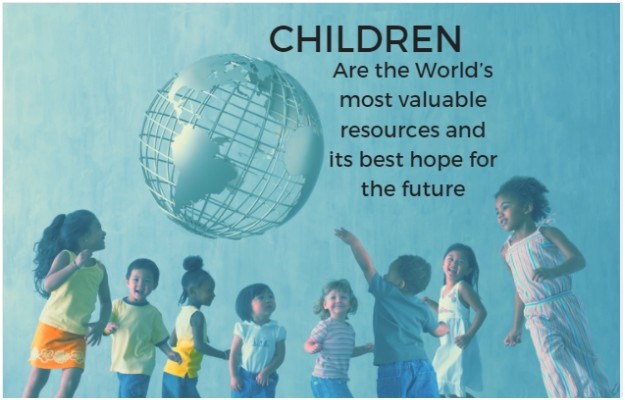
Celebrated annually on November 20, World Children’s Day is dedicated to promoting children’s rights and welfare worldwide. Established as Universal Children’s Day in 1954 by the United Nations General Assembly, the day was created to promote international togetherness, and awareness among children worldwide, and improve children’s welfare. November 20th was chosen to commemorate two important milestones in advancing children’s rights.
On November 20, 1959, the UN General Assembly adopted the Declaration of the Rights of the Child. This landmark document outlined the fundamental rights of children, emphasising their need for special protection and care. Exactly 30 years later, on November 20, 1989, the UN General Assembly adopted the Convention on the Rights of the Child (CRC). This set out children’s civil, political, economic, social, and cultural rights and has been ratified by 196 countries, making it the most widely ratified human rights treaty in history.
Over the years, World Children’s Day has evolved to become a platform for advocating children’s rights and addressing the challenges they face. It serves as a reminder of the commitments made by countries to uphold the rights of children and ensure their well-being. The day helps raise awareness about the rights of children and the importance of ensuring their well-being. It highlights issues such as child labour, child abuse, and lack of access to education and healthcare. World Children’s Day emphasises the importance of protecting and promoting children’s rights as outlined in the CRC. It encourages governments, organisations, and individuals to take action to uphold these rights. The day encourages children to participate in discussions and decision-making processes that affect their lives. It empowers them to voice their opinions and be active agents of change. World Children’s Day fosters a sense of global solidarity and cooperation in addressing the challenges faced by children. It brings together various stakeholders, including governments, NGOs, and communities, to work towards a common goal.
The theme for World Children’s Day 2024 is “A Better Future for Every Child.” This theme underscores the importance of creating a world where every child can thrive, regardless of background or circumstances. It focuses on several key areas, including ensuring access to quality education for all children, including marginalised and vulnerable groups; promoting access to healthcare services, proper nutrition, and a healthy environment for children; safeguarding children from violence, exploitation, and abuse; encouraging children’s participation in decision-making processes that affect their lives; and addressing inequalities and ensuring that every child, regardless of their socio-economic status, gender, or ethnicity, has equal opportunities to succeed.
To fully appreciate the importance of World Children’s Day, it’s crucial to understand the rights of children as outlined in the CRC. The Convention on the Rights of the Child includes 54 articles that cover various aspects of children’s rights.
Some of the key rights include the Right to Life, Survival, and Development where every child has the inherent right to life, and governments must ensure their survival and development. The Right to Education is one where every child has the right to free primary education, and access to secondary and higher education should be available to all while under the Right to Health, children must have the right to the highest attainable standard of health and access to healthcare services. Under the Right to Protection from Abuse and Exploitation, children must be protected from all forms of physical or mental violence, injury, abuse, neglect, and exploitation and children have the right to express their views freely in all matters affecting them and to have their opinions taken into account under the Right to Participation.
Despite significant progress in promoting children’s rights, many challenges remain. Some of the key issues affecting children worldwide include:
Child Labour: Millions of children are engaged in child labour, often in hazardous conditions, depriving them of their right to education and a safe childhood.
Child Marriage: Child marriage remains prevalent in many parts of the world, leading to negative health, education, and economic outcomes for girls.
Lack of Access to Education: Many children, particularly in low-income countries, lack access to quality education due to factors such as poverty, conflict, and discrimination.
Malnutrition: Malnutrition remains a significant issue, affecting children’s physical and cognitive development and increasing their vulnerability to diseases.
Violence and Exploitation: Children continue to face various forms of violence, including physical, sexual, and emotional abuse, as well as exploitation in the form of trafficking and forced labor.
Governments and organisations play a crucial role in promoting and protecting children’s rights. World Children’s Day highlights their responsibilities and encourages them to take action. Governments must develop and implement policies that uphold children’s rights and address the challenges they face. Adequate resources must be allocated to programs and services that support children’s health, education, and protection. Governments and organisations should collaborate with various stakeholders, including NGOs, communities, and the private sector, to create a supportive environment for children. Effective monitoring and accountability mechanisms should be in place to ensure that children’s rights are upheld and that progress is made towards achieving the goals set out in the CRC.
Children and youth are not just passive recipients of rights; they are active agents of change. World Children’s Day encourages their participation and empowers them to take action. Children and youth must be encouraged to advocate for their rights and the rights of their peers. Organisations and governments must provide platforms for them to voice their opinions and participate in decision-making processes. Peer education programmes must be supported where children and youth can educate each other about their rights and how to protect them. Youth-led initiatives that address issues affecting children and contribute to their well-being must be promoted and supported. Mentorship programmes that connect children and youth with positive role models who can guide and support themmust be developed.
World Children’s Day has had a significant impact on promoting children’s rights and improving their well-being. The day has successfully raised awareness about children’s rights and the challenges they face, leading to greater public support and action. Advocacy efforts on World Children’s Day have contributed to policy changes and the implementation of laws that protect children’s rights. Initiatives launched on World Children’s Day have helped improve access to education for marginalised and vulnerable children. Programmes and campaigns have strengthened child protection systems, reducing the incidence of violence, exploitation, and abuse. The day has empowered children and youth to take an active role in advocating for their rights and contributing to positive change in their communities.
While significant progress has been made, there is still much work to be done to ensure that every child can enjoy their rights and reach their full potential. World Children’s Day highlights the importance of promoting and protecting children’s rights. The day serves as a reminder of the commitments made by countries to uphold the rights of children and the importance of collective action in achieving this goal. By raising awareness, advocating for change, and supporting initiatives that benefit children, we can create a world where every child can thrive and reach their full potential.
Bottoms Up and the Devil Laughs: A Journey Through the Deep State – Kerry Howley
Who are you? You are data about data. You are a map of connections–a culmination of everything you have ever posted, searched, emailed, liked, and followed. In this groundbreaking work of narrative nonfiction, Kerry Howley investigates the curious implications of living in the age of the indelible. Bottoms Up and the Devil Laughs tells the true story of intelligence specialist Reality Winner, a lone young woman who stuffs a state secret under her skirt and trusts the wrong people to help. After printing five pages of dangerous information she was never supposed to see, Winner finds herself at the mercy of forces more invasive than she could have possibly imagined.
Following Winner’s unlikely journey from rural Texas to a federal courtroom, Howley maps a hidden world, drawing in John Walker Lindh, Lady Gaga, Edward Snowden, a rescue dog named Outlaw Babyface Nelson, and a mother who will do whatever it takes to get her daughter out of jail. Howley’s subjects face a challenge new to history: they are imprisoned by their past selves, trapped for as long as the Internet endures. A soap opera set in the deep state, Bottoms Up and the Devil Laughs is a free fall into a world where everything is recorded and nothing is sacred, from a singular writer unafraid to ask essential questions about the strangeness of modern life.
Navigating the workplace can be challenging, especially for young adults just starting their careers. One of the most significant hurdles they may face is dealing with difficult coworkers and office politics. Understanding how to manage these situations effectively is crucial for maintaining a positive work environment and ensuring professional growth.
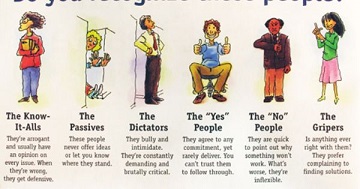
Difficult coworkers can manifest in various ways, from passive-aggressive behaviour to overt hostility. Recognising the different types of difficult coworkers is the first step in learning how to manage these relationships effectively.
The Gossip: This coworker thrives on spreading rumours and creating drama. They often distort the truth and can create a toxic atmosphere.
The Micromanager: This individual has a hard time letting go of control. They may hover over colleagues’ work, constantly checking in and offering unsolicited advice.
The Negative Naysayer: This coworker is perpetually pessimistic and focuses on problems rather than solutions. Their negative attitude can be contagious and demoralising.
The Credit Stealer: This person takes credit for others’ ideas or work, often undermining a colleague’s contributions in front of others.
The Saboteur: This coworker actively works against a colleague by spreading false information or undermining their efforts.
The Know-It-All: This individual believes they have all the answers and is often dismissive of others’ ideas or contributions.
Recognising the Impact of Difficult Coworkers
Difficult coworkers can significantly affect one’s work experience, leading to increased stress, decreased productivity, and even burnout. Understanding the impact of these relationships is essential for developing effective coping strategies.
Emotional Toll: Constantly dealing with difficult personalities can lead to feelings of frustration, anxiety, and resentment.
Reduced Collaboration: Difficult coworkers can hinder teamwork and collaboration, making it challenging to achieve common goals.
Career Advancement: Negative interactions can impact one’s professional reputation and hinder career advancement opportunities.
Work-Life Balance: Stress from difficult coworkers can spill over into the personal life, affecting overall well-being.
Maintain professionalism: Regardless of the behaviour of coworkers, it’s essential to maintain professionalism in all interactions. This includes staying calm and keeping emotions in check, even in challenging situations. Responding with anger or frustration can escalate conflicts. Using respectful language and choosing words carefully. One should avoid using derogatory or confrontational language, even when they provoke. One should also set an example and model the behaviour they wish to see in others. Demonstrating professionalism can encourage coworkers to do the same.
Communicate effectively: Effective communication is key to resolving conflicts with difficult coworkers. One should practice active listening and show genuine interest in what their coworker is saying. This can help de-escalate tensions and foster a more collaborative environment. One can also frame concerns using ‘I’ statements to express how a situation affects them without placing blame. For example, “I feel overwhelmed when deadlines are changed at the last minute.” One can also be direct but tactful while addressing issues. Avoid beating around the bush, as this can lead to misunderstandings.
Set boundaries: Establishing clear boundaries is crucial when dealing with difficult coworkers. Identify limits and decide what behaviours one is willing to tolerate and what crosses the line. Be clear about boundaries and communicate them well directly to the coworker. For example, if a coworker frequently interrupts one’s work, let them know one needs uninterrupted time to focus. One should also be consistent in enforcing said boundaries. If a coworker is allowed to cross them occasionally, it may become a pattern.
Focus on solutions: When faced with difficult coworkers, it’s essential to focus on finding solutions rather than dwelling on problems. Try to understand the underlying reasons for the coworker’s behaviour. This can help address the issue more effectively. Collaborate with the coworker to brainstorm and identify potential solutions to the problem. This can foster a sense of teamwork and cooperation. Sometimes, finding a middle ground is necessary for resolving conflicts. Be willing to compromise when appropriate.
Seek support from management: If a difficult coworker’s behavior becomes unmanageable, it may be time to seek support from management or HR. Document incidents and keep a record of specific incidents involving the difficult coworker, including dates, times, and details. This documentation can be helpful when discussing the issue with management. Identify the appropriate person to speak to, whether it’s a supervisor, HR representative, or team leader. When discussing the issue with management, present the concerns calmly and professionally. Focus on how the behaviour affects work and the team.
Practice self-care: Dealing with difficult coworkers can be emotionally draining. Practising self-care is essential for maintaining well-being. Find activities that help unwind and relieve stress, such as exercise, meditation, or hobbies. Talk to trusted friends or family members about the experiences. Sharing feelings can provide emotional relief and perspective. Make time for activities that bring joy and fulfilment outside of work. This can help recharge and maintain a positive outlook.
Office politics refers to the dynamics and power structures that exist within a workplace. While it can be challenging to navigate, understanding office politics is essential for career success. Office politics often involves navigating the power dynamics between colleagues, supervisors, and management. Understanding who holds influence can help you navigate relationships more effectively. Building positive relationships with colleagues can be beneficial in a politically charged environment. Networking and fostering connections can enhance one’s professional reputation. Office politics can lead to conflicts and competition among coworkers. Recognising these dynamics can help one avoid unnecessary drama.
Build strong relationships: Take the time to connect with colleagues across departments. Building a strong professional network can provide support and open doors for future opportunities. Foster a friendly and approachable demeanor. Being open to conversations can help one build rapport with coworkers.
Stay informed: Stay informed about company developments, changes in leadership, and organisational goals. Understanding the bigger picture can help one navigate office politics more effectively. Pay attention to conversations and dynamics within the office. Being aware of the political landscape can help one make informed decisions.
Stay neutral: Steer clear of gossip and negative talk about coworkers. Engaging in gossip can damage the reputation and create unnecessary drama. When conflicts arise, try to remain neutral. Taking sides can alienate one from colleagues and create tension.
Focus on performance: Focus on delivering high-quality work and meeting goals. A strong performance can help one build credibility and respect within the organisation. Regularly seek feedback from supervisors and colleagues. This shows the commitment to improvement and can help one navigate office dynamics.
Be professional: Regardless of the political climate, always maintain professionalism in all interactions. This includes being respectful, courteous, and accountable. Stay above the fray and avoid engaging in office drama. Focus on the work and maintain a positive attitude.
Dealing with difficult coworkers and navigating office politics can be challenging, especially for young adults entering the workforce. However, by implementing the strategies outlined above, one can effectively manage difficult relationships and foster a positive work environment. Maintaining professionalism, effective communication, and a focus on solutions are key to overcoming challenges in the workplace. Additionally, understanding the dynamics of office politics can help one navigate relationships and enhance their career prospects. Ultimately, the workplace is a microcosm of society, and learning to manage difficult personalities and political dynamics is an essential skill that will serve one well throughout their career. Embrace these challenges as opportunities for growth, and remember that the ability to navigate difficult situations will contribute to one’s long-term success and fulfilment in their professional life.
Today’s quote from author and artist Doe Zantamata highlights the toll that hesitation and fear can take on one’s life. When faced with major decisions or opportunities, it’s easy to get stuck in a cycle of “what ifs,” allowing fear to prevent us from taking meaningful steps forward. While seemingly protective, this hesitation can hold people back, causing years to slip by filled with missed experiences and unrealised potential. Zantamata’s message is ultimately about courage: leaping, even if uncertain, can lead to personal growth, discovery, and fulfilment—outcomes that indecision can never provide. By encouraging people to act, she highlights that it’s better to move forward with some uncertainty than to let the fear of failure or imperfection paralyse them. The quote reminds us that growth and change often require stepping out of our comfort zones and embracing a bit of the unknown to lead a fuller, richer life.
This week was all about me trying to manage my ankle pain. I finally caved in and saw a doctor who told me that it was most likely tendonitis. She gave me some medication and I have till tomorrow to decide if it has healed or not. If not, she will send me to have looked over by a specialist. As of this morning, it seems healed, but let me give it the rest of the day and I will make a call tomorrow morning.
GG has been very busy with exams, but the end is near. She has her last exam early next week and then is free for the next two months. She wanted to go for an internship, but because we are going to India later in the year, she decided to forego an internship this semester break.
BB finished his driving course sometime last week and is back with his unit. We miss him during the week, as during this part of the course, he could come home each night. Now that he is back with his unit, we will only see him for 48 hours each week. But c’est la vie, and I am now counting down to next October when he will be done with his national service.
That’s all from me this week. Take care and stay positive!












 Memories and Such