Recipes: Vegetable Alleppey Curry

A couple of months back, we went to this fusion restaurant to celebrate S’ birthday. This restaurant took traditional South Indian recipes and presented them in a contemporary format, which was very interesting. One of the recipes, we had was Alleppey Curry. I loved it and immediately tried to replicate it.

Alleppey Curry originates from the coastal town of Alleppey or Alappuzha, in Kerala. Known for its backwaters and vibrant culinary scene, Alleppey is celebrated for this curry’s unique blend of local spices and coconut-based gravies. This curry typically features an assortment of fresh vegetables, often including carrots, beans, potatoes, and peas, cooked in a coconut milk-based sauce. It’s frequently served with rice, appam, which are rice pancakes, or parotta, offering a delicious and wholesome vegetarian option.

Now, I don’t like the smell and taste of coconut milk, so instead of using that, I used freshly grated coconut and blended it with some spices to make the sauce. So here’s how I made it.

Vegetable Alleppey Curry

Ingredients:

  • 2 cups mixed vegetables, chopped into medium-sized pieces. I used a mixture of carrots, beans, potatoes, cauliflower, broccoli, and peas
  • 2 raw mangoes, peeled and chopped into medium-sized pieces
  • ½ cup freshly grated coconut
  • 5-6 dried red chillies
  • 1 tsp cumin seeds
  • 1 tsp oil or ghee
  • 1 tsp mustard seeds
  • ¼ tsp turmeric powder
  • Salt to taste
  • 5-6 curry leaves

Method:

  • In a blender, blend the coconut, dried red chillies, cumin seeds and ¼ of the chopped mangoes into a fine paste. Keep aside.
  • In another pan, add the chopped vegetables and the remaining raw mango pieces. some salt and turmeric powder and cook until about 80% done. Heat the oil and when it warms, add the mustard seeds and let them splutter. Then add the curry leaves, pour the tempering into the curry and cover immediately to trap the flavours.
  • Serve hot with rice.

In My Hands Today…

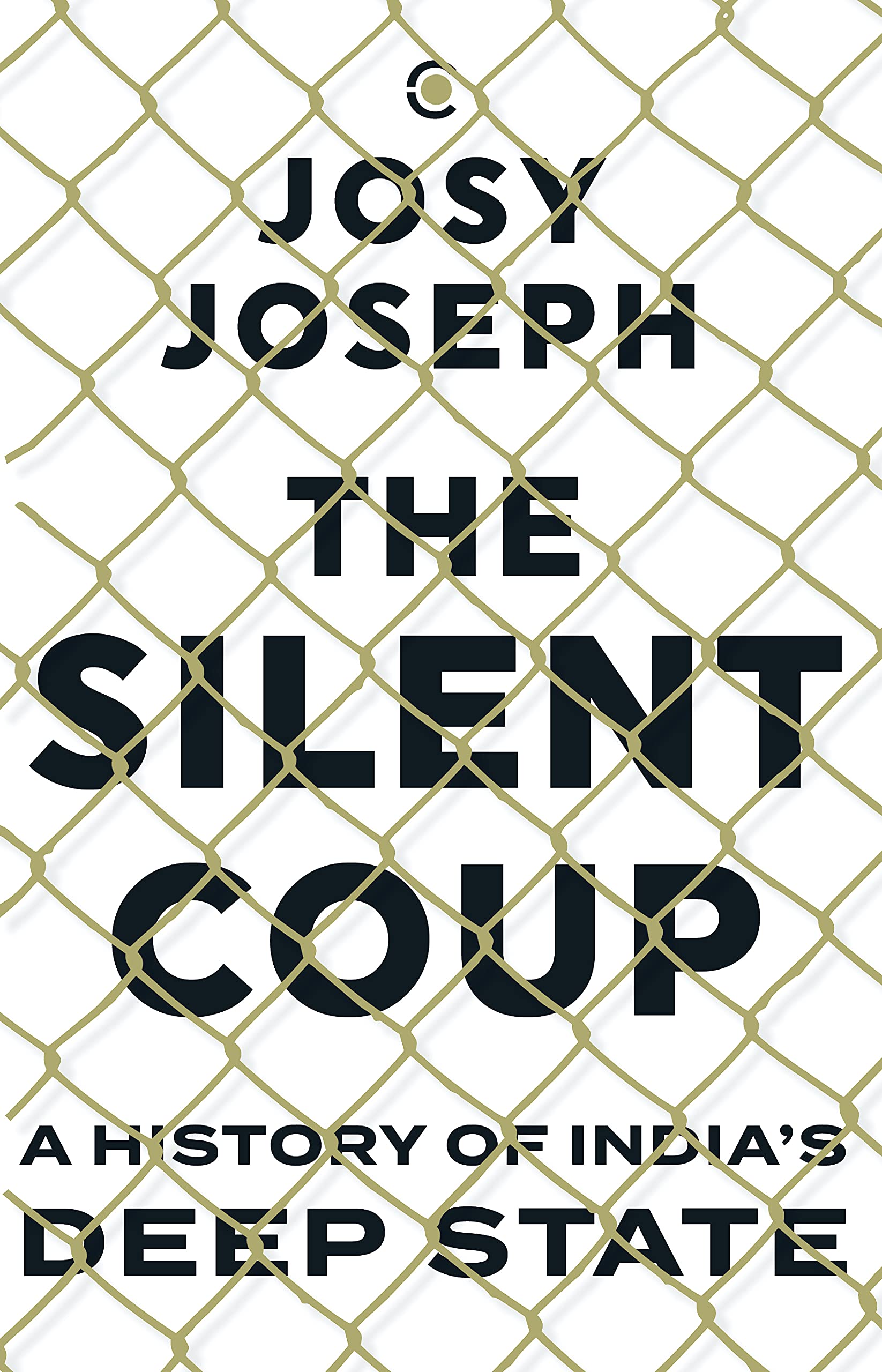
The Silent Coup: A History of India’s Deep State – Josy Joseph

‘They were not expected to behave like the terrorists they were hunting. Even in the thickest fog of war, the law-abider and the law-breaker must be distinguished.’

India is justly proud of a parliamentary democracy that has never been threatened by a military coup. This is no mean feat in a neighbourhood where coups are common and notions of constitutionality are shaky. However, for decades now, India’s democratic standing has been steadily declining. An international analysis recently rated the country as only ‘partly free’, while another deemed it an ‘electoral autocracy’.

Josy Joseph investigates this decline and comes away with a key insight: that the process of confronting militancy has warped the system. As insurgencies erupted across India and grew increasingly sophisticated in the 1980s and ’90s, the security establishment struggled to keep up. Increasingly overwhelmed, the police forces, intelligence agencies, federal investigation agencies, tax departments, and the like came up with ingenious—at times sinister—solutions, from faking and framing evidence to staging massive terror attacks and even creating terrorist organisations. Over time, militancy became a flourishing, multi-faceted business enterprise.

From the Kashmiri militancy to the Sri Lankan civil war, from the attack on Mumbai to the long-term unrest in the Northeast, India’s ‘war on terror’ has made its security institutions more nationalistic and chauvinistic and, inevitably, more corrupt. Most dangerously, there is a near-complete capture of the security apparatus, whether investigative agencies, police, or intelligence, by the political executive—serving as stormtroopers with no accountability rather than as defenders of the Constitution.

The result of more than two decades of reporting on insurgencies, terrorism, and the security establishment, The Silent Coup is a wake-up call to the nation. You do not need a military coup to subvert democracy, Joseph says—in India, it has already been subverted.

Safer Internet Day

Today, it is impossible to think of a life without the internet. Tomorrow is Safer Internet Day and this day is more than important in fostering a secure online environment. This day, observed annually on the second Tuesday of February, serves as a global call to action, urging individuals, organisations, and governments to reflect on the evolving challenges of digital safety and work collaboratively towards a safer cyberspace.

Since its inception in 2004, Safer Internet Day has evolved into a cornerstone event, transcending geographical boundaries to address the multifaceted aspects of online safety. Facilitated by the joint efforts of governments, NGOs, industry leaders, and individuals, the day seeks to raise awareness, promote responsible digital behaviour, and ignite conversations around the ever-expanding frontier of the internet.

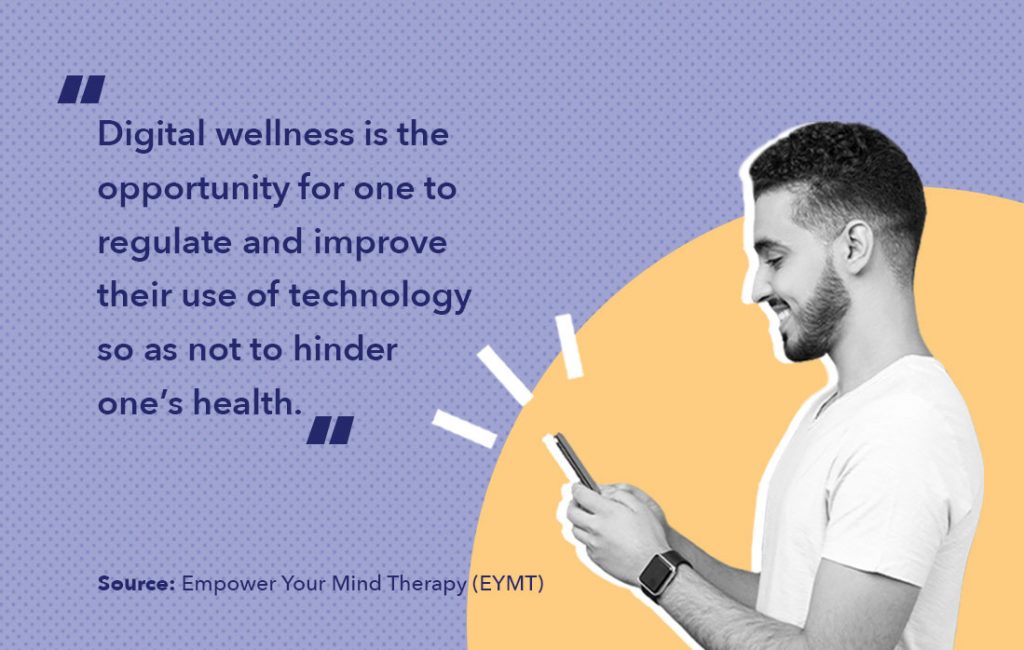
The theme for Safer Internet Day 2024, Empowering Digital Wellness, reflects a nuanced understanding of the Internet’s role in our lives. It goes beyond traditional notions of safety, encompassing a holistic approach that considers not only the avoidance of harm but also the cultivation of positive, healthy online experiences.

Cyber threats today are becoming more of a norm than they were previously. From sophisticated phishing attacks to ransomware campaigns targeting critical infrastructure, the arsenal of cyber threats continues to expand. Safer Internet Day serves as a rallying point to fortify our virtual defences and elevate cybersecurity awareness. The accumulation of personal data by tech giants and the subsequent concerns over data privacy have become central issues in the digital discourse. As individuals navigate the online landscape, safeguarding privacy is paramount, and Safer Internet Day prompts us to scrutinize the implications of our digital footprints.

The propagation of misinformation and the manipulation of online narratives pose significant threats to the integrity of digital spaces. Safer Internet Day underscores the importance of media literacy and critical thinking as bulwarks against the tide of disinformation. The younger generation, digital natives in their own right, face unique challenges in the online sphere. Safer Internet Day directs attention towards fostering a digital environment where young minds can explore, learn, and socialize without succumbing to the perils of cyberbullying, predatory behaviour, or exposure to inappropriate content.

So what is digital wellness?

Digital wellness transcends the binary perspective of safety versus danger. It delves into the qualitative aspects of our online experiences, urging us to strike a balance between connectivity and mental well-being. On Safer Internet Day, we are prompted to reflect on the impact of our digital habits on overall health. A key tenet of digital wellness is the cultivation of positive interactions. This day encourages individuals to contribute to a culture of respect, empathy, and constructive dialogue online. From social media etiquette to responsible commenting, the goal is to create a virtual space that mirrors the values of the physical world. An empowered user is a resilient user. Safer Internet Day emphasises the need for robust digital literacy initiatives that equip individuals with the skills to navigate the internet safely, discern reliable information from misinformation, and fortify themselves against cyber threats. Beyond individual efforts, the responsibility also lies with the tech industry to design platforms and services that prioritise user safety and well-being. Safer Internet Day calls for ethical considerations in the development and deployment of digital technologies.

Governments around the world use Safer Internet Day as an opportunity to announce new policies, launch initiatives, and engage in collaborative efforts to enhance online safety. The day acts as a catalyst for cross-border cooperation in addressing global digital challenges. Tech giants and corporations leverage Safer Internet Day to showcase their commitment to user safety. From releasing transparency reports to implementing enhanced security features, these initiatives contribute to a safer online ecosystem. You can also find non-governmental agencies that advocate for digital rights and online safety, amplifying their voices on this day. Safer Internet Day provides a platform for awareness campaigns, educational programs, and policy advocacy.

Educational institutions worldwide leverage Safer Internet Day to integrate digital safety into their curricula. From primary schools to universities, students are educated on topics such as online ethics, privacy protection, and cybersecurity. Workshops, seminars, and awareness programs are conducted to engage students, parents, and educators in discussions about responsible digital behaviour. The goal is to create a shared understanding of the challenges and opportunities presented by the digital landscape.

As we navigate the complex and ever-evolving digital terrain, Safer Internet Day serves as a call to action—a collective summons to become guardians of the virtual realm. It prompts us to scrutinise our digital habits, advocate for digital wellness, and actively contribute to the creation of a safer, more resilient internet. As individuals, we are also encouraged to reflect on our digital behaviours, assess our online footprint, and consider the impact of our actions on the broader online community. A conscious and informed user is the first line of defence in the digital realm.

Safer Internet Day is not merely a commemoration but a call to arms—an acknowledgement of the collective responsibility we bear in safeguarding the virtual commons. It challenges us to transcend the dichotomy of utopia and dystopia, recognizing that the internet, like any realm of human interaction, reflects our collective values, aspirations, and shortcomings.

In the quest for a safer internet, the journey begins with individual choices, extends through community engagement, and converges in the halls of policy and technology design. As we traverse the intricate web of the digital realm, let us be the architects of a virtual space that mirrors the principles of justice, equity, and shared humanity. In the hands of the global community, the internet can become a beacon of enlightenment, collaboration, and progress—a testament to the triumph of the human spirit in the face of the unprecedented challenges of our digital age.


2024 Week 05 Update

We’re back home after a very hectic trip. I really enjoyed myself with my parents and sister. S joined me later in the week as we celebrated my father’s 80th birthday with a traditional ceremony called the Sadabhisekham. This is an important Hindu ceremony performed when a man completes 80 years or has completed 1000 moons or lunar months. The word is derived from the Sanskrit words “Satha” meaning “eighty” and “abhisheka” meaning “ceremony”. This ritual is performed by a man who is still married to his spouse and is a sort of renewal of their marriage vows. The couple is bathed and dressed in new clothes, and a prayer ceremony is performed in their honour. Sathabhishekam is considered an important ritual in Hindu culture, as it marks the completion of a significant milestone in one’s life and is believed to bring good luck and blessings for a peaceful and prosperous old age.

The trip was so hectic that it will probably take me the rest of the weekend to recover and start work tomorrow.

Today’s quote by American cartoonist and creator of the much beloved comic strip “Calvin and Hobbes”, Bill Watterson underscores the tendency of individuals to become overly preoccupied with future goals and concerns, often at the expense of appreciating and enjoying the present moment. The quote suggests that people often fixate on future possibilities, aspirations, or challenges, investing significant mental energy in what lies ahead. In the pursuit of future endeavours, individuals may unintentionally neglect or overlook the beauty, experiences, and opportunities available in the current moment. It speaks to the importance of mindfulness and being fully present in one’s current circumstances, rather than being consumed by thoughts of the future. The quote serves as a reminder to find a balance between planning for the future and savouring the richness of the present. It encourages individuals to appreciate the journey, not just the destination. In essence, Bill Watterson’s quote encourages a shift in perspective, urging individuals to pause, be present, and find joy in their current surroundings rather than being solely fixated on what lies ahead. It’s a reminder to cultivate mindfulness and appreciate the value of the “here and now.”

And that’s all for today. I am taking this weekend very slowly as I unpack and get ready for a new week!

In My Hands Today…

In Light of All Darkness: Inside the Polly Klaas Kidnapping and the Search for America’s Child – Kim Cross

On October 1, 1993, a 12-year-old girl was kidnapped at knifepoint from her bedroom in Petaluma, California, during a sleepover with two friends, while her mother slept soundly in the room next door. This rarest of all kidnappings—a stranger abduction from the home—triggered one of the largest manhunts in FBI history.

Many Americans remember Polly’s face, which appeared on the national news every night, on the cover of People magazine, and on more than 8 million flyers distributed as far as China. The emotional gravity of Polly’s story touched every agent, police officer, and forensic technician who worked on her case. Many of these investigators have never shared their stories—until now.

New York Times bestselling author Kim Cross has written the first comprehensive account of what happened on that fateful night in October, as well as how the case forever transformed the Bureau’s approach to solving crimes. With unprecedented access to case files, crime scene photos, a videotaped murder confession, and inside sources, In Light of All Darkness follows the investigators who pieced together the evidence that led to the arrest and conviction of the kidnapper—and made the victim a household name and a girl who will never be forgotten.