Festivals of India: Chemrey Wangchok Festival

Over the weekend, enchanting Ladakh celebrated the festival of Chemrey Wangchok. Often referred to as “Little Tibet”, Ladakh is renowned for its stark yet mesmerizing landscapes, monasteries perched atop rugged mountains, and a culture that seamlessly blends Tibetan Buddhism with the natural beauty of the region.

Also known as the Chemrey Angchok Festival, the Chemrey Wangchok Festival is one of Ladakh’s most cherished cultural events. Held at the Chemrey Monastery, which is perched dramatically on a hilltop overlooking the Indus Valley, this festival offers a window into the spiritual and cultural heart of Ladakh.

The Chemrey Wangchok Festival is celebrated on the 28th and 29th day of the ninth month of the Tibetan lunar calendar, which this year was this weekend, 11 and 12 November. Typically falling in November or December in the Gregorian calendar, the festival marks the victory of good over evil and the ultimate triumph of the Buddhist teachings. Chemrey Monastery’s white-washed walls glisten brilliantly against the clear blue Ladakhi skies, and the aura of serenity envelops this sacred site. It’s a place where time seems to stand still, and every stone whispers stories of devotion.
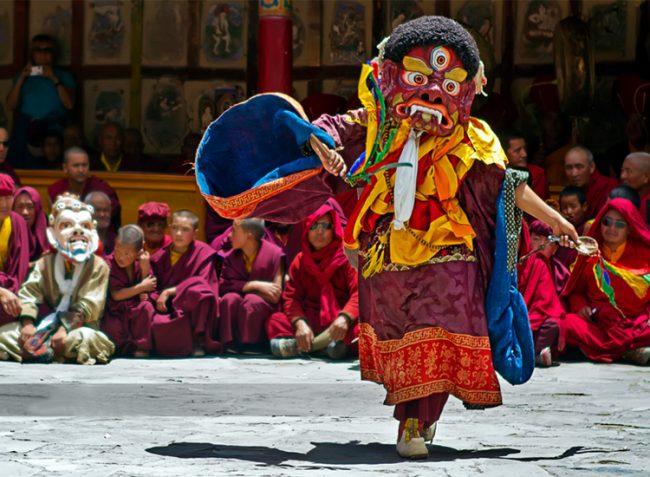
The festival kicks off with the Cham dance, a traditional masked dance performed by the resident monks. This intricate and colourful performance reenacts ancient Buddhist stories and teachings, inviting the audience to contemplate their deep meanings. Beyond the visual spectacle of the Cham dance, the Chemrey Wangchok Festival provides an opportunity for spiritual teachings and reflections. Monks share wisdom and insights, guiding attendees on a journey of self-discovery and enlightenment.

The air reverberates with the soothing sounds of traditional Ladakhi music and chants. The melodies played on traditional instruments like Tibetan horns and cymbals, add a mystical and enchanting ambience to the festival. The masked performers, adorned in elaborate costumes representing various deities and supernatural beings, are a sight to behold. Each mask tells a story and adds depth to the festival’s spiritual narratives.

Throughout the Chemrey Wangchok Festival, offerings are made to deities, symbolising the reverence and gratitude of the people of Ladakh. These rituals serve as a reminder of the deep connection between the spiritual and everyday lives of the locals.
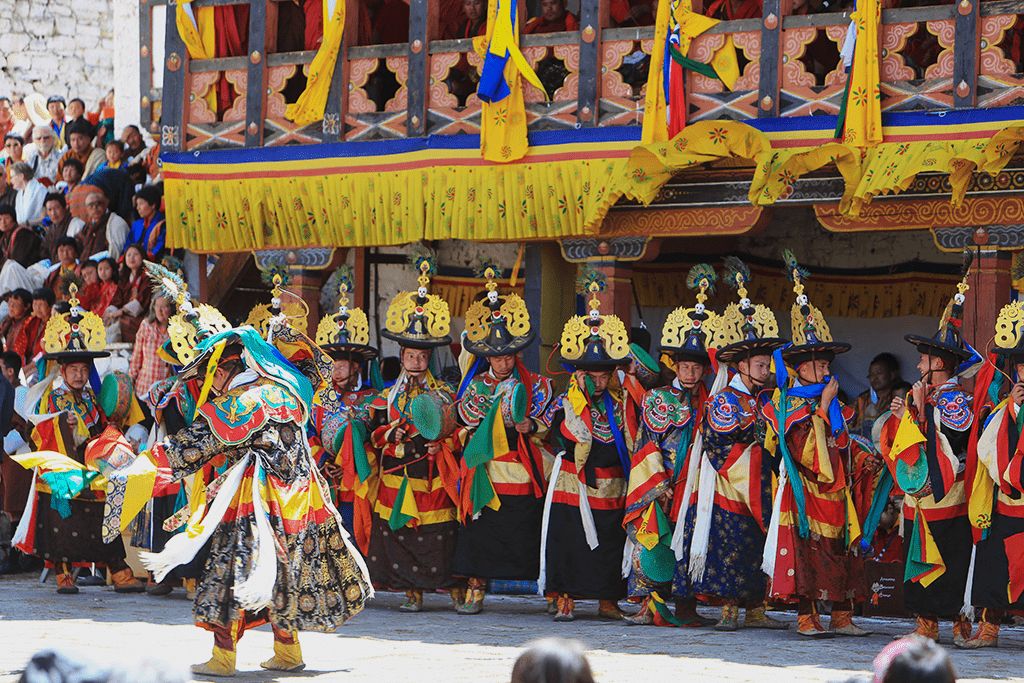
Chemrey Wangchok is a testament to Ladakh’s commitment to preserving its rich cultural heritage. It serves as a reminder of the importance of passing down traditions and rituals from one generation to the next. The festival offers a moment of pause in our busy lives, inviting us to reflect on the deeper aspects of existence. It encourages introspection, mindfulness, and a connection with the spiritual dimensions of life. For visitors to Ladakh, the Chemrey Wangchok Festival provides a unique opportunity to engage with the local culture and forge meaningful connections with the Ladakhi people. In a world often divided by differences, this festival reminds us of the power of unity and shared values. It transcends barriers of nationality, language, and background, fostering a sense of oneness among those who attend. The colourful Cham dance and the profound spiritual teachings inspire attendees to seek inner peace, wisdom, and enlightenment in their own lives. It serves as a source of motivation and a reminder of life’s deeper purpose.

In a rapidly changing world, festivals like Chemrey Wangchok play an essential role in preserving cultural heritage, fostering spirituality, and celebrating unity. They remind us of the beauty that lies in tradition and the profound wisdom contained within ancient rituals. Festivals like these offer a respite from our often-hectic lives, inviting us to slow down and reflect on the deeper aspects of our existence. In an era of constant distractions, they serve as a sanctuary for inner peace and self-discovery.
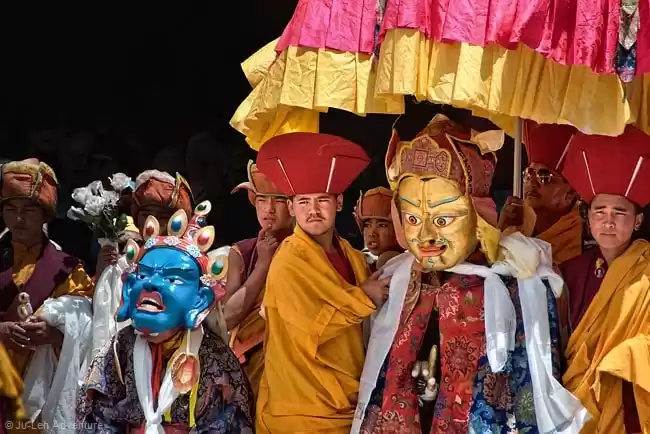
This festival, with its Cham dance, spiritual teachings, and cultural richness, is a radiant celebration of Ladakh’s soul. It reminds us that amid the hustle and bustle of modern life, there are places where tradition thrives, where spirituality is woven into the fabric of daily existence, and where unity is celebrated. The Chemrey Wangchok Festival is a testament to the enduring beauty of Ladakh and the timeless wisdom of its people—a legacy that continues to shine brightly against the backdrop of the Himalayas.
In My Hands Today…

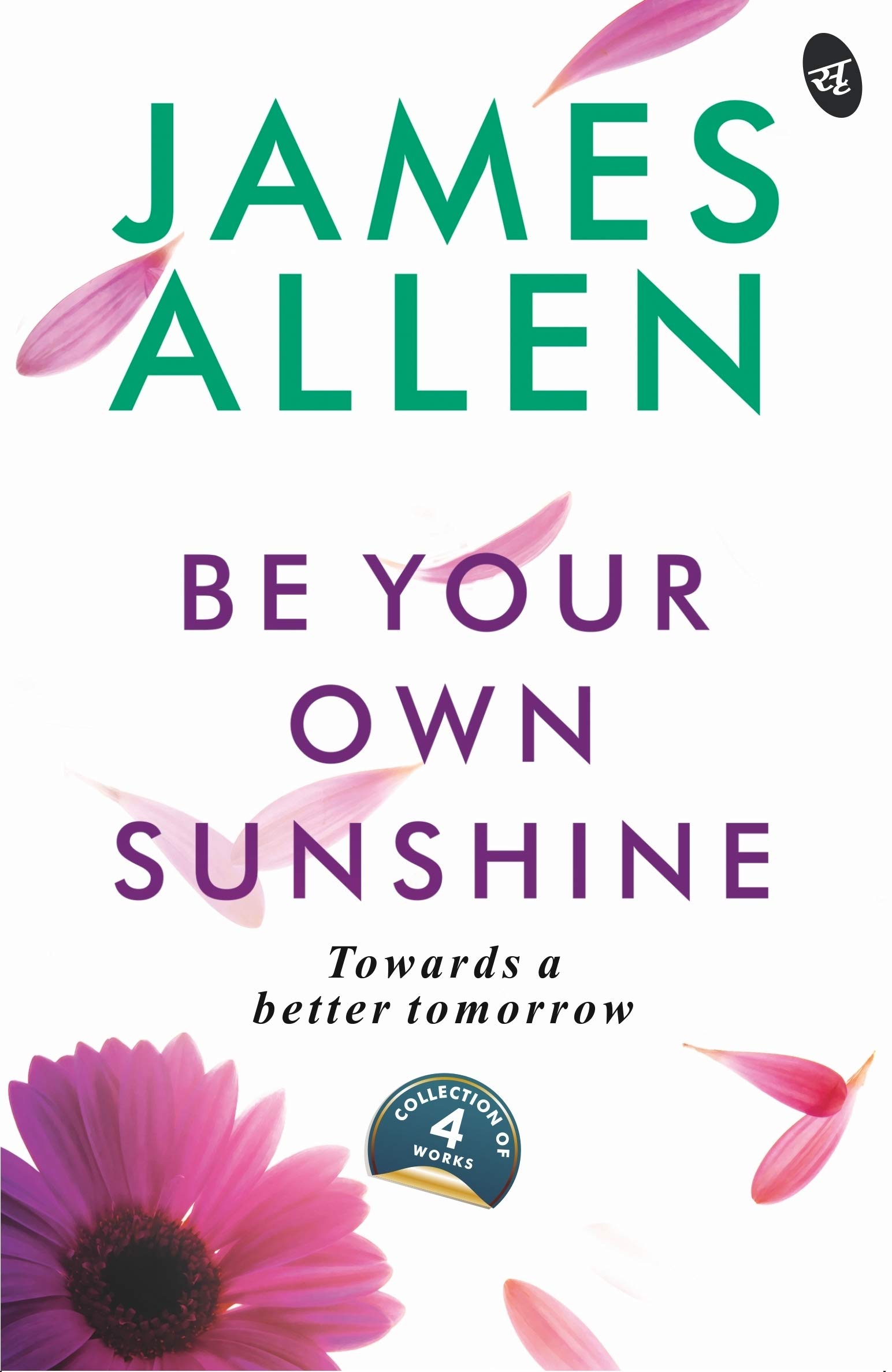
Be Your Own Sunshine – James Allen

Be Your Own Sunshine is a collection of four works by James Allen that sum up the hows, whys, and whats of taming the mind and its infinite energies, channeling the power of positive thinking, and striking a balance between the inner world of our thoughts and the outer world of action.

As A Man Thinketh maps out the way in which our thoughts can affect our physical, mental, emotional, and social health. It also discusses ways in which we can use our visions and ideas to lead us to peace of mind.

From Passion to Peace is a step-by-step discussion on conquering the factors within us that hinder us from achieving success.

Man: King of Mind, Body, and Circumstance aims at freeing us from the slavery of our negative and binding thoughts, enabling us to conquer our inhibitions and set our spirits free.

Foundation Stones to Happiness and Success help us lay the foundation for a stronger self with the right balance of thoughts and speech and its implementation in action.

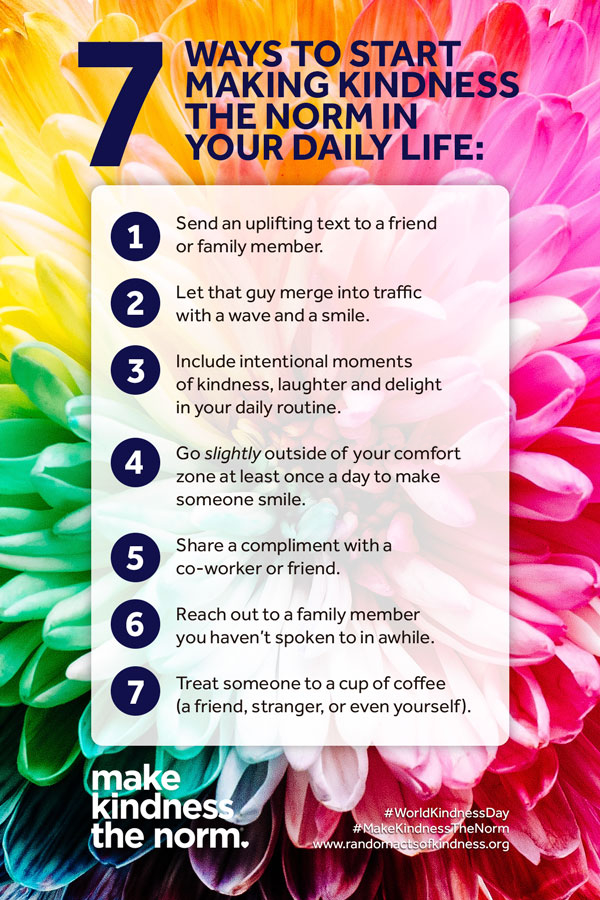
World Kindness Day: Why Kindness Matters in Today’s World

Today is World Kindness Day. In a world often filled with stress, conflict, and uncertainty, this day serves as a gentle reminder of the power of kindness, its significance in our lives, and why we need a dedicated day for it.

What is Kindness?
At its core, kindness is the act of showing compassion, consideration, and empathy towards others. It encompasses a wide range of behaviours, from small gestures like smiling at a stranger to larger acts of generosity and support. Kindness isn’t just about being nice; it’s about fostering a sense of connection and goodwill among individuals and communities.

In today’s fast-paced and interconnected world, the significance of kindness cannot be overstated. Kindness is the glue that binds us together as a society. When we show kindness to others, we create a sense of belonging and community, which is essential for our mental and emotional well-being. Acts of kindness, whether giving or receiving, release oxytocin, a hormone that promotes feelings of love and reduces stress. In a world where stress is rampant, these moments of kindness are like emotional lifelines. Kindness nurtures empathy—the ability to understand and share the feelings of others. In a world with increasing polarization, empathy is a powerful tool for bridging divides and finding common ground. Small acts of kindness can have a ripple effect, inspiring others to pay it forward. By leading with kindness, we can collectively create positive change in our communities and beyond.

Why do we need World Kindness Day?
So why does one need a designated day for kindness? Why can’t we be kind every day? While ideally, kindness should be a daily practice, the reality is that our lives often become chaotic and demanding. World Kindness Day serves as an annual reminder to pause, reflect, and recommit to acts of kindness. Having a specific day dedicated to kindness allows us to shine a spotlight on the importance of this virtue. It encourages individuals and organisations to come together in a concerted effort to spread kindness on a global scale.

World Kindness Day catalyses inspiring kindness initiatives. It’s a day when people are more likely to engage in acts of goodwill and to support charitable causes, creating a surge of positive momentum. Schools, communities, and workplaces can use World Kindness Day as an opportunity to educate individuals about the benefits of kindness and how to incorporate it into their daily lives. In a world that often feels divided, World Kindness Day unites people from different backgrounds, cultures, and beliefs under a common goal: to make the world a kinder place.

The question remains, why can’t we make kindness a daily practice instead of confining it to one day a year? The truth is, we absolutely can, and many individuals do. However, designating a specific day for kindness amplifies its impact for several reasons:

Collective Effort: When people worldwide come together on World Kindness Day, the cumulative effect of their kind acts is immense. It creates a sense of unity and shared purpose that can be challenging to replicate every single day.

Heightened Awareness: Having a designated day increases awareness about kindness and encourages individuals who may not have prioritized it before to participate.

Global Impact: World Kindness Day provides an opportunity to focus on global issues and challenges that require collective kindness, such as addressing poverty, inequality, and environmental concerns.

Inspiration and Inspiration: People often need a reminder or inspiration to practice kindness consistently. World Kindness Day can serve as that spark, prompting individuals to make kindness a regular part of their lives.

In a world that can sometimes feel divisive and harsh, World Kindness Day stands as a beacon of hope and unity. It reminds us of the incredible power of small acts of kindness and the transformative impact they can have on individuals and societies alike. While we should strive to make kindness a daily practice, having a dedicated day for it amplifies its significance and encourages us to be more mindful of our actions.

So, let’s embrace World Kindness Day as an opportunity to spread goodwill, foster empathy, and create positive change. Let’s carry the spirit of kindness with us not just on this day, but every day, as we work together to make the world a kinder and more compassionate place for all.

2023 Week 45 Update

Today is the festival of Diwali or Deepavali, which is celebrated across the country and everywhere where the Indian diaspora lives. Here’s wishing everyone reading my blog a very happy Diwali. I wish you a Diwali filled with love, laughter, and sweet moments.May your home be blessed with happiness, prosperity, and love.

Today’s quote comes to us from the American media mogul, television host, actress, producer, and philanthropist, Oprah Winfrey. In this quote, Oprah tells us that each of us has a unique passion, talent, or calling that inspires us and gives our life purpose. Discovering and nurturing this inner “light” is the key to making a positive impact on the world. The quote encourages us to search for what truly excites and motivates us. It suggests that finding and nurturing this inner “light” is not only essential for personal fulfilment but is also the foundation for making a meaningful contribution to the world. The quote implies that by following one’s passion and making a positive impact, we can inspire and influence others, contributing to a better and brighter world. Today’s quote is a motivational reminder that each of us possesses the potential to create a positive change in the world by pursuing what genuinely inspires and drives us. It emphasises the importance of personal passion and purpose in making a difference and leaving a lasting impact on society.

And BB came back from his confinement week just in time to celebrate the festival of lights with us. We were thrilled to see him, because even video calls daily are not the same as having him in the house. Later in the evening today, we will go and visit his grandmother and grandaunt, who also can’t wait to see him again. He will go back to camp tomorrow and because of the public holiday tomorrow, we get an extra day with him. But now the wait will only be for a week each time, so I guess it won’t be so bad!

That’s all from my side today! And now off I go to celebrate Diwali with my family! From my family to yours, here’s wishing you a very Happy Diwali or Deepavali and may the festival bring you and your loved ones only joy, happiness and prosperity!

In My Hands Today…

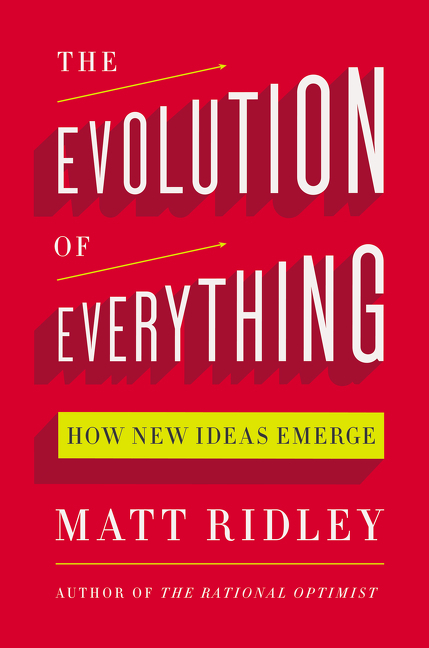
The Evolution of Everything: How New Ideas Emerge – Matt Ridley

The Evolution of Everything is about bottom-up order and its enemy, the top-down twitch—the endless fascination human beings have for design rather than evolution, for direction rather than emergence. Drawing on anecdotes from science, economics, history, politics, and philosophy, Matt Ridley’s wide-ranging, highly opinionated opus demolishes conventional assumptions that major scientific and social imperatives are dictated by those on high, whether in government, business, academia, or morality. On the contrary, our most important achievements develop from the bottom up. Patterns emerge, trends evolve. Just as skeins of geese form Vs in the sky without meaning to, and termites build mud cathedrals without architects, so brains take shape without brain-makers, learning can happen without teaching and morality changes without a plan.

Although we neglect, defy and ignore them, bottom-up trends shape the world. The growth of technology, the sanitation-driven health revolution, the quadrupling of farm yields so that more land can be released for nature—these were largely emergent phenomena, as were the Internet, the mobile phone revolution, and the rise of Asia. Ridley demolishes the arguments for design and effectively makes the case for evolution in the universe, morality, genes, the economy, culture, technology, the mind, personality, population, education, history, government, God, money, and the future.