Weaponised Incompetence: The Art of Avoidance

Incompetence, at its core, refers to the inability to perform tasks effectively due to a lack of skill, knowledge, or aptitude. While genuine incompetence stems from legitimate shortcomings, weaponised incompetence is a manipulative behavior where individuals feign inability to avoid responsibility or shift burdens onto others. This tactic can lead to frustration, resentment, and imbalances in relationships and workplaces.

Incompetence is broadly defined as the inability to perform tasks or fulfill responsibilities effectively. It manifests in various forms across different domains: Administrative incompetence refers to dysfunctional behaviours that hinder organisational goals, while legal incompetence is the inability of individuals to make decisions due to mental impairment, and military incompetence is the failures in judgment or execution within military operations. Social ineptitude is the struggle with interpersonal skills or social interactions. Incompetence may arise from a lack of training, experience, or aptitude. However, when incompetence is intentionally feigned for personal gain or avoidance of responsibility, it becomes weaponised.

What is weaponised incompetence? Weaponised incompetence, also known as strategic incompetence, involves pretending to be incapable of performing tasks or intentionally doing them poorly to evade responsibility. This behavior often results in others taking over the task to ensure it is completed properly.

Key characteristics of weaponised incompetence include intentional underperformance, where one deliberately does tasks poorly or claims ignorance; manipulation, which is the shifting of responsibilities onto others through feigned inability; and imbalance, which creates unequal dynamics where one person bears an unfair workload.

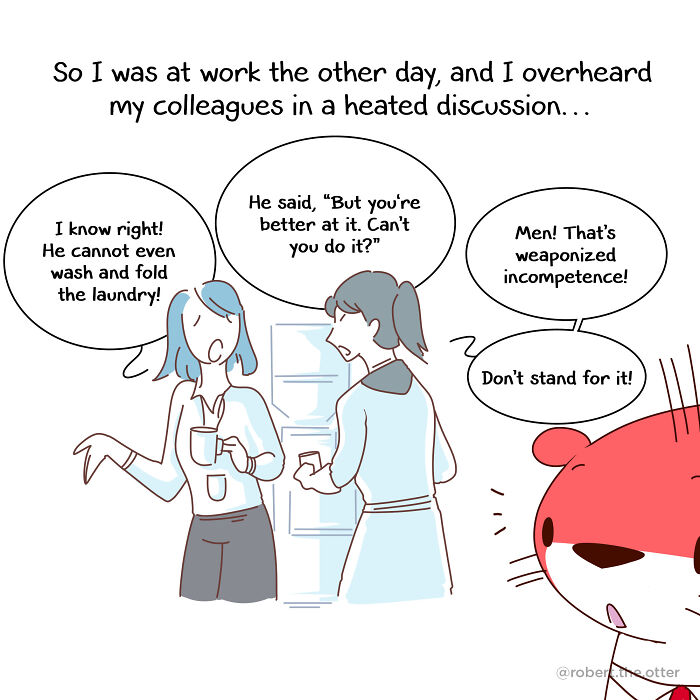
Examples of weaponised incompetence include a partner consistently claiming they are “bad” at household chores like laundry or cooking, forcing the other person to take over, or a coworker who avoids group responsibilities by showing up unprepared or delegating their tasks under the guise of incompetence.
Why do people weaponise incompetence? Weaponised incompetence is often driven by psychological motives and personal dynamics. Understanding these underlying factors can help address the behaviour effectively.

Psychological motives include a desire for control whereby by feigning incompetence, individuals manipulate others into taking over tasks, maintaining control over how responsibilities are distributed. There is also a fear of failure where some people avoid tasks due to anxiety about performing poorly or being exposed as inadequate. Some individuals also need validation by creating dependency through perceived incompetence that ensures others seek their assistance, feeding their need for attention and affirmation.

In situational factors, when responsibility is avoided, weaponised incompetence allows individuals to shirk unpleasant tasks while ensuring they are completed by someone else. Power dynamics also play a role, as weaponised incompetence can reinforce existing imbalances in relationships or workplaces with unequal power structures.

Weaponised incompetence can have far-reaching consequences in personal relationships and professional settings. In relationships, romantic partnerships, or family dynamics, weaponised incompetence leads to emotional distress and resentment. Over time, it undermines trust and respect between partners. For example, one partner consistently avoids shared responsibilities like childcare or household chores, and the other partner feels burdened by the disproportionate workload.

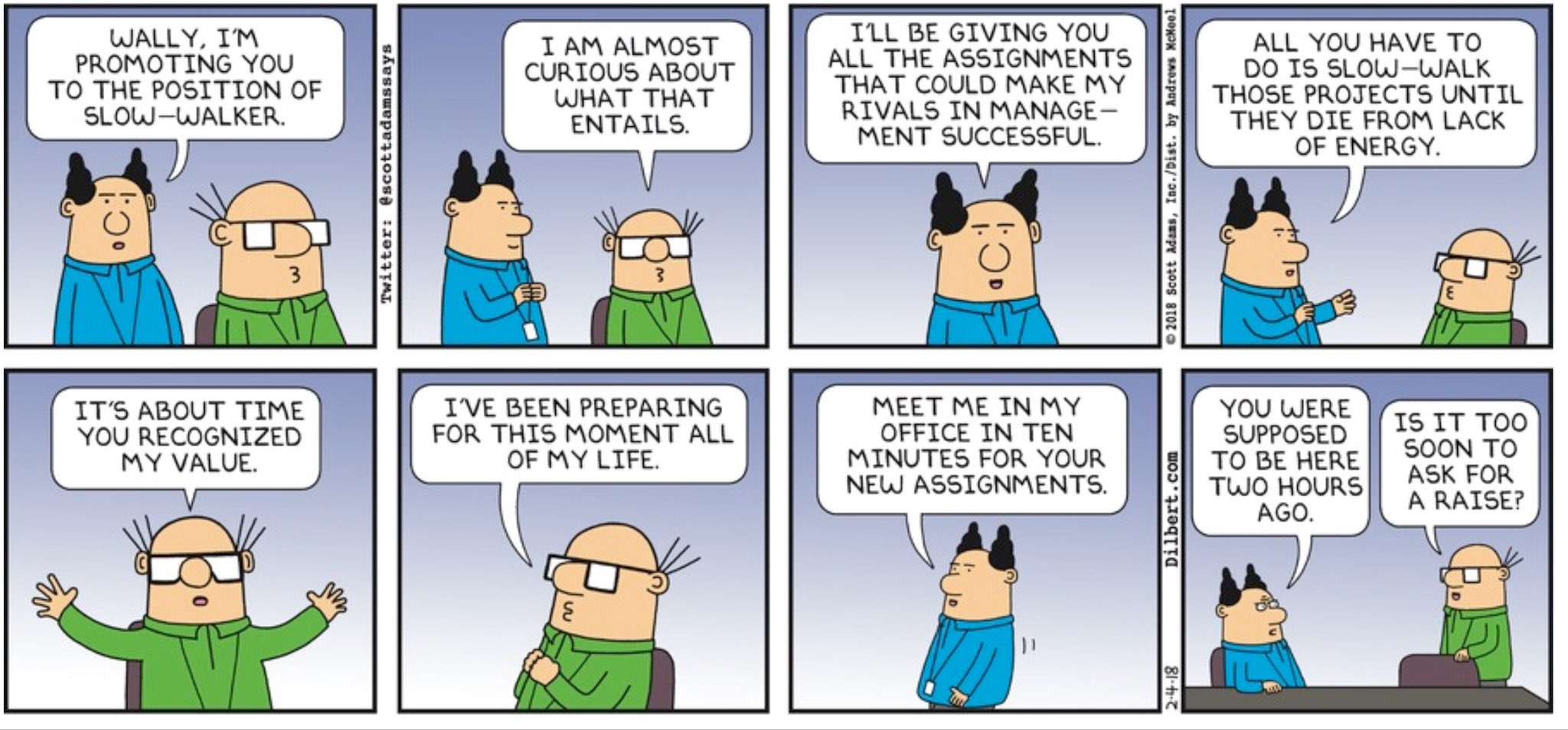
Weaponised incompetence disrupts teamwork and productivity in workplaces and professional environments. It often manifests as poor contributions to group projects, delegating tasks under pretenses, and consistently underperforming while expecting others to compensate. These behaviours create frustration among colleagues and may hinder career growth for those forced to pick up the slack.

So, what are the strategies for addressing weaponised incompetence? When faced with weaponised incompetence, individuals can employ various strategies tailored to their specific situations. General approaches include recognising the manipulation by identifying patterns of feigned incompetence and acknowledging its impact on workload or emotional well-being. They also include setting boundaries, clearly defining expectations, and refusing to take over responsibilities unnecessarily. Finally, they can communicate effectively by using “I” statements to express feelings and encourage constructive dialogues about sharing tasks equitably.

In personal relationships, addressing weaponised incompetence in relationships requires patience and open communication. Frame conversations around teamwork, and instead of blaming your partner, discuss how both parties can contribute equally and highlight the importance of shared responsibilities for a healthy relationship. Offer support without enabling, and if your partner genuinely struggles with certain tasks, offer guidance or teach them how to improve. Avoid stepping in every time they underperform; let them face the consequences of their actions. If weaponised incompetence persists despite efforts to address it, consider counseling or therapy as a neutral space for resolving conflicts.

In workplaces, dealing with weaponised incompetence at work requires assertiveness and collaboration. Document patterns and keep records of instances where coworkers feign inability or fail to contribute effectively. Use this documentation when addressing the issue with supervisors or HR. Delegate tasks strategically and assign responsibilities clearly, and ensure accountability for completion. Avoid taking over tasks unless necessary. Foster a culture of accountability by encouraging teamwork by emphasising shared goals and mutual respect and advocating for policies that reward effort and penalise consistent underperformance.
When dealing with weaponized incompetence, prioritise your mental health. Practice mindfulness to manage frustration, seek support from friends or colleagues who understand your situation, and focus on maintaining balance in your own responsibilities without overextending yourself.

Weaponised incompetence is a subtle yet impactful form of manipulation that can strain relationships and hinder productivity in workplaces. By understanding its motivations and effects, individuals can develop strategies to address this behaviour effectively. Tackling weaponised incompetence requires patience and assertiveness, whether through boundary-setting, communication, or professional intervention. Ultimately, fostering personal and professional environments that value accountability and teamwork can mitigate the prevalence of this manipulative tactic. Recognising the signs early on empowers individuals to protect their well-being while promoting fairness in shared responsibilities.
In My Hands Today…

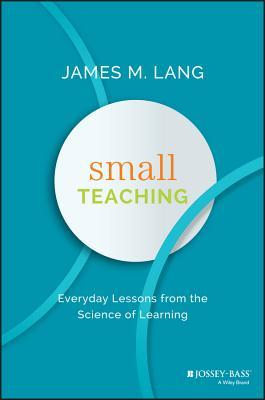
Small Teaching: Everyday Lessons from the Science of Learning – James M. Lang

Employ cognitive theory in the classroom every day Research into how we learn has opened the door for utilizing cognitive theory to facilitate better student learning. But that’s easier said than done. Many books about cognitive theory introduce radical but impractical theories, failing to make the connection to the classroom.

In “Small Teaching” James Lang presents a strategy for improving student learning with a series of modest but powerful changes that make a big difference, many of which can be put into practice in a single class period. These strategies are designed to bridge the chasm between primary research and the classroom environment in a way that can be implemented by any faculty in any discipline, and even integrated into pre-existing teaching techniques. Learn, for example: How does one become good at retrieving knowledge from memory? How does making predictions now help us learn in the future? How do instructors instill fixed or growth mindsets in their students?

Each chapter introduces a basic concept in cognitive theory, explains when and how it should be employed, and provides firm examples of how the intervention has been or could be used in a variety of disciplines. Small teaching techniques include brief classroom or online learning activities, one-time interventions, and small modifications in course design or communication with students.

Adulting 101: How to Create a Personal Development Plan

Personal development is a lifelong journey, one that enables individuals to grow, improve skills, and achieve their goals. For young adults navigating the complexities of life, creating a structured personal development plan (PDP) can be a powerful tool to bring clarity, focus, and motivation to their aspirations.

What is a Personal Development Plan (PDP)? A Personal Development Plan or PDP is a structured framework that outlines an individual’s goals and the steps needed to achieve those goals. It serves as a roadmap for personal growth and helps individuals focus on self-improvement in various areas of life, such as career, education, relationships, health, and emotional well-being.

Key components of a PDP include:

  • Self-assessment is all about understanding yourself: your strengths, weaknesses, values, and aspirations. This is the foundation of a PDP.
  • Goal setting, which includes identifying clear, actionable goals you want to achieve in the short, medium, or long term.
  • An action plan, which is the specific steps or strategies needed to achieve your goals, including deadlines and milestones.
  • Progress tracking is regularly reviewing your progress to ensure you remain on course.
  • Reflection and adjustments that are making necessary changes to your plan as your priorities evolve.

Why is a personal development plan important? Creating a personal development plan offers numerous benefits.

  • Clarity and focus: A PDP helps you clarify your goals and align your actions with your values. It provides focus, enabling you to channel your time and energy into meaningful pursuits.
  • Improved self-awareness: Through self-assessment, you gain a deeper understanding of your strengths, weaknesses, and areas for growth, which is key to personal and professional success.
  • Motivation and accountability: A structured plan keeps you motivated by breaking down larger goals into manageable steps. Regular reviews hold you accountable for your progress.
  • Skill development: A PDP encourages continuous learning by helping you identify the skills you need to develop to achieve your goals.
  • Enhanced problem-solving: By reflecting on challenges and successes within your plan, you develop better critical thinking and problem-solving skills.
  • Better decision-making: A PDP empowers you to make decisions that align with your values, priorities, and long-term aspirations.
  • Balance and growth: It encourages a balanced approach to life, fostering growth in various aspects—career, relationships, health, and personal fulfillment.

So how does one create a personal development plan?

Conduct a self-assessment:
Before setting goals, take time to understand yourself. Self-awareness is the cornerstone of a successful PDP. Reflect on your strengths and weaknesses and identify your strengths: what you’re good at and what energises you. Simultaneously, acknowledge areas where you can improve. Think about what others frequently praise you for, like creativity, organisation, or leadership. Identify challenges or recurring struggles like time management or communication skills.

Define your values, as your values represent what’s important to you in life. Defining these will guide your goals and decisions. Ask yourself what brings you fulfillment and what principles you live by. Assess the different aspects of your life and use a holistic approach by evaluating them. These could include areas such as career, education, health and fitness, relationships, emotional well-being, financial health, and hobbies and passions. A tool like the “Wheel of Life” can help you visualise and assess your satisfaction in each area.

Set clear and actionable goals:
Once you’ve completed your self-assessment, it’s time to define your goals. These goals should be aligned with your values and areas for improvement. Use the SMART framework to ensure your goals are effective. The SMART criteria can be defined as:
Specific, which clearly defines what you want to achieve.
Measurable, where you include metrics to track your progress.
Achievable, which includes setting goals that are realistic and within your reach.
Relevant, which aligns goals with your values, priorities, and aspirations.
Time-bound assignments that assigns deadlines to create urgency.

For example, instead of “I want to improve my fitness,” set a SMART goal like, “I will work out for 30 minutes, five days a week, for the next three months to improve my stamina.”

Organise your goals into categories. Short-term goals, which are immediate in the next one to six months, are immediate actions or quick wins, such as reading a specific book or attending a workshop. Medium-term goals, which are between six months and two years, are meant for milestones that contribute to long-term aspirations, such as completing a certification or saving for a vacation. Long-term goals, which are goals you work for in the long term for over two years, are meant for big achievements that require sustained effort, such as changing careers or buying a home.

Create an action plan:
An action plan outlines the specific steps you need to take to achieve your goals. Break down goals into tasks and start by dividing each goal into smaller, actionable steps. This makes goals more manageable and reduces the overwhelm. Set deadlines and milestones and assign a timeline to each task and establish milestones to track progress. Identify resources and determine the resources you need, such as books, courses, or online tools, mentors or coaches; and financial resources.

Track and monitor your progress:
Reviewing your progress regularly ensures you stay on track and adapt to changing circumstances. Schedule regular check-ins and set aside time weekly or monthly to evaluate your progress. Ask yourself questions like, What have I accomplished? What challenges am I facing? And what adjustments do I need to make? Celebrate milestones and acknowledge and celebrate small wins to stay motivated and build momentum.

Reflect and Adjust:
Life is dynamic, and your PDP should be flexible enough to adapt to new circumstances, priorities, or goals. Reflect on lessons learned. Regularly reflect on what’s working and what isn’t. Ask yourself what you have learned so far and if your goals are still aligned with your values. Revise your plan if needed, and modify your goals, timelines, or action steps to better fit your evolving priorities.

Some tips to stay motivated and committed to your personal development plan:

  • Start small: Focus on a few key goals rather than trying to achieve everything at once.
  • Find an accountability partner: Share your goals with a trusted friend, colleague, or mentor who can hold you accountable and provide encouragement.
  • Visualise your success: Imagine yourself achieving your goals. Visualisation can inspire you to take action and stay committed.
  • Create a reward system: Reward yourself for completing tasks or achieving milestones, such as treating yourself to your favorite activity or meal.
  • Manage time effectively: Use time management tools like to-do lists, calendars, or apps to stay organised and prioritise tasks.

Some common pitfalls and how to overcome them

  • Setting unrealistic goals: Break larger goals into smaller, achievable steps to avoid feeling overwhelmed.
  • Procrastination: Combat procrastination by using techniques like the Pomodoro Technique (25-minute work intervals) to stay focused.
  • Loss of motivation: Revisit your “why” or the reasons behind your goals to rekindle motivation.
  • Fear of failure: Embrace failure as a learning opportunity rather than a setback. Reflect on what went wrong and how to improve.

Creating a personal development plan is an empowering step toward achieving your full potential. By taking the time to assess your current situation, set clear goals, and create actionable steps, you can navigate life with purpose, focus, and confidence. Remember, the journey of personal growth is unique to everyone—start small, stay consistent, and adjust as needed. With commitment and effort, you’ll be well on your way to building the life you envision for yourself.

 2025 Week 50 Update

Bharat Tea Plantation

Selamat Datang from the beautiful Cameron Highlands! We’re here as a family to celebrate a milestone anniversary. I remember coming to this beautiful Malaysian hill station many years back, before the children were born, and coming back after so long, I could see how much it has changed over the years. We drove in from Singapore, stopping overnight in Kuala Lumpur before driving to Cameron Highlands, and we will return the same way.

Today’s proverb is from China and is not attributed to anyone, but is a clear and timeless reminder that big goals are achieved through small, consistent steps. We often look at challenges as enormous, immovable obstacles. A new habit, a long-term project, a personal transformation, or a career shift, these can feel like mountains. The size alone can overwhelm us before we even start. But this proverb challenges that mindset. It tells us that nothing is too big to tackle if you’re willing to break it down. Mountains don’t disappear in one grand gesture; they fade through steady effort. Small stones represent manageable tasks, the little actions that seem insignificant in the moment but gradually accumulate into real progress.

It’s also a lesson in patience. Modern life pushes us to expect instant results, but meaningful change rarely works that way. This proverb encourages humility and persistence. Even when it feels like you’re barely making a dent, every stone you move matters. Over time, those small actions build momentum. Before you know it, what once felt impossible starts to feel achievable. There’s also a subtle encouragement here: don’t wait for the perfect moment or a surge of motivation. Just begin. The first stone might be the hardest to lift, but once you do, the next one becomes easier. And finally, this proverb reminds us that perseverance transforms us. As we keep showing up, stone after stone, we grow stronger, more disciplined, and more confident. The mountain changes, yes, but so do we.

GG came back from her school trip, and the next day, we travelled to Malaysia. She was so tired and pretty much slept on the way to KL. I’ll share more about the trip and photos in a later post.

Today’s motivation post is about acceptance. It’s normal to struggle with acceptance. Accepting that something has ended doesn’t mean it didn’t matter to you. You’ve lived it and learned from it. It did add value to your life, but now it’s no longer there. Allow yourself to grieve the future you once dreamed of. By facing the reality of what is, you can finally begin to heal. Acceptance is letting go while also creating space for the possibilities that are waiting for you. The unknown may hold something more beautiful than you ever imagined. Pour your energy into growing something new.

That’s all I have for you this week. Stay positive and keep smiling!

In My Hands Today…

Airplane Mode: An Irreverent History of Travel – Shahnaz Habib

A playful personal and cultural history of travel from a postcolonial, person-of-color perspective, Airplane Mode asks: what does it mean to be a joyous traveler when we live in the ruins of colonialism, capitalism and climate change?

For Shahnaz Habib, an Indian Muslim woman, travel has always been a complicated pleasure. Yet, journeys at home and abroad have profoundly shaped her life. In this inquiring and surprising debut, Habib traces a history of travel from pilgrimages to empires to safaris, taking on colonialist modes of thinking about travel and asking who gets to travel and who gets to write about it.

Threaded through the book are inviting and playful analyses of obvious and not-so-obvious travel artifacts: passports, carousels, bougainvilleas, guidebooks, expressways, the idea of wanderlust. Together, they tell a subversive history of travel as a Euro-American mode of consumerism—but as any traveler knows, travel is more than that. As an immigrant whose loved ones live across continents, Habib takes a deeply curious and joyful look at a troubled and beloved activity.