Did you know there’s a day dedicated to a beverage much loved across the world which is drunk in many different forms?
The International Tea Day aims to raise awareness of the long history and the deep cultural and economic significance of tea around the world. The goal of the day is to promote and foster collective actions to implement activities in favour of the sustainable production and consumption of tea and raise awareness of its importance in fighting hunger and poverty. In many tea growing countries like India, Sri Lanka, Nepal, Vietnam, Indonesia, Bangladesh, Kenya, Malawi, Malaysia, Uganda and Tanzania, the day has been celebrated as December 22 since 2005, but the May 21 date was decided by the United Nations. The first International Tea Day was celebrated in New Delhi in 2005 and later in Sri Lanka in 2006 and 2008 before the UN resolution adopting the day in 2019 when the Indian government proposed to the UN Food and Agriculture Organisation to expand International Tea Day across the world which then was decided to be commemorated on 21 May. So why this date? It’s because the tea production season begins in May in most of the tea producing countries.
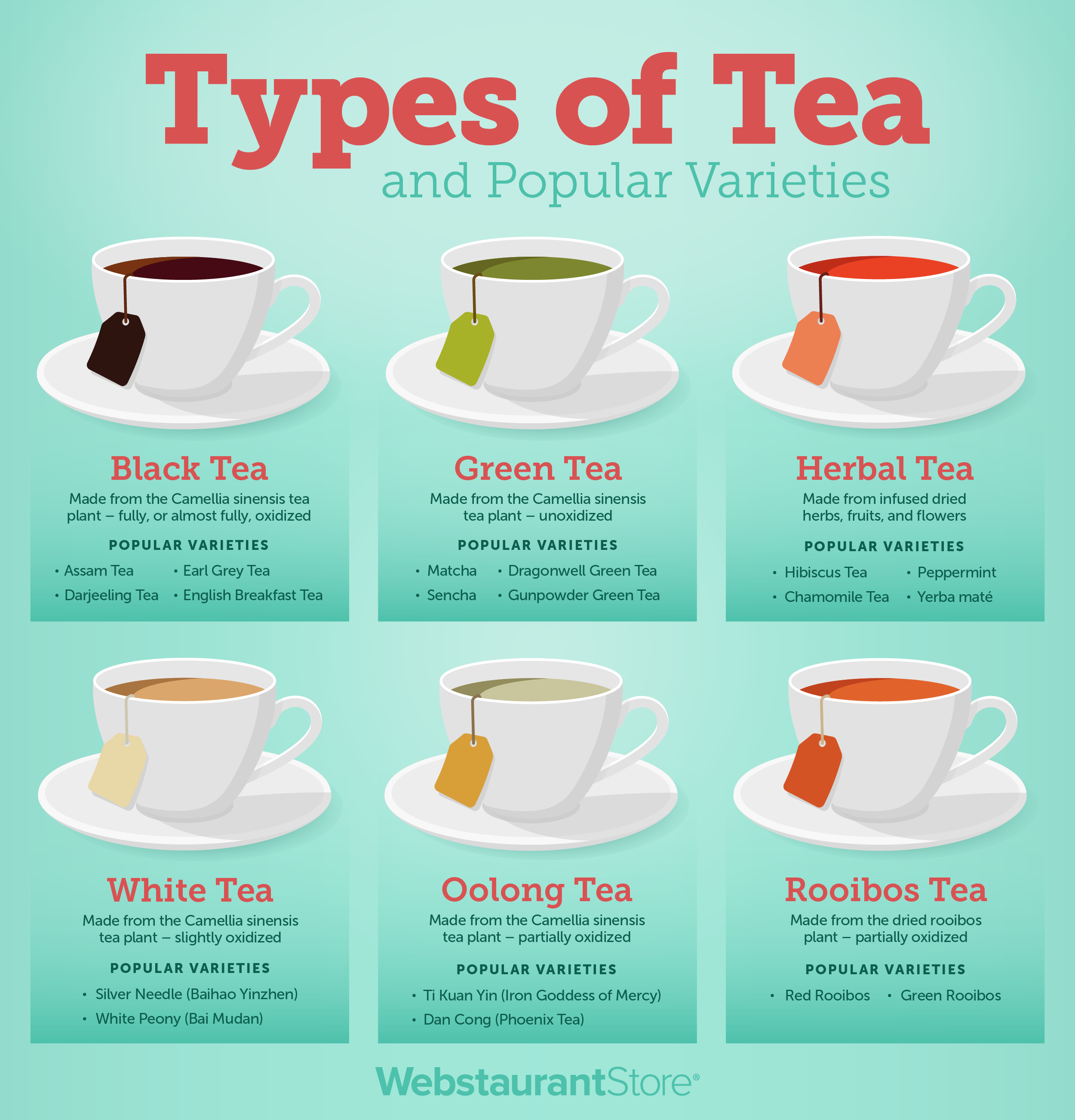
Tea is a beverage made from the Camellia sinesis plant and after water, the world’s most consumed drink. It is believed that tea originated in northeast India, north Myanmar and southwest China, but the exact place where the plant first grew is not known. Tea has been with us for a long time with evidence that tea was consumed in China 5,000 years ago. It was popularised as a recreational drink during the Chinese Tang dynasty, and tea drinking spread to other East Asian countries. Portuguese priests and merchants introduced it to Europe during the 16th century and during the 17th century, drinking tea became fashionable among the English, who started to plant tea on a large scale in India. There are many different types of tea; some, like Chinese greens and Darjeeling, have a cooling, slightly bitter, and astringent flavour, while others have vastly different profiles that include sweet, nutty, floral, or grassy notes. Tea has a stimulating effect in humans primarily due to its caffeine content.
The tea industry is a main source of income and export revenues for some of the poorest countries and, as a labour-intensive sector, provides jobs, especially in remote and economically disadvantaged areas. Thus, tea plays a significant role in rural development, poverty reduction and food security in developing countries, being one of the most important cash crops.
Tea production is highly sensitive to changes in growing conditions. Tea can only be produced in narrowly defined agro-ecological conditions and, hence, in a very limited number of countries, many of which will be heavily impacted by climate change. Changes in temperature and rainfall patterns, with more floods and droughts, are already affecting yields, tea product quality and prices, lowering incomes and threatening rural livelihoods. These climate changes are expected to intensify, calling for urgent adaptation measures. In parallel, there is a growing recognition of the need to contribute to climate change mitigation, by reducing carbon emissions from tea production and processing. Therefore, tea-producing countries should integrate climate change challenges, both on the adaptation and mitigation front, into their national tea development strategies.
Tea has cultural significance in many societies and consumption of tea can bring health benefits and wellness due to the beverage’s anti-inflammatory, antioxidant and weight loss effects. Numerous studies have shown that a variety of teas may boost your immune system, fight off inflammation, and even ward off cancer and heart disease. White tea, the least processed variety is most effective tea in fighting various forms of cancer thanks to its high level of antioxidants.
Herbal teas, sometimes called tisanes, are very similar to white teas, but they contain a blend of herbs, spices, fruits or other plants in addition to tea leaves. Herbal teas don’t contain caffeine, which is why they’re known for their calming properties. Herbal teas like chamomile helps to reduce menstrual pain and muscle spasms, improves sleep and relaxation, and reduces stress, rooibos improves blood pressure and circulation, boosts good cholesterol while lowering bad cholesterol, keeps hair strong and skin healthy, and provides relief from allergies, peppermint contains menthol which can soothe an upset stomach and serve as a cure for constipation, irritable bowel syndrome and motion sickness as well as help with tension headaches and migraines. Ginger helps to fight against morning sickness, can be used to treat chronic indigestion and helps to relieve joint pain caused by osteoarthritis while hibiscus lowers blood pressure and fat levels, improves overall liver health, can starve off cravings for unhealthy sweets, and may prevent the formation of kidney stones.
Green tea is exceptionally high in flavonoids that can help boost heart health by lowering bad cholesterol and reducing blood clotting and studies show this tea can also help lower blood pressure, triglycerides and total cholesterol. Matcha, a form of green tea which is a very fine, high-quality green tea powder made from the entire leaves of tea bushes grown in the shade contains even more antioxidants that regular green tea with some suggesting that one cup of matcha is the equivalent to 10 cups of regular green tea. Black tea is caffeinated unlike the other varieties, but contains flavonoids that combat inflammation and support healthy immune function. Oolong tea is a traditional Chinese tea made from the same plant used to make green and black teas which is partially oxidised which is responsible for it’s colour and characteristic taste. Oolong tea is notable for containing l-theanine, an amino acid that reduces anxiety and increases alertness and attention and scientists have found that l-theanine can help prevent cognitive diseases such as Parkinson’s and Alzheimer’s diseases. It is also high in polyphenols, which are linked to lowering inflammation, preventing the growth of cancers and decreasing type 2 diabetes risk.
For many people across cultures, tea is not just a beverage, but a lifestyle. There’s a tea for every occasion and there’s no occasion for a cup of tea. So grab a cup of tea and enjoy the International Day of Tea.