On the morning that changes everything, Aruna Ahmed Jones walks out of her ground-floor Victorian apartment in London wearing only jeans and a t-shirt, carrying nothing more substantial than a handbag, and keeps on walking. Leaving behind the handsome Dr Patrick Jones, her husband of less than a year, Aruna heads to Heathrow, where she boards a plane bound for Singapore and her old life. Educated and beautiful, Aruna has a desperate need to risk it all. But why? Waiting for her is a messy past and a perfect past lover she had once abandoned without even saying goodbye – a story left unfinished – until now.
Aruna is not running away from home, she is running back to the home she always had before it became impossible for her to stay. Before her father, the only family she’d ever known, passed away. Before she tried and failed, to create a life and a family with her best friend and lover, Jazz. Before her doctor delivered a complicated psychological diagnosis she’d rather forget. After years of fleeing the ghosts that continue to haunt her, Aruna is about to discover that running away is really the easy part; it is coming home—making peace with her past, with Jazz and those they have loved—that is hard.
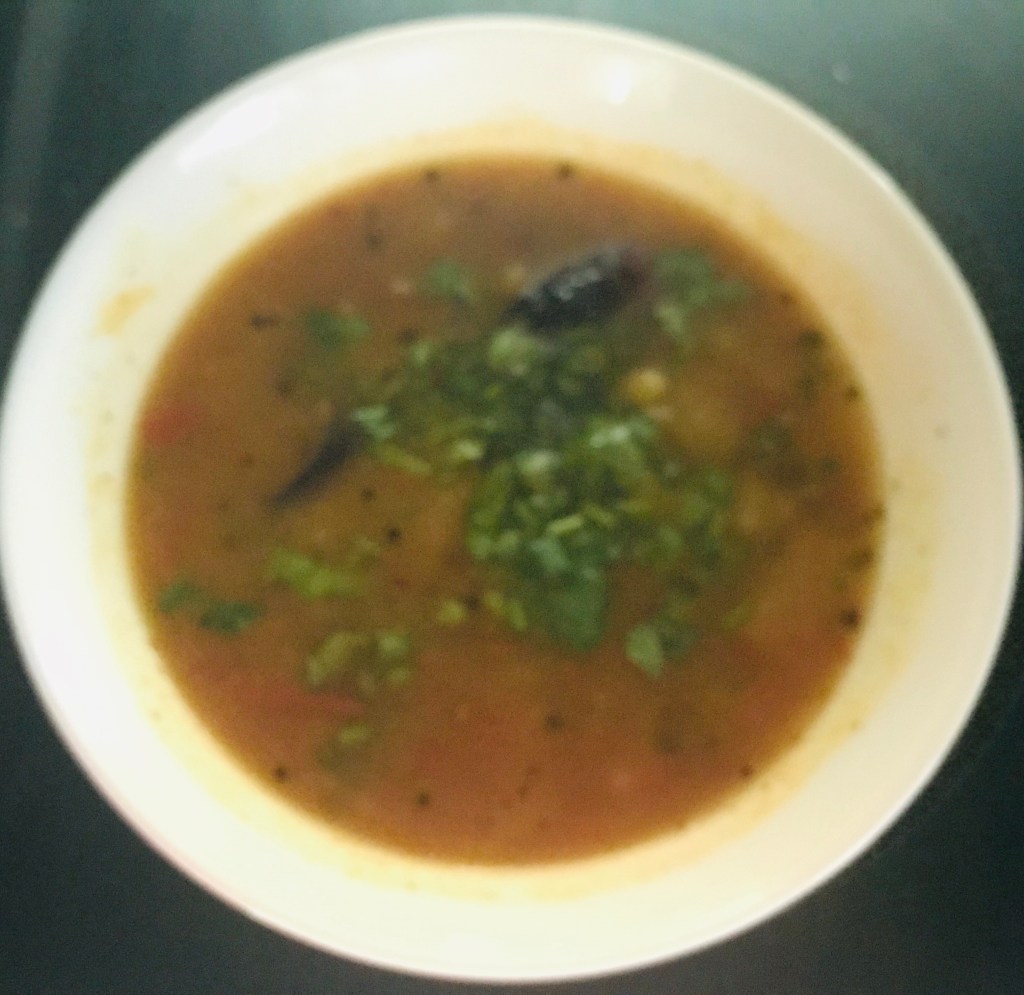
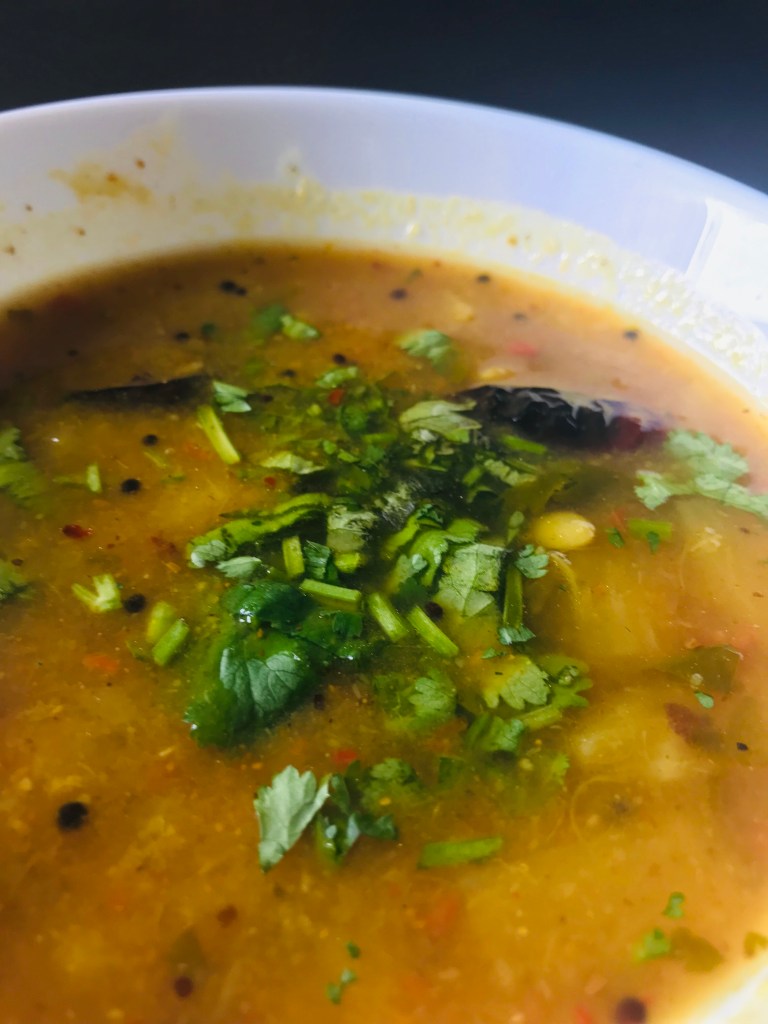
A special variety of Rasam, this one is made usually during weddings and is something we don’t usually make during a normal lunch. I have made this many aeons ago and so this week when I opened a tin of pineapple, I decided to keep aside some to make this yummy rasam.
Rasam is a spicy soup made in south India using tamarind juice, pepper, tomato, cumin and other spices and each household has their own unique recipe which they make on a daily or regular basis. Rasam has a distinct sour, peppery and chilly taste that makes it a true repository of flavours. Rasam is either eaten along with rice or savoured after a meal. The British also adapted this rasam and what is Mulligatawny Soup is nothing more than rasam. In Tamil, this word translates to “Pepper Water”
Rasam prevents constipation, is a powerhouse of vitamins and minerals, facilitates digestion, is rich in antioxidents, helps in weight loss, is an excellent food for patients recovering from illness and the best food when introding babies to solids.
Pineapple Rasam
Ingredients:
1/4 cup Toor Dal
6 rings of pineapple
1 tsp rasam powder
1/2 tsp turmeric powder
2 large tomatoes
1 tsp peppercorn
1 tsp cumin seeds
4-6 dried red chillies
1 tbsp ghee
1 tsp mustard seeds
1/4 tsp asafoetida
Coriander leaves to garnish
Method:
Pressure cook the toor dal with 1/4 tsp turmeric powder and enough water till it is soft and mushy. Keep aside.
Chop 2 of the pineapple rings into small pieces and keep aside.
Chop one tomato into small pieces and keep aside.
Powder the cumin seeds, peppercorns and 2 dried chillies into a coarse powder and keep aside.
Blend together the balance pineapple slices into a smooth paste and keep aside.
Blend the remaining tomato into a smooth paste and keep aside.
In a largish pan, mix together the tomato puree, 1 cup water, the remaining turmeric powder and half the quantity of the blended peppercorn, cumin and dried chilli powder and let it start boiling.
When it comes to a boil, add the pineapple paste and rasam powder and let it continue to boil. Allow the pineapple paste and tomato puree to cook well.
In a separate pan, add the ghee and when the ghee warms up, add the mustard seeds. When the mustard seeds start to pop, add in the red chillies, after breaking them into halves, the asafoetida, rest of the ground pepper-cumin-chilli powder and saute it for 20 seconds
Add the chopped pineapple and tomato pieces and saute it for 2 minutes in a medium flame
Add the ingredients in the pan to the rasam which has been boiling all along.
At this point, add the mushed dal and mix well.
Then add 1.5 – 2 cups of water and keep the flame in a medium level until the rasam starts to froth. Finally, garnish with coriander leaves and remove from flame.
The delicious and spicy pineapple rasam is ready to serve. Serve with rice and an Indian dry vegetable stir fry.
Notes:
If you don’t have access to rasam powder, just omit it, the taste should be just as good.
You can also blend together some garlic pods along with the cumin seeds, peppercorns and red chillies for a different taste.
This is wonderful as a slightly spicy and tangy soup during the winters.
Rick Cahill was never convicted of his wife’s murder, but he was never exonerated either. Not by the police. Not by the media. Not even by himself. Eight years later, police suspicion and his own guilt remain over his responsibility in his wife’s death. When he meets Melody Malana, a beautiful yet secretive TV reporter, he sees a chance to love again.
When she is arrested for murder and asks Rick for help, the former cop says no, but the rest of him says yes and he grasps at a chance for redemption. But Rick’s attempt to help turns terribly wrong, and he becomes a suspect in the murder and the target of a police manhunt. On the run, Rick encounters desperate people who’ll kill to keep their pasts buried. Before Rick can save himself and bring down a murderer, he must confront the truth about his own past and untangle his feeling for a woman he can never fully trust.
This quote, attributed to the Mughal Emperor Jahangir in the 17th century when he first visited Kashmir can be translated as, “If there is a heaven on Earth, it is here, it is here, it is here”. The Mughal Emperor was so impressed by the beauty in Kashmir that he would often say, if one has not visited this beautiful paradise, they are missing out on something worthwhile.
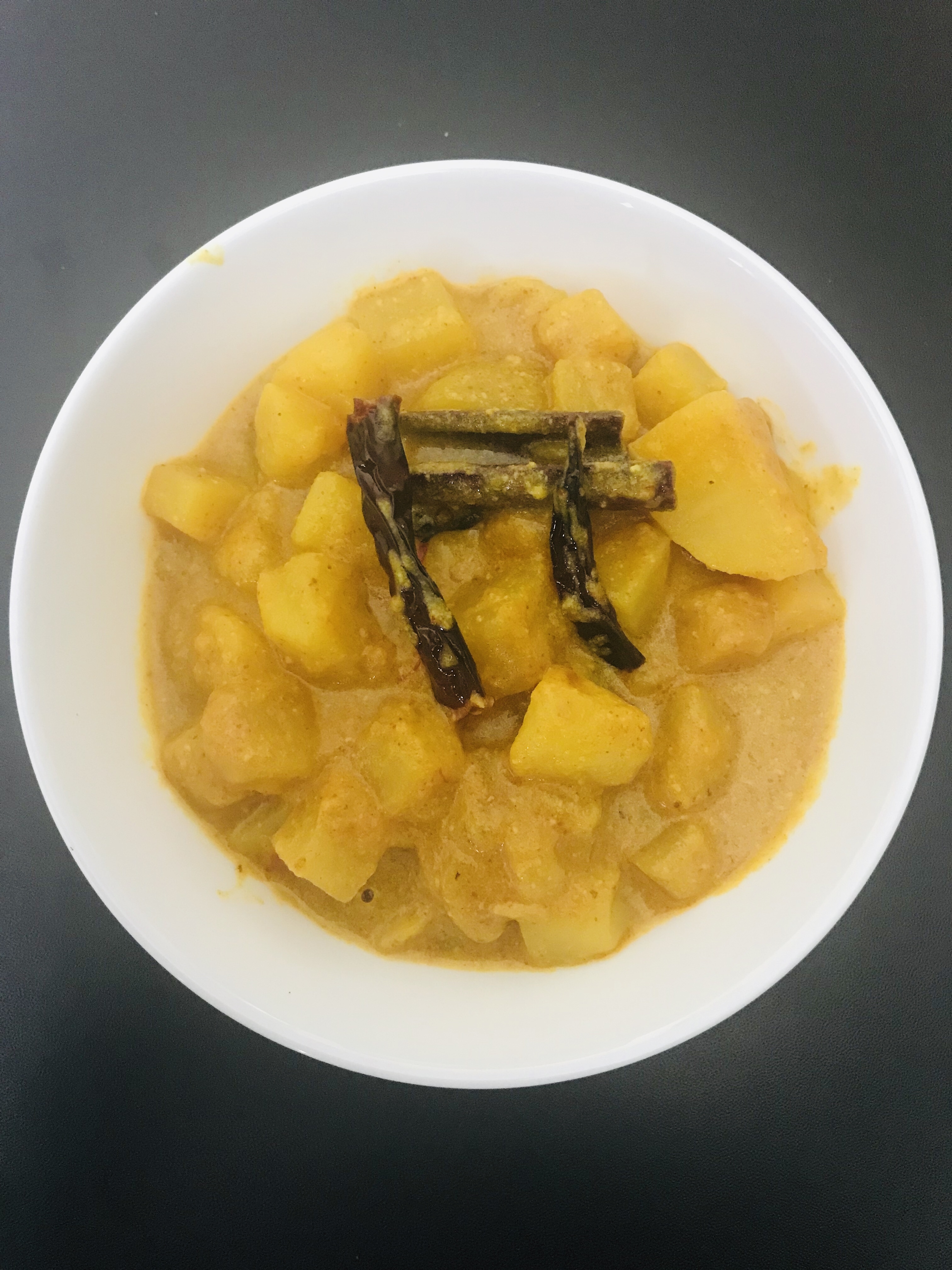
When I made my Kashmiri Pulao, I wanted it to be accompanied by a gravy dish from the same region. But as I discovered, since vegetables are scarce in the region, it is difficult to find vegetarian dishes here. So I adapted a mutton dish which I found online and created a potato yakhni. This may not be absolutely 100% authentic, but I was impressed with the taste.
Yakhni essentially means a gravy based dish and is a light curry or broth which has to include two main ingredients other than the meat – yoghurt and saffron. Yakhni came to be known in Kashmir during the Mughal emperor Akbar’s rule. Yoghurt-based meat curries were part of Persian cuisine, and the Emperor introduced this style of cooking to his new state when he annexed it in 1586. Yakhni dishes are also seen in Greek and Turkish cuisines, but what sets the Kashmiri Yakhni apart is the absence of tomatoes. Certain recipes also avoid onions and garlic since the Kashmiri pundits didn’t use those ingredients in their cooking.
So after this short lesson on the Kashmiri cuisine, let’s go on to the dish!
Potato Yakhni
Ingredients:
1 kg potatoes, boiled, peeled and chopped into bite-sized pieces
5 green cardamoms
1-inch cinnamon stick
1 bay leaf
3 cloves
1 tsp red chilli powder
1 tsp turmeric
2 tsp warm milk
1 tsp dried ginger powder (saunth)
2 tsp fennel powder
2 dried red chillies
1 cup yoghurt
2 tbsp ghee
2 pinches saffron
Salt to taste
Method:
Chop the potatoes into bite-sized pieces and keep aside.
Dissolve the saffron in the warm milk and stir a bit. Keep aside till needed.
Heat ghee in a deep bottomed pan. Add bay leaf, cinnamon, cardamom, clove, whole red chilli and cook on low flame till the spices begin to crackle.
Now add the chopped potatoes, turmeric powder, salt and saute for about five minutes on a medium flame.
Whisk the yoghurt well and add it to the potatoes. Make sure your flame is on low so that the yoghurt does not curdle.
Mix together the fennel and ginger powders and add it to the gravy.
Then add the red chilli powder and cook till the mixture thickens slightly.
Next, add the dissolved saffron along with the milk and stir for a couple of minutes. Check for seasoning and remove from the gas.
Serve hot with Kashmiri Pulao.
Notes:
If you want to make this with mutton, wash the mutton well and just replace the potatoes with the mutton.
To make fennel powder, simply grind 2 tbsp of fennel seeds into a fine powder. You can also find this readymade in Indian grocery stores. The same store will also have dried ginger powder available.
The last week of 2018 and the last few days before school starts on 2 Jan!
The holidays just flew by without us really accomplishing what we wanted to do. As for 2018, I have mixed feelings about this year. I am ending 2018 the same way I started it – with hope. I will do another post once I have more time to myself about the year that went by.
The children will start school on Wednesday and though GG has still not gotten her timetable, she says she will have a long first day because of CCA. The fact that this is the SYF (Singapore Youth Festival) competition year means they don’t have time to waste. The competition will happen some time in April and once that is done, she has completed her CCA obligations. Because of her CCA Leadership role, she has also been awarded an award which she will get sometime in early January.
BB’s first week timetable is out and though it’s not as tight as I thought it will be, it’s not light either. His school has no studies on day 1 and they have been asked not to bring text books on that day. He also ends earlier than GG.
That’s it from me for this week and year. See you on the other side of the new year!
Happy 2019 and may the new year bring you what you have always hoped for.