Recipes: Vendakai Pachadi

Okra, also known as ladies finger, is a nutrient-dense vegetable that offers numerous health benefits. It is rich in vitamins A and C, antioxidants, and dietary fiber, making it an excellent choice for promoting overall health. The antioxidants found in okra help combat oxidative stress and may reduce the risk of chronic diseases such as cancer and heart disease. Additionally, okra is known for its potential to regulate blood sugar levels, making it beneficial for those managing diabetes. Its high fiber content supports digestive health and may aid in cholesterol management by binding to cholesterol during digestion.

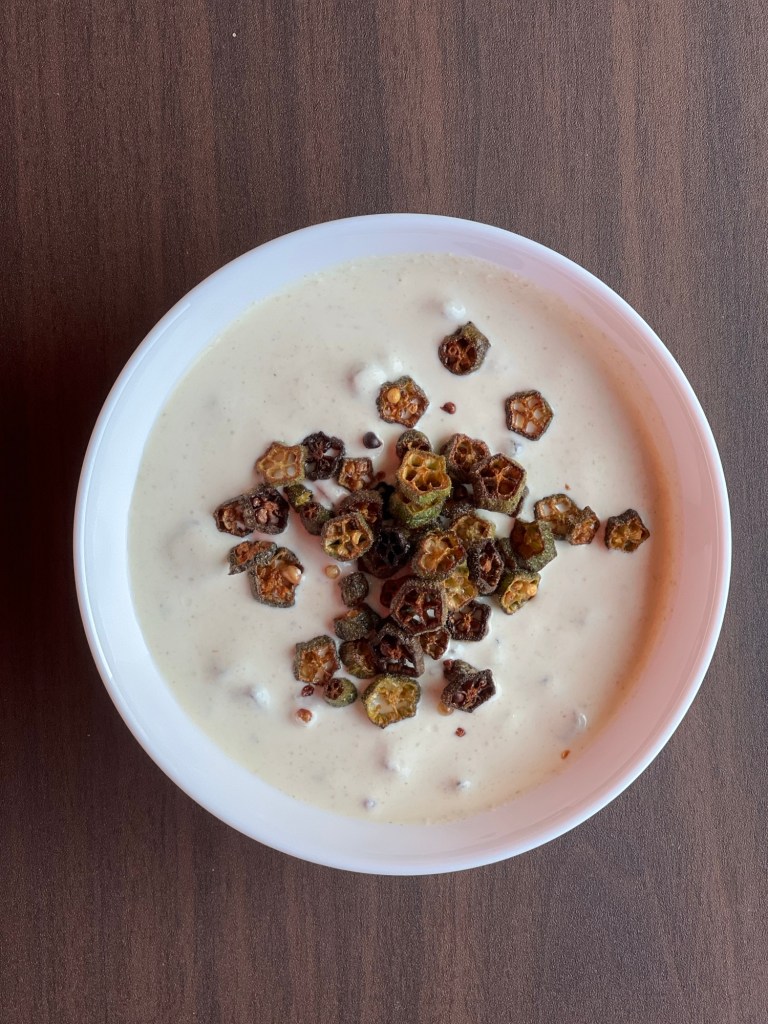
Okra, Bhindi, or Ladies Finger Raita or Vendakkai Pachadi combines the health benefits of bhindi with yoghurt and coconut, creating a refreshing dish that supports gut health due to the probiotics in yoghurt. Adding coconut adds healthy fats and enhances the dish’s flavour profile. This pachadi serves as a delicious side dish and contributes to a balanced diet by incorporating essential nutrients from its ingredients, including calcium, magnesium, and vitamins that promote heart and bone health.
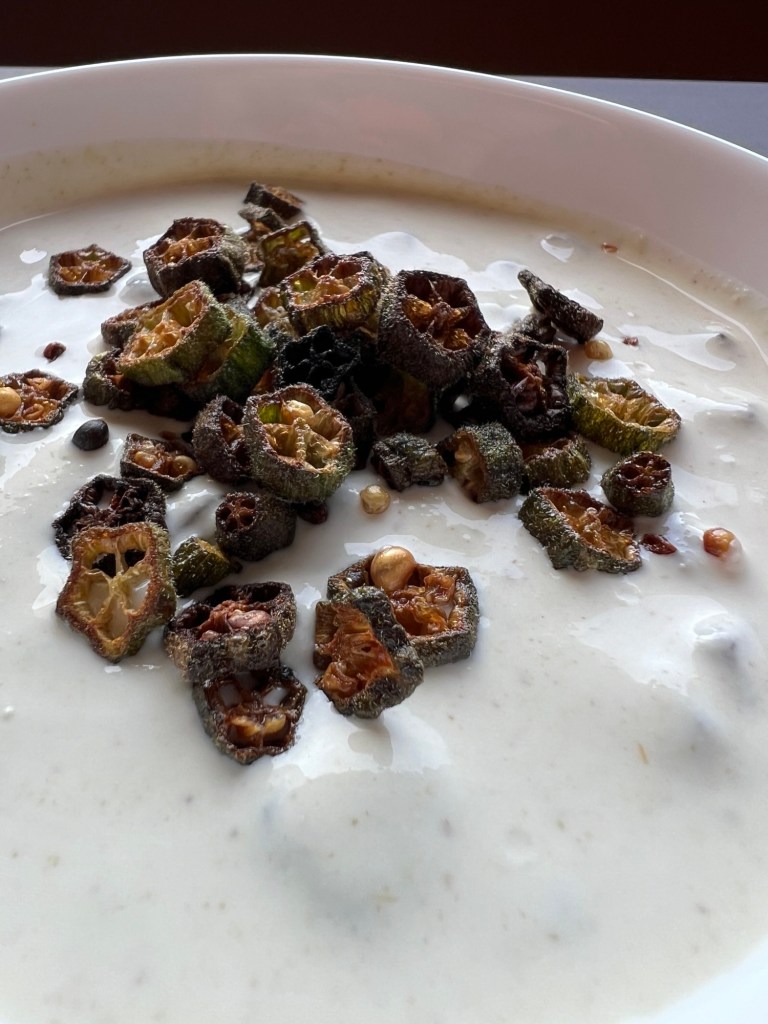
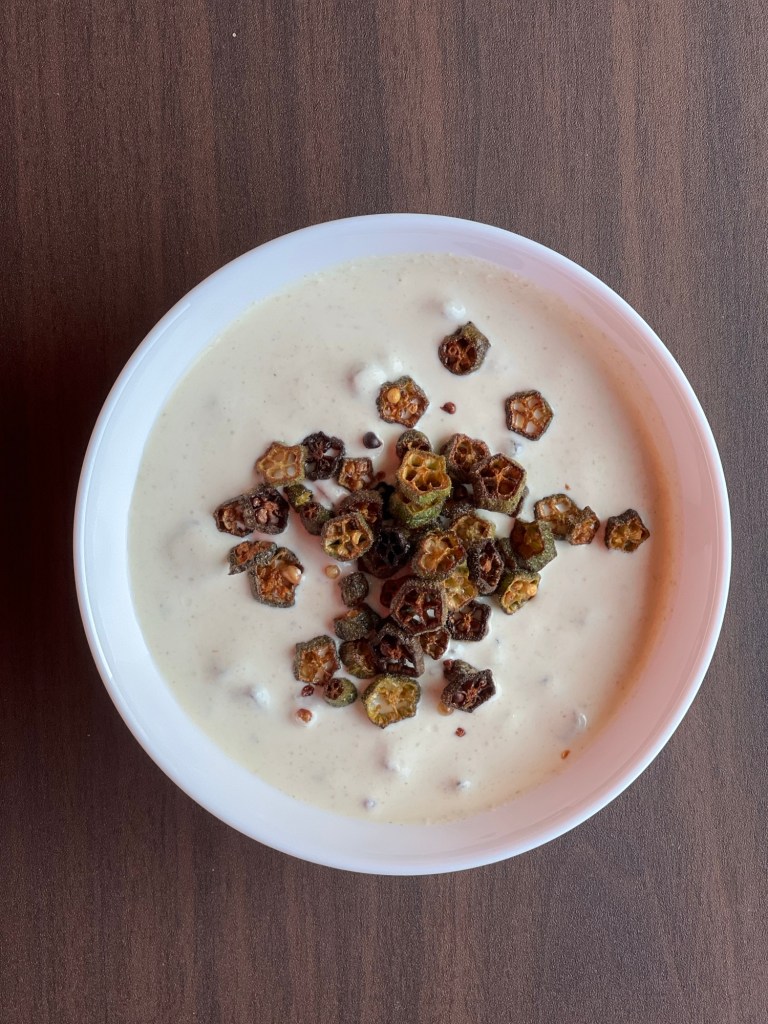
Vendakkai Pachadi 

Vendakkai Pachadi, or Okra/Bhindi/Ladies Finger Raita, is a traditional South Indian dish made with sautéed bhindi, yoghurt, and coconut. It’s a refreshing side dish that pairs well with rice and curries. 

Ingredients:

For the Pachadi:

  • 2 cups of ladies finger, chopped into thin rounds
  • 2 cups fresh thick yoghurt or curd
  • ½ cup fresh or frozen grated coconut
  • 1 tsp cumin seeds
  • 2-3 green chillies
  • Salt, to taste
  • 4-5 tbsp oil for sautéing

For the tempering:

  • 1 tsp oil
  •  ½ tsp mustard seeds
  •  ½ tsp urad dal 
  • 1-2 dry red chillies, broken into pieces
  •  A sprig of curry leaves

Method:

  • Wash the vendakkai thoroughly and pat dry to remove moisture, which helps avoid sliminess.
  • Cut them into thin rounds and keep them aside.
  • Heat 4-5 tbsp oil in a pan over medium heat.
  • Once the oil is hot, add the chopped bhindi and sauté in batches until they are crispy and golden brown. Each batch should take between 5-8 minutes. Once done, remove it from the heat and let it cool.
  • In a blender, combine the grated coconut, green chillies, cumin seeds and a pinch of salt. Blend until it becomes a smooth paste. If you need extra moisture while blending, add some of the yoghurt. 
  • In a mixing bowl, whisk the yoghurt until smooth. Add the coconut mixture to the yoghurt and mix well. Adjust salt to taste.
  • Once the sautéed okra has cooled down and you are ready to serve the dish, gently fold the crisp bhindi into the yoghurt-coconut mixture.
  • In a small pan, heat 1 tsp of oil and let it become warm. Add in the mustard seeds and urad dal; let them crackle.
  • Once they start to splutter, add the broken dry red chillies and curry leaves. Sauté for a few seconds until fragrant.
  • Pour the tempering over the prepared pachadi mixture and mix gently.
  • Serve chilled or at room temperature with steamed rice or as part of a larger meal.

Tips

  • Ensure that the vendakkai is well-dried before cutting to minimise sliminess during cooking.
  • Adjust the number of green chillies based on spice preferences.
  • This dish can be refrigerated for a couple of hours before serving for enhanced flavours. Just remember to add the crisp ladies fingers just before serving to ensure that the dish’s crispiness is kept.

In My Hands Today…

Elon Musk – Walter Isaacson

When Elon Musk was a kid in South Africa, he was regularly beaten by bullies. One day a group pushed him down some concrete steps and kicked him until his face was a swollen ball of flesh. He was in the hospital for a week. But the physical scars were minor compared to the emotional ones inflicted by his father, an engineer, rogue, and charismatic fantasist.

His father’s impact on his psyche would linger. He developed into a tough yet vulnerable man-child, prone to abrupt Jekyll-and-Hyde mood swings, with an exceedingly high tolerance for risk, a craving for drama, an epic sense of mission, and a maniacal intensity that was callous and at times destructive.

At the beginning of 2022—after a year marked by SpaceX launching thirty-one rockets into orbit, Tesla selling a million cars, and him becoming the richest man on earth—Musk spoke ruefully about his compulsion to stir up dramas. “I need to shift my mindset away from being in crisis mode, which it has been for about fourteen years now, or arguably most of my life,” he said.

It was a wistful comment, not a New Year’s resolution. Even as he said it, he was secretly buying up shares of Twitter, the world’s ultimate playground. Over the years, whenever he was in a dark place, his mind went back to being bullied on the playground. Now he had the chance to own the playground.

For two years, Isaacson shadowed Musk, attended his meetings, walked his factories with him, and spent hours interviewing him, his family, friends, coworkers, and adversaries. The result is the revealing inside story, filled with amazing tales of triumphs and turmoil, that addresses the are the demons that drive Musk also what it takes to drive innovation and progress?

International Day of the Markhor

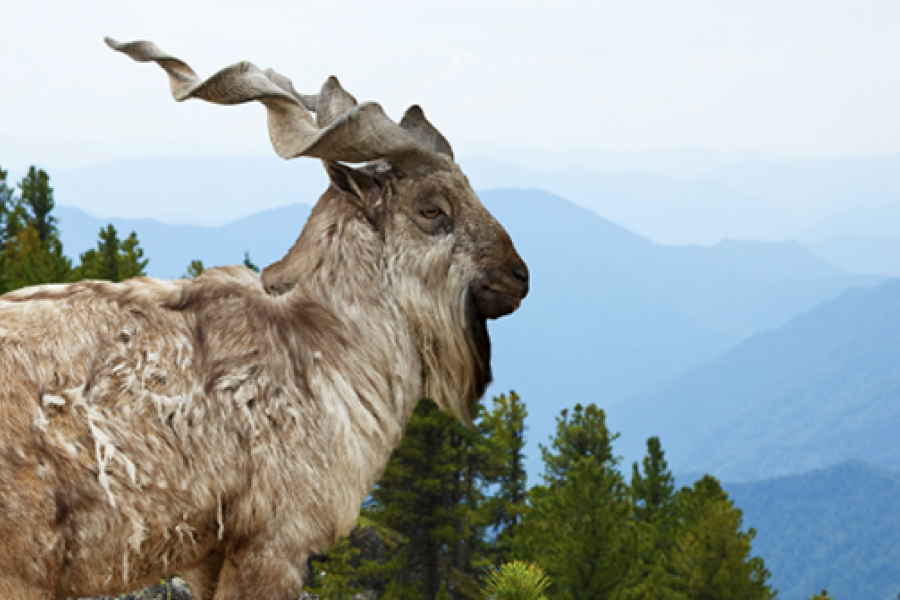
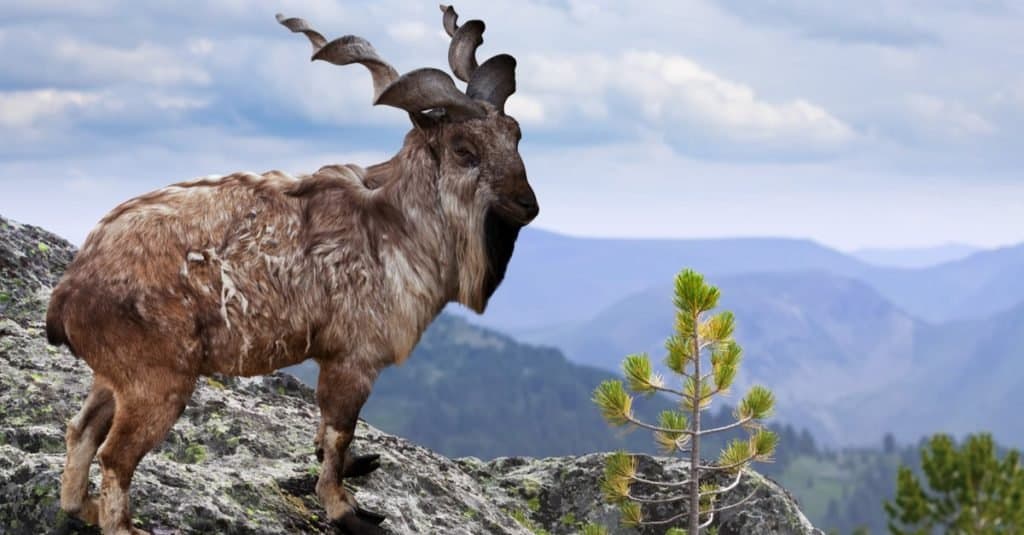
The national animal of Pakistan, the markhor (scientific name: Capra falconeri) is a large wild Capra (goat) species native to South Asia and Central Asia, mainly within Pakistan, the Karakoram range, parts of Afghanistan, and the Himalayas. It is listed on the IUCN Red List as Near Threatened since 2015. It is also known as the screw-horn or screw-horned goat. The word mārkhor, meaning “snake-eater,” comes from both Pashto and classical Persian languages, referencing the ancient belief that the markhor would actively kill and consume snakes. This regional myth is believed to stem from the “snake-like” form of the male markhor’s horns, twisting and curling like a snake, possibly leading ancient peoples to associate them with snakes.

Physical characteristics of markhors include growing to between 2 to 4 feet at the shoulder in height, with a length of 4.5 to 6.2 feet and weighing between 75 to 110 kg for males and between 30 to 40 kg for females. Males have long spiral horns, while females have shorter ones, and the markhor has a reddish-grey coat with a dark stripe along their back, with males having thicker fur during winters. The flare-horned markhor occurs in Afghanistan, Pakistan, and India; the straight-horned markhor lives in Afghanistan and Pakistan; and the Bukharan markhor is present in Afghanistan, Tajikistan, Uzbekistan, and Turkmenistan. All subspecies are considered endangered to critically endangered.

Markhors are primarily herbivorous, feeding on grasses, leaves, and shrubs. They exhibit seasonal dietary changes based on their habitat’s vegetation availability. During spring and summer, they graze at lower altitudes but migrate to higher elevations in search of food during winter. Socially, female markhors live in herds consisting mainly of mothers and their young, while adult males tend to be solitary except during mating seasons. Their mating rituals involve physical displays where males compete for females through horn-locking battles.

The markhor is currently classified as ‘Near Threatened’ by the IUCN Red List due to declining populations caused by poaching for meat and trophies, habitat loss from human encroachment, and competition with domestic livestock for grazing land. Conservation efforts have been initiated in Pakistan and other range countries to stabilise and increase their populations through community-led programs that integrate wildlife conservation with local economic benefits.

The International Day of the Markhor, celebrated on May 24, is a significant occasion dedicated to raising awareness about the conservation of the species. This day not only highlights the ecological importance of the markhor but also emphasises the need for sustainable practices that protect its habitat and promote biodiversity.

The establishment of the International Day of the Markhor stems from a resolution passed by the United Nations General Assembly on May 2, 2024. This resolution, sponsored by Pakistan along with eight other countries, aims to recognise the markhor’s role in maintaining ecological balance and its significance to local economies through sustainable tourism and conservation initiatives.

The International Day of the Markhor serves several critical purposes. It educates people about the ecological significance of markhors and their role in maintaining biodiversity. The day promotes discussions on effective conservation strategies that can be implemented globally. It encourages local communities to participate in conservation efforts that can lead to sustainable tourism opportunities. And the observance aids in influencing policies related to wildlife protection at national and international levels. This day is vital for galvanising support for not just markhors but also broader wildlife conservation initiatives that ensure ecological balance and sustainability.

The International Day of the Markhor is an essential observance that underscores the urgent need for wildlife conservation efforts globally. By recognising this day, we acknowledge not only the unique characteristics of the markhor but also our collective responsibility towards preserving biodiversity for future generations.

2025 Week 21 Update

Buongiorno from Italy! We’re now in Italy, specifically in Rome and have started our adventure, and it has been a dream until now. We’ve enjoyed ourselves and have talked, gossiped, and talked some more until our mouths have started paining, but the stories have not yet stopped. We still have a few more days and stops to go before we end the trip and go our separate ways. 

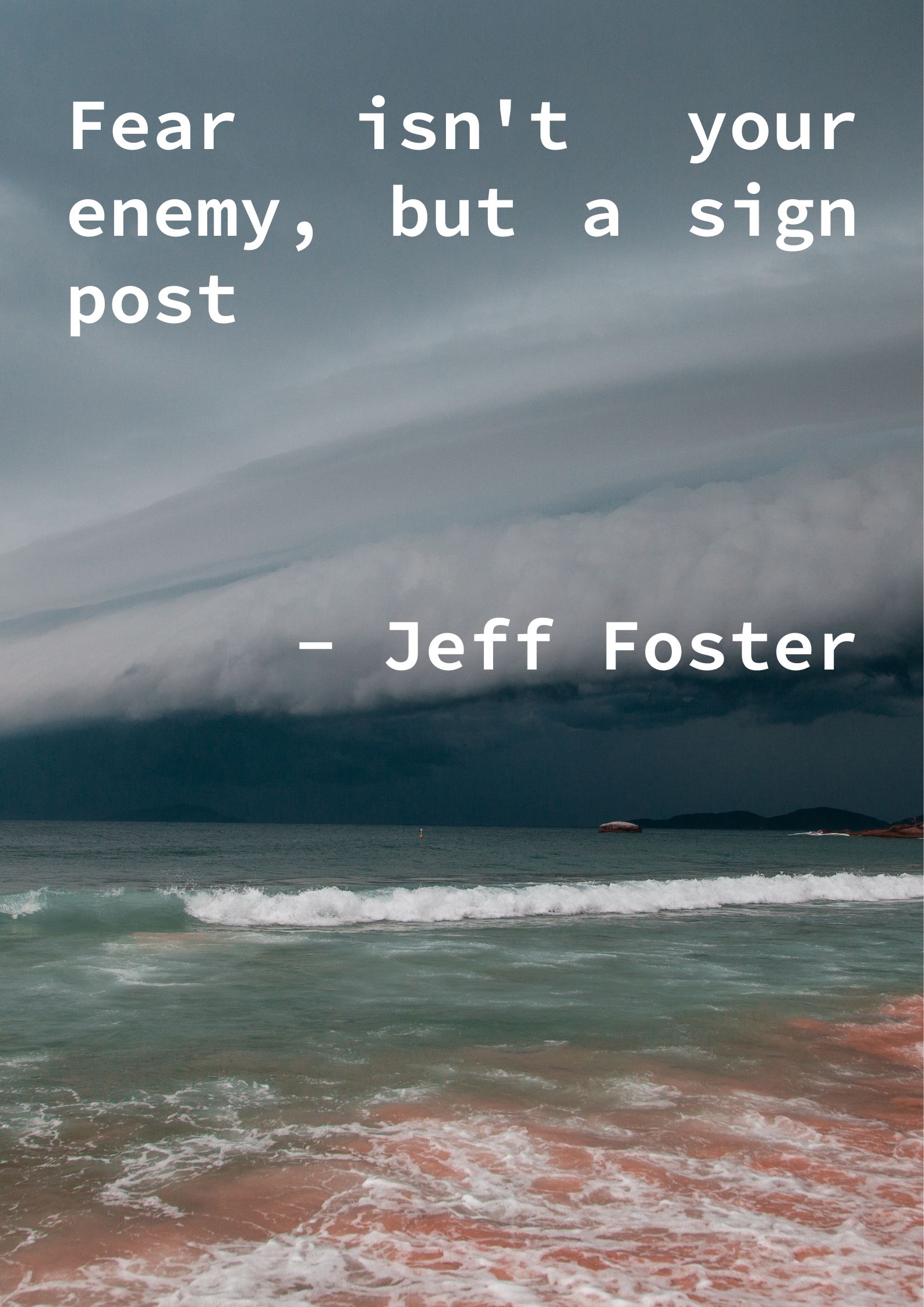
British spiritual teacher and author Jeff Foster’s post reframes the commonly held belief that fear is something purely negative. Instead of viewing fear as a threat to avoid, he suggests we see it as a signpost, a guide or signal that can point us toward areas in our life where growth, healing, or change is needed. Fear often arises when we’re stepping outside of our comfort zone, facing the unknown, or confronting painful truths. In this sense, it can serve a valuable purpose. Rather than being the enemy, fear can show us where we are holding back, what matters deeply to us, or where old wounds still influence our behaviour. 

By calling fear a “signpost,” Foster invites us to get curious about our fears. What are they pointing to? Is there a part of ourselves we’re avoiding? Is there something important we want, but we’re afraid to go after it? When we examine fear with compassion instead of resistance, it becomes a teacher rather than an obstacle. Ultimately, this quote encourages us to move through fear, not around it. It’s a reminder that fear, when approached mindfully, can guide us toward greater self-awareness, courage, and transformation.

I don’t have time to write more because I am getting called to start our day, so I will leave with this promise that I will share a more detailed post soon. Take care and stay positive!

In My Hands Today…

The Wealth Money Can’t Buy: The 8 Hidden Habits to Live Your Richest Life – Robin S. Sharma

Real wealth is so much more than cash in the bank, flashy cars in the driveway and luxury vacations on exotic islands. Too many financially prosperous people are surprisingly poor when it comes to the things that truly matter for a life of happiness, vitality, and serenity.

Society has sold us a version of success that has left too many people feeling empty, frustrated, and filled with regret. Fortunately, there is a much better way to live.

In The Wealth Money Can’t Buy, you will discover a life-altering system that will help you lead your richest life before it’s too late. You will learn a framework based on the eight hidden habits used by authentically rich people and gain a methodology to master your destiny. Open this book and allow a trusted mentor to offer you valuable insights, including how to become a “perfect moment” creator, why your choice of mate is 90% of your joy, the power of “The 10,000 Dinners Question”, hidden habits of authentically wealthy people, and the brilliance of “going ghost” for a year

Legendary personal growth expert Robin Sharma has mentored billionaires, superstar athletes, and heads of state, teaching them The 8 Forms of Wealth Model with transformational results. Now, you will learn it, too, and create the lifetime of your highest dreams.

Full of practical tools and transformational tactics, The Wealth Money Can’t Buy offers a life-changing philosophy and methodology for enjoying a genuinely rich life—filled with personal power, unusual authenticity, exceptionally fulfilling work, and a lifestyle that will make you feel that fortune has finally smiled on you.