In My Hands Today…

The War Below: Lithium, Copper, and the Global Battle to Power Our Lives – Ernest Scheyder

Tough choices loom if the world wants to go green. The United States and other countries must decide where and how to procure the materials that make our renewable energy economy possible. To build electric vehicles, solar panels, cell phones, and millions of other devices means the world must dig more mines to extract lithium, copper, cobalt, rare earths, and nickel. But mines are deeply unpopular, even as they have a role to play in fighting climate change. These tensions have sparked a worldwide reckoning over the sourcing of these critical minerals, and no one understands the complexities of these issues better than Ernest Scheyder, whose exclusive access has allowed him to report from the front lines on the key players in this global battle to power our future.

This is not a story of tree-hugging activists, but rather of industry titans, scientists, and policymakers jostling over how best to save the planet. Scheyder explores how a proposed lithium mine in Nevada would help global automakers slash their dependance on fossil fuels, but developing that mine could cause the extinction of a flower found nowhere else on the planet. A hedge fund manager’s attempt to resuscitate rare earths mining in California relies on Chinese expertise, exposing the paradox in Washington’s quest for minerals independence. The fight to end child labor in Africa’s mining sector is a key reason, supporters contend, to dig out a vast reserve of cobalt and nickel under Minnesota’s vulnerable wetlands. An international mining conglomerate’s plan to extract copper for electric vehicles deep beneath Arizona’s desert would destroy a Native American holy site, fueling tough questions about what matters more.

In The War Below , Scheyder crafts a business story that matters to everyone. If China continues to dominate production of these critical minerals, it will have a profound impact on the geopolitical order. Beyond China, countries such as Bolivia, Indonesia, and the Democratic Republic of the Congo aim to wield their vast reserves of key minerals. There are no easy answers when it comes to energy. Scheyder paints a powerfully honest and nuanced picture of what is needed to fight climate change and secure energy independence, revealing how America and the rest of the world’s hunt for the “new oil” directly affects us all.

Recipes: Sesame Seed Jaggery Sweet Powder

A couple of months back, I had to make a sweet offering quickly and didn’t have the time to make something elaborate, so I thought of this recipe, which is not only very quick to put together but also hardly takes any time, uses just two ingredients, and has health benefits.

Sesame seeds are a powerhouse of nutrients, packed with healthy fats, protein, and fibre, which support heart health and digestion. They are an excellent source of calcium, promoting strong bones and teeth, especially for those who may not consume dairy. Rich in antioxidants and anti-inflammatory properties, sesame seeds help protect the body against oxidative stress and chronic diseases. Their high magnesium content is beneficial for regulating blood pressure and maintaining cardiovascular health. Additionally, sesame seeds contain lignans and phytosterols, compounds known for their cholesterol-lowering effects.

The second ingredient, jaggery, a traditional unrefined sugar, is a natural sweetener rich in essential minerals like iron, magnesium, and potassium. It helps improve digestion by stimulating the secretion of digestive enzymes, making it beneficial after meals. Jaggery is known for its blood-purifying properties, which can help detoxify the liver and cleanse the respiratory tract. Its iron content makes it an excellent natural remedy for combating anemia and boosting energy levels. Jaggery is also a source of antioxidants, which help fight free radicals and boost overall immunity.

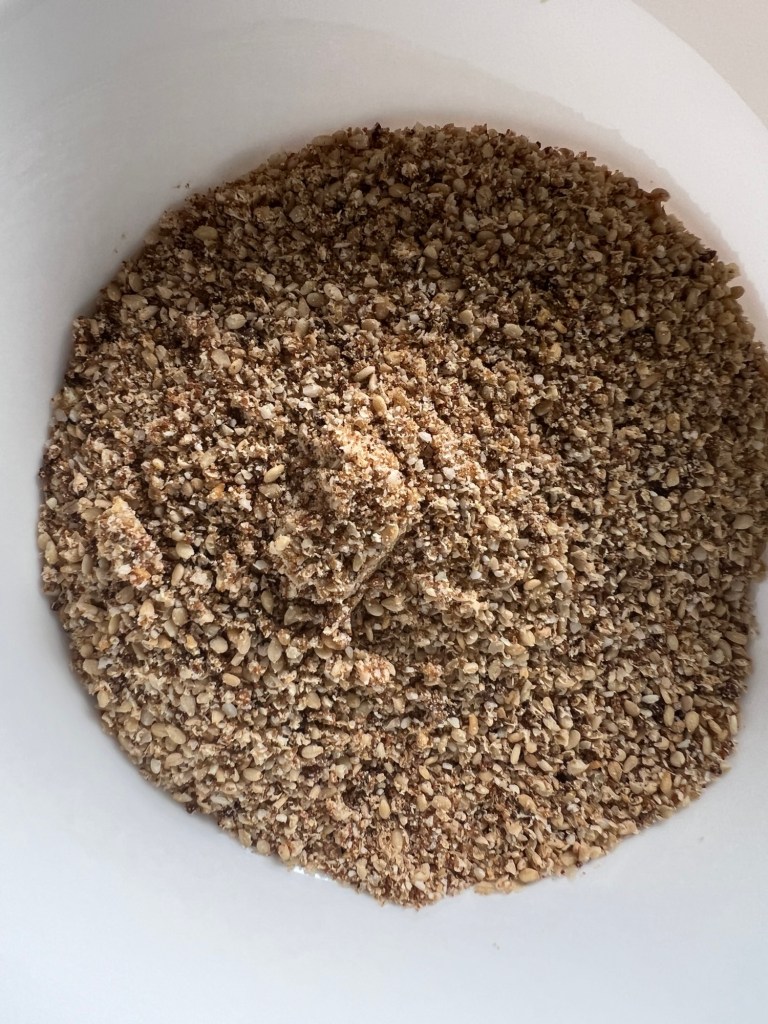
Sesame Seed Jaggery Sweet Powder

Ingredients:

  • ½ cup white sesame seeds
  • ½ cup brown jaggery

Method:

  • In a warm pan, dry roast the sesame seeds until they turn brown and start to pop. 
  • Transfer to a plate and let it cool.
  • If using rock jaggery, powder the jaggery to ½ cup and keep aside.
  • Once the sesame seeds are cool, pulse the seeds in a mixer. Just one or two pulses should be enough. 
  • Remove the sesame seed powder to a mixing bowl and if using powdered jaggery, add that and mix well.
  • If using rock jaggery, powder the jaggery first and then pulse the sesame seeds. 
  • Mix well and transfer to a moisture-free container. This should last well for a week or so outside.

In My Hands Today…

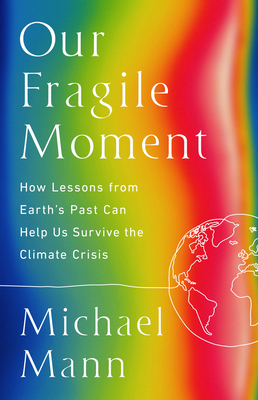
Our Fragile Moment: How Lessons from Earth’s Past Can Help Us Survive the Climate Crisis – Michael E. Mann

For the vast majority of its 4.54 billion years, Earth has proven it can manage just fine without human beings. Then came the first proto-humans, who emerged just a little more than 2 million years ago—a fleeting moment in geological time. What is it that made this benevolent moment of ours possible? Ironically, it’s the very same thing that now threatens us—climate change. The drying of the tropics during the Pleistocene period created a niche for early hominids, who could hunt prey as forests gave way to savannahs in the African tropics. The sudden cooling episode known as the “Younger Dryas” 13,000 years ago, which occurred just as Earth was thawing out of the last Ice Age, spurred the development of agriculture in the fertile crescent. The “Little Ice Age” cooling of the 16th-19th centuries led to famines and pestilence for much of Europe, yet it was a boon for the Dutch, who were able to take advantage of stronger winds to shorten their ocean voyages.

The conditions that allowed humans to live on this earth are fragile, incredibly so. Climate variability has at times created new niches that humans or their ancestors could potentially exploit, and challenges that at times have spurred innovation. But there’s a relatively narrow envelope of climate variability within which human civilization remains viable. And our survival depends on conditions remaining within that range.

In this book, renowned climate scientist Michael Mann will arm readers with the knowledge necessary to appreciate the gravity of the unfolding climate crisis, while emboldening them—and others–to act before it truly does become too late.

Mindful Eating: Nourishing the Body and Mind

In a world increasingly dominated by fast-paced lifestyles and processed foods, mindful eating has emerged as a powerful antidote. This practice encourages individuals to cultivate awareness around their food choices, fostering a deeper connection between the mind and body.

What is mindful eating?
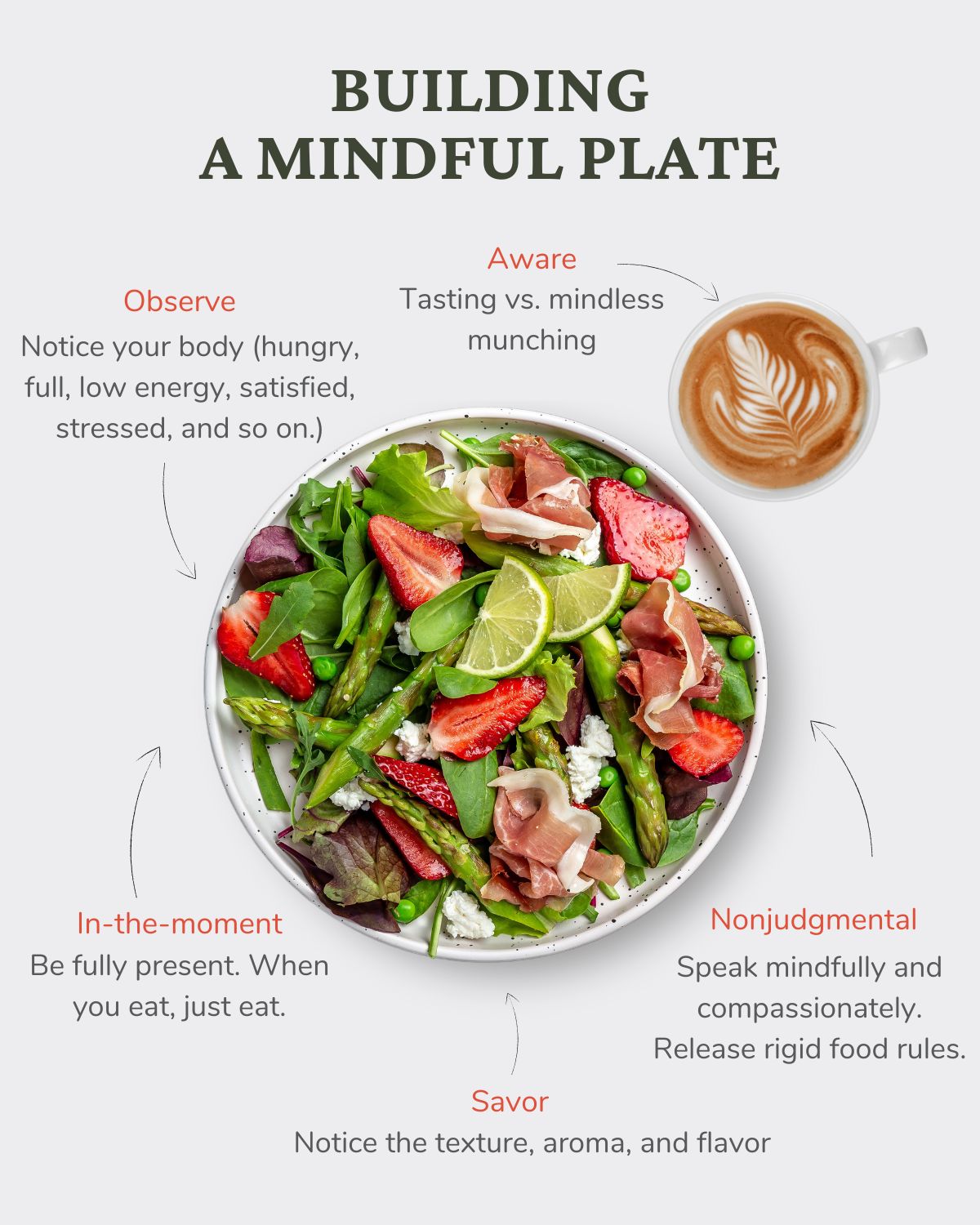
Mindful eating is the practice of being fully present and aware during the eating process. It involves paying attention to the sensory experience of eating, including the taste, texture, aroma, and appearance of food. This approach encourages individuals to slow down, savour each bite, and listen to their body’s hunger and satiety cues.

The core principles of mindful eating include being aware and conscious of the food one eats and the sensations associated with it; being non-judgmental and accepting one’s eating experiences without criticism or guilt; savouring and taking the time to enjoy one’s food, enhancing the pleasure of eating; and listening to the body and recognising and responding to hunger and fullness signals.

Origin of Mindful Eating
The term “mindful eating” is rooted in the broader concept of mindfulness, which has its origins in Buddhist meditation practices. Mindfulness emphasises living in the present moment and being aware of one’s thoughts, feelings, and surroundings. In the late 20th century, the application of mindfulness to eating began to gain traction, particularly through the work of researchers and dietitians.

A pioneer in the field of mindfulness, Jon Kabat-Zinn developed the Mindfulness-Based Stress Reduction (MBSR) program in the late 1970s, which helped popularise mindfulness in the West. In her book, “Mindful Eating,” Dr. Jan Chozen Bays outlines practical strategies for incorporating mindfulness into eating habits, emphasising awareness and compassion.

Benefits of Mindful Eating
Mindful eating offers a wide range of benefits for both physical and mental health. Here are some key advantages:

  • Improved Digestion: Eating slowly and mindfully allows one’s body to properly digest food. When one eats quickly, they may swallow air and have difficulty recognising when they’re full, leading to overeating. Mindful eating encourages thorough chewing and salivation, aiding digestion.
  • Enhanced Relationship with Food: Mindful eating fosters a positive relationship with food. By eliminating guilt and judgment, individuals can enjoy their meals without anxiety. This can lead to a more balanced and healthy attitude toward food choices.
  • Weight Management: Research indicates that mindful eating can contribute to weight loss and management. By being aware of portion sizes and listening to hunger cues, individuals are less likely to overeat and more likely to make healthier food choices.
  • Reduced Emotional Eating: Mindful eating helps individuals recognise emotional triggers that lead to overeating. By developing awareness around these feelings, people can address emotions in healthier ways rather than turning to food for comfort.
  • Increased Satisfaction: Taking the time to savour food can lead to greater satisfaction with smaller portions. When one truly enjoys their food, they may find that one needs less to feel full and satisfied.

How to Practice Mindful Eating?
Incorporating mindful eating into one’s daily routine doesn’t have to be daunting. Here are some practical steps to get started:

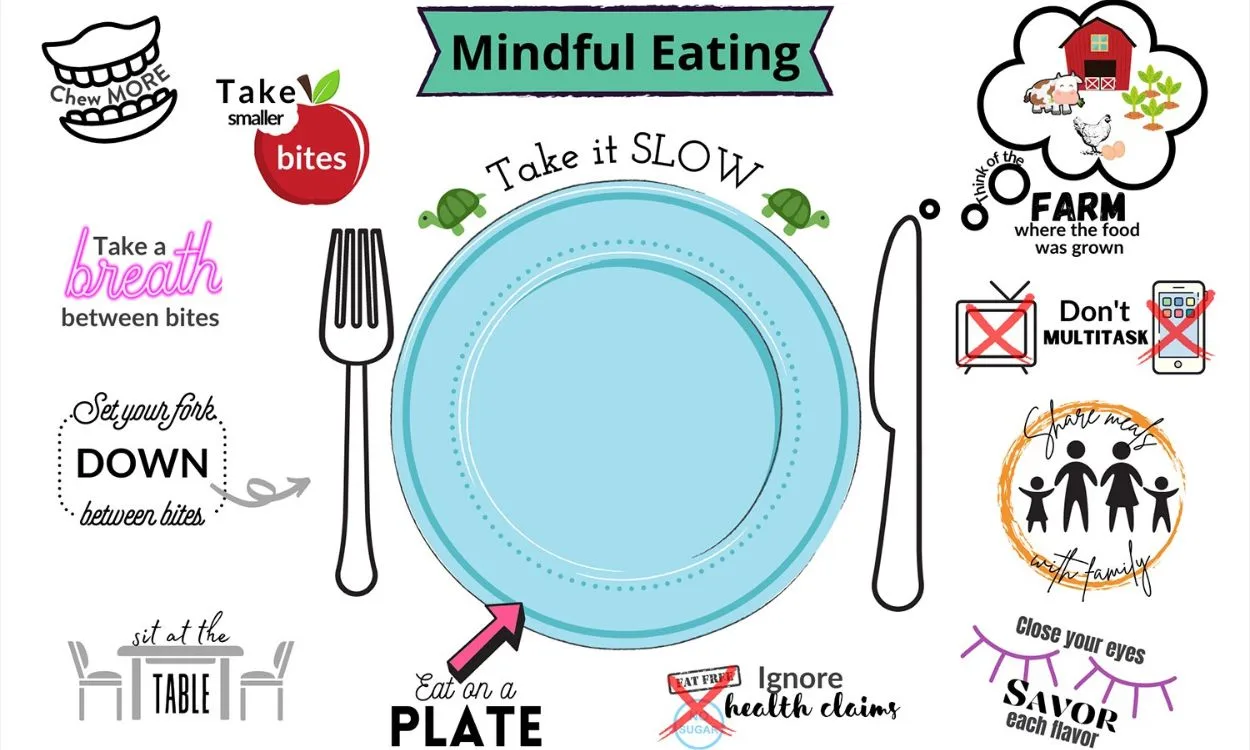
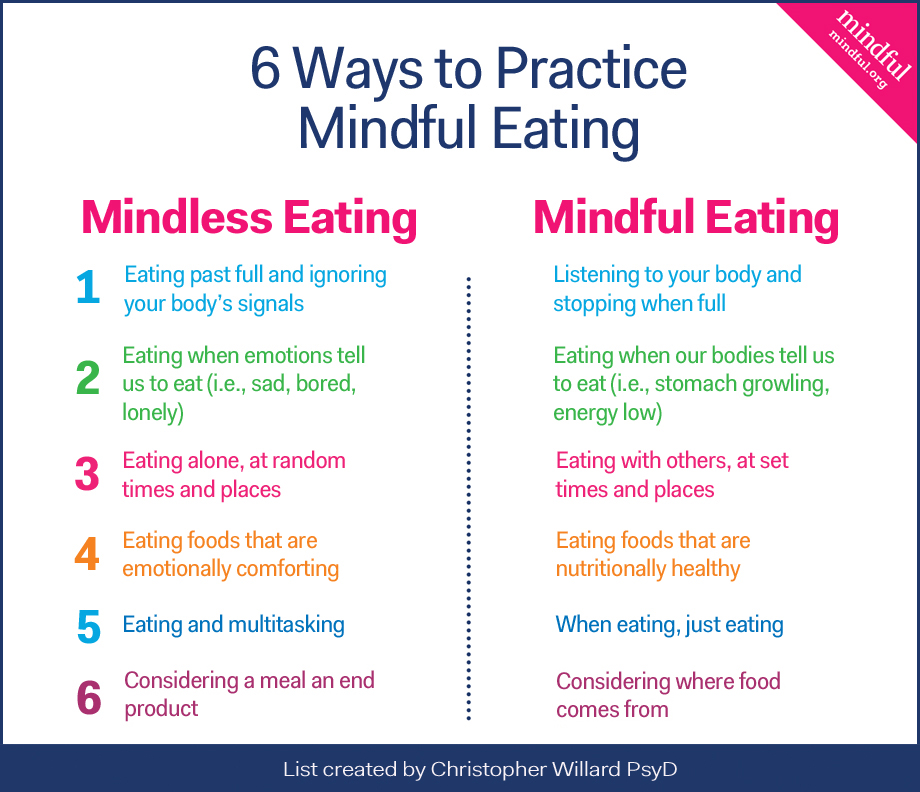
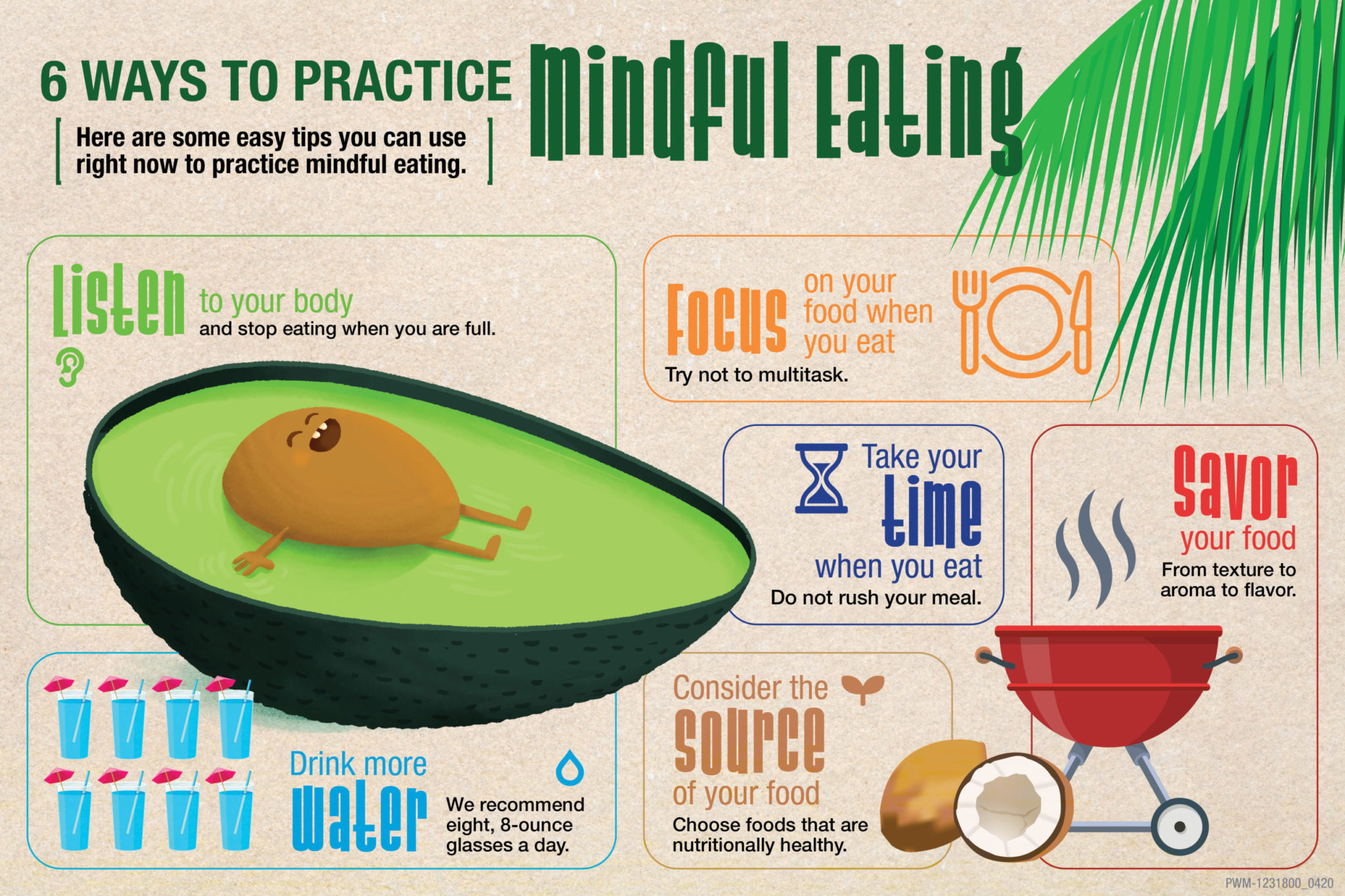
  • Create a Mindful Eating Environment: Set the stage for mindful eating by minimising distractions. Turn off electronic devices, find a quiet space, and focus solely on the meal.
  • Engage the Senses: Before one eats, take a moment to observe one’s food. Notice its colours, textures, and aromas. As one eats, one should pay attention to the sensations of taste and the feeling of each bite in one’s mouth.
  • Slow Down: Take time while eating. Chew each bite thoroughly and place the utensils down between bites. This not only enhances the eating experience but also gives the brain time to register fullness.
  • Listen to the Body: Tune in to the body’s signals. Ask oneself if one is truly hungry before reaching for food. During the meal, check in with one’s hunger and fullness levels, and stop eating when one feels satisfied.
  • Practice Gratitude: Before meals, take a moment to express gratitude for the food. Acknowledging the effort that went into preparing the meal can enhance the enjoyment and appreciation of it.
  • Keep a Mindful Eating Journal: Consider keeping a journal where one can reflect on one’s eating experiences. Note how certain foods make one feel, any emotional triggers one notices, and one’s hunger levels throughout the day.

Mindful Eating and Weight Loss
For those looking to lose weight, mindful eating can be an effective strategy. Here’s how it can help:

  • Awareness of Portions: Mindful eating encourages portion control. By paying attention to how much one eats and recognising when one is full, one can avoid overeating, which is often a major barrier to weight loss.
  • Better Food Choices: When one practices mindful eating, one is more likely to choose foods that nourish one’s body. One may find oneself gravitating toward whole, unprocessed foods that provide better nutrition compared to processed options.
  • Reduced Cravings: By understanding one’s body’s hunger signals, one can better distinguish between physical hunger and emotional cravings. This awareness can help reduce mindless snacking and emotional eating.
  • Sustainable Habits: Mindful eating fosters a long-term, sustainable approach to health and weight management. It promotes a balanced relationship with food rather than a cycle of restrictive dieting and bingeing.

Mindful eating is more than just a method for losing weight; it is a holistic approach to nourishing the body and mind. By fostering awareness, reducing emotional eating, and cultivating a positive relationship with food, individuals can experience profound benefits that extend beyond the dining table. As one embarks on their journey toward mindful eating, remember that it is a practice—one that requires patience and self-compassion. By taking small steps to incorporate mindfulness into one’s meals, one can transform their eating habits and, ultimately, their relationship with food. Whether one aims to lose weight, improve one’s digestion, or simply savour the joy of eating, mindful eating can help achieve their health goals while enhancing their overall well-being. Embrace the journey, and enjoy each bite!


2025 Week 04 Update

Today is India’s 76th Republic Day, the day India adopted its constitution in 1950. To honour this day, today’s quote is from the person known as the “Father of the Nation,” Mohandas Karamchand Gandhi, or Mahatma Gandhi. An Indian political and spiritual leader, Gandhiji pioneered the philosophy of nonviolent resistance, or Satyagraha. He advocated for civil rights, economic self-reliance, and eradicating social injustices like caste discrimination. Renowned for his simplicity and moral courage, Gandhi’s leadership inspired movements for civil rights and freedom worldwide. 

Today’s quote encapsulates the essence of personal responsibility and empowerment. It challenges individuals to embody the qualities and behaviours they desire to see in others and society, emphasising that change begins with oneself. Rather than waiting for external circumstances or people to transform, Gandhi calls on us to proactively align our actions with our ideals. This quote reflects a deep understanding of human influence. Change is not a passive process; it requires active participation. When one models the values they wish to see—such as kindness, honesty, or tolerance—they inspire others to follow suit. The quote also implies accountability. Blaming external forces for societal shortcomings is easier than reflecting on our role within the system. Gandhi’s words remind us that we are both contributors to the problem and part of the solution. By transforming our habits, attitudes, and choices, we contribute to the larger process of societal evolution. On a deeper level, the quote is about empowerment. It emphasises that individuals hold the power to initiate meaningful change. This quote is a call to action. It challenges us to live authentically, act with integrity, and take responsibility for the world we are helping to create.

This is a nice long week of holiday for us in Singapore because of the Lunar New Year. To those reading this post who celebrate the festival, here’s wishing you a very Happy Lunar New Year! Gong Xi Fa Cai, Xin Nian Kuai Le! BB is home for the CNY holidays, and by strategically taking leave, he managed to get a week’s worth of leave. I am sure he will enjoy sleeping in his bed and eating home-cooked meals. I will be making all that he wants before he goes back to camp at the end of next Sunday.

GG is busy with school and barely has any time for herself. She is always complaining about this, but this is the life she has chosen, and I know that underneath all the grumbling and complaining, she enjoys what she is learning and hopes to make a career in this field.

That’s all from me this week. I am off to enjoy my Chinese New Year break, so keep smiling and enjoy the week!