Music Appreciation: The most potent instrument of education

When I was young, most people I knew had a subscription to a local music sabha. A sabha is supposed to be a congregration or an assembly in ancient India and in the south, a music sabha is a conregration for music lovers, especially during the music season. Close to our home and very close to my grand mother’s home was the music sabha we went to. My grand parents were members and when they moved out of Bombay (when it was still Bombay and had not yet been renamed to Mumbai), my parents took over the membership.

I remember a representative from the sabha would come home once every few months and pass us the membership card along with the sabha schedule for the next few months. This was way before social media and mobile phones, so everything was done manually. This sabha was one of the most prestigiuous sabhas in Bombay at that time. It was established a few years after India’s independence with the aim of promoting the fine arts and provide a platform to showcase various artists in the various areas of the fine arts, especially music, dance and drama.

My parents and grand parents from both sides used to look forward to this programme and we would also be taken to the sabha for a dose of culture and music appreciation. Sometimes when a friend was also going there, we would not mind going, but most times we would rebel. When they could not get us to accompany them, my mum would leave us at my grandmother’s house which was just 2-3 minutes away from the sabha and go and enjoy the concert. We would enjoy the next few hours in the company of friends and when the concert ended, they would come to my grand mother’s house, have dinner and go home. Most of the concerts used to involve classical Carnatic music and dancen and when a distinguished artist was scheduled to perform, people would beg and borrow extra passes so family and friends could also listen and see the artist at play. 

When a distinguished artist was performing, we would all troop down to the sabha and any requests to stay at home would not be entertained as this would be a rare opportunity to hear and see such a distinguished performer. Relatives who stayed in other parts of the city would also make their way and I remember an aunt, my mother’s sister who was herself a singer and had learnt Carnatic music when she was younger would come down, especially if the concert was on a Saturday and stay at her mum’s place so she could attend it. I remember either attending or my parents attending performances by M.S Subbulakshmi among other celebrated artists.

When I just finished school, the sabha was unfortunately destroyed in a devastating fire and for a very long time all performances were stopped while it was being rebuilt. By then, we had all grown up and after a few more years of being members, my parents also gave up their membership and the sabha is now just a distant memory or a place for nostalgia when we pass by it.

Though I didn’t really recognise it then, this forced attendance has help me appreciate music. Though I did learn Carnatic music and my sister learnt Bharatanatyam, as did pretty much every tambram girl I knew, we did not take it up far and gave it up when school got too much for us. But those lessons and the concerts and dance performances we attended gave us a appreciation of what good music was all about. We learnt how to carry a tune and recognise when someone is out of tune. Even today, when I hear music which is even slightly out of tune, even though I may not recognise the raga being played, I know it is not correct and I wince, mostly unconsciously.

Today, research has confirmed what our parents and grandparents instinctively knew. That when you learn and listen and appreciate good music, it is extremely beneficial, especially to young children. Music is a megavitamin for the brain, the ultimate mood enhancer for emotional balance, a golden key for unlocking creativity, the secret code behind health and longevity, and the connective fiber between human beings of all races, nationalities and generations.
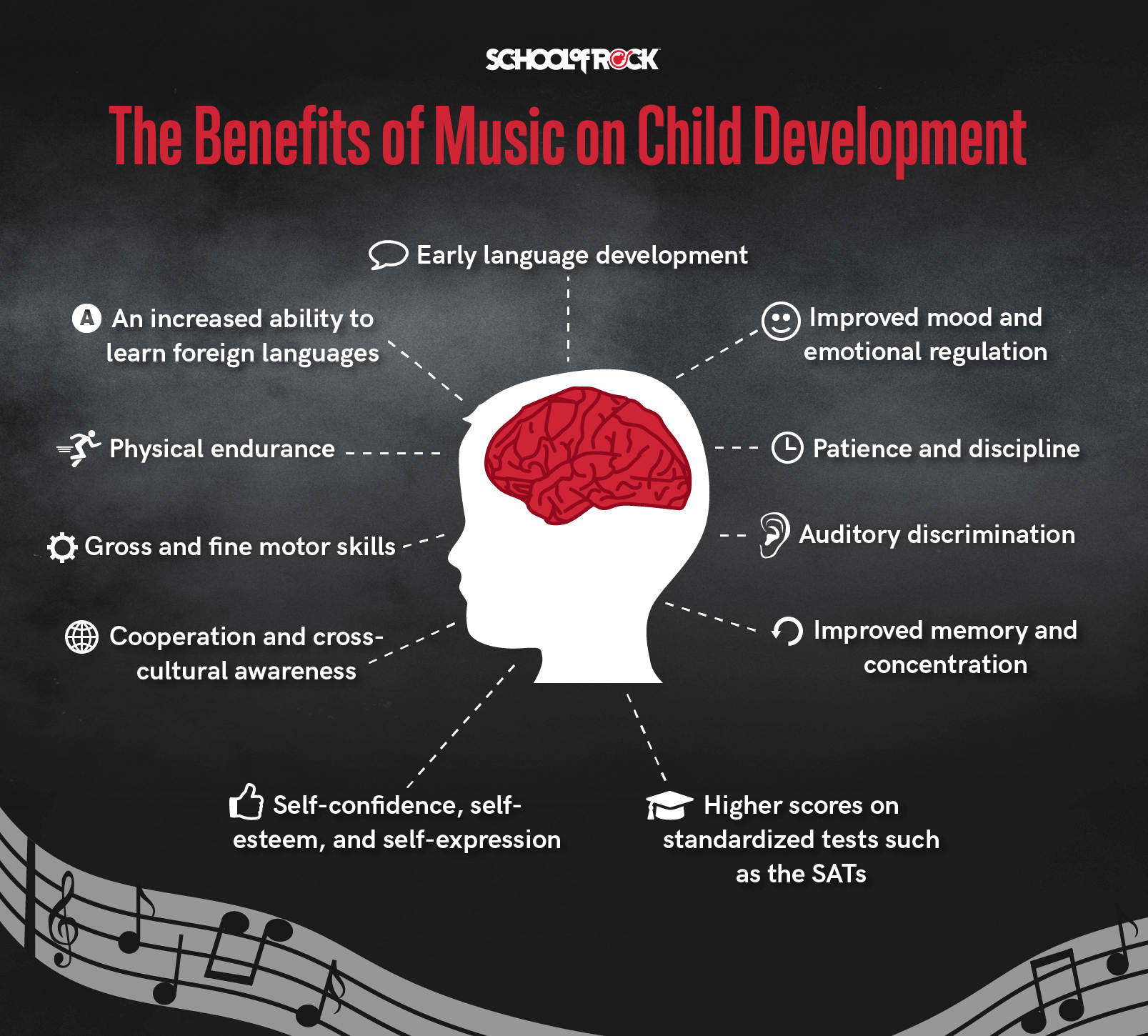
Musical training helps develop language and reasoning as it develops the areas of the brain related to language and reasoning. Children who are exposed to music early are more emotionally developed with empathy towards other cultures and also tend to have a higher self esteem and are better at coping with anxiety. Math and pattern recognition skills are developed with a music education and someone who has learnt music can better detect meaningful, information-bearing elements in sounds. Music also builds the imagination and intellectual curiosity and help foster a positive attitude toward learning and curiosity. An artistic education develops the whole brain and develops a child’s imagination. It is universally known that music helps fight stress and can be incredibly relaxing and also develop spatial intelligence in children.

When I look back in hindsight, I am so thankful to my parents for forcing this on me, even when I could not see it then. At that time, all it meant that going to classical concerts and dance performances meant that my Saturday evenings were being wasted, and I could use that time to play with friends. But today, as I do the same to my children, I realise how much this has benefitted me. GG & BB started learning Carnatic vocal music at about the age of seven. BB dropped it when he was about 12, when puberty hit and his voice started to break, but GG has still continued to learn. When I told her she could drop it if she wanted to, she told me it was very relaxing and wanted to continue. I do believe that these forced lessons have made them appreciate good music, even if their current music taste is not classical. GG also learnt western ballet for almost a decade, but gave it up when school got too much to balance. Today GG continues to sing, both classical and other music while BB, who actually has a good voice and a head for tune, sings very casually, though he will not really admit it.

In My Hands Today…

Everything that Makes Us Human: Case Notes of a Children’s Brain Surgeon – Jay Jayamohan

Jay Jayamohan makes life and death decisions on a daily basis. That’s because he’s a Consultant Paediatric Neurosurgeon in a busy Oxford hospital. Every day, parents put all their faith in him to make their In this gripping and sometimes heartrending book, Jayamohan – who has featured in two highly acclaimed BBC fly-on-the-wall series following the work of neurosurgeons – brings the highs and lows of the operating theatre into vivid life.

Beginning with his struggles as an Asian growing up in 1970s Britain, he chronicles his early days as a medical student and spans decades of extraordinary activity, drawing on case studies from various aspects of his career: not all of which have happy endings. Jayamohan describes how he found the strength to keep going despite terrible setbacks: no matter how many times he is knocked down, he always gets up again to face the next challenge.

International Day of Education

One child, one teacher, one book and one pen can change the world! ~ Malala Yousafzai

Education is a basic human right! It transforms lives and is a great social leveler.

Education is a human right, a public good and a public responsibility. Education to essential to reduce inequalities and improve health, to achieve gender equality and eliminate child marriage, to protect our planet’s resources, fight hate speech, xenophobia and intolerance, and to nurture global citizenship. Yet, there are at least 250 million children, adolescents and youth are out of school, most of them girls with yet millions more who attend school are not mastering the basics. This is a violation of their human right to education and the world cannot afford a generation of children and young people who lack the skills they need to compete in the 21st century economy, nor can we afford to leave behind half of humanity.

In 2018, the United Nations General Assembly proclaimed 24 January as the International Day of Education, in celebration of the role of education for peace and development. Without inclusive and equitable quality education and lifelong opportunities for all, countries will not succeed in achieving gender equality and breaking the cycle of poverty that is leaving millions of children, youth and adults behind.

Today, 258 million children and youth still do not attend school; 617 million children and adolescents cannot read and do basic math; less than 40% of girls in sub-Saharan Africa complete lower secondary school and some four million children and youth refugees are out of school. Their right to education is being violated and it is unacceptable. Education transforms lives and is at the heart of UNESCO’s mission to build peace, eradicate poverty and drive sustainable development.

The right to education is enshrined in article 26 of the Universal Declaration of Human Rights which calls for free and compulsory elementary education. The Convention on the Rights of the Child, adopted in 1989, goes further to stipulate that countries shall make higher education accessible to all. When it adopted the 2030 Agenda for Sustainable Development in September 2015, the international community recognized that education is essential for the success of all 17 of its goals. Sustainable Development Goal 4, in particular, aims to “ensure inclusive and equitable quality education and promote lifelong learning opportunities for all” by 2030.

This year is the third International Day of Education which took place yesterdat and will be marked today with the theme ‘Recover and Revitalize Education for the COVID-19 Generation’. Now is the time to power education by stepping up collaboration and international solidarity to place education and lifelong learning at the centre of the recovery. The theme has three main segments: learning heroe, innovations, and financing.

So today, in honour of the International Day of Education, if there is a child near you who are not yet in school, please ensure that they get their basic universal right and get an education!

International Day of the Girl Child

Also called the Day of Girls and the the International Day of the Girl, the International Day of the Girl Child was first declared by the United Nations on 11 October 2012 to increase awareness of the gender inequality faced by girls worldwide and support more opportunity for girls. The inequality faced by girls include areas such as access to education, nutrition, legal rights, medical care, and protection from discrimination, violence against women and forced child marriage. The celebration of the day also reflects the successful emergence of girls and young women as a distinct cohort in development policy, programming, campaigning and research.

In 1995, before the girls of today were even born,the fourth World Conference on Women made history for the women’s rights agenda with the adoption of the Beijing Declaration and Platform for Action was adopted, the most visionary blueprint for the empowerment of women and girls. The Beijing Declaration and Platform for Action is the most progressive blueprint ever for advancing the rights of not only women but girls. Now, about half a century later, the Platform for Action remains a powerful foundation for assessing progress on gender equality. It calls for a world where every girl and woman can realize all her rights, such as to live free from violence, to attend and complete school, to choose when and whom she marries, and to earn equal pay for equal work. The Platform for Action specifically calls on the global community to eliminate all forms of discrimination against girls; eliminate negative cultural attitudes and practices against girls; promote and protect the rights of girls and increase awareness of their needs and potential; eliminate discrimination against girls in education, skills development and training; eliminate discrimination against girls in health and nutrition; eliminate the economic exploitation of child labour and protect young girls at work; eradicate violence against girls; promote girls’ awareness of and participation in social, economic and political life and strengthen the role of the family in improving the status of girls. 

The International Day of the Girl increases awareness of issues faced by girls around the world. Many of the global development plans do not include or consider girls, and their issues have become “invisible.” More than 62 million girls around the world had no access to education, as of 2014, according to USAID. Worldwide and collectively, girls ages 5 to 14 spend more than 160 million hours more on household chores than boys of the same age do. Globally, one in four girls are married before the age of 18. Each year, 12 million girls under 18 are married; 130 million girls worldwide are still out of school; and approximately 15 million adolescent girls aged 15-19 have experience forced sex. The International Day of the Girl Child helps to raise awareness not only of the issues that girls face, but also of what is likely to happen when these problems are solved. For example, educating girls helps reduce the rate of child marriage, disease and helps strengthen the economy by helping girls have access to higher paying jobs.

This day began as a project of Plan International, a non-governmental organisation that operates worldwide through their “Because I Am a Girl” campaign, which raised awareness on the importance of nurturing girls globally and in developing countries in particular. Awareness for the initiative grew internationally and soon the United Nations got involved in this campaign which finally became the International Day of the Girl Child with the inaugural day on October 11, 2012.

The resolution states that the Day of Girls recognises the empowerment of and investment in girls, which are critical for economic growth, the achievement of all Millennium Development Goals, including the eradication of poverty and extreme poverty, as well as the meaningful participation of girls in decisions that affect them, are key in breaking the cycle of discrimination and violence and in promoting and protecting the full and effective enjoyment of their human rights, and recognizing also that empowering girls requires their active participation in decision-making processes and the active support and engagement of their parents, legal guardians, families and care providers, as well as boys and men and the wider community.

Each year’s Day of Girls has a theme; the theme for this year’s celebrations is “My voice, our equal future” where girls, especially adolescent girls will focus their their demands to live free from gender-based violence, harmful practices, and HIV and AIDS; learn new skills towards the futures they choose and lead as a generation of activists accelerating social change

If you want to get involved in the International Day of the Girl Child, you can do so by sharing stories of inspiring adolescent girls or girl-led organisations who are developing innovative solutions or leading efforts towards positive social change, including gender equality, in their communities and nations. Let’s amplify their leadership, actions and impact to inspire others. You can also participate in a youth-led digital activation which will be launched on the 11th. This will be led by young people across the world who are developing a digital activism campaign, aiming to raise the diversity of girls’ voices and their vision for a reimagined future.

Life Lessons to GG & BB on their 17th Birthday

Today GG & BB turn 17! I can’t believe the tiny babies who were placed in my hands and were just about an arm’s length now tower over me. They are their own individuals who have their own ideas about life and who are now on the cusp of adulthood. I usually write a letter for them for their birthday and I have written one for their previous birthdays and while writing this post, I actually went back to read my old posts and I am amazed how much they have grown over the years. I do send them the link to my posts and ask them to read and even share if they want to with their friends.

Since they have now started tertiary education, I thought this could be the perfect time to share some life lessons. And since they are 17 today, I’ll do 17 such lessons grouped into different categories:

  1. Sleep: Sleep at least 7 hours a day, your body will thank you 40 or 50 years down the line. At this point in life, you may think you are invincible and can’t get by with the bare minimum of sleep, but your sleep debt is accumulating. Sleep plays a critical role in helping our bodies and minds recover and rejuvenate. Sleep promotes cognition and memory, facilitates learning, recharges our mental and physical batteries, and generally helps us make the most out of our days. With plentiful sleep, we improve our mental and physical health, reduce stress, and maintain the routine that is critical to healthy daily functioning. This habit, if healthly followed will stand in good stead in life, when you may not get the optimum level of sleep, but then you would not have accumulated so much sleep debt.
  2. Look after your health: You have only one body in this life, so look after it and keep it in optimal condition. Have healthy eating habits, eating more fresh produce and less junk food. Try to give up sugar if possible, it will do wonders for your health and also do not snack mindlessly. Make sure you do some exercise each day. It’s best if you do something you enjoy like dancing or running, but whatever you do, just do something! Not only will it mean having good health all through life, it also means when you present yourself in front of others, you are confident about your body and therefore about yourself. In the same vein, look after your external looks too. Take care of your skin and adopt a good skincare routine, irrespective of your gender. Makeup only conceals and covers, but with a good skin, makeup will enhance what you already have.
  3. Appreciate your family and close friends: Listen to what your parents and elders have to say. They know much more than you, especially at this point in life, and only have your best interests in mind when they give you advice. Most of the advice they give you is most probably from experience and they have gone through the exact same situation you are now in. At the same time, don’t listen to them blindly, your parents are after all human beings and can be wrong, so listen to them and then do some further research before you decide to take or not to take their advice.
  4. Learn life skills: These are skills you need to lead your life which include skills like cooking, cleaning, doing your laundry etc. Learn them now while you are still living at home and can get tutored from your parents on how best to do these chores. If you don’t learn them voluntarily now, you may be forced to learn them (maybe without someone teaching you) at a later stage.
  5. Learn to love IT: Artificial Intelligence is taking over the wold and with this many jobs will become redundant in the future. Learn to code and embrace AI so that your job becomes more secure. You will also have a plan B should the job you are in at any point be made redundant.
  6. Never stop learning: This is self evident. The day you stop learning is the day you start to stagnate. Learning stops the day you die and so never stop learning. Learning does not only come from a book or by going to school, every incident in life is a learning opportunity, so learn from all your successes and failures, learn from family, friends, coworkers and even the random stranger you meet may teach you something, so keep learning every second of the day.  
  7. Grab every opportunity that comes your way: In fact, I would say, go out of your way to find and look for opportunities. Look for internships and projects which will boost your resume and bring you front and centre of those who make hiring decisions. Many opportunities are never advertised mainly because these are filled because someone recommends a suitable person. Become that suitable person by showcasing what you can bring to the table by your work. Acknowledge your mistakes, own them and learn from them.
  8. Find a mentor: Search and find a good mentor who has the experience and knowledge to guide you. In fact, I would advise that you look for multiple mentors who can guide you in various aspects of life. Of course you don’t only take from a mentor, you should also give back to your mentor and help where you can. A mentor who is willing to help you does that because he or she sees that elusive spark in you. They have the connections and access to important people which you will not have at this point. A good mentor will lead you by pushing and encouraning you to get where you want to go and with their suppoer and encouragement, you should be able to succeed.
  9. Read: Reading is incredibly important and you should read widely and across a variety of genres. You access new worlds and learn so much from reading that you should set aside a dedicated time each day to read. Reading reduces stress, stimulates your mind, improves your vocabulary and memory and makes you know a lot about many many things that others are ignorant about. It also improves focus and concentration and hones your analytical and critical thinking skills and when you read more, you automatically become better in your own writing which will be an asset everywhere.
  10. Life’s passion: Try to find something you can be passionate about all your life. This will make life a bit easier when you spend half yor day or more at work. Of course, passions change and you need to refine your passion as you grow, both at work and in life and when passions change, try to make sure you are in the right position to take advantage of this change in passion.
  11. Learn to say No: This is another important life lesson. Most times, we are afraid to say No to the people in our lives – be it our family, friends, co-workers or managers. We take on more than we can do and afraid of confrontation, we end up saying Yes. If you find it difficult to say no, start practising with low stakes – like a stranger accosting you in the MRT station or someone trying to sell you something. Say Yes only when the opportunity aligns with your long-term goals. Another way to say no is to couch your refusal in very polite terms.
  12. Privacy Matters: Be aware of and ensure your privacy. There is no need to overshare on social networks, what is on the internet stays there forever, you never know when a post or a photo or a video can come back to haunt you. So be very circumspect in what you post online.
  13. Be financially literate: Financial literacy is important because it will equip you with an understanding of basic financial concepts so that you make sound real-world financial decisions. With this knowledge, you are in a better way to be able to manage your money, make sound decisions, and maintain healthy spending and budgeting habits, which over time can lead to financial wellness. Start a savings habit as early as possible and remember the power of compounding!
  14. Lead a purposeful life: What does this mean? It means not to go through the motions of life, the life you lead should be one in which life has some meaning, a life where you are connected and engaged with those around you. Do something for the less fortunate in society and learn to give back to those who need it, it need not be money, you can give your time, your skill-set and sometimes even a listening ear is enough. In this same vein, I would also recommend starting a meditation practice daily. Spending a few minutes each day with just yourself and your breathing will do wonders for your mental health and life equilibrium.
  15. Focus on what is important at this moment: Today it is school and tomorrow it will be your career. Focus fully on what is in front of you. Also at this point, you can and should take some calculated risks in life, specially since you are cushioned by your family and don’t have family and financial commitments as yet. Be competitive, but don’t make the competition a one-upmanship show. Be your own competitor and try to be a better version of yourself than what you were yesterday. Don’t indulge in petty politicking at work or school. Stay away from gossip and cheap talk and let your work speak for itself.
  16. Don’t be a sheep: Don’t accept instructions blindly or sign documents just because someone tells you to do so. Do your own research, ask questions before making a call and use caution before taking any decision. Also, it will help If you can talk to people close to you, especially your parents.
  17. Be Ambitious: Be ambitious and reach for the stars. In fact, aim for the stars and you will reach the moon. Aim for something slightly over your reach and go all out to achieve it, you will eventually get to it. You are also the average of the five people you spend the most time with, so choose friends wisely. Also remember that there is no shortcut to success. All those successful people you see, they had to hustle for years and work hard before they became ‘overnight sucesses’. Lastly be scrupulously honest, both with yourself and the people around you. Lies have a way of catching up and keeping up with the many falsehoods you may have said will definitely catchup one day!

So there you have it, 17 life lessons which I hope are useful to them.