Sacred Stones, Spaces, and Stories: Divya Desams Part 38

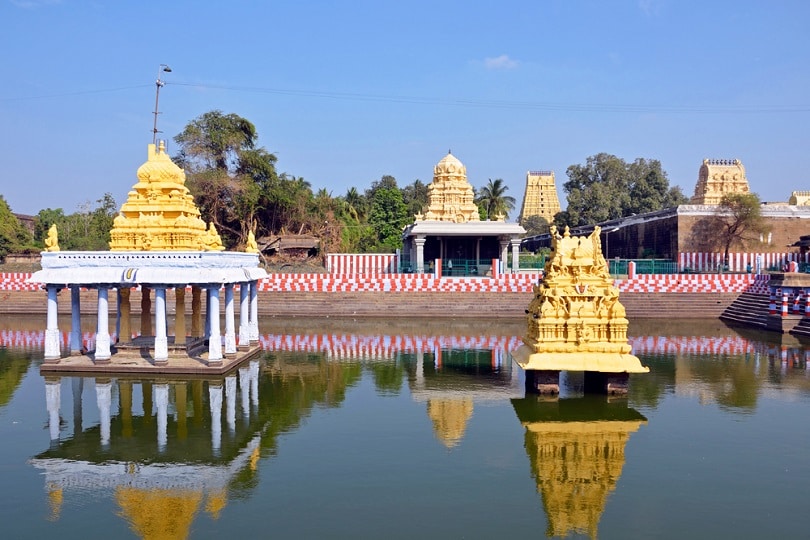
Thiruthangal Temple, Thiruthangal, Tamil Nadu
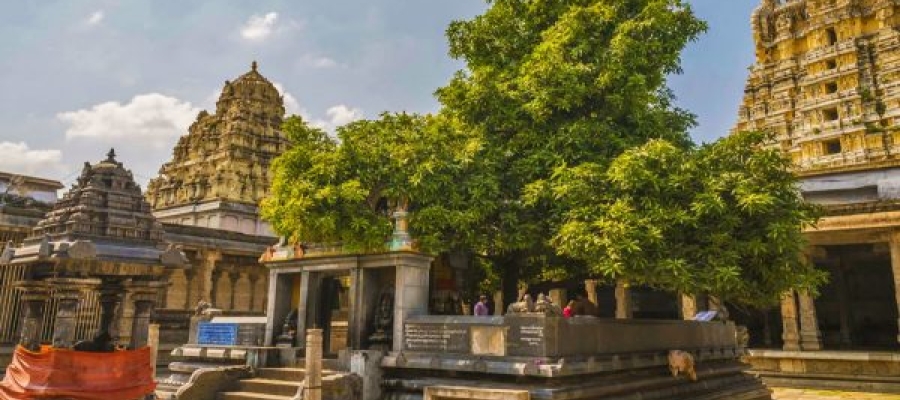
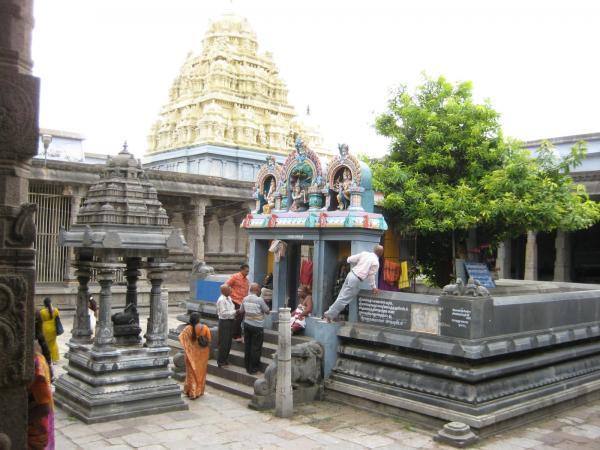
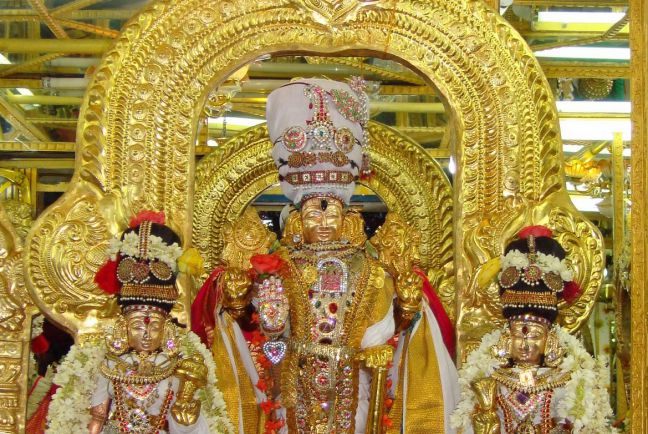
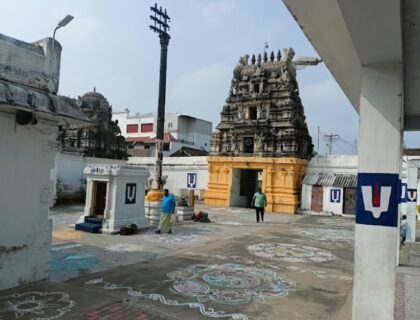
Thiruthangal, located near Sivakasi in Tamil Nadu, is one of those Divya Desams where the story is not about movement but about choosing to remain. The presiding deity here is Ninra Narayana Perumal, and the goddess is Sengamalavalli Thayar. The name itself reflects the central image. Ninra means “standing,” and this is the Lord who stands, not in passing, but with intention. The temple sits on a small hill, and that elevation adds a quiet sense of separation from the everyday world below. Yet the feeling is not of distance. It is of steadiness.

The mythology of Thiruthangal is connected with a gentle but telling story involving the goddess. According to tradition, Lakshmi and Bhudevi once sought to determine who held a more significant place beside Vishnu. What began as a comparison grew into a moment of tension, not out of anger, but out of the desire to be seen. Lakshmi chose this place to perform penance, seeking clarity and affirmation. Vishnu appeared before her here and resolved the tension, not through argument, but through presence. Because the goddess stayed here and the Lord stood with her, the place came to be known as Thiruthangal. The story does not end in conflict. It settles into understanding.

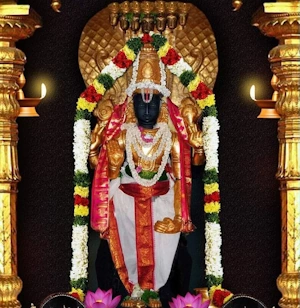
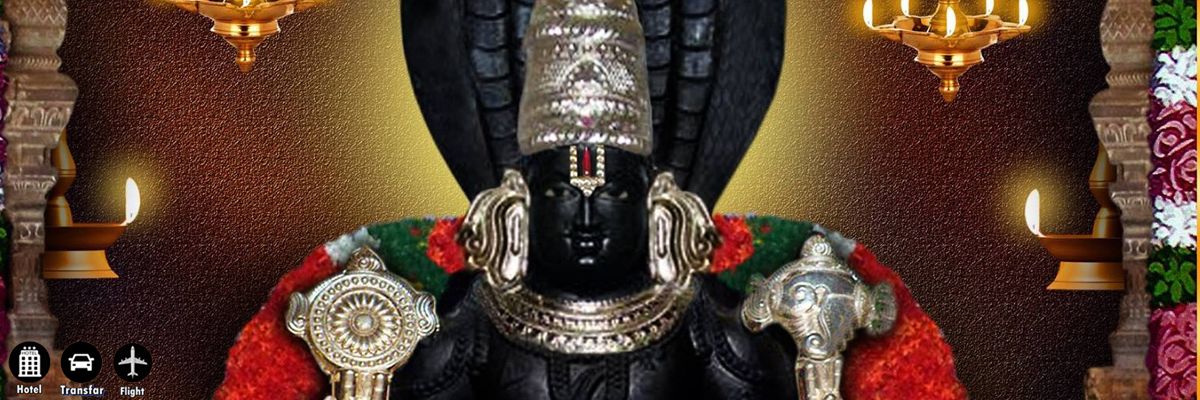
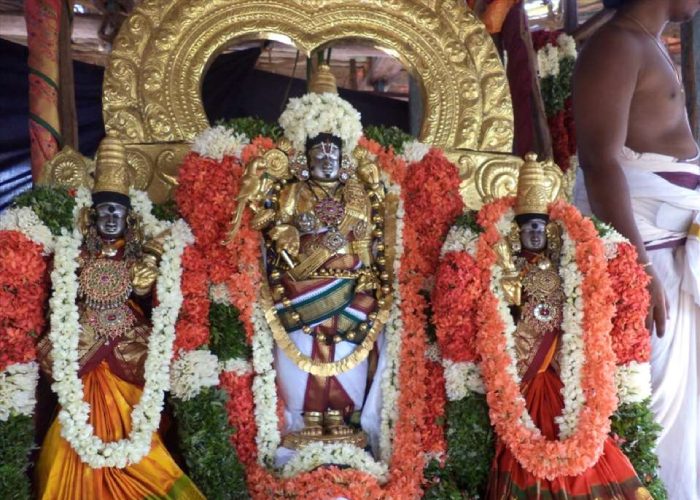
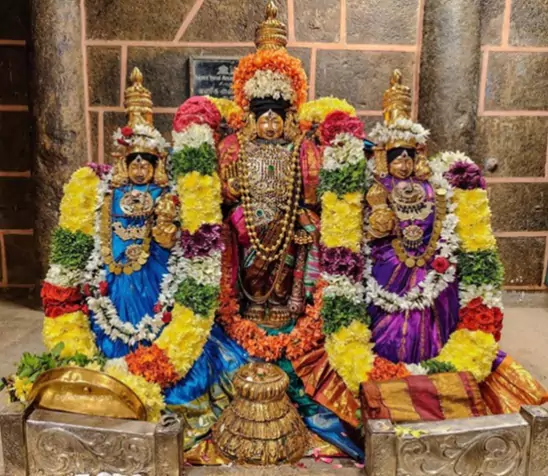
Inside the sanctum, this sense of resolution becomes visible. Ninra Narayana Perumal stands in a composed posture, holding the conch and discus, calm and unhurried. The standing form carries a certain clarity. It does not suggest movement or rest, but readiness that has already found its place. Sengamalavalli Thayar’s shrine adds warmth to the space, grounding the stillness of the Lord with compassion. Together, they create an atmosphere that feels balanced.

The temple’s location on a hill shapes the experience quietly. The climb is not long, but it is enough to slow the body and shift the mind. By the time you reach the top, the rhythm has changed. The surroundings open up, and the space feels less crowded, even when there are other visitors. The hill does not isolate the temple. It gives it a clearer presence.

Historically, Thiruthangal reflects the continuity of temple culture in southern Tamil Nadu, with roots that extend through the Pandya period and later contributions from local patrons. The structure has been maintained across centuries, not through large expansions, but through steady care. This continuity is visible in the layout and in the ongoing practice of worship. The temple has remained active, carrying its story forward without interruption.

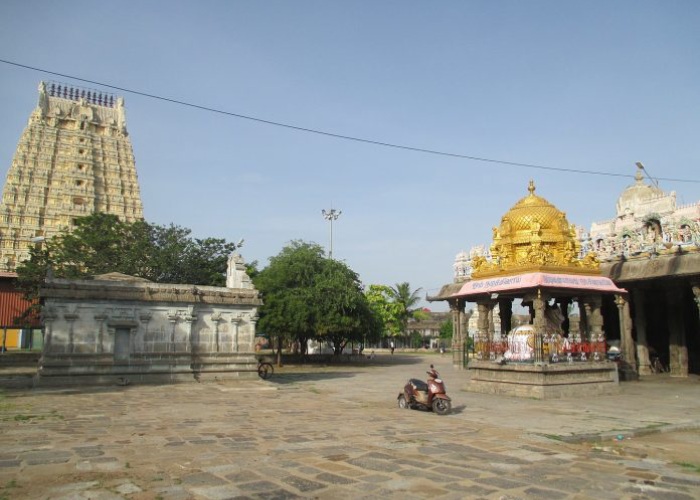
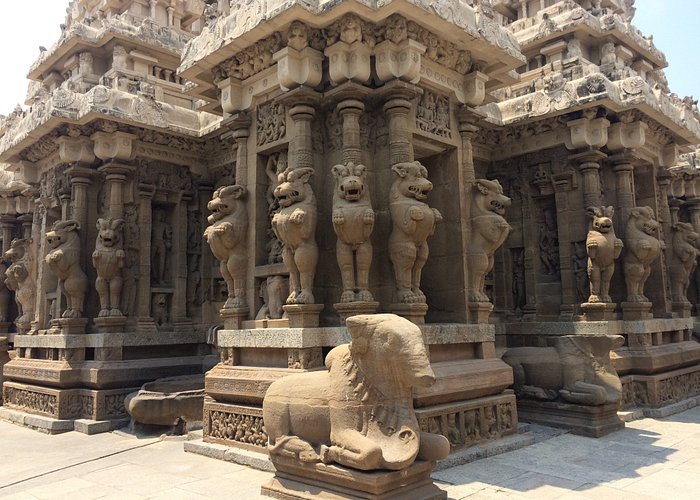
Architecturally, the temple follows the Dravidian style, with a gopuram marking the entrance and prakarams guiding the movement inward. The scale is modest compared to some larger temples, but the proportions feel balanced. The sanctum remains the focal point, drawing attention to the standing form of the Lord. The surrounding structures support the experience without distraction. The hill itself becomes part of the architecture, shaping how the temple is approached and understood.

The daily rituals follow the Vaishnavite tradition, with regular pujas conducted throughout the day. Festivals such as Vaikunta Ekadasi and Brahmotsavam bring larger gatherings, but the temple does not lose its steady tone. The standing form of the deity continues to anchor the space, even during moments of activity.

For pilgrims, the experience of Thiruthangal often comes with a sense of quiet clarity. After visiting temples associated with action, movement, or transformation, arriving here introduces a different emphasis. The Lord does not act. He stands. That posture begins to carry meaning. It suggests that some things do not need to be changed or moved. They need to be held in place.

Culturally, the temple holds its place within the Divya Desam tradition through the hymns of the Alvars, who recognised its significance. Over time, it has come to represent themes of balance, resolution, and steadiness. Devotees come here not only with requests but with the need for clarity. The temple does not provide answers in obvious ways. It offers a space where things settle.

In modern times, Thiruthangal continues to function as an active place of worship, maintained through regular rituals and community care. It remains part of a living tradition, drawing pilgrims who seek both devotion and quiet reflection.

Thiruthangal ultimately represents the strength of staying. Ninra Narayana Perumal does not move through the world here. He stands within it. In the larger Divya Desam journey, this temple offers a simple but steady insight. Not every moment calls for action. Some call for presence.

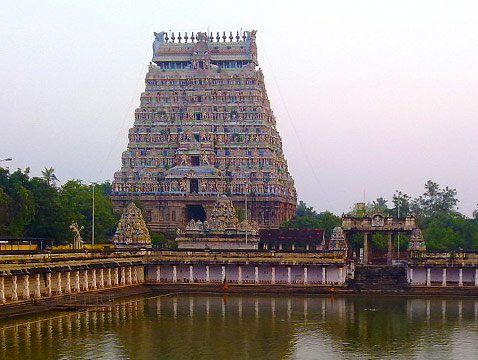
Thirukkoodal Temple, Madurai, Tamil Nadu
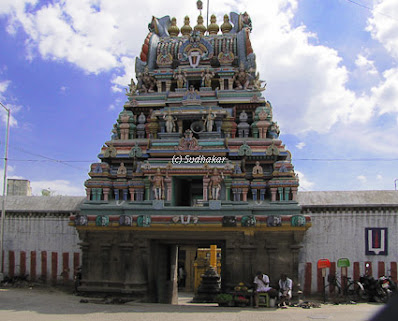
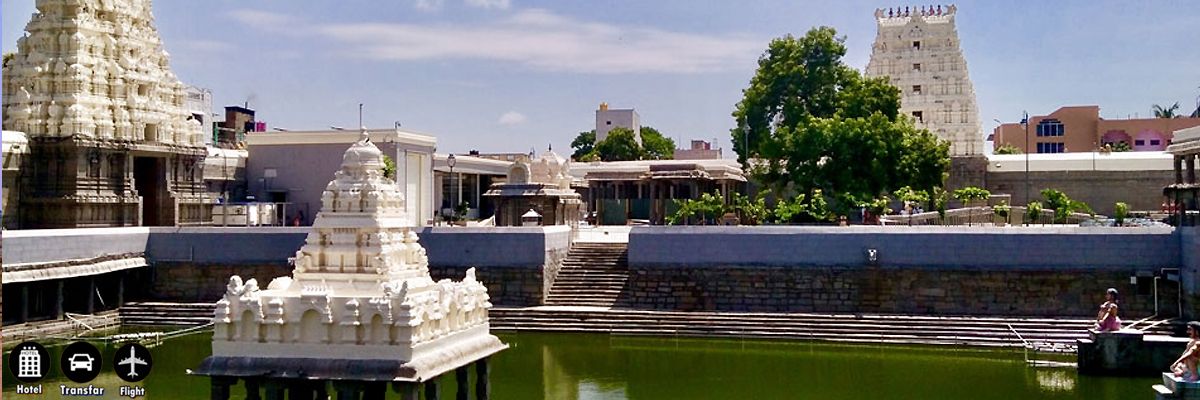
Madurai is a city that rarely pauses. It moves through history, ritual, and everyday life all at once, and in the middle of that movement stands Thirukkoodal, the temple of Koodal Azhagar Perumal, with Madhuravalli Thayar as the goddess. The name Koodal itself suggests coming together, a meeting point, a place where things gather. That meaning fits the temple well. It sits within a city known for convergence, where people, traditions, and rhythms overlap, and yet inside the temple, the experience becomes more focused, more contained.

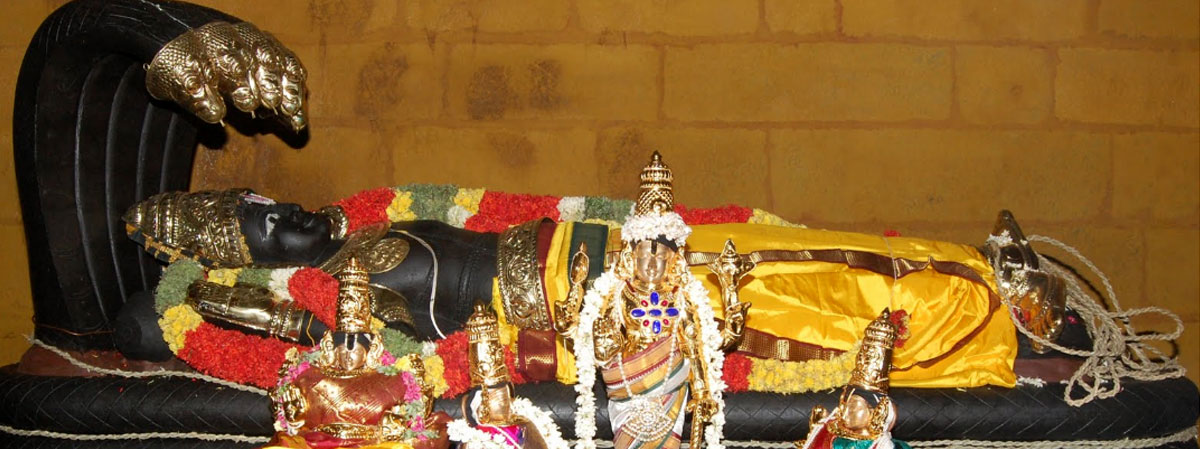
The mythology of Thirukkoodal is not built around a single dramatic episode. Instead, it is shaped by presence across different states. The most striking aspect of the temple is that the Lord is worshipped in three distinct forms within the same space. In the sanctum, Koodal Azhagar stands in a composed posture, holding the conch and discus. Above, in another tier, he is seen seated, and in yet another, he reclines. These are not separate temples. They are layers within one structure. The arrangement itself becomes the message. The divine is not limited to one state. It stands, sits, and rests, all within the same presence.

This idea carries a quiet significance. In many temples, one encounters a single form and builds meaning around it. Here, the experience is expanded. The Lord is not fixed. He moves across states without losing identity. For the devotee, this creates a different kind of engagement. You do not see the divine in one moment. You see it as continuity across different conditions.

Inside the temple, this layered presence shapes the experience. The standing form of Koodal Azhagar holds the immediate attention. It feels grounded and direct. The seated and reclining forms above introduce a shift, inviting the mind to move beyond what is seen first. Madhuravalli Thayar’s shrine adds warmth to the space, grounding the experience in grace. Together, they create an atmosphere that feels complete, not because it is large, but because it holds multiple states at once.

Historically, Thirukkoodal has been an important temple in Madurai, with roots that extend through the Pandya period and later contributions from other dynasties. The temple has stood through centuries of change in the city, maintaining its identity even as the surroundings evolved. It is not as widely known as the Meenakshi Amman Temple nearby, but it holds its own place within the sacred geography of Madurai.

Architecturally, the temple reflects the Dravidian style, with a gopuram marking the entrance and prakarams guiding movement inward. The most distinctive feature is the vertical arrangement of the three forms of the deity. This structure creates a sense of movement within the temple without requiring physical distance. The experience shifts as one looks upward, moving from one state to another.

The daily rituals follow the Vaishnavite tradition, with regular pujas conducted throughout the day. Festivals such as Vaikunta Ekadasi and Brahmotsavam bring larger gatherings, but the temple does not lose its inward focus. Even during these times, the layered presence of the deity remains the central experience.

For pilgrims, Thirukkoodal often feels like a pause within the larger movement of Madurai. After navigating the busy streets and the intensity of the city, stepping into the temple creates a shift. The mind begins to settle, not into stillness alone, but into a recognition of different states coexisting.

Culturally, the temple holds its place within the Divya Desam tradition through the hymns of the Alvars, who recognised its significance. Over time, it has come to represent a broader idea. Life itself does not remain in one state. It moves through action, rest and reflection. Thirukkoodal reflects that movement without separating it into different spaces.

In modern times, the temple continues to function as an active place of worship, drawing devotees from within the city and beyond. It remains part of a living tradition, even as it stands alongside larger and more prominent temples.

Thirukkoodal ultimately represents presence across change. Koodal Azhagar Perumal does not remain in one posture. He stands, sits, and rests, all within the same space. In the larger Divya Desam journey, this temple offers a simple but steady insight. The divine is not limited to one state, and neither are we.

Sacred Stones, Spaces, and Stories: Divya Desams Part 3

Thirukoḻi Temple, Uraiyur, Tamil Nadu
Thirukoḻi Temple, now often referred to as Nachiar Koil, stands in Uraiyur, a suburb of Tiruchirappalli in Tamil Nadu. It’s one of the 108 Divya Desams, the sacred temples dedicated to Vishnu. But this place flips the usual script. Here, the goddess takes centre stage. Kamalavalli Nachiyar leads every procession, while the god follows. That alone makes the temple worth a closer look.

The story behind Thirukoḻi begins with a curse and a childless king. Rishi Brighu cursed Lakshmi to be born as a mortal. Meanwhile, Nanda Chola, a Chola king desperate for an heir, prayed to Mahalakshmi. His prayers worked. While hunting near a lotus pond, he found a baby girl nestled among the petals. He named her Kamalavalli, the child of the lotus. When Kamalavalli grew up, she visited Srirangam and fell in love with Ranganatha, the reclining Vishnu. She vowed to marry him. Ranganatha appeared in the king’s dream, revealing that the girl was Lakshmi herself. The king dressed her in bridal clothes and took her to Srirangam. As she approached the deity, she vanished. Ranganatha had accepted her. To honour the marriage, Nanda Chola built a temple at Uraiyur. Vishnu appears here as Azhagiya Manavala Perumal, the beautiful groom, standing in a wedding pose, facing north. Kamalavalli sits beside him, lotus in hand, as his bride. Another legend adds local flavour. A fowl and an elephant fought at this spot. The fowl won. So the place became known as Kozhiyur, kozhi meaning fowl in Tamil.

The temple likely existed before the seventh century, though exact dates blur into the past. The Medieval Cholas built the core structure around the eighth century CE. Later dynasties: Pandyas, Vijayanagar kings, Madurai Nayaks, added layers, renovations, and inscriptions.

Uraiyur itself holds weight in Tamil history. It was the early capital of the Chola dynasty, one of the great powers of South India. Karikala Chola, a legendary ruler known for building the Grand Anicut on the Kaveri River, made Uraiyur his base before the capital moved to other cities. The town thrived as a centre of trade and cotton production during the Sangam period, from 300 BCE to 300 CE. The temple also marks the birthplace of Thiruppaan Alvar, one of the 12 poet-saints who sang hymns to Vishnu. Thiruppaan’s verses appear in the Nalayira Divya Prabandham, the sacred canon of the Alvars. His presence here connects the temple to a broader spiritual and literary movement that shaped South Indian Vaishnavism.

The temple follows classic Dravidian design. A granite wall surrounds the complex, enclosing shrines, courtyards, and water tanks. The five-tiered Rajagopuram, the gateway tower, rises above, marking the entrance with carvings of gods, mythic creatures, and scenes from epics. Inside, the main shrine houses Azhagiya Manavala Perumal, standing in wedding attire and facing north. North-facing shrines are rare in Divya Desams, making this layout unusual. Kamalavalli Nachiyar sits beside him, no separate sanctum, lotus in hand. The vimana above the shrine is called Kamala Vimanam.

The temple has separate shrines for Ramanuja and Nammalvar, two towering figures in Vaishnavite tradition. Inside the Nammalvar shrine, paintings line the walls, images of Vishnu’s avatars, Vaishnava teachers, and scenes of dharma and justice. These murals date to the early 1800s, bright hues fading but still vivid. The layout isn’t grand by the standards of Srirangam or other large temple-cities. But it’s intimate, with detail packed into every corner. Carvings, inscriptions, and architecture all speak to centuries of devotion and craft.

Worship at Thirukoḻi follows a strict daily rhythm. Priests perform rituals six times a day, from 7 am to 8 pm. Each ritual has three steps: alangaram (decoration), neivethanam (food offering), and deepa aradanai (waving of lamps). During the final step, nagaswaram pipes and tavil drums fill the air, priests chant from the Vedas, and devotees prostrate before the temple mast.

The temple honours the goddess first in every ritual and procession. Kamalavalli Nachiyar moves ahead; Azhagiya Manavala Perumal follows. This reversal of typical temple hierarchy gives Thirukoḻi its nickname: Nachiar Koil, the goddess’s temple.

Festivals bring drama. Serthi Sevai, the homecoming festival, is the biggest. During the Tamil month of Panguni (March–April), the processional idol from Srirangam, Namperumal, arrives at Thirukoḻi. The images of Namperumal and Kamalavalli are adorned together in the Serthi hall, celebrating their eternal union. Special rituals, processions, and thousands of pilgrims fill the temple grounds.

Another festival honours Thiruppaan Alvar’s birthday. His processional idol is brought from Thirukoḻi to Srirangam, where he receives grand honors: a silk turban, garlands, sandal paste, and a shawl. These gestures are meant to bring a smile to the saint’s face. After, the idol visits the shrines of Nammalvar and the goddess, accompanied by chanting from the Nalayira Divya Prabandham. Other festivals: Dolostava, Vasanthothsava, and Navaratri keep the temple active year-round. Community involvement runs deep. Locals prepare offerings, organise annadhanam (free meals), and maintain traditions passed down through generations.

Reaching Thirukoḻi is straightforward. The temple sits about three km from Tiruchirappalli Junction, connected by frequent town buses and auto-rickshaws. The surrounding streets are busy with vendors selling flowers, garlands, and incense. The atmosphere is lived-in, not curated for tourists. Pilgrims remove their shoes at the entrance and step into a different rhythm. The temple is open from 5 am to 12:30 pm. and again from 4:30 pm. to 8:30 pm. Devotees line up for darshan, waiting patiently, sometimes in the heat, sometimes in the rain. After darshan, many sit near the water tanks or under the shade of temple trees. Some walk to the shrine of Thiruppaan Alvar or Nammalvar, pausing to reflect or chant. The temple feeds a hundred devotees daily through its annadhanam scheme, funded by donations. Sharing a meal in the temple hall becomes part of the experience: food as blessing, community as ritual. Local hospitality shows in small gestures: directions offered, prayers shared, stories told. Uraiyur feels quieter than Trichy proper, less rushed. The pilgrimage isn’t about ticking off a site, it’s about slowing down, noticing details, and absorbing the place.

Thirukoḻi shaped Vaishnavite culture in subtle but lasting ways. The temple appears in 24 hymns in the Nalayira Divya Prabandham, composed by Kulasekara Alvar and Thirumangai Alvar. These verses are still chanted during rituals and festivals, keeping the Alvars’ voices alive. The temple’s emphasis on the goddess influenced how communities thought about divine hierarchy. In most Vishnu temples, the god dominates. Here, Kamalavalli’s prominence flipped that script, creating space for female-centred worship within a predominantly male-focused tradition.

Today, the temple is managed by the Hindu Religious and Endowment Board of the Government of Tamil Nadu. Management balances tradition with practical needs: maintaining structures, funding festivals, and supporting daily worship. Restoration efforts are ongoing. Old murals need care, gopurams need repair, and water tanks require cleaning. Government and private donations fund these projects. Technology plays a role, online booking for accommodations, digital archives of inscriptions, and social media updates about festivals. Tourism is modest compared to Srirangam, but steady. Devotees make up most visitors, though historians, architecture enthusiasts, and curious travellers also come. The temple’s annadhanam scheme continues, feeding devotees daily and keeping the tradition of communal meals alive.

Thirukoḻi Temple stands apart in the Divya Desam circuit. Its goddess-centred worship challenges assumptions. Its connection to Uraiyur ties it to Tamil history and kingship. Its architecture, though modest, carries centuries of craft and care. For pilgrims, it offers something rare: a temple where the goddess leads, and the god follows, where legends of love and devotion play out in stone and ritual. For anyone interested in Indian spirituality, it’s a reminder that tradition isn’t static; it shifts, adapts, and sometimes flips the script. Visit if you can. Walk the streets of Uraiyur. Sit by the lotus tank. Watch the rituals. Listen to the stories locals tell. And maybe you’ll leave with a different sense of what sacred space can mean.

Thirukkarambanoor Temple, Uthamarkoil, Tamil Nadu
Thirukkarambanoor, better known today as Uthamarkoil or Sri Purushothaman Perumal Temple, sits on the outskirts of Tiruchirappalli in Tamil Nadu, near the Kollidam (Coleroon) river. It is a Divya Desam, but a very unusual one. Here, Vishnu, Shiva, and Brahma all have shrines inside the same complex, making it the only Divya Desam where the Trimurti share one sacred space.

The core legend begins with Vishnu testing Brahma. Vishnu takes the form of a kadamba tree at this spot, without announcing himself. Brahma recognises the presence of the lord and starts worshipping the tree with thirumanjanam, the ritual bath. The water from this worship collects and becomes Kadamba Theertham, the temple tank. When Vishnu is satisfied with Brahma’s devotion, he grants him a boon: Brahma will have a shrine here and receive worship alongside him. That alone flips the standard storyline where Brahma is usually sidelined.

Another track brings in Shiva. After Shiva cuts off one of Brahma’s five heads in anger, the severed head sticks to his hand as a karmic stain. To get rid of this burden, Shiva wanders as Bhikshatana, the begging ascetic, asking for alms. When he reaches Thirukkarambanoor, Vishnu asks Lakshmi to give alms to Shiva. She fills Shiva’s begging bowl completely, which is why she is called Poornavalli, “the one who filled the bowl.” Shiva’s sin starts to ease here and is finally erased later at Thirukandiyur.

So in this one story, you have Vishnu testing Brahma, Brahma worshipping Vishnu, Shiva depending on Lakshmi’s grace, and all three ending up with shrines in the same compound. The core message is not subtle: no single form of God is enough. They all lean on one another, and the devotee is asked to look beyond faction lines.

Historically, the temple seems to have taken shape in the late eighth century CE under the Medieval Cholas. Later, Vijayanagara rulers and the Madurai Nayaks added to the structures, gopurams, and mandapams, as they did across the Kaveri belt. Inscriptions trace donations, land grants, and festival endowments, tying the place into the political economy of temple Tamil Nadu. The site also appears in the Nalayira Divya Prabandham, the Tamil Vaishnava canon. Thirumangai Alvar sings of the lord here as Uthamar, “the perfect one.” A local tradition says Thirumangai Alvar stayed at Uthamarkoil while working on the fortification walls of Srirangam, using this temple as his base. That connects the place to the much larger project of building up Srirangam as a Vaishnava centre.

In 1751, during the Carnatic conflicts between the British and French, the temple reportedly served as an infantry base for both sides. Unusual detail: the complex came through with minimal structural damage. It’s a small example of how these temples were not just spiritual spaces, but also strategic assets in a war zone. When we romanticise “timeless” temples, we forget they sat right in the path of empires and gunpowder.

Uthamarkoil follows the Dravidian model but with its own logic. A granite wall encloses the complex, with the main tank just outside the gateway. Inside, shrines for Vishnu, Shiva, and Brahma are housed within the same campus, each with its own sanctum and tower, yet visually and ritually linked. Vishnu is worshipped here as Purushothaman Perumal, with Lakshmi as Poornavalli Thayar. Shiva appears as Bhikshadanar, the begging ascetic, and Brahma sits in a separate sanctum, a rare working Brahma shrine in South India. The very act of walking between these shrines makes you physically experience the unity the myths talk about.

Architecturally, you get the standard features: gopurams, pillared halls, subsidiary shrines. But the mood is different from the massive temple-cities. It feels compact and layered rather than overwhelming. Add in the Kadamba Theertham tank, the river nearby, and the relatively low-rise surroundings, and there’s a strong sense of human scale. Not every sacred space has to shout. Some accounts mention that the temple’s strategic role during the eighteenth-century conflicts led to minor defensive modifications without sacrificing the core iconography. That mix of sacred and practical is part of the aesthetic story too.

Ritual life here runs on a tight routine. There are six daily pujas for each of the Trimurti deities, from early morning to night. Each cycle includes alangaram (decoration), naivedyam (offering of food), and deepa aradanai (lamp worship). Priests chant Vedic mantras and Tamil hymns, and the deities receive separate but coordinated attention.

The major festival is the Brahmotsavam in the Tamil month of Karthigai (roughly November–December). Processional images of Purushothamar and Bhikshadanar are taken through the streets around the temple, side by side. Again, the temple refuses to choose one god over another; it stages them together. Another key event is the Kadamba Tiruvizha, when the festival image of Ranganatha from Srirangam is brought to Kadamba Theertham here for the ceremonial bath. That links Uthamarkoil into a larger ritual circuit with Srirangam. Tradition also says King Dasharatha performed a yajna here to ask for sons, long before Rama’s birth. Childless couples still come with that story in mind, seeking fertility blessings.

In practical terms, Uthamarkoil is easily accessible. It lies just off the Trichy–Salem highway, about 10 km northwest of Tiruchirappalli, near the banks of the Kollidam. Buses and shared autos run regularly; the last stretch is walkable through a typical temple-side settlement with tea stalls, small shops, and houses. The first thing that may strike you is that the place is not overrun. Compared to Srirangam, there is breathing room. You can stand in front of each sanctum without being pushed, let your eyes adjust to the dim light, and actually look at the deities. The space invites a quiet pause rather than a rush. Many take time by the Kadamba Theertham tank nearby, believed to have healing powers. The sound of temple bells, birds, and the river nearby creates a blend both calming and alive.

Thirukkarambanoor’s unique tri-deity setup has inspired Tamil literature and art for centuries. The temple entrances and pillars bear carvings not only of the Trimurti but also festive scenes and sacred dances, connecting the place to vibrant local traditions. Poets like Thirumangai Alvar included this temple in their hymns, bringing it spiritual prominence. The temple challenges rigid classification of sects. Here, Shaivism and Vaishnavism coexist visibly, influencing regional identity. Festivals often blend music, dance, and recitation traditions from different streams, making Thirukkarambanoor a cultural meeting point.

Today, Uthamarkoil is managed by the Tamil Nadu Hindu Religious and Endowment Board. The temple hosts six daily rituals for each of the three deities, plus major festivals like Brahmotsavam in the Tamil month Karthigai (November-December). Despite modern pressures, traditions of daily worship continue uninterrupted. Restoration projects focus on preserving the temple’s distinctive stone carvings and murals. Crowds are moderate, mostly pilgrims and devotees from nearby towns, though interest from history and architecture buffs is growing.

Thirukkarambanoor Temple stands as a rare see-through lens into Hinduism’s fluid unity. By housing Brahma, Vishnu, and Shiva side by side, it asks us to rethink boundaries: sectarian, architectural, ritual, and cultural. The temple isn’t just a sacred space for worship but a symbol of harmony and complexity within Indian spirituality. Its layered stories, intimate scale, and lived traditions challenge assumptions about what a Divya Desam can be. This temple offers not just a place to pray, but a place to reflect on how diverse beliefs weave together to form a living, breathing spirituality. If you visit Uthamarkoil, slow down. Notice the quiet dialogues between the gods. Listen to hymns sung for both Shiva and Vishnu. Walk the stone paths shaped by centuries of devotion and conflict. You might leave recognising how faith is less about dividing lines, and more about shared sacred space.

Sacred Stones, Spaces, and Stories: Divya Desams Part 2

Ranganathaswamy Temple, Srirangam, Tamil Nadu
The Ranganathaswamy Temple isn’t just a landmark in Tamil Nadu. It’s considered the foremost Divya Desam, the sacred abode of Vishnu. Located on Srirangam Island in Tiruchirappalli, it stands as both a spiritual heart and a living city. Pilgrims see it as the gateway to heaven. Locals see it as the soul of their community. And for anyone curious about faith, architecture, or Indian culture, it’s a site where every stone tells a story.

Stories shape Srirangam’s sacred identity. Legends say the idol of Ranganatha, the reclining Vishnu, was first worshipped by Brahma in the celestial world. The god then gave it to King Ikshvaku of the solar dynasty. The idol was passed down through generations before Rama, the hero of the Ramayana, gave it to Ravana’s brother Vibhishana as a blessing. Vibhishana set out for Lanka, but as he rested on the banks of the Kaveri, the idol rooted itself at Srirangam, refusing to be moved. Vishnu had chosen where he’d rest eternally.

Another legend tells how the temple became central to spiritual drama. The four child sages, Sanaka and his brothers, wanted to see Vishnu in heaven. Blocked by Jaya and Vijaya, the lord’s guardians, they cursed them, leading the doorkeepers to be born as powerful opponents in three lifetimes. Vishnu took avatars to defeat them each time. In this tale, the temple’s idol facing south is a reminder: Srirangam wasn’t just a holy site but a stage for cosmic justice, love, and spiritual growth.

The temple’s stone walls have witnessed centuries of history: worship, war, and renewal. The first structure was built by the Chola king Dharmavarma. It was destroyed by Kaveri floods and rebuilt by the early Cholas, with major work happening between 100 CE and 300 CE. Later rulers, Chola, Pandya, Hoysala, Maratha, and Vijayanagara, added halls, towers, and shrines, leaving inscriptions from the seventh to seventeenth centuries.

History wasn’t always kind. In 1311, Malik Kafur, a general of the Delhi Sultanate, raided Srirangam, looted its treasures, and took the temple’s golden idol to the north. Tamil legends describe how the priests and devotees risked their lives to bring the idol back. Sometimes, the story pivots to the Sultan’s daughter, who fell in love with the idol and eventually surrendered it after much drama and music. Even when invaders controlled the temple for years, spiritual life somehow endured, and the community kept its identity. Restoration only began after Vijayanagara rulers conquered the region in the 1370s, bringing the temple back to life.

During these centuries, the temple drew great saints and thinkers. Ramanujacharya, the influential philosopher who shaped Vishistadvaita, spent years at Srirangam. His teachings, shaped inside these walls, spread far beyond, defining a major tradition of Hindu thought. Scriptural study, scholarship, and fresh rituals flourished, making the temple not just a place of prayer but a centre of learning.

Srirangam is more than ornate; it’s awe-inspiring in scale and detail. Spread over 156 acres, it’s the largest active Hindu temple complex in the world. There are seven concentric walls or prakarams, creating nested enclosures for shrines, water tanks, residential quarters, and even shops. This design mirrors cosmic ideas: circles within circles, each wall carrying its own history and role.

The Rajagopuram, the grand entrance tower, rises to nearly 240 feet, one of the tallest in Asia. Other gopurams, spaced along the walls, guide crowds like beacons, their vibrant colours seen from miles away. Every inch brims with carvings, mixing mythic tales and celestial beings. The temple’s mandapams, pillared halls for worship, songs, and gathering, are full of stories etched in stone.

Dravidian architecture shines here. No detail is overlooked. Pillars show gods, mortals, animals, and scenes from epics. Ceiling panels glow with paintings from different eras, each restoration adding layers. Sacred water tanks, or pushkarinis, sit at the heart of community and ritual. All of this turns the temple into a living museum, capturing centuries of artistry and devotion.

Ritual is the heartbeat of Srirangam. The daily pujas follow strict tradition, with priests tending the main deity early each morning, chanting ancient hymns, and decorating the idol with fresh garlands. Offerings of food, music, and light keep spiritual life moving. Special agro-based rituals keep in sync with the harvest, a sense that God and nature work together.

Festivals here are unforgettable. Vaikunta Ekadasi stands out: for 21 days in December-January, the temple is packed to the brim. Devotees line up to walk through the Vaikunta Dwaram, a gateway imagined as the door to paradise; hundreds of thousands come in hope. The temple organises annadhanams, free meals for all. Songs, drums, and processions fill the streets. Other festivals cleanse the sacred spaces, celebrate solar movements, and mark calendar milestones. Certain rituals involve purifying the sanctum with herbal oils, changing the sacred thread on idols, or massive ablutions.

Local customs shape the rhythm of the temple’s days. In Srirangam, worship spills out into the lanes: residents keep altars in their homes, offer produce, and gather for prayers in open courtyards. Priests and devotees share ties across generations, linking ritual to community.

For pilgrims, reaching Srirangam is both ordinary and profound. The island sits between two branches of the Kaveri River, so approaching often means crossing a bridge, winding through busy streets, and passing vendors selling flowers and beads. As you move closer, gopurams rise on the skyline. The temple-city feels alive at all hours, full of people and bustling shops. Everything centres on the main deity, Sri Ranganatha, inside.

In the village atmosphere, hospitality runs deep. Lodges and dharmshalas welcome travellers. Local people often share directions, offer advice, and sometimes offer simple food. A pilgrimage here means walking: the temple’s gates require devotees to remove shoes, be patient in crowds, and soak up the energy rather than rush through. Collective memories colour the experience; everyone has a story, whether about a lucky prayer answered, a hardship overcome, or just the generosity of Srirangam folk.

After darshan, seeing the deity, many eat in the temple’s annadhanam hall, a communal ritual of sharing food as a blessing. Some wander side streets visiting shrines; others sit quietly by the water tank or under shade trees. The pilgrimage isn’t a single event; it’s an immersion in something larger than oneself.

Srirangam influences more than ritual; it sinks roots into art, literature, and identity. The temple’s music and dance traditions run deep. Famous poets and musicians have performed here, making it a hub for kirtans and recitals. Ramanujacharya didn’t just meditate; he argued, taught, and wrote here, his works changing the direction of Hindu philosophy.

Manuscripts and palm-leaf books in the temple’s library are treasures for researchers. Over time, local festivals and processions have shaped collective memory. The colours, drums, and chants have made their way into Tamil literature, storytelling, and even film. The temple grounds also functioned as schools, the learning centres where kids from local families studied not just scripture but also poetry, math, and ethics.

The blend of spiritual and worldly culture means Srirangam is more than itself. Its stories, of how gods, kings, and poets met are the frame for a resilient local identity. For artists, it’s a source of inspiration. For writers and singers, it’s a stage.

Today, Srirangam Temple balances tradition and change. Management includes both hereditary priests and modern administrative boards. Government and local organisations fund restoration, clean water tanks, and maintain the gopurams. Technology comes in: electric lights brighten the halls, tourists book rooms online, and social media shares festival livestreams.

Tourism is booming: crowds swell during festivals, with hundreds of thousands of visitors from across India and the world. Restoration efforts are ongoing, with the government and private groups intent on safeguarding what remains. Local initiatives rebuild roads, renovate shrines, and install new signage to ease visitor flow.

Despite crowds, the temple holds its heart. Annadhanam traditions run strong. Outreach to the poor and local schools keeps the temple rooted in daily life. At the same time, debates keep going on: how best to balance modern needs with sacred roots? Not every visitor is a devotee. Many come for history, art, or just the atmosphere. But for those seeking spiritual renewal, Srirangam remains a place where mystery and meaning endure.

The Ranganathaswamy Temple in Srirangam isn’t just another stop on the Divya Desam circuit. It’s the centre, a place where myth, history, art, and life come together. Its legends speak of cosmic drama and divine mercy. Its walls hold centuries of struggle and renewal, from Chola kings to modern engineers.

For pilgrims, the journey here means more than seeing the idol, it means tracing footsteps, learning old stories, and living communal ties. The temple’s architecture and rituals inspire wonder and reverence, driving continued scholarship and creativity. Festivals and daily worship give rhythm to the city, keeping old traditions alive in new ways.

In the broader landscape of Indian spirituality, Srirangam stands out as proof that faith can build more than walls; it can sustain a living culture, weather upheaval, and renew generation after generation. If you visit, don’t just look at the carvings or join the crowds. Slow down. Notice how history, legend, and everyday life all mix. Listen to the stories. Carry the experience back with you, and see how it shapes your view of the divine.

Sacred Stones, Spaces, and Stories: Divya Desams Part 1

Temples do more than mark places on a map. Some, like the Divya Desams, become the living heart of a tradition: sites layered with history, myth, and a sense of the divine that shapes what Vaishnava devotees believe and do.

What are Divya Desams?
Divya Desam comes from two Sanskrit-Tamil words: divya,
meaning “divine” or “heavenly,” and desam, meaning “place” or “abode.” So literally, a “divine abode”. These are 108 temples dedicated to Lord Vishnu. The sites are scattered across India, though most rest in Tamil Nadu. The term in the Vaishnava tradition of South India came to refer to the set of shrines dedicated to Vishnu (and Lakshmi) that were specifically praised in the hymns of the Āḻvārs: the Tamil saint-poets of Bhakti. The concept isn’t just about bricks and pillars. For believers, these temples are windows onto the eternal, through which they glimpse the god who preserves the universe. A temple qualifies as a Divya Desam if the presiding deity is Vishnu (or a form thereof), the consort goddess (Lakshmi) has a visible shrine, and one of the Alvars has composed verses (pasurams) praising that deity and place. Because of this, these temples are often regarded as “earthly Vaikuṇṭhas” (Vaishnava heavenly abodes), sacred portals between the everyday world and the divine.

Why 108 temples? The number 108 holds deep meaning in Hindu practice. It shows up everywhere: in the beads of a prayer mala, the number of sacred sites, in the distance between the Earth and Sun, which is roughly 108 times the Sun’s diameter, in the Sanskrit alphabet, which has 54 letters, each with masculine and feminine forms, making it 108 in total, and the repetitions of a mantra for spiritual completeness. With 108 abodes, the Divya Desam list isn’t random. It reflects a tradition that ties cosmic ideas: the zodiac, planets, and cycles, to the quest for spiritual wholeness. So when the Vaishnavas defined 108 Divya Desams, they weren’t just counting temples; they were mapping a cosmic mandala of Vishnu’s presence across the subcontinent.

The Alvars and their hymns
The 12 Alvars, 11 male and 1 female, who lived between the sixth and ninth centuries CE are central to this. The Alvars weren’t elite priests or hereditary leaders; their stories say some came from humble backgrounds, chosen for devotion rather than pedigree. These saints wandered across South India, composing thousands of verses called the Nalayira Divya Prabandham. In their poetic visions, they described encounters with Vishnu and sang the glory of his temple abodes, setting the foundation for what later became Sri Vaishnavism. These poet-saints did not limit themselves to Sanskrit scholarship; they wrote in Tamil, their language, and thus brought spirituality into everyday life, temple culture and accessible devotion. Because many temple-shrines had become focal points of local devotion, pilgrimage, and legend, the Āḻvārs naturally visited them (or were associated with them) and composed hymns in praise of Vishnu in those places. Those temples thus gained a special mark; they were not simply local shrines but became celebrated in the corpus of devotional literature. This wasn’t a movement of passive worship. The Alvars’ hymns are intense, filled with longing, joy, and philosophical searching. The poems make each temple a site for meeting the divine; Vishnu isn’t locked away in myth, but available to anyone through devotion.

Over time, temple administrators, theologians, and pilgrim traditions formalised the collection of places sung by the Āḻvārs. The hymns were compiled into the Tamil corpus called the Nālaīra Divya Prabandham (literally “4,000 [verses] of Divine Praise”).

In turn, the shrines mentioned in the hymns were designated as the Divya Desams, forming a canonical pilgrimage list and reinforcing the intimate link between temple and poet, place and pasuram, and devotion and geography.

From a practical-cultural point of view, for devotees, having a defined set of sacred destinations offers an organised pilgrimage route; for temples, being part of the 108 adds prestige, patronage, and reference in liturgy; for theology, it emphasises that the divine can be encountered in fixed locations, not only in the cosmos.

Divya Desams aren’t just historical; myth shapes every stone. According to tradition, the first Divya Desam originated at Tirukkovalur. The story goes like this: three of the earliest Alvars, the so-called Mudal Alvars, ended up at an ashram on a stormy night, seeking shelter. The space was tiny, but the rain forced them together. Suddenly, the saints sensed a fourth presence. By singing their unique hymns, the three lit up the dark, and there, with his consort, stood Vishnu, an unplanned, divine gathering, launching a tradition where devotion itself becomes a way to summon the god.

Each temple comes with its own tale. Some legends feature Vishnu resting on a serpent in a cosmic ocean, called “Bhuloka Vaikuntham,” or heaven brought to earth. Others have sacred objects or idols springing forth in a celestial drama, guided to earth by Garuda or Adisesha, the mythic eagle and serpent. Yet there are other stories of curses or boons, where Vishnu appears in response to intense prayer, the demands of fate, or the suffering of a devotee.

The Sriranga Mahathmya tells of a time when Brahma, through deep penance in the Milky Ocean, was granted the Sriranga Vimana by Vishnu. This sacred structure was carried by Garuda, shielded by Adisesha, and passed through divine hands. Brahma established this deity in Satyaloka, but, moved by devotion, allowed the King of Ayodhya to install it on earth. Eventually, Rama gifted the Vimana to Vibheeshana, who tried to carry it back to Lanka, only for fate (and Ganesh in disguise) to anchor it in Tamil Nadu, where the Srirangam temple now stands.

Some stories push the boundaries of the everyday. Mathura and Ayodhya, the birthplaces of Krishna and Rama, become Divya Desams. Naimisaranya appears in ancient texts as a spot where epic events unfolded. At Tirumala, legend says Vishnu became Venkateshwara after a sage’s curse. Later, Ramanujacharya, a famous teacher, rescued the temple’s lost idol after a vision. Here, temples don’t just mark geography; they are woven into the fabric of myth, often blending real events with flights of imagination.

Why did the concept arise? It’s easy to see the Divya Desams as just a list, but the idea came about for a reason. By the early medieval period, India’s religious landscape was competitive. Temples meant power and influence. The Sri Vaishnava tradition responded by defining its sacred geography. Instead of a single holy site, it claimed 108 spots, each connected to a story, a saint, and a devotional experience. This made the tradition more accessible; anyone could reach a Divya Desam nearby or aspire to visit all for spiritual merit.

The movement also cemented a network of belief. Devotees journeyed between temples, spreading ideas, stories, and cultural practices. Over time, these places became centres of worship, art, and education. The Divya Desams anchored a wide and diverse tradition, connecting people across regions and social backgrounds.

Not everyone sees the Divya Desams the same way. Some historians argue that temple lists like this often change over time, depending on politics or sectarian rivalry. Temples rise and fall in popularity; some are rebuilt, others fade. The mythic stories, for all their beauty, sometimes clash with archaeological evidence or records from different traditions. While Vaishnavism claims these 108 as unique, other branches of Hinduism see their own sacred places as equally important.

Several stories seem to blend the divine with daily life: heroes, saints, and gods interact, but who’s to say where fact stops and fiction begins? Did the Alvars really experience visions as described, or were these tales made to inspire devotion later? Most traditions admit that myth isn’t meant to be literal history. Its job is different: to inspire, to make sense of the world, to guide how believers respond to suffering or joy. The Divya Desams succeed at that. But if you’re after provable facts, the story gets murkier.

Now the temples mark routes for passionate pilgrims and curious travellers. Devotees see visiting all 108 as a way to reach moksha, spiritual liberation. But most settle for those nearby, drawn by the hope of blessings, healing, or peace. Festivals light up these temples; thousands gather, old stories come alive, and the cycle continues. Temples, too, serve the world outside. Many participate in charitable acts, like feeding devotees or providing shelter. These traditions root faith in everyday kindness, making the divine not just a distant ideal but a living, breathing part of the community.

So join me as I explore, question, and walk the line between faith and doubt, challenge the limits of mythic tradition, but see why, even now, these abodes matter.

Sacred Stones, Spaces, and Stories: Jyotirlingas Part 13 – Grishneshwar Temple

Located in the historic town of Verul near Aurangabad, Maharashtra, the Grishneshwar Temple is one of the twelve revered Jyotirlingas dedicated to Lord Shiva. Despite being the smallest among the Jyotirlingas, it holds immense spiritual significance as the last shrine in the ancient Jyotirlinga circuit, near the stunning Ellora Caves. The temple is famed for its compassionate deity and timeless legends of faith, reinforcing Shiva’s boundless mercy and the intimate relationships between devotees and the divine. Its rich history, intricate artistry, and vital place in pilgrimage traditions make it a must-visit for seekers of divine light and cultural heritage. 

The legends of the Grishneshwar Temple reflect divine compassion intertwined with human devotion and forgiveness. One prominent legend, recounted in the Shiva Purana and Padma Purana, tells of Kusuma, a devoted Brahmin woman living near a sacred lake in Shivalaya village. Each day, Kusuma carved 101 small Shivalingas and immersed them in the lake while singing prayers to Lord Shiva, hoping to be blessed with a child. Eventually, Kusuma gave birth to a healthy son, which incited jealousy in her sister, leading to the tragic death of Kusuma’s son at her sister’s hand. Despite unbearable grief, Kusuma’s faith remained unshaken. Moved by her unwavering devotion, Shiva resurrected her son and manifested here as Grishneshwar, the Jyotirlinga born from the friction (Grishna meaning friction) of Parvati’s hands. 

Another tale speaks of Parvati mixing vermillion, or kumkum, in water at the sacred lake. The friction caused by her hands led to the emergence of a bright light, which turned into a Shiva lingam. The name Grishneshwar derives from this friction-born linga, symbolising the dynamic energy between creation and devotion. The temple also highlights themes of compassion and forgiveness, where divine grace overcomes human failings, inspiring devotees to persevere in faith despite adversity.

Grishneshwar Temple has endured cycles of destruction and rebirth, mirroring Maharashtra’s rich and turbulent past. Mentioned in ancient texts such as the Skanda Purana and Ramayana, Grishneshwar’s spiritual significance has been acknowledged for over a millennium. The original temple was destroyed multiple times during invasions by the Delhi Sultanate and later Mughal incursions in the 13th and 14th centuries. The temple was first restored by Maloji Bhosale, grandfather of the famed Maratha king Shivaji, in the 16th century. Later, in the 18th century, Queen Ahilyabai Holkar of Indore, renowned for her devotion and patronage of Hindu temples, rebuilt the temple in its present form, ensuring its architectural and cultural heritage endured. 

Grishneshwar Temple is a marvellous example of medieval Indian temple architecture, blending aesthetics with spirituality. Constructed predominantly from red sandstone, the temple exudes warmth and invites spiritual contemplation. The temple boasts a five-tiered shikhara that rises above the sanctum sanctorum. The mandapa or assembly hall is supported by 24 intricately carved pillars, each depicting mythological scenes and floral motifs. Exterior and interior walls display reliefs of Shiva’s life, the Dashavatars of Vishnu, and various Hindu mythological stories. The richly carved pillars and walls display exquisite motifs from Hindu scriptures, including yoga postures and cosmic depictions that connect worshipers with divine symbolism. The temple complex also houses smaller shrines dedicated to Vishnu, Ganesha, and Durga, showcasing the inclusive nature of the site.

Worship at Grishneshwar Temple is animated by deep ritual and community participation. Daily worship practices include devotional abhisheka of the Jyotirlinga with milk, ghee, honey, and water, regular aarti ceremonies involving music, lamps, and chanting, and the offerings of bilva leaves, flowers, and fruits by devotees seeking Lord Shiva’s blessings. Mahashivaratri is celebrated with grand rituals, midnight vigils, and community feasts. Local temple events draw pilgrims from Maharashtra and neighbouring states, especially during the winter months. The temple’s festivals emphasise forgiveness, compassion, and renewal, echoing its founding legends. The local Brahmin priests and devotee groups maintain the temple’s traditions and hospitality, extending warmth and guidance to visitors.

Pilgrims find both spiritual renewal and cultural richness at Grishneshwar. The temple is located about 30 km from Aurangabad and is accessible by road and public transport. Several dharmashalas, guesthouses, and eateries support pilgrims’ needs in nearby Aurangabad and Verul village. The site is often combined with visits to the famous Ellora Caves, making for a rich cultural and spiritual itinerary. Pilgrims often describe a sense of serene compassion here, a place where devotion bridges pain and hope. Stories of answered prayers and visions reinforce the temple’s spiritual aura.

The Grishneshwar Temple influences regional culture, literature, and aesthetics. Temple legends feature in Marathi folklore and religious texts, while devotional poetry and songs celebrating Shiva’s compassion proliferate during festivals and pilgrim gatherings. Local artisans produce sculptures, icons, and paintings derived from temple iconography. The architectural and artistic styles influence nearby sacred sites and community rituals. Grishneshwar is an emblem of religious perseverance and cultural pride in Aurangabad, anchoring both spiritual and artistic traditions.

Grishneshwar Temple continues as a vibrant locus of faith and heritage. The temple trust oversees day-to-day operations, festivals, and pilgrim services. Conservation efforts preserve the temple’s structure and art against weathering. Pilgrim numbers rise annually, especially during festivals like Mahashivaratri. Tourism linked to the Ellora Caves supports the temple’s upkeep and regional economy. Challenges include maintaining ancient structures amid modern visitor pressures, requiring ongoing care and funding, while efforts focus on blending preservation with accessibility for future generations.

Grishneshwar Temple stands as a testament to divine compassion and timeless devotion, the last Jyotirlinga in the sacred circuit, yet among the most intimate and profound. Its legends show that faith transcends cruelty and loss, offering a sanctuary of hope and renewal. For pilgrims and tourists alike, Grishneshwar offers a unique spiritual retreat at the crossroads of history, mythology, and art, reaffirming Lord Shiva’s boundless grace and the enduring power of divine light.

The 12 Jyotirlinga temples represent the radiant and infinite manifestations of Lord Shiva across India, each with its unique mythology, history, and spiritual significance. They stand not only as architectural wonders but also as profound centres of devotion, reflection, and transformation, symbolising Shiva’s omnipresence and boundless energy. Pilgrimages to these sacred shrines offer seekers a journey beyond the physical—to touch the eternal light within themselves and connect deeply with the cosmic source. The Jyotirlingas continue to inspire faith, resilience, and spiritual awakening, illuminating the hearts of millions across generations and geographies, holding an enduring place at the core of Hindu spirituality and cultural heritage.

Keep watching this space for the next series on Divya Desams.