
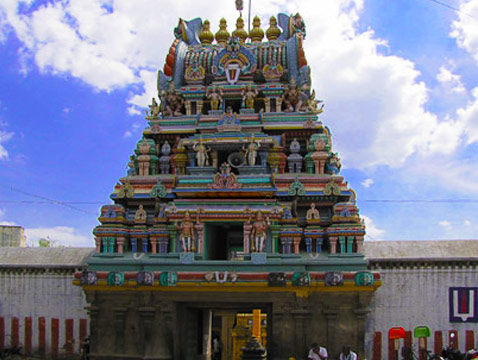
Thirukkaragam Temple, Kanchipuram, Tamil Nadu
Within the sacred landscape of Kanchipuram, where several Divya Desams exist close to one another, Thirukkaragam holds a quieter presence. The presiding deity here is Karunakara Perumal, and the goddess is Padmamani Thayar. Today, the shrine is located within the Ulagalantha Perumal temple complex, which also houses a few other Divya Desams. Despite its modest scale, Thirukkaragam carries a clear identity shaped by its name and its meaning. The word Karagam is often associated with compassion and grace, and the name Karunakara Perumal itself reinforces this idea. Here, Vishnu is worshipped as the Lord of compassion, one who responds gently to the world’s struggles.
The mythology connected with Thirukkaragam reflects this theme of compassion. According to traditional accounts, sages once prayed here seeking relief from the difficulties that troubled their lives. The world around them had become uncertain, and their austerities alone did not seem enough to restore balance. Vishnu appeared before them in a form that radiated calm and kindness rather than overwhelming power. The message of the appearance was simple. Divine grace does not always arrive through dramatic intervention. Sometimes it arrives quietly, through compassion that steadies those who seek it. Because the Lord revealed himself in this merciful form, he came to be known here as Karunakara Perumal.
Historically, Thirukkaragam has been part of the long religious continuity of Kanchipuram, a city that flourished under the Pallavas and later the Cholas as a major centre of temple culture. Over time, several shrines were incorporated within larger temple complexes, creating layered sacred spaces where multiple stories could exist side by side. Thirukkaragam became one such shrine within the Ulagalantha Perumal temple. Even though the sanctum is smaller compared to the main shrine in the complex, its identity remained preserved through the hymns of the Alvars and the steady practice of worship.

Architecturally, the shrine reflects this modest character. The sanctum of Karunakara Perumal is simple and direct, without elaborate ornamentation. The idol stands in a composed posture holding the conch and discus, embodying the familiar Vaishnavite iconography. Yet the expression of the deity carries a softness that aligns with the temple’s theme. Padmamani Thayar’s presence nearby adds warmth to the space, reinforcing the idea that compassion and grace move together. Within the larger temple complex, the shrine may appear small, but the atmosphere it creates is noticeably calm.
The daily rituals here follow the Vaishnavite tradition and take place within the schedule of the Ulagalantha Perumal temple. Priests perform the regular prayers, offerings and evening aradhanai, ensuring that the shrine remains part of the living rhythm of temple worship. During major festivals celebrated in the complex, devotees often visit the smaller Divya Desam shrines one after another, acknowledging each form of the Lord in turn. Thirukkaragam, therefore, becomes a quiet stop along a larger spiritual path, inviting devotees to pause briefly and reflect.
For pilgrims visiting Kanchipuram, the experience of Thirukkaragam often unfolds gradually. Many arrive primarily to worship Ulagalantha Perumal and then discover the smaller Divya Desam shrines within the same complex. When they step into the sanctum of Karunakara Perumal, the shift in atmosphere becomes noticeable. The space feels more intimate, almost personal. Devotees often stand quietly for a few moments, offering prayers for patience, understanding or emotional strength.
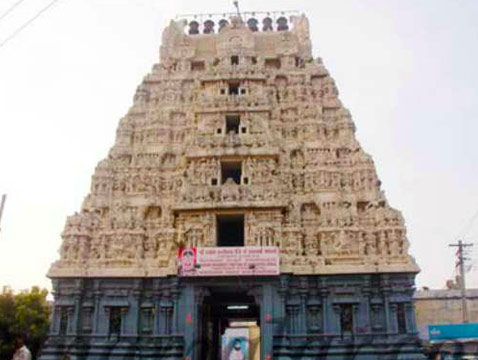
Culturally, Thirukkaragam continues to live through the verses of the Alvars, who recognised the presence of the compassionate Lord here. Their hymns reflect a devotional tradition that values kindness and grace as much as strength. In Tamil spiritual thought, compassion is not seen as weakness but as a form of divine power that sustains the world. The shrine therefore becomes a reminder that the Lord’s greatest quality may not always be his cosmic acts but his willingness to respond with mercy.
In modern times, the shrine remains active within the temple complex, receiving pilgrims who follow the Divya Desam circuit through Kanchipuram. Renovations and maintenance of the larger temple have helped preserve the smaller sanctums as well, ensuring that their stories remain accessible to visitors. Though it may not draw the same attention as the towering image of Ulagalantha Perumal, Thirukkaragam quietly continues its role within the sacred landscape.
Thirukkaragam ultimately represents the quiet strength of compassion. Karunakara Perumal stands as the Lord who responds not with overwhelming power but with grace that steadies the heart. In the wider Divya Desam journey, this temple offers a gentle reminder that divine presence is not always expressed through dramatic miracles. Sometimes it appears through kindness that restores balance, one moment at a time.

Thirukkarvaanam Temple, Kanchipuram, Tamil Nadu
Within the sacred geography of Kanchipuram, where several Divya Desams lie close to one another, and many shrines share the same temple complexes, Thirukkarvaanam holds a quiet but meaningful place. The presiding deity here is Kalvar Perumal, and the goddess is Kamalavalli Thayar. Like a few other Divya Desams in the town, this shrine today exists within the Ulagalantha Perumal temple complex, which houses multiple sacred sanctums associated with the Divya Prabandham. The name Thirukkarvaanam carries poetic meaning. The word kaar refers to dark rain clouds, and vaanam refers to the sky. Together, they evoke the image of a deep rain-bearing cloud stretching across the heavens. In Tamil devotional imagination, Vishnu is often compared to such clouds: dark, vast and life-giving.
The legend connected with this shrine reflects that imagery. According to traditional belief, the Lord appeared here in a form that resembled the dark monsoon clouds that nourish the earth. Just as rain clouds gather quietly before releasing life-giving water, Vishnu revealed himself here as a presence that sustains the world without seeking attention. The comparison is both visual and symbolic. The dark complexion of the deity resembles the rain cloud, while the idea of divine grace resembles rain itself — falling gently, nourishing everything without discrimination. In this way, the temple speaks about abundance and quiet generosity rather than dramatic acts of power.
Another layer of interpretation appears in the name Kalvar Perumal. In Tamil devotional literature, the word kalvan sometimes refers playfully to a divine thief, one who steals the hearts of devotees. The Lord here is believed to quietly capture the devotion of those who stand before him. The symbolism fits naturally with the rain-cloud imagery. Just as clouds gather unnoticed before the rain begins, divine grace often arrives silently, entering the heart before one fully realises it.
Historically, Thirukkarvaanam shares the long timeline of Kanchipuram’s temple culture. The region flourished during the Pallava period, when Kanchipuram was known as a centre of religion, philosophy and artistic patronage. Later Chola rulers strengthened temples throughout the city and ensured that rituals continued through royal endowments. Over time, some smaller shrines became incorporated into larger temple complexes, allowing several sacred sites to exist within the same architectural space. Thirukkarvaanam eventually became one of the Divya Desam shrines located within the Ulagalantha Perumal temple complex, preserving its identity even within a larger setting.
Architecturally, the shrine reflects its modest scale. The sanctum is small compared with the towering form of Ulagalantha Perumal nearby, yet the presence of Kalvar Perumal remains distinct. The deity stands in a composed posture, holding the conch and discus, embodying the familiar Vaishnavite form of Vishnu. The image carries a quiet dignity rather than dramatic ornamentation. Kamalavalli Thayar’s shrine adds warmth to the space, balancing the calm strength of the Lord with compassion and grace. Within the larger temple complex, the shrine feels like a pause, a moment where the atmosphere becomes softer and more reflective.
Daily worship at Thirukkarvaanam follows the Vaishnavite ritual tradition and takes place within the schedule of the Ulagalantha Perumal temple. Priests perform the regular prayers, offerings and evening aradhanai as part of the temple’s ongoing rhythm. During major festivals such as Vaikunta Ekadasi, when the temple complex becomes especially active, devotees move from one shrine to another, offering prayers at each Divya Desam sanctum. In that journey, Thirukkarvaanam becomes a quiet stop that invites a moment of calm.

For pilgrims visiting Kanchipuram’s Divya Desams, the experience of Thirukkarvaanam often unfolds naturally while exploring the Ulagalantha Perumal temple. After seeing the towering image of Trivikrama, visitors step into the smaller sanctums that surround it. When they enter the shrine of Kalvar Perumal, the shift in scale and atmosphere becomes noticeable. The quiet image of the Lord standing like a rain cloud offers a different kind of reflection. Devotees often pause here, offering simple prayers for peace, stability and well-being.
Culturally, Thirukkarvaanam holds its place through the hymns of the Alvars, who praised the Lord in this form and recognised the shrine as one of the sacred Divya Desams. Their verses highlight the imagery of the dark cloud and the gentle grace that nourishes life. In Tamil devotional tradition, the rain cloud is not merely a natural phenomenon but a metaphor for divine compassion. Just as rain falls on every field without preference, grace reaches every devotee without distinction.
In modern times, the shrine continues to function quietly within the temple complex, receiving pilgrims who follow the Divya Desam circuit across Kanchipuram. Renovations and maintenance of the larger temple have helped preserve the smaller sanctums as well, ensuring that their stories remain part of the living tradition. Though it may not draw the same attention as the towering Trivikrama image, Thirukkarvaanam continues to hold its place in the spiritual map of the city.
Thirukkarvaanam ultimately represents the quiet generosity of divine grace. Kalvar Perumal stands like a rain cloud in the sky: steady, dark and full of promise. In the larger journey through the Divya Desams, this temple reminds devotees that nourishment often arrives quietly. Like rain that falls without noise, grace enters life gently, sustaining the world one drop at a time.

