Sacred Stones, Spaces, and Stories: Divya Desams Part 27

Thirukkalvanur Temple, Kanchipuram, Tamil Nadu
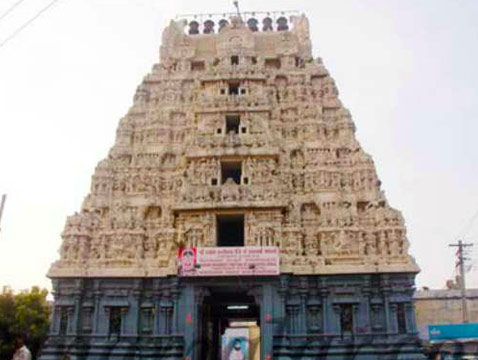
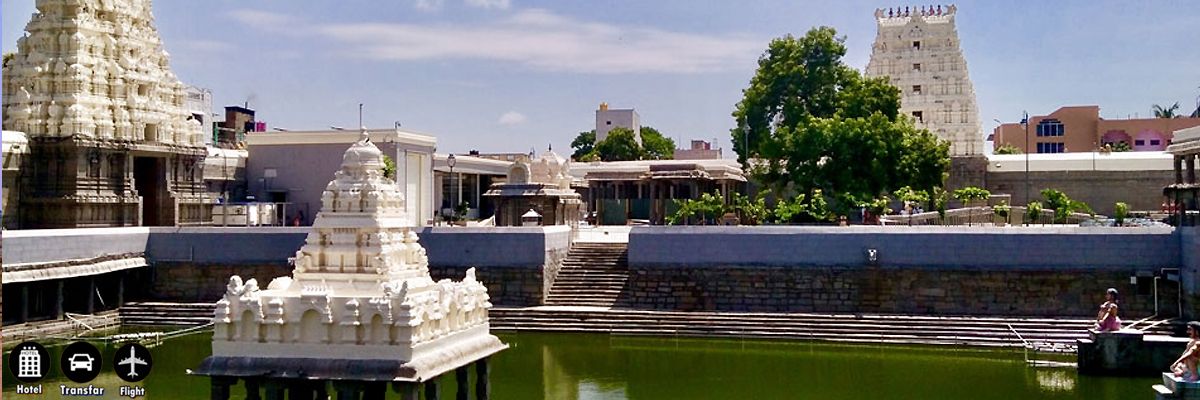
In Kanchipuram, where temples often sit inside other temples, and sacred stories overlap without fuss, Thirukkalvanur has a particularly unusual place. This Divya Desam is located within the Kamakshi Amman Temple complex in Kanchipuram, which already sets it apart from many other Vishnu shrines. The presiding deity here is generally identified as Aadhi Varaha Perumal, and the goddess is Anjilaivalli Thayar. The temple is small, almost hidden when compared to the larger sacred space around it, but that hidden quality suits its name. The word kalvan in Tamil means thief, and in this case, the meaning is not harsh or criminal. It refers to the divine thief, the one who quietly steals the heart of the devotee. That idea gives the temple its emotional tone. It is not a place of spectacle. It is a place of quiet recognition.

The central legend linked to Thirukkalvanur is simple but memorable. According to temple tradition, Goddess Parvati once referred to Vishnu here as Kalva, the thief. The story is usually understood in a devotional sense. Vishnu is the one who steals hearts, enters quietly, and takes away pride, restlessness and false certainty without making a dramatic show of it. In another layer of interpretation, the name reflects the playful intimacy often found in Tamil bhakti poetry, where the divine is not always approached with distance and formality but sometimes with familiarity, affection and teasing. That emotional nearness matters. It means that the relationship between devotee and deity is not cold or rigid. It is alive, personal and capable of tenderness.

The form of the deity deepens this feeling. Aadhi Varaha Perumal is worshipped here in a standing posture, and the Varaha association gives the shrine another layer of meaning. Varaha, the boar incarnation of Vishnu, is the one who lifted the earth out of danger and restored what had sunk into darkness. That image of rescue blends naturally with the gentler identity of Kalvan, the one who steals into the heart. Put together, the temple suggests that divine grace often works quietly. It does not always arrive with thunder. Sometimes it enters unnoticed and lifts what had become heavy, buried or forgotten. That is very much the mood of this shrine.

Historically, Thirukkalvanur belongs to the old sacred geography of Kanchipuram, a city shaped by Pallava, Chola and later Vijayanagara patronage. Over time, temples here grew in layers rather than in isolation. Shrines were built within larger complexes, and traditions lived side by side more naturally than later categories often suggest. Thirukkalvanur’s location within the Kamakshi Amman Temple reflects this older temple culture, where the presence of Vishnu within a Shakta setting did not seem strange but entirely possible. The shrine’s continued place in the Divya Desam tradition rests not on size or monumental architecture but on its recognition in the Alvar tradition and on the continuity of worship that kept it alive across generations.

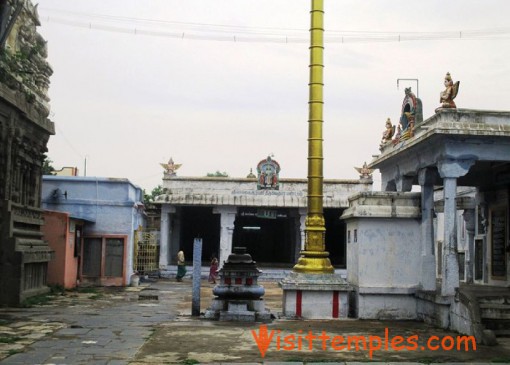
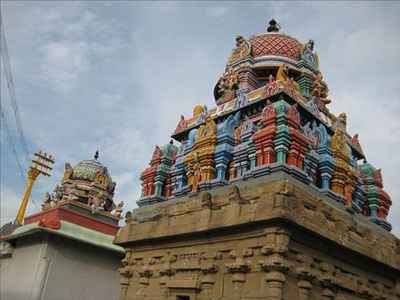
Architecturally, Thirukkalvanur is modest to the point of almost being overlooked. It does not announce itself the way a large gopuram does. Instead, it sits within the larger Kamakshi complex as a smaller, quieter sacred presence. That actually strengthens the identity of the place. A hidden shrine suits a deity called Kalvan. Devotees often describe it as a place that must be sought rather than simply seen. The deity faces west and appears in a standing posture, while the associated theertham is known as Nithya Pushkarini and the vimanam is traditionally called Vamana Vimanam. These details matter because they anchor the shrine within the established language of Divya Desam worship, even though the physical space is small.
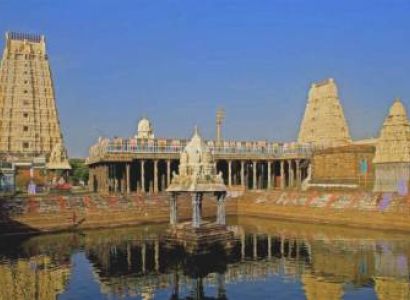
The experience of visiting Thirukkalvanur is shaped by that sense of discovery. Pilgrims entering the Kamakshi Amman Temple are often first absorbed by the scale and energy of the larger complex. To then find this smaller Vishnu shrine inside it creates a different rhythm. The mind shifts. The pace becomes slower. There is something intimate about standing before a deity who is not placed at the centre of public attention and yet carries the full weight of sacred presence. The shrine does not try to dominate its surroundings. It simply remains there, steady and inward. That is perhaps why the temple leaves a quiet impression rather than a dramatic one.
Ritual life here follows the ongoing rhythm of the larger temple complex. Because the shrine is located within Kamakshi Amman Temple, worship unfolds within a shared sacred environment. This also gives Thirukkalvanur a distinct character among the Kanchipuram Divya Desams. It is one of the two Divya Desams in Kanchipuram, located inside temples primarily associated with another tradition, the other being Nilathingal Thundam. That fact alone says something important about Kanchipuram. The city’s sacred map was never as narrow as people sometimes imagine. Devotion flowed through shared spaces, and shrines like Thirukkalvanur preserve that older memory.

Culturally, the temple carries the flavour of Tamil bhakti at its most intimate. The idea of the divine as thief appears often in devotional literature. It does not suggest wrongdoing but rather irresistible grace. The Lord steals the mind away from distraction. He steals the heart away from attachment. He steals the ego away from its own certainty. In this sense, Thirukkalvanur is not merely about one local legend. It reflects a much larger religious imagination in which God is not only ruler, protector or teacher, but also the beloved presence who enters quietly and changes a person from within.

This temple also says something about scale. Not every Divya Desam needs towering walls or vast courtyards to leave a mark. Some are remembered because of the mood they hold. Thirukkalvanur belongs to that kind of sacred place. It is smaller, more inward and easy to miss if one is rushing. But if one pauses, its meaning becomes clearer. The hidden shrine within a larger temple, the Lord called the thief, the Varaha form associated with rescue, and the atmosphere of stillness all work together. The result is a temple that feels less like public declaration and more like a private conversation.

In modern times, Thirukkalvanur continues to draw devotees who follow the Divya Desam circuit through Kanchipuram. Many come specifically looking for it because of its unusual location inside Kamakshi Amman Temple. Others discover it during a broader visit and are struck by the way the shrine holds its own within a much larger complex. Its physical modesty has not erased its devotional importance. If anything, it has made the temple’s identity more memorable. It remains one of those sacred places that teaches by tone rather than argument.

Thirukkalvanur ultimately represents the quiet, inward movement of grace. Aadhi Varaha Perumal as Kalvan, is not the Lord of dramatic conquest but the Lord who enters without noise and takes hold of the heart. In the wider Divya Desam journey, this temple adds something subtle but essential. It reminds us that not all transformation arrives with visible force. Sometimes it comes gently, almost unnoticed, like a divine theft. And by the time you realise what has happened, the heart has already been claimed.

Thiruppavalavannam Temple, Kanchipuram, Tamil Nadu
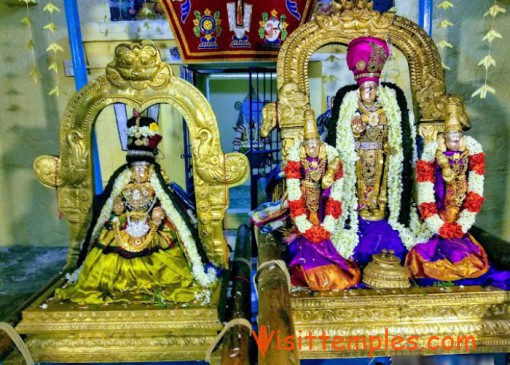
In Kanchipuram, where one temple often leads quietly into another, and each shrine seems to hold a different mood of the divine, Thiruppavalavannam stands out because of its colour. The presiding deity here is Pavalavannar Perumal, with Pavalavalli Thayar as the goddess. The name itself gives the temple its character. Pavalam means coral, and the Lord here is worshipped in a coral-red form. In a sacred town where Vishnu is seen as light, rain cloud, messenger, teacher and protector, this temple presents him through colour and the idea that the divine appears differently in different ages and for different needs. That makes Thiruppavalavannam quietly distinctive. It is not only about the form of the deity but about what that form suggests.

The mythology of the temple is tied to the belief that Vishnu appeared in different colours across the yugas. In Satya Yuga, when truth and order were said to be strong, he appeared in white. In the Treta Yuga, he was seen in a coral-red form. In Dvapara Yuga, he appeared in an emerald or green hue, and in Kali Yuga, he is often associated with a dark cloud-like colour. Thiruppavalavannam preserves the memory of that coral form. The symbolism is simple but layered. Colour here is not decorative. It reflects mood, era and the state of the world. The coral-red tone suggests warmth, life, energy and a certain immediacy. It is gentler than fire but more vivid than stillness. The temple, therefore, becomes a place where devotees encounter Vishnu in a form that feels alive, alert and present.

There is also a local legend connected with sage Bhrigu. According to tradition, Bhrigu once wished to test the patience and greatness of the Trimurti. When he approached Vishnu and behaved with disrespect, Vishnu did not react with anger. Instead, he responded with calmness and compassion. Ashamed of his own conduct, the sage was asked to continue his penance at Kanchipuram, where Vishnu later appeared before him in the coral-hued form of Pavalavannar. This story gives the temple another emotional layer. It is not just about colour, but about the grace that follows correction. The sage arrives in ego and leaves with humility. The Lord does not humiliate him. He simply reveals himself. That tone matters. It makes this temple feel less like a place of judgment and more like a place of inward softening.

Historically, Thiruppavalavannam belongs to the long religious life of Kanchipuram and carries clear traces of Chola and later Vijayanagara patronage. The temple is generally believed to have been built or expanded under the Cholas, and inscriptions on its walls date to the reigns of rulers such as Kulothunga Chola I and Rajadhiraja Chola. These records point to an active temple culture supported through endowments, ritual practice and continued upkeep. Later rulers added to that continuity rather than replacing it. Like many temples in Kanchipuram, Thiruppavalavannam was not frozen in one era. It grew through care, additions and repeated acts of preservation. That layered history gives the temple a steady dignity. It feels lived in rather than merely remembered.
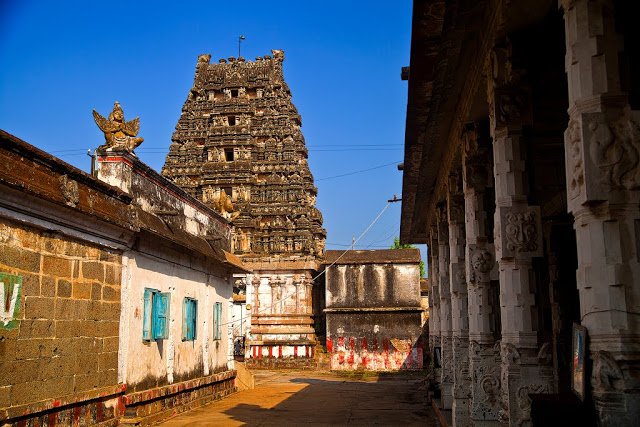
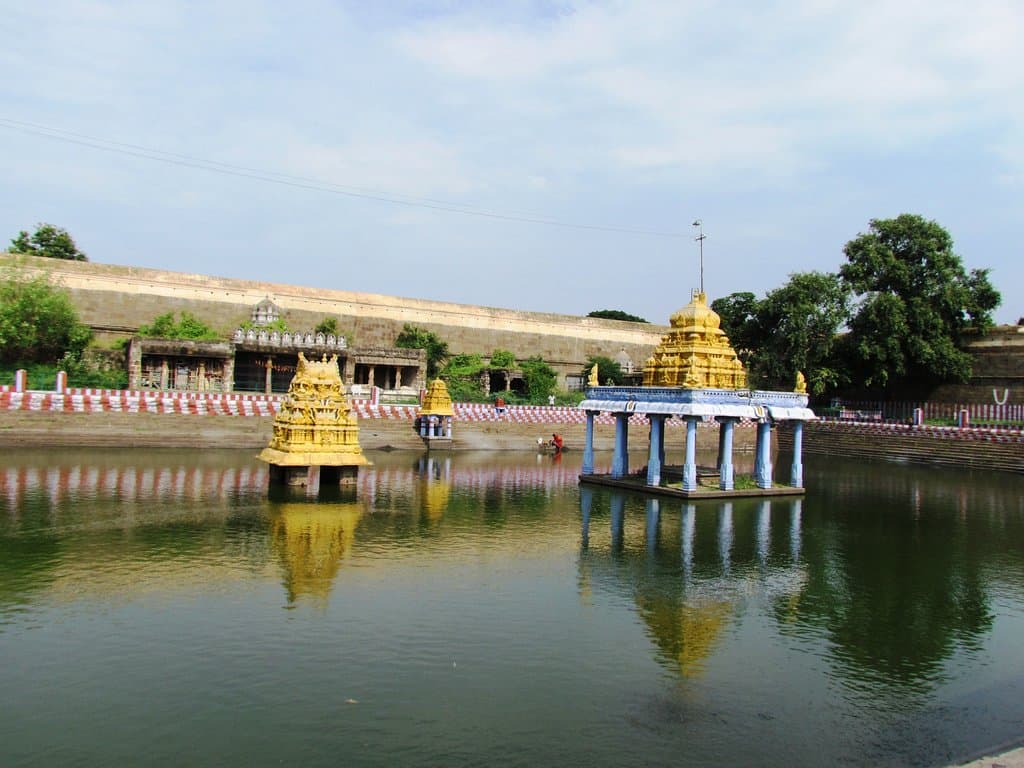
Architecturally, the temple reflects the classic grammar of South Indian temple design while remaining manageable in scale. A granite enclosure surrounds the shrine, and the Rajagopuram rises above the entrance with enough presence to mark the temple clearly without overwhelming the neighbourhood around it. Inside, the sanctum houses Pavalavannar in a standing posture, facing west, which already gives the shrine a slightly different orientation from many other Vishnu temples. The roof above the sanctum is known as the Vedasara Vimanam, and the temple tank is called Chakra Theertham. There are also shrines for the Alvars and other Vaishnavite figures within the complex, which helps situate the temple firmly within the larger Divya Desam tradition. The pillars and halls carry images linked to Vishnu’s stories, but the focus remains where it should be—on the coral-hued Lord in the sanctum.

What makes the architecture work is not ornament for its own sake but proportion. The temple feels balanced. The path inward is clear, the sanctum remains the emotional center, and the atmosphere supports attention rather than distraction. Pavalavalli Thayar’s shrine adds warmth to the temple’s tone. Her presence softens the visual intensity of the coral imagery and makes the space feel complete. As with many Kanchipuram temples, there is a sense that the deity and the goddess must be understood together. One brings radiance, the other reassurance.

The daily ritual life of the temple follows the Vaishnavite tradition, with six daily pujas said to be observed throughout the day. Worship unfolds in an ordered rhythm, and the temple becomes especially active during annual festivals, of which the Brahmotsavam in the Tamil month of Vaikasi is considered one of the most important. These observances keep the temple rooted in living practice rather than only literary memory. Devotees continue to come not just because the temple is old or celebrated in the Prabandham, but because it remains part of an active spiritual routine. That continuity matters more than grand claims. It is what keeps a sacred place alive.

The pilgrimage experience at Thiruppavalavannam feels very Kanchipuram in the best sense. The temple is woven into the town rather than set apart from it. You approach it through ordinary streets, and then, quite suddenly, the coral association begins to shape the way you see the shrine. Even before one thinks deeply about symbolism, the temple leaves an impression of warmth. It is not loud, and it is not severe. It feels approachable. For pilgrims moving through the Kanchipuram Divya Desam circuit, Thiruppavalavannam adds a different note after temples associated with cosmic strides, philosophical clarity or fierce protection. Here, the emphasis shifts toward tone and presence. The temple does not ask you to think only in terms of event or miracle. It asks you to notice the mood.

Culturally, the temple is also linked in popular memory with Thiruppachai Vannar, another Vishnu shrine in Kanchipuram associated with the green form of the Lord. Together, the two temples are often understood as paired reminders of Vishnu’s many colours across the yugas and moods of devotion. That pairing enriches Thiruppavalavannam’s place in Kanchipuram’s sacred map. It is not an isolated temple but part of a larger theological imagination in which colour, form and emotion all matter. The Alvars recognised this, and their hymns ensured that the temple remained within the living current of Tamil Vaishnavite devotion.
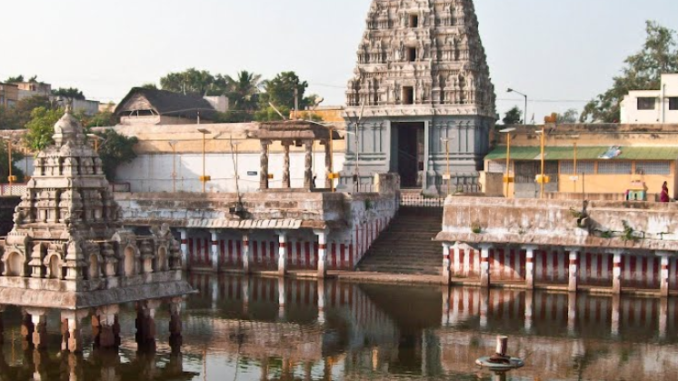
In modern times, the temple continues under the administration of the Hindu Religious and Charitable Endowments framework in Tamil Nadu, while still retaining the devotional atmosphere that gives it meaning. Pilgrims following the Divya Desam circuit continue to visit, and the temple remains an active stop rather than a forgotten one. Its inscriptions, ritual calendar and sustained worship all point to continuity rather than nostalgia.

Thiruppavalavannam ultimately represents the grace of divine presence as something vivid, changing and deeply responsive. Pavalavannar Perumal is not simply the Lord in one more temple form. He is the reminder that the divine can appear in different colours because human life itself moves through different moods, ages and needs. Sometimes grace comes like cool rain, sometimes like clear light, and sometimes, as here, like coral—warm, bright and unmistakably alive. In the larger Divya Desam journey, this temple adds a beautiful and subtle truth. The divine does not remain fixed in one shade. It meets the world as the world needs to see it.
Sacred Stones, Spaces, and Stories: Divya Desams Part 26

Thirukkaragam Temple, Kanchipuram, Tamil Nadu
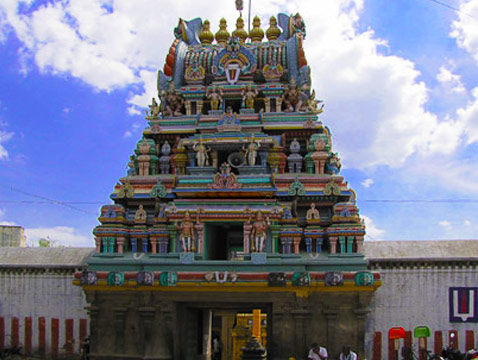
Within the sacred landscape of Kanchipuram, where several Divya Desams exist close to one another, Thirukkaragam holds a quieter presence. The presiding deity here is Karunakara Perumal, and the goddess is Padmamani Thayar. Today, the shrine is located within the Ulagalantha Perumal temple complex, which also houses a few other Divya Desams. Despite its modest scale, Thirukkaragam carries a clear identity shaped by its name and its meaning. The word Karagam is often associated with compassion and grace, and the name Karunakara Perumal itself reinforces this idea. Here, Vishnu is worshipped as the Lord of compassion, one who responds gently to the world’s struggles.

The mythology connected with Thirukkaragam reflects this theme of compassion. According to traditional accounts, sages once prayed here seeking relief from the difficulties that troubled their lives. The world around them had become uncertain, and their austerities alone did not seem enough to restore balance. Vishnu appeared before them in a form that radiated calm and kindness rather than overwhelming power. The message of the appearance was simple. Divine grace does not always arrive through dramatic intervention. Sometimes it arrives quietly, through compassion that steadies those who seek it. Because the Lord revealed himself in this merciful form, he came to be known here as Karunakara Perumal.

Historically, Thirukkaragam has been part of the long religious continuity of Kanchipuram, a city that flourished under the Pallavas and later the Cholas as a major centre of temple culture. Over time, several shrines were incorporated within larger temple complexes, creating layered sacred spaces where multiple stories could exist side by side. Thirukkaragam became one such shrine within the Ulagalantha Perumal temple. Even though the sanctum is smaller compared to the main shrine in the complex, its identity remained preserved through the hymns of the Alvars and the steady practice of worship.

Architecturally, the shrine reflects this modest character. The sanctum of Karunakara Perumal is simple and direct, without elaborate ornamentation. The idol stands in a composed posture holding the conch and discus, embodying the familiar Vaishnavite iconography. Yet the expression of the deity carries a softness that aligns with the temple’s theme. Padmamani Thayar’s presence nearby adds warmth to the space, reinforcing the idea that compassion and grace move together. Within the larger temple complex, the shrine may appear small, but the atmosphere it creates is noticeably calm.

The daily rituals here follow the Vaishnavite tradition and take place within the schedule of the Ulagalantha Perumal temple. Priests perform the regular prayers, offerings and evening aradhanai, ensuring that the shrine remains part of the living rhythm of temple worship. During major festivals celebrated in the complex, devotees often visit the smaller Divya Desam shrines one after another, acknowledging each form of the Lord in turn. Thirukkaragam, therefore, becomes a quiet stop along a larger spiritual path, inviting devotees to pause briefly and reflect.

For pilgrims visiting Kanchipuram, the experience of Thirukkaragam often unfolds gradually. Many arrive primarily to worship Ulagalantha Perumal and then discover the smaller Divya Desam shrines within the same complex. When they step into the sanctum of Karunakara Perumal, the shift in atmosphere becomes noticeable. The space feels more intimate, almost personal. Devotees often stand quietly for a few moments, offering prayers for patience, understanding or emotional strength.

Culturally, Thirukkaragam continues to live through the verses of the Alvars, who recognised the presence of the compassionate Lord here. Their hymns reflect a devotional tradition that values kindness and grace as much as strength. In Tamil spiritual thought, compassion is not seen as weakness but as a form of divine power that sustains the world. The shrine therefore becomes a reminder that the Lord’s greatest quality may not always be his cosmic acts but his willingness to respond with mercy.

In modern times, the shrine remains active within the temple complex, receiving pilgrims who follow the Divya Desam circuit through Kanchipuram. Renovations and maintenance of the larger temple have helped preserve the smaller sanctums as well, ensuring that their stories remain accessible to visitors. Though it may not draw the same attention as the towering image of Ulagalantha Perumal, Thirukkaragam quietly continues its role within the sacred landscape.

Thirukkaragam ultimately represents the quiet strength of compassion. Karunakara Perumal stands as the Lord who responds not with overwhelming power but with grace that steadies the heart. In the wider Divya Desam journey, this temple offers a gentle reminder that divine presence is not always expressed through dramatic miracles. Sometimes it appears through kindness that restores balance, one moment at a time.

Thirukkarvaanam Temple, Kanchipuram, Tamil Nadu
Within the sacred geography of Kanchipuram, where several Divya Desams lie close to one another, and many shrines share the same temple complexes, Thirukkarvaanam holds a quiet but meaningful place. The presiding deity here is Kalvar Perumal, and the goddess is Kamalavalli Thayar. Like a few other Divya Desams in the town, this shrine today exists within the Ulagalantha Perumal temple complex, which houses multiple sacred sanctums associated with the Divya Prabandham. The name Thirukkarvaanam carries poetic meaning. The word kaar refers to dark rain clouds, and vaanam refers to the sky. Together, they evoke the image of a deep rain-bearing cloud stretching across the heavens. In Tamil devotional imagination, Vishnu is often compared to such clouds: dark, vast and life-giving.

The legend connected with this shrine reflects that imagery. According to traditional belief, the Lord appeared here in a form that resembled the dark monsoon clouds that nourish the earth. Just as rain clouds gather quietly before releasing life-giving water, Vishnu revealed himself here as a presence that sustains the world without seeking attention. The comparison is both visual and symbolic. The dark complexion of the deity resembles the rain cloud, while the idea of divine grace resembles rain itself — falling gently, nourishing everything without discrimination. In this way, the temple speaks about abundance and quiet generosity rather than dramatic acts of power.

Another layer of interpretation appears in the name Kalvar Perumal. In Tamil devotional literature, the word kalvan sometimes refers playfully to a divine thief, one who steals the hearts of devotees. The Lord here is believed to quietly capture the devotion of those who stand before him. The symbolism fits naturally with the rain-cloud imagery. Just as clouds gather unnoticed before the rain begins, divine grace often arrives silently, entering the heart before one fully realises it.

Historically, Thirukkarvaanam shares the long timeline of Kanchipuram’s temple culture. The region flourished during the Pallava period, when Kanchipuram was known as a centre of religion, philosophy and artistic patronage. Later Chola rulers strengthened temples throughout the city and ensured that rituals continued through royal endowments. Over time, some smaller shrines became incorporated into larger temple complexes, allowing several sacred sites to exist within the same architectural space. Thirukkarvaanam eventually became one of the Divya Desam shrines located within the Ulagalantha Perumal temple complex, preserving its identity even within a larger setting.

Architecturally, the shrine reflects its modest scale. The sanctum is small compared with the towering form of Ulagalantha Perumal nearby, yet the presence of Kalvar Perumal remains distinct. The deity stands in a composed posture, holding the conch and discus, embodying the familiar Vaishnavite form of Vishnu. The image carries a quiet dignity rather than dramatic ornamentation. Kamalavalli Thayar’s shrine adds warmth to the space, balancing the calm strength of the Lord with compassion and grace. Within the larger temple complex, the shrine feels like a pause, a moment where the atmosphere becomes softer and more reflective.

Daily worship at Thirukkarvaanam follows the Vaishnavite ritual tradition and takes place within the schedule of the Ulagalantha Perumal temple. Priests perform the regular prayers, offerings and evening aradhanai as part of the temple’s ongoing rhythm. During major festivals such as Vaikunta Ekadasi, when the temple complex becomes especially active, devotees move from one shrine to another, offering prayers at each Divya Desam sanctum. In that journey, Thirukkarvaanam becomes a quiet stop that invites a moment of calm.

For pilgrims visiting Kanchipuram’s Divya Desams, the experience of Thirukkarvaanam often unfolds naturally while exploring the Ulagalantha Perumal temple. After seeing the towering image of Trivikrama, visitors step into the smaller sanctums that surround it. When they enter the shrine of Kalvar Perumal, the shift in scale and atmosphere becomes noticeable. The quiet image of the Lord standing like a rain cloud offers a different kind of reflection. Devotees often pause here, offering simple prayers for peace, stability and well-being.

Culturally, Thirukkarvaanam holds its place through the hymns of the Alvars, who praised the Lord in this form and recognised the shrine as one of the sacred Divya Desams. Their verses highlight the imagery of the dark cloud and the gentle grace that nourishes life. In Tamil devotional tradition, the rain cloud is not merely a natural phenomenon but a metaphor for divine compassion. Just as rain falls on every field without preference, grace reaches every devotee without distinction.

In modern times, the shrine continues to function quietly within the temple complex, receiving pilgrims who follow the Divya Desam circuit across Kanchipuram. Renovations and maintenance of the larger temple have helped preserve the smaller sanctums as well, ensuring that their stories remain part of the living tradition. Though it may not draw the same attention as the towering Trivikrama image, Thirukkarvaanam continues to hold its place in the spiritual map of the city.

Thirukkarvaanam ultimately represents the quiet generosity of divine grace. Kalvar Perumal stands like a rain cloud in the sky: steady, dark and full of promise. In the larger journey through the Divya Desams, this temple reminds devotees that nourishment often arrives quietly. Like rain that falls without noise, grace enters life gently, sustaining the world one drop at a time.

Sacred Stones, Spaces, and Stories: Divya Desams Part 25

Thiruooragam Temple, Kanchipuram, Tamil Nadu
In Kanchipuram, where many Divya Desams sit close together within the sacred rhythm of the town, Thiruooragam stands with a story that reaches far beyond its walls. The presiding deity here is Ulagalantha Perumal, a towering form of Vishnu representing the moment when the Lord measured the worlds. The goddess is Amudhavalli Thayar. The name Thiruooragam itself is associated with the place where the Lord manifested in a form so vast that the entire universe seemed to rest within his stride. Unlike many temples where the deity stands in a composed posture, the image here captures a moment of expansion. One foot stands firmly on the ground while the other rises upward, reminding devotees of the cosmic act that reshaped the balance of power between gods and kings.

The legend behind this temple comes from the well-known Vamana avatar. The demon king Mahabali had grown powerful and generous, ruling his kingdom with confidence and pride. Although he was not cruel, his growing influence unsettled the gods, who feared that the balance of the universe was shifting too far in one direction. Vishnu appeared before Mahabali as Vamana, a small Brahmin boy, and asked for three steps of land as alms. Mahabali, amused by the modest request, agreed without hesitation. In that instant, the boy transformed into Trivikrama, the vast cosmic form. With the first step, he covered the earth, with the second, he spanned the heavens, and there was no space left for the third. Realising the divine presence before him, Mahabali bowed his head and offered it for the final step. In that moment, the Lord did not merely claim the worlds; he restored balance.

Inside the temple, the image of Ulagalantha Perumal reflects that exact moment. The idol is unusually tall, filling the sanctum in a way that immediately commands attention. One leg is lifted high, symbolising the stride that measured the heavens. Yet the expression on the deity’s face remains calm, almost compassionate. The form reminds devotees that divine power is not displayed for domination but for restoring harmony. Amudhavalli Thayar’s shrine nearby adds a softer dimension to the temple’s atmosphere. Her presence balances the dramatic form of Trivikrama with reassurance and grace.

Historically, Thiruooragam carries deep roots in the sacred history of Kanchipuram. The temple likely developed during the Pallava period, when the city flourished as a center of both religion and scholarship. Later Chola rulers expanded the structure, strengthening the stone foundations and supporting regular worship through royal patronage. Vijayanagara kings contributed additional mandapams and architectural refinements. Over time, the temple complex also came to house several other Divya Desam shrines within its walls, making it an important spiritual centre for pilgrims visiting Kanchipuram.

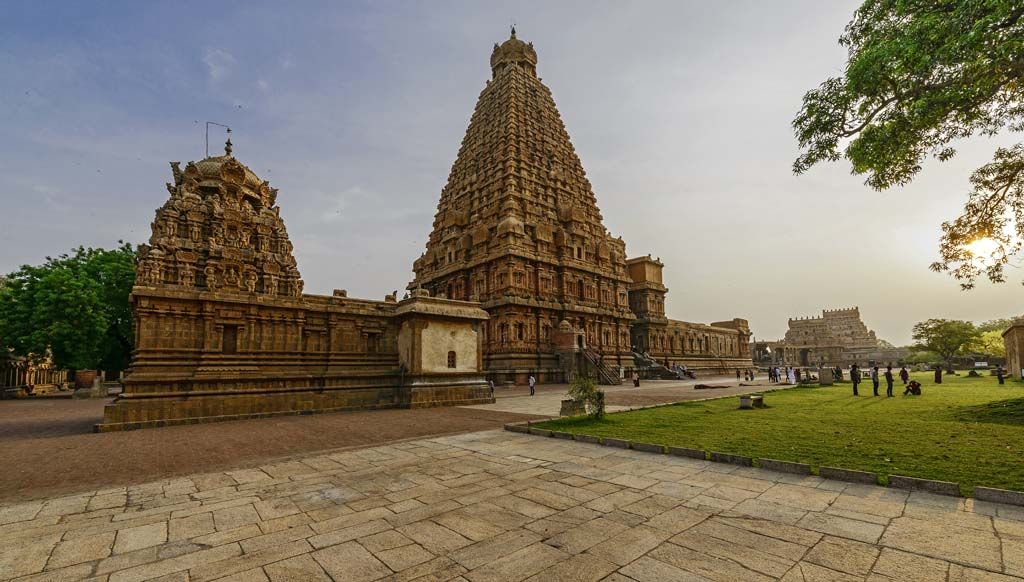
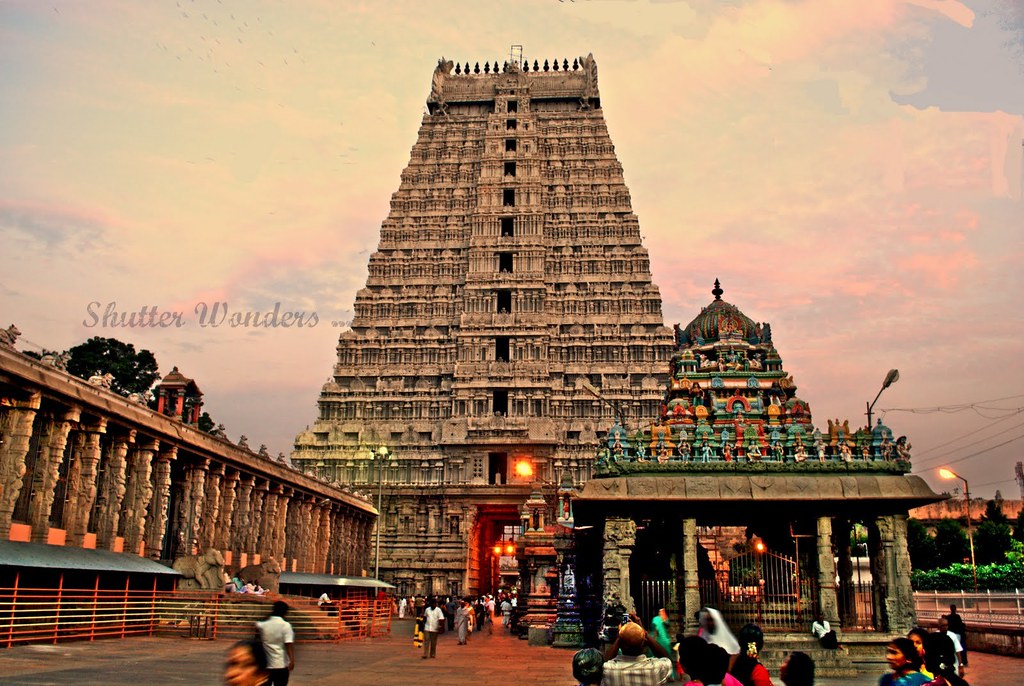
Architecturally, the temple reflects the grandeur associated with the Trivikrama form. The sanctum is designed to accommodate the height of the idol, creating a sense of vertical space that draws the eye upward. The gopuram at the entrance rises prominently above the surrounding streets, signaling the temple’s presence from a distance. Inside, the mandapams provide space for rituals and festivals, while the stone pillars carry carvings that reflect centuries of craftsmanship. Despite this scale, the temple does not feel overwhelming. Instead, it feels ordered and balanced, much like the story it represents.

The daily rituals at Thiruooragam follow the Vaishnavite tradition, with worship conducted throughout the day in a steady sequence. Devotees gather in the morning for the first prayers, return for alankaram and offerings, and often visit again in the evening when lamps illuminate the sanctum. During Vaikunta Ekadasi and other major festivals, the temple becomes especially vibrant. Processions carry the deity through the streets, and the sight of Ulagalantha Perumal moving through the town reinforces the image of the Lord whose stride encompassed the universe.

For pilgrims visiting Kanchipuram’s Divya Desams, Thiruooragam often becomes one of the most memorable stops. The moment one steps into the sanctum, the scale of the idol changes the experience. The raised foot creates a sense of motion frozen in time. Standing there, devotees often reflect on the deeper meaning of the story. Mahabali was not destroyed but transformed through surrender. The act of measuring the world became a reminder that humility restores balance where pride once stood.

Culturally, Thiruooragam holds an important place in the hymns of the Alvars. Their verses celebrate the Lord who expanded beyond human comprehension while still remaining compassionate toward those who recognised him. These hymns continue to be recited in the temple, connecting modern worshippers with the devotional voices of the past. The temple also plays a central role in the Divya Desam pilgrimage circuit within Kanchipuram, where several sacred shrines exist within walking distance of one another.

In modern times, Thiruooragam continues to function as a living temple within the city’s spiritual landscape. Renovations have preserved the structure while allowing pilgrims to move through the complex comfortably. Visitors arrive throughout the year, some following the Divya Desam circuit and others drawn by the iconic form of Ulagalantha Perumal. Despite the steady flow of devotees, the sanctum retains its quiet gravity.

Thiruooragam ultimately represents the moment when divine humility revealed infinite power. Ulagalantha Perumal’s raised foot reminds devotees that the universe itself rests within the reach of the divine. Yet the story also carries a deeper lesson. Mahabali’s surrender transformed defeat into grace. In the wider Divya Desam journey, this temple stands as a reminder that true balance emerges when pride gives way to humility, and when the vastness of the divine is recognised in a single step.

Thiruvekka Temple, Kanchipuram, Tamil Nadu
Among the many Divya Desams spread across Kanchipuram, Thiruvekka holds a special place because of the deeply personal relationship it reflects between the devotee and the divine. The presiding deity here is Yathothkari Perumal, also known as Sonna Vannam Seidha Perumal, with Komalavalli Thayar as the goddess. The name Yathothkari comes from a Sanskrit phrase meaning “the one who acts exactly as requested,” while the Tamil name carries the same idea even more clearly: the Lord who did exactly what he was told. In a temple town filled with stories of cosmic acts and philosophical revelations, Thiruvekka speaks about something quieter and more intimate: the moment when devotion becomes so sincere that the divine responds immediately.

The story behind the temple centres on the great Alvar saint Thirumazhisai Alvar and his devoted disciple Kanikaannan. According to tradition, Kanikaannan once refused to praise the local king in the manner expected of court poets. Angered by this refusal, the king banished him from the city. When Thirumazhisai Alvar heard of his disciple’s exile, he refused to remain in the city without him. Standing before the deity in the temple, the Alvar addressed the Lord directly and asked him to roll up his serpent bed and leave the town as well. The request was not dramatic or angry. It was simply spoken with unwavering devotion. And according to the legend, the Lord obeyed. Vishnu rose from his reclining position, folded the serpent couch of Adisesha, and followed the Alvar and his disciple out of Kanchipuram.

As the story goes, the departure of the deity plunged the city into darkness and unrest. Without the Lord’s presence, prosperity and harmony faded quickly. Realising his mistake, the king hurried to seek forgiveness and begged the Alvar to return. Thirumazhisai Alvar then turned once again to the Lord and asked him to come back to the temple. Just as before, the Lord obeyed immediately. Because Vishnu acted exactly according to the devotee’s words, he came to be known as Sonna Vannam Seidha Perumal, the Lord who did as he was told. The temple at Thiruvekka preserves this story not as a display of power but as an expression of deep trust between devotee and deity.

Inside the sanctum, the form of the Lord reflects another unusual feature. Yathothkari Perumal reclines on Adisesha, but unlike most reclining Vishnu idols that face east or west in conventional orientation, this deity lies in a reversed direction. Tradition says this posture reflects the moment when the Lord quickly rose and moved to follow the Alvar, changing position in response to the devotee’s command. The image captures a subtle sense of movement within stillness. Even while resting, the Lord appears ready to respond.

Historically, Thiruvekka is among the oldest Vaishnavite shrines in Kanchipuram. The temple likely originated during the Pallava period, when the city flourished as a centre of art, philosophy and temple building. Later Chola rulers expanded and strengthened the structure, adding stone prakarams and supporting regular rituals. The Vijayanagara period brought further architectural additions, including mandapams and structural reinforcements. Despite these developments, the temple never grew into a monumental scale. Its strength lies in the intimacy of its story rather than the size of its complexity.

Architecturally, the temple reflects the quiet dignity typical of many Kanchipuram shrines. The entrance gopuram is modest, and the courtyard leads gently toward the sanctum without elaborate distractions. The focus remains firmly on the reclining form of Yathothkari Perumal. Komalavalli Thayar’s shrine adds a gentle warmth to the temple atmosphere. Her presence balances the story of devotion and obedience with compassion and grace.

Daily worship at Thiruvekka follows the Vaishnavite tradition, with rituals unfolding through the day in a steady rhythm. Morning prayers open the temple, followed by alankaram and offerings. Evening aradhanai brings devotees back together as lamps illuminate the sanctum. Festivals such as Vaikunta Ekadasi and the celebrations connected to Thirumazhisai Alvar draw larger gatherings, during which the story of the Alvar and Kanikaannan is retold and remembered.

The pilgrimage experience at Thiruvekka often feels deeply personal. Visitors walking through Kanchipuram’s Divya Desam circuit frequently arrive here after seeing temples associated with cosmic events or philosophical teachings. In contrast, this temple offers a different kind of reflection. Standing before the reclining Lord, devotees often think about the relationship between prayer and response. The story suggests that the divine does not remain distant when devotion is sincere.

Culturally, Thiruvekka holds an important place in the hymns of the Alvars. Thirumazhisai Alvar’s connection with the temple makes it especially significant in the Sri Vaishnavite tradition. His life and poetry emphasise unwavering devotion and the idea that divine grace responds to true faith rather than social position or ritual complexity. The temple, therefore, continues to inspire devotees who believe that sincerity matters more than formality.

In modern times, Thiruvekka remains an active place of worship within Kanchipuram’s sacred landscape. Pilgrims following the Divya Desam route visit the temple as an essential stop in the town’s spiritual geography. Renovations and careful maintenance have preserved the sanctum and surrounding structures while keeping the atmosphere calm and unhurried.

Thiruvekka ultimately represents the closeness between the divine and the devotee. Yathothkari Perumal is remembered not for a cosmic battle or a dramatic miracle, but for something far more intimate, the moment when the Lord listened to a devotee and responded without hesitation. In the larger journey through the Divya Desams, this temple reminds us that devotion is not always about grandeur. Sometimes it is about a quiet conversation, spoken with faith, and answered with grace.

Travel Bucket List – India: Tamil Nadu Part 4

Tamil Nadu is well known for its beautiful and serene temples. There are many towns and cities which are famous as temple towns which is what we are going to see in today and Wednesday’s posts.

Kanchipuram
Kanchipuram, also known as Kanchi or Kancheepuram, is a temple city located on the banks of the Vegavathy river. The city has been ruled by the Pallavas, the Medieval Cholas, the Later Cholas, the Later Pandyas, the Vijayanagara Empire, the Carnatic kingdom, and the British, who called the city “Conjeeveram”. Historically, Kanchipuram was a centre of education and was known as the ghatikasthanam, or “place of learning”. The city was also a religious centre of advanced education for Jainism and Buddhism between the 1st and 5th centuries. It is the headquarters of the Kanchi matha, a Hindu monastic institution believed to have been founded by the Hindu saint and commentator Adi Sankaracharya, and was the capital city of the Pallava Kingdom between the 4th and 9th centuries.

Hindus regard Kanchipuram to be one of the seven holiest cities in India, the Sapta Puri. According to Hinduism, a kshetra is a sacred ground, a field of active power, and a place where final attainment, or moksha, can be obtained. The Garuda Purana says that seven cities, including Kanchipuram are providers of moksha. The city is a pilgrimage site for both Saivites and Vaishnavites and has close to 108 Shiva temples.

The Ekambareswarar Temple in northern Kanchipuram, dedicated to Shiva, is the largest temple in the city. Its gateway tower, or gopuram, is 59 metres or 194 ft tall, making it one the tallest temple towers in India. The temple is one of five called Pancha Bhoota Stalams, which represent the manifestation of the five prime elements of nature; land, water, air, sky, and fire. The Ekambareswarar temple represents earth.

The Kailasanathar Temple, dedicated to Shiva and built by the Pallavas, is the oldest Hindu temple in existence and is declared an archaeological monument by the Archaeological Survey of India. It has a series of cells with sculptures inside. In the Kamakshi Amman Temple, goddess Parvati is depicted in the form of a yantra, Chakra or peetam (basement). In this temple, the yantra is placed in front of the deity. Adi Sankara is closely associated with this temple and is believed to have established the Kanchi matha after this temple.

The Muktheeswarar Temple, built by Nandivarman Pallava II (720–796) and the Iravatanesvara Temple built by Narasimhavarman Pallava II (720–728) are the other Shiva temples from the Pallava period. Kachi Metrali – Karchapeswarar Temple, Onakanthan Tali, Kachi Anekatangapadam, Kuranganilmuttam, and Karaithirunathar Temple in Tirukalimedu are the Shiva temples in the city revered in Tevaram, the Tamil Saiva canonical work of the 7th–8th centuries.

Kumarakottam Temple, dedicated to Muruga, is located between the Ekambareswarar temple and Kamakshi Amman temple, leading to the cult of Somaskanda (Skanda, the child between Shiva and Parvati). Kandapuranam, the Tamil religious work on Muruga, translated from Sanskrit Skandapurana, was composed in 1625 by Kachiappa Shivacharya in the temple.

Varadharaja Perumal Temple, dedicated to Vishnu and covering 23 acres, is the largest Vishnu temple in Kanchipuram. It was built by the Cholas in 1053 and was expanded during the reigns of Kulottunga Chola I (1079–1120) and Vikrama Chola (1118–1135). It is one of the divyadesams, the 108 holy abodes of Vishnu. The temple features carved lizards, one platted with gold and another with silver, over the sanctum. Clive of India is said to have presented an emerald necklace to the temple. It is called the Clive Makarakandi and is still used to decorate the deity on ceremonial occasions.

Ashtabujakaram, Tiruvekkaa, Tiruththanka, Tiruvelukkai, Ulagalantha Perumal Temple, Tiru pavla vannam, Pandava Thoothar Perumal Temple are among the divyadesam, the 108 famous temples of Vishnu in the city. There are a five other divyadesams, three inside the Ulagalantha Perumal temple, one each in Kamakshi Amman Temple and Ekambareswarar Temple.

Tiru Parameswara Vinnagaram is the birthplace of the azhwar saint, Poigai Alvar. The central shrine has a three-tier shrine, one over the other, with Vishnu depicted in each of them. The corridor around the sanctum has a series of sculptures depicting the Pallava rule and conquest. It is the oldest Vishnu temple in the city and was built by the Pallava king Paramesvaravarman II (728–731).

The Kanchi Matha is a Hindu monastic institution, whose official history states that it was founded by Adi Sankara of Kaladi, tracing its history back to the 5th century BCE. A related claim is that Adi Sankara came to Kanchipuram, and that he established the Kanchi mutt named “Dakshina Moolamnaya Sarvagnya Sri Kanchi Kamakoti Peetam” in a position of supremacy, namely Sarvagnya Peetha, over the other mathas (religious institutions) of the subcontinent, before his death there. Other historical accounts state that the mutt was established probably in the 18th century in Kumbakonam, as a branch of the Sringeri Matha, and that it declared itself independent.

Another mutt which was famous in ancient times was the Upanishad Bramham Mutt, located near Kailasanathar temple, Kanchipuram. It has the Mahasamadhi of Upanishad Brahmayogin, a saint who wrote commentaries on all the major upanishads in Hinduism. It is said that the great Sage, Sadasiva Brahmendra took to sanyasa at this mutt.

Buddhism is believed to have flourished in Kanchipuram between the 1st and 5th centuries. According to a popular tradition, Bodhidharma, a 5th/6th-century Buddhist monk and founder of Shaolin Kung Fu was the third son of a Pallava king from Kanchipuram. However, other traditions ascribe his origins to other places in Asia. Buddhists institutions from Kanchipuram were instrumental in spreading Theravada Buddhism to the Mon people of Myanmar and Thailand who in return spread the religion to the incoming Burmese and Thai people. A number of bronzes unearthed at Kurkihar (Apanaka Vihara, near Gaya in Bihar) mention that the majority of the donors were from Kanchi, indicating that Kurkihar was a major center for the visitors from Kanchi during 9th to 11th century,

Kanchipuram had been a major center of Jainism and is associated with several famous Jain Acharyas like Samantabhadra and Akalanka. It is thought that Jainism was introduced into Kanchipuram by Kunda Kundacharya (1st century). The Pallava kings, Simhavishnu, Mahendra Varman and Simhavarman (550–560) followed Jainism, until the advent of Nayanmars and Azhwars during the 6th and 7th centuries. Mahendravarman I converted from Jainism to Hinduism under the influence of the Naynamar, Appar, was the turning point in the religious geography. The two sects of Hinduism, Saivism and Vaishnavism were revived under the influence of Adi Sankara and Ramanuja respectively. Later Cholas and Vijayanagara kings tolerated Jainism, and the religion was still practised in Kanchi. The original set of the Jina Kanchi institution Mutt was in Kanchipuram. Its original site is now represented by the Trilokyanatha/Chandraprabha temple at Thiruparthikundram. It is a twin Jain temple that has inscriptions from Pallava king, Narasimhavarman II and the Chola kings Rajendra Chola I, Kulothunga Chola I and Vikrama Chola, and the Kanarese inscriptions of Krishnadevaraya. The Jina Kanchi Mutt was later shifted to Melsithamur in the 16th century. There exist many historical Jain sites in the vicinity of Kanchipuram in several villages that still has some Jain population.

The city is well known for its hand woven silk sarees and most of the city’s workforce is involved in the weaving industry.

Tiruvannamalai
The town of Tiruvannamalai is named after the central deity of the Annamalaiyar Temple, Annamalaiyar. Located on the foothills of Annamalai hills, Tiruvannamalai has been ruled by the Pallavas, the Medieval Cholas, the Later Cholas, Hoysalas, the Vijayanagar Empire, the Carnatic kingdom, Tipu Sultan, and the British. It served as the capital of the Hoysalas. The town is built around the Annamalaiyar Temple like other Nayak capitals.

The Annamalaiyar Temple is the most prominent landmark of Tiruvannamalai. The temple complex covers an area of 25 acres, and is one of the largest temples in India. It houses four gateway towers known as gopurams. The temple has numerous shrines, with those of Annamalaiyar and Unnamulai Amman being the most prominent. The temple complex houses many halls; the most notable is the thousand-pillared hall built during the Vijayanagar period. The Annamalaiyar temple is one of the Pancha Bhoota Stalas, or five Shiva temples, with each a manifestation of a natural element: land, water, air, sky or fire. In Annamalaiyar temple, Shiva is said to have manifested himself as a massive column of fire, whose crown and feet could not be found by the Hindu gods, Brahma and Vishnu. Aathara Stala are Shiva temples which are considered to be personifications of the Tantric chakras of human anatomy. The Annamalaiyar temple is called the Manipooraga stalam, and is associated with the Manipooraga chakra. The temple is revered in Tevaram, the Tamil Saiva canon and classified as Paadal Petra Sthalam, one of the 276 temples that find mention in the Saiva canon.

The Karthigai Deepam festival is celebrated during the day of the full moon between November and December, and a huge beacon is lit atop the Annamalai hill. The event is witnessed by three million pilgrims. On the day preceding each full moon, pilgrims circumnavigate the temple base and the Annamalai hills in a worship called Girivalam, a practice carried out by one million pilgrims yearly. Apart from other temples, there are 8 important shiva temples facing 8 important directions on the (side) path of Girivalam. All the Shivlings of these 8 temples are believed to have formed naturally.

Tirumalai is an ancient Jain temple complex in the outskirts of Tirvannamalai that houses three Jain caves, four Jain temples and a 16 feet high sculpture of Neminatha dated from the 12th century and the tallest Jain image in Tamil Nadu.

Chidambaram
Also known as Thillai, Chidambaram’s name comes from the Tamil word Chitrambalam which means the small hall or stage of wisdom. According to legend, it was once a forest of thillai, a mangrove species of trees. There was once a small shrine on the banks of a tank. The saints Vyagrapada and Patanjali are said to have worshipped at this shrine, now called Thirumoolanathar. It is believed that their penance attained perfection with the revelation of Shiva’s cosmic dance by Lord Nataraja on the auspicious Thai Poosam day.

The town has been ruled, at different times, by the Pallavas until 9th century, Medieval Cholas, Later Cholas, Later Pandyas, Vijayanagar Empire, Marathas and the British. The town is known for the Thillai Nataraja Temple, and the annual chariot festival held in the months of December–January (In the Tamil month of Marghazhi known as “Margazhi Urchavam”) and June to July (In the Tamil month of Aani known as “Aani Thirumanjanam”)

The Chidambaram Nataraja Temple was built during the 11th century and is one of the most celebrated Shaivite Temples in South India. Lord Nataraja is the family deity of Vikrama Chola (1128 CE) and his successors. The golden hall of dance was built and covered with gold plates by Jatavarman Sundra Pandya. Chidambaram Temple has great religious as well as historic and cultural significance. This is one of the Panchabhoota Stalas signifying the five elements of wind (Kalahasti), water (Tiruvanaikka), fire (Tiruvannamalai), earth (Kanchipuram) and space (Chidambaram). Lord Vishnu as Lord Govindaraja Perumal is worshipped in the same temple complex. Brahmotsavam, Ani Thirumanjanam, Thai Poosam and Arudra Dharshan are some of the Chidambaram temple festivals that attract large crowds from far and nearby places. Natyanjali Dance Festival is a major festival held in the month of February. Many eminent dancers give their performances during this festival.

Thillai Kaali Amman Temple, Pichavaram, Sattanathar Temple, Bhuvanagiri, Parangipettai, Annamalai University, the Kollidam River and Poompuhar are the other attractions in and around Chidambaram.

The best time to visit Chidambaram during July and between October to March while the peak season is July and December to February. The Chidambaram Natraja temple is open from 6 am to 12:30 pm and from 4:45 to 9 pm.

Vaitheeshwaran Kovil
Vaitheeswaran Kovil or Pullirukkuvelur is a Hindu temple dedicated to the Lord Shiva. Shiva is worshipped as Vaidyanathar or Vaitheeswaran meaning the “God of healing” and it is believed that prayers to Vaitheeswaran can cure diseases. Vaitheeswaran is a Tamil derivative from vaidya (Doctor) and Ishvara (God/Master). The presiding deity is Sri Vaidyanathan, facing towards West whereas East side is the common one. He is the God of Healing. When pronouncing in Tamil, it sounds like “vaideeswaran”. It is one of the nine Navagraha (nine planets) temples and is associated with the planet Mars (Angaraka). The temple and town are located 27 km from Chidambaram and 110 km from Thanjavur.

The holy waters of the Siddhamirtham tank within the temple complex contains nectar, and a holy dip is believed to cure all diseases. The temple is revered by the Tevaram hymns of 7th-century Saiva nayanars – Tamil saint poets and is also classified as a Paadal Petra Sthalam (temple revered by the nayanars).

Devotees take a holy dip in the temple tank before worshipping Vaitheeswaran in the temple. It is also a local belief that dissolving jaggery in the waters cures skin diseases. The practise of jamming salt and pepper in front of the temple mast and the pot near the temple tank is also followed. Unlike other temples in South India, where each shrine has a priest, each priest in the temple associates themselves with the devotees and perform worship on their behalf. The holy soil rounded with ash is treated as medicine and believed to cure all the diseases. It is a practice to purchase silver-plated images of body parts to put in the Hundi or the vessel for offering to fix ailments one might be having. The Veeraraghavaswamy temple at Thiruvallur is considered the Vaishnavite temple equivalent of healing abilities of the presiding deity to that of the Saivite Vaitheeswaran Kovil. The annual festival or Brahmotsavam is celebrated during January/February.