Travel Bucket List: India – Andaman & Nicobar Islands Part 5

Continuing with more island hopping…
Neil Island
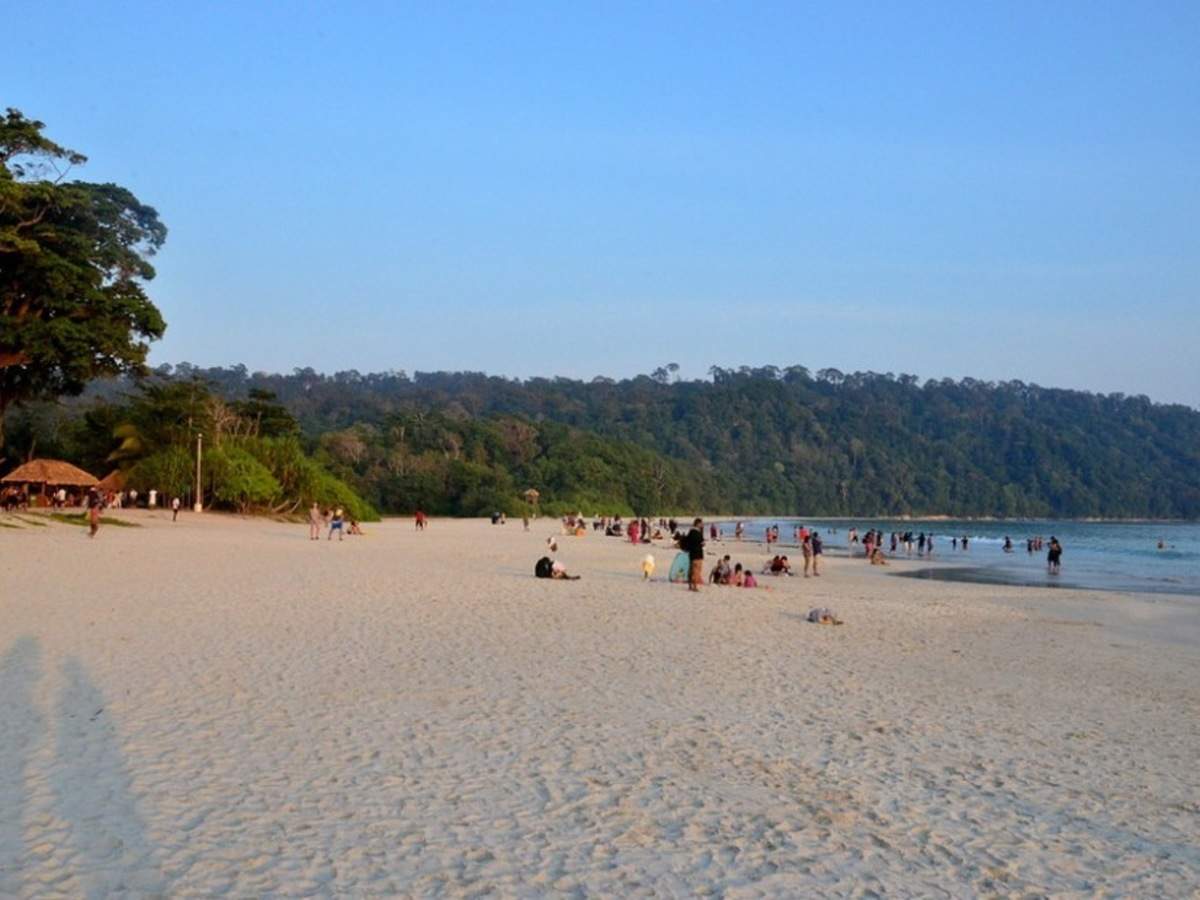
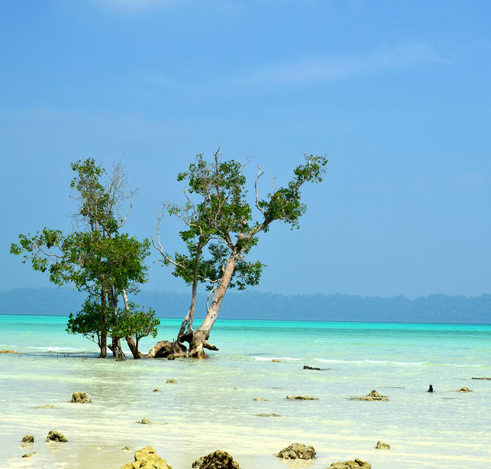
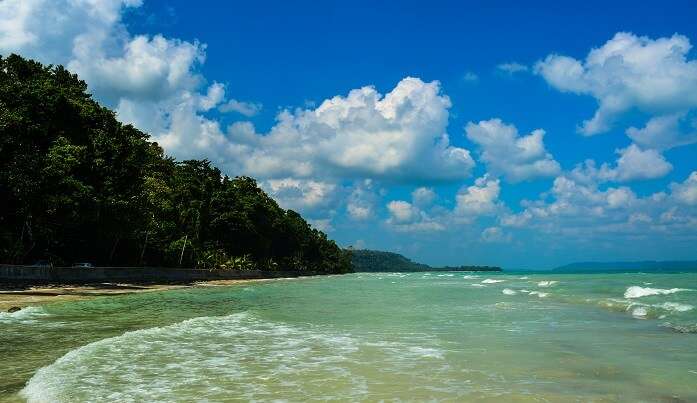
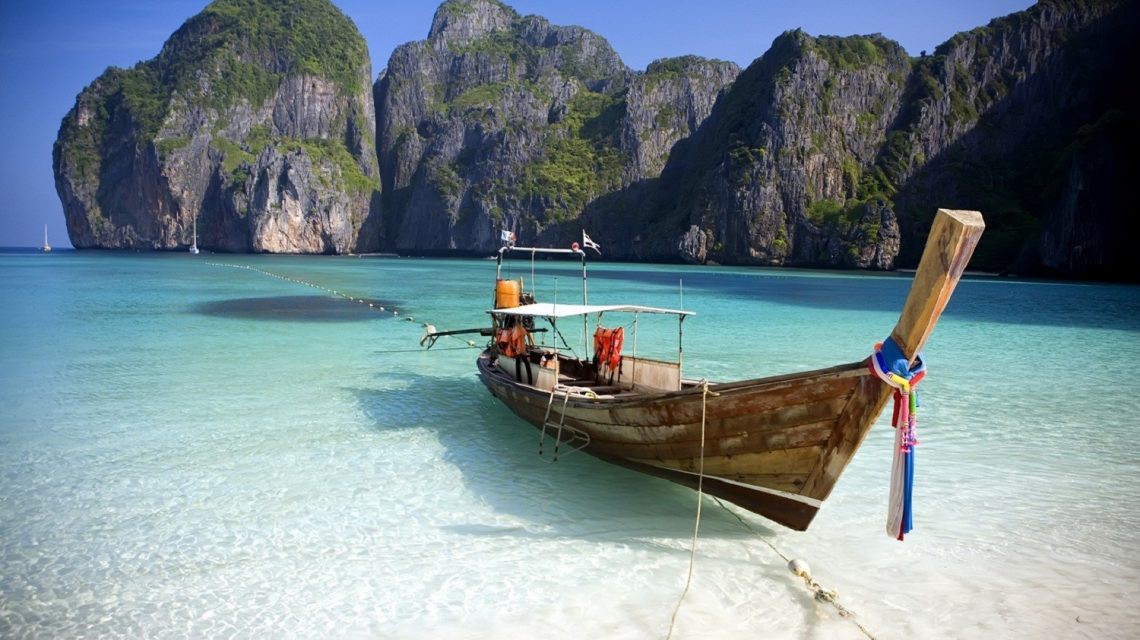
Belonging to Ritchie’s Archipelago, Neil Island is separated by Ross Island and Havelock Island by the ocean. The island is located approximately 36 km northeast of Port Blair and exudes a calm laid back charm. Visitors staying in Havelock Island can make a day trip to Neil Island which has an amazing biodiversity, white sandy beaches, unspoiled and pretty coral reefs and tropical woodlands. The small island which is only 5 km in its widest part takes only 2 odd hours to cover by walk. The best parts of this island are its three sandy beaches, namely Bharatpur Beach, Sitapur Beach and the Lakshmanpur Beach. The forest cover has reduced considerably due to the cultivation of rice but a section in the north-west of the island is being preserved actively. Due to its limited area, Neill Island can be covered with a simple walk.

Bharatpur Beach: Popularly known as the Coral Kingdom of the Andaman, the Bharatpur Beach, which is located just half a km from the Neil Island jetty is a gorgeous shoreline, white sand beach, fringed with palm trees with turquoise crystal clear waters on Neil Island. The beach is a low tide beach, perfect for swimming and sunbathing. Bharatpur Beach is renowned for its exotic coral reef and vibrant aquatic life. Try to take a glass bottom boat ride to explore the underwater world at the beach. Do not miss out on the breathtaking sunrises and sunsets from this beach. In spite of its proximity to Port Blair, it is seldom crowded and provides for a tranquil atmosphere for holidaying. The shore has shallow water with coral reefs that make the beach a famous spot for water sports like snorkelling, glass bottom rides, and scuba diving other than beach exploration and sunbathing.

Laxmanpur Beach: Located on Neil Island, and at a distance of two km from the island’s jetty, Laxmanpur Beach is is a stunning white shell sand beach with the white sandy beach being perfect for hanging out and enjoying the natural beauty around you. Put up a hammock, grab a book and let the day just pass you by. The shallow waters near the shore, home to corals, is where you can go swimming, even if you are a non swimmer.

Howrah Bridge on Neil Island: The Howrah Bridge or the Natural Bridge is a bridge-like formation located in the famous ‘vegetable bowl’ or the coral laden side of Neil Island on the Laxmanpur Beach. The bridge is just a naturally stacked up huge coral rocks which together form a bridge-like structure. The island was severely affected in the Tsunami disaster of 2004 which washed off uncountable dead corals on the shore. As the island is largely inhabited by Bengali immigrants, the bridge was first coined as the Rabindra Sethu but later changed its name to Howrah Bridge. The bridge can be accessed only during low tides, hence, you will be taken to this coral island only pre-sunset hours. There are guides available who take a fixed amount to make you tour the entire shore where you are introduced to sea creatures such as sea Cucumber, starfish, crabs, etc. The bridge overlooks the grand Indian Ocean, plus the dead coral stretch where you stand in ankle deep water and can see the school of colorful fish and sea animals living on the dead corals which are partially submerged in shallow ocean water.
South Andaman Islands
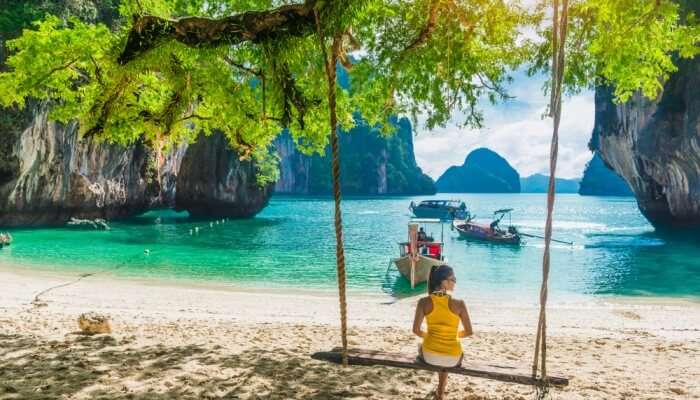
Rutland Island: At the far tip of India, south of Port Blair, lies the picturesque Rutland Island, a heaven for Thalassophiles, commonly called sea lovers. The island makes up the South Andaman district and comprises six villages, namely the Rutland Village, R.M. Point Village, Bamboo Nallah, Kichad Nallah, Bada Jhari and Dani Nallah. Out of all these, the Dani Nallah is the most popular for the memorable marine life and turtle breeding experience it offers, that’s truly one you’ll never forget! Rutland Island is barely 110 sq. kms and is home to around 350 inhabitants belonging to the Jangil Tribe. But what the island may lack in size or population, it makes up for with its impeccable views of beaches and rich marine life that are worth a visit! You can go fishing at Chidiya Tapu and get a glimpse of the coral reefs at the Cinque Islands. An enthralling open-sea diving experience awaits at the beaches where you can also take a dip or enjoy some snorkelling. Travel to Jolly Buoy for a glass-bottom boat ride and walk along the Red Skin Island beaches, with the waves lapping at your feet. Visiting Rutland Island on a day trip from Port Blair or Havelock Island is one of the best options.

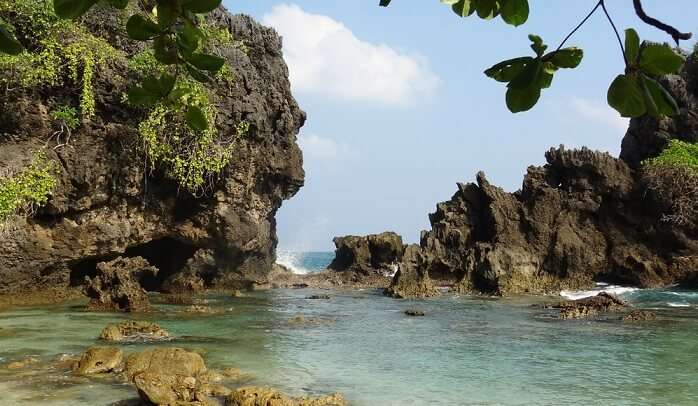
South Andaman Island: Known to be the southernmost island of the Andaman group of Islands, South Andaman Island is also the most populated and most commercially viable island in the cluster. It is the third largest island in the cluster and is situated between Middle Island and Baratang from which it is separated by a narrow strip of land. Boasting of small villages and coconut fields, you can also try your hand at adventure activities here that include scuba diving, snorkelling and parasailing.
Source

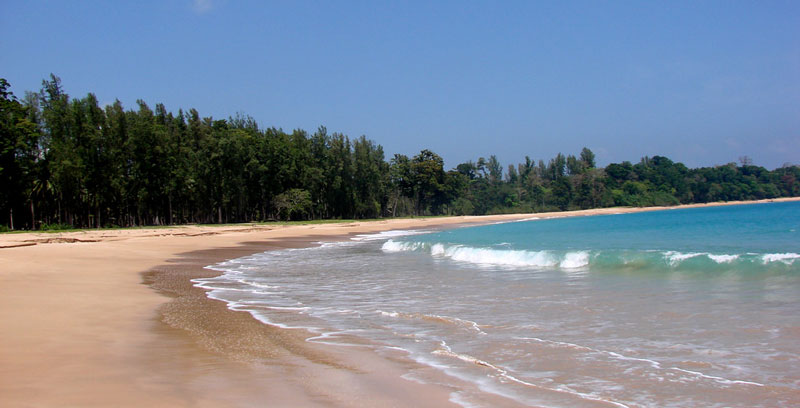
Little Andaman Island: A beautiful island with crystal clear waters and clear sandy beaches, Little Andaman is the fourth largest island in the archipelago. It lies to the southern end of the archipelago over an area of 730 sq kms. The island is home to an extensive rainforest and rare species of marine turtle. If you explore enough, you could also come across some breathtaking waterfalls. Also known as Gaubolambe in the native language, Onge which is spoken by the Onge aboriginal tribe, the island is also called Ebu Belong. The local population is mostly comprised of a good number of Bengalis, Tamilians, and native aboriginal tribes known as the Onge tribe who have been inhabiting the jungles since 1957. So far the population of over 18,000 inhabitants occupies 18 villages on the island along with the main village, Kwat-tu-kwage on the Hut Bay. Apart from the ethnic diversity, Little Andaman is also unique in its biodiversity which is fairly spread between thickets, dense rainforests and long stretches of chromatic beaches and vivid coral reefs that are overly rich in marine life which includes a variety of rare species of marine turtles and a lot more. The Little Andaman Island is also home to the Little Andaman Lighthouse which is occasionally referred to as the Richardson’s Lighthouse.
Source

Butler Bay Beach: A forgotten piece of heaven on Little Andaman, the Butler Bay Beach lies tucked about 100 kms from Port Blair city. A perfect place to get away from the hustle and bustle of city life, this beach is less frequented by tourists. This vast expanse of yellow sand and crystal clear waters was once the most popular beach destination in the Andaman and Nicobar Islands. However, after the grave tsunami in 2004, the beach has become more desolate and isolated. If you are an adventurous spirit, you can try surfing to up your adrenaline levels. However, note that the waves get pretty high, so do not venture too far out in the sea unless you are an expert. Visitos can also try trekking in the lush green jungles nearby which has absolutely stunning views. The lighthouse near the beach is perfect for spending an afternoon overlooking the sea.

Cinque Island: Located 26 km from Port Blair, Cinque Island is an inhabited isolated part of the Andaman Archipelago. It is nestled between Passage and Duncan Island towards the north side. The island is further divided into North and South Cinque Islands. The islands are collectively a part of Wandoor Marine National Park, or more commonly known as Mahatma Gandhi Marine National Park. A white sandy beach surrounded by lush green tropical rain forest, a visit to Cinque Island is a calming experience. With a rich and exotic marine life including coral reefs, vibrant and colourful fishes, sea anemones, turtles, saltwater crocodiles, starfishes, seaweed, water snakes, the rare sea cow among more, the island also offers professional scuba divers to test their diving skills and amateurs to learn diving from PADI instructed divers. The island is also great for other activities like sea walking and snorkelling. The view under the pristine water is stunning. The best time to Scuba dive is between December to February as the visibility is fantastic.
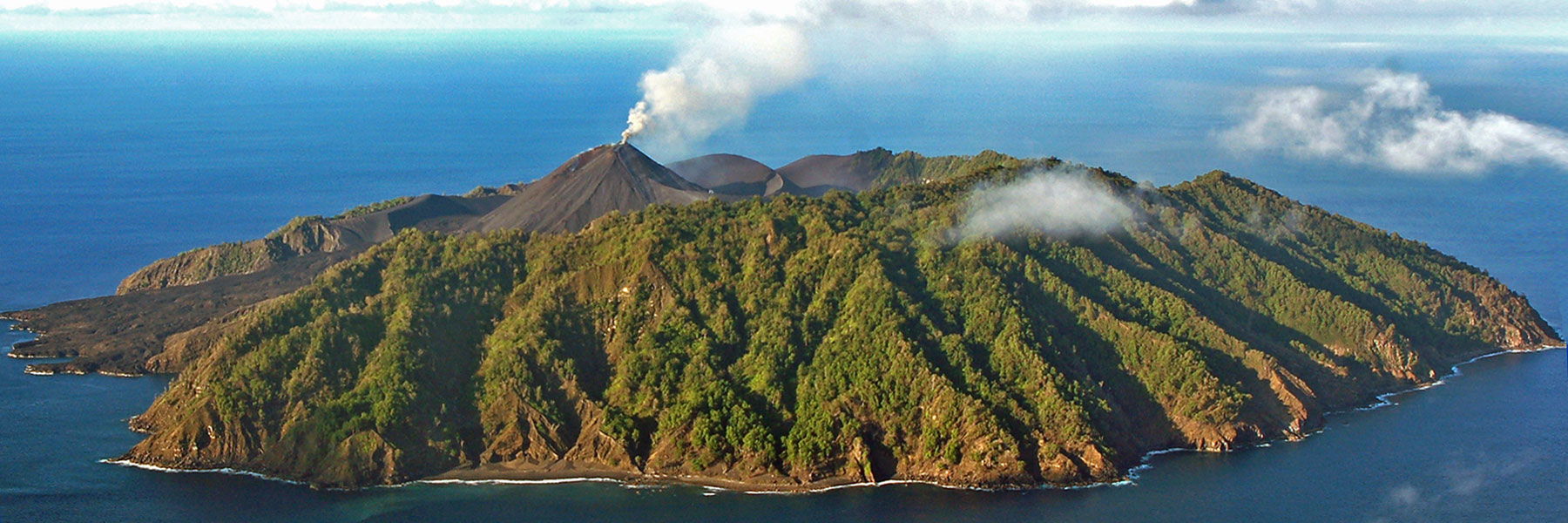
Barren Island: Located about 135 kilometres to the northeast of Port Blair, Barren Island is situated at the intersection of the seismically active Indian and Burmese plates, is 1.8 million years old and is home to the only active volcano in the Indian subcontinent. As the name suggests, the island is largely uninhabited, thanks to the volcano eruptions that take place here at frequent intervals. Although sightseeing around the island is not that common, you can obtain permissions from the local forest department to do so. There are a number of ferries and boats that can take you around to visit the island. However, due to the unpredictability of the volcanic eruptions, visitors are not permitted to land on the shores and are offered with a view from the sea, which is quite breathtaking. The crater of the Barren Island volcano is about half a kilometre away from the shore. The black bedrock of the island lends the sand on the beach a deep purple-black hue that contrasts beautifully with the vibrant blue of the ocean and underwater vibrant marine life. What is interesting is that even though the existence of this volcano is not a hidden fact, and has been known since centuries; owing to little-publicised research with restricted and limited access, the island continues to remain an unexplored mystery.
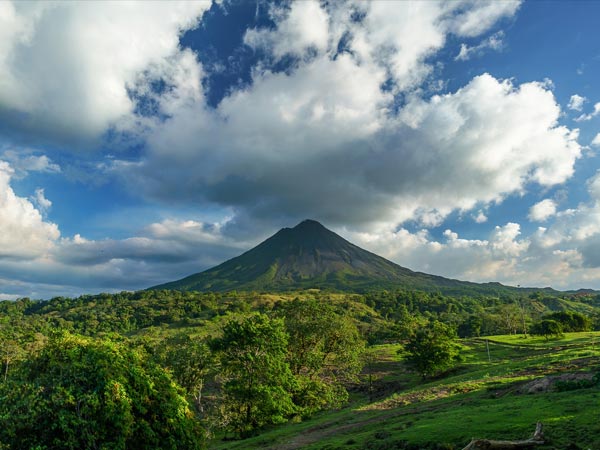
Narcondam Island: Located on the western side of the archipelgo, Narcondam Island is a tiny volcanic island which is still inhabited and sprawls over a small 6.8 sq kms, with the island’s highest point being 710 m and it is formed of an igneous rock known as andesite. It is mostly known for its dormant volcano that exists on the land. Due to the existence of the volcano on the island, it was left deserted and desolate for the longest period of time, but lately it has begun to see commercial tourism due to to its untouched and unexploited dense forests, crystal clear waters, uncommercialized beaches and the overall picturesque beauty. The island is also inhabited by several birds and boasts of a rich wildlife.

Katchal Island: One of the many beautiful yet secluded islands of the Nicobar archipelago, Katchal Island is a stunning beauty of the pristine Nicobar Islands that is still not as popular as the other islands. Among the many such isolated islands of the archipelago, one of the remotest ones is Katchal Island. Brimming with a historical origin story, a tale of a tragic past and an almost-unexplored stretch of natural beauty, the virgin island of Katchal has only recently been declared open. Before that, permission had to be taken from Port Blair administration to enter Katchal. The hills of Katchal are made of calcareous sandstone and marble slates and are covered with lush tropical forests. The forests hide a plethora of endemic flora and fauna, including a spectacular opportunity of birdwatching. Sunrises and sunsets are breathtaking out here at Katchal. Katchal Island is 300 km away from Port Blair and the only mode of transport to get there from Port Blair is via helicopter as of yet. Katchal Island, previously known as Tihanyu, was an Aboriginal Tribal Reserve Area and foreign individuals needed special permission to visit the island and even Indian tourists, it is only a day-tour destination. No one is allowed to stay there except government employees who were posted there. Katchal is home to both indigenous and non-indigenous people. As per history, Katchal was part of the overseas kingdom of the Cholas of Tanjore, Tamil till the Danish explorers started coming over, and then finally the British Empire took over the island in 1869. Later with India’s independence, Katchal Island became a part of Andaman and Nicobar and was included in the country’s administration. Native Nicobari tribes reside here in Katchal, and so do migrated Tamil people. The tribal people from West Bay Katchal believe that the current population of the island came from the worms who survived the great flood of ancient times. Katchal was one of the islands in the Indian Ocean which were devastated by the 2004 Tsunami.

Campell Bay and Indira Point: Campbell Bay is a small and tranquil village located in the Great Nicobar Island which is also where the southernmost point of the Nicobar Islands and also of the Indian subcontinent, Indira Point is located. The point is mostly known for its magnificent light houses that are painted with red and white stripes which are the major attraction of Indira Point. Other than tourism, these lighthouses help in direction navigation for the ships and vessels coming to and fro from Malaysia and Malacca. Besides enjoying a gorgeous expanse of Arabian Sea in the vicinity, you can also admire the beautiful sunrise and sunset views. In addition to that, the place reverberates with peace and tranquility and you can find enough time and space here to spend quality time alone or in company. Moreover, this island is also popular for holding the vast tropical land of dense forest which was named as Campbell Bay National Park in 1992 and is proudly a part of the great Nicobar biosphere reserve. Spreading across 426 square kilometers, Campbell Bay National Park has made its name in the list of best National Parks of India for most tourists.

So this was some of the islands in the archipelgo that is the Andaman and Nicobar Islands. I have probably just scratched the surface, there is so much more to see here. In the next blog post, the last in the series, we will see some of nature’s beauty that is there in the islands. Keep reading…

In My Hands Today…

The Word Ghost – Christine Paice

This image has an empty alt attribute; its file name is 20768931.jpg

This is England 1973, and fifteen-year-old Rebecca Budde is in love with Dave. After one glorious summer, Rebecca is forced to move with her family to Brightley, a village with a puddle for a pond, and no excitement at all. If only Dave were there.

Very weird things are going on inside their new house, and even stranger things are happening in the village at night. Someone appears to be living in Rebecca’s wardrobe. Someone else is on the balcony, trying to get in. Things don’t make sense anymore as Algernon Keats steps from the shadows, his sister not far behind him. There’s no Dave, two ghosts, a pub, a dog and Alex March, a dark and brooding artist, living in the Manor House down the road, whose interest in Rebecca is both puzzling and thrilling.

What do Alex and Algernon want from Rebecca? What on earth does any of it mean? Is it possible to love a ghost? And what happens if he loves you back? The lights are out. Welcome to Brightley.

Rebecca thinks love is forever, but sometimes it’s not. And nor, sometimes, is death.

Travel Bucket List: India – Andaman & Nicobar Islands Part 4

Continuing on our island hopping from the last post…

Aves Island Beach: A a public island beach for individuals wishing to spend some time away from crowds and in their own solitary company, the The Aves Island Beach is an uninhabited beach, which automatically makes it isolated. Easily accessible with crystal clear, calm waters that add to the serene ambience of the beach, the beach is also known as coconut island due to the organic coconut plantations on the island.

North Andaman Island
Diglipur: A large island located in the North Andaman area, Diglipur is an ecological paradise. The island houses rows of tropical forests, mangroves, and lovely beaches rich in exotic marine life. Kalipur Beach, Ross & Smith Islands, Ramnagar Beach, and Pathi Level Beach are all located in Diglipur, which makes it a favourite destination among tourists. The highest point of the Andaman and Nicobar Islands, Saddle peak, is located at this island, accessible through the Saddle Peak National Park. One can also find the Kalpon river here, the only river to flow through the Andamans. The Ross and Smith islands, a mysterious mud volcano, and the Saddle Peak National Park are all located within the confines of Diglipur. The Alfred Caves, an elaborate labyrinth of 42 caves spread across Diglipur can satisfy the desires of the adventurous who are willing to undertake the challenging task of exploring and trekking through these caves. This largest town in the Andaman islands, does not heat up beyond 31-degree Celsius and also does not freeze below 23-degrees Celsius. For the tourists looking for a relaxing vacation, the shores of Diglipurs offer many wondrous beaches where one can get lost in the beauty of the sea all day long. Visitors to Diglipur can get there from Port Blair by car which is a 12-hour journey approximately. The waterway is another exciting option to cover this 325km distance. There are boat services available twice a week as a night long cruise. If money is not an issue, you can fly there in one of the helicopter services, or choose other special planes that fly you to Diglipur. If neither of these work, you may hop on to one of the buses available in the nights. The Sea Planes are a one-of-a-kind experience.

Lamiya Bay Beach: Located in Diglipur on the foothills of Saddle Peak, the dazzling Lamiya Bay Beach has polished pebbles laid down on the shoreline which further accentuates the beauty of the beach. A favourite amongst the honeymooners, this beach has become a highly instagrammed beach what with the shrubs and trees that contrast the sand and sea. The beach is surrounded by beautiful rock structures that add to the beauty. You can witness a magnificent sunset with the sky turning crimson and reflecting the last rays on the polished pebbles.

Kalipur Beach: Located in Diglipur, the Kalipur Beach is a beautiful beach with an endless number of turtles. These include several rare ones that come here to nest, including the Olive Ridley, the Green turtles, the Hawksbill and the Leather Black who come to the beach to lay their eggs during the winter months. The best time to visit the beach is from October to March as this is also the turtle nesting season. Kalipur Beach can be easily reached from Diglipur and the beach is at a distance of 18 km from the town.

Source

Stewart Island Beach: This quaint little Island situated on the north of Port Blair has an isolated beach amidst the middle of an uninhabited Island. This Island has a long narrow strip of immaculate white sandy beach located in the middle of the sea. The Island has a stunning shoreline with clear water ideal for snorkelling and gentle waves lashing against the sun-kissed sandy shore. Situated between Dotrel Island and Curlew Island, it is considered to be one of the most photographed Island beaches in Andaman by tourists in this part of the country with the sky changing colours very often. A long strip of coconut groves swaying gently to the tune of the breeze is not only soothing for the eyes but also gives relief during mid-afternoon when the sun is at its peak.

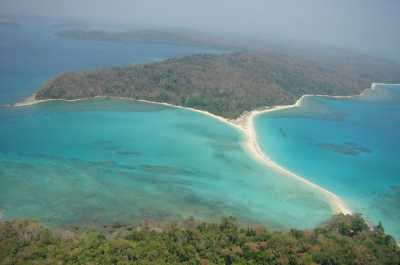
Ross and Smith Island: Located just 2 kilometres east of Port Blair, Ross Island is an island which was once the administrative headquarters of the British, but today is an uninhabited island that is known solely for its beauty and scenic views. Following an earthquake that hit the island in 1941, the British left the island and shifted their settlement to Port Blair and the island became abandoned. If you go to the island, you can still see traces of a prosperous past in the rubbles of the church, swimming pool and the chief commissioner’s home with its extensive gardens and magnificent ballrooms. There is also a cemetery and a small museum managed by the Indian Navy. Connected to the island by a sand bar is the Smith Island and the two islands are together known as the twin islands. From Smith Island, you can trek in the nature trails in the island which extend till Ross Island through the green tropical forests and breathe in the calm air of nature. A Marine Sanctuary on the island is the biggest highlight and it is considered to be the ideal place for watching the rare collection of invigorating coral reefs and colourful fish species. Both the islands are home to Olive Ridley turtles and the turtle nesting season is a sight to be seen. Sometimes, visitors can also see wild elephants which live in the dense forests come to play!

Jolly Buoy Island: Nestled away in a small corner of Andaman and Nicobar is the Jolly Buoy Island, an uninhabited and ecologically preserved island known for its clear waters and beautiful coral reefs that make it one of the most sought-after sports in the Andaman for scuba diving and snorkelling, and truly being able to experience the beauty of nature that has been unaffected by man-made dirt and pollution. It is a part of Mahatma Gandhi National Park and it takes some time to get to the island as you need to take a boat ride of some 30 minutes from Wandoor Beach. Visitors will be able to explore the rich marine life including colourful corals reefs and fishes when you do water activities. The Jolly Buoy Island is only a day’s visit as the jetty that transport people here starts from 9 am and returns at 2 pm as people are not allowed to stay here post-sundown. There is a very strict no plastic policy on the island and people who visit the island are all required to make a list of all the plastic items in their possessions as they enter the island, and make sure that they show the same plastic covers to the authorities at the time of departure. There are also heavy fines charged for loitering on the island, so make sure to be extremely careful with your belongings and make sure not to litter on the island. The island is also famous for its rich underwater life. A lot of colourful corals and fishes habitat in the sea which can be seen easily. Acropora, Pacillopora, Montipora, Fungia, Leptoseris, Forties, gorgonians and tubipora are the important corals that can be seen in Jolly buoy Island. Beautiful starfishes, ocellaris clownfish , False Percula Clownfish, butterfly fishes, parrot fishes and Angel fishes are the ones that can be easily spotted and are a treat for the eyes because of their vibrant colours and fluid motions. There is a beautiful jungle filled with trees for tourists to explore and seek some shade from the sunny beach.

Havelock Island
Named after a British General and comprising of Ritchie’s Archipelago and a collection of five villages, Havelock Island is one of the largest and most popular islands in the Andaman and Nicobar archipelago and is a paradise of silky white sand beaches, crystal blue water, rich corals and verdant forests. Officially named Swaraj island, the island is spread over a massive area of 113.93 square kilometres and is situated 57 km north-east of the capital city Port Blair. The long stretches which have been declared among the best beaches in the world are here, all closely connected to the island’s main boat jetty. The lighthouse established in 2005 at the northern part of the island gives a wonderful place to catch the sunrises and sunsets. You also have a a wide options of accommodation in the island.

Radhanagar Beach: Crowned Asia’s best beach in 2004 by the Times Magazine, the Radhanagar Beach on the western coast of Havelock Island with its turquoise blue waters and powdery white sands lives up to the moniker even today. Its vast shores of endless white grains stretch across 2 kilometres, making it a prime attraction of the Andaman and Nicobar Islands. This crescent shaped 2 kilometers long beach is known for its soft silver sand with high carrying capacity. Located at a distance of a mere 7 kilometres from the much-adored Vijaynagar Beach and approximately 10 kms from the Havelock Jetty, this beach is the prime attraction of Havelock Island. Swimming is a popular activity here. Neil’s cove on one side of the beach offers a fantastic snorkelling experience in its freshwater streams. Apart from enjoying the spectacle of the beach and the melange of colours, visitors can also enjoy water sports like boating, parasailing, and scuba divingYou can also book beach beds, parasols, and umbrellas while they spend hours merely lounging at this exquisite wonderland. It also very common for tourists to spot some elephants on the beach, so make sure you keep your eyes open and cameras ready! The beach tends to get crowded with visitors around late mornings and afternoons usually between 10 am to 4 pm. The best time of the day at the beach has to be the early mornings as you get time to enjoy the beach in its rawest, most secluded form. Sunsets at this beach are stupendous as well, but the forests guards might not let you stay past 6 pm, as it starts growing darker by the minute. Swimming in the waters is also not allowed post 5 pm due to high tides that might prove to be dangerous.

Elephant Beach: Located close to the Radhanagar Beach, the Elephant Beach can be reached after a twenty minute ferry ride. One of the more popular beaches in the islands, the beach attracts many visitors every year. The beach is famous for the bright coral reefs that one can find at a depth as shallow as one meter. Note that the beach doesn’t stay open for the whole day so you must plan your visit during the first half of the day, with the beach opening from early in the morning, and ferries arriving from around 7 am nd then last ferry leaving the beach at 3:30 pm with the entire beach shutting down around 4 pm. Some of the most popular attractions around the beach include swimming, fishing, kayaking and an array of other super exciting water sports that are famous in Andaman.

Vijaynagar Beach: Also known as Beach #5, Vijayanagar Beach on Havelock Island is said to be paradise on this planet. Not as frequented by the other beaches on the island, the beach boasts of a palm-fringed coastline which creates a stunning contrast to the green and blue of the sea. Unlike the other rocky beaches, the Vijaynagar Beach is a rolling beach which makes it a perfect relaxing haven to experience stunning sunrises and sunsets across the vanishing point of the Bay of Bengal. Some of the common activities you can indulge yourself in are beach hiking, snorkelling, swimming, bird watching, wildlife photography, fishing and trekking.

Kalapathar Beach: A long stretch of white silky sand with black rocks beside the blue sea, Kalapathar Beach which literally means Black Stone Beach is located on the tip of Havelock Island. The beach is named after a black road which runs parallel to the seashore. A small beach with mesmerising views of the sunset makes it a perfect destination to spend some alone time as this beach is usually not very crowded. The black rocks the lie along the seashores make a bright contrast with silver sand and green dense forests surround the beach from all the sides. Being a relatively isolated and protected beach, Kalapathar does not have the usual shacks and resorts that other beaches do and hence can be visited as a stopover attraction.

There are more islands waiting for you, so keep watching this space…

2020 Week 39 Update

The headline in The Straits Times was a grim reminder of the pandemic with the news that the world death toll will cross a million deaths over this weekend. It was such a sobering reminder to what is happening across the world and according to the World Health Organisation, it is possible that the final tally may even be close to or exceed the 2 million mark. The total infections tally as of yesterday is more than 32 million with the top four countries comprising of the United States, India, Brazil and Russia accounting for nearly 60% of all infected cases.

Many European countries are reporting a second surge which is worrying. India has been reporting the highest daily cases, again another worrying trend. What this pandemic has done to the world economy, most people already know. Economists say the economic repurcussions is about three times as bad as the global financial crisis of 2008 in terms of GDP decline on an annual basis. Though its not as bad as the Great Depression of the 1930s, but it is the worst downturn in the world since then. However, all is not lost. Changes will be made and this will not only accelerate technology adoption and usage, but also a turn towards a more green economy.

In other news, both GG & BB got their first semester results this week. GG did very well and hopefully should continue her good streak. BB on the other hand, did really badly, barely passing all his subjects. Hopefully this is a wake-up call for him and he can work hard for the remaining semesters and pull up his cumulative GPA. Without this kick in the backside, he was getting to be overconfident, so it’s better perhaps that this happened now and not later. He does need to buck up and fast if he wants a place in a local university in the course of study of his choice.

That’s all from us this week. We are going to be in the last quarter for the year and I have to start my planning for 2021 which I hope is a much better year for all compared to 2020. Stay safe people!

In My Hands Today…

The Last Word – Hanif Kureishi

This image has an empty alt attribute; its file name is 20552507.jpg

Mamoon is an eminent Indian-born writer who has made a career in England – but now, in his early 70s, his reputation is fading, sales have dried up, and his new wife has expensive taste.

Harry, a young writer, is commissioned to write a biography to revitalise both Mamoon’s career and his bank balance. Harry greatly admires Mamoon’s work and wants to uncover the truth of the artist’s life. Harry’s publisher seeks a more naked truth, a salacious tale of sex and scandal that will generate headlines. Meanwhile Mamoon himself is mining a different vein of truth altogether.

Harry and Mamoon find themselves in a battle of wills, but which of them will have the last word?

The ensuing struggle for dominance raises issues of love and desire, loyalty and betrayal, and the frailties of age versus the recklessness of youth.