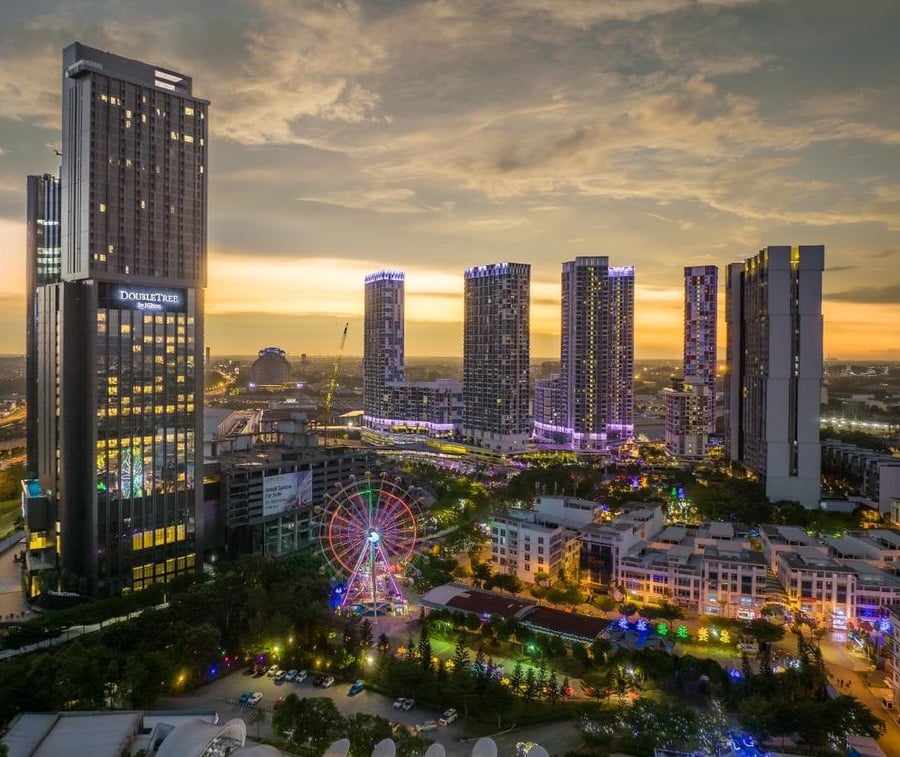
Travel Bucket List: Malaysia Part 15 – Selangor Part 1

Our next state is the state of Selangor which is also known by its Arabic honorific Darul Ehsan, or the Abode of Sincerity. Located on the west coast of Peninsular Malaysia, Selangor is bordered by Perak to the north, Pahang to the east, Negeri Sembilan to the south, and the Strait of Malacca to the west. Selangor surrounds the federal territories of Kuala Lumpur and Putrajaya, both of which were previously part of it. The state has diverse tropical rainforests and an equatorial climate and the mountain ranges in the state belong to the Titiwangsa Mountains, part of the Tenasserim Hills that cover southern Myanmar, southern Thailand and Peninsular Malaysia, with Mount Semangkok as the highest point in the state.

The state capital is Shah Alam, and its royal capital is Klang, while Kajang is the largest city. Petaling Jaya and Subang Jaya received city status in 2006 and 2019, respectively. Selangor is one of four Malaysian states that contain more than one city with official city status; the others are Sarawak, Johor, and Penang. Selangor has the largest economy in Malaysia in terms of gross domestic product or GDP, with RM 239.968 billion, equivalent to roughly $55.5 billion in 2015, comprising 22.60% of the country’s GDP. Malaysia’s most developed state, Selangor has good infrastructure, such as highways and transport, and has the largest population. It also has a high standard of living and the lowest poverty rate in the country.

Selangor is located on the west of Peninsular Malaysia, overlooking the Straits of Malacca. The state is level on the west and hilly to the east. The hill and mountain, surrounding the western edge of the state effectively form a valley and a basin area for the Klang River. This valley is called Klang Valley and this is where most of the population is centred. It is located at the heart of Peninsular Malaysia on the west coast and surrounds the Federal Territory of Kuala Lumpur and Putrajaya. Malaysia’s capital, Kuala Lumpur is located in the heart of Selangor and was once part of Selangor territory before it was ceded to the federal government to form a Federal Territory.

The origin of the name Selangor is uncertain. A common suggestion is that the name refers to the Malay word langau, which is a large fly or blowfly that is found in the marshes along the Selangor River in the state’s northwest. According to local lore, a warrior who escaped from Malacca after the Portuguese conquest took a break from his journey north and rested under a tree here. However, he was disturbed by a persistent fly, whereupon he decided to explore the area. When he found the place to his liking and chose to settle there, he named the place “satu (se) langau” meaning “a large blowfly”. Another theory is that the name may have originated from a kind of tree found in Kuala Selangor and along the Selangor River named Mentangau. And yet another theory claims the state’s name is derived from the term Salang Ur where ur means town or village in Tamil, meaning the village of the Salang people. It has also been proposed that the name is derived from a combination of salang which means stabbing, and jemur, which means to dry in the sun, indicating that it was once a place where traitors were stabbed and then left to roast in the sun.

The most important settlement in the area in the ancient period may have been Klang. Ancient artifacts, including Bronze Age axes and bronze bells dating from the 2nd century, and iron tools called tulang mawas, or ape bones, have been found in or near Klang. The Mao Kun map, dating to the Ming dynasty and used by Admiral Zheng He during his expeditions between 1405 and 1433, refers to places in Selangor such as the Klang River estuary and perhaps a hilly area. The Malay Annals indicate that the Selangor area was under the control of the Sultanate of Malacca in the 15th century; however, Selangor at that time was not a unified domain—separate river states such as Klang and Jeram existed in the region.

After the fall of Malacca to the Portuguese in 1511, the area came under the control of the Johor Sultanate. In the 17th century, Johor was involved in a war against Jambi, and the Sultan of Johor engaged the help of Bugis mercenaries from Sulawesi to fight against Jambi. After Johor won in 1679, the Bugis decided to stay and started to gain power in the region. Many Bugis began to migrate and settled along the coast of Selangor. Some Minangkabaus may have also settled in Selangor by the 17th century, perhaps earlier. The Bugis and the Minangkabaus from Sumatra struggled for control of Johor and to establish a power base, the Bugis led by Raja Salehuddin founded the present hereditary Selangor Sultanate with its capital at Kuala Selangor in 1766. Selangor is unique as the only state on the Malay Peninsula that was founded by the Bugis.

In the 19th century, Selangor’s economy boomed due to the exploitation of its tin reserves. The Selangor Civil War was fought between 1867 and 1874, which was also partly a struggle for control of the revenues from tin which had attracted a large influx of Chinese migrant labourers, and Chinese clans allied with Selangor chiefs also joined the civil war. The conflicts between Malay and Chinese factions in Perak and Selangor, as well as concerns over piracy that affected coastal trade, led to increasing British involvement in the affairs of the Malay states.

In 1874, Sultan Abdul Samad of Selangor accepted a British Resident in a system that allowed the British to govern while the Sultan remained the apparent ruler. Klang was the capital of the British colonial administration for Selangor from 1875 until 1880 when it was moved to Kuala Lumpur. Under the stability imposed by the British, Selangor again prospered. In 1896, largely through the coordination of Resident Frank Swettenham, Selangor united with Negeri Sembilan, Perak and Pahang to form the Federated Malay States, with Kuala Lumpur as its capital.

The Federated Malay States evolved into the Federation of Malaya in 1948, which became independent in 1957. The federation became known as Malaysia in 1963 when its existing states federated with the other British colonies of Sarawak, North Borneo and Singapore. The city of Kuala Lumpur functioned as the national capital of Malaysia and as the state capital of Selangor. In 1974, Selangor relinquished Kuala Lumpur to the federal government. The Sultan of Selangor commemorated the city’s transfer by building an archway on the borders of the new Federal Territory and Selangor; known as the Kota Darul Ehsan that straddles a section of the Federal Highway between Bangsar and Petaling Jaya. The state capital was moved to Shah Alam after the cession. Putrajaya, a new city designed to be the new administrative capital of Malaysia, was built by the federal government in Selangor; Sultan Salahuddin was asked again to cede land to the federal government. Putrajaya became a federal territory in 2001.

Selangor is Malaysia’s most populous state; it has the nation’s biggest conurbation, the Klang Valley. Selangor’s geographical position in the centre of Peninsular Malaysia contributed to the state’s rapid development as Malaysia’s transportation and industrial hub, creating jobs and attracting migrants from other states and Other Asian countries.

The traditional culture of Selangor’s Malay majority is also influenced by those of Bugis, Minangkabau, Mandailing, Javanese, and Banjarese ancestry; most of whom are Muslims. Javanese ancestry is dominant in west coast districts while Minangkabau descent is dominant in Gombak and Hulu Selangor. The 3,000 Mah Meri people, part of the Orang Asli—the indigenous peoples of the Peninsula—can be found on Carey Island. The economy of Selangor is a progressive market economy whose core sectors are commerce and agriculture. It is the richest state in Malaysia in terms of gross domestic product (GDP) per capita (PPP).
Shah Alam

Selangor’s capital Shah Alam is situated within the Petaling District and a small portion of the neighbouring Klang District. Shah Alam replaced Kuala Lumpur as the capital city of the state in 1978 after Kuala Lumpur was incorporated into a Federal Territory in 1974. Shah Alam was the first planned city in Malaysia after independence in 1957.

Shah Alam was once known as Sungai Renggam and was noted for its rubber and oil palm estates. Later, the same area was identified as Batu Tiga before Malaysian independence and has been a centre of rubber and palm oil trade for centuries. The Sungai Renggam Plantation was earmarked for the development of a township by the Selangor government in 1963, and under the recommendations of Vlado Antolic, a town planning advisor from the United Nations, chose the present site strategically located between Kuala Lumpur and Port Klang.

Its current name was chosen by the then-state Sultan of Selangor, Sultan Salahuddin Abdul Aziz Shah, after his late father Sultan Alam Shah. Many other monuments, buildings and even a street are named after the late Sultan. Shah Alam was opened in 1963 to make it the new administrative centre of Selangor, replacing Kuala Lumpur which was made a Federal Territory on 1 February 1974. With the consent of the Sultan, Shah Alam was proclaimed the capital of Selangor on 7 December 1978 with an initial area of 41.68 sq km, and administrated by a municipal council. Shah Alam was enlarged several times between 1983 and 1997, with the last annexation on 1 January 1997. Shah Alam was granted city status on 10 October 2000.

The Taman Botani Negara Shah Alam or the National Botanic Garden is a glorious nature park, home to plenty of vegetation, gardens, lakes, a petting zoo, a seasonal temperature house, and a public pool. The garden hosts activities from lightweight to extreme adventurous sports like hiking, horse riding, rock climbing or fox flying among other things. One is free to walk or rent a bike to explore the gardens and stop at the watchtowers to bask in the scenic views or relax and take a break at the gazebo. The garden is closed on Mondays and other days, it is open between 9 am and 5 pm

The 43-hectare Shah Alam Lake Garden is a favourite retreat of residents, with its beautiful landscape and scenic pathways. Some sections of the lake are elevated so visitors can walk over and watch the aquatic life. One may even catch a glimpse of an occasional peacock, goose, or stork. Some other popular things to do at the park include taking a splash at the waterpark, Wet World, indulging in Malaysian cuisine at the floating seafood restaurant, or going kayaking. The lake garden is open from 11 am to 7 pm on Mondays, Tuesdays, Thursdays and Fridays and between 10 am to 7 pm on Saturdays and Sundays. It is closed on Wednesdays. Entry charges are between MYR 8 to 10 per person.

Overlooking the Garden of Islamic Arts is the magnificent Sultan Salahuddin Abdul Aziz Shah Mosque, the state mosque of Selangor. It is the second-largest mosque in Southeast Asia and the largest in Malaysia. Named after Selangor’s late Sultan who commissioned it in 1982, the mosque is also known as the Blue Mosque. Four 142-meter-high minarets standing tall at each of its corners are the world’s tallest group of minarets. The mosque can accommodate around 24,000 devotees at a time. Its distinguishing feature is its large blue and silver dome, which measures 51.2 m in diameter and reaches 106.7 m above ground level. The blue stained glass of the mosque fills the ornate building with glimmering blue light. The nine galleries display an artistic blend of Islamic arts such as fine decorative calligraphy, painting and sculptures. Short clothes are not allowed inside the mosque. Blue-coloured robes are available at the mosque to wear over your clothing. The mosque is open only to Muslims on Fridays. On Mondays to Thursdays, it is open from 9 am to noon and then again between 2 to 4 pm. On Saturdays, Sundays and Public Holidays, it is open from 9 am to noon, then between 2 to 4 pm and again between 5 to 6:30 pm.
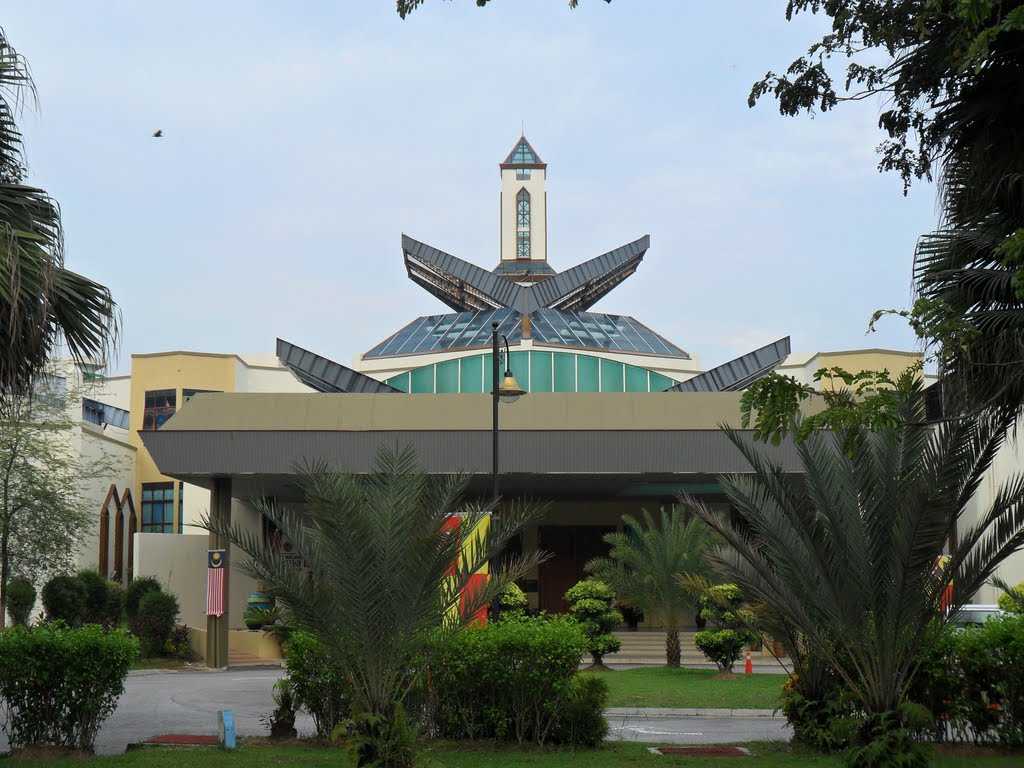
The Blue Mosque overlooks the Selangor Arts Garden Complex, a landscaped park inspired by the Quranic Garden of Paradise. This 14-hectare spiritual sanctuary houses nine galleries, including three permanent galleries exhibiting a rich array of Islamic arts such as calligraphy, sculptures, paintings and architecture. It also houses a private educational institute for higher learning of fine arts. The site is occasionally used for traditional Islamic performances and is closed on Mondays and other days, it is open from 9:30 am to 5:30 pm.

The Selangor State Museum or the Sultan Alam Shah Museum displays many treasures and artefacts related to the history of Selangor. Adjacent to the museum is the former Selangor State Library or Perpustakaan Raja Tun Uda. The Selangor Islamic Arts Complex or Kompleks Kesenian Islam Selangor or Riyadh Fannil Islam is situated nearby, housing many Islamic masterpieces and creativities. An Islamic Art College is located within the Complex. At the banks of the Lake Gardens, an art gallery and performance centre called Laman Budaya is located, where exhibitions and shows regularly take place.
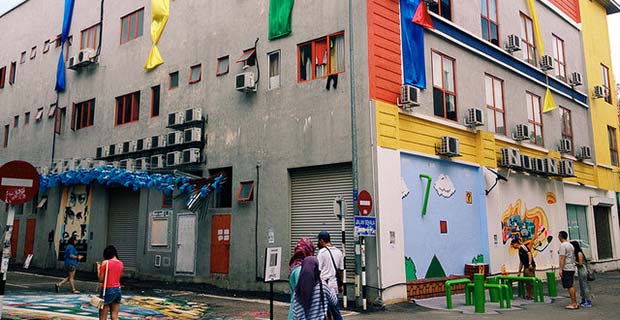
Laman Seni 7 is an undiscovered gem in Shah Alam. A section of wide and narrow alleyways in the city, it features some of Malaysia’s prominent street artist creations on the concrete and building walls. The art gallery on display in Laman Seni 7 spans two blocks and is fashioned like a U. Here, each mural tells a tale, accompanied by a plaque giving a brief insight about the art and the artist.

The Setia Alam Community Trail is a 10.3 km loop trail considered a moderately challenging hike but is fairly suitable for hikers of all types of fitness levels. The locals have set up signage, so it’s highly unlikely to get lost, but you can download the Komoot App to navigate. There are two routes: Route A which is less steep and has a nice view of the Peak Garden. Route B is less crowded and has a beautiful lake on its way. It will take between 4.5 to 5 hours to complete the loop.

Subang Jaya

The third district in Petaling, Subang Jaya is the sixth largest city in Malaysia by population. Before 1974, what is today Subang Jaya was part of Klang District. Development on Subang Jaya began on 21 February 1976 by Sime UEP Properties Berhad, the property development arm of the Malaysian conglomerate Sime Darby. The site was formerly a rubber plantation called Seafield Estate. In 1997, Subang Jaya received the status of a municipality. In Dec 2019, it was officially announced that Subang Jaya’s municipality would be upgraded to a city council after a long 5-year wait since the application in 2014. Located 20 km from Kuala Lumpur, it is well-known for education and has many universities and colleges. It is most known for Sunway Lagoon Resort and Sunway Pyramid Mall. The city is very well connected by trains, buses and taxis and travelling is not an issue. Subang Jaya has a number-precinct system, so it is advised that tourists go through the system once to better understand the city while travelling and don’t face any issues while commuting.
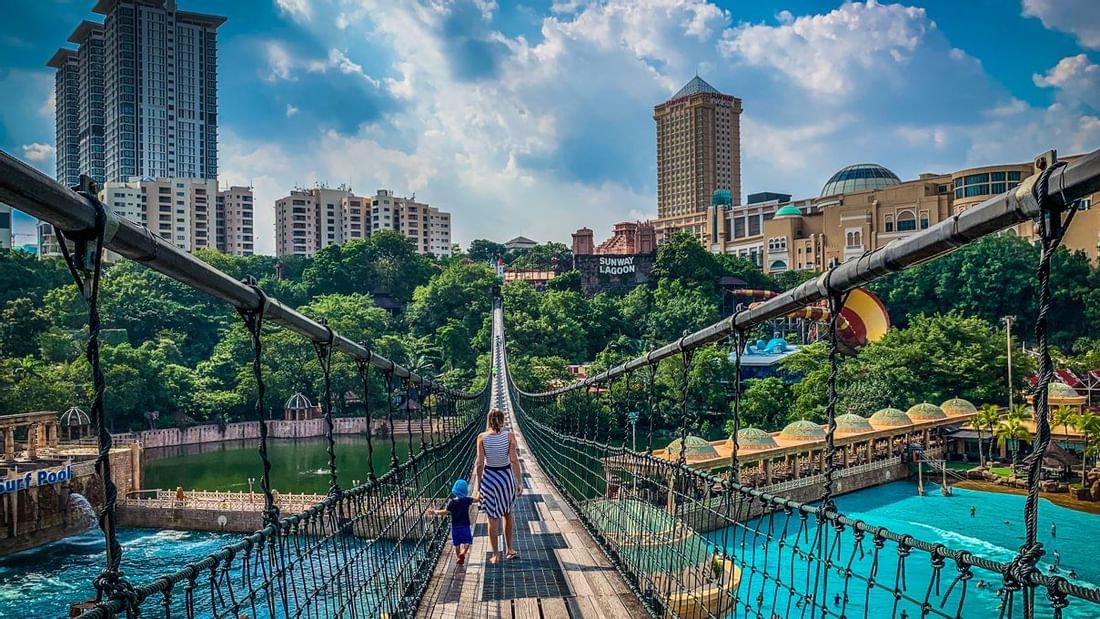
Sunway Lagoon is a famous theme park located in Sunway City. It is popular for the Water Park, Scream Park, Wildlife Park, Amusement Park and Asia’s first-ever Nickelodeon Theme Park located on its premises. The park began operations in 1992 and was officially opened on 29 April 1993. Since its opening, the theme park has added Malaysia’s first surf simulator, the FlowRider in 2010; Malaysia’s first 5D Waterplexx in 2012 and a very large water ride, Vuvuzela, in 2013. The 88-acre park is built 150 feet below ground level on a tin mining wasteland and currently has 90 attractions spread across six parks. It has also hosted many international lifestyle, music and sporting events. The park is open from 10 am to 6 pm daily and has an entry fee of RM 202 for an adult, RM 170 for a child or a senior citizen.

Darul Ehsan Mosque is the first mosque of Subang Jaya. Adorned with beautiful interiors, marble and carpet flooring, it was built in the 1980s and was inaugurated by Almarhum Sultan Salahuddin Abdul Aziz Shah of Selangor during the silver jubilee celebrations of his reign. It is open 24 hours during the week, between 9 am to 1 pm on Saturdays and between 5 am and 9:30 pm on Sundays. Situated in the UEP Industrial Park, the Church of St Thomas More is a Roman Catholic parish. The church is open for mass at 6:15 am on Mondays to Fridays and at 5 pm on Saturdays for Novena and at 6 pm for sunset mass. On Sunday it is open for mass at 6:45 am, 8:30 am and 11:30 am. Gurdwara Sahib Subang was established in 2018 and houses a prayer hall, a langar hall, a community kitchen as well a conference rooms. It is open between 5 am and 8 pm daily.
In My Hands Today…

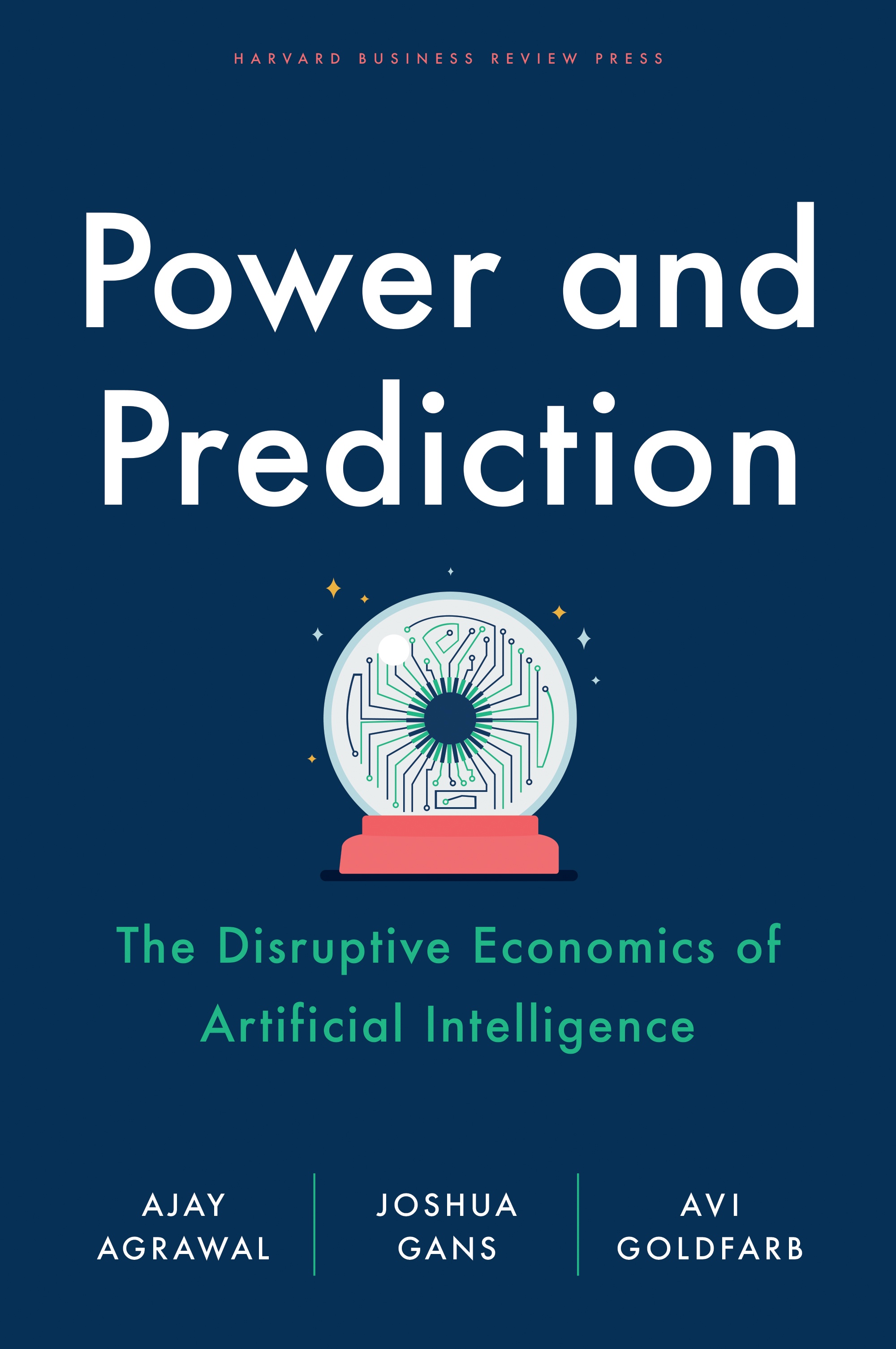
Power And Prediction: The Disruptive Economics of Artificial Intelligence – Ajay Agrawal, Joshua Gans and Avi Goldfarb

Banking and finance, pharmaceuticals, automotive, medical technology, retail. Artificial intelligence (AI) has made its way into many industries around the world. But the truth is, it has just begun its odyssey toward cheaper, better, and faster predictions to drive strategic business decisions–powering and accelerating business. When prediction is taken to the max, industries transform. The disruption that comes with such transformation is yet to be felt–but it is coming.

How do businesses prepare? In their bestselling first book, Prediction Machines, eminent economists Ajay Agrawal, Joshua Gans, and Avi Goldfarb explained the simple yet game-changing economics of AI. Now, in Power and Prediction, they go further to reveal AI as a prediction technology directly impacting decision-making and to teach businesses how to identify disruptive opportunities and threats resulting from AI. Their exhaustive study of new developments in artificial intelligence and the past history of how technologies have disrupted industries highlights the striking phase we are now in: after witnessing the power of this new technology and before its widespread adoption–what they call “the Between Times.” While there continue to be important opportunities for businesses, there are also threats of disruption. As prediction machines improve, old ways of doing things will be upended. Also, the process by which AI filters into the many systems involved in application is very uneven. That process will have winners and losers. How can businesses leverage, or protect, their positions?

Filled with illuminating insights, rich examples, and practical advice, Power and Prediction is the must-read guide for any business leader or policy maker on how to make the coming AI disruptions work for you rather than against you.

Positive Parenting: Travelling with Children Enhances Parenting

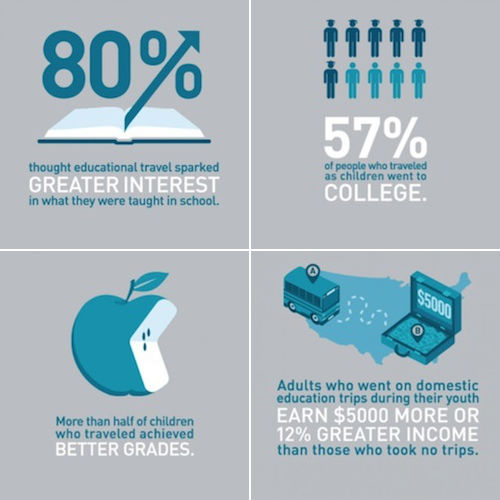
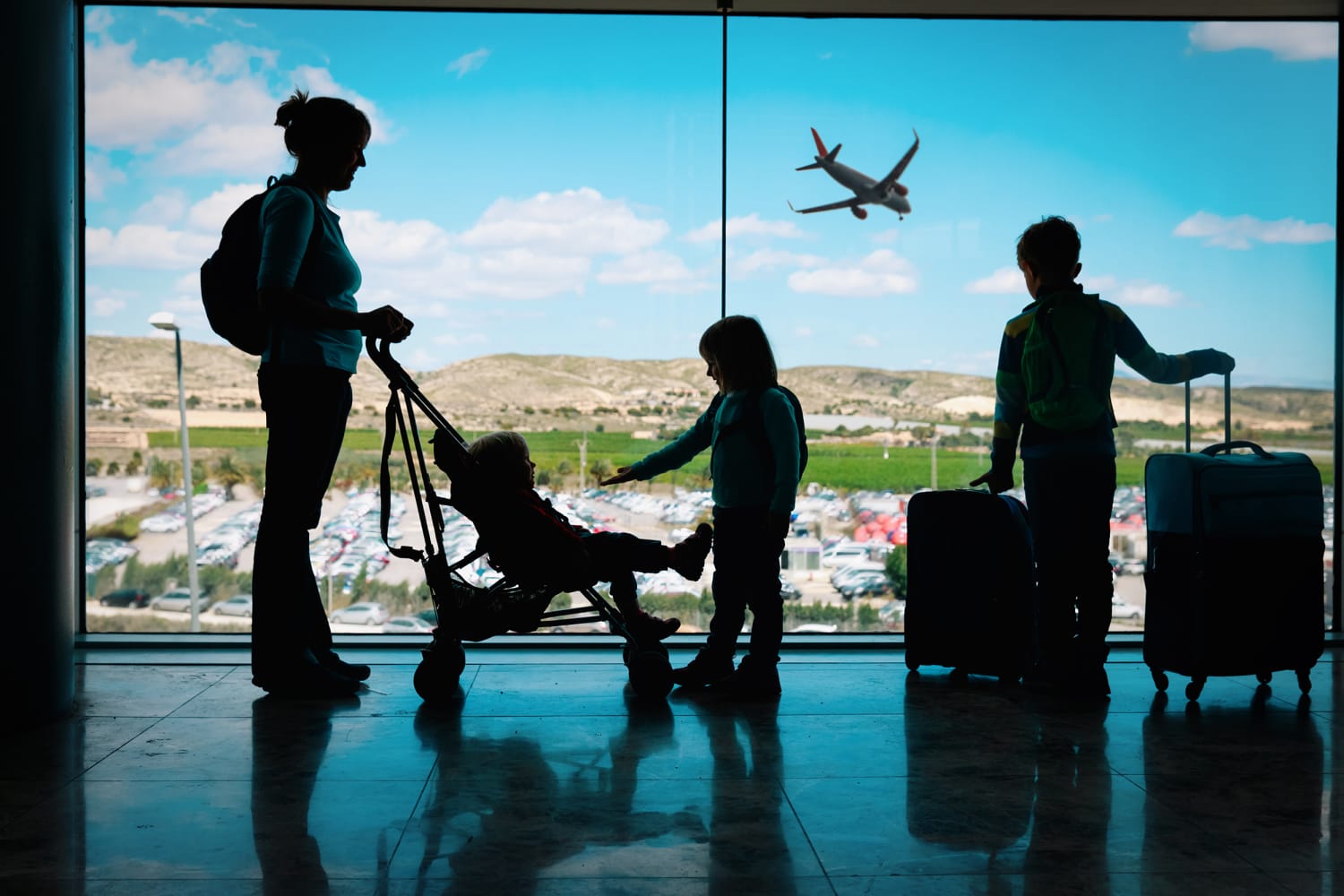
Travelling is an incredible process where one can learn so much without setting foot inside a classroom. Parenting is a lifelong journey that is filled with different challenges at each point. Combining these two enriching experiences might seem like a daunting task, but the truth is that travelling with children can be a transformative and growth-inducing adventure for both parents and their little ones.

According to experts, the most rapid brain development occurs in the first five years of a child’s life, and especially in the first three. Surrounding kids from birth to about three years old with people who are different from them normalises that experience. Travel and educating children about their roles as citizens of the world when they’re young ensures they will retain that message into their adult years because when somebody begins a habit or a tradition early in life, that becomes the foundation through which they view the world for the rest of their life.

Experts claim that travelling with children can significantly boost development. Travel can expand a kid’s world, making them more empathetic toward cultural differences and helping them adapt to changing situations. It can even shape their linguistic development as babies. Travel has the potential to create a new narrative that teaches children about the similarities with others and lays a strong foundation, especially in the early years. Travelling together fosters stronger bonds between parents and their children. Shared experiences in new and exciting places create lasting memories, promoting a sense of togetherness. Whether it’s exploring ancient ruins, playing on the beach, or sampling local delicacies, the shared joy of discovery reinforces the parent-child connection.

Exposure to different cultures, languages, and ways of life broadens children’s horizons and nurtures open-mindedness. Travelling allows them to see the world through a new lens, developing empathy and respect for diversity. As parents, embracing these experiences alongside children encourages them to set a positive example and cultivate open-mindedness. Travel inherently comes with unforeseen challenges, from delayed flights to language barriers. Facing and overcoming these obstacles teaches children valuable problem-solving and adaptability skills. Parents too, learn to be more patient, flexible, and resourceful, setting a great example for their little ones.

Family travel might not always go as planned, but it presents valuable opportunities to teach resilience to children. Coping with travel mishaps or unfamiliar situations fosters a can-do attitude, teaching them that setbacks are temporary hurdles to overcome. It’s a lesson that will serve them well throughout their lives. Today, with everyone so busy, finding quality family time where everyone can be together can be quite challenging. Travel offers a chance to escape routine and fully immerse in each other’s company. Away from the distractions of work and daily life, parents can genuinely engage with their children, creating cherished memories together. And who can deny that travel is an unparalleled educational experience for children that brings history, geography, and culture to life, and offers practical lessons that go beyond the confines of textbooks? Learning becomes exciting and hands-on, leaving a lasting impact on a child’s understanding of the world.

So how can one ensure that travel, especially with young children is a pleasure and not a pain?

  • Plan Age-Appropriate Itineraries – Consider the interests and energy levels of the children when planning activities and sightseeing. Mix in child-friendly attractions to keep them engaged and excited.
  • Pack Wisely – Travelling with children requires thoughtful packing. Bringing essential items such as snacks, entertainment, first-aid supplies, and comfort items ensures a smooth journey.
  • Involve Children in Planning – Let the little ones have a say in the trip’s planning process. It empowers them and gives them a sense of ownership over the adventure.
  • Be Flexible – While travelling with younger children, especially, it’s always a good idea to embrace the idea of spontaneity and allow for detours. Sometimes, the most memorable experiences come from unexpected twists in the journey.
  • Capture the Moments – In today’s age of social media and digital memories, one must make sure to take photos and videos to preserve the memories of the family travel. Encourage children to keep a travel journal or scrapbook as a creative outlet so they can revisit memories of the trip.
  • Stay Positive – Children pick up on their parents’ emotions and if they find their parents panicking or worried, they also start having meltdowns. By approaching challenges with optimism, children will follow the lead.

Travelling with children can be a rollercoaster ride, but the rewards are immeasurable. It is a journey of personal growth, stronger family bonds, and lifelong lessons. Parents have the power to shape their children’s perspectives through these shared adventures, and in return, they teach parents valuable lessons about patience, adaptability, and the joy of discovering the world anew. So, embark on that family travel adventure. Embrace the chaos and wonder. Let it change you for the better as a parent and create a treasure trove of memories for your children to cherish as they grow.

Bon voyage to wanderlust parenthood!

In My Hands Today…

The Infinite Game – Simon Sinek

Do you know how to play the game you’re in?

In finite games, like football or chess, the players are known, the rules are fixed, and the endpoint is clear. The winners and losers are easily identified.

In infinite games, like business or politics or life itself, the players come and go, the rules are changeable, and there is no defined endpoint. There are no winners or losers in an infinite game; there is only ahead and behind.

The more I started to understand the difference between finite and infinite games, the more I began to see infinite games all around us. I started to see that many of the struggles that organizations face exist simply because their leaders were playing with a finite mindset in an infinite game. These organizations tend to lag behind in innovation, discretionary effort, morale and ultimately performance.

The leaders who embrace an infinite mindset, in stark contrast, build stronger, more innovative, more inspiring organizations. Their people trust each other and their leaders. They have the resilience to thrive in an ever-changing world, while their competitors fall by the wayside. Ultimately, they are the ones who lead the rest of us into the future.

Any worthwhile undertaking starts with Why – the purpose, cause or belief that inspires us to do what we do and inspires others to join us. Good leaders know how to build Circles of Safety that promote trust and cooperation throughout their organizations. But that’s not enough to help us chart a course through the unpredictable, often chaotic landscape of today’s marketplace.

I now believe that the ability to adopt an infinite mindset is a prerequisite for any leader who aspires to leave their organization in better shape than they found it.

The Pink Tax: Gender-Based Pricing Discrimination

Today, gender equality is essential because, over the years, it has been found that men and women are both needed for the running of a successful and progressive society. While substantial strides have been made toward bridging the gender gap, some subtle yet significant inequalities persist, one of which is the infamous “Pink Tax.”

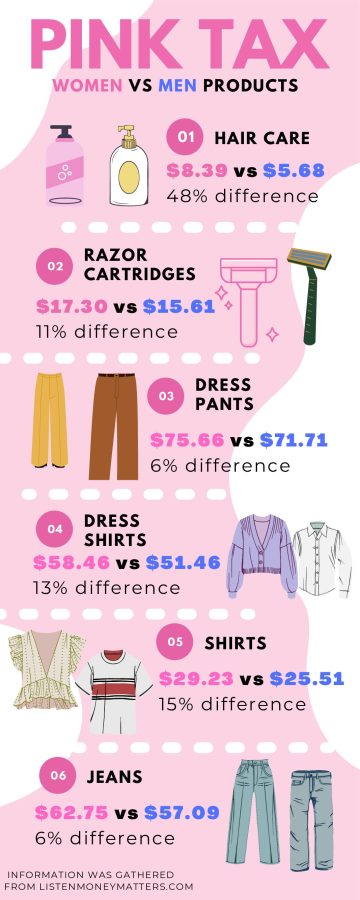
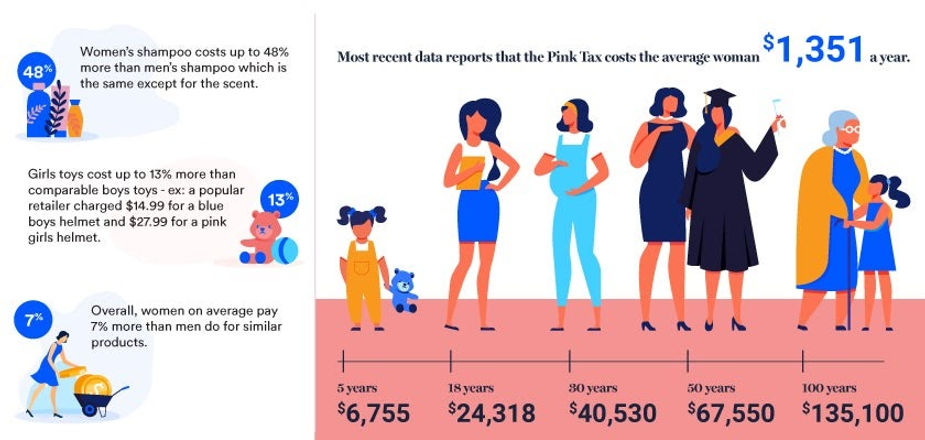
What is the Pink Tax? The pink tax refers to the phenomenon where products and services marketed specifically toward women are more expensive than those marketed toward men. This phenomenon is often attributed to gender-based price discrimination, which means that women pay more for everyday items such as personal care products, clothes, toys, and even financial services. However, research shows that the primary cause is women sorting into goods with higher marginal costs. The name “Pink Tax” comes from the traditional association of the colour pink with femininity and its symbolism in gender stereotypes.

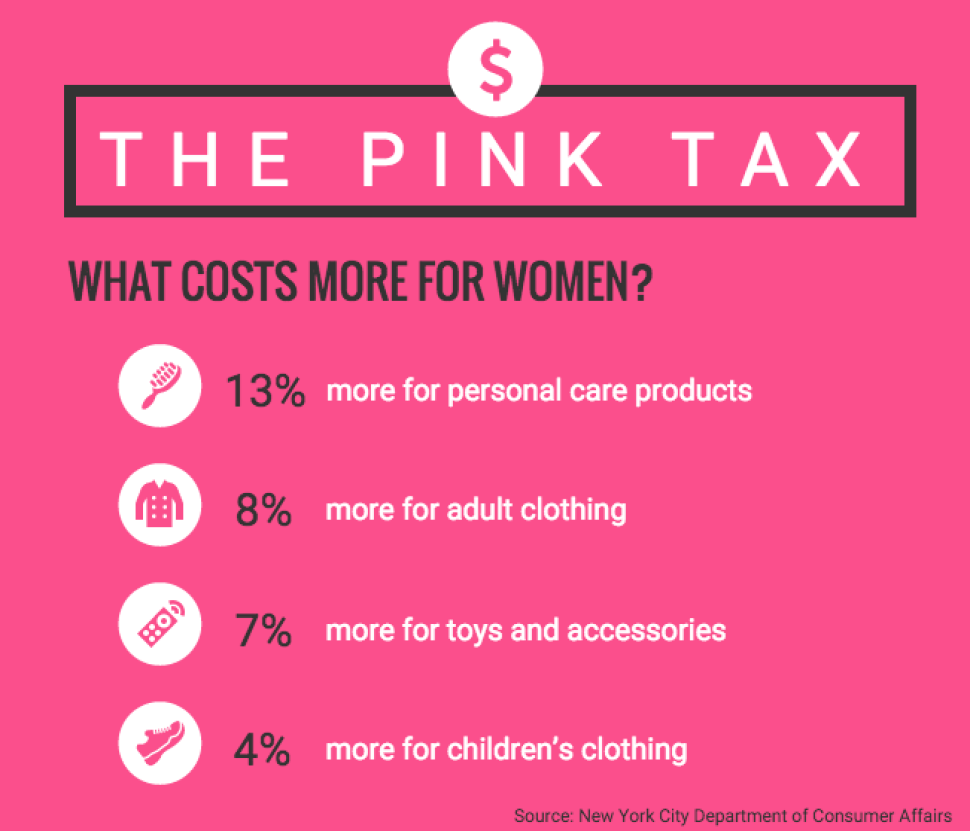
The Pink Tax can be traced back to the early 1990s in the United States when consumer advocates and researchers began to notice the discrepancy in prices between gender-segregated products. The New York City Department of Consumer Affairs conducted one of the first comprehensive studies on gender-based pricing in 1995. Their research revealed that women paid significantly more for nearly identical products than men, an average of around 7% more. This included items like razors, deodorants, and haircuts. In the toy sector, girls’ toys cost on average 7% more than boys’ toys. The study showed a side-by-side comparison of a Radio Flyer scooter where the red scooter costs $24.99 and a pink scooter, identical in all ways but colour, costs $49. In children’s apparel, girls’ clothes were 4% more expensive than boys’. Women’s clothing was 8% more expensive than men’s clothing. The largest discrepancy came to personal care and hygiene products, where women’s products cost 13% more than men’s. The researchers found that manufacturers and retailers justified the higher prices for women’s products, citing factors like higher production costs or special features. However, these justifications did not always align with the actual price differences. This raised concerns about a potential pattern of systematic gender discrimination.

Over the years, the Pink Tax debate gained momentum, attracting attention from activists, lawmakers, and media outlets worldwide. Consumer groups pushed for transparency and pricing equality, urging companies to end this discriminatory pricing practice. Despite increased awareness, progress remained slow.

The Pink Tax is not confined to any one country or region. Its impact is felt across the world, perpetuating gender inequality and affecting women’s purchasing power. According to a 2018 study conducted by the European Parliament, women in Europe were found to spend about 7% more on everyday products compared to men. This extra cost amounted to an average of €1,370 per year per person.

In the UK, women and girls were being charged on average 37% more for toys, cosmetics, and clothes than their male counterparts. The UK also faces the Pink Tax on school uniforms. Girls’ school uniforms are 12% more expensive than boys’ uniforms. This goes for both primary and secondary school-age children. In recent times Argentina women pay 12% more than men for the same products. In 2021 the gap was at 11% and went up the following year in 2022.

In the United States, a study by the New York City Department of Consumer Affairs in 2015 found that women paid approximately 7% more than men for similar products. Another study by the University of Central Florida in 2018 revealed that, on average, products targeted at women cost 13% more than similar products marketed to men.

A study by the Times of India in 2018 found that products marketed to women were priced up to 50% higher than equivalent products for men. This disparity encompassed personal care items, clothing, and toys. Japan, known for its traditional gender roles, is not immune to the Pink Tax. A study conducted by Osaka City in 2018 revealed that women’s products were priced around 24% higher than men’s products. In South Korea, a survey by the Korean Women’s Development Institute in 2019 found that women’s personal care products were priced 11% higher than men’s. According to a 2017 study by the Ministry of Commerce, women’s clothing and personal care products in China were priced 17% higher than men’s. In Singapore, a check by The Sunday Times on ten companies found that women pay more for some products and services, like dry cleaning and razors, offered by about half of these companies. Additionally, women in Singapore have to pay more premiums for Careshield Life, a national long-term care insurance scheme introduced by the government.

There are many reasons why the pink tax exists, including tariffs, product discrimination, and product differentiation. There are many suggested causes of this discrepancy, including price elasticity and the belief that women are more prepared than men to pay higher prices for their purchases. Other reports suggest that marketing targets women to pay higher prices as ethical consumers. According to The Washington Post, women are more likely to spend more money on improving their appearance, because not doing so is associated with the risk of losing revenue. Some studies showed that attractive people tend to earn higher salaries, receive higher grades in school, receive shorter prison sentences, and are more likely to be hired and promoted in the workplace. This factor is not relevant for men.

Some people argue that product differentiation can account for a portion of the difference between the prices of men’s goods and women’s goods. For example, a pink scooter may cost more than a red scooter because it is more expensive to paint a scooter pink than red, assuming such a large difference for this reason of production would be because the red scooters are the larger production, and pink scooters are in the minority. However, there has never been any evidence presented, for example, that pink paint costs more than red paint or blue paint, thereby creating cost differentials in colour-coded items geared toward different genders. The Pink Tax also arises in services like haircuts or dry cleaning. Likewise, in dry cleaning, some people argue that men’s clothing tends to be more uniform while women’s clothing tends to have a lot of variabilities which can make it harder to clean. They also argue that pressing machines, normally made for men’s clothing, are more difficult to use on women’s clothes, which results in the dry-cleaners resorting to hand-pressing the clothing.

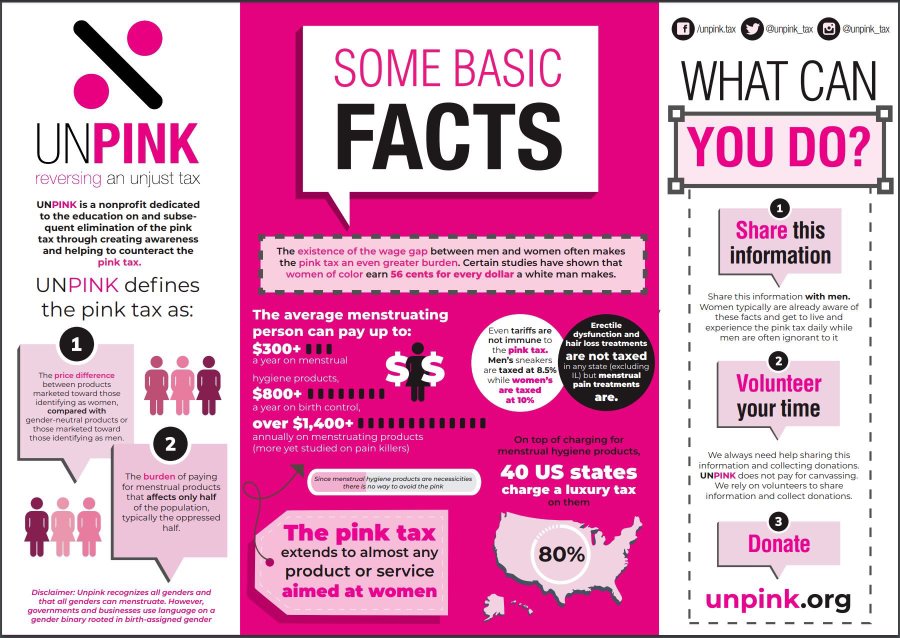
The reason those who campaign against the pink tax claim it to be so problematic is that higher prices for goods and services arise from gender alone, with no underlying economic justification such as higher costs of production in goods. Women’s and men’s razors are essentially the same, and distinguishing between them is simply a marketing strategy. People who have a greater need to buy a product are often willing to pay much more, leading to price discrimination. Women are often subjected to this in the tampon and sanitary napkin market creating a marginalised group among women who are “period poor”.

Criticism of the pink tax includes the principle that the idea robs women of agency and choice by suggesting that women are so easily brainwashed by marketing that they are prevented from choosing the lesser-priced but otherwise “identical” male-marketed alternative. Instead, critics have attributed the pricing disparity to market forces and stated that if women continue to buy a more expensive pink razor, it is because they see some utility or additional aesthetic that they are willing to pay for. Substantive differences in price may indicate differences in the marketability of different products. Critics argue that although seemingly identical products and services may be differently priced, the emotional experiences and perceived value are different.

A more recent study pointed out methodological flaws in the influential 2015 study from the New York City Department of Consumer Affairs. According to the study, the products considered in the report account for less than 6% of category sales and were not selected at random. While the sample was constructed by subjectively pairing men’s and women’s products, the study found that most pairs in the sample differ in their ingredients. They argue that a systematic analysis of the evidence reveals when comparing products made by the same company with the same leading ingredients, men’s products were more expensive in 3 out of 5 categories and that the findings do not support the existence of a systematic price premium for women’s products.

Activists and politicians argue that the economic impact of the pink tax is that women have less purchasing power, especially paired with the gender-based pay gap. Wage gaps and pension gaps already put women at a disadvantage when it comes to purchasing power. Women currently make a statistical average of 89 cents for every $1 a man earns in the United States, meaning women statistically, on average, have less income to spend on goods and services. This alone gives men more money and, ultimately, more buying power. The pink tax further contributes to the economic inequality between men and women. It is also argued that paying more for goods and services marketed to women while women earn less than men means men hold the majority of the purchasing power in the economy. Taxes on feminine hygiene products that men don’t need further contribute to this discrepancy. The Pink Tax’s impact extends beyond the financial burden on individual consumers. It reinforces harmful gender stereotypes and perpetuates the idea that women’s products and services are secondary or inferior. This discriminatory practice undermines gender equality efforts and restricts women’s economic empowerment.

Combatting the Pink Tax requires a multi-faceted approach involving consumers, policymakers, and businesses. There has to be an increase in awareness about the Pink Tax so that consumers are empowered to make informed choices and demand pricing transparency. Activists and policymakers should collaborate to introduce legislation that addresses gender-based pricing discrimination and ensures fair pricing practices. Companies should examine their pricing strategies and eliminate any unjustified price discrepancies between gender-segregated products.

The Pink Tax is a pervasive issue that demands attention and action from all segments of society. By understanding its origins and impact, we can work collectively to dismantle this discriminatory practice. Governments, businesses, and consumers must come together to challenge the status quo and build a more equitable future where gender-based pricing discrimination becomes a thing of the past. Empowering women economically should be a shared goal, and eradicating the Pink Tax is a significant step in that direction. Let us unite our voices to create a world where pricing is fair, just, and free from gender bias.