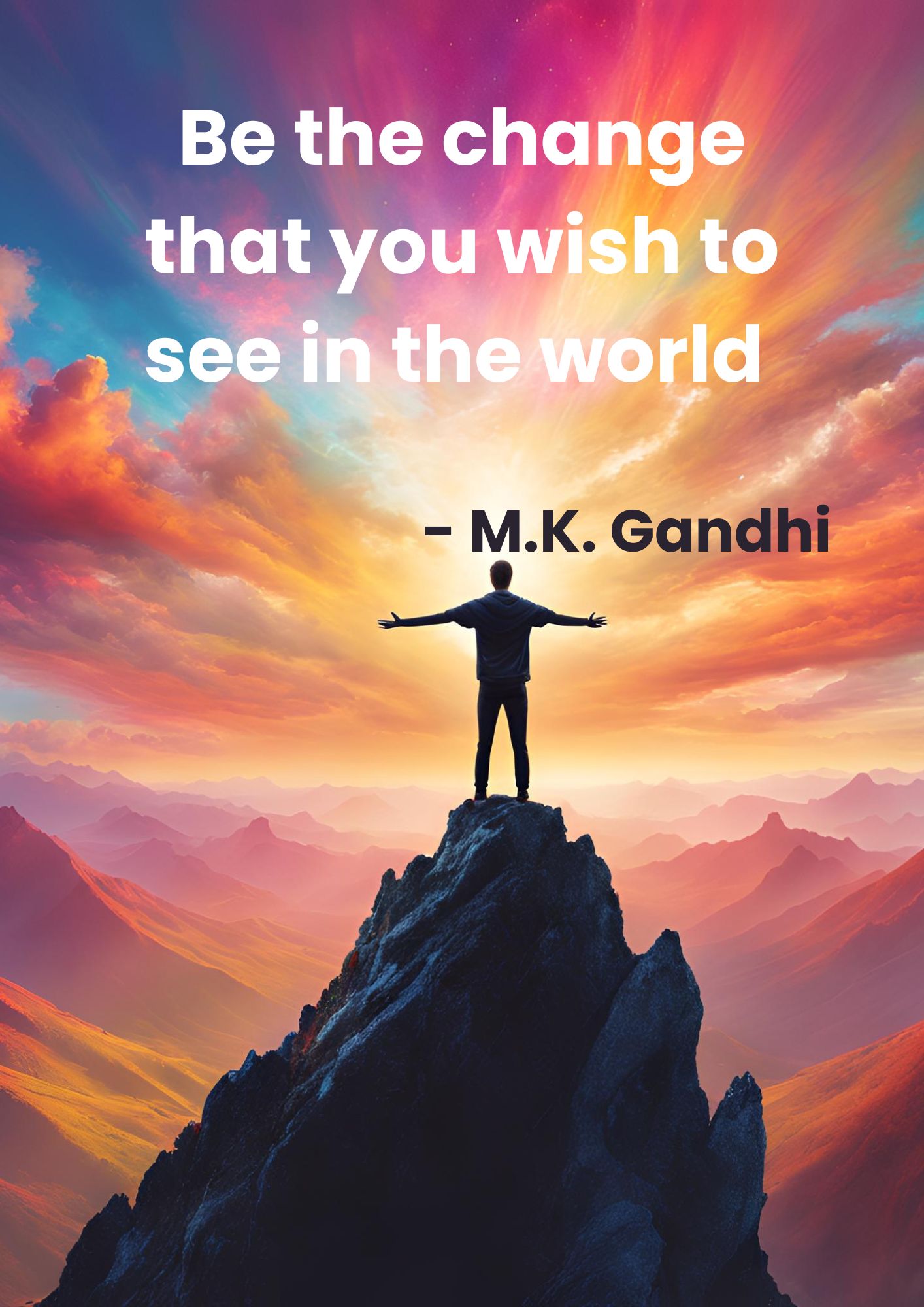
Today is India’s 76th Republic Day, the day India adopted its constitution in 1950. To honour this day, today’s quote is from the person known as the “Father of the Nation,” Mohandas Karamchand Gandhi, or Mahatma Gandhi. An Indian political and spiritual leader, Gandhiji pioneered the philosophy of nonviolent resistance, or Satyagraha. He advocated for civil rights, economic self-reliance, and eradicating social injustices like caste discrimination. Renowned for his simplicity and moral courage, Gandhi’s leadership inspired movements for civil rights and freedom worldwide.
Today’s quote encapsulates the essence of personal responsibility and empowerment. It challenges individuals to embody the qualities and behaviours they desire to see in others and society, emphasising that change begins with oneself. Rather than waiting for external circumstances or people to transform, Gandhi calls on us to proactively align our actions with our ideals. This quote reflects a deep understanding of human influence. Change is not a passive process; it requires active participation. When one models the values they wish to see—such as kindness, honesty, or tolerance—they inspire others to follow suit. The quote also implies accountability. Blaming external forces for societal shortcomings is easier than reflecting on our role within the system. Gandhi’s words remind us that we are both contributors to the problem and part of the solution. By transforming our habits, attitudes, and choices, we contribute to the larger process of societal evolution. On a deeper level, the quote is about empowerment. It emphasises that individuals hold the power to initiate meaningful change. This quote is a call to action. It challenges us to live authentically, act with integrity, and take responsibility for the world we are helping to create.
This is a nice long week of holiday for us in Singapore because of the Lunar New Year. To those reading this post who celebrate the festival, here’s wishing you a very Happy Lunar New Year! Gong Xi Fa Cai, Xin Nian Kuai Le! BB is home for the CNY holidays, and by strategically taking leave, he managed to get a week’s worth of leave. I am sure he will enjoy sleeping in his bed and eating home-cooked meals. I will be making all that he wants before he goes back to camp at the end of next Sunday.
GG is busy with school and barely has any time for herself. She is always complaining about this, but this is the life she has chosen, and I know that underneath all the grumbling and complaining, she enjoys what she is learning and hopes to make a career in this field.
That’s all from me this week. I am off to enjoy my Chinese New Year break, so keep smiling and enjoy the week!
Everything Is Predictable: How Bayesian Statistics Explain Our World – Tom Chivers
At its simplest, Bayes’s theorem describes the probability of an event, based on prior knowledge of conditions that might be related to the event. But in Everything Is Predictable, Tom Chivers lays out how it affects every aspect of our lives. He explains why highly accurate screening tests can lead to false positives and how a failure to account for it in court has put innocent people in jail. A cornerstone of rational thought, many argue that Bayes’s theorem is a description of almost everything.
But who was the man who lent his name to this theorem? How did an 18th-century Presbyterian minister and amateur mathematician uncover a theorem that would affect fields as diverse as medicine, law, and artificial intelligence?
Fusing biography, razor-sharp science writing, and intellectual history, Everything Is Predictable is an entertaining tour of Bayes’s theorem and its impact on modern life, showing how a single compelling idea can have far reaching consequences.
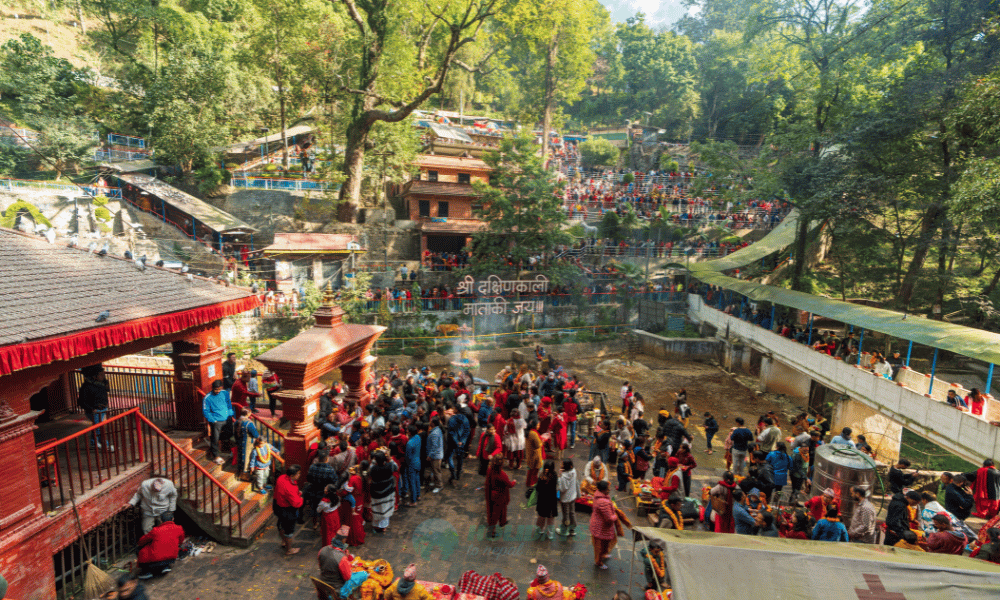
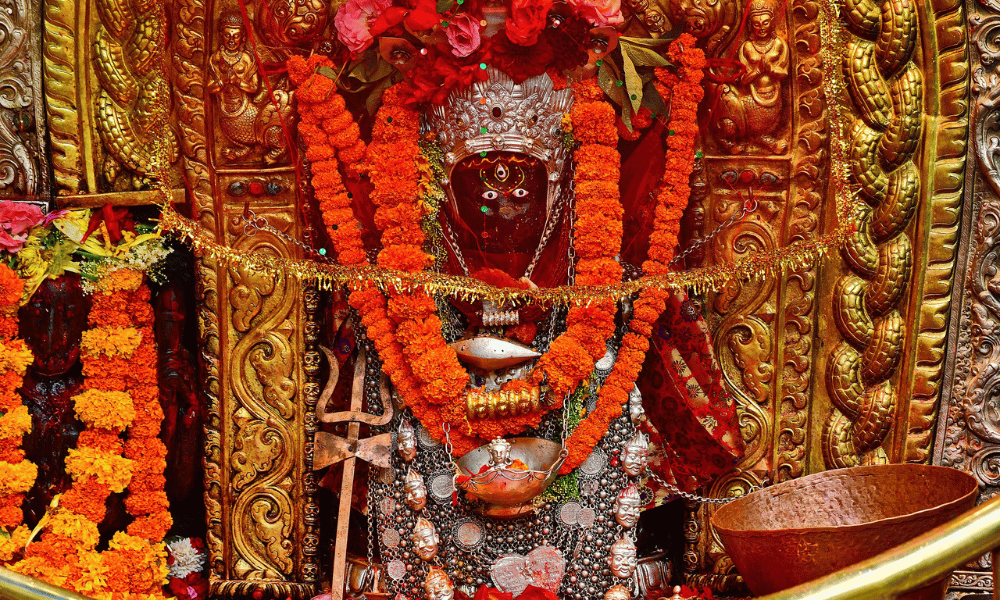
Located a km from the village of Pharping, the Dakshinkali Temple is one of the most important temples in Nepal and is dedicated to the fierce and feared goddess Kali. Twice a week, animals are sacrificed at this temple—uncastrated male goats and cockerels in particular—as an offering to the ferocious spouse of Lord Shiva. The Dakshinkali Temple derives its name from a compound of the words Dakshin, which means south, and the name Kali, which signifies the deity that is worshipped here. The idol of the goddess is seen standing on top of a corpse, portraying the triumph of good over evil. Embellished with a sword in one hand, a skullcap in another, and a severed head in the third, the four-armed idol represents an image of a strong, empowered divine being who has arrived to conquer evil and emerge as victorious. The temple was built in 1855 by Rani Rashmoni, a devotee of Kali.
The temple is decked with bright lights and fragrant garlands during the Dashain Festival, which is the Nepalese version of Durga Puja that falls in September or October every year and goes on for fifteen days. During this festival, thousands of people come to pray and light incense sticks while several other bring animals along with them as an offering to the Goddess. The temple management arranges grand feasts during these weeks. The mystical aura of the temple is enhanced by the loud chants and the resounding echoes of the musical instruments including the drums, bells, cymbals and conches. It is the best time for people to visit the temple.
The Goddess Mahakali is an intriguing incarnation of the Goddess Parvati, the consort of Lord Shiva, who is also known as Mahakala or Pashupatinath. It is believed that the Goddess Kali appeared in a dream of the Malla ruler who reigned over Nepal in the 14th century. The goddess supposedly ordered the king to construct a temple which would be devoted to her. The king then set out to follow her orders immediately, and the temple was built with an image of the deity carved out from stone positioned in the shrine.
Devotees of the Goddess Kali are firm believers of animal sacrifice as a way to please her and have their wishes come true. Lined in front of the religious place of worship are numerous stalls which sell roosters and goats so that people can sacrifice them on the premises of the temple. This ritual takes place once in the morning and again in the afternoon every Tuesday and Saturday. After the morning sacrifice, the temple gates are closed for a short period to purify the temple before the afternoon sacrifices begin. The sacrificial ceremony lasts just a few seconds for each animal, after which their limp bodies are processed in the temple complex by the priests who are skilled at it. After that, the owners take the meat to their homes for a meal. The temple is open from 6 am to 9 am daily.
The magnificent Taleju temple, located in Durbar Square in Kathmandu, is dedicated to the clan goddess of the Malla kings, Devi Taleju Bhawani. Traditionally, entry into the temple was restricted to kings but has now been extended to all Hindus. It is believed that the temple was constructed in the shape of a Yantra, a form of Mandala, as was directed by the Devi herself. In the middle of Durbar Square, the temple, set atop a pedestal, is a stunning sight. On the ninth day of Dasain, Hindu devotees can enter to offer prayers to the Goddess. Everyone else can explore the shrine from the outside.
Before Nepal was founded, Kathmandu was majorly ruled by the Newars who were ardent worshippers of Goddess Taleju who was believed to be an incarnation of Goddess Durga and the guardian of the kings. She is, therefore, considered to be a powerful deity and is worshipped in the region since the 14th century. Also known as Taleju Bhavani, Goddess Taleju is believed to contain all other Goddesses worshipped by Hindus in the region. According to a legend, Gods fought many demons once but later, when they left to rest, a demon named Mahishasura noticed that the Gods were away resting and declared himself the Lord of the Heaven and the ruler of the Universe. All the gods got angry when they heard this declaration from Mahishasura. In rage, they shot beams of bright light from their foreheads. These beams converged a little distance away and formed an eruption of light from which Goddess Durga was born.
In Kathmandu, the Goddess is worshipped by the Newars who ruled the region before Nepal was established and is said to be the guardian of the Kings of the Malla Dynasty. The temple was built during the reign of King Mahendra Malla. Legend states that the mantra of the goddess ensured the ruler’s succession and victory and therefore after the Shah dynasty dethroned the Mallas, they also started worshipping Goddess Taleju.
The temple is a 35-metre high monument that stands prominently on a pedestal with twelve levels or steps made of stone. On the eighth level, a wall has been built all around the shrine that acts as a compound for the temple. There are 12 smaller shrines in front of this wall. On the other side, there are four more shrines other than the main one. This ancient place of worship has traditional pagoda-style architecture with a three-tiered roof, wooden doors and window frames decorated with intricate carvings.
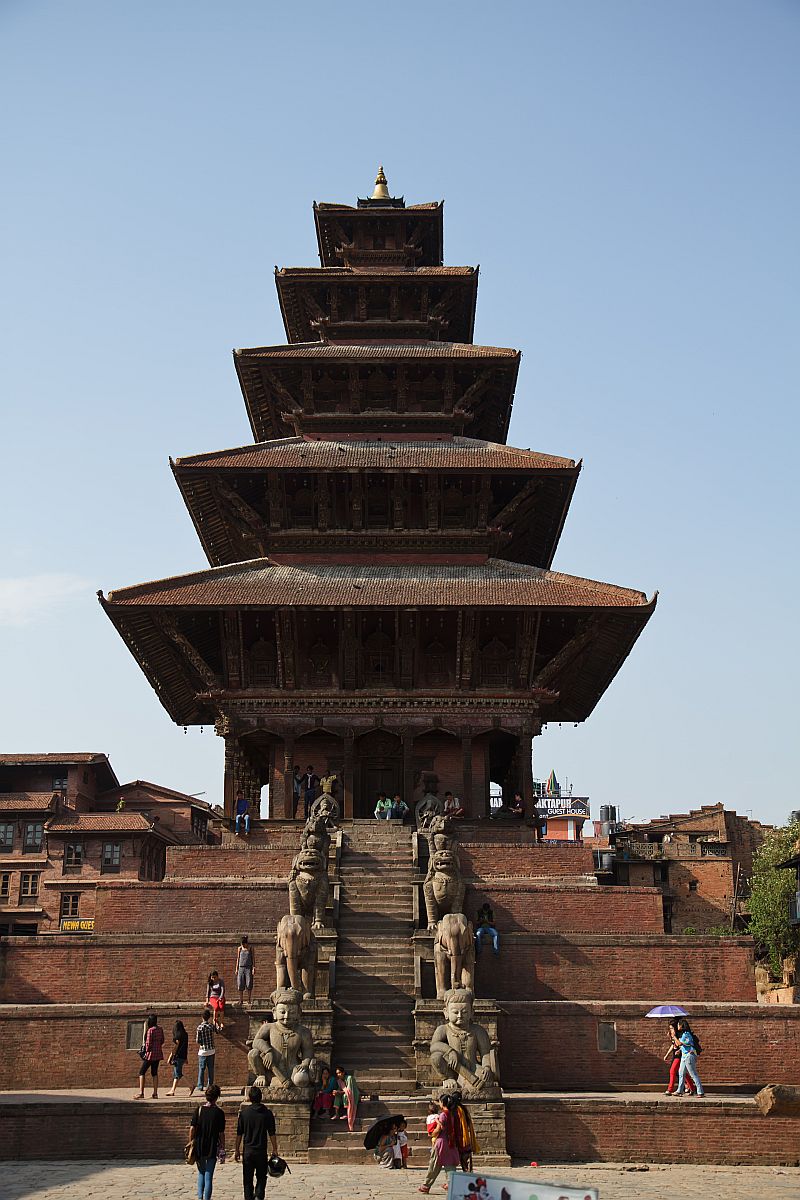
The Nyatapola Temple is an 18th-century temple located in Bhaktapur. It is the tallest building in the valley and the tallest temple in the country. The temple was built in 1702 and is dedicated to Goddess Siddhi Lakshmi, an incarnation of Goddess Parvati. The idol of the Goddess, which is installed in the sanctum sanctorum, is believed to be extremely fearsome. Although only the temple priests enter the sanctum sanctorum, visitors can explore the rest of the temple. The monument has survived two major earthquakes in the region and has suffered minor damages. It is also, therefore, known for its structural strength.
The temple was built during the reign of King Bhupatindra Malla who belonged to the Malla Dynasty and ruled Bhaktapur between 1692 and 1722. The temple has traditional pagoda-style architecture with a five-storey roof that makes it a strikingly tall building in the region. It took about seventeen months to build the temple during the time. The Goddess it is dedicated to is believed to be Tantric and hence, is also called Tantric Lakshmi.
The Nyatapola Temple is built according to the traditional pagoda style of architecture. The monument has a five-tiered roof. From the bottom till the top of the pagodas, it measures about 30 m highl. The temple is placed over five platforms or terraces built one on top of the other. In the middle of the yard, a stone staircase stretches leading to the temple entrance. Each level has stone statues of mythical protectors, elephants and tigers on either side. Inside, there is a sanctum sanctorum where the idol of the Goddess is placed. Across the remaining temple, Goddess and legendary incarnations in relation the goddess are carved.
According to legend, Lord Bhairava or Lord Shiva once caused havoc in the region. Seeking help, the people called upon Goddess Parvati to help them. The Goddess appeared in the avatar of Siddhi Lakshmi. She is said to be more potent than Lord Bhairava and carried him to control him. The temple was thus built in her honour. And because she is believed to be stronger than Lord Bhairava, her temple was made sturdier and taller than the Bhairava Temple located nearby.
Located on a hilltop, the Vajrayogini or Bajrayogini Temple is a tantrik temple dedicated to the Buddhist Tantric Goddess. It is also known as Bodhisattva’s Temple and is situated in Sankhu, a small place in the Kathmandu Valley. One needs to climb a stone stairway to reach the temple complex, but once there, everyone will be fascinated with the beauty of the temple complex that includes stonework, wood carvings, metalwork, smaller temples, caves and a stupa belonging to the time of Buddha Shakyamuni.
In 2015, the temple was struck by a massive earthquake and its structure took a major hit. Some sections have been restored, but some run a risk of crashing down. Most of it is supported with wooden planks. Tourists, however, can observe them from the outside and even click pictures.
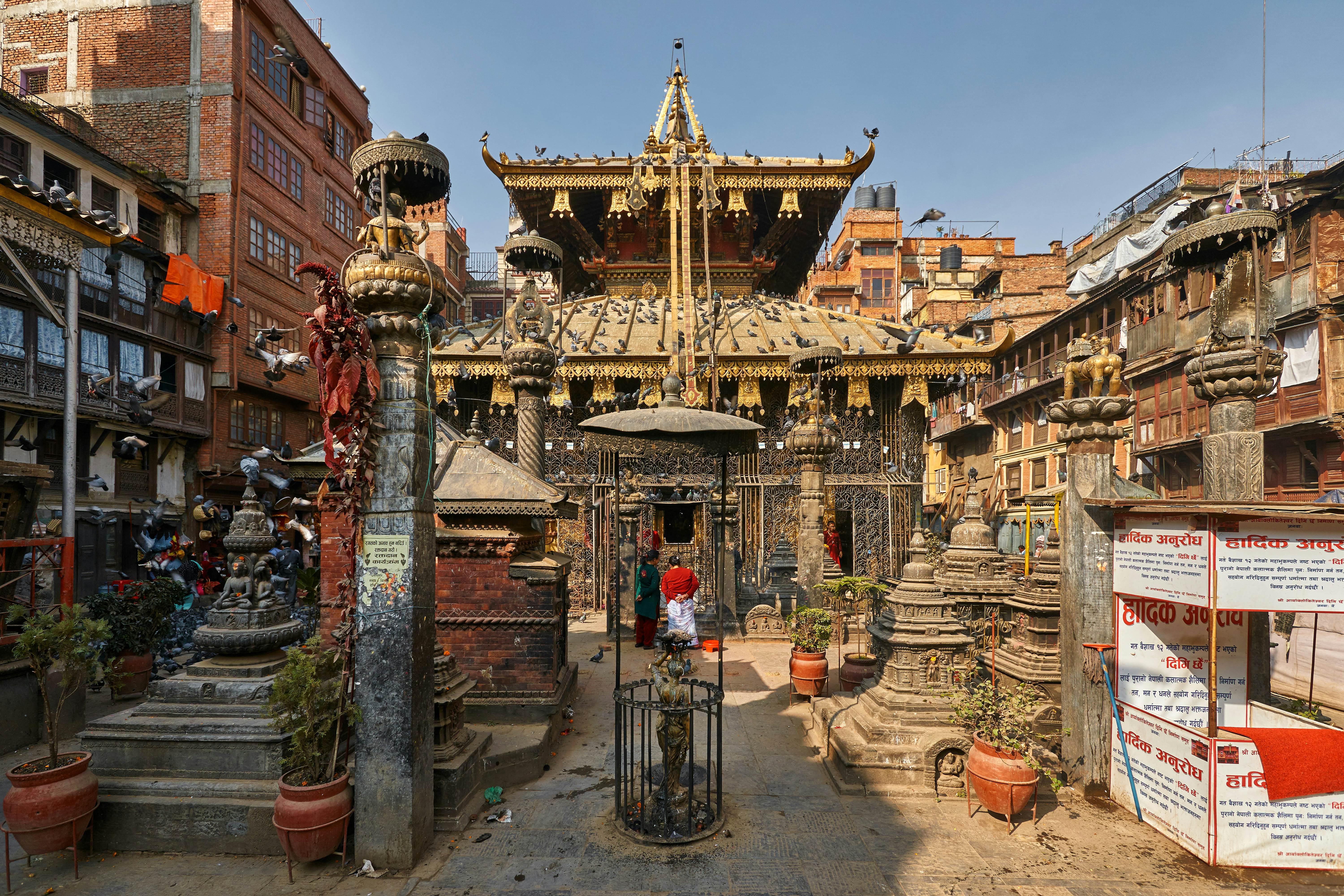
The Seto Machindranath Temple is a Hindu and Buddhist temple located in Jana Bahal. The temple is believed to be built around 10th century and houses the idol of Seto Machindranath, also known as Janabaha Dyo. During the month of Chaitra, a three days long chariot procession festival of the Lord is held here.
The Akash Bhairav is also known as the Lord of the Sky. Located 5 mins from Durbar Square, Akash Bhairav is worshipped because it is believed that worshipping him ensures strength, safety and goodwill for Nepal and its people. Indra Jatra, an annual 8-day festival devoted to the god, is also celebrated with great enthusiasm. Followers from all over the world come to Kathmandu to be a part of the important pooja rituals performed during this time of the year. The temple is open from 6 am to 7 pm every day.
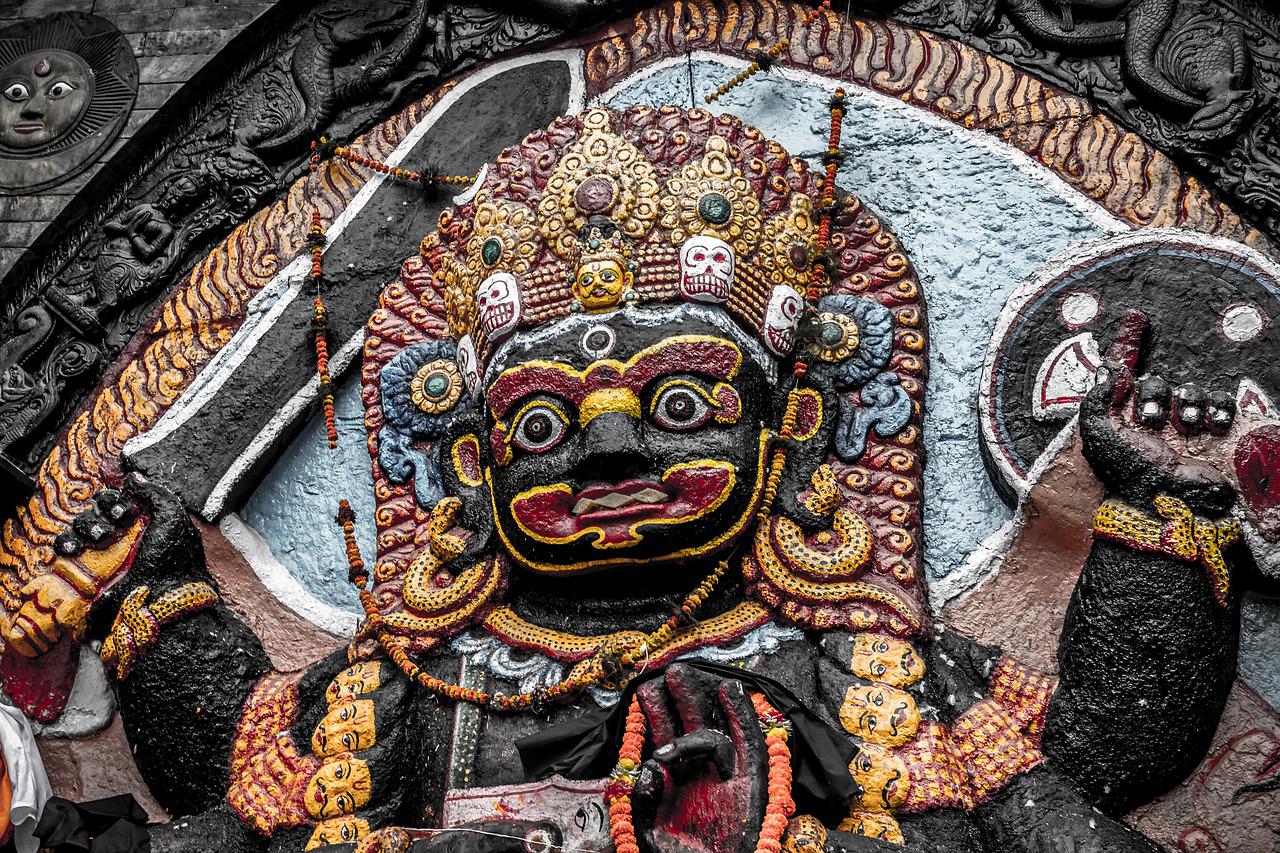
Kala Bhairav is a grand temple located at Durbar Square in the Hanuman Dhoka complex and is dedicated to a fierce manifestation of Lord Shiva. It is an open-air area in the complex and has a gigantic 12-foot-tall idol of Kala Bhairav sculpted in the 6th century, regarded as the largest in the world. The idol and the structures that surround it are made of stone and were carved in the 5th century. It was discovered by King Pratap of the Malla dynasty amidst paddy fields in the 17th century. At that time, it was believed that anyone who would lie down in front of the idol would attain freedom from their lives, which may not be necessarily true. However, locals still continue worshipping this grand and fierce incarnation of Lord Shiva. Kala Bhairav is the terrifying avatar of Lord Shiva who is also called the Lord of Time and Death. He is worshipped by the Hindus as the guru of Lord Shani who is ruled by the planet Saturn and as Manjusri, Heruka, Yamantaka, and Vajrabhairava in Vajrayana Buddhism. The idol of Kala Bhairav is seen standing in a violent form, stepping over a dead body holding a decapitated head in one hand.
According to legend, Kala Bhairav had decapitated one of Lord Brahma’s five heads and as punishment, was made to carry that head and roam around for many years till he was forgiven. This avatar of Lord Shiva is fierce and unforgiving. He is mostly associated with vetala or ghouls and pisaca or ghosts. The name Bhairava literally means a terrifying form that is not afraid of anything. Thus, he can protect his devotees. He is also believed to be the supreme one after Lord Vishnu and can create, sustain, and dissolve life on earth. The temple is open between 10 am and 5 pl daily.
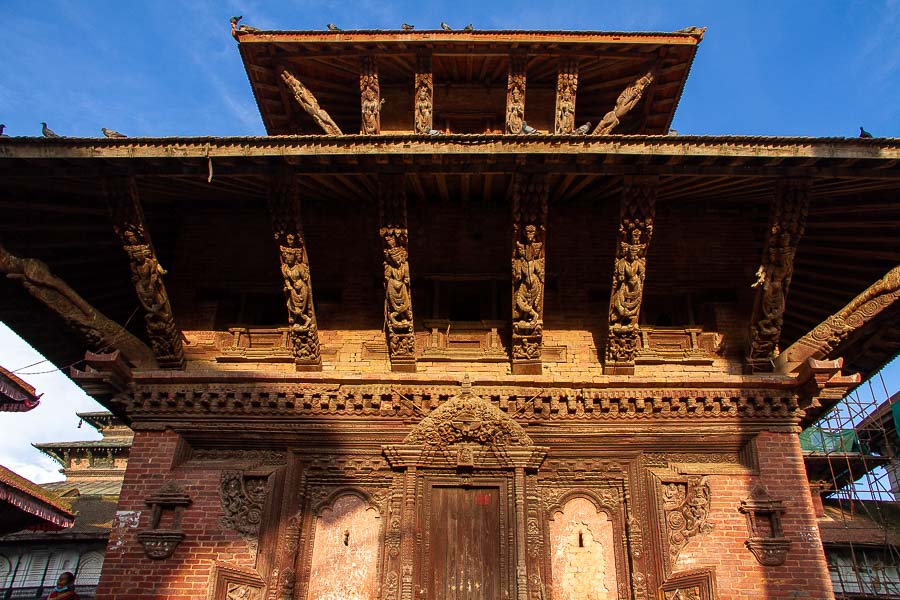
Also located in Darbar Square, the Jagannath Temple is famous for its architecture and religious significance. It is a two-story building raised over a platform and built in traditional pagoda-style architecture, mostly made of wood and bricks. Some parts of the temple were damaged in the 2015 earthquake. However, some portions have been restored and are open for tourists to explore.
A tourist draw at the temple are the exquisite erotic carving all over the structure. It was built in the early 16th century during the reign of King Mahendra of the Mala dynasty and is one of the oldest shrines in the city. The temple is open from 10:30 am and 5 pm.
The glorious temple of Lord Shiva and his Consort Goddess Parvati, the Shiva Parvati Temple, is located in Durbar Square. It is as important as the Kumari Bahal or the Kasthamandap and is often visited by pilgrims and tourists. Built in the 18th century by Bahadur Shah, every inch of the temple wall is covered in immensely intricate carvings.
From a distance in the outer portion of Durbar Square, one would notice someone looking down a window of a two-story pagoda-style building that opens into a courtyard. It is, in fact, the idols of Shiva and Parvati installed in the window right in the center of the top floor of the temple. The striking idols colored in white and blue are seen wearing colorful accessories and blessing the visitors.
The grand building has been built over a raised three-level platform which resembles an ancient performance stages at Durbar Square. One can climb up a small flight of stairs at the entrance where two ancient stone statues of lions are installed and explore the shrine as they circumambulate. It is believed that the lions guard the temple. As one explores further, they would notice how beautiful the intricate carvings on the wood are. There are different forms of Lord Shiva, Goddess Parvati and other captivating traditional designs on the structure too. This area of Kathmandu is usually traversed on foot and shouldn’t be missed when in Durbar Square.
The Annapurna Temple located at Asan Tole is dedicated to Goddess Annapurna, the goddess of abundance. Her name stands for food or anna and fulfilment or purna and symbolises that her blessings fulfil every wish and always provides abundance. At the temple, an old bowl full of grain sits at the centre, representing the Goddess. It is believed that walking around the shrine, touching a coin to the heads and then throwing it into the temple will bring prosperity and abundance of all worldly goods.
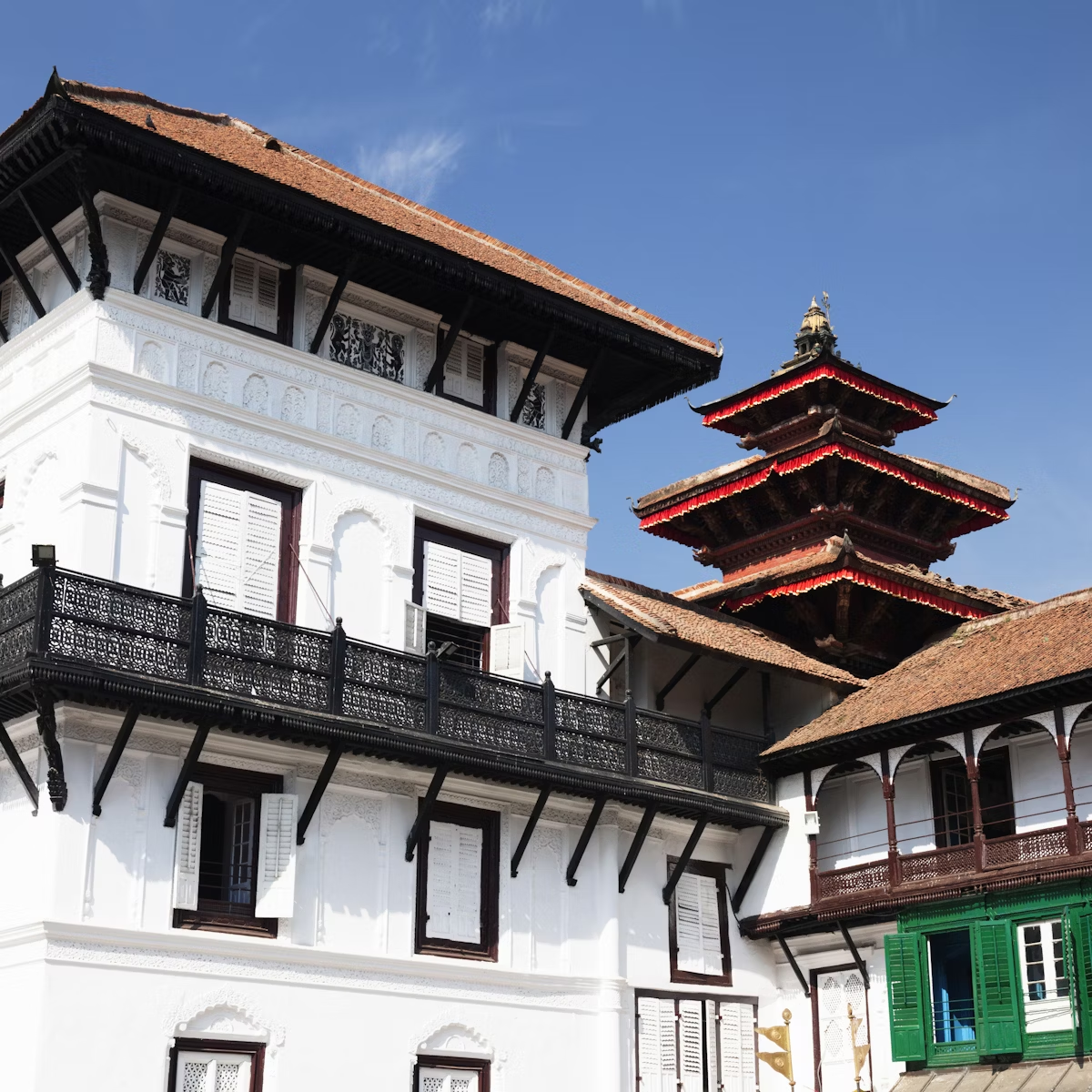
Durbar Square means a place of palaces and so like its name there are three preserved Durbar Squares in Kathmandu Valley and one unpreserved in Kirtipur. The Kathmandu Durbar Square is in the old city and has heritage buildings representing the four kingdoms: Kantipur, Lalitpur, Bhaktapur, Kirtipur; the earliest being the Licchavi dynasty. The complex has 50 temples and several palaces and courtyards and is distributed in two quadrangles of the Durbar Square. The outer quadrangle has the Kasthamandap, Kumari Ghar, and Shiva-Parvati Temple; the inner quadrangle has the Hanuman Dhoka palace. The squares were severely damaged in the April 2015 earthquake.
While the southern part of the complex houses the open Basantapur Square area, the central Durbar Square area occupies the western portion. For many years, the former used to be stable, which housed royal elephants. Today, it is a site that houses souvenir stalls. In the northeast part of the complex runs the second part of the square. In this area, the entrance to the glorious Hanuman Dhoka Complex is planted, with a beautiful assortment of temples nestled behind it. The place is an active walkway that connects many streets together for the general public. Even though the durbar is no longer used for coronations, it is thronged by people during festivals like Dashain, Indra Jatra, Machhindranath Jatra, and Gaijatra. The entire Durbar Square complex was gazetted as a World Heritage Site by UNESCO in 1979.
Hanuman Dhoka is a complex of structures with the royal palace of the Malla kings and of the Shah dynasty. It is spread over five acres. The eastern wing with ten courtyards is the oldest part, dating to the mid-16th century. It was expanded by King Pratap Malla in the 17th century with many temples. The royal family lived in this palace until 1886 when they moved to Narayanhiti Palace. The stone inscription outside is in fifteen languages.
Kumari Ghar is a palace in the centre of the Kathmandu city, next to the Durbar square where a royal Kumari selected from several Kumaris resides. Kumari or Kumari Devi, is the tradition of worshipping young pre-pubescent girls as manifestations of the divine female energy or devi in South Asian countries. In Nepal, the selection process is very rigorous. Previously, during the time of the monarchy, the queen and the priests used to appoint the proposed Kumari with delicate process of astrological examination and physical examination of 32 gunas. The china, an ancient Hindu astrological report of the Kumari and the reigning king, being said to be similar. The Kumari is believed to be a bodily incarnation of the goddess Taleju, the Nepali name for Goddess Durga until she menstruates, after which it is believed that the goddess vacates her body. Serious illness or a major loss of blood from an injury also causes her to revert to common status. The current Kumari, Trishna Shakya, age three at the time of appointment, was installed in September 2017 succeeding Matina Shakya who was the first Kumari of Kathmandu after the end of the monarchy.
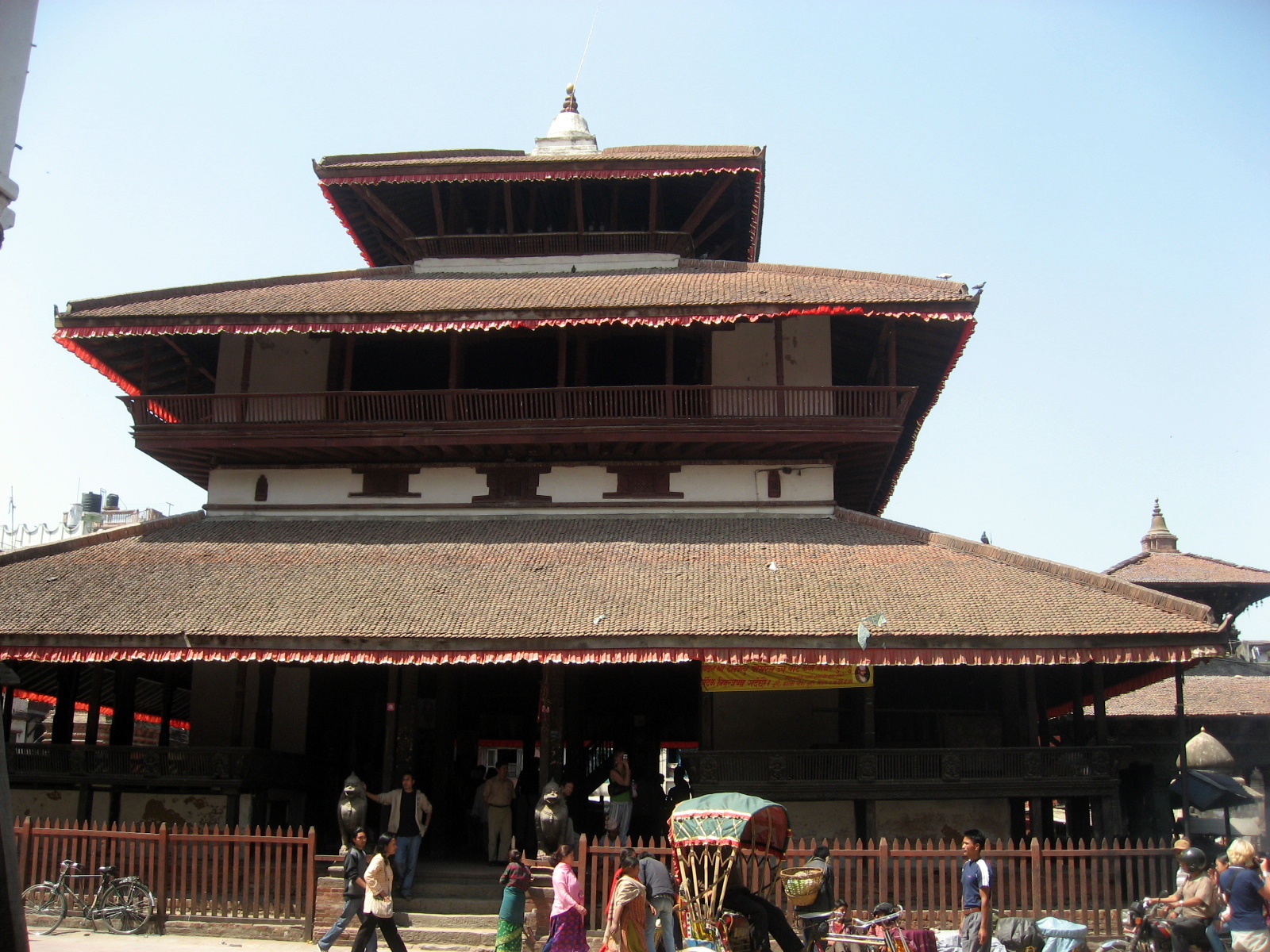
Kasthamandap is a three-storeyed temple enshrining an image of Gorakhnath. It was built in the 16th century in the pagoda style. The name of Kathmandu is a derivative of the word Kasthamandap. The temple was built under the reign of King Laxmi Narsingha Malla. Kasthamandap stands at the intersection of two ancient trade routes linking India and Tibet at Maru square. It was originally built as a rest house for travellers.
Singha Sattal or Silyan Sattal is a traditional rest house. Inside the Sattal is a shrine of Natyeshwar, the God of Dance. It was originally built in the 12th century. The Kabindrapul Temple is a 17th century wooden temple houses the God of Music and is also known as Dhansa Dega. Also known as Maru Ganesh, Ashok Binayak is a small Ganesh shrine located at the Eastern part of Kathmandu Durbar Square. The shrine is single-storeyed and has bars around it. The inside walls are gold-plated. Gaddi Baithak is a building located right opposite the Kumari Ghar. The monument is now restored after the 2015 earthquake. It is a white coloured neo-classical building originally built in 1908 AD by Prime Minister Chandra Samsher Rana. The Kotilingeshwara Mahadev Temple is one of the most important monuments built by King Pratap Malla in the 17th century. The temple has a circular plan and three metallic circular roofs. The Bhagwati Temple located at Durbar Square was originally a Narayan temple. It was built by Jagajaya Malla in the eighteenth century. The Narayan idol is believed to have stolen by Prithvi Narayan Shah and replaced by an image of Bhagwati.
The Great Bell was built by King Rana Bahadur Shah in 1797. This ornate bell is located next to the Degutaleju temple and is rung during the puja at the temple. King Pratap Malla’s column or Pratap Dhwaj is a stone pillar that had the King’s statue looking towards the Degutaleju temple. The pillar remains but the statue has broken down in the earthquake of 2015. As the name suggests, this temple is dedicated to Lord Indra. However, inside there’s a Lingam, suggesting the temple is dedicated to Lord Shiva. There’s also a Garuda is the Southern side suggesting the temple is dedicated to Lord Vishnu. The Tana Deval Temple is located in front of the Taleju temple. The temple has three carved doorways and painted struts with the Mother Goddess. The temple is surrounded by a wall.
After a devastating earthquake of 2015, a massive chunk of the southern section of the Durbar Square was torn down, and physical cracks and crevices became prominent in the buildings that remained intact. Kathmandu Durbar Square had fallen victim to a massive earthquake in 1934 previously, but was restored.
There is a ticket counter at the entrance. Foreigners need to pay NPR 1000, SAARC nationals pay NPR 150 and Nepalis enter for free. Darbar Square is closed on Saturdays and is open from 10 am to 5 pm on other days.
Basantapur Tower was the tallest tower in Kathmandu Durbar Square. It has nine stories, the top two floors of which were destroyed in the 2015 earthquake that hit Nepal. The levels have been restored, and tourists can explore the tower from the outside and the inside. The tower is an 18th-century monument built during the reign of King Prithvi Narayan of the Shah Dynasty. Most of it is hidden behind scaffoldings, and one needs to take a closer look to see the ancient carvings on the restored wooden structure. The entrance is through Lohan Chowk up a narrow staircase, and one can enjoy a fabulous view of Kathmandu through the windows on every floor. Entry fees which are included in the entry fee for Darbar Square is NPR 1200 for foreigners, NPR 240 for SAARC nationals and free for students.
Dinosaurs at the Dinner Party: How an Eccentric Group of Victorians Discovered Prehistoric Creatures and Accidentally Upended the World – Edward Dolnick
In the early 1800s the world was a safe and cozy place. But then a twelve-year-old farm boy in Massachusetts stumbled upon a row of fossilized three-toed footprints the size of dinner plates—the first dinosaur tracks ever found. Soon, in England, Victorians unearthed enormous bones—bones that reached as high as a man’s head.
Outside of myths and fairy tales, no one had imagined that creatures like three-toed giants once lumbered across the land. And if anyone conjured up such a scene, they would never imagine that all those animals could have vanished hundreds of millions years ago. The thought of sudden, arbitrary disappearance from life was unnerving and forced the Victorians to rethink everything they knew about the world. Celebrated storyteller and historian Edward Dolnick leads readers through a compelling true adventure as the paleontologists of the first half of the 19th century puzzled their way through the fossil record to create the story of dinosaurs we know today.
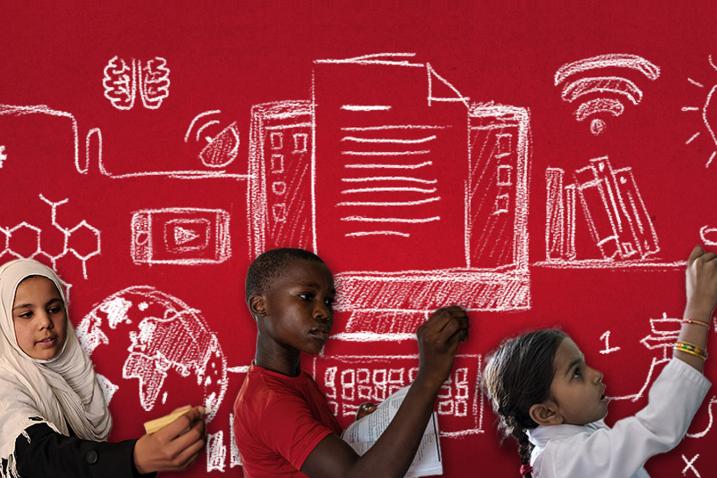
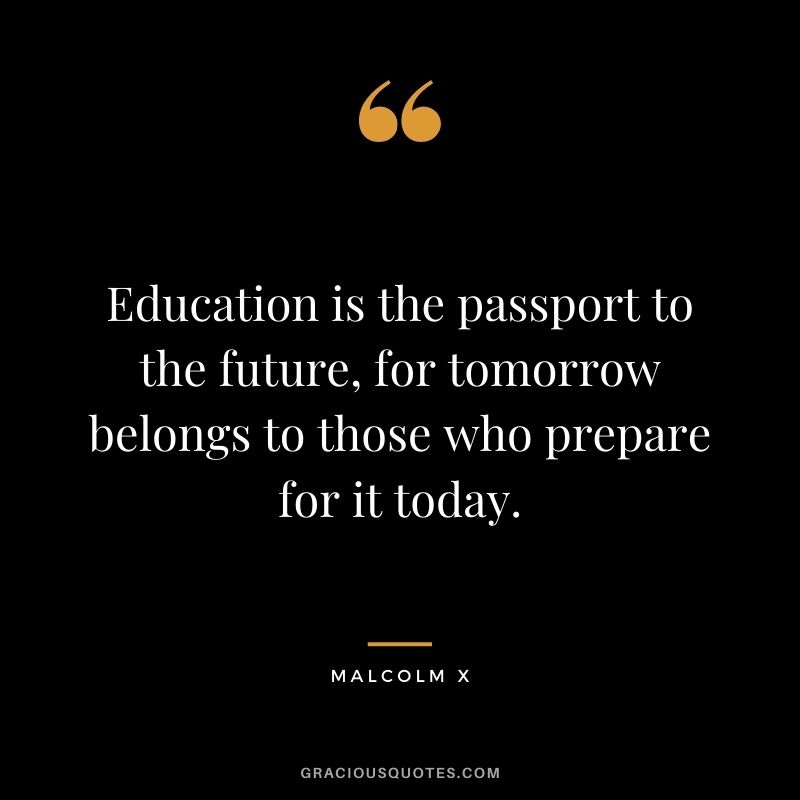
Education is not just a privilege; it’s a fundamental human right and a foundation for peace and development. Every year, the world comes together on January 24 to celebrate the International Day of Education. This day is a reminder of the power of education to transform lives, strengthen communities, and promote equity across generations. In 2025, the focus of the International Day of Education is set on a critical issue of our time: “Fostering Digital Literacy for All.” As digital technology increasingly shapes every facet of our lives, the emphasis on digital literacy reflects the need to equip individuals worldwide with the skills they need to thrive in a connected world.
The International Day of Education was established in 2018 by the United Nations General Assembly in recognition of education’s role in promoting global peace and sustainable development. Education is enshrined in Article 26 of the Universal Declaration of Human Rights, which calls for free and compulsory elementary education for all. The UN’s Sustainable Development Goal 4 (SDG 4) specifically seeks to “ensure inclusive and equitable quality education and promote lifelong learning opportunities for all” by 2030.
The UN dedicated January 24 as a day to emphasise education’s impact on economic growth, poverty alleviation, gender equality, and social mobility. It calls on governments, civil society, educators, and citizens worldwide to recognize and act on the critical role of education in solving some of the world’s greatest challenges. By shining a spotlight on education, the UN aims to drive attention and resources toward ensuring that everyone has access to quality education, regardless of where they live or their socioeconomic status.
Each year, the International Day of Education adopts a new theme that highlights a pressing global education issue. These themes reflect emerging challenges and underscore education’s vital role in addressing them. For instance, in 2021, amid the COVID-19 pandemic, the theme was Recover and Revitalize Education for the COVID-19 Generation, which focused on restoring learning opportunities disrupted by the pandemic. In 2022, the theme Changing Course, Transforming Education highlighted the need for innovation in education to keep pace with a rapidly changing world. These themes provide a framework for international organisations, policymakers, educators, and advocates to focus their efforts, raise awareness, and implement changes in educational policies and practices that align with global needs. The day serves as a global rallying call to prioritise education at all levels, address inequalities, and close the gaps in access, quality, and inclusivity in education systems worldwide. By raising awareness, the day encourages nations to make policy commitments, increase funding for education, and work towards equitable, high-quality education for all.
Education is central to the achievement of many of the UN’s Sustainable Development Goals (SDGs). In particular, SDG 4 aims to ensure inclusive and equitable quality education, which supports several other goals such as reducing poverty, achieving gender equality, and promoting decent work. Through initiatives linked to the International Day of Education, communities worldwide are empowered to take concrete steps toward these objectives. The celebration has inspired countries and organisations worldwide to take action. For instance, in some regions, governments have used the day to announce new educational initiatives, while NGOs have leveraged the platform to secure funding for education projects. These examples demonstrate the day’s potential as a catalyst for real change, mobilizing support for increased educational access and improvements across the globe.
In today’s digital era, literacy is no longer limited to reading, writing, and arithmetic. Digital literacy has become essential for participating fully in society, accessing economic opportunities, and engaging in lifelong learning. In 2025, the theme “Fostering Digital Literacy for All” addresses the pressing need to bridge the digital divide and equip people worldwide with the digital skills necessary to thrive in an increasingly digital world.
Digital literacy includes skills that allow individuals to use digital devices, communicate online, and critically evaluate digital content. It’s essential for success in the modern workforce, where most jobs require some level of digital proficiency. Moreover, digital literacy empowers individuals to access valuable information, navigate online services, and engage with society safely and responsibly. This is especially important in a post-pandemic world where education, work, and social interactions increasingly rely on digital platforms. The focus on digital literacy aligns with SDG 4’s goal of promoting equitable education, as it seeks to ensure that everyone, regardless of location or economic status, can gain the skills they need to engage in and benefit from the digital economy.
UNESCO, along with organizations such as UNICEF and the International Telecommunication Union (ITU), has been at the forefront of promoting digital literacy. Through initiatives like the Global Education Coalition, UNESCO partners with governments, private sector companies, and non-profits to provide digital learning resources, improve connectivity, and ensure that students and teachers in underserved regions have access to the tools they need for digital learning.
Some innovative initiatives have made significant strides in advancing digital literacy. For instance, in certain rural areas, mobile tech schools provide digital devices and internet access to students who lack these resources at home. In parts of Africa, mobile learning platforms bring educational content to students via cell phones, allowing for flexible learning in areas with limited internet connectivity. Government programs in countries like India have launched digital literacy campaigns that train adults and young people alike in essential digital skills. These programs highlight the transformative potential of digital literacy and serve as models that can be adapted and implemented worldwide.
While the benefits of digital literacy are clear, achieving universal digital literacy remains challenging due to barriers related to infrastructure, teacher training, and economic disparities. In many developing countries, access to digital devices and reliable internet remains limited. For digital literacy to become a reality, infrastructure investments are crucial. Expanding internet access to remote areas, providing affordable devices, and creating digital hubs in underserved communities are essential steps toward bridging the digital divide. Teachers play a vital role in imparting digital skills. However, many educators lack the necessary training to incorporate digital literacy into their lessons effectively. Ensuring that teachers are equipped with both digital skills and teaching strategies for digital literacy is essential for preparing students for a digital future.
Socioeconomic factors also play a major role in access to digital resources. Families with limited financial means may struggle to afford internet access or digital devices for their children. Addressing these disparities requires policy interventions and funding that prioritize affordable access to technology for all. Digital literacy cannot be achieved by governments alone. Collaboration with the private sector, community organizations, and local governments is essential. Many tech companies, for example, partner with schools to donate devices, offer training programs, and fund digital literacy initiatives. Community organizations also play a significant role by providing free or low-cost digital training programs, creating community tech hubs, and offering mentorship to individuals in need. For instance, in countries with limited educational resources, corporations like Google and Microsoft have partnered with local schools to provide teacher training in digital tools. Community-based initiatives, such as public internet hubs and volunteer-led tech literacy workshops, further contribute to building digital skills in underserved areas. Such collaborations demonstrate how partnerships can help make digital literacy accessible to all.
Anyone can support the cause of digital literacy. Individuals can volunteer with local literacy programs, mentor students in digital skills, or donate digital devices to schools and community centers. Raising awareness through social media or community outreach can also help amplify the need for digital literacy. Schools, non-profits, and companies can contribute by launching digital literacy programs, donating resources, or partnering with government agencies to expand access to digital education. Advocacy for policies that support digital literacy as a core educational component can also create lasting change.
The 2025 International Day of Education theme emphasises that digital skills are not a luxury but a necessity. For individuals to thrive in today’s world, they need to understand and utilise digital tools responsibly and effectively. Ensuring that everyone has access to digital literacy is essential for promoting equality, economic opportunity, and social inclusion. By supporting initiatives that promote digital literacy, each of us can contribute to a future where everyone has the skills they need to succeed in a digital world.










 Memories and Such