A couple of weeks ago, I visited an office at the Marina Bay Financial Centre and the views from the office were spectacular.
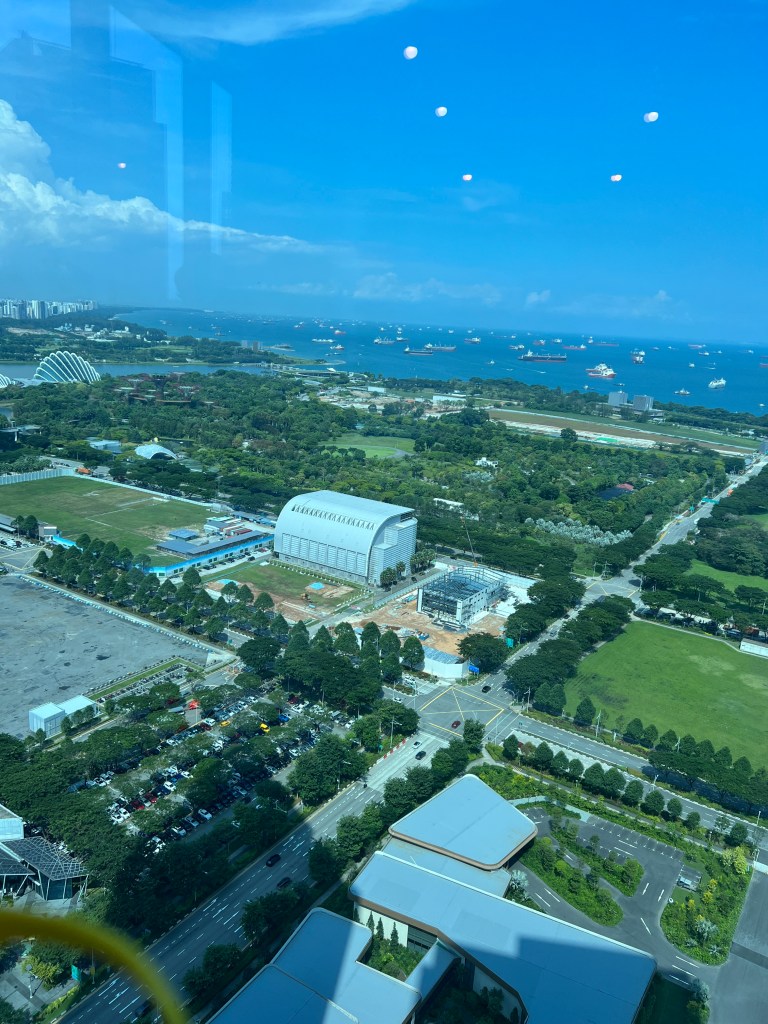
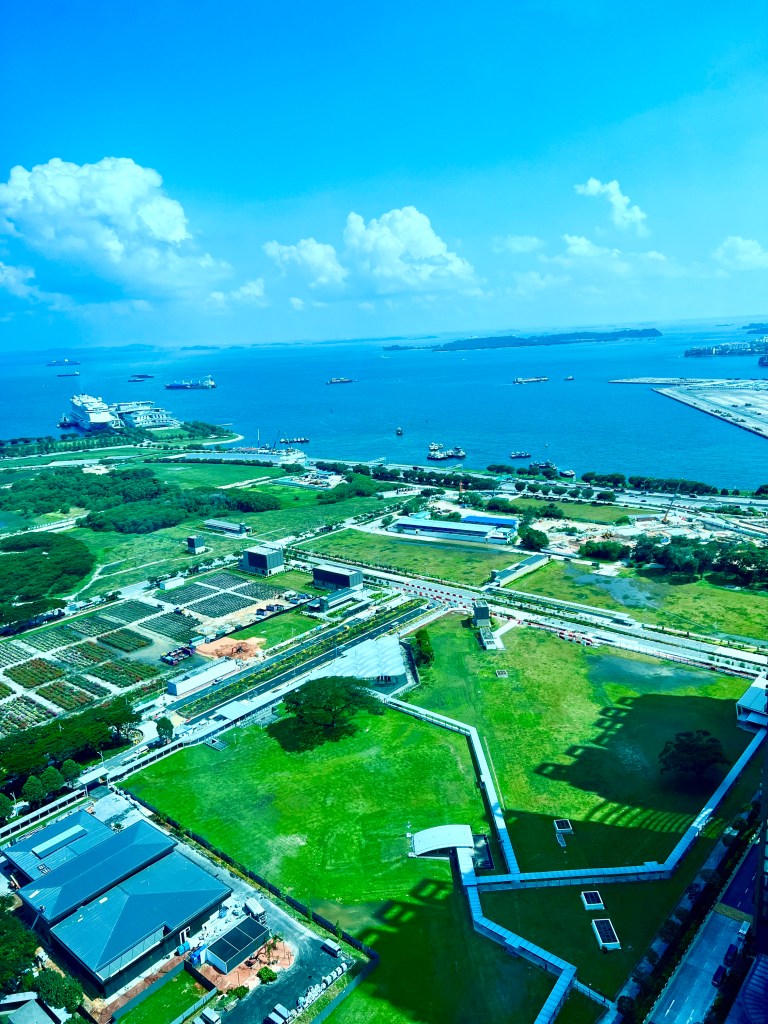
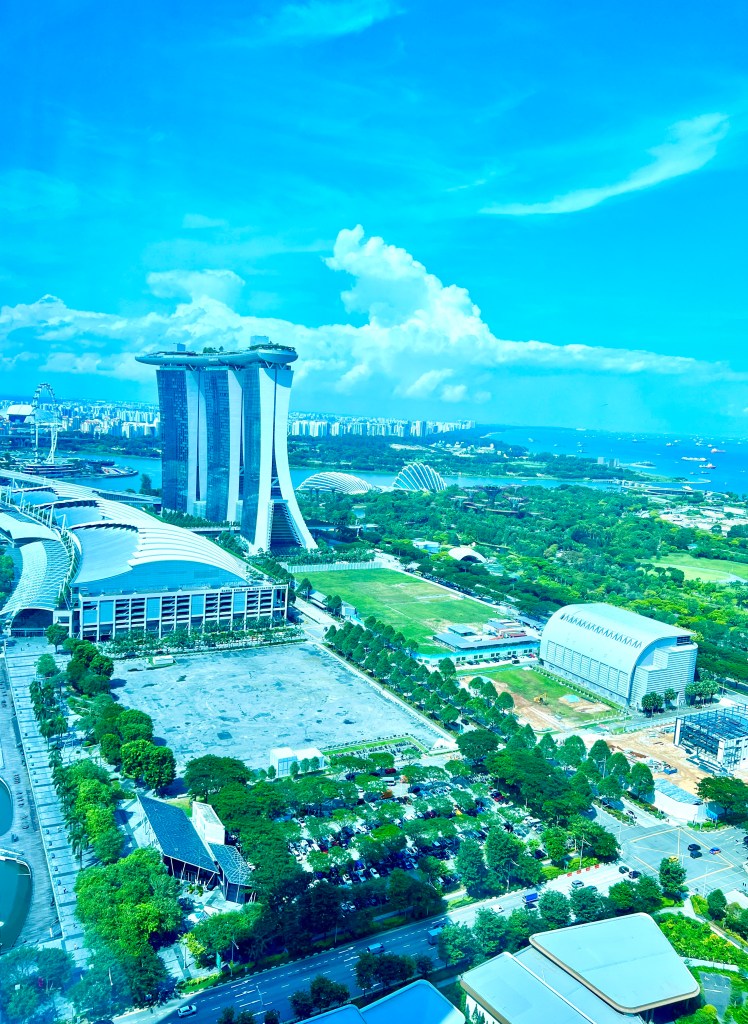
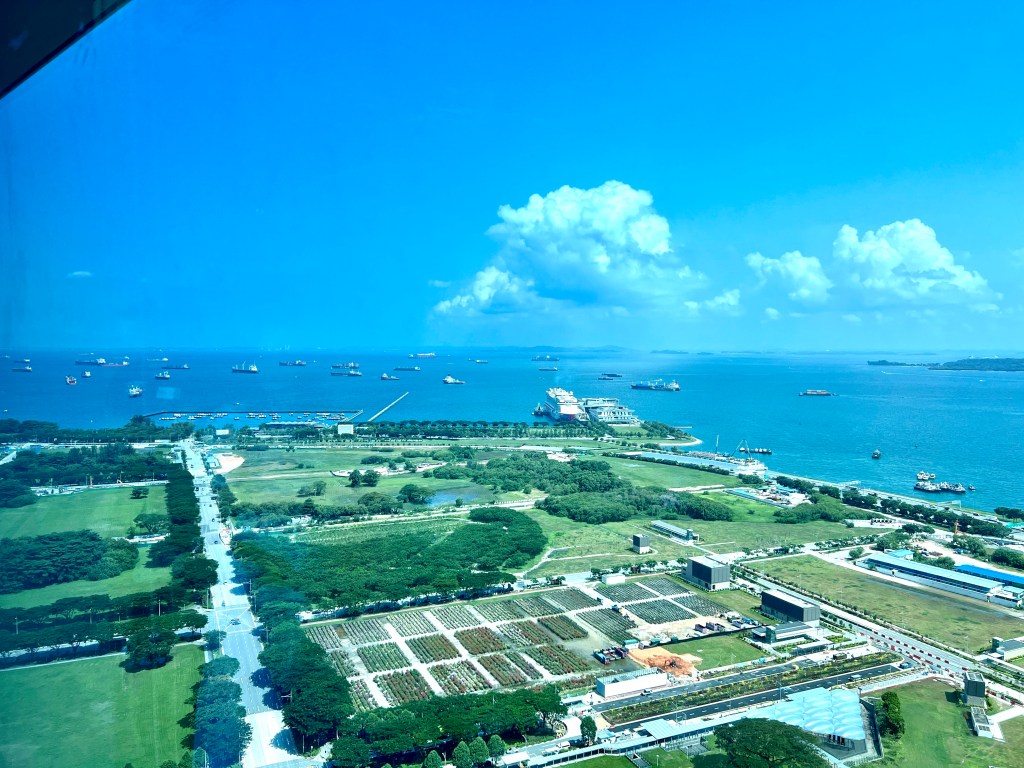

A couple of weeks ago, I visited an office at the Marina Bay Financial Centre and the views from the office were spectacular.

Yung Pueblo, the pen name of poet, writer, and meditation teacher Diego Perez, is the author of today’s quote. Born in Ecuador, he migrated to the United States in his early childhood and gained prominence through his writings on mindfulness, self-love, and personal development. The quote suggests that personal development and maturity involve accepting and embracing moments of vulnerability, discomfort, or emotional challenges. The quote implies that as individuals grow and evolve, they come to recognise that it’s normal and acceptable not to have everything figured out or to experience emotional lows. Being “okay with not being okay” signifies a level of self-acceptance and understanding that setbacks or difficult emotions are a natural part of the human experience. The quote suggests that true growth involves developing resilience and the ability to navigate through periods of discomfort without being overwhelmed by them. It’s about facing challenges head-on and using them as opportunities for learning and self-discovery. By encouraging acceptance of not being okay, the quote challenges the notion of perfectionism and the unrealistic expectation that one should always be in a state of contentment. It promotes a healthier perspective on the ebb and flow of emotions and life experiences.
It’s the last two weeks of the year and I am going to start clearing my leave, which means, I can start working on my writing and start planning what the blog will look like in 2024. I am looking forward to that this week.
In other news, well, there is no other news. BB is home from camp and will go back tomorrow. It’s always wonderful to have him back home. I am pleasantly surprised that he does not hate his BMT experience and doesn’t have many complaints about life in the barracks. Well, he needs to decide if this is something he wants to do more of and if he decides to sign on. I’ve told him, it has to be 100% his decision and this is something none of us will interfere in. We’ll know sooner or later what he decides and when he does, I will support him.
That’s all from me this week. Happy Holidays, everyone!
An Unsuitable Boy – Karan Johar and Poonam Saxena

Karan Johar is synonymous with success, panache, quick wit, and outspokenness, which sometimes inadvertently creates controversy and makes headlines. KJo, as he is popularly called, has been a much-loved Bollywood film director, producer, actor, and discoverer of new talent. With his flagship Dharma Productions, he has constantly challenged the norms, written and rewritten rules, and set trends. But who is the man behind the icon that we all know?
Baring all for the first time in his autobiography, An Unsuitable Boy, KJo reminisces about his childhood, the influence of his Sindhi mother and Punjabi father, obsession with Bollywood, foray into films, friendships with Aditya Chopra, SRK and Kajol, his love life, the AIB Roast, and much more.
This book is both the story of the life of an exceptional filmmaker at the peak of his powers and of an equally extraordinary human being who shows you how to survive and succeed in life.
Ipoh
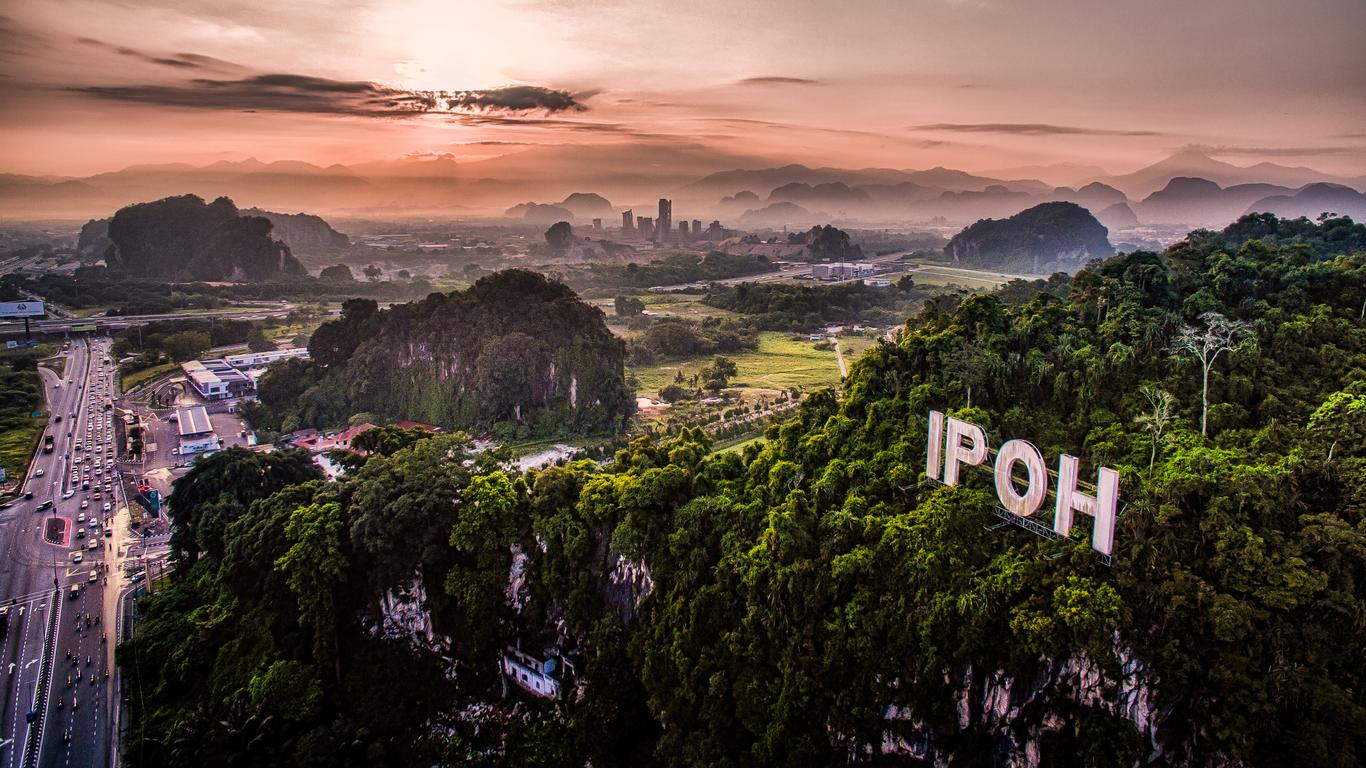
Let’s start with Ipoh, Perak’s capital. Located by the Kinta River, it is nearly 200 km north of Malaysian capital, Kuala Lumpur, and 150 km southeast of George Town in Penang. It is the eighth-largest city in Malaysia by population and is the country’s third-largest city. The city is also well known for its cuisine and natural attractions, such as its limestone hills and caves within which Buddhist temples were built. In addition, Ipoh has managed to maintain its reputation as one of the cleanest cities in Malaysia and is known as the gateway to Cameron Highlands.
Divided into Old Town on the west side and New Town on the east side by the Kinta River, Ipoh presents a unique mix of old-school charm and modern amenities. The local cuisine of Ipoh comprises freshly caught seafood and Chinese delicacies like Sar Hor Fun, or single-pot noodles and Tau Fu Fa, or soy pudding. The Heong Peng and white coffee are must-try specialties.
The name Ipoh is derived from a local tree, pohon epu, now more commonly known as pokok ipoh. The sap of this plant is poisonous and was used by local indigenous people mixed with Strychnos latex to coat the tips of their blowpipe darts for hunting.
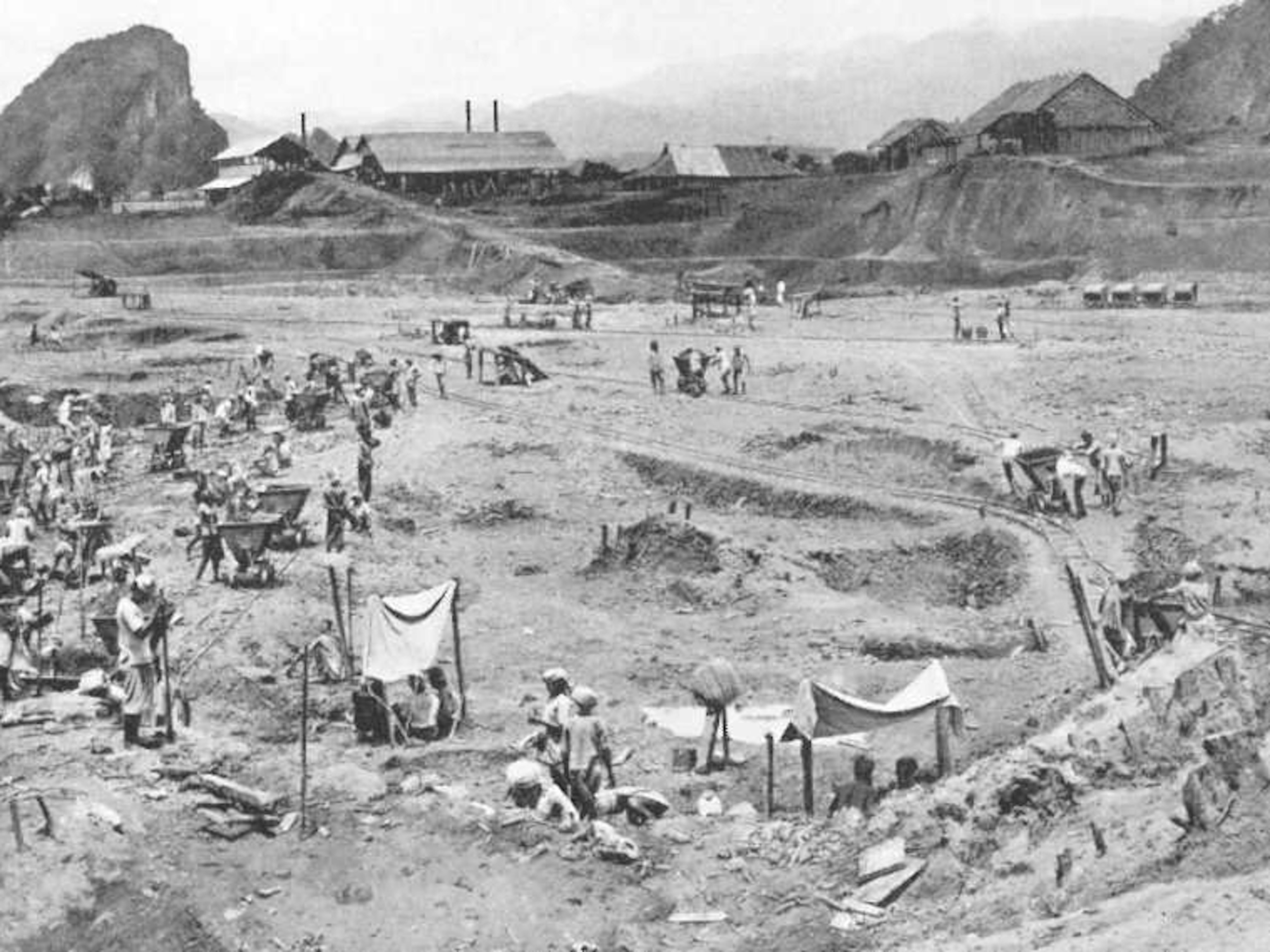
Originally a village, Ipoh, which is located in the central part of Peninsular Malaysia, began to grow rapidly in the 1880s after huge deposits of tin were discovered within its vicinity. The city is in the middle of the karstic Kinta Valley region, on the bank of the Kinta River and the confluence of the smaller rivers Sungai Pinji and Sungai Pari. Hills of limestone, called mogotes, surround the city, which can be found around suburban areas to the northeast, east and southeast. Its geographic location in the rich, tin-bearing valley of the Kinta River made it a natural centre of growth. The Great Fire of Ipoh in 1892 destroyed over half the town but also presented an opportunity to rebuild the town in a more orderly grid pattern.
By 1895, it was the second-largest town within the Federated Malay States, which also consisted of Selangor, Negeri Sembilan and Pahang. However, following the depletion of its tin deposits and the collapse of tin prices in the 1970s, the city suffered decades of decline and neglect. Ipoh was subsequently rebuilt in time for the second tin rush and grew rapidly as a result of the booming tin mining industry, particularly in the 1920s and 1930s. A local Hakka miner, millionaire Yau Tet Shin, started developing a large tract of the town in the early 1930s, today known as the New Town, from the eastern bank of the Kinta River to Greentown. In 1937, Ipoh was made the capital of Perak, replacing Taiping.
Ipoh was invaded by the Japanese on December 15, 1941. After the liberation of Malaya by British forces, Ipoh remained the capital of Perak, as it does to this day. With the closure of the tin mines, its urban population was forced to seek employment in other cities within Malaysia. Despite this, Ipoh remains one of the largest cities in Malaysia in terms of population, with tourism now a main driver of the city’s economy.
The Keledang mountain range stretches from the north to the west of the city. This range runs parallel to the Bintang mountain range, with the Perak River running on its left bank and the Kinta River to its right. This range is interrupted to the north of Ipoh by a tributary of the Perak River called the Pelus River, which is sourced from the Titiwangsa mountain range, which runs to the east of Ipoh. Mogotes are the most prominent natural features of the city. There are many caves in these outcrops, some of which have cave temples built in them. The Sam Poh Tong Temple is a notable example, along with Kek Lok Tong or the Cavern of Utmost Happiness, which lies on the other side of the same outcrop. It is accessible through the Gunung Rapat housing area. Other cave temples in Ipoh include Ling Sen Tong, Nan Tian Tong, Kwan Yin Tong and Perak Tong.
Gua Tempurung, near Gopeng, south of Ipoh, is a show cave open to the public and popular among spelunkers. More than 3 km long, it is one of the longest caves in Peninsular Malaysia. Part of it has been developed with electric lighting and walkways, and there are tours of varying lengths and difficulty. A river passage runs about 1.6 kilometers through the hill. There are five large chambers filled with spectacular speleothems, which include stalactites and stalagmites.
Located in Gunung Rapat, the Kek Lok Tong Cave Temple is also known as Kek Look Tong. Set amidst huge limestone caves consisting of a number of metal Buddhist and Taoist statues, the temple is known for its award-winning landscape gardens inside the cave. Established as a permanent place for religious activities in the 1970s, the temple is spread over 12 acres of land, comprising a central altar with several Buddhist figures and deities of the Chinese pantheon. Translated as the Cave of Ultimate Bliss, it is a local favourite among Ipoh’s cave temples. The temple is open from 7 am to 7 pm.
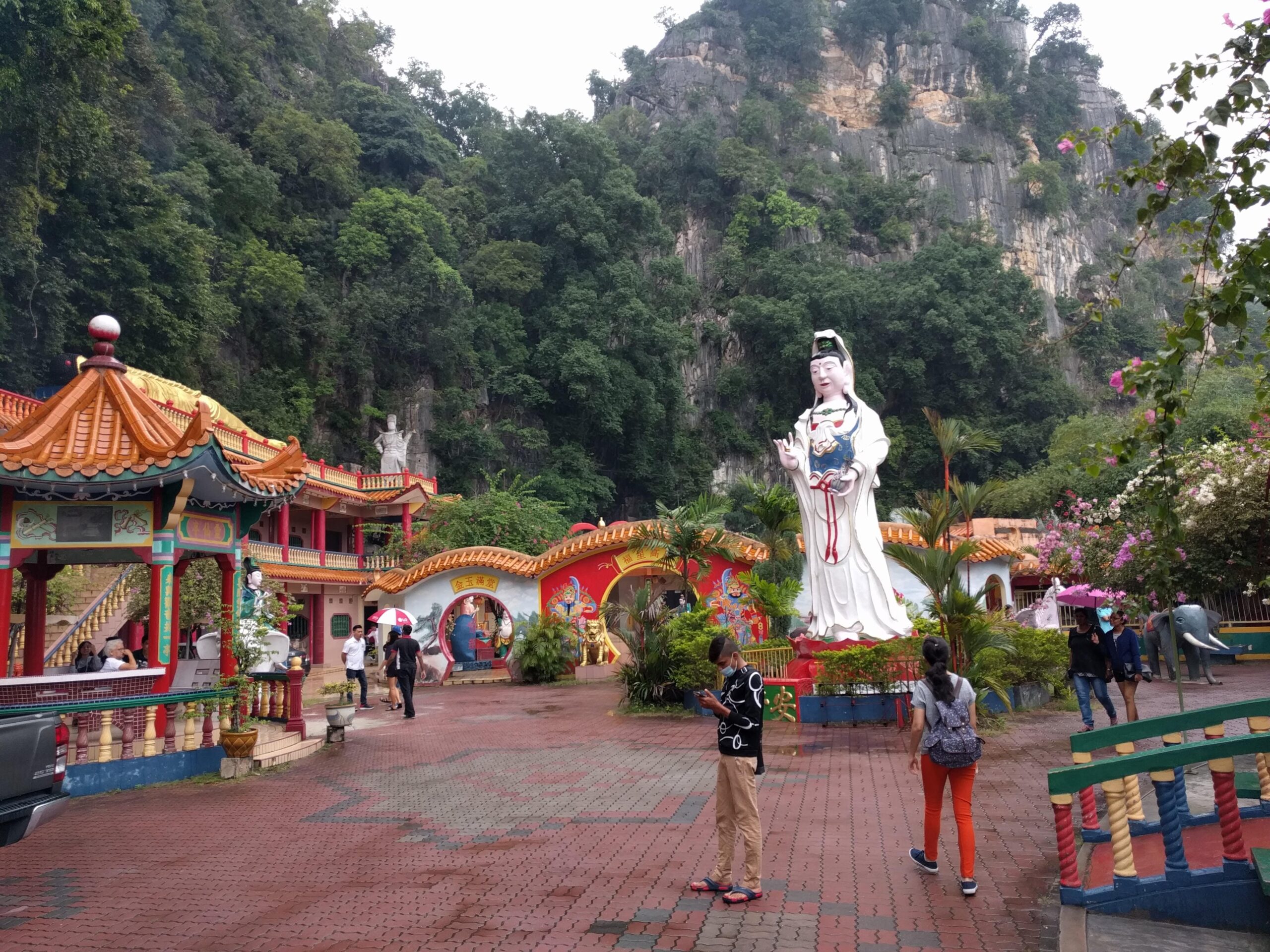
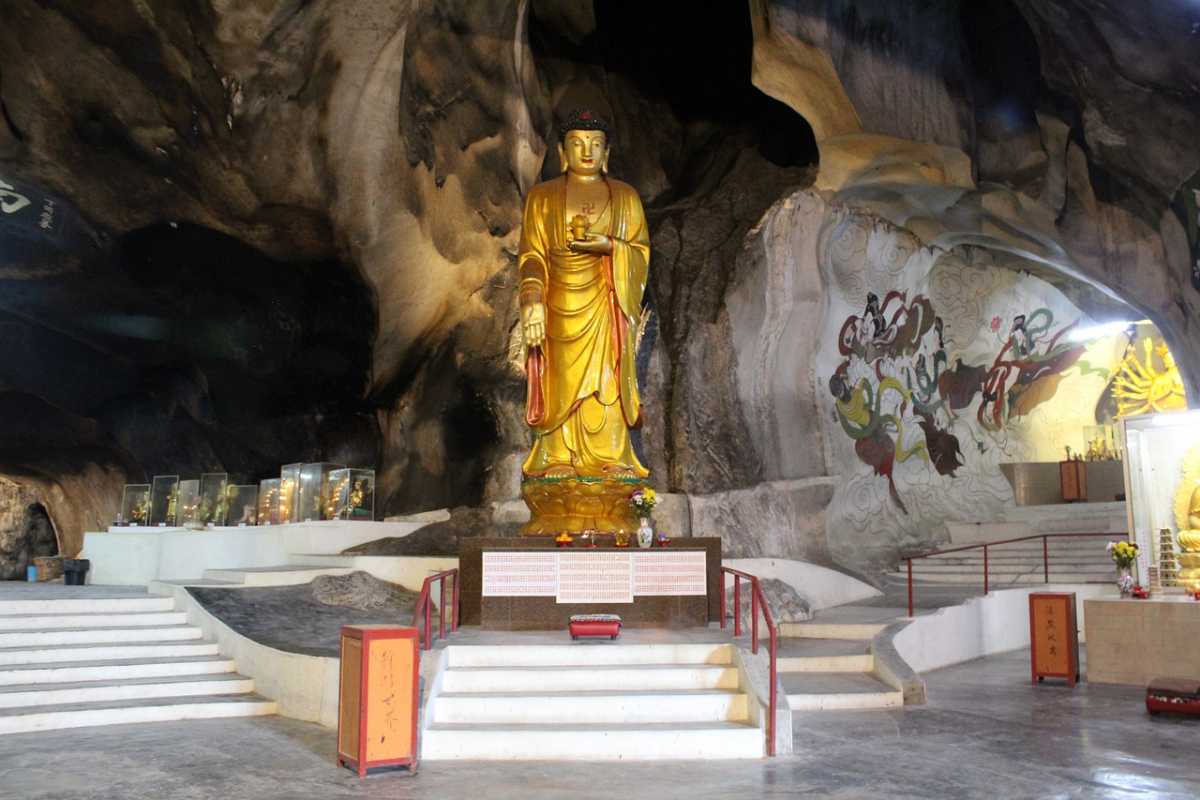
Perak Cave Temple is a Buddhist temple situated in a limestone hill at Gunung Tasek. Popular for its stunning architecture, it is built into a huge cave with a 40-foot-tall sitting Golden Buddha statue surrounded by four guardian deities, called goddesses. One interesting feature is the staircase of 358 steps behind the main altar, lined with pavilions and gazebos. The view from the top is spellbinding. Another flight of 400 stairs leads to a double-storey pavilion. The colourful mural on the walls depicts events and characters from Chinese folklore and Buddhist scriptures. The main hall is a huge cave, with the exteriors painted in red and white. The walls are adorned with hand-painted frescoes depicting Chinese mythological events, characters, Buddhist scriptures and Chinese calligraphy. Outside, a lush garden with a pond in the middle and an 18-armed statue of Kuan Yin, the Goddess of Mercy, greets the visitors. The temple is open daily from 8 am to 5 pm.
The Sam Poh Tong Cave Temple, situated in Gunung Rapat, is a cluster of three Chinese limestone cave temples, Ling Sen Tong, Nam Thean Tong and Sam Poh Tong, adorned with natural and manmade artistic attractions. The oldest and main cave temple in Ipoh affords a spectacular view of the town. A major attraction is the reclining Buddha statue. The temple consists of a columbarium that looks like a 4-story blue apartment with 246 steps to reach an open area to get an unmissable view of Ipoh. In front of the temple is an attractive landscape garden consisting of a large fishpond and a feeding area for fish and tortoises. Ling Sen Tong and Nam Thean Tong are close to each other, while Sam Poh Tong is a little further. The temple is open from 7 am to 2:30 pm.
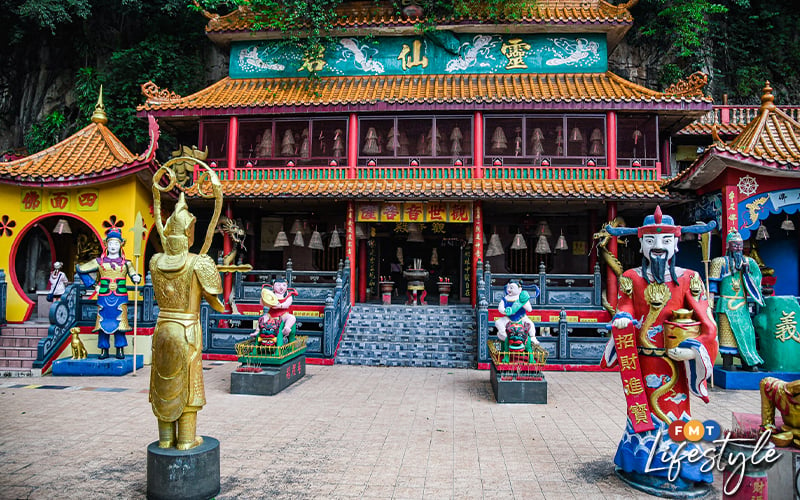
Also located at Gunung Rapat, the Ling Sen Tong Temple is a charming Taoist temple located next door to Nam Thean Tong and Sam Poh Tong. The temple comprises several attractive statues of different characters and deities from Chinese folklore and mythology. Ling Sen Tong translates into rocks of heavenly spirits and presents a combination of Taoist and Buddhist culture. There are numerous worship altars in the temple, developed in the main compound. Statues of the four heavenly kings can also be found on the front roof. The renowned pomelos of Ipoh are available at the shops situated in front of the temple. The temple is open between 9 am and 6 pm daily.
In the foothills of the limestone hills of Gunung Rapat lies the Buddhist cave temple of Mercy, the Kwan Yin Tong Temple. Extending up to 20 meters below the cliff, this cave temple worships the Goddess of Mercy, Kwan Yin, or Guan Yin. The Kwan Yin Tong Temple is the second-oldest cave temple in Ipoh and has seventy-five Kwan Yin statues surrounding the cave area, along with hundreds of small golden Buddha statues. Open 24 hours a day, the whitewashed temple area is serene, possesses wall murals depicting religious stories about the Kwan Yin and has a natural cave-structured roof. Quite famous for the wish-granting water fountain, this cave temple also has a small terracotta pagoda, attracting tourists from around the world. Also known as Tokong Kwan Yin Tong, visitors can also buy small Kwan Yin statues from the temple area along with incense from the residing stall. A little trek from the cave will lead you to the bigger statue of Buddha seated at a higher level under a Bodhi tree, set against the backdrop of the beautiful limestone hills. Apart from this the 3-D Art Museum, statues of eighteen arhats and animals, and the shrine for pet dogs are located here.
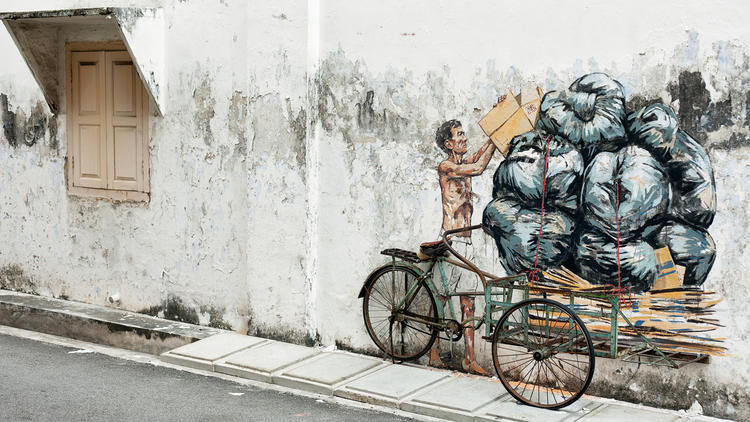
Art of Oldtown is a collection of seven beautiful murals scattered across Ipoh. The murals are beautiful 3D wall paintings giving a glimpse of the local style, culture, and history of the town. The murals were created by Ernest Zacharevic. The seven murals include an old uncle with a coffee cup and a paper plane outside the Old Town White Coffee café, Kopi-O, a yellow hummingbird, very close to the Kopi-O one, evolution which is based on Ipoh’s tin mining past, a trishaw which consists of an actual trishaw which has been cemented to the wall and represents a man collecting recyclable items like tins and cartons on the trishaw, and a girl standing on plastic chairs and some thick books so that she can reach the cage in which there are birds.
The Tanjung Tualang Tin Dredge No 5, also known as TT5, is a former tin mining dredge, open to the public for taking a guided Dredge Tour, a panning and a self-tour inside the gallery while also exploring the magnificent view of the landscape. At a 40-minute drive away from Ipoh, it is the only remaining tin Dredge in Malaysia and provides an insight into the tin mining heydays of Malaysia.
This Dredge remained in operation for 44 years until the sharp decline in the Malaysian tin industry in 1982. It was then all the dredges were disposed but this Dredge was saved under the ‘Save the Dredge’ campaign. It was restored and preserved and then opened to the public. The tin dredge scooped loads of tin bearing soil from the water, which was passed through an oscillating drum and a system of jigs and screens to extract the tin. The waste material was then spewed out.
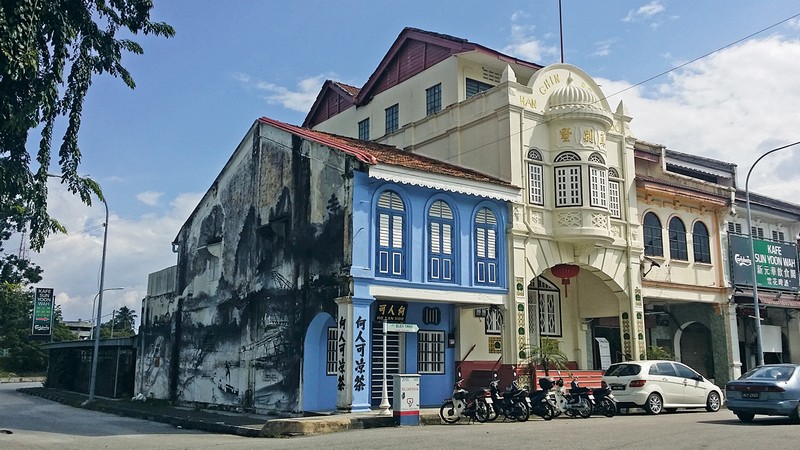
Located next to the Han Chin Pet Soo Museum, the Ho Yan Hor Museum shares amazing stories of Ho Yan Hor, the tea brand who have been in existence since the 1940s and who are known for their Chinese herbal tea. The museum is built at a two-story building where Dr Ho started this tea business. The tea has a special blend of 29 natural herbs blended with premium Pu Erh tea leaves. It is said that the original recipe had many health benefits. It lessened the heatiness of the body, helped overcome illnesses like the common cold and had antioxidants. The museum has colourful walls painted by Chin Choon Yau with exhibits showing the growth of Ho Yan Hor. The 25 secret ingredients of the tea on display. On the ground floor, there is a kitchen with antique cupboards and cabinets and a large stove in the centre. Near the end of the exhibits, visitors can see a short video about Ho Yan Hor and at the end of the museum tour, visitors can sample some of their best teas. The museum is closed on Mondays and on other days, is open from 10 am to 4 pm.
Han Chin Pet Soo is a three-storey Hakka tin mining museum located along Jalan Bijeh Timah, close to the Kinta River in Ipoh’s Old Town. This heritage building houses antiques, collectibles, furniture, decoration, photographs, authentic tools, and equipment from the tin mining era. The museum was originally a miner’s club named Hakka Miners’ Clubhouse founded in 1893 by Leong Fee, a tin miner. Entry to the Han Chin Pet Soo museum is only through prior appointment. With a collection size of 1500+, the museum vividly brings to life streets scenes, the regular ongoings of the club in its heydays and tin mining process. To visit the museum one needs to make an appointment at least 30 days prior through their official website or in person. The maximum number of persons allowed at a time for 1 tour slot are 20.
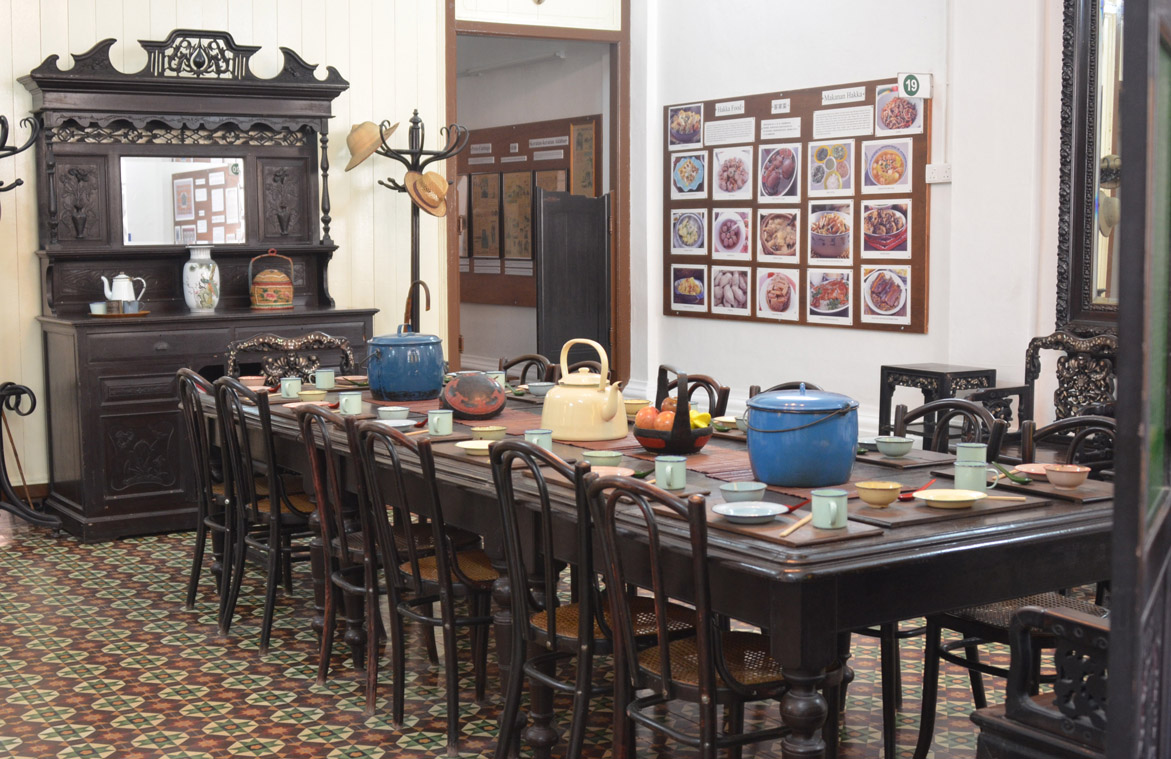
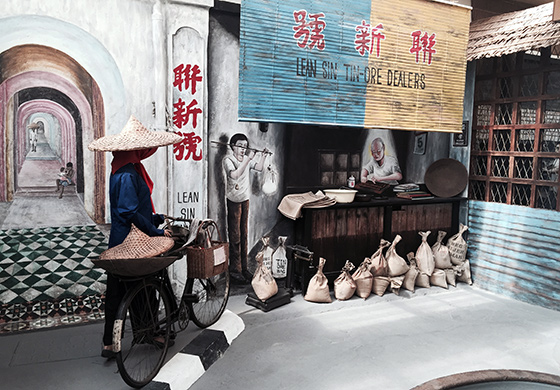
An 11-minute black and white documentary explaining the methods and process of tin mining is shown in a small cinema, formerly a bedroom. The section illustrates the mining process with the help of original mining equipment on display. The ground floor has a long dining table, laid with enamel tableware, kept in between 2 large mirrors. This was the dining area when the club held parties. 1929-style kitchen has been recreated full of kitchen equipment belonging to that era like brass utensils, tins, charcoal, and wood-fired stoves. A town square has been shown in the rear courtyard bringing the scene from a typical Ipoh Street to life. Wall murals depicting a tin shop, a tin dredge, a street along with original artefacts and period hats, form a perfect background for a picture.
The first floor of the building is designed in such a way so as to give a picture of how the club would have looked had it been in full swing. The 4 Evils refer to the 4 activities that the club members, aka miners indulged in – gambling, smoking, prostitution and triads or secret societies. The top floor lays light on the eventful 1000-year long history of Hakka people and their wide-scale migration from China. This was the guest floor which today has recreated bedrooms of the 1930s and 1960s. Appointment slots are available from Tuesday to Sunday at 9, 10, and 11 am as well as at 2, and 3 pm. The museum is closed every Monday. Entry fees are free for personal or family tours. For those who wish to donate for the upkeep of the museum, the recommended donation is RM 10 for adults and RM 5 for children. Commercial tour companies need to compulsorily pay RM 10 per head for adults and RM 5 per head for children and students.
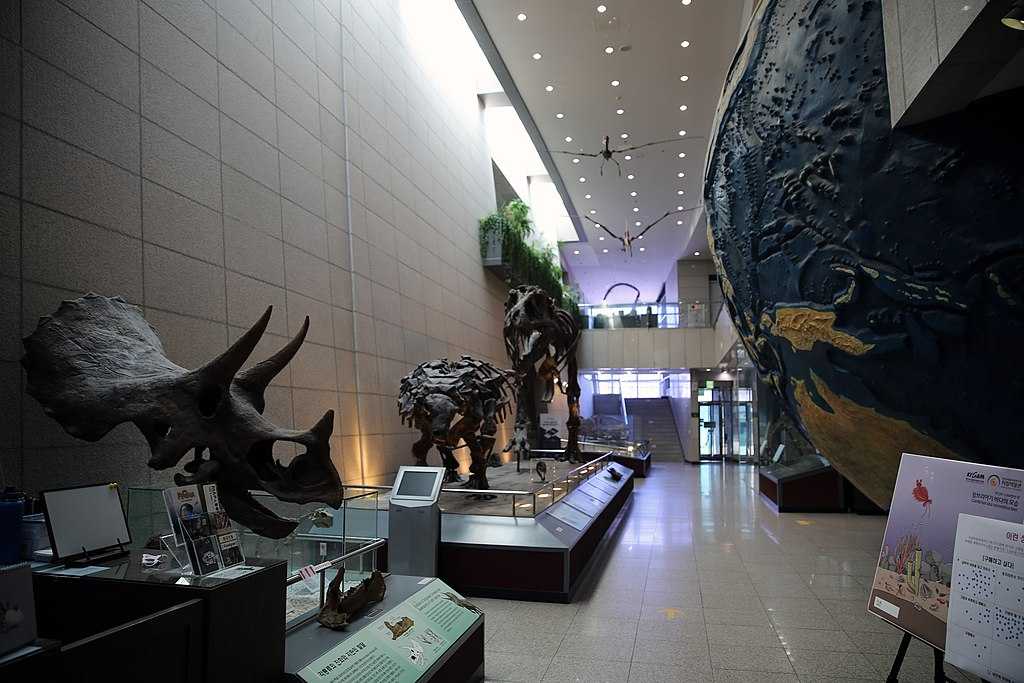
The Geological Museum Ipoh exhibits the heritage of the geology of Malaysia since 1957. Crafted with modern architecture, the museum encircling an area of 343 Square Metres, also houses 600 minerals, more than 200 gemstones of the region, crystals, and dinosaur fossils. The Geological Museum has seven divergent zones exhibiting history to artefacts, murals, mining equipment, mineral exploration journeys, and several aspects of geo-heritage. A section of the Department of Minerals and Geoscience in Malaysia, this museum exhibits more than 200 fossils and 150 rock specimens placed within a timeline. The museum is divided into seven different zones, depicting artifacts and the history of Malaysia and its geology. Entry is free and and the museum is closed over the weekends and on public holidays. On Mondays to Thursdays, it is open, it is open from 9 am to 12:30 pm and then again from 2 to 4:30 pm. On Fridays, it is open from 9 am to 12 noon and then from 3 to 4:30 pm.
Also known as the Menara Jam Peringatan Birch, the Birch Memorial Clock Tower is a beautiful clock tower in a square inside Old Ipoh. The four-sided tower is surrounded by four statues representing the four pillars of the British administration. According to some, the four sides or the four bells of the clock tower depicts the four stages of civilisation. The Clock Tower was built in 1909 in honour of James W. W. Birch, the first British resident of Perak who was murdered by a local Malaysian chief in 1875. It is a beautiful place for walking around and capturing pictures.
The four-sided Victorian style tower majorly consists of two levels. On the first level there are four statues around the centrepiece which demonstrate the pillars of British administration namely justice, loyalty, patience, and fortitude. The four panels on the second level showcase the growth and development of civilization with murals. Panel A towards north depicts the iron age and stone age, Panel B towards west depicts the far East, Greece and Rome, Panel C towards South depicts The Age of Chivalry and the Byzantine Empire, Panel D towards East depicts modern science, social service and art. The murals exhibit professions from different eras. The chief bell is a 6 feet 6 inch one with a 1.95m-diameter bell and four other bells used for striking the chimes of Big Ben.
The Leaning Tower of Teluk Intan is a clock tower located in Teluk Intan and is known to be equivalent to the Leaning Tower of Pisa because it is also tilted to the left. Originally built as a water storage tank to be used in the dry season, the tower is also used as a time-keeper as it holds a massive clock at the top. It became a national monument after Malaysia’s independence. The tower has a pagoda-style structure influenced by Chinese architecture. It is 25.5 meters tall and appears to be an eight-storeyed building. However, with a closer look at the Tower, one will find the monument to be three-storeyed and not eight. Each of these storeys is five meters high, and one needs to climb 110 steps to reach the top of the tower. The reasons for the tower to lean in the southwest direction are because of the soft ground it has been made on and the weight of the water in the water tank. The building is made of bricks and wood, and the local people have contributed to the cost of constructing it.
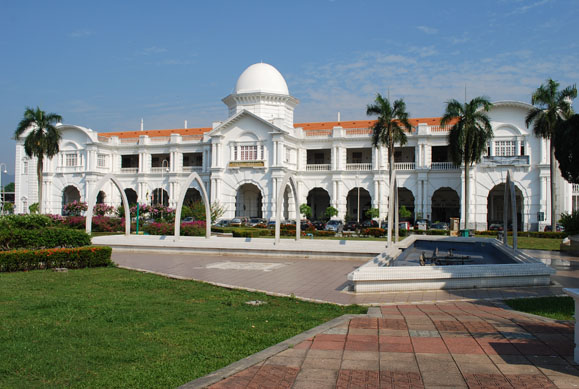
Located 3 km southwest to the city, the Ipoh Railway Station is built in the Mughal style of architecture and is known as the Taj Mahal of Ipoh. Constructed by Arthur Benison, the station was opened to the public in 1935 and has been reconstructed in 2008 as part of KTMB’s double tracking and electrification project. The building was initially supposed to serve as a hospital; however, it was converted to a railway station. There is a cenotaph in front of the building where visitors can pay their respects to martyrs. The station combines Moorish and Victorian styles of architecture and is influenced by the Mughal style, like Kuala Lumpur Station. The exterior is western in design and its lower base follows rustication, which is a stark difference to the smooth textures on the top. There is a large dome in the centre of the building which is supported by engaged columns. Visitors can also find miniature chhatris, a popular Indian architecture, on either side of the column in the station.
The station is overlooked by the Ipoh Station Square which basically functions as a garden park. It has been revamped several times and currently features as Ipoh’s Heritage Square. A War Memorial has been erected in the square as a tribute to those who died in the world wars as well as those who died in their duty to their nation. It is also home to the Ipoh Tree, which was planted around 1980, as a tribute to the city. The colonial-era Ipoh Town Hall is built in an Edwardian Baroque architectural style. Formerly housing many government offices, the building is now used as a venue for weddings and other public events.
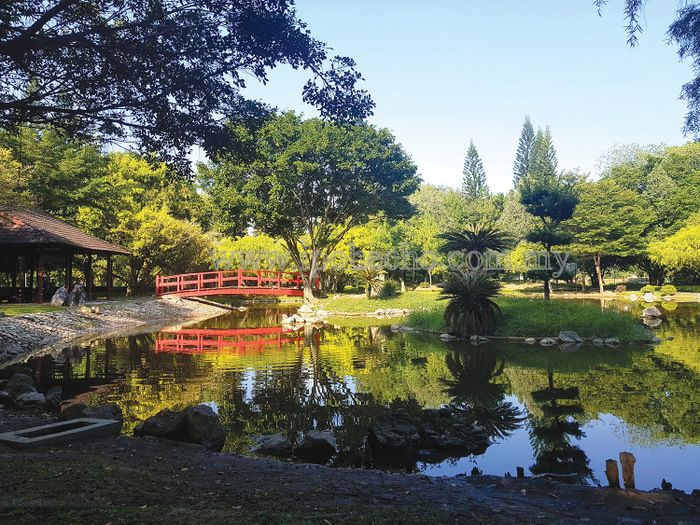
Dr Seenivasagam Park is a prominent recreational park in the city with the main highlight being the Japanese Mini Garden. The park was opened in the 1950s and is named after Dr Seenivasagam, a prominent politician. The park also features lakes that have beautiful concrete bridges on top of them. Apart from its natural beauty, it also features a gigantic bamboo thicket and a playground for small kids. The D.R. Park, as called among the locals, also houses the Lions Monument and a time capsule.
Located just 5 km from Ipoh, the Gunung Lang Recreational Park has many facilities like boating, fishing, canoeing, and relaxing in the gazebos. Set against the backdrop of limestone mountains of Gunung Lang and Gunung Bilike, the park covers an area of 30.35 hectares including 14.16 hectares of lake areas. The park is open from 8 am to 12 noon and then again from 1:30 to 7 pm on Mondays to Thursdays and from 8 am to 12 noon and then from 2:45 to 4 pm on Fridays. On weekends and public holidays, the park is open from 8 am to 6:30 pm. Boat rides cost RM 3 for adults and RM 1.5 for children between 3 to 12. Entry fees into the park are free.
Located in Jalan Tambun, Sultan Abdul Aziz Recreation Park is ideal for walking, jogging, exercising, relaxing, and other leisurely activities. A section of the park is a children’s playground, complete with swings, slides, merry-go-rounds, trampolines, and more. The red clay jogging tracks are distinctly marked and lined with trees. There are steel bars for exercise and gymnastics as well. A separate courtyard is assigned for skaters and rollerbladers. There is also a lake with lotus leaves floating near the shore. If famished, you will find mobile food vendors inside the park. The park is locally referred to as the Polo Ground.
Qing Xin Ling Leisure & Cultural Village is an eco-tourist spot near Ipoh. Nestled amid sky-high cliffs of limestone hills covered in lush forests, the village features emerald-green lakes, koi ponds, and lakeside cottages where visitors can feed fish. The blend of staying in an authentic Malay hamlet with well planned amenities. There are natural caves, dirt trails, and mountain brooks to explore. Visitors can have their fortunes told by a practitioner of Ba Zhi, a Chinese astrological concept based on the Four Pillars of Destiny. At the centre of the cultural village is a vast ancient Banyan tree with many red strings tied around its trunk. This tree is believed to grant wishes, as per Chinese myth. At Memory Lane one can take a nostalgic uphill walk along the hills lined by windmills and make-believe street shops.
The Gerbang Malam or the Night Gate Market is located at Jalan Dato Tahwil Azar in Taman Jubilee. It is a vibrant marketplace that comes alive every evening with the cacophonous exchanges of buyers and sellers. Shops sell all kinds of goods here and the food stalls are very popular. The market is open daily from 6 pm to midnight.
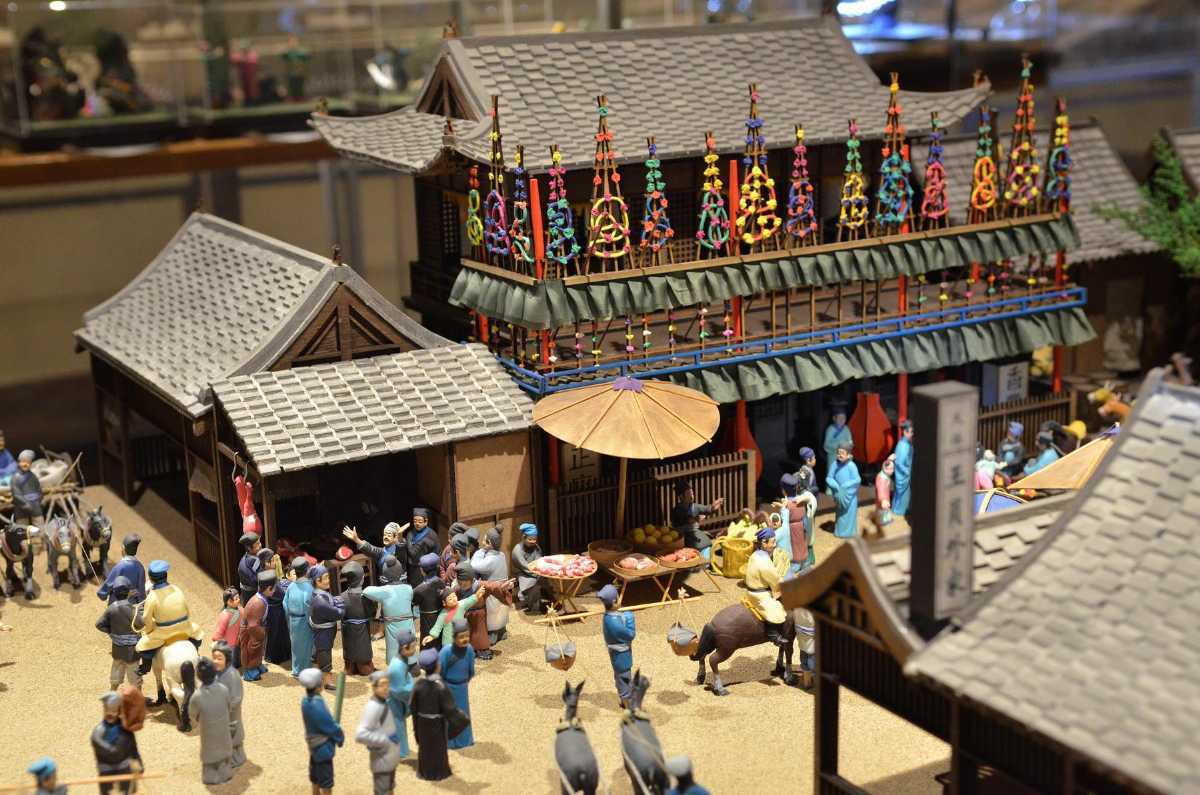
Located centrally in the Jalan Market in Ipoh Old Town, the Miniature Wonders Art Gallery is a small but unique gallery that displays dough sculptures. The gallery is owned and managed by Phoon Lek Kuin and his wife. The figurines, as much as 5.5cm in height, are mainly made by Phoon’s father-in-law, Xu Shi- Ying whereas the landscaping is left to Phoon. There is no entry fee but RM 5 has to be paid to visit the second storey. The art gallery is open between 8:30 am and 6 pm.
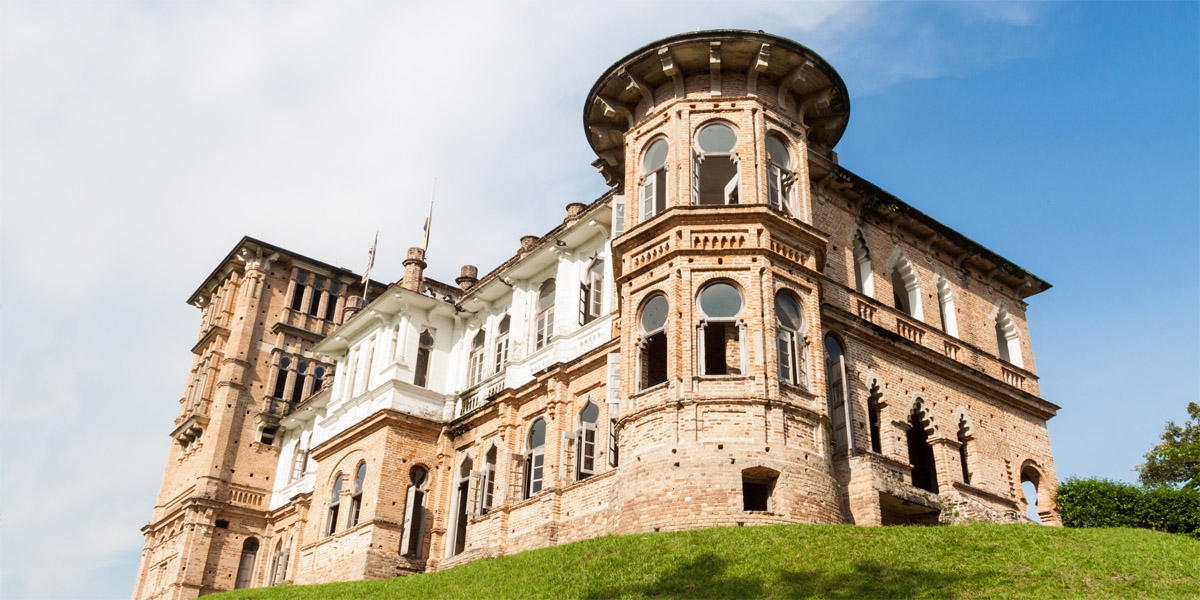
The unfinished, gothic, and ruined mansion of an ambitious Scottish Planter, Mr. William Kellie Smith, Kellie’s Castle is in Batu Gajah. With several ghost-sighting reports, the castle is believed to be haunted by many. Set on a hill with a gorgeous backdrop, the Kellie’s Castle has been used for filming scenes in movies.
In 1926, Scottish engineer William Kellie Smith arrived in Malaya. After a few years, he ventured into the rubber plantation business and made his fortune. In 1915, he started building his dream castle with elements from Indian, Tamil, Moorish, and Scottish architectural styles. With bricks and marble imported from India, he hired 70 highly skilled Tamil craftsmen to work on the opulent castle. World War I led to shortage of funds during the castle’s construction and the Spanish fever epidemic decimated the artisans. This halted construction and on the request of the workers, a Hindu temple was built 1.5 km from the castle as a means of protection against the disease. Construction resumed after the epidemic ended, but another tragedy unfurled.
William Kellie Smith died an untimely death at the age of 56 after contracting pneumonia. The family never returned to Malaya and sold the unfinished castle to Harrisons and Crosfield, a British company. Left dilapidated in the jungle, the mansion never reached its completion. Later, on realizing its potential as a promising tourist attraction, Kellie’s Castle has been restored enough to be visited by tourists.
As per the original plan, the mansion was meant to have Malaysia’s first-ever elevator, a rooftop courtyard, and an indoor tennis court. A tunnel running under the castle is believed to be connected to the nearby Hindu temple. However, it has been sealed citing security reasons. It is also believed there are several other tunnels as well. What further adds a spooky element to the structure is the several secret chambers in the castle never dared to be explored owing to weak staircases. The wooden wine cellar and the elevated shaft for the elevator are other intriguing features.
Kellie’s Castle is regarded as a spooky place with many visitors claiming to witness dark shadows of supernatural figures in the mansion. Many others have narrated the same account of a how a ghost of a 6-year-old child with curly hair wearing a white blouse roam in Helen’s who was William’s daughter’s room and is believed to be that of Helen. Another tale talks about a how a woman tourist who visited the castle with her husband, saw a ghostly man, standing on the balcony staring into nowhere. Many believe that the ghost of William guards the castle. Yet another story says that the mansion was secretly used as a torture-house by the Japanese, and thus, the ghosts of the victims haunt the castle. Kellie’s Castle is open daily from 9 am to 6 pm and entrance fees for adults is RM 10 while children need to pay RM 9.
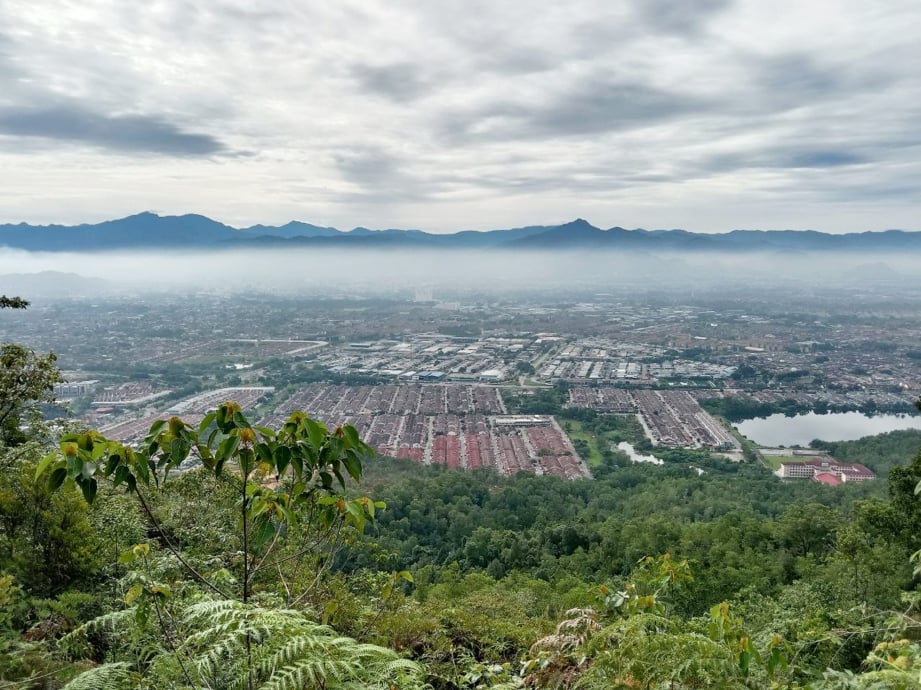
Kledang Hill offers a spectacular loop hike route ideal for beginners and experts alike. The total distance of the trek is 10.3 km, gaining an average altitude of 824m, and will take 4.5-5 hours to complete. The trail is easy in most parts but challenging in some. The gradient is quite steep, and can exhaust the trekker. The course is a combination of asphalt roads, dirt trails, and concrete staircases with railings. The first stop is the viewpoint at 350m, from where one will get an unobstructed, serene vista of Perak below. At the summit is a gazebo where one can rest before descending. There are toilets and resting shacks here and there.
Located in the northern stretch of Ipoh, the limestone formations of the Lang mountain, also known as Gunung Lang, is a must-visit spot. This area was explored in 1880 and discovered by a Malay tin miner. Adjacent to the Gunung Lang is the Gunung Lang Recreational Park, attracting tourists to its serenity bounded flora and fauna, lake, and boat rides.
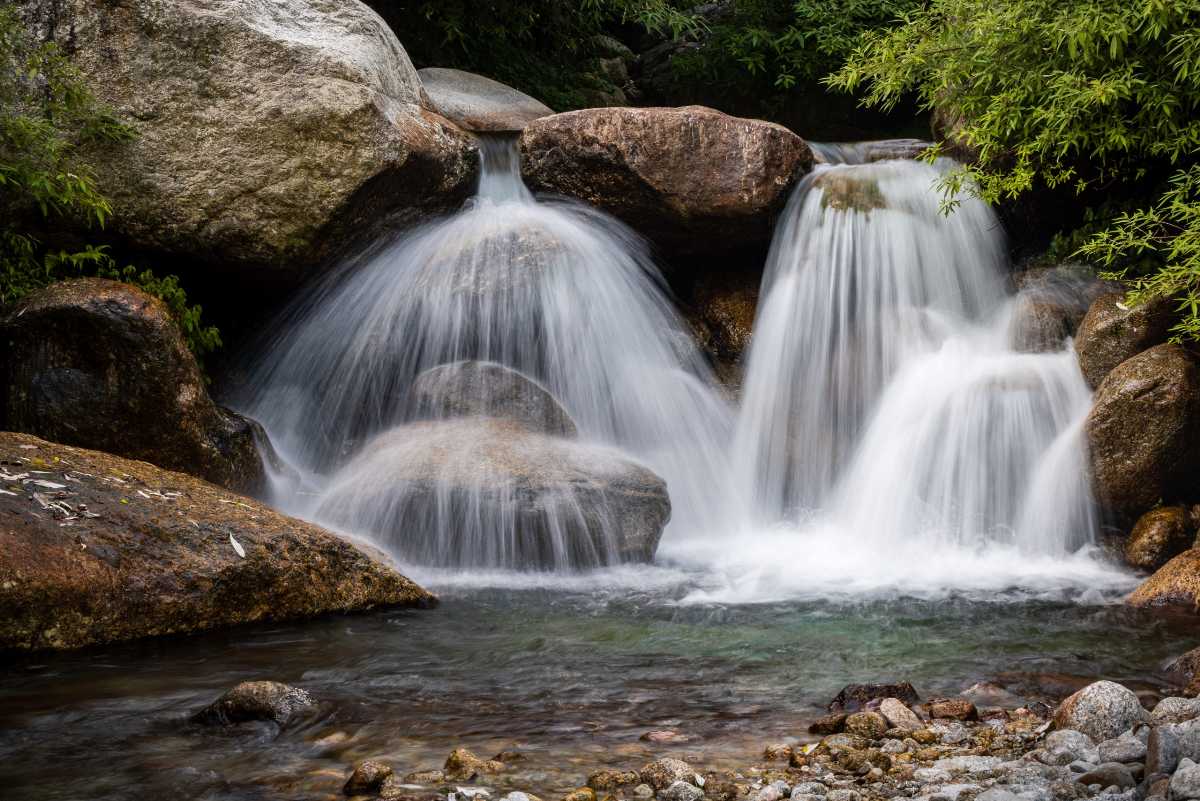
Surrounded by hills cloaked in a verdant tropical rainforest, the 20-metre-tall Ulu Chepor waterfall is frequented by locals and tourists alike for bathing along the riverbed. A suspension bridge is built across the river for visitors to cross without getting their feet wet. The site is well-maintained with food stalls, chalets, campsites, children’s play areas, a surau and pondoks.
In the next part, we’ll explore some of the smaller towns in Perak.
Bulls, Bears and Other Beasts – Santosh Nair

Lalchand Gupta takes you on an exciting journey through Dalal Street in this brief history of the Indian stock market post liberalization.
From tech booms and tax evasion to banks and money laundering; scams and crashes to fixers and investors, Lala has seen it all.
A comprehensive account of the stock market over the last 25 years, it tells you what to watch out for while investing. It also looks at policies that the government needs to revise if the country is to harness domestic capital more effectively.
This is a must-read for all interested in the financial health of the country as well as those who want to know about the sensational events that led up to the far more sterile stock-market operations of the present day.