Festivals of India: Tyagaraja Aradhana

Though technically not a festival in the way we have come to associate festivals with, the Tyagaraja Aradhana is an annual music festival that glorifies the Telugu saint composer Tyagaraja. The music festival is observed in the states of Andhra Pradesh and Tamil Nadu, primarily in Tiruvaiyaru in the Thanjavur district, where Tyagaraja attained Samadhi. The Aaradhana is observed on Pushya Bahula Panchami day when the saint attained samadhi when musicians render the saint’s Pancharatna Kritis.

A composer and Carnatic music vocalist, Thyagaraja or Kakarla Thyagabrahmam was born on the 4 May 1767, to a Telugu Vaidiki Mulakanadu Brahmin family in Tiruvarur in present-day Tiruvarur District of Tamil Nadu. Tyagaraja and his contemporaries, Shyama Shastri and Muthuswami Dikshitar are regarded as the Trinity of Carnatic music. Thyagaraja composed thousands of devotional compositions, most in Telugu and in praise of Lord Rama, many of which remain popular today, the most popular being Nagumomu. Of special mention are five of his compositions called the Pancharatna Kritis or the five gems, which are often sung in programs in his honour, and Utsava Sampradaya Krithis or festive ritual compositions, which are often sung to accompany temple rituals.

Tyagaraja hero-worshipped the celestial sage Narada, a reference to this is Tyagaraja’s krithi Vara Nārada in Vijayaarī raga and in Adi taḷam. Legend has it that a hermit taught him a mantra invoking Narada, and Tyagaraja, meditating on this mantra, received a vision of Narada and was blessed with the book Svarārnavam by the sage. During his last days, Tyagaraja took vows of Sannyasa. Tyagaraja died on a Pushya Bahula Panchami day, or 6 January 1847, at the age of 79. His last composition before his death was Giripai Nelakonna in rāga Sahāna, Ādi tāḷam and was cremated on the banks of the Kaveri river at Thiruvaiyaru.

The Aradhana or ceremony of adoration is held every year on the anniversary of his death which is the fifth day of the waning moon in the Hindu lunar month of Pushya. The Aradhana is conducted by the Sri Thyagabrahma Mahotsava Sabha and is held in the precincts of the samadhi or memorial of the saint located at Thiruvaiyaru village in Thanjavur district. The Aradhana in its present format is less than a century old. A few days before his death in 1847, he formally renounced everything and become a sanyasi. When he passed on, his mortal remains were buried on the banks of the river Kaveri and a small memorial was built at the site. His disciples returned to their respective villages and observed his death anniversary at their own homes. The memorial soon fell into neglect and became quite dilapidated by 1903, when two of the last surviving students to have been taught by Tyagaraja happened to make a nostalgic visit to the site. These were the elderly and eminent musicians Umayalpuram Krishna Bhagavatar and Sundara Bhagavatar who were dismayed by the neglect and dilapidation and had to search for the memorial in the wild foliage of the riverbank. They arranged for the renovation of the samadhi and decided to commemorate the tithi or death anniversary of their guru every year at the Samadhi itself.

In the next year, efforts were made by musical stalwarts to observe the death anniversary regularly at Tiruvayyaru, and to use the occasion as an opportunity for his followers to converge and interact with each other. In 1905, a lavish ceremony, complete with the feeding of the poor and worship at the memorial as per Vedic tenets, was celebrated. Brothers Tillaisthanam Narasimha Bhagavatar and Tillaisthanam Panju Bhagavatar were the main financiers and organisers of the aaradhana. By the next year, the brothers had fallen out with each other and from 1906, each began conducting a parallel Aradhana. Various musicians also aligned themselves with one or the other and two rival factions came into being. The group and Aradhana celebration conducted by Narasimha Bhagavatar came to be called the Periya Katchi or the senior party since he was the elder, and that of Panju Bhat became known as the Chinna Katchi. Gradually, a convention emerged whereby the Chinna Katchi’s celebrations began five days before the Aradhana and concluded on the Aradhana day, while the Periya Katchi’s celebration began on Aradhana day and continued for four days after that. Both groups organised music performances and the feeding of the poor and so the public was the real beneficiary during the nine days. At one point, both groups were united and did not allow women to perform during the Aradhana as in those days, the only women who sang or danced in public were the devadasi or temple performers. Another point in common between the two groups was that they did not permit nadaswaram performances.

In 1921, the aged and childless Bangalore Nagarathnamma, an ardent devotee of Tyaharaja decided to dedicate her life’s earnings to preserving Tyagaraja’s legacy and perpetuating his memory. In 1925, she began the construction of a temple enclosing the memorial and according to some sources, she purchased the land on which the grave stood, whereas according to other sources, her construction was illegal, but tolerated by local residents due to its pious intentions. Nagarathnamma also had an idol of Tyagaraja sculpted and installed in front of the memorial. The consecration of the temple took place in early 1926. The two rival groups, while not interfering with all this, refused to let Nagarathnamma perform her music, or even Harikatha, within the temple which she herself had had constructed. Undeterred, Nagarathnammal began a third front which conducted its music programs at the rear of the shrine. This third event featured many women artists, and perhaps for that very reason, it began eating into the public popularity of the events hosted by the two Katchis. She also filed suits in the local courts demanding the prevention of the Katchis from entering the temple, claiming that it belonged to her by right. She lost the case, but the hours of worship were laid down by the courts, dividing the Aradhana day equally between the two Katchis and her group. Matters continued this way till 1940 when the groups united and it was in 1941 that the Aradhana as we know was first conducted and the choral rendition of the five songs was made an integral feature of the Aradhana. A huge complex is now under construction at Thiruvaiyaru at this site to accommodate the large audience that comes to the concert in ever-increasing numbers every year.

2023 Week 05 Update

And just like that, we are in the month of love, February. I always associate February being a month filled with love and laughter and so hope that this month is like that for all of us.

I finally reached my home state of Maharashtra this month, after walking nearly 6,000 km since the beginning of 2021. I am currently on the outskirts of Maharastra’s third-largest city and its winter capital, Nagpur. To reach my home in Mumbai, I still need to walk another 700 km.

I exceeded my expectations this month and read 12 books, a mixture of both fiction and non-fiction. I don’t think I have read this much in a month in recent years, so this was a very good start for the year for me, in reading terms. Now comes the part, which is to sustain this reading pace.

This week’s quote comes from Ralph Waldo Emerson, an American essayist, lecturer, philosopher, abolitionist, and poet who led the transcendentalist movement of the mid-19th century. He was seen as a champion of individualism and a prescient critic of the countervailing pressures of society, and his ideology was disseminated through dozens of published essays and more than 1,500 public lectures across the United States. Waldo as he was known as tells us that our past and future circumstances are not important as our character; no matter what setbacks we’ve faced or challenges that lie ahead, we can succeed if we have inner strength. Food for thought, right?

The children are busy with school and winding down to the end of the last semester of their polytechnic education. And GG is also busy with university applications and I hope she gets admitted into the course of her choice at the university she wants to attend. BB will now be liable for National Service and we are still waiting for his enlistment letter which should come anytime soon. So after the end of his diploma, he will start focusing on his fitness, so that he does not have too much of a problem during his Basic Military Training.

That’s all for this week. I hope February is just as lovely as the promise it shows.

In My Hands Today…

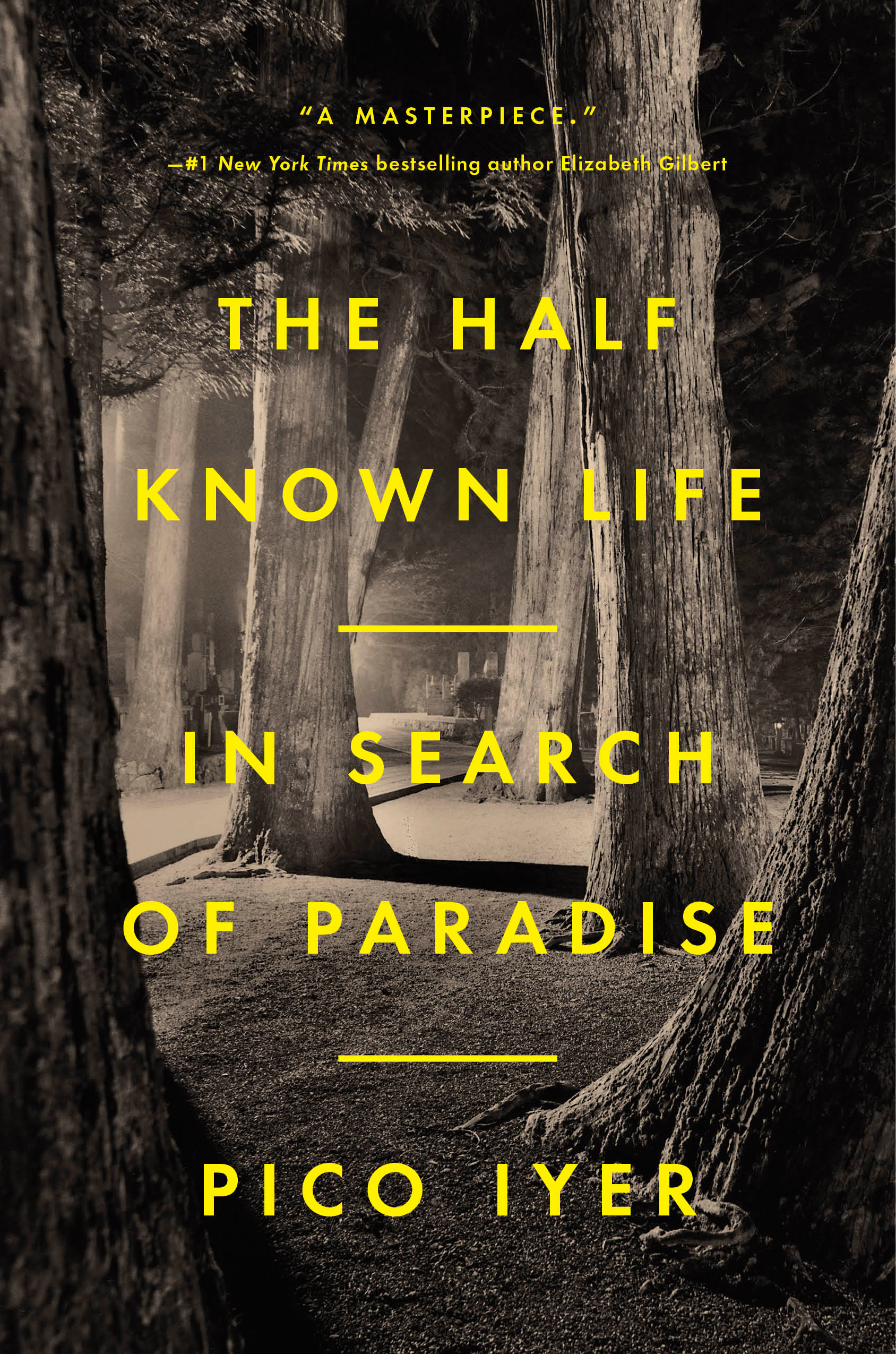
Men We Reaped – Jesmyn Ward

‘…And then we heard the rain falling, and that was the drops of blood falling; and when we came to get the crops, it was dead men that we reaped.’ Harriet Tubman

In five years, Jesmyn Ward lost five men in her life, to drugs, accidents, suicide, and the bad luck that can follow people who live in poverty, particularly black men.

Dealing with these losses, one after another, made Jesmyn ask the question: why? And as she began to write about the experience of living through all the dying, she realized the truth–and it took her breath away. Her brother and her friends all died because of who they were and where they were from, because they lived with a history of racism and economic struggle that fostered drug addiction and the dissolution of family and relationships. Jesmyn says the answer was so obvious she felt stupid for not seeing it. But it nagged at her until she knew she had to write about her community, to write their stories and her own.

Jesmyn grew up in poverty in rural Mississippi. She writes powerfully about the pressures this brings, on the men who can do no right and the women who stand in for family in a society where the men are often absent. She bravely tells her story, revisiting the agonizing losses of her only brother and her friends. As the sole member of her family to leave home and pursue high education, she writes about this parallel American universe with the objectivity distance provides and the intimacy of utter familiarity.

World Cancer Day

Tomorrow is World Cancer Day, an international observance that takes place every year. The day is observed to raise awareness of cancer and to encourage its prevention, detection, and treatment. The day is organised by the Union for International Cancer Control or UICC to support the goals of the World Cancer Declaration, written in 2008. The primary goal of World Cancer Day is to increase awareness about the disease and significantly reduce illness and death caused by cancer as well as an opportunity to rally the international community to end the injustice of preventable suffering from cancer. This can include things like promoting healthy lifestyles, increasing access to cancer screenings and treatments, and investing in cancer research. The day is observed by the United Nations.

World Cancer Day was established on 4 February 2000 at the World Cancer Summit Against Cancer for the New Millennium, held in Paris. The Charter of Paris Against Cancer, which was created to promote research, prevent cancer, and improve patient services, also included an article establishing the anniversary of the document’s official signing as World Cancer Day. This was signed at the Summit by the then General Director of UNESCO, Kōichirō Matsuura, and then French President Jacques Chirac. World Cancer Day targets misinformation, raises awareness and reduces stigma.

Cancer is a disease which occurs when changes in a group of normal cells within the body lead to uncontrolled, abnormal growth forming a lump called a tumour; this is true of all cancers except leukaemia which is cancer of the blood. If left untreated, tumours can grow and spread into the surrounding normal tissue, or to other parts of the body via the bloodstream and lymphatic systems, and can affect the digestive, nervous and circulatory systems or release hormones that may affect body function.

Cancer tumours can be divided into three groups: benign, malignant or precancerous. Benign tumours are not cancerous and rarely threaten life. They tend to grow quite slowly, do not spread to other parts of the body and are usually made up of cells quite similar to normal or healthy cells. They will only cause a problem if they grow very large, become uncomfortable or press on other organs. Malignant tumours are faster growing than benign tumours and can spread and destroy neighbouring tissue. Cells of malignant tumours can break off from the primary tumour and spread to other parts of the body through a process known as metastasis. Upon invading healthy tissue at the new site they continue to divide and grow. These secondary sites are known as metastases and the condition is referred to as metastatic cancer. Precancerous or premalignant describes the condition involving abnormal cells which may or are likely to develop into cancer.

There are five main types of cancer. Carcinoma cancers arise from the epithelial cells which are the lining of cells that help protect or enclose organs. Carcinomas may invade the surrounding tissues and organs and metastasise to the lymph nodes and other areas of the body. The most common forms of cancer in this group are breast, prostate, lung and colon cancer. A type of malignant tumour of the bone or soft tissue like fat, muscle, blood vessels, nerves and other connective tissues that support and surround organs, the most common forms of sarcoma are leiomyosarcoma, liposarcoma and osteosarcoma. Lymphoma and Myeloma are cancers that begin in the cells of the immune system. Lymphoma is a cancer of the lymphatic system, which runs all through the body, and can therefore occur anywhere. Myeloma or multiple myeloma starts in the plasma cells, a type of white blood cell that produces antibodies to help fight infection. This cancer can affect the cell’s ability to produce antibodies effectively. Leukaemia is a cancer of the white blood cells and bone marrow, the tissue that forms blood cells. There are several subtypes; common are lymphocytic leukaemia and chronic lymphocytic leukaemia. Brain and spinal cord cancers are known as central nervous system cancers. Some are benign while others can grow and spread.

Cancers can be caused by many different factors and, as with many other illnesses, most cancers are the result of exposure to several different causal factors. Around one-third of cancer cases can be prevented by reducing behavioural and dietary risks. Modifiable risk factors include the drinking of alcohol, being overweight or obese, diet and nutrition, physical activity, tobacco, ionising radiation, workplace hazards and infection. Non-modifiable risk factors include age, cancer-causing substances or carcinogens in the body, genetics, and one’s immune system.

With so many different types of cancers, the symptoms are varied and depend on where the disease is located. However, there are some key signs and symptoms to look out for, including unusual lumps or swelling, coughing, breathlessness or difficulty swallowing, changes in bowel habits, unexpected bleeding, unexplained weight loss, fatigue, pain or aches, new moles or changes to a mole, complications with urinating, unusual breast changes, appetite loss, a sore or ulcer that won’t heal, heartburn or indigestion and heavy night sweats.

Cancer is the second-leading cause of death worldwide with 10 million people dying from it every year, which is more than the deaths because of HIV/AIDS, malaria and tuberculosis combined. By 2030, experts project cancer deaths to rise to 13 million. More than 40% of cancer-related death could be preventable as they are linked to modifiable risk factors. At least one-third of all deaths related to cancer could be prevented through routine screening, and early detection and treatment. 70% of cancer deaths occur in low-to-middle-income countries and millions of lives could be saved each year by implementing resource-appropriate strategies for prevention, early detection and treatment. The total annual economic cost of cancer is estimated at US$1.16 trillion.

The theme for the years 2022-2024 is Close the care gap which focuses on eliminating the difference in access to cancer care services faced by populations of various groups of country income, age, gender, ethnicity etc. The World Cancer Day theme is a multi-year campaign that means more exposure and engagement, more opportunities to build global awareness and ultimately more impact. In 2022, the first year of the Close the Care Gap campaign was all about understanding and recognising the inequities in cancer care around the globe. This was the year to question the status quo and help reduce stigma; to listen to the perspectives of the people living with cancer and their communities and let those lived experiences guide our thoughts and actions. This year is all about uniting voices and taking action. These actions can take countless forms, from motivating neighbours to provide transport to cancer treatment for a fellow resident or ensuring that healthy and affordable food options are offered at the local school. In 2024, the last year of the campaign will bring attention to a higher level by raising voices to engage leaders and become lifelong advocates fully equipped to push for lasting change.

In recent years, cities have begun to support the day by lighting up important landmarks in orange and blue. In 2019, 55 landmarks in 37 cities participated in the landmark lighting initiative and at least 60 governments officially observe World Cancer Day. The event invites everyone to take action, make a pledge and support the cancer movement. By doing this, it aims to reduce the number of premature deaths from cancer and improve the quality of life for cancer patients around the world.

In My Hands Today…

My Beloved World – Sonia Sotomayor

The first Latinx (Puerto Rican) and third woman appointed to the US Supreme Court, Sonia Sotomayor has become an instant American icon. Now, with a candor and intimacy never undertaken by a sitting Justice, she recounts her life from a Bronx housing project to the federal bench, a journey that offers an inspiring testament to her own extraordinary determination and the power of believing in oneself.

Here is the story of a precarious childhood, with an alcoholic father (who would die when she was 9) and a devoted but overburdened mother, and of the refuge a little girl took from the turmoil at home with her passionately spirited paternal grandmother. But it was when she was diagnosed with juvenile diabetes that the precocious Sonia recognized she must ultimately depend on herself. She would learn to give herself the insulin shots she needed to survive and soon imagined a path to a different life.

With only television characters for her professional role models, and little understanding of what was involved, she determined to become a lawyer, a dream that would sustain her on an unlikely course, from valedictorian of her high school class to the highest honors at Princeton, Yale Law School, the New York County District Attorney’s office, private practice, and appointment to the Federal District Court before the age of 40.

She speaks with warmth and candor about her invaluable mentors, a failed marriage, and the modern version of extended family she has created from cherished friends and their children. Through her still-astonished eyes, America’s infinite possibilities are envisioned anew in this warm and honest book, destined to become a classic of self-invention and self-discovery.