In Hinduism, the lunar calendar plays a significant role in determining auspicious times for various rituals, festivals, and ceremonies. While most lunar calendars consist of 12 months, occasionally, an extra month called the Adhik Masa is added to align the lunar and solar calendars. In 2023, after a gap of 19 years, this extra month returns from 18 July to 16 August.
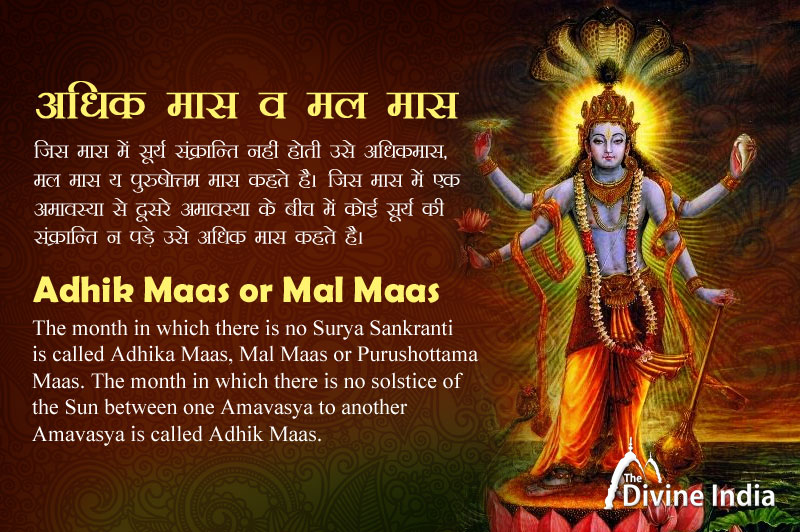
Also known as Purushottam Maas or Mala Masa, the Adhik Maas is a rare additional month that occurs in the Hindu calendar to adjust the discrepancy between the lunar and solar cycles. This intercalary month, approximately 30 days long, is considered highly auspicious and is believed to be under the special blessings of Lord Vishnu, the preserver of the universe. The adhika-masa is an extra lunar month added to the solar calendar every three years so that the lunar and the solar years are synchronised, along with the agricultural cycle and seasons. Adhika refers to the Sanskrit word for additional or extra, while masa means month.
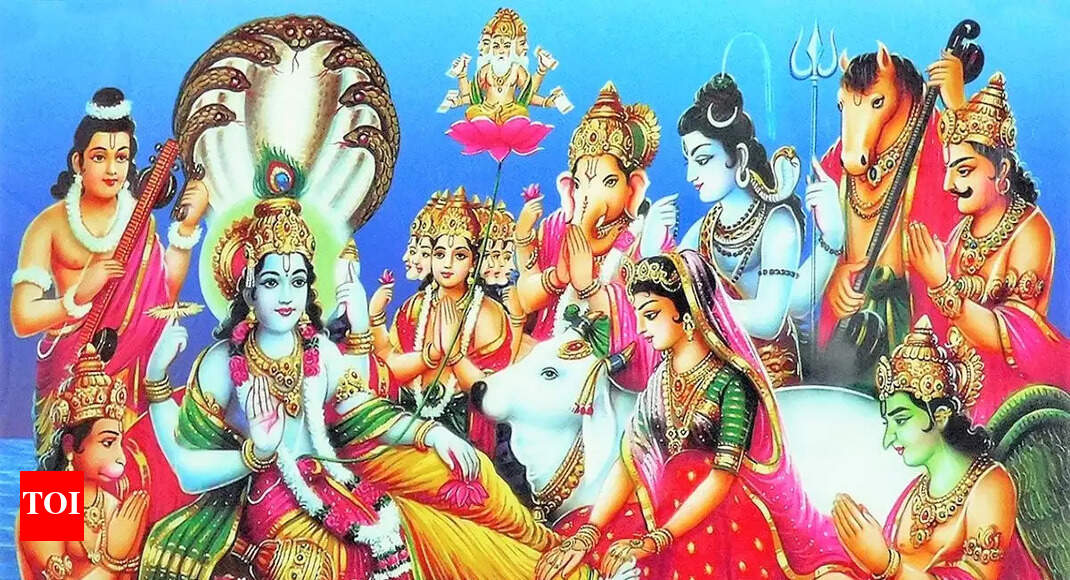
According to the mythology, all the gods refused to become the master of this month due to it supposedly being dirty, then the month prayed to Lord Vishnu, who pleased with the prayer of the month, gave his name to this month, and so the month is known as Purushottam Maas. Lord Vishnu gave the boon to this month that any devotee who worships Lord Shiva during this month does religious work, listens to the Bhagwat Katha, and donates to charity during this month, will get the never-ending virtue.
When the Sun does not at all transit into a new rāshi or zodiac sign which is 30 degrees sidereal zodiac, but simply keeps moving within a rāshi in a lunar month before a new moon, then that lunar month will be named according to the first upcoming transit. It will also take the epithet adhika or extra. The transition of the Sun from one rāshi to the next is called Sankranti. The next month will be labelled according to its transit as usual and will get the epithet nija or original or shuddha or clean. The terms Pratham or first Chaitra and Dvitiya or second Chaitra may also be used.
An extra month, or adhika-masa, falls every 32.5 months on average. The solar year is made up of 365 days and about 6 hours, and the lunar year is made up of 354 days. This causes a gap of 11 days, 1 hour, 31 minutes and 12 seconds between the lunar and the solar years. As this gap accumulates each year, it approximates 2.7 years to one month. No adhika-masa falls during the months of Margashirsha to Magha or November/December to about January/February. An adhika-masa during the month of Kartika or October/November is extremely rare, but in the 250 years between 1901 to 2150, it occurred once, in 1963. The Moon takes about 27.3 days to make one complete orbit around the Earth. The Earth orbits around the Sun once every 365.2422 days. The Earth and the Moon, in 27.3 days, have moved as a system about 1/12 of the way around the Sun. This means that from one full moon to the next full moon, the Moon must travel 2.2 extra days before it appears again as a full moon due to the curve of the Earth’s orbit around the Sun. This creates a variance of 10.87 days a year between a lunar year and a solar year. And so, to compensate for this difference, the additional month is added after every 32.5 months on average.
Adhik Masa is dedicated to Lord Vishnu, and devotees observe this month with great devotion and reverence. Lord Vishnu is believed to be more accessible and responsive during this time, making it an ideal period for intensifying spiritual practices such as meditation, prayer, and reading sacred scriptures. The month is also considered a sacred opportunity to cleanse oneself of accumulated karmic debts. Devotees engage in acts of charity, self-discipline, and selfless service, seeking to purify their souls and seek forgiveness for any past wrongdoings. By engaging in these virtuous acts, individuals aim to elevate their spiritual consciousness and bring about positive transformation in their lives.
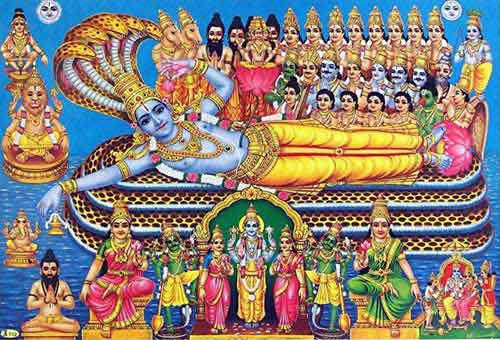
During Adhik Masa, specific rituals and observances are followed to appease Lord Vishnu. Devotees often perform pujas which are ritualistic worship, and offer prayers to the deity. Fasting, particularly on Ekadashi, the eleventh day of each fortnight, holds great significance during this month. Observing fasts is believed to enhance spiritual growth and foster self-control and discipline.
Many devotees undertake pilgrimages to holy places associated with Lord Vishnu during Adhik Masa. Places like Badrinath, Jagannath Puri, and Rameswaram are particularly popular destinations during this auspicious month. These pilgrimages allow individuals to immerse themselves in a spiritually charged atmosphere, fostering a deeper connection with the divine. Regarded to be a holy month, many people perform the adhika masa vrata. People engage in practices such as mala japas, pradakshinas, pilgrimages, scriptural reading, and parayanas. During adhika-masa, people perform various types of religious rituals such as keeping fast, recitation of religious scriptures, mantras, and prayers, and performing various types of puja and havan. Vratas or fasts of various durations, including for the full day, half day, weekly, fortnight, and full month are often undertaken. The vratas may be complete fasting with liquids only or without liquids, fasting with fruits only or keeping fast with vegetarian food, as the individual can tolerate. It is said that the persons performing good deeds or satkarma in this month conquer their senses and they come out of the cycle of rebirth. This month is often regarded to be inauspicious, where the performance of rites such as weddings do not take place. It also serves as a compensatory period for adherents who had previously neglected their religious duties.
A month-long mela or fair is celebrated in Machhegaun village in Nepal during adhika-masa. It is believed that one can wash away all his sins by taking a bath in the pond at Machhenarayan temple. Specific festivals such as Dussehra or Deepavali are not marked during this month. In the Beed district of Maharashtra, there is a small village called Purushottampuri, where there is a temple dedicated to Lord Purushottam, a regional form of Krishna. Every adhika-masa, there is a big fair, and thousands of people come from various places to invoke the blessings of the deity.
Adhik Masa offers a unique opportunity to deepen one’s devotion and connection with the divine. By engaging in daily spiritual practices and rituals, individuals can experience a heightened sense of spirituality and devotion. Regular prayer, chanting of mantras, and meditation can help cultivate a deeper connection with Lord Vishnu and nurture a sense of inner peace and tranquillity. The month encourages devotees to engage in self-reflection and introspection and provides an ideal time to assess one’s spiritual progress, identify areas for improvement, and set new goals for personal growth. Through introspection, individuals can gain clarity, overcome obstacles, and strengthen their resolve to lead a more righteous and virtuous life. Adhik Masa is an opportune time to delve into the study of sacred texts and scriptures. Devotees can spend time reading spiritual literature, participating in satsangs which are spiritual discourses, and attending religious lectures to expand their understanding of the teachings and principles of Lord Vishnu. This knowledge serves as a guiding light in one’s spiritual journey. The Adhik Masa is considered a season of giving and selflessness. Devotees actively participate in acts of charity and service, extending kindness and compassion to the less fortunate. By contributing to the welfare of others, individuals can not only alleviate the sufferings of those in need but also cultivate a sense of gratitude and humility.
So do try and spend time deepening your devotion, engaging in self-reflection, and immersing in sacred rituals and practices. The return of Adhik Masa after a gap of 19 years serves as a powerful reminder of the importance of aligning oneself with the divine and seeking spiritual elevation. May this Adhik Masa bring blessings, peace, and spiritual upliftment to everyone.