2022 Week 19 Update

This was a normal week and nothing happened. GG is very busy with her internship and CCA at school. She also has started working on her statement of purpose for her university application. BB is also busy with school and this is his last semester in school, the next semester will be his internship.

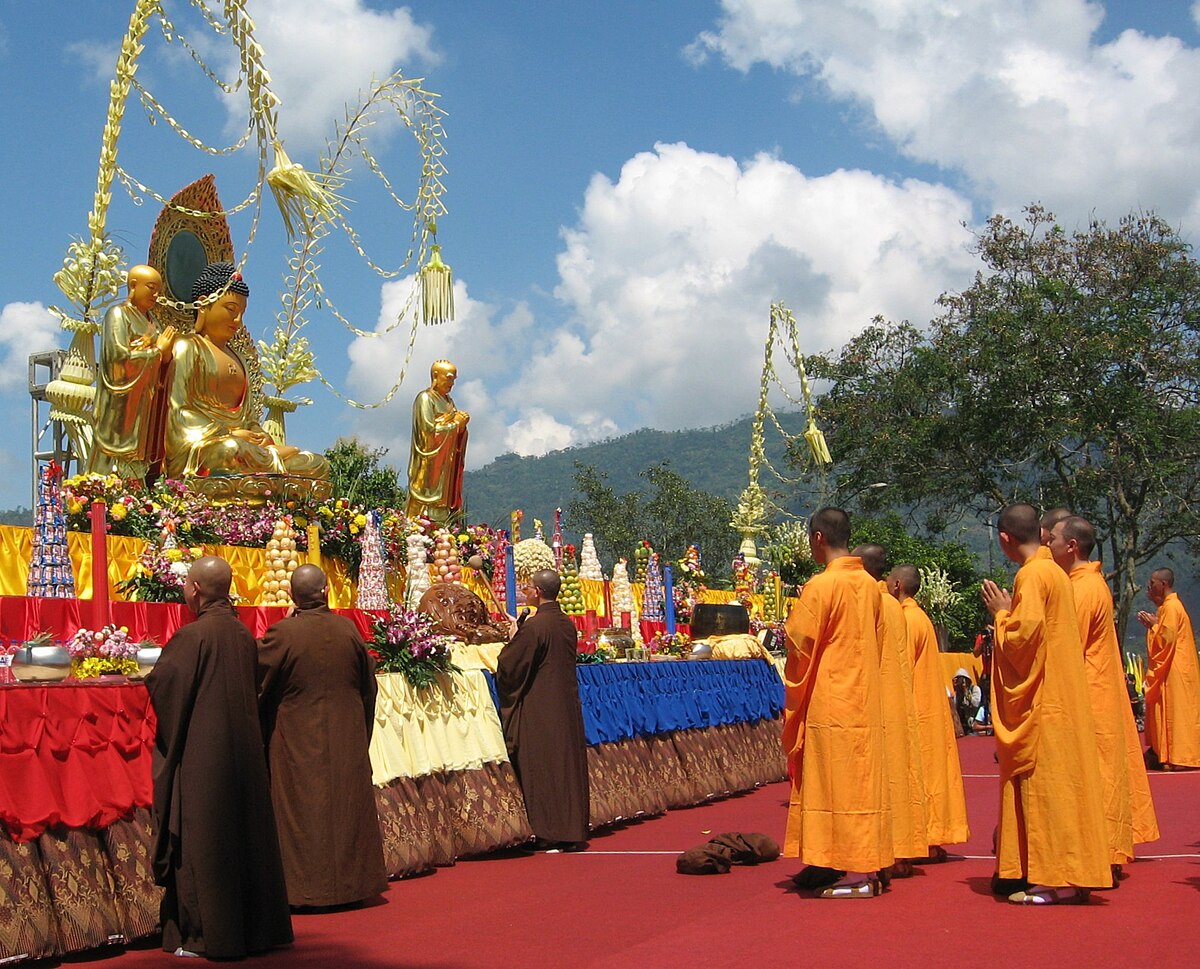
It’s also the last long weekend for a while. May had a super long weekend at the beginning of the month and tomorrow is also a holiday on the occasion of Vesak Day, which happens to be today. Also known as Buddha Jayanti, Buddha Purnima and Buddha Day, Vesak Day is a holiday traditionally observed by Buddhists in South and Southeast Asia as well as Tibet and Mongolia. The festival commemorates the birth, enlightenment and death of Gautama Buddha in the Theravada, Tibetan Buddhism and Navayana traditions. The name Vesak is derived from the Pali term Vesakha or Sanskrit Vaisakha for the lunar month of Vaisakha, which is considered the month of Buddha’s birth. In Mahayana Buddhist traditions, the holiday is known by its Sanskrit name Vaisakha and derived variants of it. In the East Asian tradition, a celebration of the Buddha’s birthday typically occurs around the traditional timing of Vesak, while the Buddha’s awakening and passing away are celebrated as separate holidays that occur at other times in the calendar as Bodhi Day and Nibbana Day. In the South Asian tradition, where Vesak is celebrated on the full moon day of the Vaisakha month, the Vesak day marks the birth, enlightenment, and the ultimate passing away of the Buddha. To those celebrating the festival, here’s wishing you a very happy Vesak Day or Buddha Purnima and may the teachings of Lord Buddha spread the message of universal brotherhood and compassion for everyone and may the Lord enlighten everyone on the path of love, peace and truth.

Today’s quote is from the British novelist and author of the Chronicles of Narnia, C.S. Lewis who reminds us that we are never too old to dream of something new and different. So this is a lesson for us to not stop dreaming, even when we think we are too old for it. And this is an apt quote for me as a reminder.

And on that note, Happy Vesak Day and stay safe, stay happy and always be positive.

In My Hands Today…

In Cold Blood – Truman Capote

On November 15, 1959, in the small town of Holcomb, Kansas, four members of the Clutter family were savagely murdered by blasts from a shotgun held a few inches from their faces. There was no apparent motive for the crime, and there were almost no clues.

As Truman Capote reconstructs the murder and the investigation that led to the capture, trial, and execution of the killers, he generates both mesmerizing suspense and astonishing empathy. At the center of his study are the amoral young killers Perry Smith and Dick Hickcock, who, vividly drawn by Capote, are shown to be reprehensible yet entirely and frighteningly human. In Cold Blood is a seminal work of modern prose, a remarkable synthesis of journalistic skill and powerfully evocative narrative.

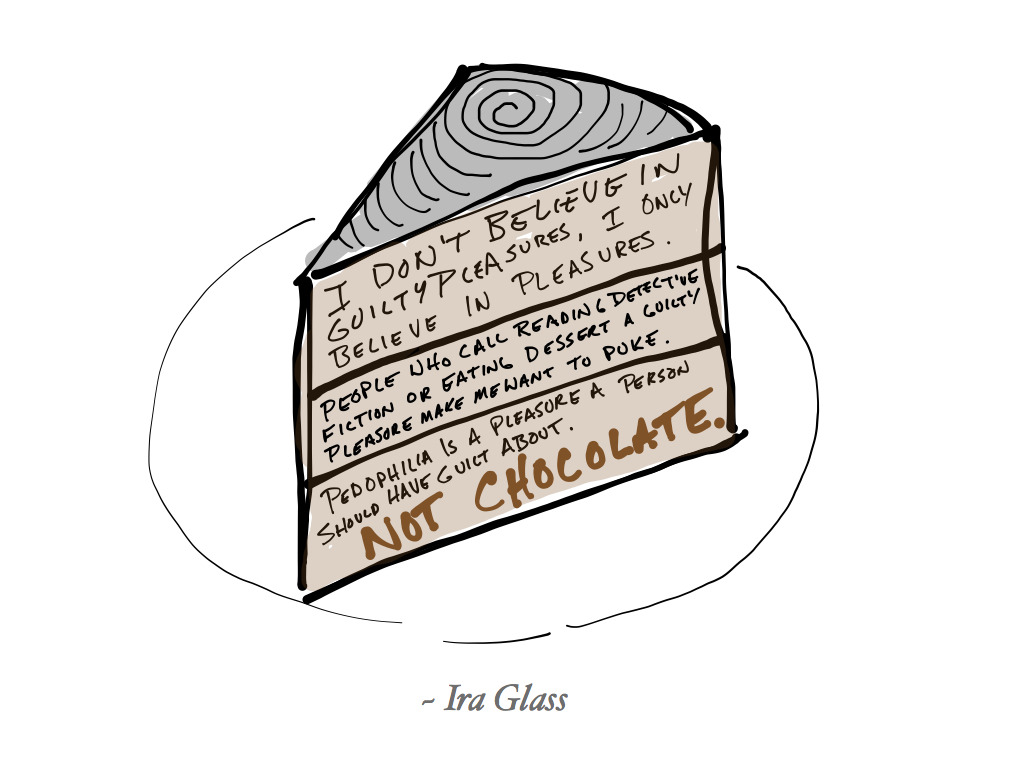
Guilty Pleasures: Really?

Raindrops on roses and whiskers on kittens is the first line of an evergreen song from the classic, The Sound of Music and my all-time favourite movie. For those who haven’t seen the film, this song takes place when the children are petrified by thunder and lightning and their governess, Maria, sings this song about her favourite things to lighten the mood. The other day, I was humming this song when I thought of this post, but instead of my favourite things, let’s talk about guilty pleasures.

So what is a guilty pleasure? A guilty pleasure is something that one enjoys despite understanding that it is not generally held in high regard, or is seen as unusual or weird. It can also be used to refer to one’s taste for foods that are considered to be advisable to avoid, especially for health reasons. Social norms define what one should be guilty of. One may feel bad when they don’t do house chores, because it is socially appropriate that they be responsible for their house. In social media, the social rule is to be online and participative as much as one can and so because of social norms, there is a feeling of guilt, and we avoid making any mistakes.

Some experts suggest that women and other marginalised groups be careful not to attach negative connotations to pleasure, particularly since they may be associating guilt with pleasure as an outcome of historically having been denied pleasure.  Having emotional and intellectual release valves is important for productivity, and balanced living and can help relieve stress during difficult times. Guilty pleasures help provide some important mental breaks, so never feel guilty about them.

Engaging in guilty pleasure brings out our inner child. We engage in mischief and find it thrilling, testing the boundaries of how far we can go without being caught. We feel pleasure and a sense of relief when we allow ourselves to give in to our guilty pleasures. Guilty pleasure is simply the joy of doing something but at the same time feeling a little bad about doing it. This is society’s way of making people feel that their pleasures are not educational, informative, or purposeful.

It is a fact that leisure time should be spent wisely and productively so that the mind can be developed and we gain more knowledge. Our brain needs to rest, and indulging in pleasures that engage with a reward pathway are ways of easing brain stress. Guilty pleasures bring positive emotions, reduce stress, and improve mental health and well-being. Engaging in pleasurable activities is harmless and is considered healthy. One feels good and happy after sitting for at least an hour watching their favourite movie or TV show and the same feeling is got when one travels to a new place or goes to a concert of their favourite musician or artist.

Guilty pleasures don’t have to be grand and expensive. Simple everyday things can be guilty pleasures. Playing an interactive game on your phone before doing house chores can be very rewarding and motivating. You feel a sense of triumph when you allow yourself to have fun.

Enjoying some pleasurable time is good. But too much can cause problems. But if one postpones work by say binge-watching a show, that’s procrastination and that’s a big no-no. But if at the end of the day, you read a book or watch something that need not be educational or productive, that is a guilty pleasure.  No one should abuse any guilty pleasure. It should be considered a gift because one can pause what they’re doing and enjoy a piece of chocolate or two before resuming work. It should be used as a tool to relax and reset the brain to function better.

Indulging in guilty pleasures is good only if it is short-term and if you can control your urges. Constantly allowing yourself to give in to these pleasurable urges, especially the negative ones, can be damaging and harmful in the long run. The keys are self-control and balance. Being able to control yourself is important if you don’t want to feel guilty about your pleasures. According to research, those who are self-conscious have greater self-control. This means that if you are very conscious about yourself, what you eat, watch, or do and think about their negative effects on you, you are more likely to guard yourself against over-indulging. Often, it is people who have poor control who feel the guiltiest. This is why you should master and control yourself. Guilty pleasures won’t make you feel so guilty because you are not enslaved by them. Allowing yourself some guilty pleasures can help you recover more quickly and have a healthier disposition.

Source

It is time to drop the shame and indulge in your guilty pleasures. These pleasures are good for your well-being and mental health. You are only productive and inspired when you are happy. Have more self-compassion and be free to enjoy whatever you want as long as you are not hurting anybody. Tell yourself that you deserve this pleasure because you have earned it and don’t allow yourself to feel guilty about it.

So what are your guilty pleasures?

In My Hands Today…

The Angel of Grozny: Orphans of a Forgotten War – Åsne Seierstad, translated by Nadia Christensen

In the early hours of New Year’s 1994, Russian troops invaded the Republic of Chechnya, plunging the country into a prolonged and bloody conflict that continues to this day. A foreign correspondent in Moscow at the time, Åsne Seierstad traveled regularly to Chechnya to report on the war, describing its affects on those trying to live their daily lives amidst violence.In the following decade, Seierstad became an internationally renowned reporter and author, traveling to the Balkans, Afghanistan, Iraq, and other war-torn regions. But she never lost sight of this conflict that had initially inspired her career. Over the course of a decade, she watched as Russia ruthlessly suppressed an Islamic rebellion in two bloody wars and as Chechnya evolved into one of the flashpoints in a world now focused on the threat of international terrorism.

In 2006, Seierstad finally returned to Chechnya, traveling in secret and under the constant threat of danger. In a broken and devastated society she lived with orphans, the wounded, the lost. And she lived with the children of Grozny, those who will shape the country’s future. She asks the question: What happens to a child who grows up surrounded by war and accustomed to violence?

Women’s Empowerment

It’s been about two months since International Women’s Day was celebrated and commemorated across the world. Everywhere, be it on social media or in the physical world, we saw people celebrating the day with events and posts aimed at empowering women. But what happened after that? I feel we have gone back to business as usual. Things are becoming better, 2022 was better than 2021 which was slightly better than 2020, but the issues surrounding women’s empowerment still need a lot to be desired.

Women empowerment means gender equality, since there is a serious inequality  between women and men in every sphere of our life. Women Empowerment is not a segmental need, but a solution to the great problems that afflict the world. The empowerment of women has a far-reaching impact on their own lives, their families and communities, and society as a whole. Women who are empowered to make choices in all areas of their lives, have greater control over their health, their careers and their quality of life.

Women’s or female empowerment may be defined in several ways, including accepting women’s viewpoints or making an effort to seek them, raising the status of women through education, awareness, literacy, and training. Women’s empowerment equips and allows women to make life-determining decisions through the different problems in society so they may have the opportunity to redefine gender roles or other such roles, which in turn may allow them more freedom to pursue desired goals. It allows women to control and benefit from resources, assets, and income as well as aids their ability to manage risk and improve well-being resulting in approaches to support trivialised genders in a particular political or social context. While often interchangeably used, the more comprehensive concept of gender empowerment concerns people of any gender, stressing the distinction between biological and gender as a role. Women empowerment helps in boosting the status of women through literacy, education, training and awareness creation and refers to women’s ability to make strategic life choices that had been previously denied them. Nations, businesses, communities and groups may benefit from the implementation of programs and policies that adopt the notion of female empowerment and this, in turn, enhances the quality and the number of human resources available for development. Empowerment is one of the main procedural concerns when addressing human rights and development.

In a world where almost 50% of the world’s population comprises women, empowering this section of society is not just important, but essential. Even today, there are many societies where women are still discriminated against because of their gender. Even in many first world countries, women are still paid less and are expected to take on the lion’s share of the housework and rear children. etc. In many cultures, women are not allowed outside after sunset, work outside the house and if allowed to work, not allowed to work far away from their homes, not allowed to choose their life partners and in many villages in India, are dictated on what they can and can’t wear and even on whether they can use a phone or not!

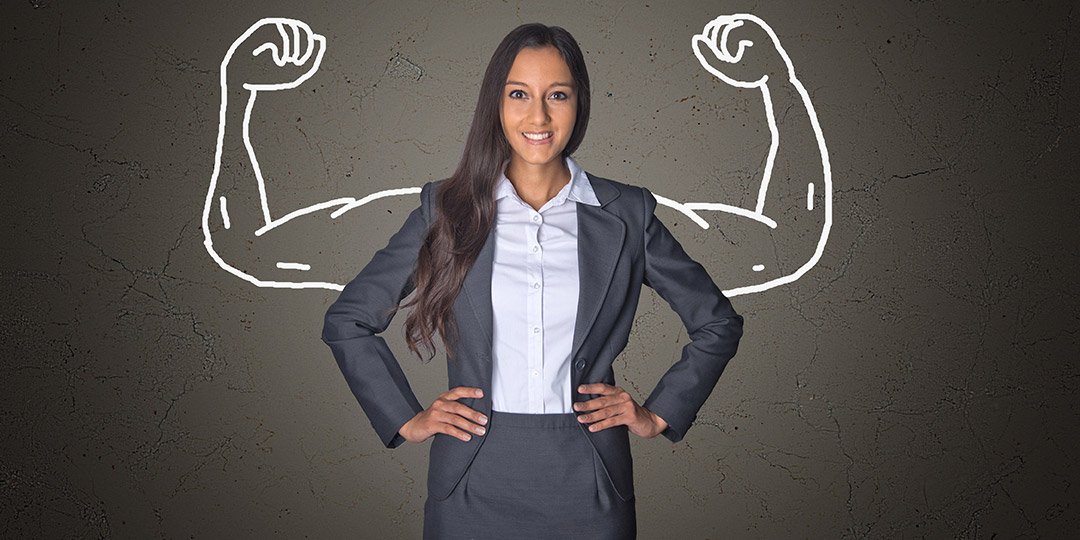
Empowering women is to give women the right. Women can and should have an equal right to participate in education, society, economy and politics. An empowered woman is a strong one who can do anything they want to do. Empowerment helps to reduce in domestic violence, sexual abuse, emotion abuse and physical abuse.

When societies progress, societal culture should not be seen as a barrier and an obstacle to women’s rights. Culture is an integral and huge part of diversity and a medium that seeks to ensure women’s equal opportunities. It recognises their freedom to take pride in their values, whether they are orthodox or modern in nature. There is a need for equal cultural rights for women to be acknowledged and implemented which would in turn help to reconstruct gender in ways that would rise above women’s inferiority and subordination. Experts say that women must be recognised as, and supported to be, equal spokespersons vested with the authority to determine which of the community’s traditions are to be respected, protected and transmitted to future generations. Many of the barriers to women’s empowerment and equity are the result of cultural norms. While many women are aware issues posed by gender inequality, others have become accustomed to it. Many men in power are hesitant to disrupt societal norms that are unfair to women.

Research shows that the increasing access to the Internet can also result in an increased exploitation of women because releasing personal information on websites has put some women’s personal safety at risk. In 2010, Working to Halt Online Abuse stated that 73% of women were victimized through such sites. According to the International Labour Organisation or ILO, sexual harassment is a clear form of gender discrimination based on sex, a manifestation of unequal power relations between men and women. Studies show that women face more barriers in the workplace than men with gender-related barriers involving sexual harassment, unfair hiring practices, career progression, and unequal pay where women are paid less than men are for performing the same job. When taking the median earnings of men and women who worked full-time, year-round, government data from 2014 showed that women made $0.79 for every dollar a man earned and the average earnings for working mothers came out to even less — $0.71 for every dollar a father made, according to 2014 study conducted by the National Partnership for Women and Children. While much of the public discussion of the wage gap has focused around women getting equal pay for the same work as their male peers, many women struggle with what is called the “pregnancy penalty”. This occurrence is difficult to measure, but the possibility of having a baby can be enough for employers to disrupt women’s pay. Women are put in a position where they need to make the decision of whether to maintain in the workforce or have children.

Education empowers women to make choices that improve their children’s health, their well-being, and chances of acquiring survival skills. Education informs others of preventing and containing a disease and empowers women to make choices that can improve their welfare, including marrying beyond childhood and having fewer children. Education can increase women’s awareness of their rights, boost their self-esteem, and provide them the opportunity to assert their rights. Education is not universally available and gender inequalities persist. A major concern in many countries is not only the limited numbers of girls going to school, but also the number of educational pathways for those that step into the classroom. In some parts of the world, girls and women are attacked for attending school, and societal efforts to stop this may be lacking. COVID has made these inequalities starker with many girls and women pulled out of schools and institutions of higher learnings.

The Internet is also conversely often a source of empowerment for women through its creation, dispersion, and utilisation of hashtags on social media. Growing Internet access in the late 20th century provided women with various tools to empower themselves. Women began to use social networking sites such as Facebook and Twitter for online activism and through this, they are able to empower themselves by organising campaigns and voicing their opinions for equality rights. Blogging emerged as one tool for educational female empowerment. According to a study done by the University of California, Los Angeles, medical patients who read and write about their disease are often in a much happier mood and more knowledgeable than those who do not. By reading others’ experiences, patients can better educate themselves and apply strategies that their fellow bloggers suggest. With the easy accessibility and affordability of e-learning, women can study from the comfort of their homes and learn skills that help them advance in their careers.

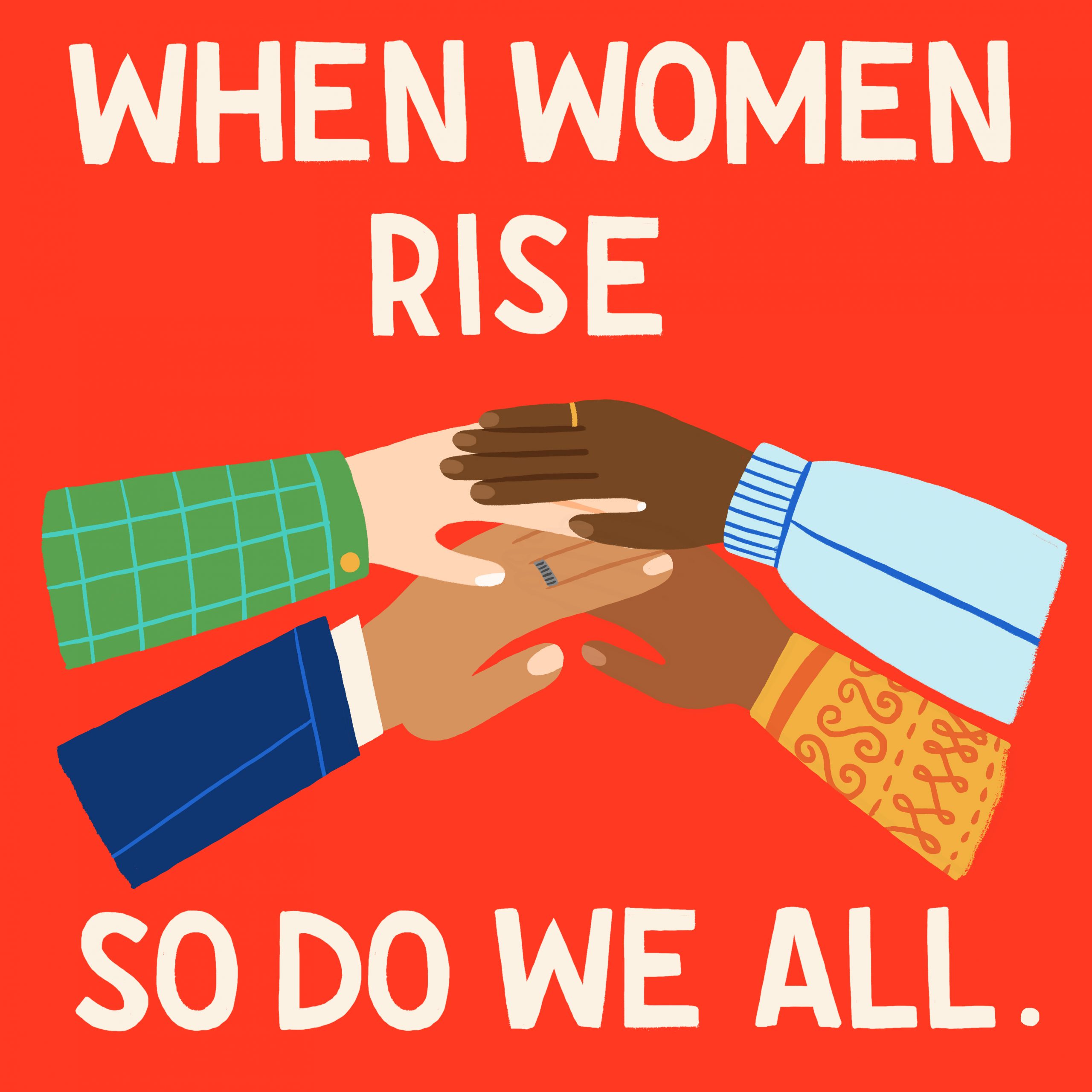
Women are the secret to a nation’s bright future and so any country which empowers its girls and women is one which has invested in its future. So if you are a woman reading this, make sure you let your daughters be able to soar and reach their full potential. And if you have sons, teach them to respect women and be an admirable ally to the women in their lives. And if you are a man reading this, be the ally that the women around you are proud to have.