Festivals of India: Mahashivaratri

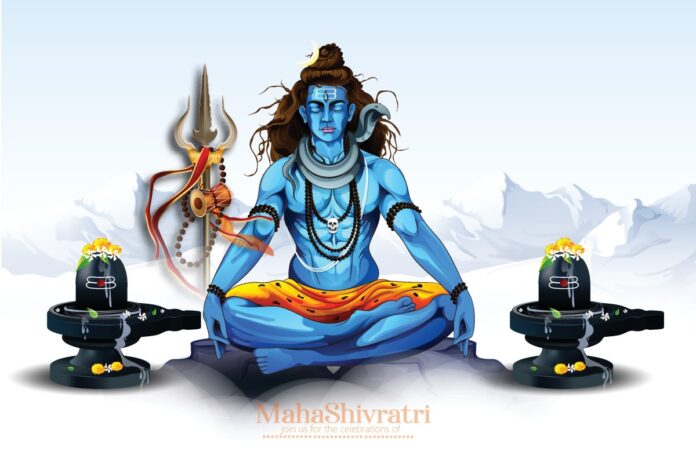
Often referred to as “The Great Night of Shiva,” Maha Shivaratri is one of the most significant festivals in Hinduism, dedicated to Lord Shiva, the deity symbolising creation, preservation, and destruction. This festival is celebrated annually on the 14th night of the dark fortnight in the month of Phalguna, which comes in February or March, marking a time for spiritual reflection, devotion, and celebration. The festival’s origins are steeped in rich mythology and tradition, and its observance varies widely across different regions of India and among Hindu communities worldwide.

The origins of Maha Shivaratri are deeply rooted in Hindu mythology. Several legends recount the significance of this festival. One prominent legend states that Maha Shivaratri commemorates the night when Lord Shiva performed the ‘Tandava’, a cosmic dance symbolising creation, preservation, and destruction. This dance is believed to represent the rhythm of the universe and is a vital aspect of Shiva’s divine nature. Another significant narrative is that Maha Shivaratri marks the wedding night of Lord Shiva and Goddess Parvati. Their union symbolises the balance between masculine and feminine energies, representing harmony in the cosmos. This aspect makes Maha Shivaratri particularly special for married couples who seek blessings for their relationships. According to another legend, it was on this night that Shiva manifested himself in the form of a Lingam, a representation of his divine presence. This event signifies his infinite existence and connection to creation.
Maha Shivaratri has been celebrated for centuries, with its roots tracing back to ancient Hindu civilisation. The festival reflects a broader cultural significance beyond mere religious observance; it encapsulates themes of transformation, renewal, and spiritual awakening that resonate across various aspects of life.

Maha Shivaratri holds profound spiritual importance for devotees. The festival is seen as an opportunity for spiritual growth and introspection. Devotees believe that observing rituals during this time can lead to purification of the mind and soul, helping them overcome obstacles in life. Fasting and prayer during Maha Shivaratri are believed to cleanse devotees’ hearts and minds. Many observe strict fasts, consuming only water or milk throughout the day before breaking their fast at dawn on the following day. The festival fosters a sense of community among participants as they come together for prayers, chanting, and singing devotional songs or bhajans. It serves as a reminder of shared beliefs and collective spirituality.

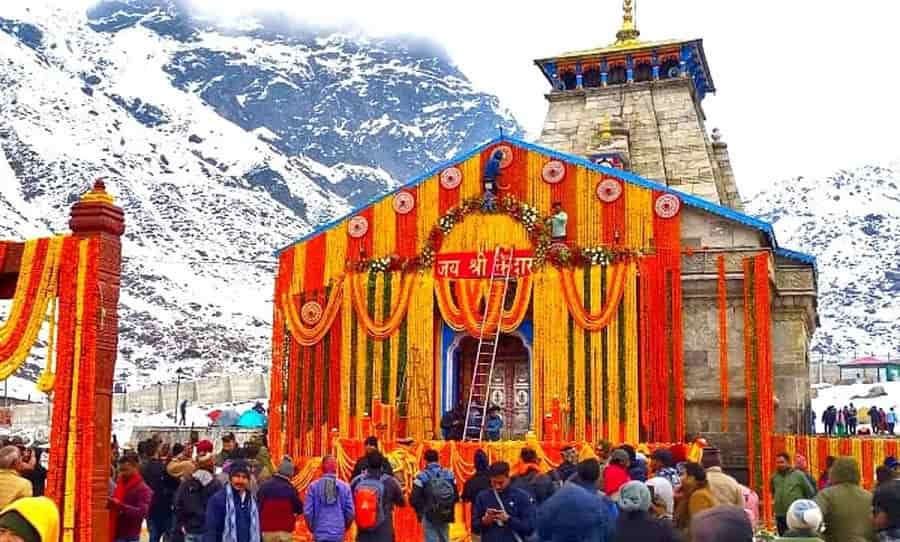
The festival is celebrated with great fervor across India, with regional variations reflecting local customs and traditions. In northern states like Uttar Pradesh and Uttarakhand, devotees flock to temples such as Kashi Vishwanath in Varanasi and Kedarnath to participate in elaborate rituals. The night is marked by all-night vigils where devotees chant “Om Namah Shivaya” while offering milk, honey, and bel leaves to Shiva Lingams. In South India, particularly among Brahmin communities, rituals begin early in the morning with special prayers or pujas at temples dedicated to Lord Shiva. Devotees often perform Rudra Abhishek, bathing Shiva Lingams with sacred substances like milk and honey. The night is spent in meditation, bhajans, and discussions about Shiva’s teachings.
In Maharashtra, celebrations often include processions featuring traditional music and dance. Temples are beautifully decorated, attracting large crowds who engage in communal prayers. In West Bengal and Odisha, Maha Shivaratri is celebrated with unique cultural performances such as folk dances that narrate stories from Shiva’s life. Devotees also prepare special dishes as offerings during this time.

Maha Shivaratri transcends geographical boundaries. In countries with significant Hindu populations such as Nepal, Mauritius, Fiji, and Trinidad & Tobago, festivities take place with similar fervor. In Nepal’s Pashupatinath Temple—one of the holiest sites for Hindus—thousands gather to participate in rituals throughout the night. Indo-Caribbean communities also observe this festival with solemnity in over 400 temples worldwide.

The rituals performed during Maha Shivaratri are diverse yet share common elements. Devotees typically fast throughout the day leading up to the night celebrations. Some consume only water or milk while others may choose to abstain from food altogether. Rituals involve offerings made to Shiva Lingams consisting of milk, honey, ghee (clarified butter), fruits, flowers, and bel leaves—considered sacred to Lord Shiva. The chanting of mantras such as “Om Namah Shivaya” plays a central role during worship sessions both at home and in temples. Many devotees stay awake throughout the night engaging in prayers, singing bhajans or participating in discourses about Lord Shiva’s teachings. In various regions, cultural performances including dance dramas depicting stories from Shiva’s life add vibrancy to the celebrations.

Several myths enhance the richness of Maha Shivaratri’s narrative. One myth recounts how Lord Shiva vanquished Tripurasura—the demon representing ignorance—on this auspicious night. This victory symbolises triumph over darkness and ignorance. Another popular tale involves Markandeya—a devotee who was destined to die young but was saved by Lord Shiva when he embraced him as a child amidst death’s approach. Legends often highlight Lord Shiva’s compassion towards his devotees; many stories illustrate how he intervenes to protect those who sincerely seek his blessings during Maha Shivaratri.

Maha Shivaratri stands as a testament to the rich tapestry of Hindu culture—a celebration that encompasses devotion, spirituality, community bonding, and deep-rooted traditions. As devotees across India and around the world honour Lord Shiva through fasting, prayer, cultural performances, and communal gatherings on this auspicious night, they not only pay homage to their deity but also embrace themes that resonate universally—transformation, renewal, love, and spiritual awakening. The festival serves not just as a religious observance but also as an opportunity for individuals to reflect on their lives while seeking blessings for personal growth and harmony within their families and communities. Through its myriad forms of celebration—from temple rituals to vibrant cultural expressions—Maha Shivaratri continues to inspire millions each year with its profound significance rooted in ancient mythology yet relevant in contemporary society.

In My Hands Today…

Clear Thinking: Turning Ordinary Moments into Extraordinary Results – Shane Parrish

Few things will change your trajectory in life or business as much as learning to think clearly. Yet few of us recognize opportunities to think in the first place.

You might believe you’re thinking clearly in the moments that matter most. But in all likelihood, when the pressure is on, you won’t be thinking at all. And your subsequent actions will inevitably move you further from the results you ultimately seek—love, belonging, success, wealth, victory. According to Farnam Street founder Shane Parrish, we must get better at recognizing these opportunities for what they are, and deploying our cognitive ability in order to achieve the life we want.

Clear Thinking gives you the tools to recognize the moments that have the potential to transform your trajectory, and reshape how you navigate the critical space between stimulus and response. As Parrish shows, we may imagine we are the protagonists in the story of our lives. But the sad truth is, most of us run on autopilot. Our behavioral defaults, groomed by biology, evolution, and culture, are primed to run the show for us if we don’t intervene. At our worst, we react to events without reasoning, not even realizing that we’ve missed an opportunity to think at all. At our best, we recognize these moments for what they are, and apply the full capacity of our reasoning and rationality to them.

Through stories, mental models, and more, Parrish offers the missing link between behavioral science and real-life outcomes. The result is a must-have manual for optimizing decision-making, gaining competitive advantage, and living a more intentional life.

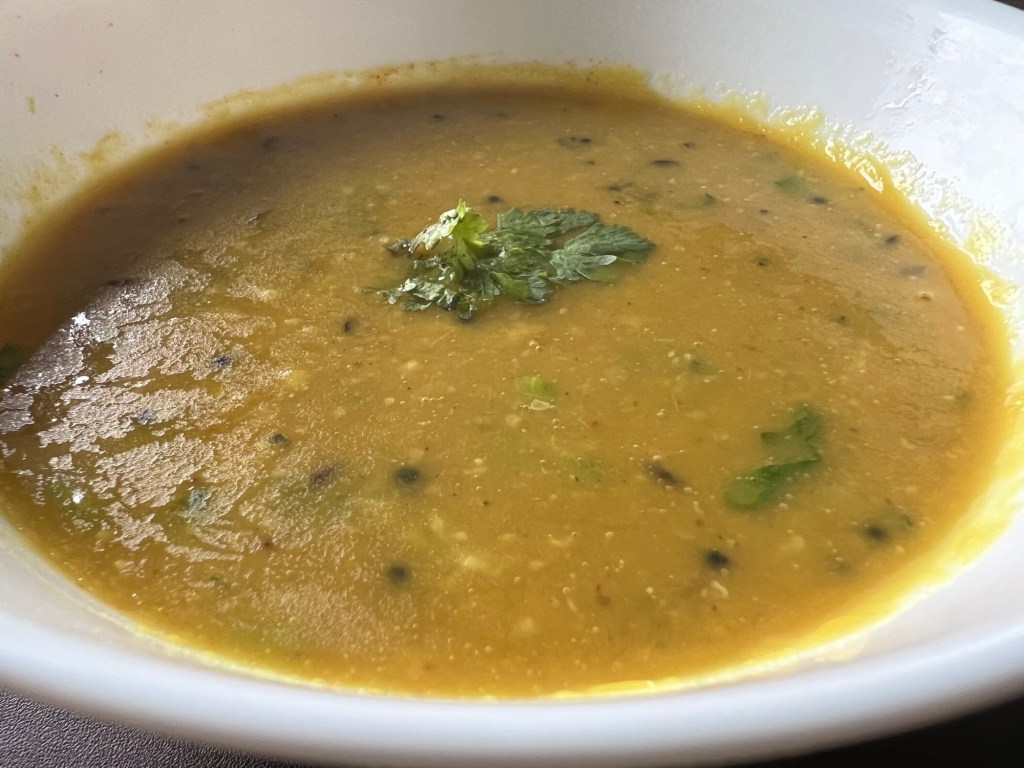
Recipes: Chincha Gul Amti

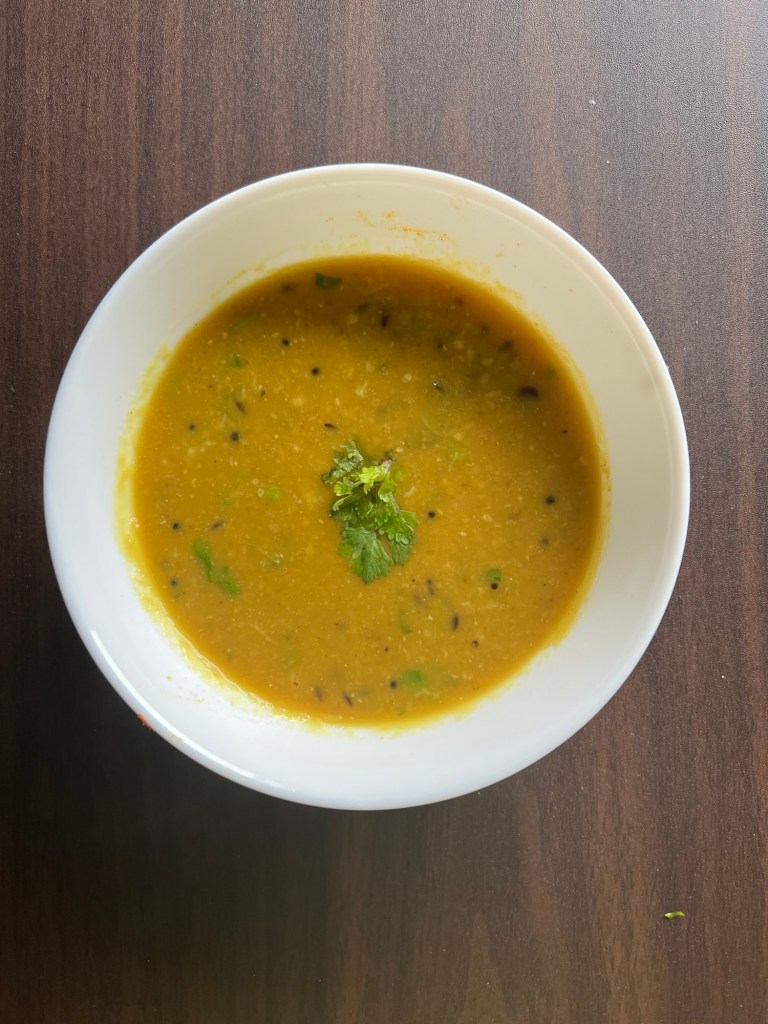
Known for its tangy and sweet flavour, Chincha Gul Amti is a traditional Maharashtrian dal made from tamarind or chincha and jaggery or gul. I got this recipe from one of the many recipe books I own (so old school, right). This version of the recipe includes coconut, which enhances the richness and texture of the dish, but you can opt to omit this if you don’t like the taste. 

Chincha Gul Amti

Ingredients:

  • 1 cup toor dal or pigeon pea lentils
  • 2 tbsp tamarind pulp or paste 
  • 2 tbsp jaggery powder
  • 2 tbsp grated coconut, either fresh or desiccated
  • 1 tbsp oil or ghee
  • ½ tsp mustard seeds
  • ½ tsp cumin seeds
  • ¼ tsp asafoetida 
  • 2 dried red chilies
  • 8-10 curry leaves
  • ½ tsp turmeric powder
  • 1 tsp red chili powder 
  • 1 tsp goda masala (optional) or garam masala
  • Salt to taste
  • Water as needed
  • Finely chopped coriander leaves to garnish

Method:

  • Wash the dal well and soak in hot water for 30 minutes. 
  • Then pressure cook the dal with 2-3 cups of water until soft. This should take around 3-4 whistles. Mash or whisk the cooked dal to a smooth paste and set it aside.
  • If using tamarind pulp, soak tamarind in warm water for about 10-15 minutes. Extract the tamarind pulp by squeezing the tamarind, and set it aside. 
  • If using rock jaggery, dissolve the jaggery in a small amount of water, ensuring no lumps, and set aside.
  • In a deep pan or kadai, heat the oil or ghee on medium heat. Add mustard seeds and cumin seeds, and let them splutter. Add asafoetida, dried red chilies, and curry leaves. Saute for a minute until fragrant.
  • Add turmeric powder, red chili powder, and goda or garam masala and stir for a few seconds. Then add the grated coconut and sauté for another 2-3 minutes until the coconut turns slightly golden.
  • Pour the cooked and mashed dal into the pan. Stir well and adjust the consistency by adding water as needed. Bring it to a gentle simmer.
  • Add the tamarind pulp or paste and jaggery to the simmering dal. Stir well to combine the sweet and tangy flavors. Cook for another 5-7 minutes, allowing the flavours to meld.
  • Add salt to taste and adjust the level of tamarind and jaggery according to your preference. If the amti is too thick, add a bit more water to achieve a medium consistency.
  • Once done, turn off the heat and garnish with freshly chopped coriander leaves.
  • Serve Chincha Gul Amti hot with steamed rice or roti.

2025 Week 08 Update

Today’s quote is by Yvon Chouinard, an American rock climber, environmentalist, and businessman best known as the founder of Patagonia. It emphasises the significance of the journey rather than just the end goal. It suggests that the way we approach challenges, our ethics, and the experiences we gain along the way are far more valuable than simply achieving success. Many people are fixated on reaching their goals, whether in business, personal development, or life ambitions. However, if success is achieved through shortcuts, unethical means, or without personal growth, it can feel hollow. The journey shapes who we are: the struggles, failures, and perseverance required to overcome obstacles are what truly define us, not just the final achievement.

While climbing a mountain, one could theoretically reach the peak by being carried or taking an easy, unearned route. However, doing so would take away the lessons, experiences, and personal growth gained from the climb. Similarly, in life, focusing solely on the destination can cause us to miss out on valuable learning experiences. This philosophy applies to various aspects of life. Business & leadership, ethical and sustainable business practices matter more than just making profits. In our personal growth, becoming a better person is about the effort, discipline, and experiences that shape our character, not just the result. In sports & adventure, winning is not the only goal; how you play the game, your dedication, and your sportsmanship define true achievement.

Ultimately, Chouinard’s message reminds us to focus on integrity, effort, and the lessons learned rather than simply chasing an outcome. True success is not measured by where we end up but by who we become.

Earlier in the week, we realised that GG & BB’s names had been added to the electoral rolls since the voting age in Singapore is 21. So when elections are announced sometime this year, GG & BB will be able to vote. I wanted us to go down together to vote, but since S is on election duty this year, it will be just us. I hope elections are not declared when I am away on my big holiday later in the year! Well, it will be what it will be, so I just need to wait and see.

My days are filled with writing, cooking, and cleaning, so that’s my life in a nutshell. GG is busy with school, and BB is busy with work in camp. He’s done a few overtimes now and also a guard duty on a Friday, which meant he only came home on Saturday morning!

That’s all from me this week. Stay positive and keep smiling!

In My Hands Today…

Good Vibes, Good Life: How Self-Love Is the Key to Unlocking Your Greatness – Vex King

How can you learn to truly love yourself? How can you transform negative emotions into positive ones? Is it possible to find lasting happiness?

In this book, Instagram guru Vex King answers all of these questions and more. Vex overcame adversity to become a source of hope for thousands of young people, and now draws from his personal experience and his intuitive wisdom to inspire you to:

  • practice self-care, overcome toxic energy and prioritize your wellbeing
  • cultivate positive lifestyle habits, including mindfulness and meditation
  • change your beliefs to invite great opportunities into your life
  • manifest your goals using tried-and-tested techniques
  • overcome fear and flow with the Universe
  • find your higher purpose and become a shining light for others