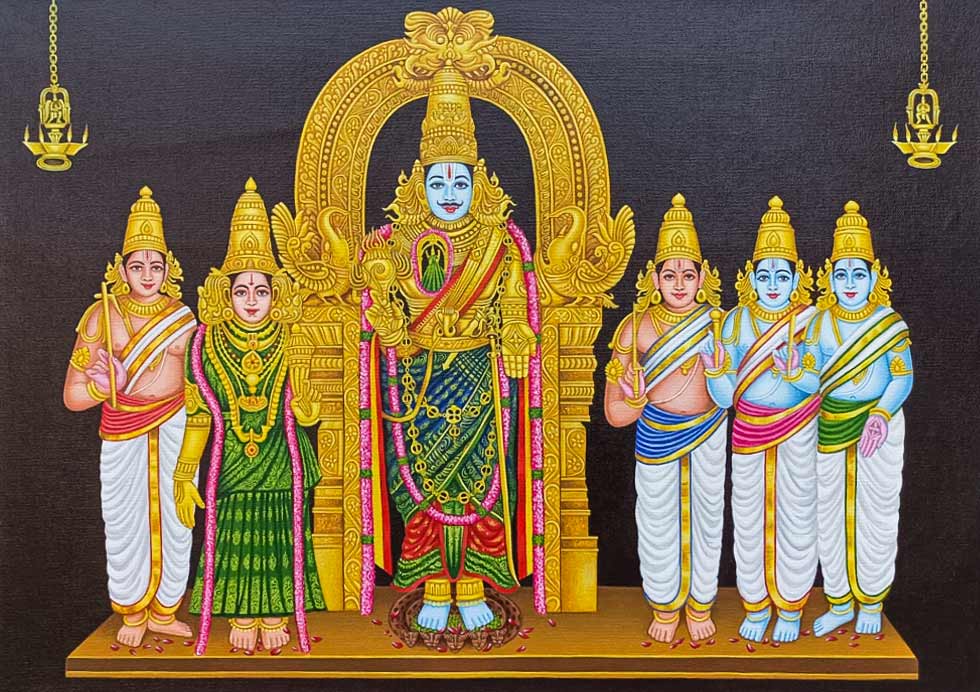
Sacred Stones, Spaces, and Stories: Divya Desams Part 15

Thirusemponsaikoil Temple, Thirunangur, Tamil Nadu
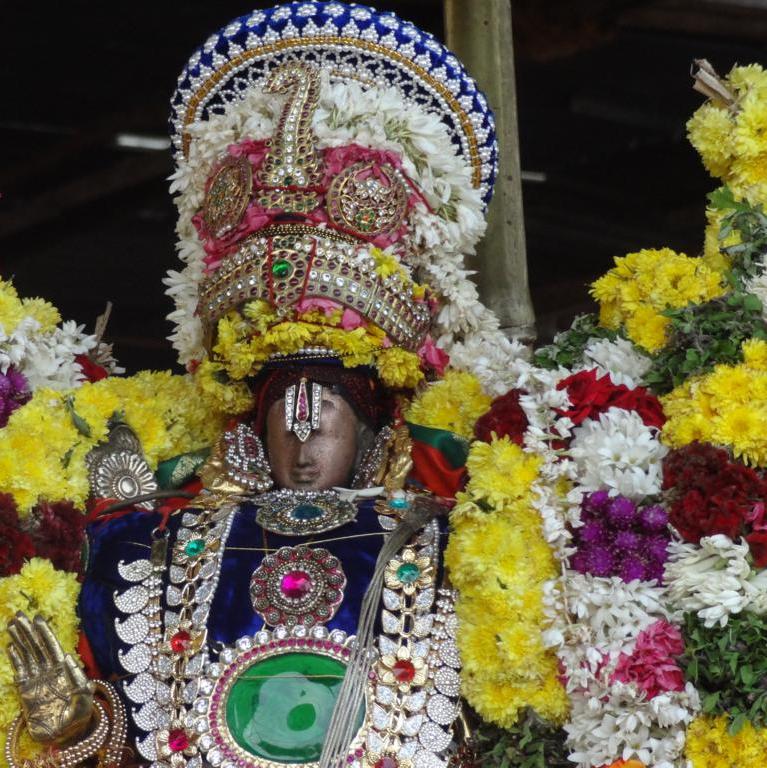
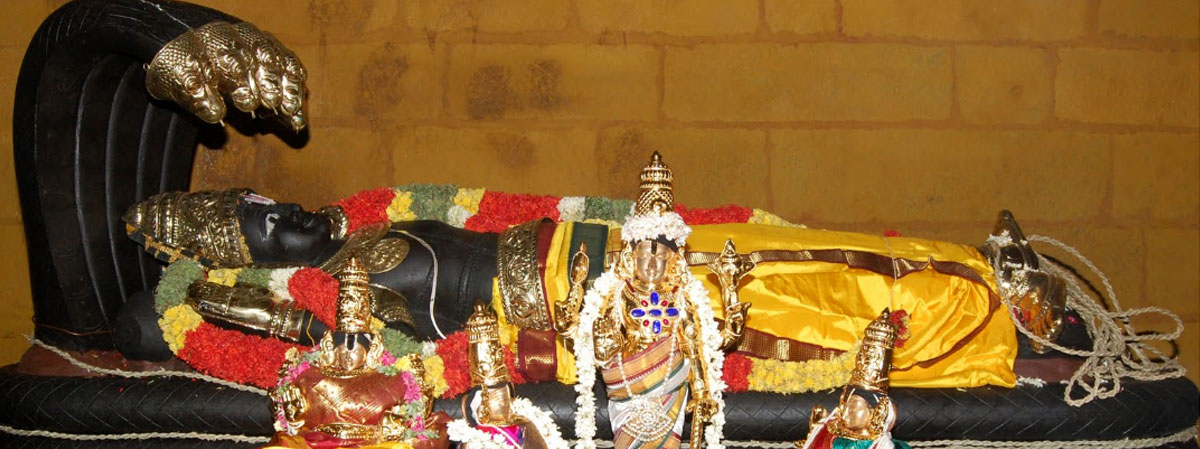
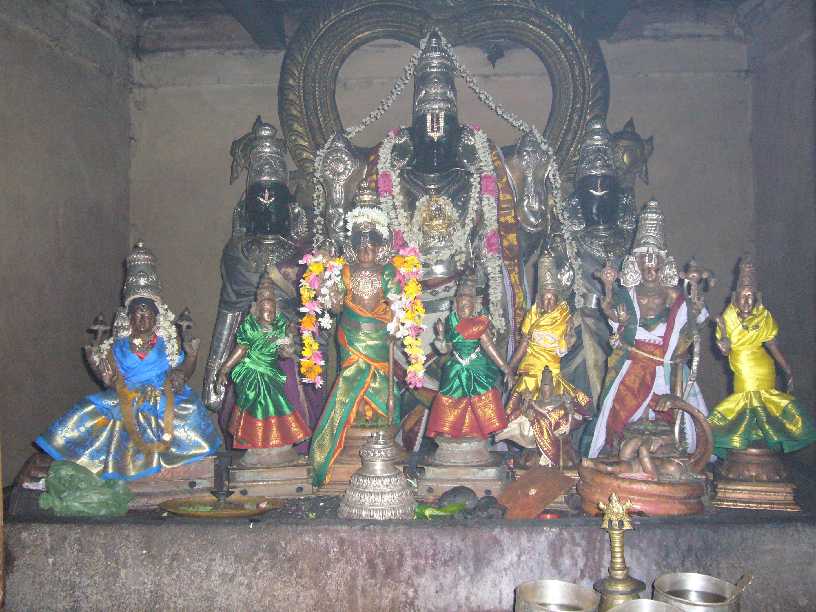
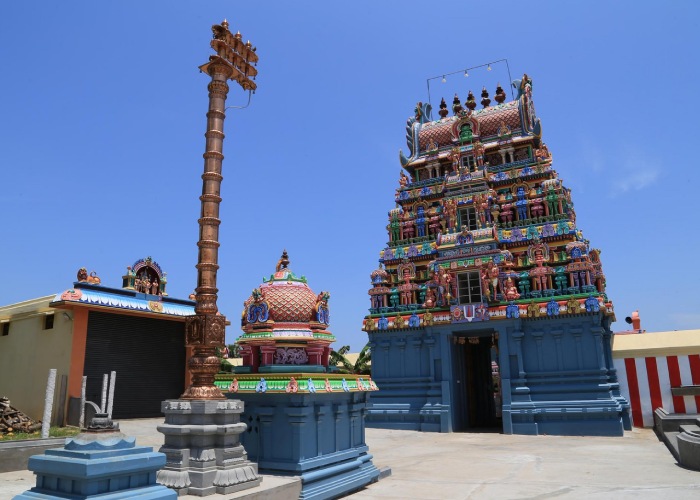
Thirunangur in Tamil Nadu is home to eleven Divya Desams, each with its own mythology and emotional texture. These temples sit close to one another, bound by the same ancient story of Shiva’s grief and Vishnu’s balancing presence. Among these shrines stands Thirusemponsai Koil, dedicated to Perarulalan Perumal and Allimalar Nachiyar. This temple is known for the idea of divine gold, not material gold, but the golden quality of kindness, purity and renewal. The name Sempon means “pure gold,” signalling a place where devotees come to regain a sense of inner brightness. The temple is small and peaceful, settled within the quiet lanes of Thirunangur. Its calm atmosphere reflects the steady softness of the deity it houses.

The core mythology of the Thirunangur temples follows the same thread. After the death of Sati, Shiva was overwhelmed with sorrow and performed the fierce Rudra Tandava in this region. Each time his locks hit the ground, eleven forms of Shiva manifested. The intensity shook the land, and to balance this divine energy, Vishnu appeared in eleven forms, each one calming and stabilising the world. Thirusemponsai Koil is one of these eleven forms of Vishnu.

Local tradition says that this temple was created from gold donated by the gods themselves. The gods approached Vishnu seeking protection from disturbances caused by negative forces. Vishnu agreed and asked them to build a temple from golden materials as a sign of unity and devotion. Because of this, the place came to be known as Semponsei or the temple made of fine gold. While the physical temple today is granite, the “gold” represents sacred value, not wealth. The mythology emphasises inner renewal. Many believe that devotees who feel dulled, tired or emotionally drained regain brightness by praying here. The idea is not dramatic; it is gentle, like the slow restoration of colour after a long period of emotional fatigue. As with all Thirunangur temples, Thirumangai Alvar composed hymns praising this shrine. In his verses, he compares the deity’s grace to gold: steadfast, pure and unchanging. This poetic imagery shaped the temple’s identity and contributed to its Divya Desam status.

Though modest in scale, Thirusemponsai Koil carries deep historical roots. The Chola kings, who ruled much of the Tamil region, are believed to have supported the construction and upkeep of the temple. The structural style reflects early Chola influence, including a compact sanctum, simple granite base, and a clear, functional layout. Unlike large temples that received continuous royal patronage, the Thirunangur shrines were maintained mostly at the community level. Local families contributed land, lamps and offerings to ensure daily worship continued. Inscriptions related to nearby Thirunangur temples show donations of rice, ghee and land for conducting regular pujas. It is likely that Thirusemponsai Koil enjoyed similar support. During the Nayak period, the mandapam and outer walls were reinforced, adding stability to the structure without altering its essential simplicity. Today, the temple stands as part of a living heritage, preserved through devotion rather than grand architecture.

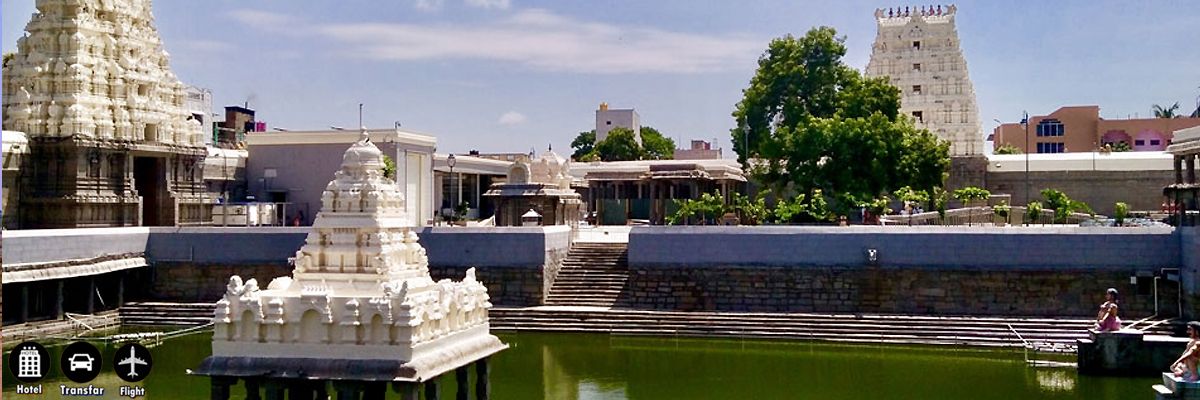
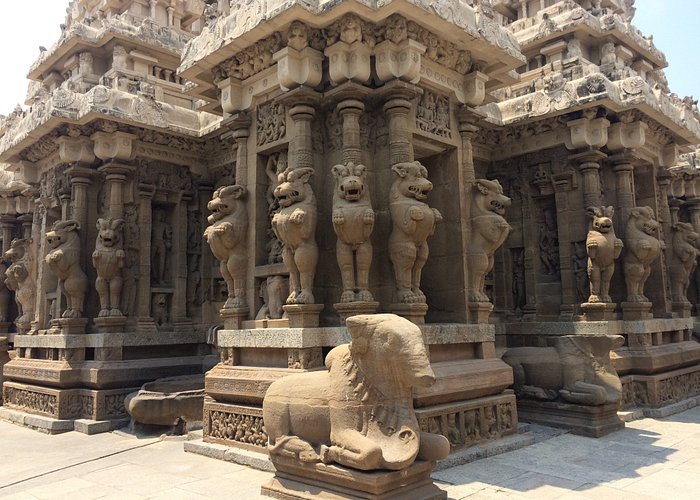
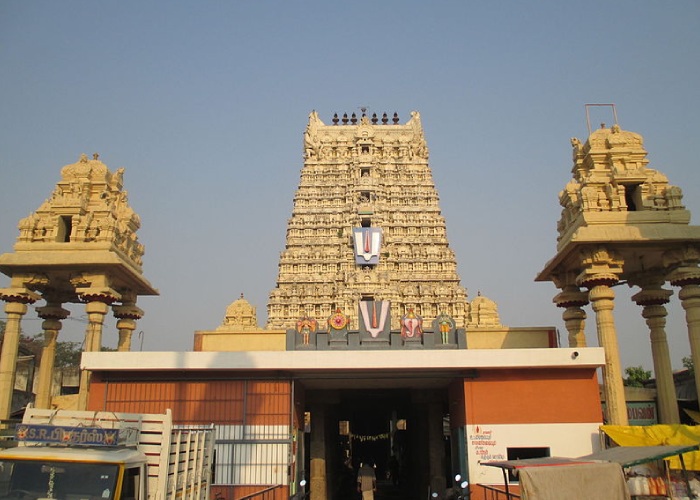
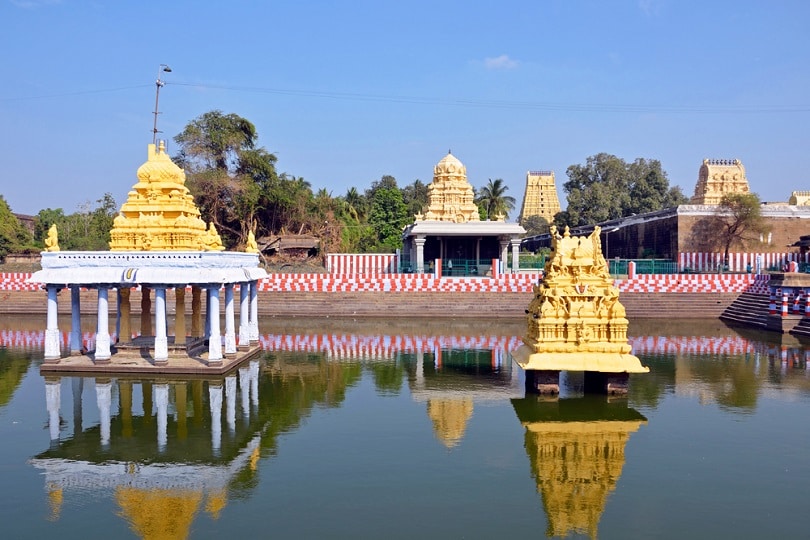
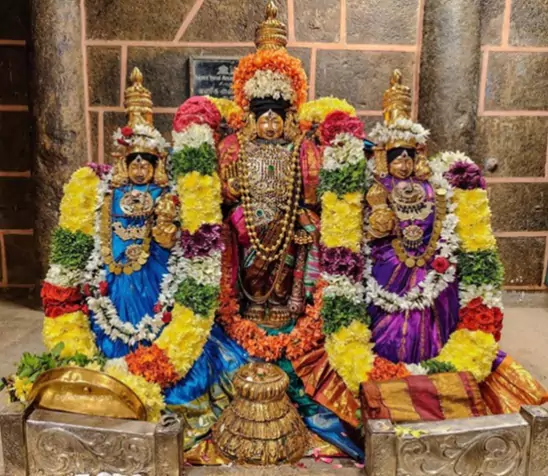
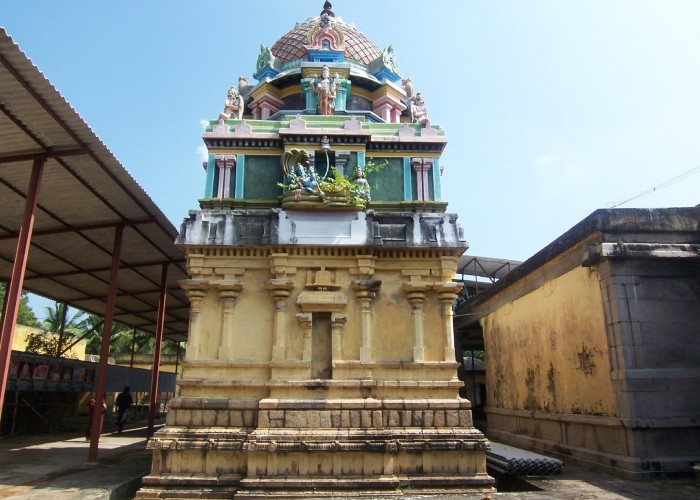
The temple follows the characteristic Thirunangur style: compact, practical and inviting. The entrance has a small gopuram that leads into a simple courtyard. Key architectural features include a short mandapam supported by granite pillars, basic carvings of lotus and yali motifs, stone floors that stay cool throughout the day, a tight circumambulatory path for a quick pradakshina, a small shrine for Thayar, and space for festival processions. The main deity is Perarulalan, meaning “the generously giving one.” He stands facing east, holding the conch and discus. The idol represents steady divine presence: calm, firm and protective. The golden association is metaphorical, and the deity embodies that concept through his name and posture. The goddess’s shrine is located near the sanctum. Allimalar Nachiyar represents gentle compassion. Her presence brings emotional balance to the temple, softening the protective stance of the main deity. The temple once had golden colouring on parts of its structure, according to local accounts. While the gold has long since faded, the idea remains alive through the stories and hymns. A small temple tank nearby is used during festival rituals. The water body adds an element of calm to the surroundings. The architectural simplicity keeps the focus on the deity rather than the structure.

Worship here is direct and unhurried. The daily rituals follow standard Vaishnavite procedure. The day starts with the Suprabhatam in the early morning, followed by the Thirumanjanam or abhishekam, then Alankaram with flowers, Neivedyam and last, the evening worship with lamps. Even during festivals, the temple maintains a sense of order and calm. Major festivals include the Thirunangur Garuda Sevai, Vaikunta Ekadasi, Brahmotsavam, Purattasi Saturdays, Sri Rama Navami, and Krishna Jayanthi. The most significant festival is the Garuda Sevai, when all eleven Vishnu deities from the Thirunangur temples are brought together on Garuda vahanams. This event draws thousands of devotees. Thirusemponsai Koil’s deity participates in this iconic gathering, and the recitation of Alvar hymns creates an atmosphere that is emotionally powerful. Because the temple is tied to gold and renewal, devotees often pray here for emotional recovery, stability after setbacks, strength during tiring phases of life, and inner brightness after prolonged stress. Offerings usually include butter lamps, tulsi garlands and small bags of rice. Worship is accessible and uncomplicated.

Reaching Thirusemponsai Koil is straightforward from Sirkazhi. The entire Thirunangur region feels like a spiritual neighbourhood: quiet lanes, fields, clusters of houses and a slow-moving rhythm. The temple blends into the village landscape. Its entrance is simple, and there are no long queues except during major festivals. Inside, the atmosphere is quiet. The sanctum is close to the doorway, giving an immediate sense of presence. The stone floors are cool, the air carries the scent of sandalwood paste, and the chanting from the sanctum is soft. Pilgrims usually visit all eleven Thirunangur temples in a circuit. Thirusemponsai Koil stands out because of its golden association. Many people say the temple feels subtly uplifting, like stepping into light after a dim few days. Tea stalls and small flower vendors near the temple provide basic support. There is almost no commercial activity, which keeps the mood natural and grounded. Thirusemponsai Koil holds an important place in the cultural memory of the region. The concept of “gold” in Tamil literature often symbolises purity, clarity and strength. This temple reinforces those ideas.

Thirumangai Alvar’s verse sits at the heart of the temple’s identity. His hymns describe Perarulalan’s grace as golden: clean, unwavering and full of promise. These verses are recited during festivals, household ceremonies and temple gatherings. The temple has become part of a cultural framework around emotional renewal. Elders encourage younger people to visit this temple when exhausted or after long struggles. The message is that the temple restores the “gold” within, the steady inner light that may have dimmed. For the people of Thirunangur, this temple is not just a shrine. It is part of the village’s identity. The stories of gold and divine presence shape local customs, advice and small rituals practised at home.

The temple continues to function with daily pujas and periodic renovation efforts. Though small, it remains steady and well-maintained. Recent improvements include repainting parts of the structure, strengthening the mandapam pillars, cleaning the temple tank, and repairing the outer wall. Social media and Divya Desam travel blogs have increased awareness of the Thirunangur temples. Younger devotees now visit more often, taking the opportunity to complete all eleven temples in one trip. Despite this growing visibility, the temple has preserved its calm atmosphere. Worship remains simple, honest and accessible. Its theme of emotional brightness and renewal resonates strongly in modern life, where many people feel drained or overwhelmed. Perarulalan Perumal’s identity as the “golden one” feels especially relevant—symbolising hope that returns even after difficult phases.

Thirusemponsai Koil stands as one of the gentler Divya Desams in Thirunangur. Its mythology connects Vishnu to the idea of gold: steady, pure and uplifting. The shrine’s small size creates a feeling of closeness, and the deity’s presence feels calm and reassuring. The temple’s connection with renewal makes it emotionally significant. Devotees come here not for grandeur, but for a sense of inner brightness returning. With its simple architecture, daily worship and deeply rooted traditions, Thirusemponsai Koil offers a quiet spiritual anchor within the Divya Desam network. Among the eleven temples born from Shiva’s grief and Vishnu’s balancing presence, Thirusemponsai Koil represents gentle recovery—the return of light, clarity and strength.

Thirumanimadakoil Temple, Thirunangur, Tamil Nadu
Thirunangur in Tamil Nadu is home to eleven small but powerful Divya Desams, each tied to the same ancient story of Shiva’s grief and Vishnu’s appearance in multiple forms. These temples sit close together, forming a compact spiritual landscape. Among them stands Thirumanimadakoil, dedicated to Narayanan Perumal and Pundarikavalli Thayar. This temple’s name carries the idea of a crystal tower where mani means gem or crystal, and madam means elevated structure or tower. Symbolically, it represents clarity, stillness and the ability to see things as they are. Thirumanimadakoil is known as a place where the mind settles, and where the fog of confusion begins to lift.

The Thirunangur temples all arise from one shared origin story. After the death of Sati, Shiva’s overwhelming grief triggered the fierce Rudra Tandava. With each thundering movement, eleven expansions of Shiva** emerged across this region. The earth trembled under this energy, and the gods prayed for relief. Responding to their plea, Vishnu appeared in eleven forms, each one calming one of Shiva’s manifestations. These eleven Vishnu forms became the eleven Divya Desams of Thirunangur.

For Thirumanimadakoil specifically, the legend says that Vishnu manifested here in a radiant, crystal-like form. The idea of the crystal tower is symbolic: clarity, transparency and lightness. Local tradition holds that whoever worships here gains mental clarity and emotional steadiness. Another small myth says that long ago, a devotee struggled with indecision and turbulent thoughts. Vishnu appeared to him in this place in a form that was clear and luminous, like a shining gem. The devotee’s confusion dissolved, and he understood the path he needed to take. This simple story shapes the temple’s emotional identity: a place where cluttered thoughts settle.

Thirumangai Alvar visited the temple and composed verses describing the deity as one of gem-like brilliance. He portrayed Vishnu as a steadying force: not dramatic, not overpowering, but quietly illuminating. His hymn anchors the temple in the Divya Desam tradition. Thirumanimadakoil, like the other Thirunangur shrines, carries traces of the Chola period. The structural design: compact sanctum, simple pillars, granite base, reflects early Chola architectural patterns common in rural shrines. The temple likely received support from local chiefs and landowners rather than major kings. Inscriptions found in neighbouring temples mention land donations, oil endowments for lamps and small grants for festivals. Although fewer inscriptions survive in this temple, it is assumed to have been part of the same devotional ecosystem. During the Nayak era, small renovations were made to reinforce walls, add mandapams and support pathways. These changes prioritised functionality rather than elaborate decoration. Across generations, families in Thirunangur maintained the temple through daily worship, festival traditions and oral storytelling. The temple has endured because of continuity, not scale.

Thirumanimadakoil is simple and compact, like most Thirunangur Divya Desams. The architectural style is minimal but purposeful. Key features include a small entrance gopuram, a short mandapam supported by granite pillars, unadorned stone floors, a compact sanctum where the deity resides, a circumambulatory path, and a separate shrine for Thayar. The temple’s simplicity reflects its symbolic meaning: clarity free from unnecessary ornamentation.

The main deity, Narayanan, stands facing east. The idol is serene, with a calm expression. The posture conveys stability and assurance without heaviness. The deity’s presence reflects the temple’s crystal clarity symbolism: quiet illumination rather than force. The goddess’s shrine stands near the sanctum. Her presence adds warmth, softening the temple’s cool tone. Devotees often pray to her for emotional steadiness, especially during times of transition. Though the physical temple is granite, ancient lore says the original vision of the temple appeared to sages like a tower made of shining crystal. This imagery remains central to the temple’s identity. A small temple tank nearby plays a role during ceremonial rituals, though it is not as prominent as in other temples. The architecture keeps the focus on the experience rather than the structure.

The temple follows a standard Vaishnavite worship pattern, with rituals performed in a calm and unhurried way. Daily pujas include Suprabhatam, Thirumanjanam, Alankaram with flowers, Neivedyam, and evening lamp worship. The chanting inside the temple carries softly, giving the shrine a contemplative mood. Major festivals here are the Thirunangur Garuda Sevai, Vaikunta Ekadasi, Brahmotsavam, Purattasi Saturdays, Krishna Jayanthi, and Rama Navami. The Garuda Sevai is the central attraction. All eleven Vishnu deities from the Thirunangur region are brought together on Garuda vahanams. Devotees follow the procession from temple to temple, reciting the Divya Prabandham. Thirumanimadakoil becomes part of this living tradition, and the festival keeps the temple strongly connected to the region’s cultural identity.

Because the temple is associated with mental clarity, devotees come here when they are facing difficult decisions, recovering from emotional confusion, entering new life stages, or seeking peace after prolonged stress. Worship remains straightforward: small lamps, fresh flowers and simple prayers. There is no sense of pressure or ritual complexity.

A visit to Thirumanimadakoil usually begins with a ride through the fields and narrow lanes around Thirunangur. The atmosphere is unhurried, with quiet stretches of farmland and clusters of village homes. The temple blends seamlessly into this landscape. There are no imposing structures or heavy crowds except during festival days. Inside, the temple feels peaceful. The sanctum is close to the entrance, giving the impression of an immediate connection to the deity. Pilgrims often sit in the mandapam after darshan to reflect or simply enjoy the stillness. The cool stone floors and gentle chant sounds create a grounding experience. Pilgrims visiting all eleven Thirunangur temples often say Thirumanimadakoil feels softer and mentally refreshing. It serves as a quiet pause in the middle of the circuit. There are few shops around, mostly flower stalls and small tea stands. The experience remains close to its rural roots.

Thirumanimadakoil occupies a clear place in the cultural heart of Thirunangur and Vaishnavite tradition. Thirumangai Alvar’s hymn is central to the temple’s cultural identity. He compares the deity’s clarity to a bright gem: simple, luminous and emotionally uplifting. Families in the region tell stories of devotees who regained clarity after praying here. Parents often bring their children before exams or important decisions, reinforcing the idea that the temple sharpens focus. During the annual festival, the entire region comes alive. Traditional musicians, reciters and villagers fill the area with songs from the Divya Prabandham. This event keeps the temple culturally vibrant and ensures that the stories continue across generations. The temple has shaped local cultural values around calm thinking and measured action. The idea of the “crystal tower” has become part of the emotional vocabulary of the region.

Today, the temple functions smoothly with daily pujas, festival routines and periodic renovations. Recent improvements include repainting sections of the structure, reinforcing the mandapam pillars, repairing the wall around the prakaram, and cleaning the tank during festival season. The temple retains a strong presence on the Divya Desam pilgrimage routes. Social media and travel blogs have drawn new visitors, especially younger devotees who want to complete all 108 temples. Despite this, Thirumanimadakoil remains simple and uncommercial. Worship is still intimate, without large crowds or elaborate structures. Its symbolic message of clarity and inner brightness feels especially relevant today, when many people seek spaces that quiet the mind.

Thirumanimadakoil stands as one of the gentler Divya Desams in Thirunangur. Its mythological roots tie it to Shiva’s grief and Vishnu’s balancing presence, but its emotional meaning is unique.It invites devotees to slow down, gather themselves and rediscover a sense of clarity. Narayanan Perumal’s presence feels steady, quiet and illuminating. The temple’s simple architecture, daily worship and cultural traditions reinforce its role as a spiritual pause point within the Divya Desam network. Among the eleven Thirunangur shrines, Thirumanimadakoil represents stillness, the moment when confusion fades and understanding becomes clear again.

Sacred Stones, Spaces, and Stories: Divya Desams Part 14

Thiruarimeya Vinnagaram Temple, Thirunangur, Tamil Nadu
Thiruarimeya Vinnagaram is one of the eleven Thirunangur Divya Desams, a tight cluster of Vishnu temples near Sirkazhi in Tamil Nadu. These temples share a powerful mythic origin and hold a special place in the Vaishnavite tradition. The presiding deity here is Kudamadumkoothan Perumal, and the goddess is Amirthakavalli Thayar. This temple is linked to the image of Vishnu dancing inside a pot, an act that symbolises joy, lightness and a divine presence that meets devotees wherever they are. The name “Kudamadumkoothan” literally refers to one who performs a dance while holding a pot. The temple carries a bright, playful energy, balanced by the steady spiritual weight of the Thirunangur region.

The entire Thirunangur belt is shaped by one central myth: Shiva’s grief after Sati’s death. The story says Shiva performed the fierce Rudra Tandava here, and each time his matted hair struck the earth, eleven forms of Shiva emerged. To calm this energy and restore balance, Vishnu appeared in eleven forms, each one establishing itself as a Divya Desam in this region. Thiruarimeya Vinnagaram is one of them.

The deity here, Kudamadumkoothan, has a unique identity in Vaishnavite lore. The legend says that Vishnu once performed a dance holding a pot or kudam to bring joy to a deeply troubled devotee. This gesture showed that divine compassion takes many forms, sometimes playful, sometimes gentle, but always attentive. Another strand of the story says Vishnu danced here to lighten the sorrow caused by Shiva’s grief. While the myth is symbolic, the message is clear: joy can soften the heaviest emotional weights. This gives the temple its emotional tone. People come here when they feel burdened or when they want to reconnect with a sense of lightness and hope.

There is also a belief that the Vedas worshipped Vishnu here, recognising him as the one who protects sacred knowledge. This adds another layer of meaning: clarity, understanding and spiritual insight emerge where Vishnu is present. Thirumangai Alvar’s verse about this temple emphasises the deity’s charm and accessibility. The Alvar describes a god who delights in meeting devotees at their level, not standing distant or imposing.

Thiruarimeya Vinnagaram shares its history with the other Thirunangur temples: ancient, community-supported and shaped deeply by Chola influence. While the temple is small, the region itself used to be an important spiritual corridor. The Cholas maintained many shrines across the Kaveri delta, and this temple shows signs of that era in its stone base, compact sanctum and structural layout. Inscriptions across the Thirunangur temples mention land grants, oil donations for lamps and support for festivals. Even if Thiruarimeya Vinnagaram has fewer surviving inscriptions, scholars believe it functioned with the same pattern of community-based patronage. The Nayak period brought renovations to several of the Thirunangur shrines, including mandapam reinforcements and outer-wall repairs. The simple decorative pillars and functional spaces inside the temple reflect that era. The Divya Desam identity is entirely shaped by Thirumangai Alvar, who sang about all eleven Thirunangur temples. His verses placed them within the Divya Prabandham and turned the region into a major Vaishnavite pilgrimage centre. Though small and modest, the temple endured due to local devotion. Thirunangur villages have passed down these stories for generations, keeping the temples alive through collective memory.

Thiruarimeya Vinnagaram is a compact temple that reflects the typical Thirunangur style: simple, close and intimate. The entrance gopuram is small, and the courtyard is minimal, but the space feels alive with daily worship. The main features include a small mandapam with granite pillars, basic carvings of lotus and yali motifs, stone flooring that stays cool, and a compact prakaram around the sanctum. Inside the sanctum, Kudamadumkoothan Perumal stands facing east. The idol captures a sense of poised movement, reflecting the legend of the dancing Vishnu. His form is calm but carries a hint of playfulness, suggesting ease, grace and readiness to respond. Amirthakavalli Thayar has her own shrine. Her calm presence brings balance to the temple, grounding the joyful tone with quiet reassurance. Because the Thirunangur temples are part of a shared mythic framework, their architecture is intentionally modest. These shrines are not meant to overwhelm the visitor. They are meant to be accessible, places where divine presence feels close rather than lofty. A small temple tank lies nearby, used mainly during festival rituals. The water reflects the gopuram during early morning and evening hours, adding a gentle aesthetic touch. Overall, the temple design is grounded and sincere. Nothing distracts from the experience of the deity.

Rituals at Thiruarimeya Vinnagaram follow the standard Vaishnavite pattern. There is a steady rhythm with the early morning supprabhatam, the Thirumanjanam, alankaram with flowers, daily neivedyam, and the evening lamp worship. The worship style is unhurried and simple. Devotees often feel they can take their time. The major festivals include Thirunangur Garuda Sevai, the most important event of the year, Vaikunta Ekadasi, drawing crowds from across the region, Brahmotsavam, celebrated with street processions, Purattasi Saturdays, a traditional time for Vishnu worship, and Sri Krishna Jayanthi, celebrating Krishna’s birth. During the Garuda Sevai, all eleven deities of Thirunangur are brought out on Garuda vahanams. Kudamadumkoothan joins this gathering, and thousands of devotees walk between the temples chanting Alvar hymns. This festival is one of the most emotionally charged moments in Vaishnavism, symbolising unity, balance and divine intervention. Daily worship carries a quieter mood. Devotees come seeking relief from emotional heaviness, confusion or weariness. The temple’s joyful mythology makes it a natural place for people who want to lighten their burdens. Offerings here include butter, tulsi and small lamps. Simple gestures that carry sincere meaning.

Pilgrims usually travel to Thirunangur from Sirkazhi. The roads wind through small villages and paddy fields, and the temples appear one after another within short distances. It feels more like visiting a spiritual neighbourhood than separate shrines. Thiruarimeya Vinnagaram is easy to locate. Residents point the way without hesitation. The whole area moves at a quiet pace. Inside the temple, the atmosphere is steady. The sanctum is close to the entrance, giving an immediate sense of connection. The stone floors remain cool even on hot days. The soundscape is soft: bells, light chanting and the murmur of families offering prayers. Many pilgrims say this temple feels emotionally “lighter” than some of the others. The deity’s dancing myth creates a subtle joyfulness. It is not loud or dramatic. Just a gentle sense that things will be okay. During Garuda Sevai, however, the whole region becomes vibrant. Devotees from many towns gather, and the shared spiritual energy can be felt in the air. Even then, the temple maintains its identity, a place of divine lightness. No major commercial stalls surround the temple. Small shops sell flowers and tea. People come for worship, not spectacle.

The Thirunangur temples hold a deep place in Tamil Vaishnavite culture, and Thiruarimeya Vinnagaram is central to that collective identity. Thirumangai Alvar’s hymn about the temple is recited during festivals, family gatherings and in Vaishnavite households. His verse emphasises accessibility—Vishnu appearing in a form that ordinary people can approach without fear. The deity’s dancing posture has influenced local art and storytelling. Traditional murals, small prints and festival pamphlets show Kudamadumkoothan holding a pot, smiling or mid-dance. This image has become symbolic of divine kindness that meets people where they are. The temple’s association with bringing joy to troubled devotees has shaped local emotional culture. Elders often encourage younger people to visit this temple during stressful times, saying, “He will lighten your heart.” The temple also contributes to the collective cultural identity formed during the Thirunangur Garuda Sevai. Entire villages participate. Songs from the Divya Prabandham fill the air. Children learn stories here that carry into adulthood. Thiruarimeya Vinnagaram is not just a shrine; it is part of a living framework of shared meaning.

Today the temple continues to function smoothly. Daily pujas run uninterrupted, and the temple stays active even on weekdays. The administration manages upkeep, while villagers take responsibility during festival times. Repair work happens gradually: repainting walls, reinforcing the mandapam, and maintaining the tank. The aim is to preserve the temple’s original feel rather than modernise it heavily. The temple has gained visibility online as part of the Thirunangur trail. Many travellers share photos of the deity, the temple’s compact structure and scenes from the Garuda Sevai. This has drawn younger devotees, especially those interested in the 108 Divya Desams. Despite the new attention, the temple remains calm and uncommercial. Worship continues to be simple. The deity’s identity as a bringer of joy stays at the centre of everything. Thiruarimeya Vinnagaram continues to be a place where people come to reconnect with a sense of ease; something increasingly valuable in a fast, stressful world.

Thiruarimeya Vinnagaram offers a distinctive emotional note within the Divya Desam network. Its mythology focuses on joy, relief and divine compassion expressed through movement and play. Kudamadumkoothan Perumal stands not as a distant god but as one who meets the devotee halfway, with a pot, a dance and an open heart. The temple’s architecture, rituals and setting reinforce this softness. It remains one of the gentler shrines in the Thirunangur cluster, offering a sense of lightness in a region shaped by intense mythology. In the larger spiritual map of Tamil Nadu, this temple carries a simple but powerful message: divine presence can lift your burdens, often in ways that feel effortless.

Source

Thiruvanpurushothamam Temple, Thirunangur, Tamil Nadu
Thirunangur in Tamil Nadu is a cluster of eleven Divya Desams, each with its own emotional tone and mythology. These temples are small, close to one another, and woven together by an ancient legend that connects both Shiva and Vishnu. Among them stands Thiruvanpurushothamam, home to Purushothama Perumal and Purushothama Naachiyar. This temple carries the feeling of calm authority: Vishnu as the supreme protector who guides with clarity, not force. Thiruvanpurushothamam is one of the quieter shrines in the Thirunangur circuit. Its simplicity reflects the nature of the deity: steady, clear, reassuring and quietly present.

The mythology of the Thirunangur temples begins with Shiva’s grief after the death of Sati. As Shiva performed the fierce Rudra Tandava in anguish, eleven forms of Shiva manifested in the region. The land trembled under the weight of this emotional and spiritual intensity. To restore balance, Vishnu appeared in eleven forms, calming Shiva and stabilising the region. Each of the eleven Vishnu forms became a temple, and Thiruvanpurushothamam is one of these sacred spaces. The deity here is Purushothama Perumal, meaning “the supreme being” or “the one who stands above everything without distancing himself from anyone.” The name itself signals completeness. In Vaishnavite philosophy, Purushothaman is the form of Vishnu who guides, protects and clarifies without judgment.

One legend says that Vishnu appeared here to bless the gandharvas, celestial musicians, who prayed for peace after witnessing Shiva’s destructive dance. Vishnu’s calm presence eased their fear and returned harmony to the atmosphere. Another story relates that a devotee once lost spiritual focus and clarity due to personal struggles. Vishnu appeared as Purushothaman to restore understanding. Because of this, people pray here for guidance during confusion or transition. There is also a belief that the Vedas themselves worshipped Vishnu in this form, recognising Purushothaman as the source of all knowledge.
This gives the temple strong ties to wisdom, clarity and good judgment. Thirumangai Alvar highlights these ideas in his verses. He describes Purushothaman as a deity who lifts devotees out of uncertainty, offering stable, gentle leadership.

The temples of Thirunangur, including Thiruvanpurushothamam, carry the architectural and devotional influence of the Chola period. The region was a flourishing cultural hub, and many smaller shrines were maintained by local chiefs and communities. While the temple is compact, historical traces suggest Chola contributions to the sanctum structure and stone layout. During the Nayak period, renovations were made to the mandapam and outer walls. These additions focused on functionality, with simple pillars and clean lines rather than elaborate carvings. The temple’s identity as a Divya Desam comes from Thirumangai Alvar’s hymns. His visit to all eleven Thirunangur shrines cemented their place in the Vaishnavite map. From then on, these temples remained alive through community engagement, annual festivals and steady local worship. Thiruvanpurushothamam does not have many detailed inscriptions, unlike some larger temples. But village tradition holds that families supported the temple through donations of rice, oil and land for small rituals. This grassroots support explains how such a small temple has survived across centuries.

The architecture of Thiruvanpurushothamam mirrors its emotional tone: simple, clean and quietly confident. The temple has a modest entrance gopuram, a small courtyard, a mandapam with granite pillars, a compact sanctum with the main deity, and a separate shrine for Thayar. The temple is not grand, but the proportions feel balanced. Nothing distracts from the deity.

The main deity, Purushottam Perumal, faces east, standing in a strong, steady posture. The idol reflects calm authority: eyes open, presence firm, expression gentle. This posture suggests guidance, not dominance. Devotees often say they feel “seen” by the deity in a reassuring way. The goddess, Purushothama Naachiyar, has her own shrine. Her presence brings emotional softness to the temple. Women visit her for clarity in personal decisions or strength during family challenges. Like many Thirunangur temples, the architecture is minimal with simple lotus carvings, yali motifs, clean stone flooring, and a narrow circumambulatory path. A small temple tank is located nearby, used during festival rituals. The tank symbolises emotional clearing and the restoration of focus. The temple’s simplicity emphasises spiritual presence rather than architectural grandeur.

Daily pujas follow the Vaishnavite order of Suprabhatam, Thirumanjanam, Alankaram with flowers and sandal paste, Neivedyam, and the evening lamp worship. The rituals are not elaborate. They move at a comfortable pace, allowing devotees to spend time in quiet reflection. Major festivals include the Thirunangur Garuda Sevai, the most important festival for the temple, Vaikunta Ekadasi, the temple Brahmotsavam, Purattasi Saturdays, Sri Rama Navami, celebrating the birth of Lord Rama, and Sri Krishna Jayanthi, celebrating Lord Krishna. The Garuda Sevai is the emotional centre of this temple’s cultural identity. All eleven Vishnu deities of Thirunangur are brought together before thousands of devotees. The chanting of Alvar hymns fills the entire region. Purushothama Perumal takes part in this gathering, reaffirming the idea of unity, balance and divine intervention.

Because of the temple’s mythology, devotees come here for guidance while making difficult decisions, clarity of mind during emotional confusion, strength to navigate transitions, and relief from indecision or instability. People often light lamps here before starting new chapters in life, like education, marriage, business beginnings or healing from setbacks.

Reaching Thiruvanpurushothamam usually begins at Sirkazhi. The drive takes you through small roads lined with fields and village homes. The eleven Thirunangur temples sit close to one another, making them easy to visit in sequence. When you arrive, the temple blends into the surrounding houses. The atmosphere is quiet, with children playing nearby and villagers going about their day. The temple’s entrance is simple, but stepping inside changes the mood immediately. The air becomes still. The sanctum is close and visible from the courtyard. Devotees often spend a few moments seated in the mandapam before darshan, absorbing the quiet. Inside the sanctum, Purushothama Perumal’s presence feels steady and grounding. The cool stone floors add to the sense of calm. Pilgrims include this temple naturally as part of the Thirunangur circuit, but it also stands on its own emotionally. People who struggle with decision-making or who feel mentally scattered often say they find clarity here. The lack of commercial shops keeps the area peaceful. Tea stalls and small flower vendors offer simple services, and local residents are quick to guide visitors.

Thiruvanpurushothamam carries a strong cultural identity within the Vaishnavite tradition. Its connection to Thirumangai Alvar ensures that the temple remains part of devotional recitations, festivals and spiritual discussions. In his hymn, Thirumangai Alvar describes Vishnu here as the ultimate guide: the Purusha who stands above all illusions and doubts. These lines are sung during festivals and at family gatherings. Because the mythology centres on restoring understanding, families tell children to pray here when confused. Older generations still pass down small stories of how Purushothama Perumal helped ancestors through difficult decisions. The annual Garuda Sevai is where the temple’s cultural energy becomes most visible. Traditional musicians, reciters and villagers come together. This event binds the eleven temples into one shared story and keeps the emotional memories alive across generations. Small posters, calendars and murals depict Purushothama Perumal standing tall with a calm expression. These images appear in homes across Nagapattinam and Mayiladuthurai districts.

The temple today continues with regular worship and festival cycles. The administration maintains the structure, and local devotees contribute time and effort during busy seasons. Recent repairs include strengthening the mandapam, repainting walls, cleaning the tank, and replacing older stone slabs. These repairs maintain the temple’s old-world feel without over-modernising it. Social media and Divya Desam tourism have increased awareness of the temple. Young pilgrims are adding Thirunangur to their travel plans more frequently now. Even so, the temple retains its quietness. Visitors describe it as a space where the mind settles. The temple’s message: clarity, guidance, steady support, feels particularly relevant today, when many people live with uncertainty or emotional overload.

Thiruvanpurushothamam stands among the eleven Thirunangur Divya Desams as a shrine of clear guidance and gentle authority. Purushothama Perumal embodies calm strength, offering direction without pressure. The temple’s architecture, rituals and neighbourhood atmosphere reinforce its emotional tone: simple, sincere, steady. In the broader Divya Desam network, it adds a note of clarity and reassurance. In daily life, it acts as a quiet anchor for anyone seeking direction. Among the eleven temples linked to Shiva’s grief and Vishnu’s balancing presence, Thiruvanpurushothamam represents the moment when confusion lifts and understanding returns.

Sacred Stones, Spaces, and Stories: Divya Desams Part 13

Thirukkavalambadi Temple, Thirunangur, Tamil Nadu
Thirukkavalambadi is one of the well-known Thirunangur Divya Desams, located near Sirkazhi in Tamil Nadu. The region holds eleven Vishnu temples clustered within a few kilometres, each tied to deep mythology and to the grief of Shiva after the goddess Sati’s death. In the middle of this sacred landscape stands Thirukkavalambadi, home to Gopalakrishna Perumal and Madavaral Mangai Thayar. The temple is dedicated to Krishna in his youthful but firm form: a protector, a guide and a source of strength. It’s small, calm and tightly connected to the emotional history of the Thirunangur region.

The Thirunangur area is associated with a powerful myth. It begins with Shiva’s immense grief after Sati’s death in the Daksha Yagna. Overwhelmed by sorrow and anger, Shiva is believed to have danced the Rudra Tandava in this region. Each time his matted locks struck the earth, an expansion of his energy took form. Legend says eleven manifestations of Shiva appeared, and to balance this destructive energy, Vishnu appeared in eleven different forms, establishing the eleven Divya Desams in Thirunangur.

Thirukkavalambadi is one of these eleven Vishnu shrines. Because of this shared origin, the temple is linked to the idea of balancing powerful emotions: anger, grief, loss, with compassion and divine calm. The presiding deity here is Gopalakrishna Perumal, associated with Krishna’s protective role. The name Kavalambadi itself comes from the idea of Krishna as the one who guards and watches over the devotee. A second legend states that Krishna once came here to rescue a devotee who was trapped in fear and confusion. The devotee prayed for help, and Krishna appeared with softness but also firmness, the kind of quiet strength that doesn’t announce itself loudly. Tradition says the deity here helps dispel inner conflict and restores confidence. Some local stories also tie the temple to the cowherd years of Krishna, emphasising his role as a guide to the helpless. In these stories, Krishna appears not as a divine king but as a devoted caretaker. This adds to the temple’s emotional tone, a sense of being protected, not judged. The goddess, Madavaral Mangai, represents gentle grace. Devotees often visit her shrine seeking comfort from emotional heaviness or uncertainty.

Like most temples in the Thirunangur group, Thirukkavalambadi carries an ancient history tied to the Chola period. The region around Sirkazhi was a major spiritual corridor, and temples here flourished with both royal support and local devotion. Though the temple is small, inscriptions show that it received land grants and endowments for maintaining lamps, providing food offerings and conducting festivals. These contributions came from local chieftains and families rather than major kings, pointing to the temple’s community-driven roots. The temple’s Divya Desam identity was cemented through the hymns of Thirumangai Alvar, who visited the Thirunangur region and sang extensively about these shrines. The Alvar’s verses describe Krishna here as loving, watchful and deeply committed to his devotees.

The temple also plays an important role in the Thirunangur Garuda Sevai, one of the most significant Vaishnavite festivals in Tamil Nadu. This event, where all eleven Vishnu deities are brought together on Garuda vahanams, has kept the historical presence of these temples alive for centuries. Thirukkavalambadi has survived through time not through scale, but through emotional significance and the strength of tradition.

Thirukkavalambadi Temple has a simple, compact layout typical of the Thirunangur divya desam cluster. The entrance is modest, with a small gopuram leading into a courtyard that feels close and personal. Inside the sanctum, Gopalakrishna Perumal stands in a graceful posture. His appearance reflects youthful energy but with a grounding presence. Devotees often note the calm expression on the deity, which carries both affection and quiet authority. The goddess Madavaral Mangai has her own shrine. Her space has a softer ambience, and many devotees spend extra time here in quiet reflection.

The temple includes a small mandapam with granite pillars, simple carvings featuring lotus and animal motifs, stone floors that stay cool throughout the day, and a narrow circumambulatory path. The design is not elaborate. It reflects the region’s small-temple aesthetic: functional, devotional and humble. The temple tank, known as Thirukkannapuram Theertham, is located nearby and plays a role in ritual bathing during festivals. The physical space encourages slow movement. Nothing here is designed to intimidate or impress. Instead, it invites the visitor into a calm, steady presence, much like Krishna in this form.

The temple follows the standard Vaishnavite tradition of daily pujas. The routine includes early morning suprabhatam, thirumanjanam or abhishekam, alankaram with flowers and sandal paste, neivedyam offering, and the evening lamp rituals. The worship style is quiet, without elaborate ritual complexity. Major festivals include Thirunangur Garuda Sevai, which is the most important local event, Vaikunta Ekadasi, which draws pilgrims from surrounding towns, the temple Brahmotsavam, which is celebrated with processions, Krishna Jayanthi that marks the birth of Krishna, and Purattasi Saturdays, when many families visit Vishnu temples.

During Garuda Sevai, the deity from Thirukkavalambadi is brought out along with the deities from the other ten temples. This creates a rare and emotional gathering of all eleven forms of Vishnu. Pilgrims walk between the temples, chanting hymns from the Divya Prabandham. This festival is one of the most significant Vaishnavite gatherings in the region, and Thirukkavalambadi’s involvement and the presence of Krishna make the atmosphere joyful and energetic. Daily worship, however, remains low-key and intimate. People come here seeking Krishna’s protective presence, often offering butter, tulsi leaves or small lamps as symbolic gestures.

Reaching Thirukkavalambadi usually begins from Sirkazhi or Thiruvenkadu. The roads are narrow, lined with houses, trees and open fields. The eleven Thirunangur temples lie close to each other, and pilgrims often walk or drive between them as part of a full circuit. The village around the temple carries a quiet rhythm. Children play on the street. Farmers return from the fields. Local women sit outside their homes, stringing flowers. Directions are easy to follow,and locals immediately point you to the temple when asked. Inside, the temple feels intimate. The sanctum is close to the entrance, and the air carries the soft scent of oil lamps and incense. The stone flooring is cool, even on warm afternoons. Pilgrims often say this temple feels like meeting Krishna, not as a king or warrior, but as a friend, someone who stands with you, watches over you, and doesn’t complicate things. Many complete the eleven-temple circuit on the same day, but Thirukkavalambadi tends to stand out because of its emotional warmth. Krishna’s presence gives the temple a youthful softness, balanced by the steadying influence of the surrounding shrines. Because the temple is small, there are no big stalls or commercial spaces. People usually buy tea or snacks from local houses or small shops near the entrance.

In the cultural memory of the region, Krishna at Thirukkavalambadi is known as the protector of the vulnerable and the restless. The stories told by elders often focus on Krishna’s readiness to help, especially when devotees feel cornered or confused. Thirumangai Alvar’s hymn elevates the temple within Vaishnavism. His poetry speaks of Krishna’s black-hued beauty, karumani, the black gem, which gives the temple its identity. Because of this, Krishna here is often called Karunthadankanni Gopalan, the dark-eyed protector. The Thirunangur Garuda Sevai keeps the temple culturally alive. During this festival, musicians sing verses from the Divya Prabandham, villagers offer flowers, and devotees move between temples in a shared spiritual rhythm. This annual event ensures intergenerational continuity. Children learn the stories, elders pass on traditions, and the temples remain part of a living community identity. Local art sometimes shows Krishna standing with a gentle smile, flanked by cows or flute motifs, evoking the protective, pastoral side of the deity.

Today, the temple functions with a steady rhythm. The administration performs daily pujas while villagers help with festival preparations and maintenance. Small repairs and repainting happen regularly, though they keep the structure close to its original form. The temple has gained some visibility through photos shared online by travellers completing the Thirunangur circuit. However, it has not experienced the commercialisation seen in larger Divya Desams. The atmosphere remains sincere and simple. Younger devotees are beginning to visit the temple as part of a deeper interest in the 108 Divya Desams. This has increased footfall during weekends and festival seasons. Even with this growing attention, the temple retains its emotional core; Krishna stands as a protector, not as a deity to be feared. The rituals remain accessible, and the mood remains welcoming. Thirukkavalambadi continues to be a safe space for those seeking reassurance, connection or a moment of quiet grounding.

Thirukkavalambadi is a small but significant Divya Desam in the Thirunangur cluster. Its mythology ties it to Shiva’s grief, Vishnu’s balancing presence and Krishna’s protective role. The temple’s calm, intimate setting reinforces this feeling of safety. Gopalakrishna Perumal stands as a stable, steady figure, someone who listens and responds without judgment. The temple’s connection to the annual Garuda Sevai gives it cultural weight, while its daily worship practices keep it grounded in simplicity. Among the eleven shrines of Thirunangur, Thirukkavalambadi offers a soft, reassuring note, a reminder that strength does not need to be loud, and protection can come in silence.

Source

Thirukazhicheerama Vinnagaram Temple, Sirkazhi, Tamil Nadu
Thirukazhicheerama Vinnagaram is one of the important Divya Desams located in Sirkazhi, a temple-rich town in Tamil Nadu. The presiding deity here is Vaikunta Narayana Perumal, and the goddess is Amuruviyappan Thayar. This temple carries a strong sense of protection and presence. The mythology, atmosphere and worship practices all point to one central idea: help arrives quickly here. Devotees often describe the temple as a place where Vishnu stands ready to act for those who seek him with sincerity. Sirkazhi itself is a historic, layered town known for its Shaivite and Vaishnavite shrines. The coexistence of traditions gives the place depth and balance, and this particular temple plays a significant role in that spiritual landscape.

The core legend tied to this temple centres on Brahma, the creator. According to traditional stories, Brahma once faced interference from demons while performing a yagna. These forces tried to stop his ritual, causing fear and instability. Seeking protection, Brahma prayed to Vishnu. Responding immediately, Vishnu appeared in this very place as Vaikunta Narayana, fully armed and ready to defend him. The term Vinnagaram signifies a divine heavenly abode, and Kazhicheerama links the place closely to Brahma’s worship. This direct response: Vishnu appearing without delay, is central to the temple’s identity. It gives devotees the feeling that prayers made here reach the deity quickly and clearly.

Another legend says that the town’s old name, Kazheesiramam, comes from Kazhi” meaning Sirkazhi, a place where Brahma’s worship took root. The connection with creation, order and renewal makes the temple emotionally resonant. A second strand of mythology relates to the protection of sacred knowledge. Tradition holds that Vishnu safeguarded the Vedas from being stolen by demonic forces. In this story, Vishnu becomes the custodian of wisdom, not just the protector of people. This themes fits the mood of the temple: clarity restored, knowledge protected, order maintained. Thirumangai Alvar, who visited and sang about the temple, highlights Vishnu’s swiftness in responding to devotees, another anchor of the temple’s spiritual identity.

Sirkazhi has a long religious history, and this temple sits inside a cultural landscape shaped by both Shaivite and Vaishnavite traditions. While the famous Shiva temple dominates much of the town’s historic memory, Thirukazhicheerama Vinnagaram has existed alongside it for centuries, forming part of a sacred duality. The temple’s structure shows signs of early Chola influence, especially in the sanctum’s base and stonework. The Cholas were strong patrons of Vishnu temples across the Kaveri belt, and inscriptions across this region often mention endowments for lamps, festivals and daily worship. Similar patterns appear here as well. During the Nayak period, additional mandapams and small structural enhancements were added. These later contributions focused more on practical needs: pillars, coverings and outer walls, than on heavy ornamentation. Thirumangai Alvar’s verses fixed the temple’s place in the Divya Desam network. Once a temple is part of the Alvar’s devotional map, it enters a living tradition that continues across centuries. Unlike large temple complexes, this one survived through community engagement rather than royal grandeur. Families in Sirkazhi supported it steadily, allowing it to remain active even when political attention shifted elsewhere.

The architecture of Thirukazhicheerama Vinnagaram is simple and grounded. The entrance gopuram is modest, especially compared to the towering Sirkazhi Shiva temple nearby. But this modesty gives the temple its character, quiet, approachable and intimate. Inside, the temple follows a straightforward layout with a small courtyard, a mandapam with granite pillars, the sanctum housing Vaikunta Narayana Perumal, a separate shrine for Amuruviyappan Thayar, and small shrines for Garuda, the Alvars and local guardian deities. The main deity stands in a posture that suggests alertness. Vaikunta Narayana faces east, with the conch and discus, and a steady expression that conveys readiness to protect.
Devotees often comment on the awake quality of the idol, as if the deity is always paying attention.

The Thayar shrine softens the tone of the temple. Amuruviyappan Thayar’s presence adds warmth and grounding. Many women visit her shrine specifically for guidance during transitions or periods of uncertainty. The temple’s stone pillars carry simple lotus patterns, yali carvings and a few decorative flourishes typical of the region’s Nayak period. The flooring is worn smooth from centuries of visitors. The temple tank, Brahma Theertham, sits nearby. It plays an important role during festivals and certain rituals. The tank symbolises purity, Brahma achieving clarity again through Vishnu’s help. The aesthetics here do not overwhelm. They work gently, like the temple’s mythology. Everything is close, accessible and quiet.

Daily worship at this temple follows the traditional Vaishnavite schedule. The rhythm is slow, intentional and consistent. Morning rituals include the Suprabhatam, the Thirumanjanam or abhishekam, the Alankaram with fresh flowers, the Neivedyam, and the first darshan of the day. Evening worship creates a softer atmosphere, with lamps and low chanting filling the sanctum. Major festivals include Vaikunta Ekadasi, the most important day here, Brahmotsavam, celebrated across ten days, Purattasi Saturdays, which draw steady crowds, Thirumangai Alvar Mangalasasanam, when the Alvar’s visit is reenacted, and Sri Jayanthi, honouring Krishna’s birth. A distinctive worship focus here involves prayers for protection. People come here when they feel vulnerable, attacked, undermined or simply overwhelmed. Because Brahma found safety and clarity here, devotees feel the temple holds a similar emotional space for them. Another quiet practice is seeking blessings for the protection of knowledge, students, teachers and those facing career examinations often visit this temple for confidence and focus. The rituals are not elaborate or dramatic. They move at a gentle pace, allowing devotees to feel present rather than rushed.

Reaching the temple is simple since Sirkazhi is well connected by road and rail. Once you arrive, the town’s spiritual atmosphere becomes obvious: temple bells, chants and small shops selling flowers create a layered environment. The Divya Desam sits inside a neighbourhood rather than an isolated compound. Walking up to the entrance feels like entering a familiar local space. Houses line both sides of the street, and the temple blends naturally into the everyday life of the town. Inside, the atmosphere shifts. Everything becomes quieter. The sanctum is close to the entrance, and the deity is visible almost immediately. The stone floors stay cool, even during warm afternoons, grounding the visitor. Pilgrims often visit this temple along with the larger Bhramapureeswarar (Siva) temple in Sirkazhi. The two shrines form a spiritual pairing: Shaivite depth and Vaishnavite protection in the same town. People often say this temple feels emotionally accessible. You can sit quietly in the mandapam, listen to small chants echoing off the stone and feel a sense of safety. Most pilgrims do not rush their visit. The temple invites slow movement. Simple tea stalls outside serve as resting points. Vendors sell flowers, lamps and prasadam items, but there is no heavy commercialisation.

Thirukazhicheerama Vinnagaram plays a consistent role in the cultural identity of Sirkazhi. Its mythology of protection resonates with families across generations. Parents tell children the story of Brahma seeking refuge here, reinforcing the idea that help always exists. Thirumangai Alvar’s verses keep the temple anchored within Tamil Vaishnavite literature. His hymns describe Vishnu here as strong, alert and compassionate. During festivals, the temple becomes part of a wider community rhythm. Music, recitations and procession songs travel through the neighbourhood, creating a shared cultural experience.
These events turn the temple from a quiet daily haunt into a lively communal space. The temple also influences local art. Pictures of Vaikunta Narayana with a protective stance appear in calendars, framed prints and devotional booklets. The association with knowledge protection means many students keep small images of the deity in their homes. As part of the Divya Desam circuit, the temple also attracts pilgrims from different regions, connecting Sirkazhi to a wider spiritual network. This shared heritage strengthens regional identity and culture.

The temple functions smoothly today, with regular daily pujas, festival schedules and community involvement. The administration manages structural upkeep, while devotees help during festival seasons. Recent renovations include repainting, strengthening corridor walls and maintaining the temple tank. These efforts are modest but effective, keeping the temple’s original atmosphere intact. The temple has also gained visibility online. Photos of Vaikunta Narayana’s shrine, the gopuram and festival processions circulate on travel pages and Divya Desam guides. This has brought younger pilgrims into the fold. Even with this increased attention, the temple has not become commercialised. Worship remains simple. Crowds remain manageable. The emotional tone of the place is still calm and grounded. The temple’s core message: protection and immediate divine presence, still resonates today. At a time when many feel stretched or insecure, the idea of a deity who responds quickly feels comforting and relevant.

Thirukazhicheerama Vinnagaram stands as a Divya Desam rooted in the idea of swift protection and clarity. Brahma found safety and assistance here, and devotees still come for the same reason. The temple’s simple architecture, steady worship and quiet neighbourhood setting give it a distinctive warmth. Vaikunta Narayana Perumal feels close, attentive and present. Its place in the Divya Desam journey balances the larger shrines of Tamil Nadu with a temple that prioritises emotional accessibility and reassurance. In the spiritual map of Tamil Nadu, this temple acts as a quiet anchor—a place where help feels immediate and the divine feels near.

Sacred Stones, Spaces, and Stories: Divya Desams Part 4

Pundarikakshan Perumal Koil, Thiruvellarai, Tamil Nadu
Located in Thiruvellarai, a village 15 km northwest of Tiruchirappalli in Tamil Nadu, the Pundarikakshan Perumal Temple is one of the 108 Divya Desams, sacred Vishnu sites praised by the Alvars. The name means “white rock,” from the pale granite hills around it. Here, the goddess gets first honours in worship, flipping the usual order. Some say it’s older than Srirangam, but archaeology points to 8th-century caves, not millions of years.​​

Legends start with King Sibi Chakravarthy of Ayodhya. Hunting demons, he camped here. A white boar dashed past and hid in an anthill. Sage Markandeya, doing penance nearby, told Sibi to pour milk into the hole. Vishnu emerged as Pundarikakshan, the lotus-eyed lord. The sage said build a temple, but bring 3700 Vaishnavites from the north to do it right. Sibi did. But one worker died en route. Short 3700, the king worried. Vishnu slipped in disguised as Pundarikakshan, the 3700th. That’s why the deity faces west, watching the road the migrants came from. Another tale has Lakshmi doing penance here. Vishnu appeared as Sengamala Kannan. She became Pankajavalli, the lotus lady. Shiva, as Neelivaneswarar, worshipped here to shed Brahma’s severed head sin.​​

Pallavas carved the rock-cut caves in the late 8th century, under Nandivarman II and Dantivarman. Inscriptions prove it. Cholas added later, like Parakesarivarman endowing Krishna’s shrine around 950 CE. The Pandyas, Hoysalas, Vijayanagara kings layered on halls and walls. A 1262 flood wrecked it; a merchant rebuilt it. Ramanuja spent time here, teaching. Uyyakondar, his disciple, was born nearby. Thirukurukai Piran Pillai too. That ties it to Sri Vaishnava roots. Unique spot: 100-pillar hall, rare in smaller Divya Desams. White rocks gave the name, but also shaped early digging, nature forced the builders’ hand.

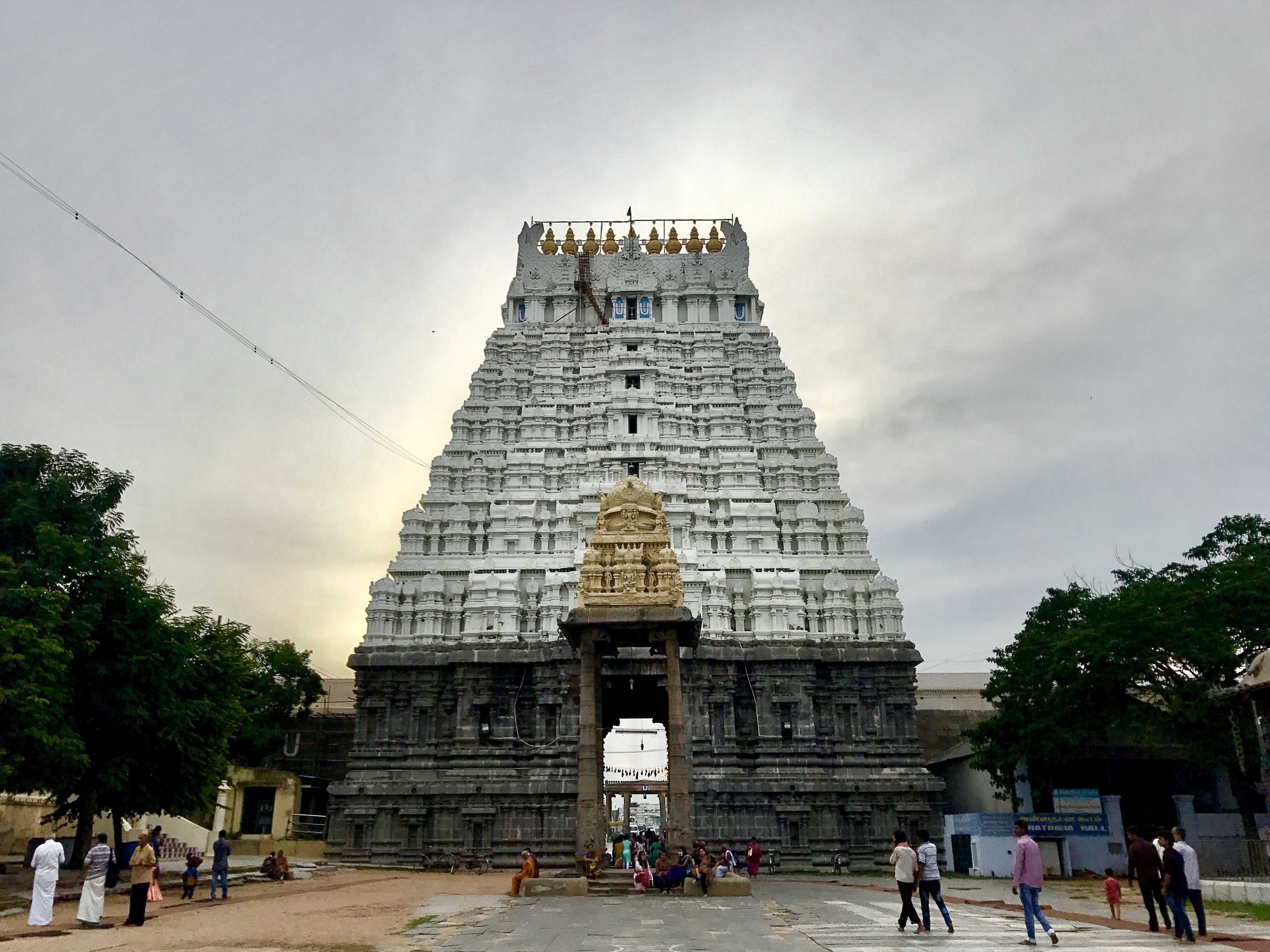
Dravidian style rules: granite walls, three-tier rajagopuram at the gate. Complex spreads over a low hill, with Pundarikaksha Theertham tank for rituals. Main sanctum holds west-facing Pundarikakshan, seated. Pankajavalli shrine separate but central. 100-pillar mandapam stands out with carvings of avatars, dancers, and lotuses. Rock-cut caves from Pallavas hold old inscriptions. Later gopurams mix Chola bulk with Nayak flair. No wild innovations, but tight layout on rocky ground shows smart adaptation. Pillars tell epics; walls mix gods and beasts.

The temple features six daily pujas: alangaram, naivedyam, and deepa aradanai. Nagaswaram and tavil play, with the priests chanting the Vedas. The goddess goes first: Pankajavalli gets decorated, fed, lit before her lord, a rare switch.

The Brahmotsavam in Panguni (Mar-Apr) takes place over 10 days, with Garuda Sevai and processions. Vaikunta Ekadasi opens the gates of paradise while Panguni Uthiram allows worshippers to witness the divine wedding. Chariot festival key, a community feast, is unique and centuries old. It is believed that a dip in the tank during the month of Karthigai in November enhances fertility.

From Trichy, buses or autos cover 15 km on flat roads past fields and the Kollidam river. The Alvars sang 11 paasurams here, baked into Nalayira Divya Prabandham. Ramanuja’s stay shaped commentaries while hymns fuelled songs, and dances at festivals.

The temple is managed by the Hindu Religious and Endowments Board and is affiliated with the Srirangam administration. The temple gopuram was recently restored using ancient methods with the help of IIT Madras, which they also documented. The festivals mostly draw a local crowd, with not many tourists here. Online bookings help, though demographics show more than 80% visitors are devotees and the rest are history fans.

Thiruvellarai anchors the Divya Desam net as a quiet elder. Myths test kings and gods; history stacks layers from cave to tower. The goddess-first worship questions male-led norms. The temple is small, but packed; it shows heritage thrives in villages, not just cities.

Vadivaḻagiya Nambi Perumal Koil, Anbil, Tamil Nadu
The Vadivazhaga Nambi Perumal Temple stands in Anbil village on the north bank of the Kollidam River, just 12 km from Tiruchirappalli in Tamil Nadu. Known also as Sundararaja Perumal Temple, it ranks among the 108 Divya Desams, sacred Vishnu abodes praised by the Alvars. Vishnu reclines here as the strikingly handsome Sundararajan, flanked by Sundaravalli Thayar. Thirumangai Alvar dedicated one hymn to it. Some claim idols date to Pandava times, but Chola inscriptions from the 8th century provide the firmest evidence.

Legends centre on Brahma’s pride in his creation. Arrogant about his beauty, he earned Vishnu’s curse to live as a mortal. Brahma performed penance at Anbil. Vishnu appeared in irresistible splendour, lifting the curse. Hence the name Sundararajan, the lord of beauty. The site earned “Anbil,” meaning “not agreed,” from a debate where even sage Valmiki disputed Vishnu’s finest form until the deity resolved it here.

Another tale features sage Manduka meditating underwater. Sage Durvasa cursed him into frog form for neglect. The frog worshipped Vishnu and regained human shape. The demon Kalanerai harassed rishis Bhrigu and Markandeya. Vishnu slew it as an arasa maram tree, then reclined on Adisesha. Shiva arrived seeking relief from his curse, the Brahma head stuck to his hand dropped after Vishnu offered rice.

These accounts overlap and contradict. Was Brahma cursed once or twice? Demons shift names. Myths prioritise themes over timelines: beauty humbles the creator, devotion redeems the cursed, and grace crosses sects as Shiva bows to Vishnu. If beauty dissolves pride, it challenges hierarchies in Vaishnava lore. Frog-to-sage underscores form yields to faith.

Medieval Cholas constructed the core structure in the late 8th century. Copper plates record their land grants and endowments. Vijayanagara kings and Madurai Nayaks expanded it later with halls and inscriptions detailing donations and festivals. Floods ravaged it in the 1260s, prompting local rebuilds. Unlike Srirangam’s raids, Anbil faced mainly river threats, yet survived through community effort. Thirumangai Alvar’s paasuram secured its Divya Desam status around the 8th century. Ties to Ramanuja’s Tenkalai tradition strengthened its Vaishnava role. Its unique location near the Grand Anicut, the Cholas’ irrigation feat, links temple life to agriculture. Rulers funded it as a power symbol; floods remind us that nature, not just kings, shapes survival.

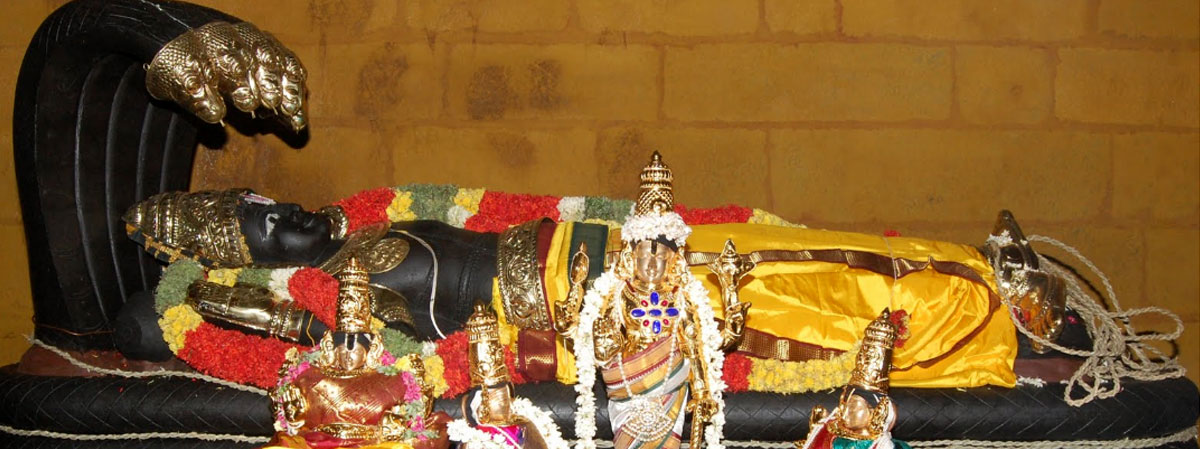
Standard Dravidian granite buildings span 1.5 acres. A three-tier east-facing rajagopuram marks the entrance. In the sanctum, Sundararajan reclines on Adisesha with Sridevi, Bhoodevi, and Brahma at his feet. The Tharaka Vimanam roof echoes the gopuram shape, a subtle innovation. Subsidiary shrines honour the 12 Alvars, Narasimha, Venugopalar, Lakshmi Narasimha, and Hanuman. Carvings depict epics and lotuses on pillars and walls. The Pushkarini tank supports ritual baths.

Six daily pujas follow the Tenkalai style: alangaram for decoration, neivethanam for food offerings, and deepa aradanai for lamps. Nagaswaram pipes and tavil drums accompany Vedic chants. The temple Brahmotsavam spans 10 days in Chittirai (April-May) with processions. The Maasi Tirthavari (February-March) features river baths for the deity, while Vaikunta Ekadashi draws crowds.

One can reach Anbil by bus or auto from Trichy, tracing the Kollidam through fields. Village lanes lined with flower vendors lead to the temple gate. Remove shoes for darshan, often under 30 minutes during off-peak times.

Today, the TNHR&CE Board oversees operations with annadhanam feeding devotees daily. Flood defences continue, including raised walls and drainage fixes. The temple festivals pull locals mainly, with not many tourists drifting off the tourist circuit.

The Vadivazhaga Nambi Perumal Temple at Anbil holds its place in the Divya Desam circuit as a quiet riverside survivor. Its myths show gods humbled by beauty and devotion, while history reveals layers from Chola foundations to Nayak expansions, tested by relentless floods. The compact Dravidian design and village-scale rituals keep it grounded in daily life, far from grand temple-cities. This temple proves the circuit’s strength lies in such modest spots, weaving farm rhythms and river threats into India’s spiritual fabric. Visit to walk the Kollidam banks, ponder pride’s fall, and feel grace etched in reclining stone. In the end, Anbil reminds us that enduring faith thrives not in spectacle, but in steady flow.

Appakkudathaan Perumal Koil, Koviladi, Tamil Nadu
Located on the south bank of the Cauvery River, in Koviladi village, about 16 km from Tiruchirapalli in Tamil Nadu, the Appakkudathaan Perumal Temple is one of the 108 Divya Desams. Lord Vishnu is enshrined here as Appakkudathaan, forever holding a pot of sweet appam in his right hand. This site ranks among the five Pancharanga Kshetrams along the river, with legends claiming it predates even Srirangam upstream. But Chola inscriptions from the 9th century provide the earliest solid evidence, while floods have repeatedly challenged its survival.​

The main legend tells of King Uparisravasu, who accidentally killed a brahmin while hunting. The sin of brahmahatti dosha gripped him, worsened by Sage Durvasa’s curse that sapped his strength. To atone, the king fed thousands daily; accounts vary between 10,000 and 100,000. One day, Vishnu arrived disguised as a starving old man, devoured all the food, and requested a pot of appam. The king obliged. Vishnu revealed his form, lifted the curses, and stayed reclined with the pot as a reminder of grace through simple service.​

Sage Markandeya faced death at 16 from Yama. He prayed here, and Vishnu intervened, also humbling Indra’s arrogance. Another story positions Appala Ranganatha as pacing the steps toward Srirangam, earning the name Koviladi, the “first temple.” Periazhwar sang his final mangalasasanam here before ascending to Vaikunta. These tales overlap in details, like feast numbers or curse sources.

Cholas laid the foundations in the 9th-10th centuries. Aditya Chola’s inscriptions: numbers 283, 300, 301, 303 from 1901, detail donations for halls and Vedic scholars. Later Cholas, Pandyas, Vijayanagara rulers, and Nayaks expanded with prakarams and shrines. Unlike raided giants, Koviladi endured the Anglo-French wars nearby without noted damage, though the Cauvery floods demanded repeated rebuilds.​

Alvars, including Nammalvar, Periazhwar, and Thirumangai, immortalised it in paasurams. It served as a Vedic learning centre, drawing scholars. Periazhwar’s final praise marks it for moksha seekers. Downstream from Srirangam, it forms a river-linked chain, not an isolated outpost. History shows adaptation: rulers endowed, floods rebuilt, saints embedded it in faith networks.​

Granite Dravidian style hugs the riverbank. A three-tier Rajagopuram looms after 21 steps up. Inside, east-facing Appakkudathaan reclines on Adisesha in the sanctum, appam pot gripped tight, accompanied by Sridevi and Bhoodevi. Sowmya Nayaki claims a separate shrine. Prakarams encircle with sub-shrines for Alvars, Venugopala, and others. The vimana stays modest, echoing early Chola restraint.​ Pillars bear epic carvings, lotuses, and dancers. The Cauvery pushkarini enables ritual baths. No radical breaks from style, but systematic subsidies mirror Srirangam, 9th-10th century hallmarks. Compact form suits flood-prone ground, prioritising endurance over scale.​

Daily rhythm follows six pujas: alangaram dresses the deities, neivedyam offers food topped by appam, the only Divya Desam to do so daily, and deepa aradanai waves lamps amid nagaswaram, tavil, and Vedic chants. Brahmotsavam lights up Panguni with processions. Vaikunta Ekadashi opens paradise gates. Periazhwar Utsavam honours his departure. Locals stir appam pots, fund annadhanam, and line streets; threads of community weave the rites.​

Buses from Trichy cross the Cauvery through paddy fields, dropping at village paths lined with flower stalls. Climb to the gate, shed shoes, and find darshan swift on weekdays. Festival river dips cleanse body and spirit. Locals pour tea, recount Periazhwar’s ascent: “Pray here for a straight path to Vaikunta.” Flood scars linger in tales: “The Lord stemmed the waters once.” Quiet banks invite chants, reflection amid flowing river life.​

Nine Alvar paasurams echo in the Nalayira Divya Prabandham, recited in every puja. Periazhwar’s closing praise fuels songs and dances at festivals. Appam lore peppers village stories, Vedic past shapes farm rituals. Weddings and fairs orbit the temple, anchoring identity. Less spotlight than upstream kin, but it pulses through Koviladi’s daily beat, faith as staple, like its namesake sweet.​

Appakkudathaan claims its Divya Desam spot as Cauvery’s quiet link. Myths feed grace through appam pots; history stacks Chola stones atop flood-tested bases to Nayak crowns. Village intimacy endures where giants might falter. Pre-Srirangam boasts falter against inscriptions. Yet it binds the circuit, farms flooded, prayers offered, river flowing. Visit to savor appam prasadam, trace banks, balance legend with granite truth. Heritage endures not in towering claims, but pots of plain devotion.

Sacred Stones, Spaces, and Stories: Divya Desams Part 38

Thiruthangal Temple, Thiruthangal, Tamil Nadu
Thiruthangal, located near Sivakasi in Tamil Nadu, is one of those Divya Desams where the story is not about movement but about choosing to remain. The presiding deity here is Ninra Narayana Perumal, and the goddess is Sengamalavalli Thayar. The name itself reflects the central image. Ninra means “standing,” and this is the Lord who stands, not in passing, but with intention. The temple sits on a small hill, and that elevation adds a quiet sense of separation from the everyday world below. Yet the feeling is not of distance. It is of steadiness.

The mythology of Thiruthangal is connected with a gentle but telling story involving the goddess. According to tradition, Lakshmi and Bhudevi once sought to determine who held a more significant place beside Vishnu. What began as a comparison grew into a moment of tension, not out of anger, but out of the desire to be seen. Lakshmi chose this place to perform penance, seeking clarity and affirmation. Vishnu appeared before her here and resolved the tension, not through argument, but through presence. Because the goddess stayed here and the Lord stood with her, the place came to be known as Thiruthangal. The story does not end in conflict. It settles into understanding.

Inside the sanctum, this sense of resolution becomes visible. Ninra Narayana Perumal stands in a composed posture, holding the conch and discus, calm and unhurried. The standing form carries a certain clarity. It does not suggest movement or rest, but readiness that has already found its place. Sengamalavalli Thayar’s shrine adds warmth to the space, grounding the stillness of the Lord with compassion. Together, they create an atmosphere that feels balanced.

The temple’s location on a hill shapes the experience quietly. The climb is not long, but it is enough to slow the body and shift the mind. By the time you reach the top, the rhythm has changed. The surroundings open up, and the space feels less crowded, even when there are other visitors. The hill does not isolate the temple. It gives it a clearer presence.

Historically, Thiruthangal reflects the continuity of temple culture in southern Tamil Nadu, with roots that extend through the Pandya period and later contributions from local patrons. The structure has been maintained across centuries, not through large expansions, but through steady care. This continuity is visible in the layout and in the ongoing practice of worship. The temple has remained active, carrying its story forward without interruption.

Architecturally, the temple follows the Dravidian style, with a gopuram marking the entrance and prakarams guiding the movement inward. The scale is modest compared to some larger temples, but the proportions feel balanced. The sanctum remains the focal point, drawing attention to the standing form of the Lord. The surrounding structures support the experience without distraction. The hill itself becomes part of the architecture, shaping how the temple is approached and understood.

The daily rituals follow the Vaishnavite tradition, with regular pujas conducted throughout the day. Festivals such as Vaikunta Ekadasi and Brahmotsavam bring larger gatherings, but the temple does not lose its steady tone. The standing form of the deity continues to anchor the space, even during moments of activity.

For pilgrims, the experience of Thiruthangal often comes with a sense of quiet clarity. After visiting temples associated with action, movement, or transformation, arriving here introduces a different emphasis. The Lord does not act. He stands. That posture begins to carry meaning. It suggests that some things do not need to be changed or moved. They need to be held in place.

Culturally, the temple holds its place within the Divya Desam tradition through the hymns of the Alvars, who recognised its significance. Over time, it has come to represent themes of balance, resolution, and steadiness. Devotees come here not only with requests but with the need for clarity. The temple does not provide answers in obvious ways. It offers a space where things settle.

In modern times, Thiruthangal continues to function as an active place of worship, maintained through regular rituals and community care. It remains part of a living tradition, drawing pilgrims who seek both devotion and quiet reflection.

Thiruthangal ultimately represents the strength of staying. Ninra Narayana Perumal does not move through the world here. He stands within it. In the larger Divya Desam journey, this temple offers a simple but steady insight. Not every moment calls for action. Some call for presence.

Thirukkoodal Temple, Madurai, Tamil Nadu
Madurai is a city that rarely pauses. It moves through history, ritual, and everyday life all at once, and in the middle of that movement stands Thirukkoodal, the temple of Koodal Azhagar Perumal, with Madhuravalli Thayar as the goddess. The name Koodal itself suggests coming together, a meeting point, a place where things gather. That meaning fits the temple well. It sits within a city known for convergence, where people, traditions, and rhythms overlap, and yet inside the temple, the experience becomes more focused, more contained.

The mythology of Thirukkoodal is not built around a single dramatic episode. Instead, it is shaped by presence across different states. The most striking aspect of the temple is that the Lord is worshipped in three distinct forms within the same space. In the sanctum, Koodal Azhagar stands in a composed posture, holding the conch and discus. Above, in another tier, he is seen seated, and in yet another, he reclines. These are not separate temples. They are layers within one structure. The arrangement itself becomes the message. The divine is not limited to one state. It stands, sits, and rests, all within the same presence.

This idea carries a quiet significance. In many temples, one encounters a single form and builds meaning around it. Here, the experience is expanded. The Lord is not fixed. He moves across states without losing identity. For the devotee, this creates a different kind of engagement. You do not see the divine in one moment. You see it as continuity across different conditions.

Inside the temple, this layered presence shapes the experience. The standing form of Koodal Azhagar holds the immediate attention. It feels grounded and direct. The seated and reclining forms above introduce a shift, inviting the mind to move beyond what is seen first. Madhuravalli Thayar’s shrine adds warmth to the space, grounding the experience in grace. Together, they create an atmosphere that feels complete, not because it is large, but because it holds multiple states at once.

Historically, Thirukkoodal has been an important temple in Madurai, with roots that extend through the Pandya period and later contributions from other dynasties. The temple has stood through centuries of change in the city, maintaining its identity even as the surroundings evolved. It is not as widely known as the Meenakshi Amman Temple nearby, but it holds its own place within the sacred geography of Madurai.

Architecturally, the temple reflects the Dravidian style, with a gopuram marking the entrance and prakarams guiding movement inward. The most distinctive feature is the vertical arrangement of the three forms of the deity. This structure creates a sense of movement within the temple without requiring physical distance. The experience shifts as one looks upward, moving from one state to another.

The daily rituals follow the Vaishnavite tradition, with regular pujas conducted throughout the day. Festivals such as Vaikunta Ekadasi and Brahmotsavam bring larger gatherings, but the temple does not lose its inward focus. Even during these times, the layered presence of the deity remains the central experience.

For pilgrims, Thirukkoodal often feels like a pause within the larger movement of Madurai. After navigating the busy streets and the intensity of the city, stepping into the temple creates a shift. The mind begins to settle, not into stillness alone, but into a recognition of different states coexisting.

Culturally, the temple holds its place within the Divya Desam tradition through the hymns of the Alvars, who recognised its significance. Over time, it has come to represent a broader idea. Life itself does not remain in one state. It moves through action, rest and reflection. Thirukkoodal reflects that movement without separating it into different spaces.

In modern times, the temple continues to function as an active place of worship, drawing devotees from within the city and beyond. It remains part of a living tradition, even as it stands alongside larger and more prominent temples.

Thirukkoodal ultimately represents presence across change. Koodal Azhagar Perumal does not remain in one posture. He stands, sits, and rests, all within the same space. In the larger Divya Desam journey, this temple offers a simple but steady insight. The divine is not limited to one state, and neither are we.