Human beings live on planet Earth and it is our sacred duty to preserve our planet for our future generations. The connection that we have to nature, plants, and the land is integral to our health and all that we are. Earth Day, celebrated tomorrow on 22 April each year reminds us to take care of our planet, whether it’s cleaning up litter, planting more trees, recycling and repurposing, or going on a walk in a green space amidst the wildflowers.
Earth Day 2021 will mark the 51st anniversary of celebrating this day which was first organised in 1970 in the USA. Dealing with dangerously serious issues concerning toxic drinking water, air pollution, and the effects of pesticides, an impressive 20 million Americans—10% of the population—ventured outdoors and protested together. Today, Earth Day is marked by more than a billion people every year as a day of action to change human behaviour and create global, national and local policy changes. As of the 2020 Earth Day celebrations, 1 Billion individuals have been mobilised for action every Earth Day with more than 190 countries engaged in this cause.
With the largest global crisis of our generation currently on, it has become clear how important it is to think ahead of the next crisis. Climate change, species loss, pandemics and massive natural disasters might define the future, unless we do something now.
The theme for the 2021 edition of Earth Day is Restore our Earth. The theme is based on the emerging concept that rejects the idea that our only options to save the planet are to mitigate or adapt to the impacts of climate change and other environmental damage. Scientists, non-governmental organizations, business, and governments worldwide now are looking at natural system processes and emerging green technologies to restore the world’s ecosystems and forests, conserve and rebuild soils, improve farming practices, restore wildlife populations and rid the world’s oceans of plastics. While the world waits for global political and business leaders to take decisive action to reduce carbon emissions, natural processes including reforestation and soil conservation can store massive amounts of carbon while restoring biodiversity, clean water and air and rebalancing ecological systems. Restoration is pragmatic and necessary to reduce climate change.
Restoration also brings hope, itself an important ingredient in the age of COVID-19. The impacts of the pandemic have illustrated with painful clarity that the planet faces two crises and they are connected: global environmental degradation and its connection to our health. Deforestation, wildlife trade, air and water pollution, human diets, climate change and other issues have all fed into a breakdown of our natural systems, leading to new and fatal diseases, such as the current pandemic, and a breakdown of the global economy.
Everyone of us can celebrate the day. With restrictions in place in many countries, the activities we can do need not be just physical, they can also be virtual. You could perhaps, plant a garden or add some green to your home like a small herb garden which is easy to grow and maintain. You could also take a walk while social distancing and discover green spaces closeby and learn about the plants and animals indigenous to your area. Learn about recycling and upcycling as well as shop sustainable brands online and see how you can save the environment. While at home, we can also watch documentaries about the earth which will increase our knowledge about this beautiful planet we call home. And lastly, we can also take virtual field trips which many national parks and other outdoor places organise. This way, you don’t travel and increase your carbon footprint!
So how do you plan on celebrating and commemorating Earth Day?
Today marks the beginning of the Hindu solar new year and this means its festival time! The new year is set in sync with the solar cycle of the lunisolar Hindu calendar and it falls on or about 14 April every year according to the Gregorian calendar. Across the Indian subcontinent, various communities celebrate the day as their new year. It is the New Year’s Day for Hindus in Assam, Bengal, Bihar, Himachal Pradesh, Haryana, Kerala, Odisha, Punjab, Tamil Nadu, Uttar Pradesh, Uttrakhand and other parts of India. However, this is not the universal new year for all Hindus. For some, such as those in and near Gujarat, the new year festivities coincide with the five-day Diwali festival. For others, the new year falls on Cheti Chand, Gudi Padwa and Ugadi which falls a few weeks earlier. Essentially a spring harvest festival, in the state of Punjab, it is known as Baisakhi, Vaisakhi or Vaisakha Sankranti as it marks the first day of the month of Vaisakha.
Baisakhi is a historical and religious festival in both Hinduism and Sikhism. For Hindus, the festival is their traditional solar new year, a harvest festival, an occasion to bathe in sacred rivers such as the Ganges, Jhelum, and Kaveri, visit temples, meet friends and take part in other festivities. For the Sikhs, Vaisakhi observes major events in the history of Sikhism and the Indian subcontinent that happened in the Punjab region.
The significance of Baisakhi as a major Sikh festival marking the birth of the Sikh order started after the persecution and execution of Guru Tegh Bahadur for refusing to convert to Islam under the orders of the Mughal Emperor Aurangzeb. This triggered the coronation of the tenth Guru of Sikhism and the historic formation of the Khalsa, both on the Vaisakhi day. The Khalsa tradition started in the year 1699, as it is on this day that the 10th Guru of the Sikhs, Guru Gobind Singh laid down the foundation of the Panth Khalsa, that is the Order of the Pure Ones, by baptising Sikh warriors to defend religious freedoms. This gave rise to the Vaisakhi or Baisakhi festival observed as a celebration of Khalsa Panth formation and is also known as Khalsa Sirjana Divas and Khalsa Sajna Divas. The Birth of the Khalsa Panth was probably on 30 March 1699. Since 2003, the Sikh Gurdwara Prabhandak Committee named it Baisakh or Vaisakh, making the first day of the second month of Vaisakh according to its new Nanakshahi calendar. A special celebration takes place at the Talwandi Sabo, where Guru Gobind Singh stayed for nine months and completed the recompilation of the Guru Granth Sahib, in the Gurudwara at Anandpur Sahib the birthplace of the Khalsa, and at the Golden Temple in Amritsar.
Ranjit Singh was proclaimed as Maharaja of the Sikh Empire on 12 April 1801, which was the Baisakhi day, creating a unified political state with Sahib Singh Bedi, a descendant of Guru Nanak dev, conducting the coronation. Vaisakhi was also the day when the British colonial empire official, General Reginald Dyer, committed the Jallianwala Bagh massacre on a gathering, an event influential to the Indian movement against colonial rule.
On Baisakhi, Mandirs and Gurdwaras are decorated. Hindus perform a mandatory daan or charity especially of hand fans, water pitchers and seasonal fruits. A ritual dip in the Ganga river or other holy water bodies is often performed and community fairs are held at Hindu pilgrimage sites and in many areas, a procession of temple deities is taken out. Sikhs hold kirtans, visit local Gurdwaras, community fairs and Nagar kirtan processions are held, and people gather to socialise and share festive foods.
The tradition of celebrating Baisakhi among Punjabi Hindus predates the birth of Sikhism. In undivided Punjab, before India’s partition, the Hindu shrine of Katas Raj was known for its Baisakhi fair which was attended by around 10,000 pilgrims, mostly Hindus. Similarly, at the shrine of Bairagi Baba Ram Thaman, a Baisakhi fair was held annually since the 16th century, which is today in Kausar in Pakistan’s Punjab, which was attended by around 60,000 pilgrims and Bairagi saints from all over India used to throng the shrine. The most spectacular gathering of the Baisakhi fair is at Thakurdwara of Bhagwan Narainji at Pandori Mahatan village in Gurdaspur district of Punjab where the fair lasts for three days from the 1st day of Vaisakha to the 3rd day of Vaisakha. The celebrations start in form of a procession on the morning of the 1st day of Vaisakha, carrying the Mahant in a palanquin by Brahmacharis and devotees. After that, the Navgraha Puja is held and charities in money, grains and cows are done. At sunset, the Sankirtan is held in which the Mahant delivers religious discourses and concludes it by distributing prasad or holy offerings of Patashas or candy drops. Pilgrims also do the ritual bath at the sacred tank in the shrine.
According to the Khalsa Sambat, the Khalsa calendar started with the creation of the Khalsa which was 13 April 1699 and accordingly, Baisakhi has been the traditional Sikh New Year. The alternative Nanakshahi calendar begins its year a month earlier on 1 Chait which generally falls on 14 March and begins with the birth year of the Guru Nanak Dev in 1469.
Vaisakhi is an important festival among Dogra Hindus of the Jammu region. On this day, people get up early in the morning, throng the rivers, canals, and ponds and take a ritual dip on this occasion. In Dogra households, a puja or prayer is performed then and part of the food crop is offered to the deities. New fruits of the year are enjoyed with the ritual bath at the Tawi river being common in Jammu. Baisakhi is celebrated at Udhampur on the banks of the Devika river where for three days devotees enjoy folk songs. At Sudhmahadev, this festival is celebrated with great pomp and show where folk singers come down and competition of folk songs is held. You will find vendors with stalls of eatables and games during this time. People also go to the Nagbani temple near Jammu to witness the grand new year celebration. The occasion is marked by numerous fairs and people come by the thousands to celebrate the festival.
In Himachal Pradesh, Baisakhi is an important festival for the Hindus. People get up early in the morning and have their ritual bath. Two earthen lamps are lit on this day, one with oil and the other with ghee and kept in a large saucer along with a water pot, blades of evergreen turf, Kusha, Incense, sandal, vermillion and money and the household deities are worshipped with all these items. Alms are given in form of rice and pulses with small coins called Nasrawan. Fried cakes of black gram prepared a day in advance are distributed to neighbours after the prayers and other special delicacies are prepared. In the evenings’ people enjoy the many fairs organised for three days.
In the state of Haryana, Baisakhi is celebrated with a fair in Kurukshetra at Baan Ganga Tirtha, which is associated with Lord Arjuna of the Mahabharata. There is a Vaisakhi tradition of a ritual bath at the sacred tank of Baan Ganga Tirtha and a fair is held annually on Baisakhi. The Haryana government also organises a Baisakhi festival in Pinjore Gardens to commemorate this festival.
In the state of Uttar Pradesh, Baisakhi is also known as Sattua or Satwahi, as Sattu, made by dry roasting and finely grinding grams is donated and consumed on this day. The common rites during this festival are bathing in a river or pond and eating sattu and jaggery.
Wishing everyone who celebrates this festival a very Happy New Year! Enjoy this day and especially the yummy food, though socialising may still not be allowed under social distancing norms in most countries.
Today is World Health Day, a day dedicated to creating awareness of a specific health theme to highlight a priority area of concern for the World Health Organisation or WHO. This day has, over the past 50 years, from its inception in 1948
April 7 of each year marks the celebration of World Health Day. From its inception at the First Health Assembly in 1948 and since taking effect in 1950, the celebration has aimed to create awareness of a specific health theme to highlight a priority area of concern for the World Health Organization.
The World Health Day has a large number of wide-reaching aims and priorities including to improve understanding of universal health coverage and the importance of primary health care as its foundation, to spur action from individuals, policy-makers and health-care workers to make universal health care a reality for everyone, everyone should have the information and services they need to take care of their own health and the health of their families and to have skilled health workers providing quality, people-centred care; and policy-makers committed to investing in primary health care.
The theme for the 2021 World Heath Day is to build a fairer, healthier world. Why is this so? Because this world is an unequal world. As COVID-19 has highlighted, some people are able to live healthier lives and have better access to health services than others and this is entirely due to the conditions in which they are born, grow, live, work and age. All over the world, some groups struggle to make ends meet with little daily income, have poorer housing conditions and education, fewer employment opportunities, experience greater gender inequality, and have little or no access to safe environments, clean water and air, food security and health services. This leads to unnecessary suffering, avoidable illness, and premature death. And it harms our societies and economies. Not only is this unfair, it is preventable. That’s why world leaders are being called upon to ensure that everyone has living and working conditions that are conducive to good health as well as to monitor health inequities, and to ensure that all people are able to access quality health services when and where they need them.
2021 has also been designated as the International Year of Health and Care Workers (YHCW) in appreciation and gratitude for their unwavering dedication in the fight against the COVID-19 pandemic. Under the theme of Protect, Invest and Together, a year-long campaign which highlights the urgent need to invest in health workers for shared dividends in health, jobs, economic opportunity and equity, has been launched by the WHO. The campaign’s objectives is to ensure the world’s health and care workers are prioritised for the COVID-19 vaccine in the first 100 days of 2021, recognise and commemorate all health and care workers who have lost their lives during the pandemic, mobilise commitments from countries, international financing Institutions and bilateral and philanthropic partners to protect and invest in health and care workers, engage countries and all relevant stakeholders in dialogue on a care compact to protect health and care workers’ rights, decent work and practice environments and bring together communities, influencers, political and social support in solidarity, advocacy and care for health and care workers.
This year, please support to ensure that our health and care workforces are supported, protected, motivated and equipped to deliver safe health care at all times, not only during COVID-19. The pandemic of COVID-19 has hit all countries hard, but its impact has been harshest on those communities which were already vulnerable, who are more exposed to the disease, less likely to have access to quality health care services and more likely to experience adverse consequences as a result of measures implemented to contain the pandemic.
Therefore it is more than important to have a healthier world, one where everyone has access to the healthcare they need.
Once the domain of teenage girls with their locked diaries, today, journaling has become mainstream, especially when it becomes a part of self-care. Scientific studies have shown it to be essentially a panacea for modern life. There are the obvious benefits, like a boost in mindfulness, memory and communication skills. But studies have also found that writing in a journal can lead to better sleep, a stronger immune system, more self-confidence and a higher IQ. And there is some research from New Zealand which suggest that journaling may even help to heal wounds faster.
Labelling emotions and acknowledging traumatic events, both natural outcomes of journaling, have known to have a positive effect on people, and are often incorporated into traditional therapy. At the same time, writing is fundamentally an organisational system. Keeping a journal, according to experts, helps to organise an event in our mind, and make sense of trauma. When we do that, our working memory improves, since our brains are freed from the enormously taxing job of processing that experience, and we sleep better. This in turn improves our immune system and our moods and we go to work feeling refreshed, perform better and socialise more.
Journaling can help manage anxiety, reduce stress, cope with depression, control symptoms and improve the mood by helping prioritise problems, fears, and concerns and tracking any symptoms day-to-day so that one can recognise triggers and learn ways to better control them. Journaling also provides an opportunity for positive self-talk and identifying negative thoughts and behaviours.
So what should we journal about? I have been journaling for about four to five years now and I use my journals as my daily diary, a sort of a brain drain and a way to get rid of all the things that swirl in our brains and clutter, not allowing us to be productive. My journal is online, on the cloud as a Google Doc and I sort it by month and write daily (or at least try to write). I prefer using a cloud system because I can then sync it across my devices and laptop and it is always with me. A pen and paper diary is bulky and if I am writing things in it that I don’t want anyone else to see, then secreting it is an issue. Having it online means to a large extent, I can control who can view it. But this is personal, you can use whatever method you prefer. Somedays I come back to my journal multiple times a day to write, especially when something very interesting is happening, other days, it’s a quick couple of lines at the end of the day to just document that day.
Journaling has many other benefits other than what I have written above.
Journaling optimizes one’s creative potential by allowing you a space to put down your ideas. So that 3 am idea which never saw the light of the day because it was forgotten by the time we woke up now can be channelled in a journal to be used later. A journal is also a good place to review your goals and see what you need to do to get there. As you read and refine your goals daily, including your to-do list, they become a part of you in your conscious mind and you become more productive. They become a part of your daily reflections, in both your personal and professional life and when you look back, you can see what needs to be done and when. When we journal, we can see with crystal clear what should and should not be included in your life and not only will you have more clarity about your path in life, but it will improve your ability to make small and large decisions along the way. Journaling also helps clear the stress in your life by reducing the scatter in your life, increasing focus, increased stability, a deeper level of learning, order and action, releasing pent-up thoughts and emotions and detaching and letting go of the past.
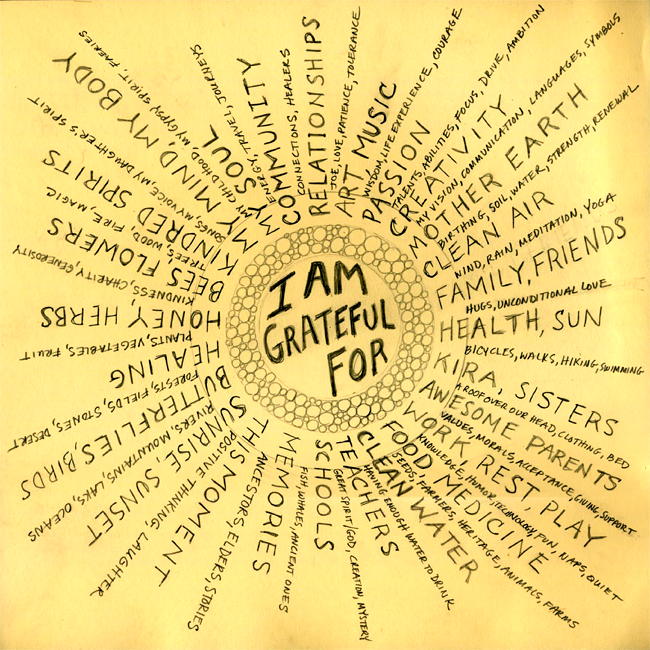
Without a journal, intense emotional experiences can be crippling for hours, days, and even years. However, an honest and inspired journal session can be the best form of therapy, quickly returning you better and smarter than you were before. Journaling is also a way to express gratitude. Even if one starts a journal session in a bad mood, the insight writing brings has a subtle way of shifting the mind towards gratitude. When one starts writing what they are grateful for, new chambers of thoughts opens in the palace of your mind. Make sure to include gratitude in the journal and it will change your entire life orientation from scarcity to abundance with the world increasingly becoming your oyster.
As a parting thought, I would suggest that if you start journaling, don’t be too hard on yourself if you miss a day to journal. After all, it takes 21 days to make something a habit. Just write a couple of lines about your day and share it as if you are sharing your thoughts with a close friend.
I recently attended a webinar where one of the speakers, a renowned doctor with fingers in many pies said that one of the best things we can do for ourselves is to take some time out every day and do something for ourselves. This is essentially what self-care is all about. Self-care includes anything you do deliberately to keep yourself healthy, be it physical, mental and spiritual. Although prioritising self-care may sound like common sense, especially if you’re considering longevity, it’s often the first thing to go when we find ourselves in challenging situations, whether because of bad health, a financial crisis, job loss, divorce or, today during the pandemic. This is why deliberately is one of the most important words in the definition and why it is important to keep it top of mind and not an after-thought, especially when we find ourselves in challenging times. One needs to be conscious of their well-being before one can achieve true self-care.
Today more than ever, we are hearing about self-care and according to Google Trends, the number of searches for “self-care” has more than doubled since 2015. Self-care is part of the answer to how we can all better cope with daily stressors, according to some experts because today people are feeling lonelier and less able to unwind and slow down, which makes them feel more anxious and overwhelmed by even the simplest tasks.
Self-care is an important part of living a healthy and happy lifestyle. Looking after ourselves both mentally and physically is crucial to taking control of our health. We lead increasingly busy lives and it can be easy to forget to put ourselves first, especially if we have multiple responsibilities and other people to care for. But looking after ourselves will make us feel better, and the better we feel, the better we will be in all areas of our lives – from work to relationships. Self-care doesn’t have to involve a huge time commitment and it doesn’t have to cost the earth. It could be as easy as taking a bath, relaxing with a good book, taking a walk outside or eating a favourite food. It’s about making a commitment to putting yourself first, even just for a while. Self-care is important to maintain a healthy relationship with one’s self as it produces positive feelings and boosts confidence and self-esteem. Also, self-care is necessary to remind the individual and others that their needs are important too.
Self-care has several benefits, most of which are interlinked and committing to a regular self-care routine will improve one’s overall wellbeing. Research suggests self-care promotes positive health outcomes, such as fostering resilience, living longer, and becoming better equipped to manage stress.
Self-care can improve physical health: A big part of self-care is committing to looking after one’s body and becoming more attuned with its needs. Whether it’s brushing your teeth, exercising more or getting enough sleep each night, part of any programme of self-care should focus on looking after one’s physical health.
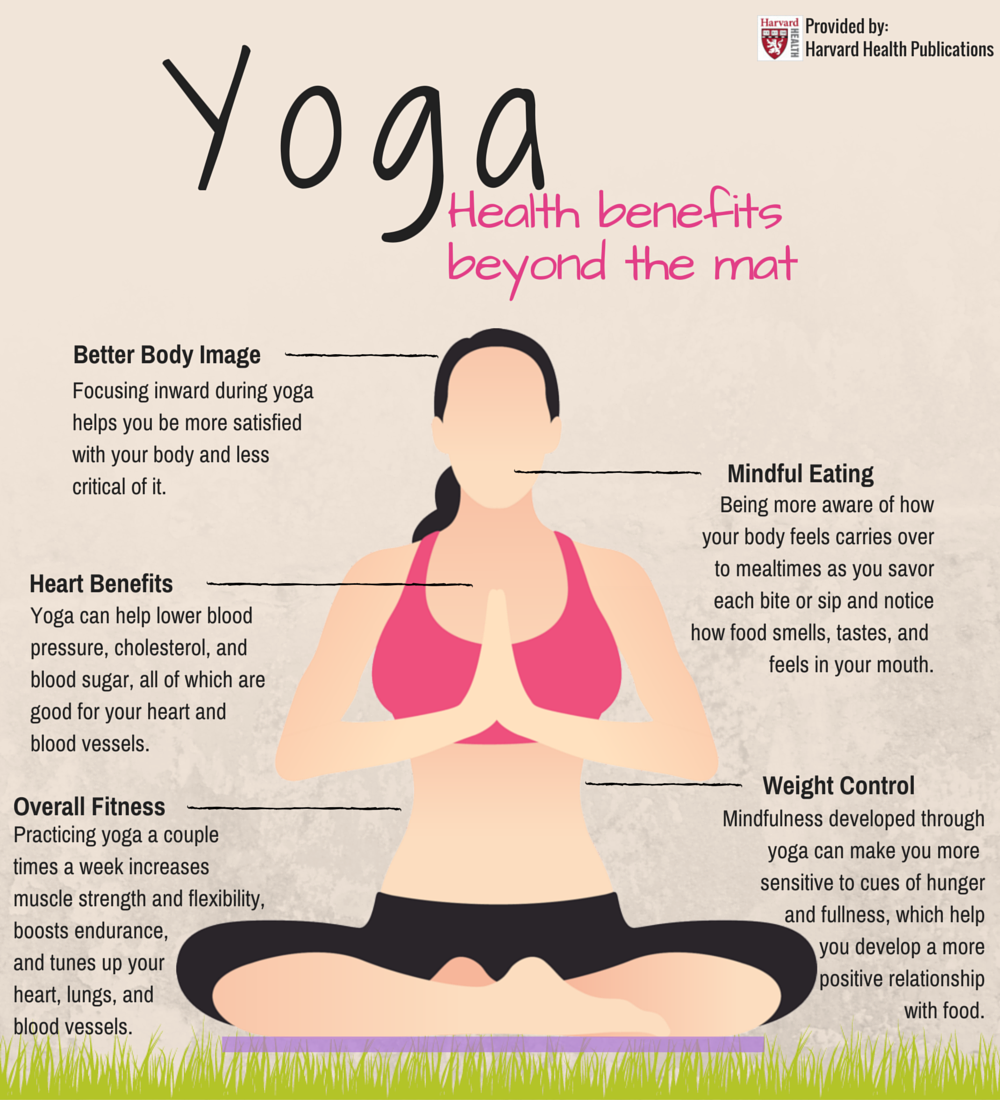
Self-care can reduce stress and anxiety: Making time for relaxing activities, even something as simple as such as taking a warm bath, listening to music or practising yoga or meditation, is another common theme of self-care. Any activity that makes one feel more relaxed can help to reduce symptoms of stress and anxiety and to lift their mood.
Self-care can boost self-esteem: As well as helping to calm the nerves, taking time to relax and look after oneself can have a positive impact on the way one sees themselves, treating oneself with kindness can make them look upon themselves more kindly. Studies have found that people with higher self-esteem find it easier to deal with setbacks and are more likely to achieve goals of self-improvement.
Self-care protects mental health: Making changes to prioritise self-care can help to manage mental health issues and might even prevent them from getting worse. Of course, self-care is not a substitute for professional help, and one shouldn’t feel they have to tackle their problems alone. If mental health is suffering, please talk to someone. However, if someone is looking to improve their mental wellbeing, taking the time to care for themselves, both mentally and physically is important.
Self-care can lead to better relationships: It makes sense if you think about it: the happier and healthier an individual is, the more they can give to a relationship. This is especially important if the person is a parent or carer when it can be so easy to put someone else’s needs first, but they must look after their health too.
Self-care leads to a healthy work-life balance: Contrary to common belief, workaholism is not a virtue. Overwork and the accompanying stress and exhaustion can make one less productive, disorganised and emotionally depleted, leading to all sorts of health problems, from anxiety and depression to insomnia and heart diseases. Professional self-care habits like taking intermittent breaks, setting professional boundaries and avoiding overextending ensures that one stays sharp, motivated and healthy.
Self-care helps with stress management: While a little dose of stress is a healthy way to nudge us to meet the deadlines or finish that overdue task, constant stress and anxiety can hurt our mental and physical health. Smart self-care habits like eating healthy, connecting with a loved one or, practising meditation cuts down the toxic effects of stress by improving the mood and boosting the energy and confidence levels.
Self-care leads to better physical health: Self-care is not just about mental health, its also about caring for the physical self, by eating healthy, taking adequate sleep, caring about your hygiene and exercising regularly. Most of us are all less able to handle the stresses that come our way when we’re depleted by physical and emotional exhaustion. Or, put more positively, we are more resilient and more able to handle life’s stress when we are feeling our best both physically and emotionally. A massage, a hot bath, or another form of pampering revitalises us inside and out.
Self-care may boost physical health: While self-pampering doesn’t always lead to major improvements in overall health the way a healthy diet and exercise do, the relaxation one gets from it can trigger the relaxation response. This, in turn, can prevent chronic stress from damaging one’s health. So in a sense, self-care is good for you inside and out.
Self-care can improve emotional health: Taking time out to care for yourself can remind us and others that we and our needs are important, too. Having a well-cared-for body can make us feel good about ourselves and our life, and conveys to others that we value ourselves and this can contribute to long-term feelings of well-being.
Self-care makes one a better caregiver: People who neglect their own needs and forget to nurture themselves are at danger of deeper levels of unhappiness, low self-esteem, and feelings of resentment. And people who spend their time only taking care of others can be at risk of getting burned out, which makes it more difficult to care for others or themselves. Taking time to care for themselves regularly can make them better caretakers for others.
So start living and stop existing because life is a precious gift to waste when there is a choice to have a more meaningful existence. Life has many responsibilities and tends to throw curveballs when we least expect it, but it’s important to remember that taking care of ourselves is also our responsibility. Little things like reading a good book, sipping some great tea, enjoying a warm bath, playing some games, listening to the laugh of a child or playing with them are essential for our daily happiness. So, put away what is taking the time and take some time, even if it is just 30 minutes a day and spend some quality time with yourself.