World Cities Day

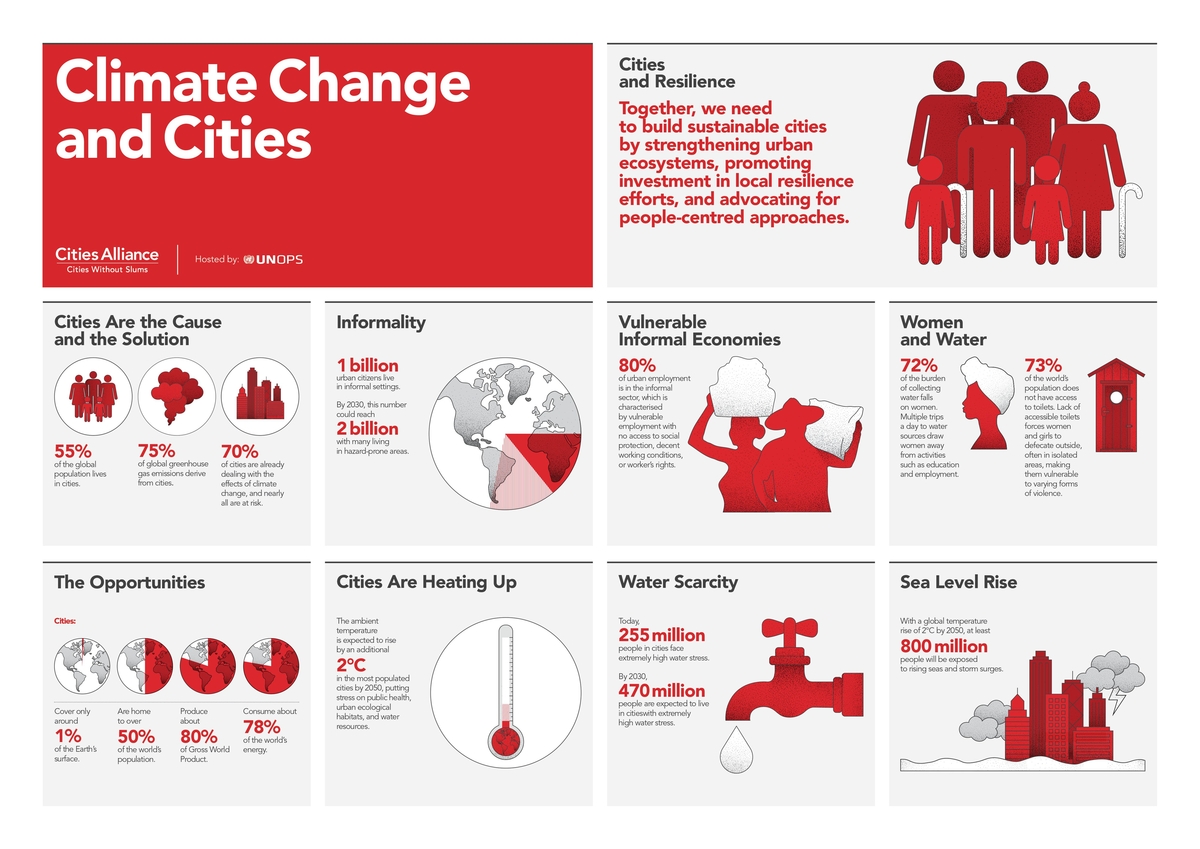
Held annually on October 31st, World Cities Day was established by the United Nations to promote the international community’s interest in global urbanisation and sustainable urban development. World Cities Day was established by the United Nations General Assembly on December 27, 2013, starting in 2014. The day was created to promote the international community’s interest in global urbanisation, push forward cooperation among countries in meeting opportunities and addressing challenges of urbanisation, and contribute to sustainable urban development around the world.

The observance of World Cities Day is a legacy of Expo 2010, held in Shanghai, China. The Expo’s theme, Better City, Better Life, emphasised the importance of cities in fostering sustainable development and improving the quality of life for urban residents. This theme continues to be the general theme for World Cities Day, reflecting the ongoing commitment to enhancing urban living conditions globally.

World Cities Day aligns with Sustainable Development Goal 11, which aims to make cities inclusive, safe, resilient, and sustainable. This goal underscores the importance of sustainable urban planning and management in achieving broader development objectives. By focusing on cities, World Cities Day highlights the critical role urban areas play in driving economic growth, innovation, and social progress.

The general theme of World Cities Day is “Better City, Better Life.” Each year, a different sub-theme is selected to address specific challenges or highlight successes in urbanisation. This approach allows for a focused discussion on various aspects of urban development and encourages the sharing of best practices among cities worldwide.

The theme for World Cities Day 2024 is “Youth leading climate and local action for cities.” This theme emphasises the role of young people in driving climate action and local initiatives to make cities more sustainable and resilient. Young people are increasingly advocating for bolder steps to tackle the climate crisis, and this year’s theme aims to capture their bold ideas and ambitious targets, turning them into tangible achievements.

Youth engagement is crucial for sustainable urban development. Young people bring fresh perspectives, innovative solutions, and a sense of urgency to address climate change and other urban challenges. By focusing on youth-led initiatives, World Cities Day 2024 aims to empower the next generation of urban leaders and foster a culture of active participation and collaboration.

The theme encourages cities to meet young people where they are, which often means utilising digital platforms. The theme also promotes the idea of youth participation in decision-making processes. This could lead to the development of new governance structures in urban planning, such as youth advisory boards or mandated youth representation in city councils. The theme highlights the importance of addressing climate challenges in informal settlements, where many young people reside. Urban planners need to develop more inclusive strategies that consider the unique needs of these areas. Youth engagement often highlight intersectional issues such as social equity and environmental justice. Young people are early adopters of new technologies. Their involvement could lead to greater integration of smart city technologies and data-driven decision-making in urban planning processes.

World Cities Day serves as a platform to raise awareness about the importance of sustainable urban development. It encourages governments, organisations, and individuals to reflect on the role of cities in shaping our future and to take action to make urban areas more inclusive, safe, resilient, and sustainable.

One of the key objectives of World Cities Day is to foster collaboration among countries, cities, and stakeholders. Urbanisation presents both opportunities and challenges that require coordinated efforts and collective action. World Cities Day provides a forum for dialogue and cooperation, enabling cities to learn from each other and work together to address common challenges and achieve sustainable development goals.

World Cities Day also celebrates the achievements and successes of cities in promoting sustainable development. It recognises the efforts of cities that have implemented innovative solutions to improve urban living conditions and enhance the quality of life for their residents. By showcasing these successes, World Cities Day inspires other cities to adopt similar approaches and strive for continuous improvement.

To celebrate World Cities Day, one can do an urban safari, which is a fun and engaging way to celebrate the day. So one can grab a camera and explore a city, capturing photos of hidden gems and famous landmarks, reveling new sights and interesting angles in familiar places, and encouraging one to appreciate the beauty and diversity of their urban environment.

World Cities Day is a vital observance that highlights the importance of sustainable urban development and the role of cities in shaping our future. The day encourages active participation and collaboration among all stakeholders, particularly young people. As cities continue to grow and evolve, World Cities Day serves as a reminder of the need for inclusive, safe, resilient, and sustainable urban environments.

In My Hands Today…

Eve: How the Female Body Drove 200 Million Years of Human Evolution – Cat Bohannon

How did the female body drive 200 million years of human evolution?

  • Why do women live longer than men?
  • Why are women more likely to get Alzheimer’s?
  • Why do girls score better at every academic subject than boys until puberty, when suddenly their scores plummet?
  • Is sexism useful for evolution?
  • And why, seriously why, do women have to sweat through our sheets every night when we hit menopause?

These questions are producing some truly exciting science—and in Eve, with boundless curiosity and sharp wit, Cat Bohannon covers the past 200 million years to explain the specific science behind the development of the female sex: “We need a kind of user’s manual for the female mammal. A no-nonsense, hard-hitting, seriously researched (but readable) account of what we are. How female bodies evolved, how they work, what it really means to biologically be a woman. Something that would rewrite the story of womanhood. This book is that story. We have to put the female body in the picture. If we don’t, it’s not just feminism that’s compromised. Modern medicine, neurobiology, paleoanthropology, even evolutionary biology all take a hit when we ignore the fact that half of us have breasts. So it’s time we talk about breasts. Breasts, and blood, and fat, and vaginas, and wombs—all of it. How they came to be and how we live with them now, no matter how weird or hilarious the truth is.”

Eve is not only a sweeping revision of human history, it’s an urgent and necessary corrective for a world that has focused primarily on the male body for far too long. Picking up where Sapiens left off, Eve will completely change what you think you know about evolution and why Homo sapiens has become such a successful and dominant species.

World Liveability Index 2024

The Global Liveability Index, published annually by the Economist Intelligence Unit (EIU), is a comprehensive ranking of the world’s most liveable cities. The index measures the liveability of 173 cities across five key categories: stability, healthcare, culture and environment, education, and infrastructure. The 2024 edition marks the third consecutive year Vienna has been named the world’s most liveable city.

The EIU assigns each city a rating for relative comfort for 30 qualitative and quantitative factors across the five broad categories. Researchers then compile and weigh the scores to provide an overall score from 1 to 100, where 1 is considered intolerable and 100 is considered ideaL. The livability rating is provided both as an overall score and as a score for each category.

The index aims to provide a standardised comparison of the challenges cities face in offering an acceptable living environment for their residents. It is used by city authorities, corporate HR departments, and other organisations to assess the quality of life in different cities and help inform decisions on where to locate staff.

The average score across the 173 cities in EIU’s survey increased to 76.1 out of 100 in 2024, up marginally from the previous year. This rise was driven by improvements in healthcare and education in several developing market cities, which offset declines in infrastructure and stability across several cities in advanced economies. However, risks to stability remain, with the stability category recording the biggest decline out of all five categories. Geopolitical conflicts, civil unrest, and a housing crisis across many surveyed cities have contributed to this decline.

Western Europe has retained its position as the most liveable region in the world, with an average score of 92 out of 100. The region’s 30 cities in this year’s ranking reported top scores for stability, healthcare, culture and environment, and infrastructure. However, the region has seen a slight decline in overall scores due to some deterioration in the stability category. Increasing examplesof disruptive protests and crime in countries like Germany, Ireland, and Belgium have contributed to this decline.

North America is the second-best-performing region for liveability, with the top score for education. The 25 cities on the list score an average of 90.5, a small decline from the previous year. This decline is attributed to infrastructure scores falling in Canada due to an ongoing housing crisis.

Cities from sub-Saharan Africa, the Middle East and North Africa dominated the bottom of the livability rankings. Damascus, Syria, is still rated by far the least comfortable city to live in, with an index score of 30.7 out of 100.

The four cities at the bottom of the list – Lagos, Nigeria; Algiers, Algeria; Tripoli, Libya; and Damascus, Syria – have shown no improvement in their overall scores since the previous year. This highlights the persistent challenges faced by these cities in providing a liveable environment for their residents.

The top 10 liveable cities of 2024 are:

Vienna, Austria: Vienna has been named the world’s most liveable city for the third consecutive year. The Austrian capital scored “perfect” in all but one of the five categories, failing to achieve maximum points only for culture due to a lack of major sporting events. Vienna’s two million residents enjoy stunning architecture, a rich musical legacy, and a high quality of life.

Copenhagen, Denmark: Copenhagen retains its position as the second most liveable city in the world. The Danish capital is known for its commitment to sustainability, with a focus on green spaces, active transportation, and renewable energy. Copenhagen also boasts a strong education system and a vibrant cultural scene.

Zurich, Switzerland: Zurich is the third most liveable city in the 2024 index. The Swiss city is renowned for its high standard of living, excellent healthcare, and efficient public transportation. Zurich also offers a wealth of cultural attractions and easy access to nature, with the Swiss Alps just a short distance away.

Calgary, Canada: Calgary is the fourth most liveable city in the world and the highest-ranked city in North America. The Canadian city is known for its strong economy, low crime rates, and excellent healthcare and education systems. Calgary also offers a high quality of life, with a range of outdoor activities and a vibrant cultural scene.

Vancouver, Canada: Vancouver is the fifth most liveable city in the 2024 index and the second highest-ranked city in North America. The Canadian city is known for its stunning natural setting, with the ocean and mountains providing a backdrop to the city. Vancouver also offers a high standard of living, with a strong economy, excellent healthcare, and a commitment to sustainability.

Geneva, Switzerland: Geneva is the sixth most liveable city in the world and the third highest-ranked city in Switzerland. The Swiss city is known for its high standard of living, excellent healthcare, and strong economy. Geneva also offers a wealth of cultural attractions and easy access to nature, with the Swiss Alps and Lake Geneva providing a stunning setting.

Frankfurt, Germany: Frankfurt is the seventh most liveable city in the 2024 index and the highest-ranked city in Germany. The German city is known for its strong economy, low crime rates, and excellent healthcare and education systems. Frankfurt also offers a high quality of life, with a range of cultural attractions and a vibrant urban environment.

Toronto, Canada: Toronto is the eighth most liveable city in the world and the third highest-ranked city in North America. The Canadian city is known for its diversity, strong economy, and excellent healthcare and education systems. Toronto also offers a high quality of life, with a range of cultural attractions and a vibrant urban environment.

Amsterdam, Netherlands: Amsterdam is the ninth most liveable city in the 2024 index and the highest-ranked city in the Netherlands. The Dutch city is known for its commitment to sustainability, with a focus on active transportation and renewable energy. Amsterdam also offers a wealth of cultural attractions, a strong economy, and a high standard of living.

Osaka, Japan: Osaka is the tenth most liveable city in the world and the highest-ranked city in Asia. The Japanese city is known for its strong economy, low crime rates, and excellent healthcare and education systems. Osaka also offers a high quality of life, with a range of cultural attractions and a vibrant urban environment.

So where are the other Asian cities? Osaka is the only Asian city in the top 10, achieving a score of 96.0. Other than Osaka, here are the top 10 Asian cities that are known to be liveable.

Tokyo, Japan: Tokyo has a global rank of 14, making it the second-most liveable city in Asia. With a score of 93.7, Tokyo remains a major global city known for its robust public services, safety, and healthcare. Despite its high livability, Tokyo has seen a slight decline in its ranking due to challenges such as housing costs and urban congestion. The city’s cultural offerings and efficient infrastructure continue to attract residents and visitors alike.

Singapore: With a global rank of 18 and an Asian rank of 3, Singapore scores 92.9, making it one of the most livable cities in Asia. The city-state excels in healthcare, education, and infrastructure, contributing to its high quality of life. Its multicultural environment, low crime rates, and efficient public transport system make it an attractive destination for expatriates and locals.

Hong Kong: The city of Hong Kong ranks 50 in the global index and number 4 in Asia with a score of 82.6. The city is known for its vibrant economy and cultural diversity. However, it faces challenges related to political stability and housing affordability, which have impacted its livability in recent years. Despite these issues, Hong Kong remains a significant financial hub with a unique blend of East and West.

Seoul, South Korea: With a score of 80.8, Seoul has a global rank of 54 and is the fifth-best city to live in Asia. Seoul’s score reflects its strengths in healthcare and education. The city is known for its rich history, modern infrastructure, and vibrant culture. However, challenges such as air quality and high living costs have affected its overall ranking, despite its appeal as a global city.

Taipei, Taiwan: Known for its friendly atmosphere and efficient public services, Taipei with a score of 80.1 has a global rank of 57 and an Asian rank of 6. The city offers a high standard of living with excellent healthcare and education systems. Its cultural vibrancy and culinary scene are significant draws for residents and tourists alike.

Kuala Lumpur, Malaysia: A global rank of 61 and Asia’s seventh-best city to live in, Kuala Lumpur scores 78.9. The city is recognised for its diverse culture and relatively low cost of living. The city has made strides in improving infrastructure and public services, contributing to its livability. However, challenges such as traffic congestion and air quality remain.

Beijing, China: The Chinese capital is ranked number 8 in Asia with a global rank of 77. Beijing scores 76.2, and is recognised for its historical and cultural significance. The city offers a high standard of living with good healthcare and education. However, challenges such as air pollution and traffic congestion impact its overall livability, despite its status as a major global city.

Ho Chi Minh City, Vietnam: With a global rank of 126, Ho Chi Minh City scores 66.7 and is ranked 9 within Asia. Known for its vibrant economy and cultural diversity, the city is undergoing rapid development, which presents both opportunities and challenges in terms of infrastructure and livability. Despite these issues, it remains a popular destination for expatriates.

Hanoi, Vietnam: Hanoi scores 66.5, reflecting its historical significance and rapid urban development. With a global rank of 129, Asia’s tenth-best city offers a unique blend of culture and modernity, though it faces challenges related to infrastructure and pollution. Its affordable living costs attract many expatriates and locals.

No Indian cities are listed in the 2024 Global Liveability Index. While cities like Bengaluru, Mumbai, Chennai, and New Delhi are recognised in various national assessments, such as the Ease of Living Index, they do not appear in the EIU’s global ranking. The top-ranked Indian city in the Ease of Living Index for 2024 is Bengaluru, which scored 66.70, making it the most livable city in India but still not making the global list. The absence of Indian cities in the Global Liveability Index highlights ongoing challenges in urban living conditions, despite improvements in some areas.

The 2024 Global Liveability Index highlights the ongoing challenges and opportunities facing cities around the world. While the average score has risen slightly, risks to stability remain, with geopolitical conflicts, civil unrest, and housing crises contributing to declines in some cities.

Western Europe and North America continue to dominate the top of the rankings, with cities in these regions offering a high standard of living and a range of amenities. However, cities in the Middle East and North Africa continue to struggle, with Damascus, Syria, rated as the least liveable city in the world.

As cities face new challenges such as climate change and rapid urbanisation, the Global Liveability Index will continue to be an important tool for assessing the quality of life in different cities and informing decisions on where to live and work. By understanding the factors that contribute to a city’s liveability, policymakers and urban planners can work to create more liveable and sustainable cities for the future.

2024 Week 43 Update

It’s Diwali week, and I am sure all Hindus will be very busy prepping their homes and getting festive ready. To all those who celebrate the festival, here’s wishing you a very happy Diwali. May the warmth and splendour, that are a part of this auspicious occasion fill your life with happiness and bright cheer and bring to you joy and prosperity for the whole year.

First century Greek Stoic philosopher, who spent much of his life as a slave before gaining freedom and becoming a prominent teacher of Stoicism, Epictetus is the author of today’s quote. Stoicism is a philosophy centered on virtue, wisdom, and the importance of personal control over emotions. Epictetus’ teachings, compiled by his pupil Arrian in *Discourses* and *The Enchiridion*, emphasise resilience, self-discipline, and the importance of focusing on what one can control while accepting what one cannot. This quote emphasises the importance of accepting life’s events as they occur rather than resisting them or wishing they were different. The quote suggests that peace comes from aligning one’s desires with reality. Instead of fighting against what happens or wishing things were different, one should embrace what is, and this acceptance will bring inner tranquility. It reflects the Stoic philosophy that we cannot control external events, but we can control how we respond to them. By accepting circumstances as they unfold, we free ourselves from unnecessary stress and frustration. The message is that by wishing for things to be as they are rather than how we want them to be, we can maintain a balanced and peaceful state of mind, leading to a smoother, more harmonious life.

I had a bit of disappointment this week and for about a day I allowed myself to wallow in my disappointment, but then like I always do, I tried to bounce back. I have always found myself yo-yoing between being very positive and a ‘the glass is half full’ kind of person to a ‘this was the absolute worst thing that can happen to me’ person. I know being positive is the way to be, but sometimes, it’s hard not to get caught up with negativity when nothing seems to be going well in your life. I am trying though, and taking baby steps to correct myself when I find myself being negative and wallowing in self pity.

Anyway, I want to keep this week positive and enjoy the festival of light, food, and family! See you all next week! And in the meantime, keep smiling and stay positive.

In My Hands Today…

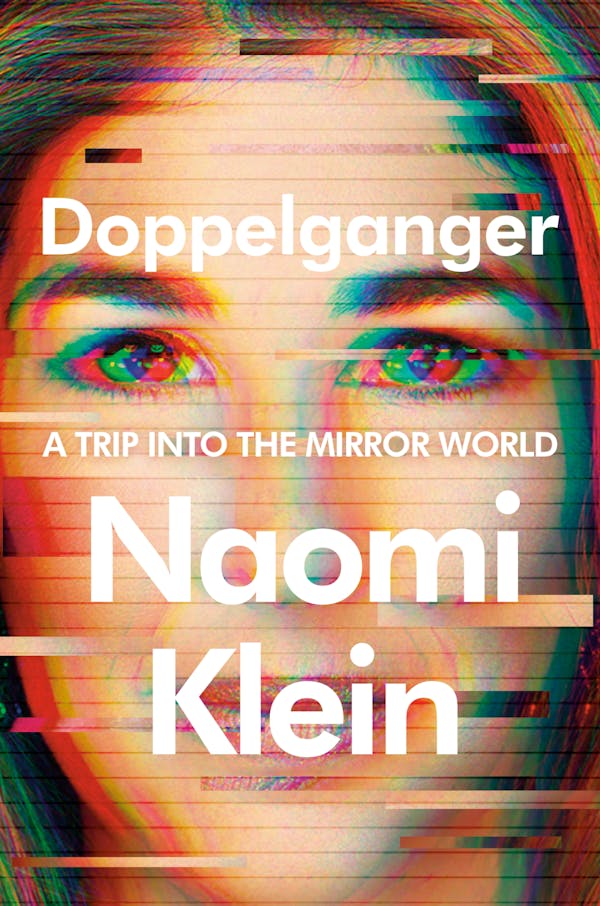
Doppelganger: A Trip into the Mirror World – Naomi Klein

What if you woke up one morning and found you’d acquired another self―a double who was almost you and yet not you at all? What if that double shared many of your preoccupations but, in a twisted, upside-down way, furthered the very causes you’d devoted your life to fighting against?

Not long ago, the celebrated activist and public intellectual Naomi Klein had just such an experience―she was confronted with a doppelganger whose views she found abhorrent but whose name and public persona were sufficiently similar to her own that many people got confused about who was who. Destabilized, she lost her bearings, until she began to understand the experience as one manifestation of a strangeness many of us have come to know but struggle to define: AI-generated text is blurring the line between genuine and spurious communication; New Age wellness entrepreneurs turned anti-vaxxers are scrambling familiar political allegiances of left and right; and liberal democracies are teetering on the edge of absurdist authoritarianism, even as the oceans rise. Under such conditions, reality itself seems to have become unmoored. Is there a cure for our moment of collective vertigo?

Naomi Klein is one of our most trenchant and influential social critics, an essential analyst of what branding, austerity, and climate profiteering have done to our societies and souls. Here she turns her gaze inward to our psychic landscapes, and outward to the possibilities for building hope amid intersecting economic, medical, and political crises. With the assistance of Sigmund Freud, Jordan Peele, Alfred Hitchcock, and bell hooks, among other accomplices, Klein uses wry humor and a keen sense of the ridiculous to face the strange doubles that haunt us―and that have come to feel as intimate and proximate as a warped reflection in the mirror.

Combining comic memoir with chilling reportage and cobweb-clearing analysis, Klein seeks to smash that mirror and chart a path beyond despair. Doppelganger What do we neglect as we polish and perfect our digital reflections? Is it possible to dispose of our doubles and overcome the pathologies of a culture of multiplication? Can we create a politics of collective care and undertake a true reckoning with historical crimes? The result is a revelatory treatment of the way many of us think and feel now―and an intellectual adventure story for our times.