Held annually on October 31st, World Cities Day was established by the United Nations to promote the international community’s interest in global urbanisation and sustainable urban development. World Cities Day was established by the United Nations General Assembly on December 27, 2013, starting in 2014. The day was created to promote the international community’s interest in global urbanisation, push forward cooperation among countries in meeting opportunities and addressing challenges of urbanisation, and contribute to sustainable urban development around the world.
The observance of World Cities Day is a legacy of Expo 2010, held in Shanghai, China. The Expo’s theme, Better City, Better Life, emphasised the importance of cities in fostering sustainable development and improving the quality of life for urban residents. This theme continues to be the general theme for World Cities Day, reflecting the ongoing commitment to enhancing urban living conditions globally.
World Cities Day aligns with Sustainable Development Goal 11, which aims to make cities inclusive, safe, resilient, and sustainable. This goal underscores the importance of sustainable urban planning and management in achieving broader development objectives. By focusing on cities, World Cities Day highlights the critical role urban areas play in driving economic growth, innovation, and social progress.
The general theme of World Cities Day is “Better City, Better Life.” Each year, a different sub-theme is selected to address specific challenges or highlight successes in urbanisation. This approach allows for a focused discussion on various aspects of urban development and encourages the sharing of best practices among cities worldwide.
The theme for World Cities Day 2024 is “Youth leading climate and local action for cities.” This theme emphasises the role of young people in driving climate action and local initiatives to make cities more sustainable and resilient. Young people are increasingly advocating for bolder steps to tackle the climate crisis, and this year’s theme aims to capture their bold ideas and ambitious targets, turning them into tangible achievements.
Youth engagement is crucial for sustainable urban development. Young people bring fresh perspectives, innovative solutions, and a sense of urgency to address climate change and other urban challenges. By focusing on youth-led initiatives, World Cities Day 2024 aims to empower the next generation of urban leaders and foster a culture of active participation and collaboration.
The theme encourages cities to meet young people where they are, which often means utilising digital platforms. The theme also promotes the idea of youth participation in decision-making processes. This could lead to the development of new governance structures in urban planning, such as youth advisory boards or mandated youth representation in city councils. The theme highlights the importance of addressing climate challenges in informal settlements, where many young people reside. Urban planners need to develop more inclusive strategies that consider the unique needs of these areas. Youth engagement often highlight intersectional issues such as social equity and environmental justice. Young people are early adopters of new technologies. Their involvement could lead to greater integration of smart city technologies and data-driven decision-making in urban planning processes.
World Cities Day serves as a platform to raise awareness about the importance of sustainable urban development. It encourages governments, organisations, and individuals to reflect on the role of cities in shaping our future and to take action to make urban areas more inclusive, safe, resilient, and sustainable.
One of the key objectives of World Cities Day is to foster collaboration among countries, cities, and stakeholders. Urbanisation presents both opportunities and challenges that require coordinated efforts and collective action. World Cities Day provides a forum for dialogue and cooperation, enabling cities to learn from each other and work together to address common challenges and achieve sustainable development goals.
World Cities Day also celebrates the achievements and successes of cities in promoting sustainable development. It recognises the efforts of cities that have implemented innovative solutions to improve urban living conditions and enhance the quality of life for their residents. By showcasing these successes, World Cities Day inspires other cities to adopt similar approaches and strive for continuous improvement.
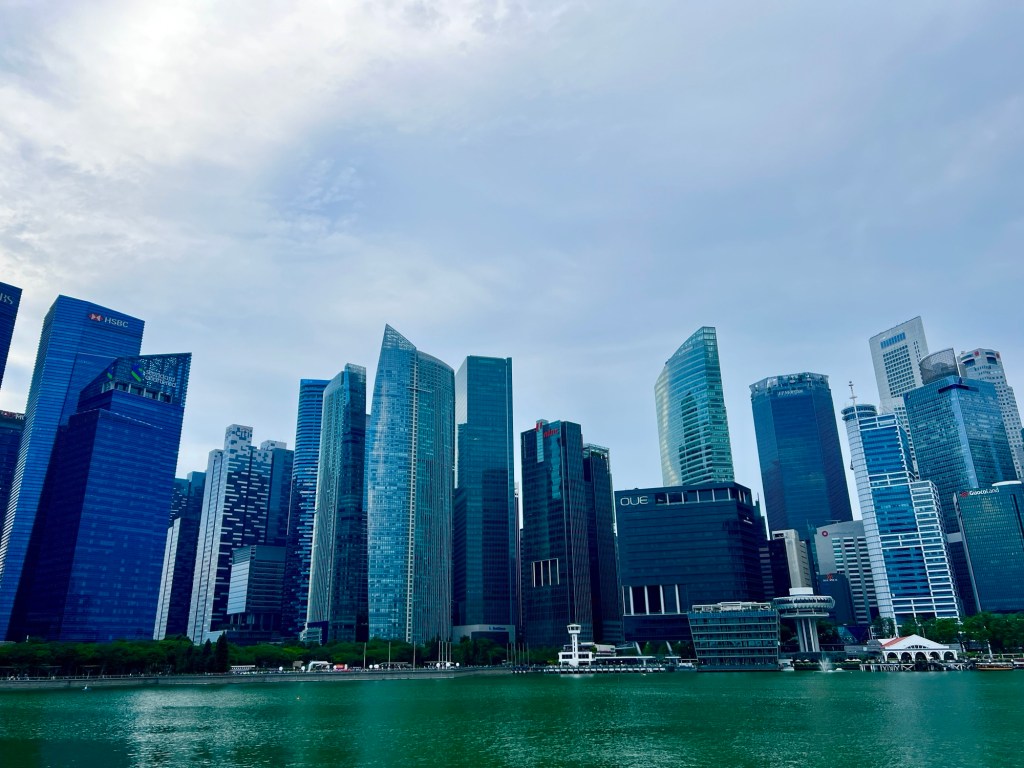
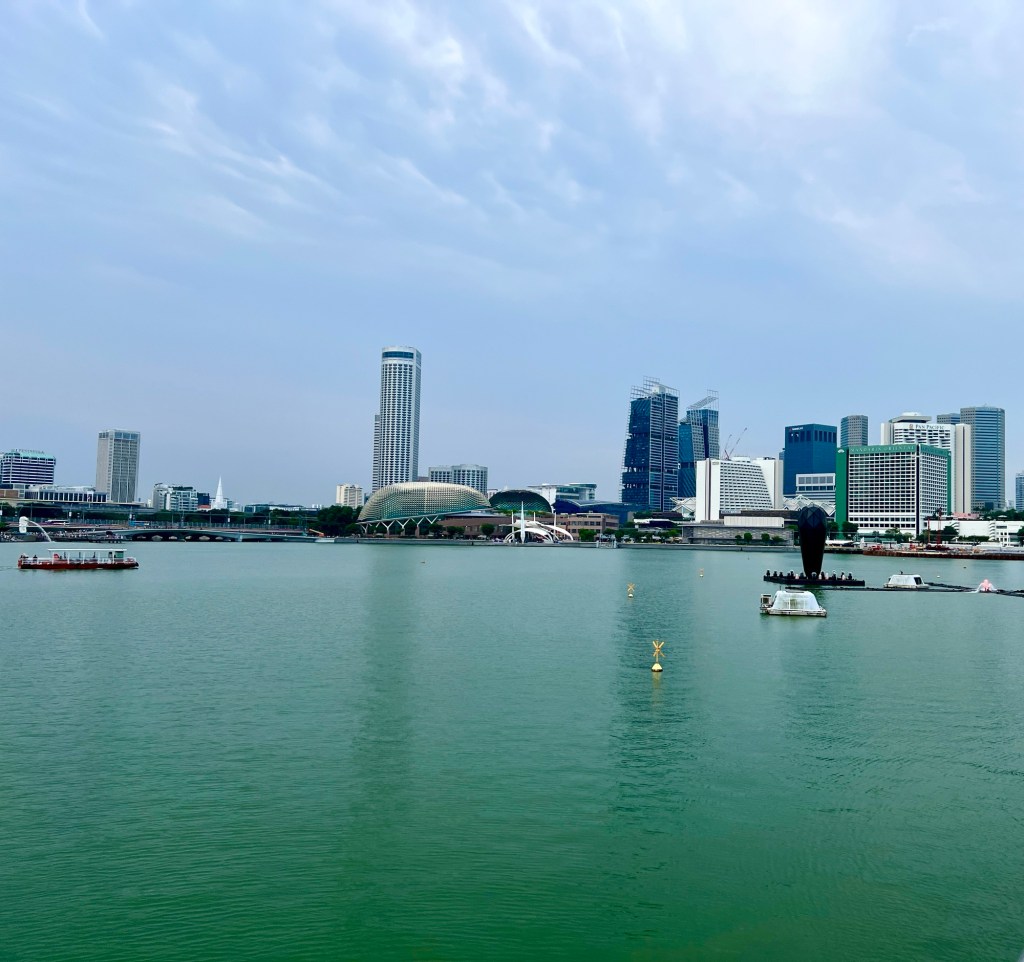
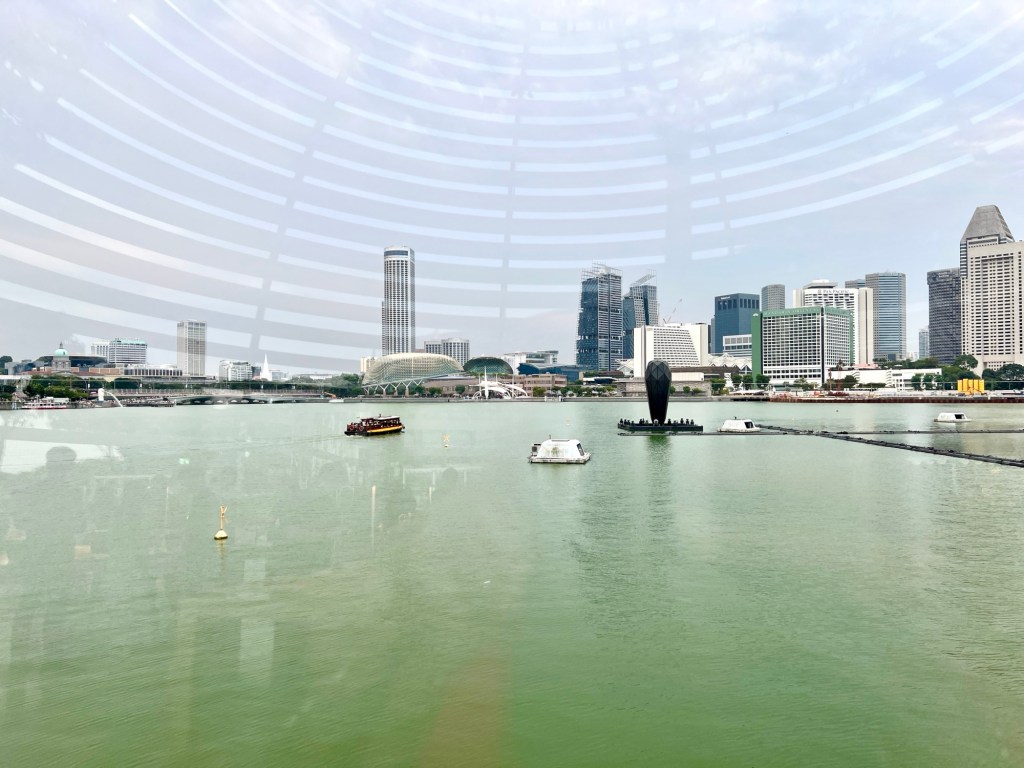
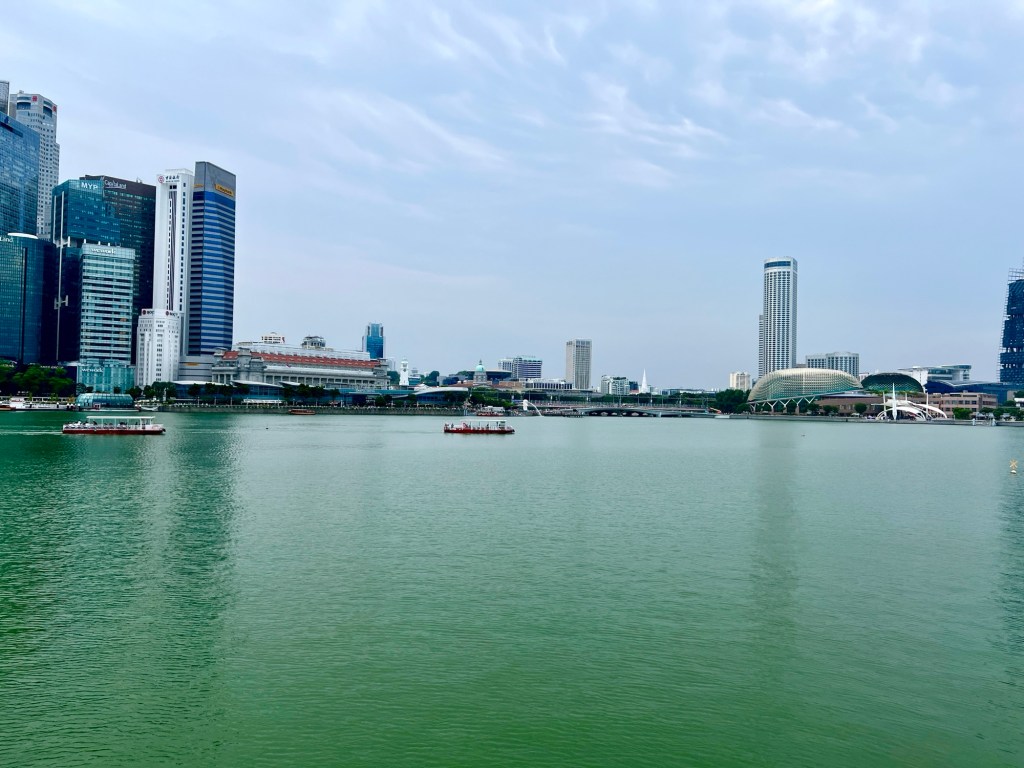
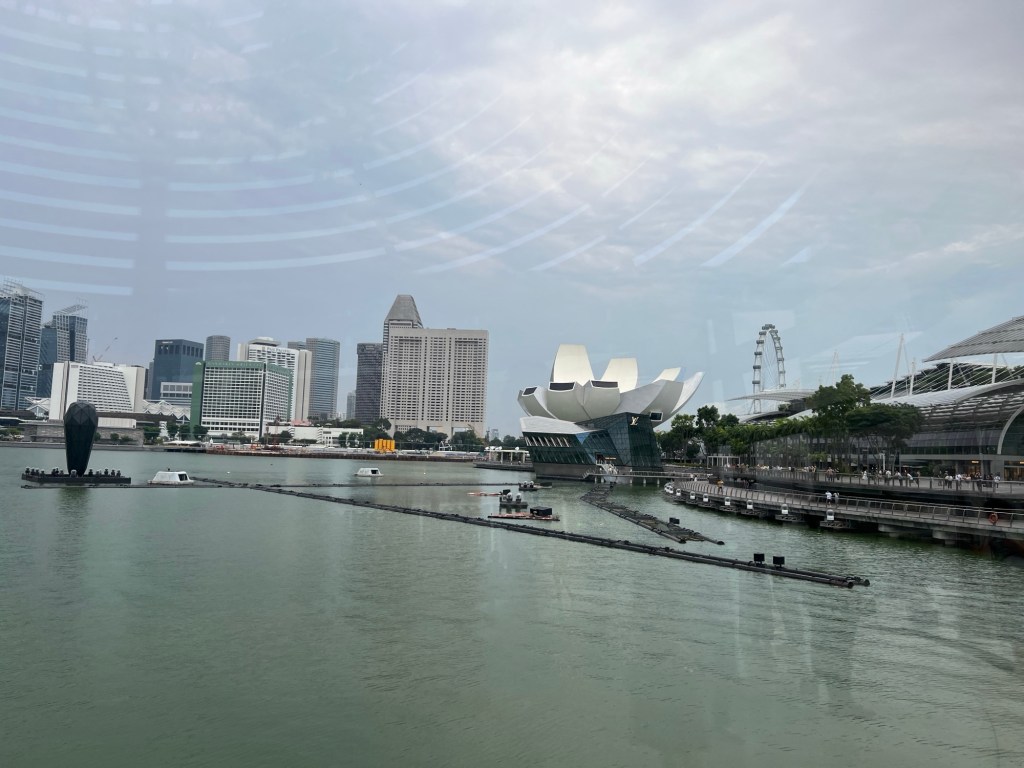
To celebrate World Cities Day, one can do an urban safari, which is a fun and engaging way to celebrate the day. So one can grab a camera and explore a city, capturing photos of hidden gems and famous landmarks, reveling new sights and interesting angles in familiar places, and encouraging one to appreciate the beauty and diversity of their urban environment.
World Cities Day is a vital observance that highlights the importance of sustainable urban development and the role of cities in shaping our future. The day encourages active participation and collaboration among all stakeholders, particularly young people. As cities continue to grow and evolve, World Cities Day serves as a reminder of the need for inclusive, safe, resilient, and sustainable urban environments.







 Memories and Such