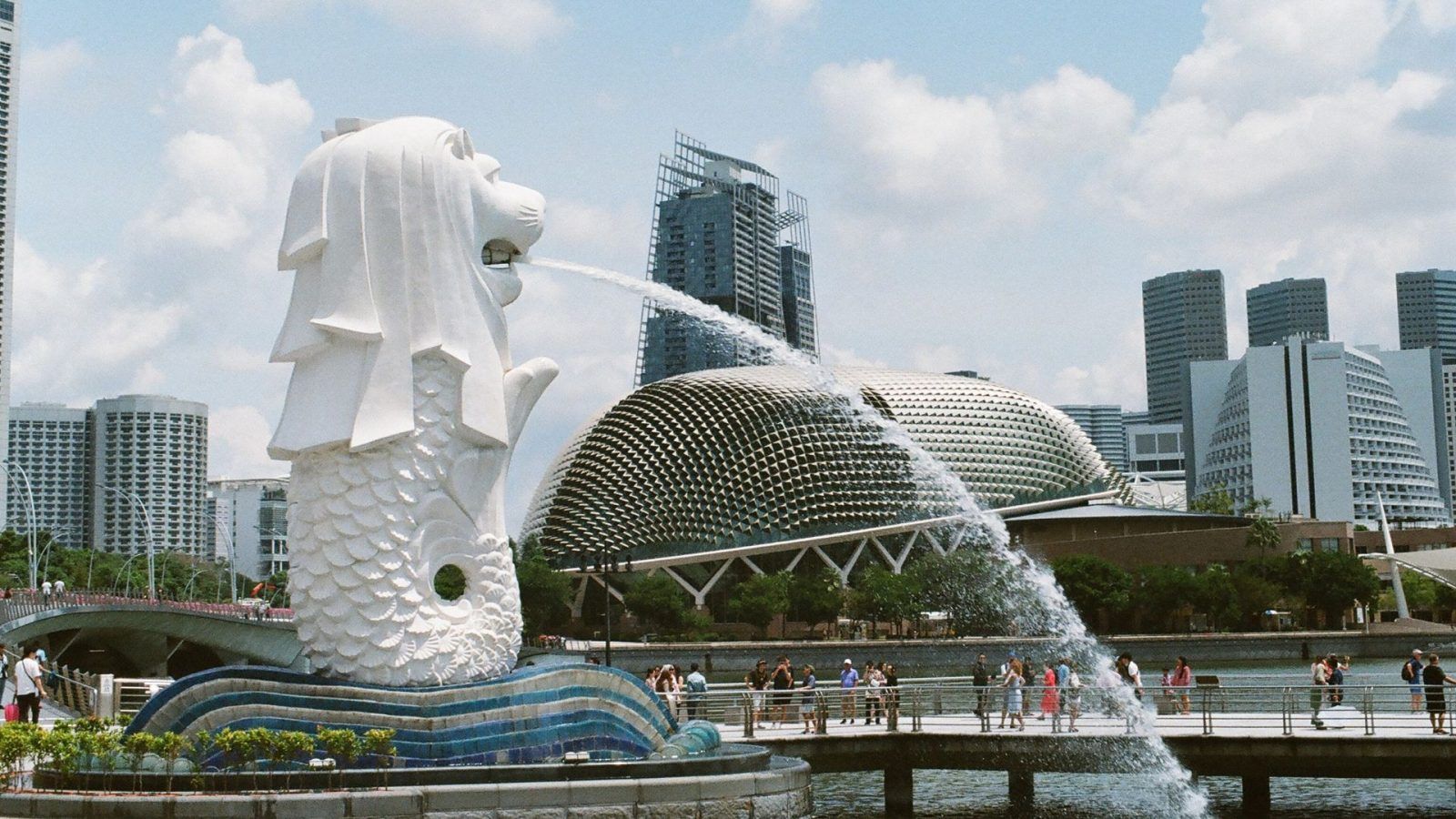
Singapore: The World’s most Expensive City in 2023

For the ninth time in eleven years, Singapore has made its way to the top of the global cost-of-living charts, sharing the crown with Zurich in Switzerland in 2023 and overtaking New York in the US, which fell to third place this year. This was reported based on the Economist Intelligence Unity’s (EIU’s) twice-yearly Worldwide Cost of Living survey. The survey was conducted from August 14 to September 11, 2023, comparing over 400 individual prices across more than 200 products and services in 173 cities.

Zurich moved up from sixth place to join Singapore at the top, bumping New York, which tied with Singapore for first place last year, down to third place. Zurich, which is back at the top after three years, moved up due to the strength of the Swiss franc as well as high prices for groceries, household goods and recreation. Overall, the top ten this year consist of two Asian cities—Singapore and Hong Kong; four European cities—Zurich, Geneva, Paris and Copenhagen; three US cities—New York, Los Angeles and San Francisco; and Tel Aviv in Israel. This survey was conducted before the start of the Israel-Hamas war, which has affected the exchange rates in Israel and may have made it harder to procure some goods in Tel Aviv, thereby affecting prices.

At the heart of this unwanted fame lies the global inflationary wave. The pandemic and subsequent supply chain disruptions have wreaked havoc on economies worldwide, and Singapore, despite its robust financial system, couldn’t escape the ripple effects. Grocery prices, a crucial indicator of everyday affordability, have seen a 7.4% increase for over 200 commonly used goods and services, with everyday essentials like cooking oil and meat bearing the brunt of the impact. Transportation, another significant contributor to the high cost of living, saw even steeper increases, particularly in car ownership due to strict government control on car numbers. This marks a decline from the record 8.1% increase reported last year, but price growth remains significantly higher than the trend in 2017–21. Although this year’s survey covers 173 of the world’s major cities, the global average has been calculated by excluding Kyiv (which was not surveyed in 2022) and Caracas (which continues to face hyperinflation), as was the case last year.

But inflation isn’t the sole culprit. The strength of the Singapore Dollar further inflates the cost of living for foreigners and tourists. This currency appreciation, driven by positive economic growth and foreign investment, makes imports pricier, impacting everything from consumer goods to restaurant bills. Singapore has the world’s highest transport prices, owing to strict government controls on car numbers. It is also amongst the most expensive for clothing, groceries and alcohol.

Globally, utility prices that included household energy and water bills, witnessed the slowest inflation of the ten categories covered in the survey. This was the fastest-rising category in 2022 and the moderation suggests an easing of the energy price shocks caused by Russia’s invasion of Ukraine. Grocery, on the other hand, saw the fastest pace of price growth. Food inflation has been sticky across the world as many manufacturers and retailers have passed on higher costs to consumers and the increasing frequency of extreme weather events continues to keep supply-side risks elevated.

Among the biggest decliners in the EIU list were Chinese and Japanese cities that were dragged down by the weakening Chinese yuan and Japanese yen. Chinese cities Nanjing, Wuxi, Dalian and Beijing all dropped more than 25 spots, while Tokyo and Osaka in Japan plummeted 23 and 27 spots, respectively.

However, it’s crucial to recognise that while Singapore’s price tag might induce sticker shock, it comes with a flip side: a high standard of living. The city-state boasts world-class infrastructure, a top-notch public healthcare system, and a safe and secure environment. Educational institutions consistently rank among the best, and career opportunities abound, particularly in finance, technology, and logistics. For high-income earners and global corporations, Singapore’s exorbitant costs are offset by its efficiency, security, and unparalleled quality of life.

So, what do you think? Is Singapore’s tag of being the most expensive city to live in correct? Let me know in the comments below.
In My Hands Today…

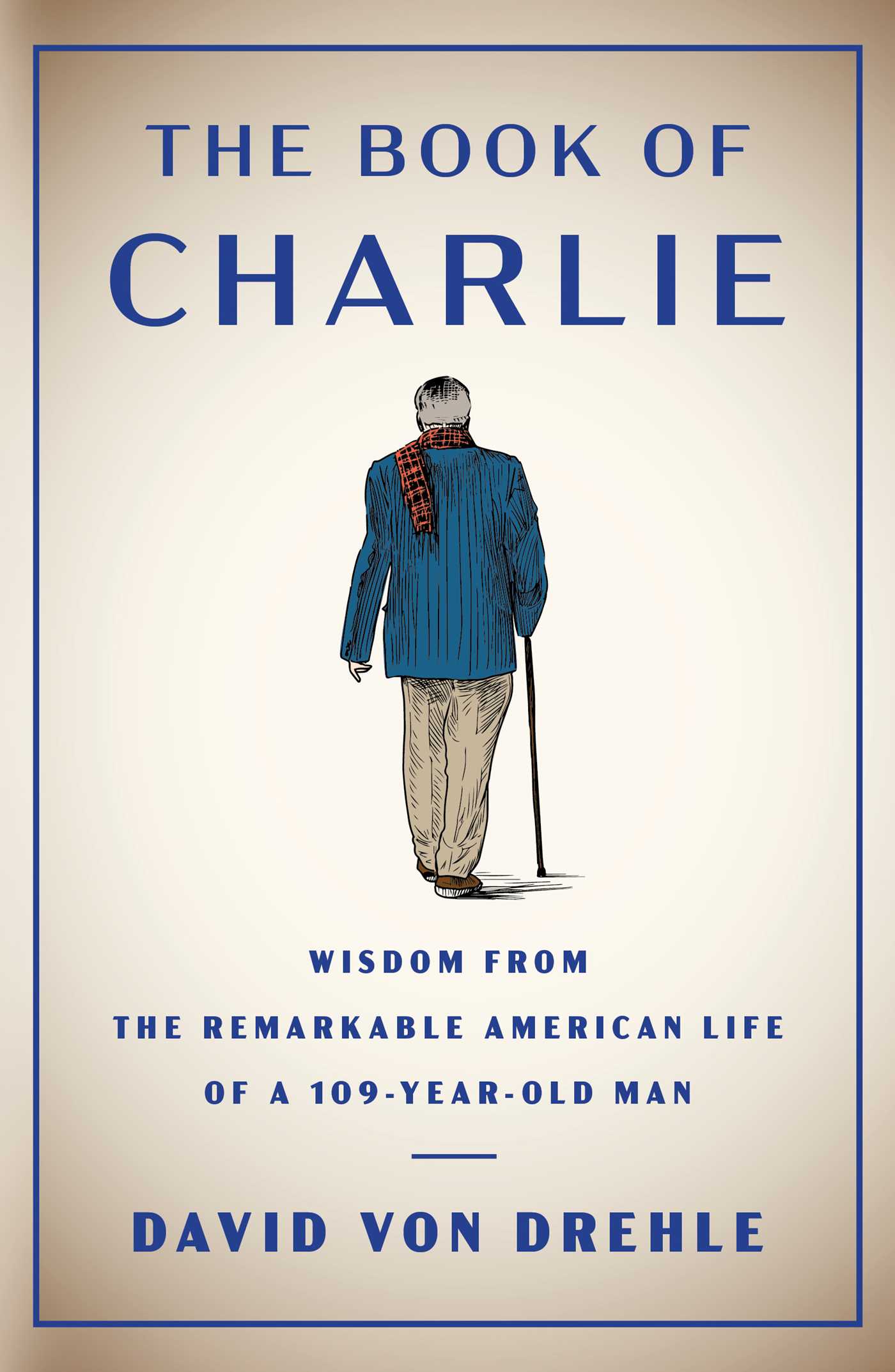
The Book of Charlie: Wisdom from the Remarkable American Life of a 109-Year-Old Man – David von Drehle

When a veteran Washington journalist moved to Kansas, he met a new neighbor who was more than a century old. Little did he know that he was beginning a long friendship—and a profound lesson in the meaning of life.

Charlie White was no ordinary neighbor. Born before the radio, Charlie lived long enough to use a smartphone. When a shocking tragedy interrupted his idyllic boyhood, Charlie mastered survival strategies that reflect thousands of years of human wisdom. Thus armored, Charlie’s sense of adventure carried him on an epic journey across the continent and later found him swinging across bandstands of the Jazz Age, racing aboard ambulances through Depression-era gangster wars, improvising techniques for early open-heart surgery, and cruising the Amazon as a guest of Peru’s president.

David Von Drehle came to understand that Charlie’s resilience and willingness to grow made this remarkable neighbor a master in the art of thriving through times of dramatic change. As a gift to his children, he set out to tell Charlie’s secrets. The Book of Charlie is a gospel of grit—the inspiring story of one man’s journey through a century of upheaval. The history that unfolds through Charlie’s story reminds you that the United States has always been a divided nation, a questing nation, an inventive nation—a nation of Charlies in the rollercoaster pursuit of a good and meaningful life.

2024 Week 04 Update

Namaskara from India’s Silicon Valley, Bengaluru! I arrived here a couple of days back for a very important reason. My father turned 80 last week and this week will be his Tamil star birthday, for which we have a small ceremony at home. And I met my sister after eight years! Though we speak on the phone daily and even do video calls regularly, it is so much different to physically see and hug her! We were very close growing up, and because we had just 18 months apart, we used to do everything together. All her friends were mine and vice versa! So it’s so good to be together and relive our girlhood for a few days. It’ll be so good to catch up with uncles, aunts and cousins while I am here, as well as, of course, my sister.

Our quote today comes from Richard Bach. Born in 1936, Bach is an American author widely known for his philosophical and inspirational writings, including Jonathan Livingston Seagull, a novella that explores themes of self-discovery, freedom, and the pursuit of one’s dreams. Today’s quote conveys the idea that the desire or aspiration for something comes with an inherent ability or potential to achieve it. However, the realization of the wish often requires effort and dedication. The quote encourages individuals to recognize their inherent capabilities and emphasizes the value of hard work in turning dreams into reality. The quote suggests that when you have a desire or a wish, it is not a random or arbitrary occurrence. Instead, it implies that within the person, there is an inherent capability or potential to bring that wish to fruition. While the quote acknowledges the inherent power, it also emphasises that realising a wish often requires effort and dedication. The quote encourages individuals to believe in their abilities and to recognise that they have the tools necessary to achieve their wishes. The quote also conveys the idea that wishes or dreams are not passive; they require active participation and commitment. The combination of having a wish and being willing to work for it can lead to the fulfilment of personal goals. In essence, Bach’s quote inspires a sense of self-empowerment and encourages individuals to believe in their capacity to turn their aspirations into reality through dedication and effort. It aligns with themes of personal growth, perseverance, and the transformative power of taking action toward one’s dreams.

BB will start his field camp this week. Field camp in national service. The first field camp is considered a rite of passage and takes the young soldiers away from all the comforts they are used to and gives them their first taste of living and fighting in the jungle. At the 5-day Outfield Field camp, recruits will live in self-pitched tents, and learn tactical fighting and leadership skills, as well as other skills useful to a soldier. We were also asked to write him letters which would be given to the recruits on the third day of field camp and all three of us plus some friends who had been through this experience wrote him words of encouragement. The letters have already been posted to his company and his commanders will hand them over to the boys. I hope BB does not struggle too much this week and I am sending him all my love and encouragement.

GG is busy with school and when she is at home, she is busy with either online classes or studying. So some days, even if we are the only people in the house, I barely see her. But that’s all right; this is the time for her to focus on her studies and her career and make the most of her twenties.

Continue staying positive and keep smiling!

In My Hands Today…

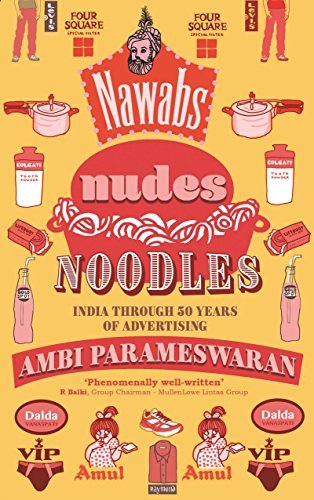
Nawabs, Nudes, Noodles: India through 50 Years of Advertising — Ambi Parameswaran

This is as much the story of Indian advertising as it is about India. Ad veteran Ambi Parameswaran looks at how advertising has evolved, reflecting the country’s culture, politics, and economy in the last fifty years.

From sartorial taste and food habits to marriage and old age, music and language to celebrities and censorship, Ambi examines over a hundred ads to study how the Indian consumer has changed in the past five decades and how advertising and society have shaped each other.

Combining anecdotes and analyses to give us a slice of modern history, Ambi evaluates the relationship between affluence, aspiration, and desire in India. Exploring trends and impacts, he covers the ads that captured the imagination of the entire country. From ‘Only Vimal’ and ‘Jai Jawan Jai Kisan’ to ‘Jo biwi se kare pyaar’ and the controversial Tuffs Shoes campaign, the book is a memorable journey through brands, consumers, and the world of advertising.