

Celebrated annually on 27 September, World Tourism Day is celebrated to promote awareness and the importance of tourism worldwide. This day serves as a platform to highlight the social, cultural, political, and economic contributions of tourism to global development. Since 1980, the United Nations World Tourism Organization has celebrated World Tourism Day as an international observance. This date was chosen as, on that day in 1970, the Statutes of the UNWTO were adopted, the adoption of which is considered a milestone in global tourism. The purpose of this day is to raise awareness of the role of tourism within the international community and to demonstrate how it affects social, cultural, political and economic values worldwide. World Tourism Day plays a crucial role in promoting sustainable tourism practices, fostering dialogue between nations, and encouraging responsible travel among tourists.
At its Twelfth Session in Istanbul, Turkey, in October 1997, the UNWTO General Assembly decided to designate a host country each year to act as the Organization’s partner in the celebration of World Tourism Day. At its Fifteenth Session in Beijing, China, in October 2003, the Assembly decided the following geographic order to be followed for World Tourism Day celebrations: 2006 in Europe; 2007 in South Asia; 2008 in the Americas; 2009 in Africa and 2011 in the Middle East.

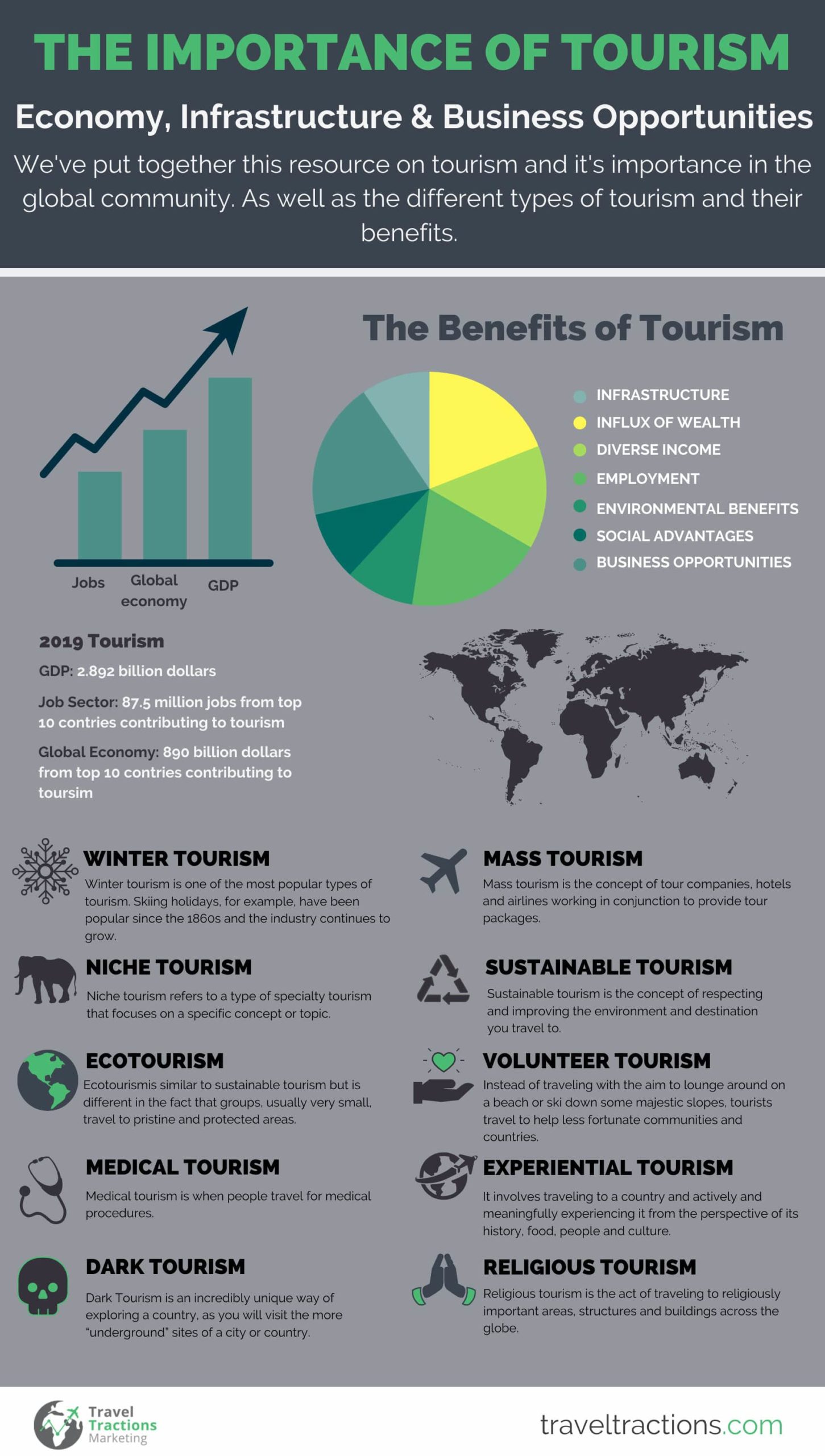
Tourism has become one of the fastest-growing industries globally, contributing significantly to job creation, economic growth, and cultural preservation. However, the rapid expansion of tourism also poses challenges such as environmental degradation, cultural commodification, and unequal distribution of benefits. Modern tourism is closely linked to development and encompasses a growing number of new destinations. These dynamics have turned tourism into a key driver for socio-economic progress. Today, the business volume of tourism equals or even surpasses that of oil exports, food products or automobiles. Tourism has become one of the major players in international commerce and represents, at the same time, one of the main income sources for many developing countries. This growth goes hand in hand with increasing diversification and competition among destinations. This global spread of tourism in industrialised and developed states has produced economic and employment benefits in many related sectors – from construction to agriculture or telecommunications.
In 2023, the official World Tourism Day celebrations will be hosted in Riyadh, Saudi Arabia, under the theme “Tourism and Green Investments”. World Tourism Day 2023 will highlight the need for more and better-targeted investments for people, for the planet and for prosperity. The time has come for new and innovative solutions, not just traditional investments that promote and underpin economic growth and productivity. The day will highlight the vital need to deliver investment for projects that work for people by investing in education and skills, for the planet by investing in sustainable infrastructure and accelerating green transformation and for prosperity by investing in innovation, technology and entrepreneurship.
Sustainable tourism requires sustainable investments. However, due to the pandemic, announced foreign investment in the tourism sector fell from US$48.5 billion in 2019 to just US$12.6 billion in 2020. This sudden and unexpected drop has been felt at all levels of the sector and pressed pause on projects designed to advance tourism’s climate action efforts and build more resilience. Additionally, in 2020 and 2021, job creation in the tourism sector fell by 70%, a direct consequence of falling investment levels.
One investment area that has remained strong, however, is investment in tourism start-ups and technology, highlighting the resilience of the startup ecosystem. But even here, the impact of the pandemic has been significant: funding levels fell to their lowest level in four years in 2022, and the number of tourism tech ‘unicorns’, which are start-ups valued at US$1 billion or more, has fallen. More and better-targeted investment is therefore required to enable tourism to deliver on its massive potential to provide opportunities for people, build resilient economies, accelerate climate action and greater sustainability for the planet, and deliver inclusive prosperity around the pillars of innovation and entrepreneurship.
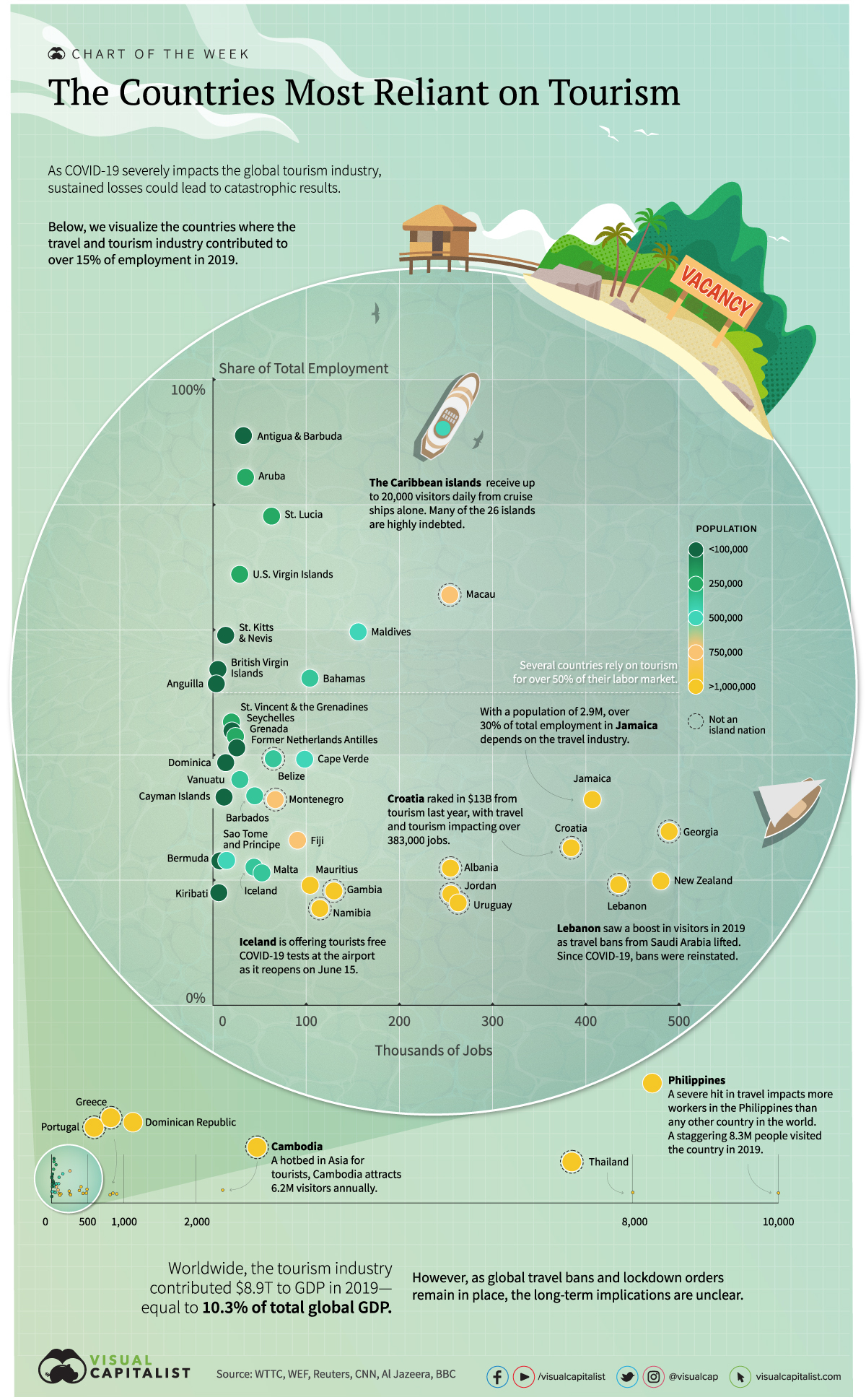
Tourism is one of the world’s leading employers. In 2019, the sector employed one in 10 people worldwide, with high levels of opportunity for women and youth. However, in emerging destinations, 50% of young people are unable to work in tourism due to a lack of opportunity, resources or access to academic training. Current education and training opportunities are unbalanced, with a heavy emphasis on hotel management. The global tourism workforce will require millions of hospitality graduates annually between now and 2030, and a further 800,000 jobs a year will require specific vocational training.
Through tourism, investment in infrastructure can deliver better services while also advancing the Sustainable Development Goals or SDGs. However, infrastructure has suffered from chronic underinvestment for decades. Tourism infrastructure, in particular, has a crucial role to play. Hotels account for 1% of global emissions and rising and are heavy consumers of energy and water. At the same time, funding for climate tech start-ups is not at the level needed to truly transform the sector. Investments that integrate sustainability measures into tourism operations will have an effect on most of the drivers of the sector’s growth: cost efficiency, city policies, internal sustainability goals, brand image, and guest satisfaction.
This World Tourism Day will try to address topics about public and private investments in this sector and what steps the private sector can take to address the emerging investment needs of the tourism sector vis-a-vis education. They will also deliberate on how to motivate policymakers and investors to support increased investment in greening the tourism sector as well as how to accelerate climate innovation, invest in new technologies, business models, and practices to facilitate the emergence of new climate solutions. Other topics will include the financial investment mechanisms and instruments available to support innovation, technology and entrepreneurship and also how to promote ease of doing business, develop better investment policies and embrace new innovative financial mechanisms and solutions to address emerging and complex challenges. Lastly, the day will focus on trying to close the financing gender gap and accelerate access to capital in both domestic and international markets for women entrepreneurs.
World Tourism Day 2023 will be a call to action for the international community, governments, multilateral financial institutions, development partners and private sector investors to unite around a new tourism investment strategy. As travellers, it is our responsibility to make conscious choices that support sustainable tourism, respecting the environment, preserving cultural heritage, and benefiting local communities. By embracing the principles of sustainability, we can collectively create a tourism industry that is not only economically viable but also environmentally and socially responsible. Let us celebrate World Tourism Day 2023 by recognising the immense potential of tourism as a force for positive change and committing to making travel a transformative and sustainable experience for all.









 Memories and Such