Fraser’s Hill
A hill resort located on the Titiwangsa Ridge, Fraser’s Hill lies about 100 km north of Kuala Lumpur. In 1890, Louis James Fraser, a Scottish trader and accountant, established the area as a tin mining community known as Pamah Lebar when he discovered rich tin deposits and opened a tin mining facility. Mining activity there was short-lived, as the tin ore was depleted in 1913. This led many miners and farmers to abandon the area. Fraser reportedly disappeared in 1910, but research in 2019 concluded that he retired from his position and returned to Great Britain in 1910. He died in 1916 while travelling in Austria-Hungary.
An attempt by J. Ferguson-Davie to locate Fraser in the area failed. While he searched for Fraser, Ferguson-Davie recognised the area’s potential as a suitable location to set up a hill station. Its cool climate made Pamah Lebar an ideal retreat to escape from the usually hot climate in Malaysia. Construction of Fraser’s Hill began in October 1919 when F.W. Mager, Pahang state engineer, surveyed the site for building construction and cleared the land around Fraser’s former bungalow to build a road from The Gap to provide access to the hill station. The place was renamed Fraser’s Hill and opened to visitors in 1922. Subsequent development occurred in the 1970s in response to increased tourism activity. While this provided room for more visitors, it had an impact on the environment, including deforestation and water pollution prompting a halt to further developments in April 2010. Fraser’s Hill is known for its vast biodiversity, attracting scientists and researchers. In recent years, Fraser’s Hill has increased tourist activities, including hiking, cycling, golfing, archery, paddle boat, horseback riding, tennis, swimming and squash. However, the expansion for tourist development has negatively impacted the environment with deforestation, more species facing extinction and water pollution affecting the lives of the Orang Asli and residents in other villages. These issues led to the Pahang state government ruling out further development in the virgin forest at Fraser’s Hill on 13 April 2010. It was not until May 2015 when The Star reported that some resorts had fallen into disrepair because of a lack of maintenance coupled with infrequent collection of rubbish and some abandoned bungalows had been taken over by squatters. In response, the state government of Pahang proposed renovation of the hill resorts for ten years at the cost of between RM 100 million to RM 200 million. The hill resort’s renovation had to be meticulous to not turn Fraser’s Hill into a tourist-focused hill station like Genting Highlands and Cameron Highlands. Instead, it focused on improving existing facilities and preserving the colonial legacy of the hill station. On 28 April 2019, Fraser’s Hill celebrated its 100th anniversary as a hill station resort. Since further development was halted in 2010, only 10 per cent of Fraser’s Hill’s overall land has been developed.
Fraser’s Hill lies at an altitude between 320 m and 1,460 m above sea level. Around 44% of the terrain area is ranked as steep, while flat areas make up 8% of the overall land area. The town’s virgin forest coverage is around 92% of the overall land area, with only 1.5% of the area used for a town and 6.5% of the forest area cleared for secondary vegetation. Ten river systems in Malaysia originate in Fraser’s Hill, including Sungai Selangor, a major water source for Selangor, and Sungai Teranum, which forms a major river system in eastern Pahang.
Fraser’s Hill is located in one of Malaysia’s few pristine forests. The high level of biodiversity has become an area of great interest to scientists and researchers. Over 10% of all plant species discovered in Peninsular Malaysia are located in Fraser’s Hill, which is home to 952 indigenous species and 36 endemic species. Thirteen of these were considered extinct and had not been found again for more than 60 years. It is also one of the three available places in the world where the rare Trig Oak or Trigonobalanops verticillata was discovered. The most dominant group of animals found on Fraser’s Hill are invertebrates which play an important role in sustaining a healthy ecosystem in the region. Fraser’s Hill hosts 250 migratory and residential bird species. Birdlife International has designated this area as an important bird area because of its large number of species. The popularity of birdwatching has led to the creation of an annual event, Fraser’s Hill Bird Race, first organised in 1988. Usually held in June, the objective is to spot, identify and record species in an official list within the given time limit. A museum dedicated to birds known as the Bird Interpretive Centre was opened to the public in June 2010. The museum provides information and guided tours on seven trails in Fraser’s Hill, and an interactive facility where visitors can learn more about the area’s flora and fauna and understand the importance of forest conservation and the beauty of viewing nature.
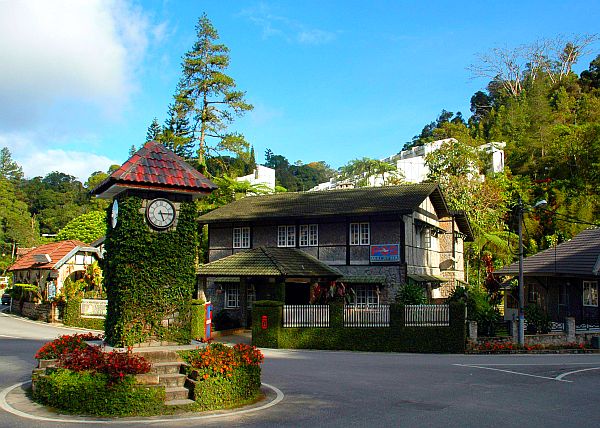
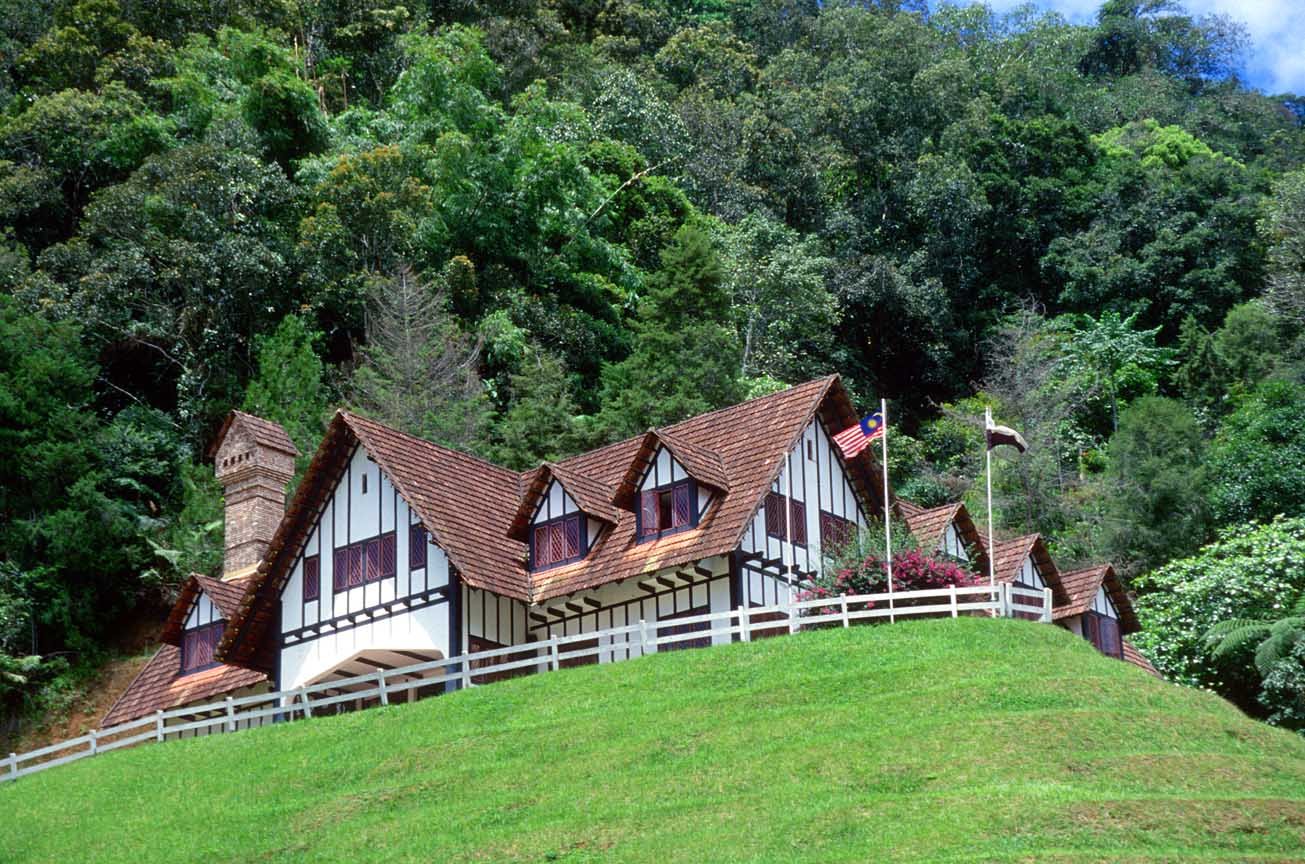
Fraser’s Hill’s architecture largely sports a mock Tudor design, reflecting colonial designs and architecture used in the colonial era. This design was used for the Fraser’s Hill clock tower as the amenities building and bungalows. As of 2019, 46 of the 79 buildings at Fraser’s Hill were listed as heritage buildings built from 1919 to 1957.
The road to Fraser’s Hill is a one-way road, hence only one side drive is allowed for 40 minutes each with particular timings. The upside drive is permitted in the odd hours and the downside drive is permitted in the even hours of the day. The best time to visit Fraser’s Hill is between June and August.
Allan’s Water is a lake surrounded by a recreational park. Open from 9 am to 4:30 pm, tourists visit here to do paddle boating and explore the nature, flora, and fauna. Visitors should visit the Tamam Awam Park to see various gardens and enjoy time with friends and family. One can indulge in horse riding and archery along with many adventure sports at the Paddock. Located along Valley Road, it remains open from 9 am to 4 pm every day. Located along Pine Tree Road, Taman Awam Bukit Fraser is a hilltop forest park on Fraser’s Hill. Landscaped beautifully with coniferous trees, this public park has a playground, a scenic tarmac walking circuit, and a mini golf course. Benches and gazebos line the neat flower garden. The food court sits in a shady nook, offering a wide range of local dining with sundry and souvenir shops.
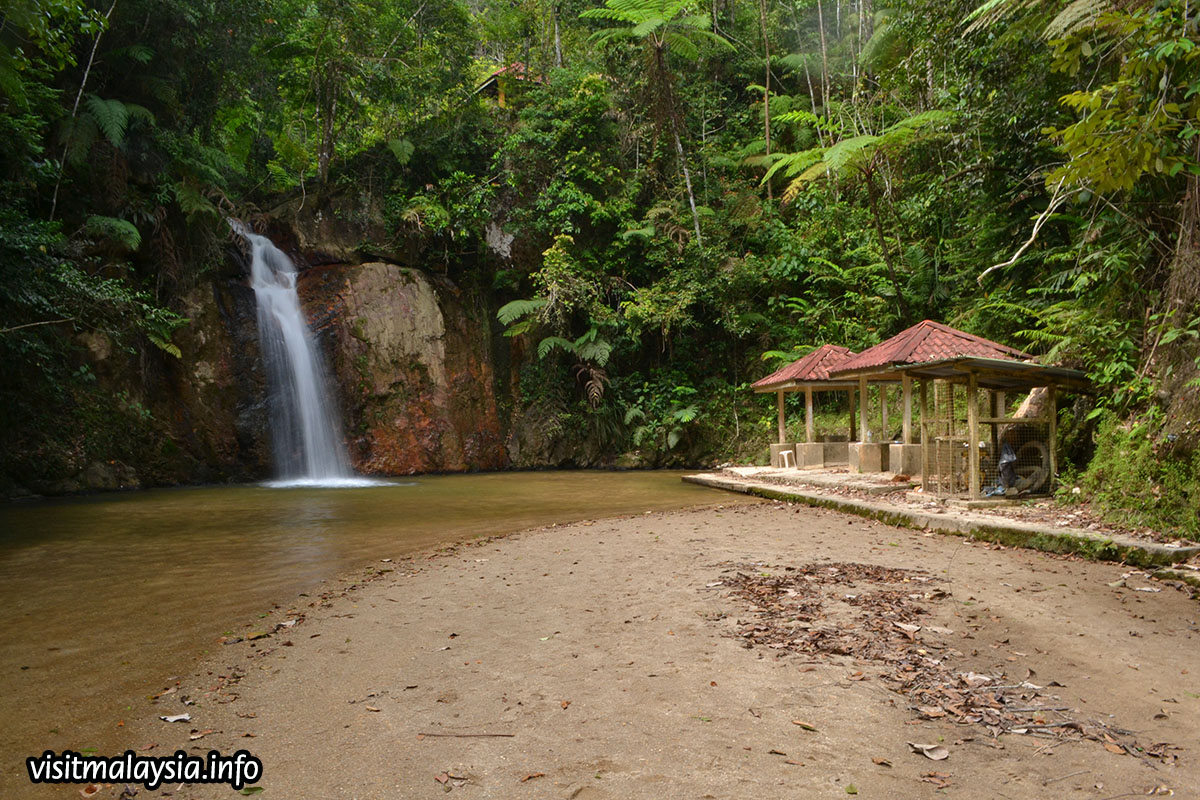
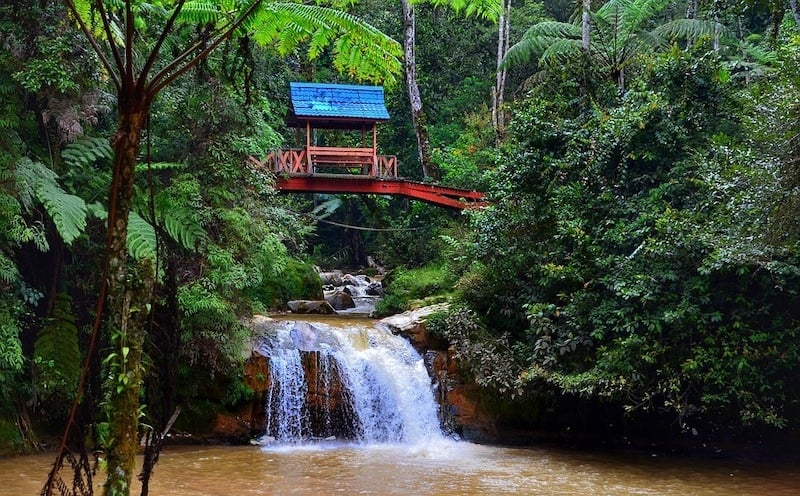
One of the most beautiful places around Fraser’s Hill is the Jeriau Waterfall, located close to the landmark hotel of Ye Olde Smokehouse. It is a 15-minute short steep trek through the jungle along a water stream to get to the gigantic falls. The waterfall cascades and forms a pool at its base, allowing visitors to go for a dip and relax in the surrounding nature. The place has clean toilets, changing rooms, and some BBQ pits to enjoy an outdoor picnic. One can find some dogs along the way and plenty of alluring butterflies on the spot.
At the Bird Interpretive Centre one can spot birds like hornbills, doves, pheasants, eagles, endemic species, and some exclusive migratory birds. The Bird Interceptive Centre is located within the sports complex. The Fraser’s clock tower is a historical landmark with colonial architecture and a must-visit if one is exploring Fraser’s Hill.
Leading to the famous Twin Peaks viewpoint, Pine Tree Hill is the longest and most challenging trekking trail on Fraser’s Hill. It was paved up the mountain during the British era to gain access to the 1,505-metre-tall summit. Following the Selangor-Pahang border, this trail is 5.5 kilometres long and commands spectacular views of Bukit Fraser. Knotted ropes are available to help trekkers climb. Suited for hikers of all skill levels, Hemmant Trail is a mostly flat and wide 1-kilometre-long trail on Bukit Fraser. It begins from a grass clearing behind the Genting Road mosque area and village square, skirts above Fraser’s Hill Golf Course and past the Abu Suradi trailhead, and passes through unspoiled native and exotic rain trees, ferns and shrubs.
The Glasshouse on Fraser’s Hill is a cosy private complex with a greenhouse and an annexe wing bar counter. Tucked between Jalan Lady Guillemard and Jalan Valley, the greenhouse showcases a wide range of colourful cacti and succulents. Patrons can sit by the greenhouse and admire the plants, purchase them on the spot, and enjoy a selection of drinks, coffee and cake indoors. The Greenhouse is open on weekends between 10 am and 6 pm.
Cameroon Highlands
A gorgeous hill station, Cameron Highlands is home to eight different settlements that boast stunning views, expansive plantations, nurseries, colonial bungalows, and hidden waterfalls. Occupying an area of 712.18 sq km, it shares a boundary with Kelantan to the north, and Perak to the west. Situated at the northwestern tip of Pahang, Cameron Highlands is approximately 200 km north of Kuala Lumpur and about 355 km west of the state capital of Kuantan.
Surveyed by British government geologist and explorer William Cameron in 1885, Cameron Highlands consists of three mukims or subdistricts, Ringlet, Tanah Rata and Ulu Telom, all of which are nestled at elevations ranging from 800 m to 1,603 m above sea level. Developed in the 1930s, the tableland is one of the oldest tourist spots in Malaysia. Apart from its tea estates, the plateau is noted for its cool weather, orchards, nurseries, farmlands, waterfalls, rivers, lakes, wildlife, mossy forest, golf course, hotels, places of worship, bungalows, Land Rovers, museum and native inhabitants or the Orang Asli. Forty years later, the tableland was given another review when Sir George Maxwell visited the locale to see if it could be turned into a resort. He spent about nine days surveying the territory. After comparing it with Nuwara Eliya in Sri Lanka and Baguio in the Philippines, he decreed that the site should be developed into a hill station.
In mid-1925, an Agricultural Experiment Station was set up to confirm if cinchona, tea, coffee, fruits and vegetables could be grown in the district. While research at the station was being carried out, the colonial office assigned Captain C.C. Best, a surveyor from the Federated Malay States to trace the Telom River. In 1926, a development committee was formed to zone off the moorlands for agriculture, defense, administration, housing, and recreation. Later, a three-million-dollar road was constructed from Tapah to the highlands. It started from the 19th mile Tapah-Pahang Road and ended at Ginting B or Tanah Rata. When the road was opened in 1931, the British and the locals moved in to settle on the slopes of the mountain. They were soon followed by tea planters and vegetable growers who found the climate to be suitable for the growth of their crops. By the mid-1930s, there was a notable improvement in the constituency: it now had a six-hole golf course, several cottages, three inns, a police post, two boarding schools, a military camp, a dairy, a horse spelling ranch, nurseries, vegetable farms, tea plantations, a Government Rest House and an Agricultural Experiment Station. The domain continued to grow until the outbreak of the Second World War. During the Japanese Occupation of the Malay Peninsula between 1942 and 1945, there was hardly any development in the area. When the Japanese withdrew in August 1945, the place transformed but came to a halt during the Malayan Emergency between 1948 and 1960. Today, Cameron Highlands is not only the biggest and best known of Malaysia’s hill stations; it is also the highest point in Peninsular Malaysia accessible by car.
Cameron Highlands is one of the few places in Malaysia that serves as a habitat for a wide variety of flora and fauna. There are more than 700 species of plants that grow here. The vegetation changes as one ascends the mountain. Of the fauna, the Sumatran serow, mountain peacock-pheasant and Malayan whistling-thrush are listed in the 2004 IUCN Red List of Threatened Species.
Geographically, the resort is located on the highland spine of Peninsular Malaysia. It owes its present standing to its location at a high altitude. At the top of Mount Batu Brinchang is a radio and television station, constructed by the British in the early 1950s. Cameron Highlands is unique compared to the other hill stations in Malaysia — three river systems drain it with numerous tributaries. Their high points serve as the water catchment for the Pahang and Perak rivers.
Overall, much of the highland is still forested, estimated at 71%. Jungle trails lead visitors to tranquil spots, waterfalls, and aboriginal villages. Most of the tracks begin at Tanah Rata. There are more than ten paths to pick and choose from. Depending on its distance, some routes can take as long as five hours to cover.
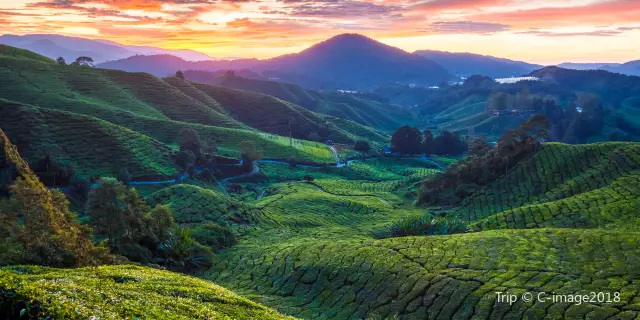
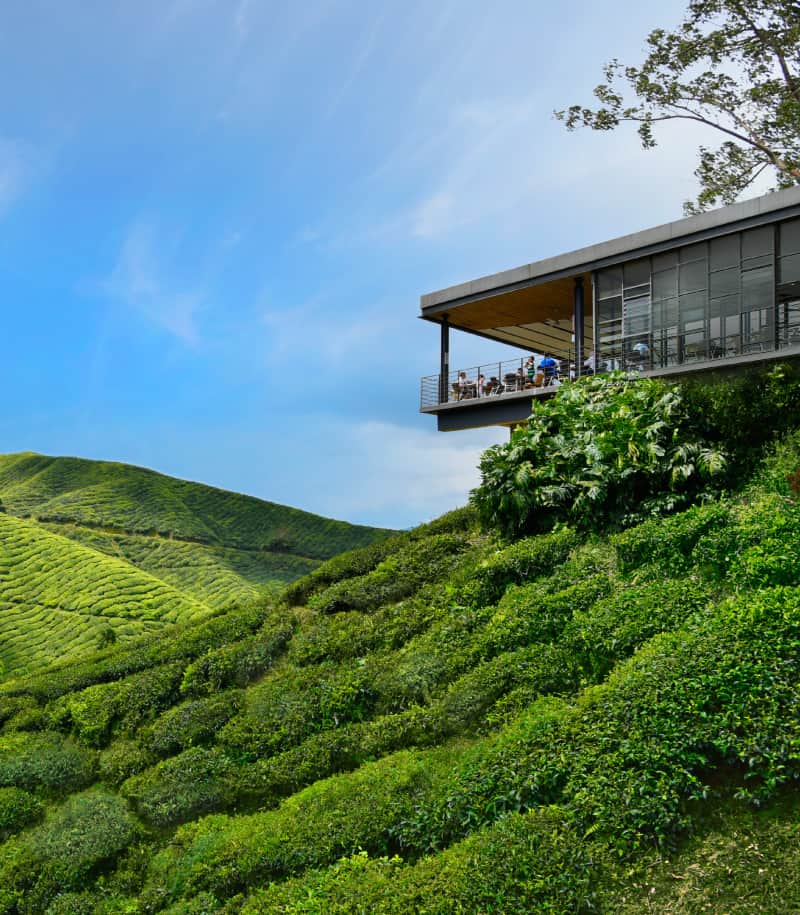
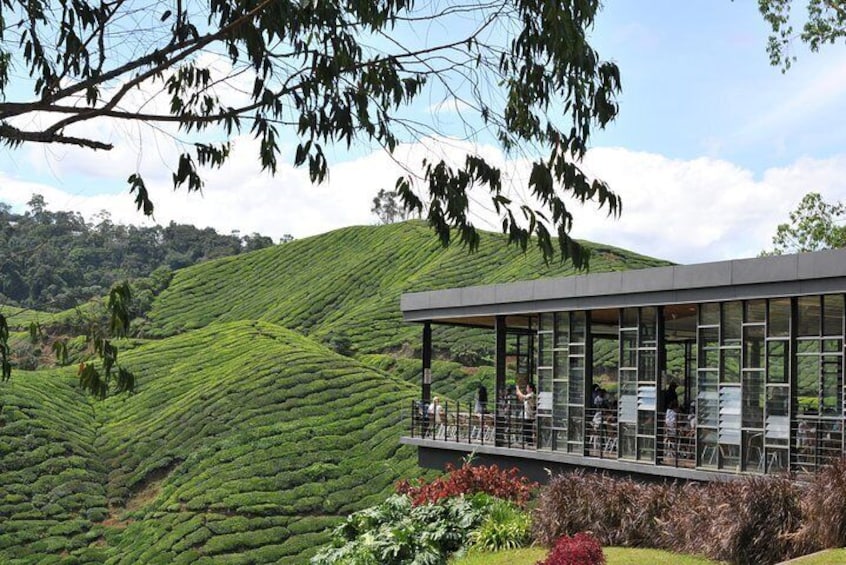
The largest tea manufacturer in Malaysia and the largest tea plantation in Southeast Asia, Boh Tea Plantation is often visited for its scenic views and visitor centre. Founded in 1929 by J. A. Russell, Boh Plantations now own three tea gardens – the first garden in Habu, Fairlie Tea Garden and Sungai Palas Tea Garden. There is also a packaging factory near its main garden. Guided tours are available to show visitors how tea is made. The tours start at 8:45 am and are conducted every half hour from there on. No reservation is needed and the tour is free. The Sungai Palas Boh Tea Centre is new, consisting of a tea plantation, cafe, gallery, tea factory, and souvenir shop. It has an exhibition hall to help in tea education as well as a souvenir and tea shop to take back some memories. There is a big outdoor terrace blowing a great view of the valley. The open balcony gives a chance to lay back and enjoy the view after walking through the estate fields and serves to welcome guests casually and informally. The plantation is open from 9 am to 4:30 pm and is closed on Mondays.
Popular for its scenic viewpoint, the Cameron Bharat Tea Estate is among the most visited tea plantations in Cameron Highlands. The picturesque tea plantation, a variety of exquisite teas, and delicious cakes and scones are some of the primary reasons that this tea plantation is an ideal destination for tea lovers and nature enthusiasts. Nestled among hills and lush greenery, the Cameron Bharat Tea Estate offers tours to visitors where one can take beautiful photographs, enjoy the view of nature at its best and relish the flavour of the finest teas like cardamom tea and its uniquely blended masala chai. One can also buy jam and other products from the tea shop. The tea estate is open between 8:30 am and 6 pm on weekdays and between 8 am and 7 pm on weekends. Entry fees are RM 2 for adults while children need not pay anything.
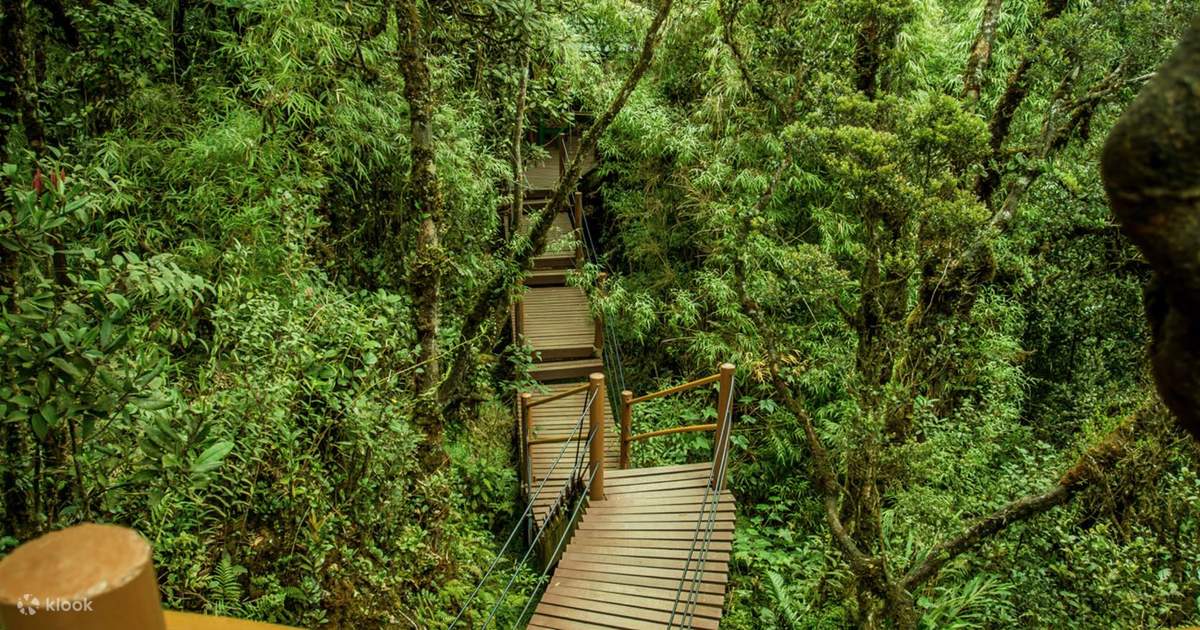
Mossy Forest is a moist tropical evergreen forest flourishing on top of Gunung Brinchang. The swirling and twisted barks of trees are all draped in moss and ferns, hence the name, Mossy Forest. Visitors can explore the forest preferably with experienced tour guides. The boardwalk is another safer option to wander in the forest. This 2,00,000-year-old lush spread is abode to exotic flora like the carnivorous pitcher plant, spices, medicinal plants, orchids and primitive ferns. The weather is mostly very cloudy here and the misty conditions lend an air of creepiness to the forest. The high elevation of 2032 metres ensures regular rainfall and the cover of mist leads to a thick curtain of moss and ferns. The Mossy Forest Boardwalk is a 150 metres long wooden walkway through the forest. Once one reaches the ending point of the boardwalk, a muddy trail will start through the forest. Entry fees are RM 30 for adults and RM 15 for children below 12.
Cameron Lavender Garden is a floral garden located in Brinchang. A visual treat for the eyes, the garden blooms with different types and colours of lavender, including purple, red and yellow. The 3D mural art is one of the must-see sections here. The love-lock bridge in the garden is popular among those in love. The garden also houses a vegetable and strawberry farm. Flower-plucking and strawberry-picking are allowed by paying some fees. The garden also has a cafe on the top serving cheesecakes, ice creams, jams, juices and other lavender-inspired delicacies. There’s a small market inside the garden selling gift items and souvenirs. The garden is open between 9 am and 6 pm on Mondays to Thursdays and between 9 am and 7 pm on Fridays, Saturdays and Sundays. Entry fees are RM 18 for adults and RM 8 for children.
The small yet beautiful farm at the Kea Farm, the Cameron Highlands Butterfly Farm houses a plethora of butterflies, reptiles, insects and amphibians. Vibrant butterflies of varied types and sizes along with various other animals and insects are on display here. It is open between 9 am to 6 pm from Monday to Friday and from 8 am to 7 pm on weekends. Entry fees are RM 7 for an adult and RM 4 for a child.
A beautiful natural farm, with budding fresh and juicy strawberries, the Raju Hill Strawberry Farm is situated in the Kea Farm. Visitors can easily roam about to experience the delightful sights of plantations and enjoy their fresh preparations, checking out a few interesting local products at the gift shop inside the farm. For its high-quality strawberries in the lush green farms, Raju Hill Strawberry Farm has become a popular site for everyone who visits Cameron Highlands. The farm, which has free entry fees is open from 8 am to 6:30 pm daily.
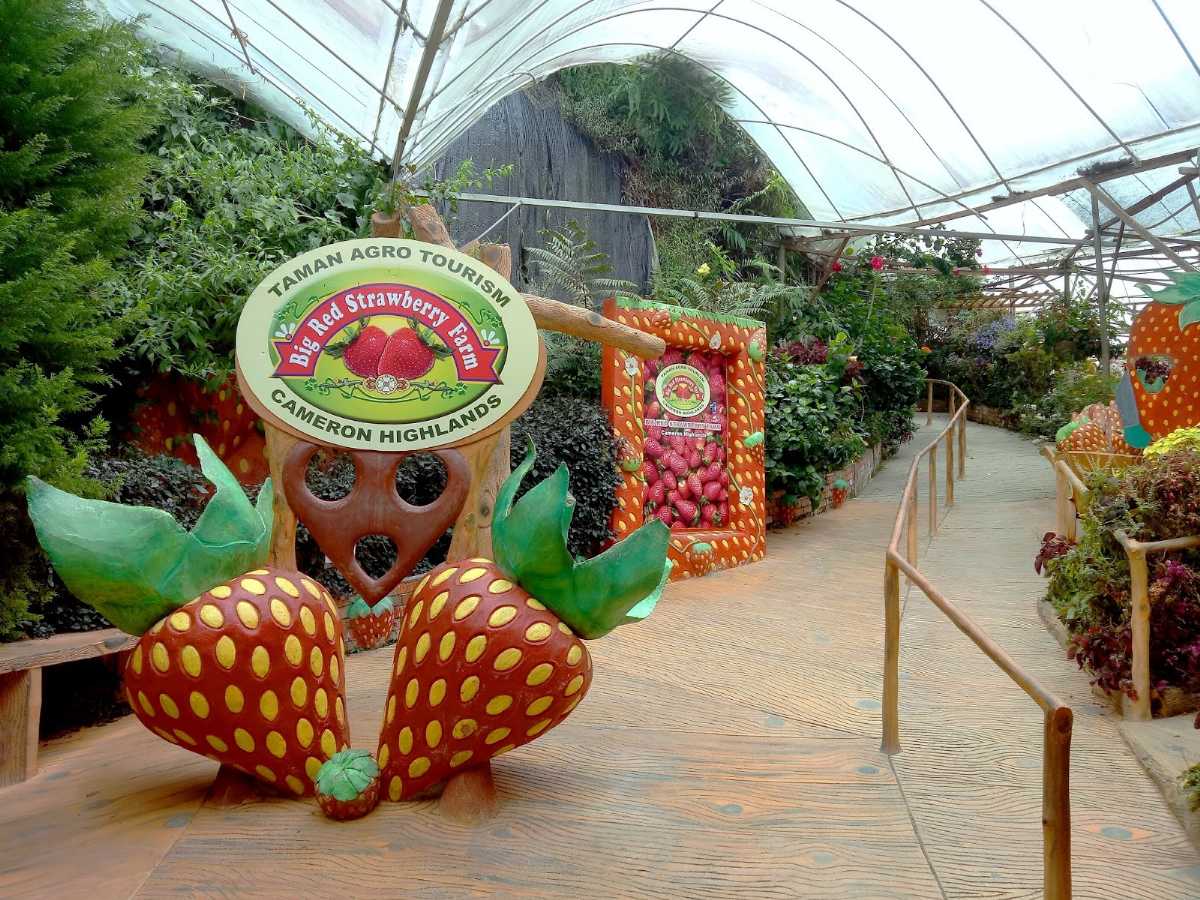
Also known as Taman Agro Tourism, the Big Red Strawberry Farm is located within walking distance from Brinchang town right beside Cactus Valley. One can enjoy potted plants along with relishing healthy snacks and drinks here. The strawberry farm was started in 2005 by Kumar Sinnathamby who changed his agricultural land into an agro-tourism nursery farm. The farm is open from 8:30 am to 5:30 pm daily and there is no entry fee to the farm.
Located in Tringkap, the Cameron Tringkap Bee Farm is an apiary with a mini-bee museum where one can learn a lot about different types of bees, honey production, honey harvesting and its benefits. The Bee Farm also has a cute little strawberry farm and an exhibition corner. One can buy a wide variety of fine honey products under the brand name Giant B and beeswax, bee venom balm, bee pupa, royal jelly, and bee pollen, among other products at the Tringkap Bee Farm. The farm is open from 9 am to 6:30 pm.
Nestled on a hill in Brinchang, Cactus Valley is an ornamental garden boasting a diverse variety of cacti of varied colours, sizes and shapes. Not only cacti, but the garden also houses many other fruits and vegetables. Specimens found here include glori bush, roses, peaches, passion fruit, apple trees, fuchsia, and hibiscus among others with many of them also available for sale in pots. It is open from 8 am to 6 pm and costs RM 5 for an adult and RM 3 for a child to enter.
Mrs Robertson’s Rose Garden is a lovely floral terrace garden situated in Sungai Palas. Set on a hilltop, the garden and its ten-levelled terrace offer amazing views of the scenic surroundings. It boasts a variety of more than 100 different species of roses along with other highland flora and flowers like carnations, camelia, sunflowers and salmon hibiscus trees. There are also vegetable patches and cactus pots.
Located near Tanah Rata, Thompson Falls is a very popular waterfall that is surrounded by lush greenery. The base of the waterfall is ideal for swimming and serves as a picnic spot. To get the best view of the cascading water, one should reach the vantage point of Thompson Waterfall by climbing up a flight of stairs on the mountainside. The area also has some shops selling snacks, fruits, souvenirs and handicrafts.
The indigenous people of Malaysia, the Orang Asli have settlements that are often visited by tourists who hope to understand their culture. Guided tours are available. The most authentic locales can be found to the east of Tanah Rata with the people referring to themselves as Batek. They are nomadic but friendly towards the visitors, often welcoming them with smiles and showing off their skills. Some of the tourists are intrigued to try their hand at using the blowpipe. The village is also included in Rafflesi tours.
Gunung Brinchang stands tall as the second-highest peak in Cameron Highlands. The mountain was classified as the highest one in Peninsular Malaysia, accessible by road. However, the authorities have shut down the tarmac road leading to the summit of the mountain just 50 meters from Mossy Forest. The several hikes to reach the summit of the mountain en route to the Mossy Forest are quite popular among trek groups and hikers. A watchtower on the summit offers amazing views of the Titiwangsa Mountains, towns and valleys there. The views are perfect for those who love sunsets.
Hiking is a great way to explore the natural beauty of the Mossy Forest and reach the summit of Gunung Brinchang. Best of all the trails leading to the summit starts close to Raju’s Hill. The comparatively wide muddy road will narrow down to a jungle path just a few minutes after walking. One will also find a change in weather from cool to humid. The hike is quite easy for novice hikers and families although it gets a bit steep, slippery and muddy at times. Otherwise, guides can also be hired for the hike.
The Agro Technology Park in MARDI is a government-owned agro research centre and institute which also doubles up as a tourist destination. Located at Tanah Rata, it is famous for its cultivation of tropical fruits and is a very interesting place for those who want to try something new in terms of food and also learn about Malaysian agriculture. Spread over 42 hectares, it was first opened in 1990 and is run and managed by the government. It is famous for its more than 4000 varieties of flowers and fruits like strawberries some of which are indigenous to the place itself. The Agro Technology Park offers tourists a Fruit Farm Tour which is fully guided by experts. Tourists can experience a bumpy truck drive to the farms where they are offered fresh, tropical fruits to taste and are also explained about how they were grown and cultivated. Established in 1925, the Agricultural Experiment Station was set up to determine the types of crops that could be grown on the tableland. In 1971, the station became a part of the Malaysian Agricultural Research and Development Institute (MARDI). Today, it still researches a wide variety of crops that are grown in the district. It is open between 8 am and 12:45 pm and again between 2 to 5 pm on Mondays to Thursdays and between 8 am and 12:30 pm and again between 2:30 to 5 pm on Fridays. On weekends, it is open between 8 am and 5 pm. It is closed on school and public holidays. Entry fees are RM 5 for adults and RM 3 for children.
Located in Taman Sedia, the plateau’s little Church of England or All Souls’ Church was once acknowledged by the early members of its congregation as The Cameron Highlands Church. The history of this establishment can be traced back to the 1950s and in 1958, the church was offered a piece of land that used to adjoin the previous school. The construction of the church commenced in 1958 and was completed in the same year and was named All Souls’ Church.
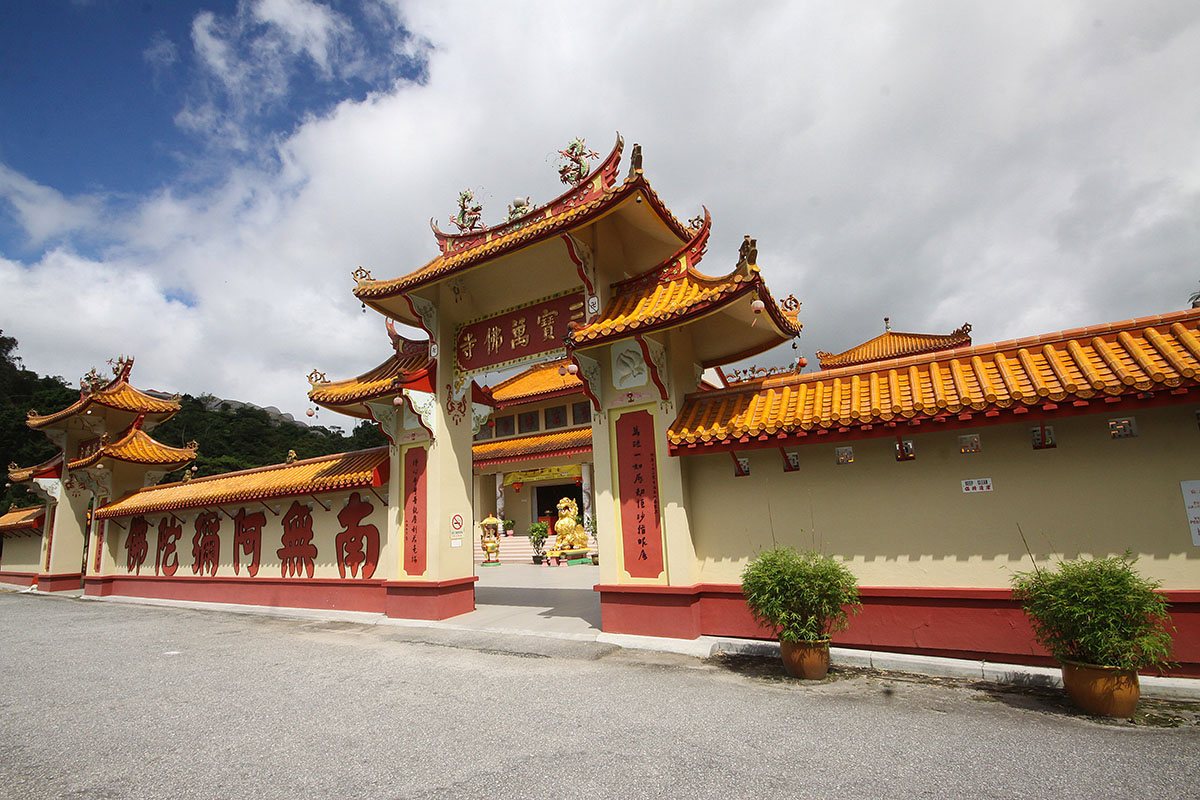
Overlooking the houses that dot Brinchang town, the Sam Poh Tong Temple is the fourth largest Buddhist temple in Malaysia. The temple’s location makes it an exciting spot to click some stunning shots in the backdrop of the picturesque Oriental artefacts and a gorgeous hill view. Featuring beautiful ornamental architecture and a marble-tiled floor, Sam Poh Tong also has plenty of stunning Buddhist and Chinese brass statues. The temple is open from 7 am to 7 pm daily.
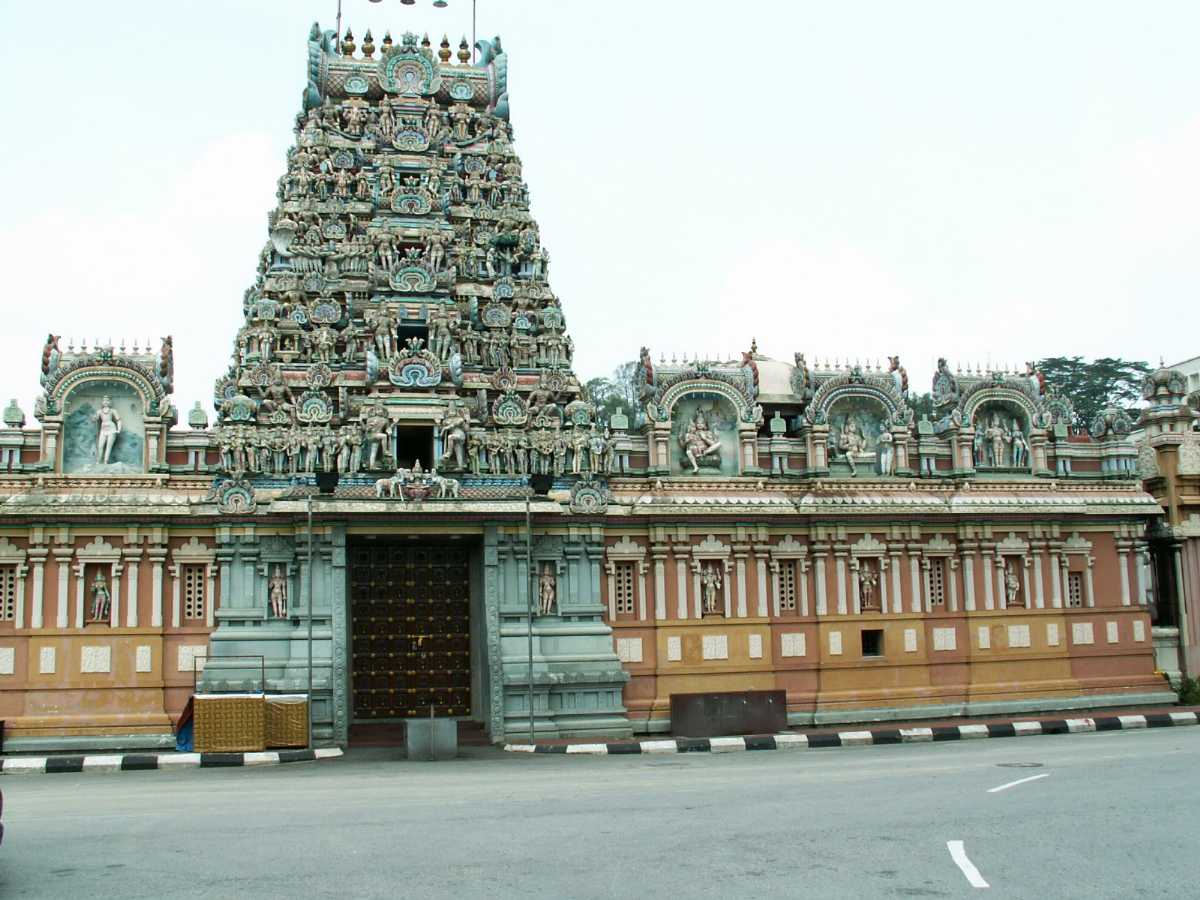
The Sri Thendayuthapani Swami Temple is the largest Hindu temple in Cameron Highlands. Located in Brinchang at a height of 1600 metres, the temple is very popular among tourists due to its luxuriously styled colourful building. Chithra Powrnami is a 3-day Tamil ceremony celebrated on a grand scale in the temple. On special occasions, the temple organises free community meals. It also holds rituals for traditional weddings. The temple is mostly visited by the strawberry and tea-picking community of Cameron Highlands. A magnificent new building of the temple was completed recently which houses a grand staircase that leads to the mandapa. Here one will find colourful and intricate Tamil-Nadu-style figurines sculpted by Indian artisans. The temple is open from 6 am to 10:30 pm daily.
The Mah Meri Art Gallery is an interesting art collection located at the Tanah Rata. The art gallery pays homage to the now-dying art of carving masks out of wood. Mah Meri originally translates to jungle man but also has another meaning, which means masked men. This art of carving wood is very intricate and is often considered one of the finest in the world and has received the UNESCO Seal of Excellence. Below the art gallery, there is also a gift shop from where one can buy Mah Meri wood carvings and masks.
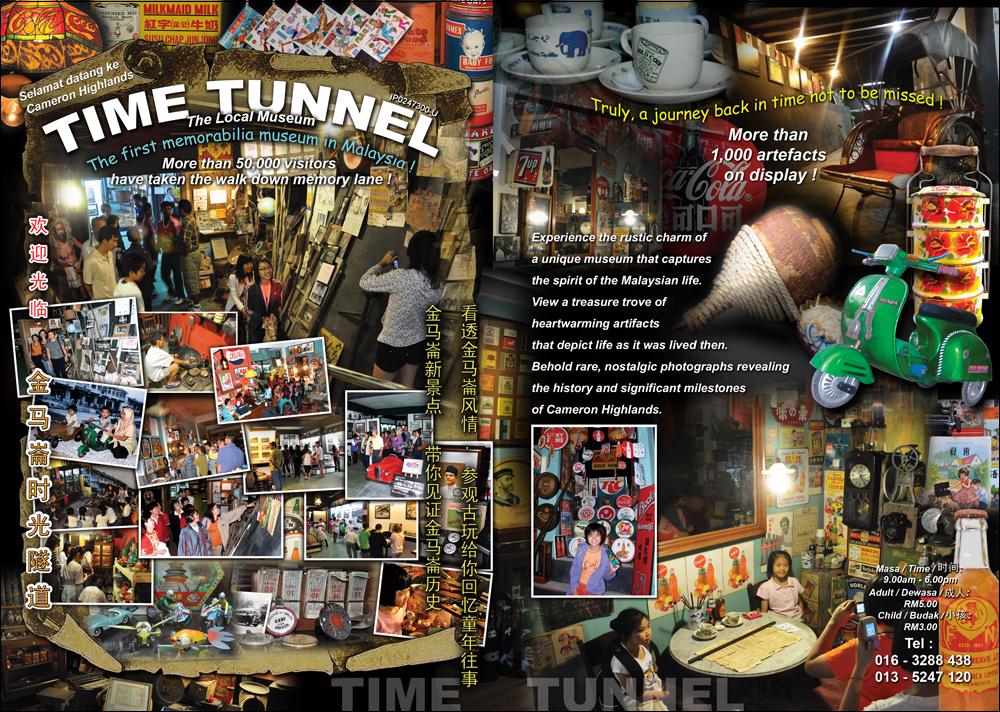
Located in Brinchang, Time Tunnel Museum is Malaysia’s first memorabilia museum. Also known as the local museum, it is filled with collectables and memorabilia showcasing what life was like in Malaysia during the pre-war years. The museum has more than 4,000 objects and photographs on display showcased in eight galleries covering an area of about 14,000 sq m. In June 2008, the museum opened a second space in Ipoh’s old town. There are no restrictions to photography at this place. There are two exhibition levels in Time Tunnel Museum. The Aborigine Section compares the lifestyle of the local natives who lived in Cameron Highlands before the arrival of outsiders. Their tools, traps, and handicrafts are displayed on the floor and the walls. The Barber Shop is equipped with items such as mirrors, straight razors, scissors, hair sprays, shavers, hair dryers, clippers, curlers and a broad range of combs, it is a model of a traditional barbershop back in the early days. The Children’s Corner has items that children in those days used. The Jim Thompsom Corner is dedicated to Jim Thompson, the silk king of Thailand. Located in the middle of the museum, this section exhibits the story of Jim Thompson and his baffling disappearance in Cameron Highlands. The Cameron Highlands Chronology showcases how Cameron Highlands has transformed from being a laid-back village to a famous tourist hotspot now after being discovered in 1885 by William Cameron. The Old Kopitiam shows the interior of a traditional old style coffee shop including old but artistic wares used during that time such as chopsticks, ashtrays, coffee cups and many more. The museum is open from 9 am to 6 pm daily and entry fees are RM 5 for adults and RM 3 for children.
Genting Highlands
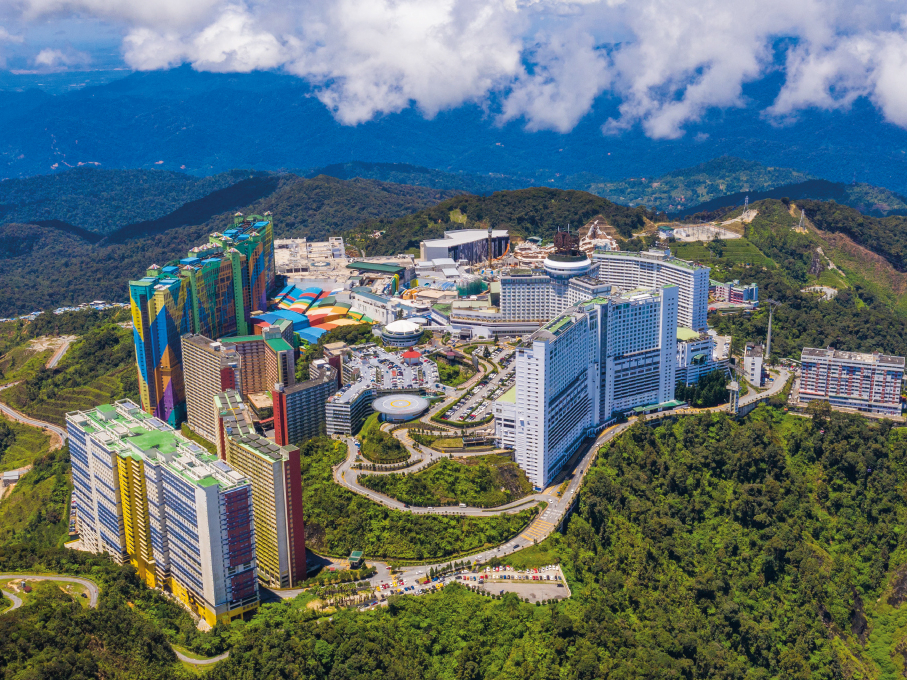
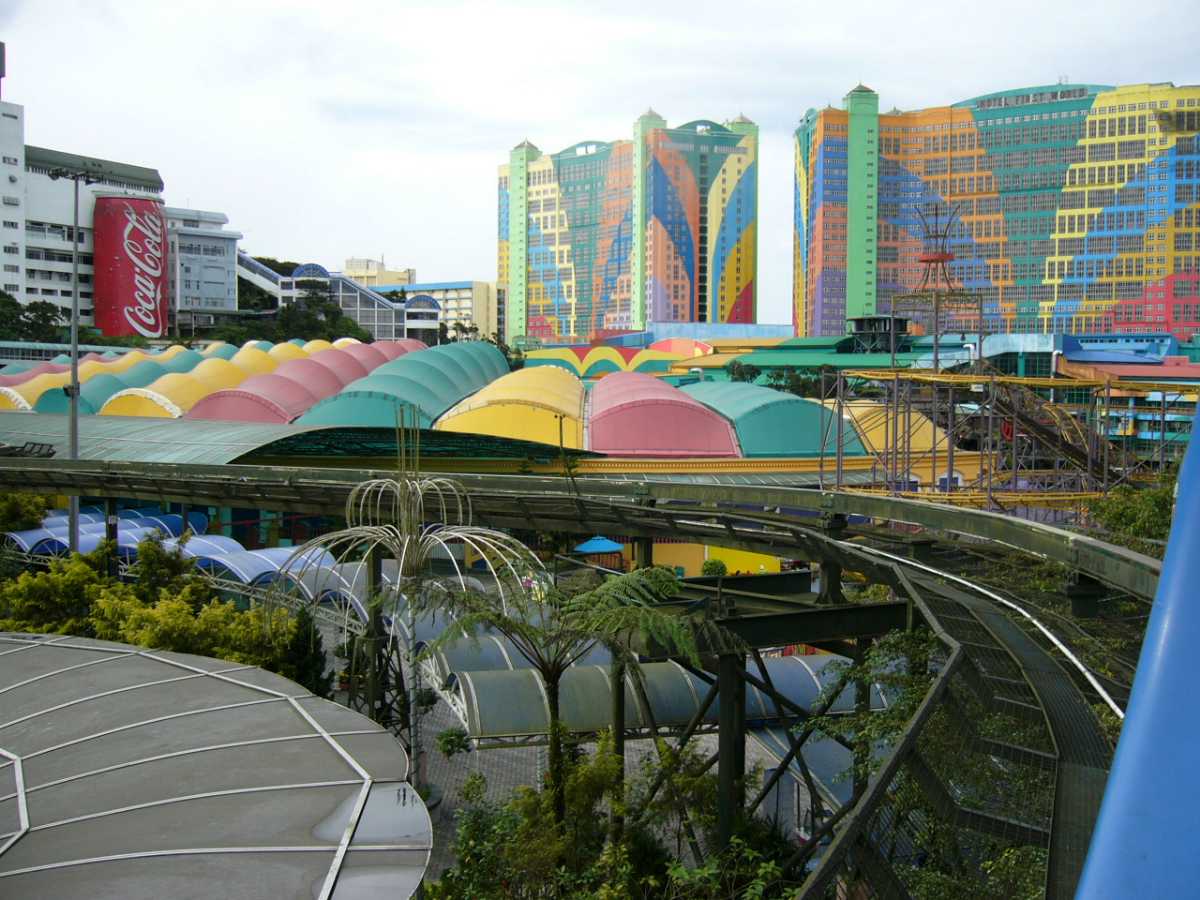
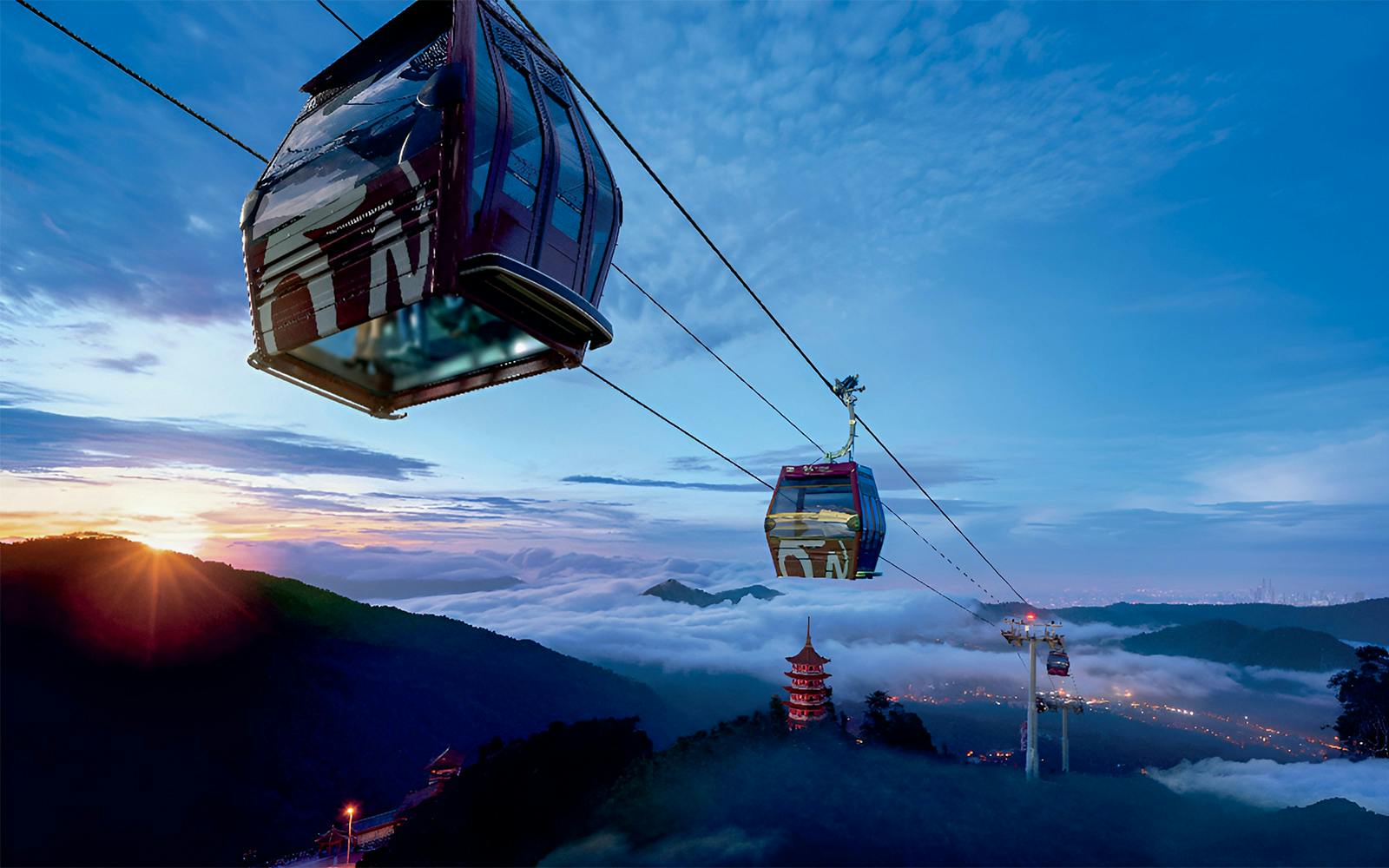
Only an hour’s drive away from Kuala Lumpur, Genting Highlands is often dubbed the City of Entertainment and is known for its nightlife, luxury hotels, huge shopping complexes and world-class casinos. Resting on the peak of Gunung Ulu Kali, in the Titiwangsa Mountains at an elevation of 1800 meters, Genting Highlands incorporates the First World Hotel which was listed in the Guinness World Book of Records as being the largest hotel in 2006. The only place in Malaysia that offers legal gambling, Genting also has cave temples, amusement parks and a water park. Awana SkyWay and Genting SkyWay are the two accessible cable car services for reaching Genting Highlands.
Genting was established in 1965 by the late Chinese businessman Lim Goh Tong who was inspired by the fresh air in Cameron Highlands during his business trip there in 1963 for a hydroelectric power project. The rationale was that Cameron Highlands was too far away from Kuala Lumpur, and therefore building a mountain resort nearer to Kuala Lumpur would have excellent business potential. After researching Kuala Lumpur’s maps and surrounding areas, Lim identified Mount Ulu Kali in Genting Sempah, 58 km from Kuala Lumpur, to be ideal for his plan.
The primary tourist attraction is Resorts World Genting, a hill resort where casinos and theme parks are situated and where gambling is permitted. Many of Pahang’s skyscrapers can be found in this city. On 18 August 1965, a technical and construction team began to construct the access road from Genting Sempah to the peak of Mount Ulu Kali. On 31 March 1969, the late Tunku Abdul Rahman, Malaysia’s first prime minister, laid the foundation stone for the company’s pioneer hotel, marking the completion of the access road to Genting Highlands Resort. The resort was also granted a casino license the same year by the Malaysian government to develop its gambling industry. An area midway to the peak was turned into the Gohtong Jaya township. In 1971, the first hotel at Genting Highlands was completed and was named Highlands Hotel, now renamed Theme Park Hotel.
Since then, Genting Highlands Resort has expanded, with six more hotels being built by 2017. Two cable car systems were built to provide transport to the hilltop – the Awana Skyway built in 1977 with a length of 2.8 km and the Genting Skyway cable car system built in 1997 with a length of 3.38 km.
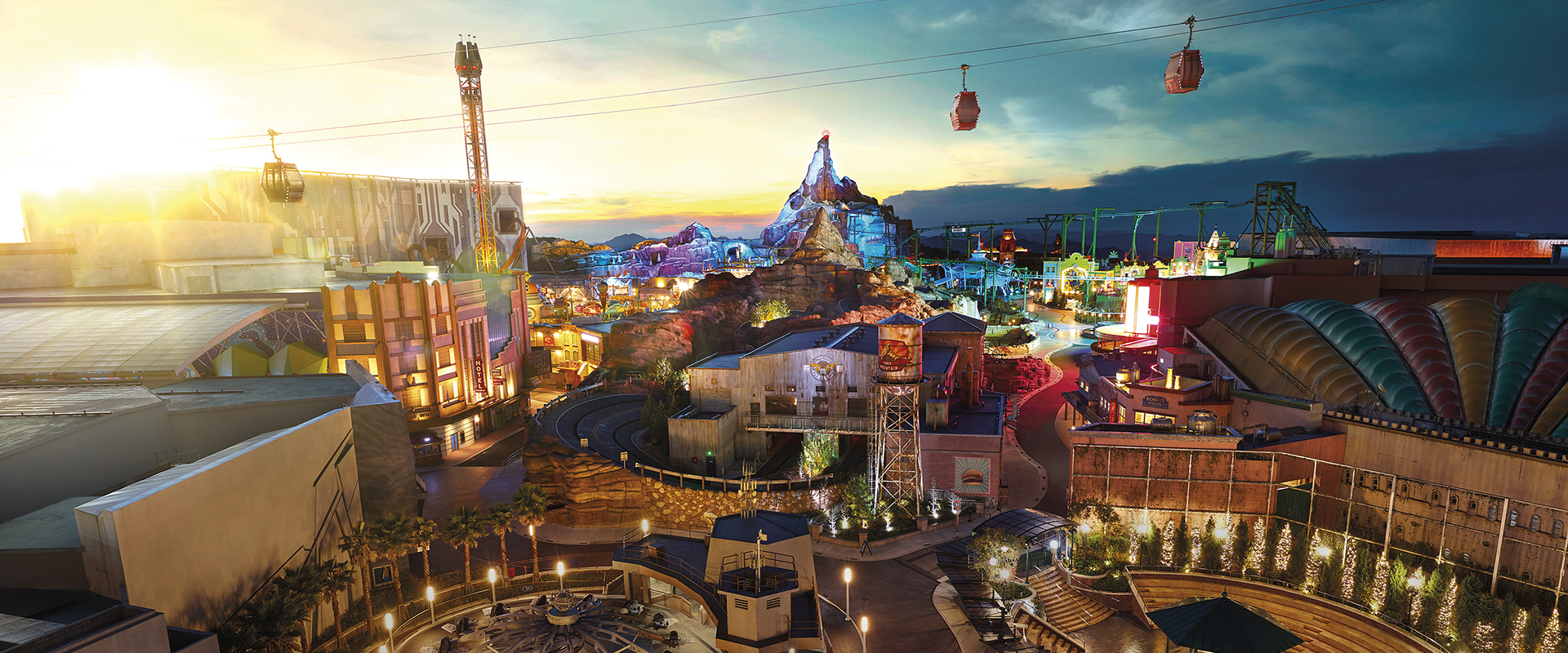
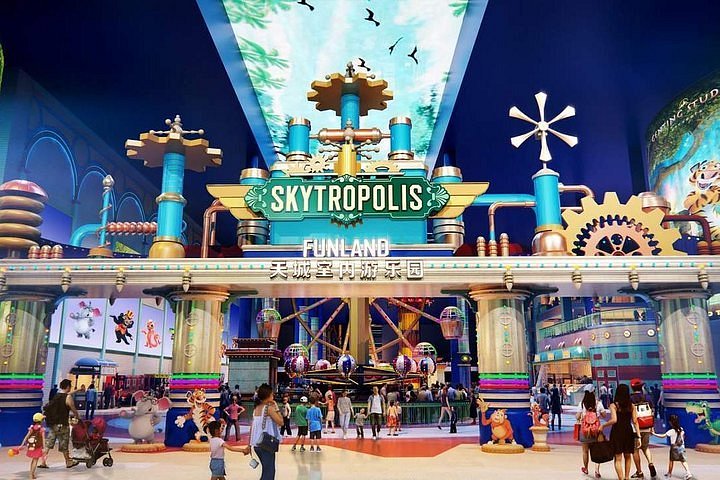
There are currently three theme parks at Resort World Genting, Genting SkyWorlds, formerly Genting Outdoor Theme Park, Skytropolis Funland, formerly First World Plaza Indoor Theme Park and Genting Grand Indoor Theme Park. Genting Outdoor Theme Park was opened in 1994 with 31 rides at its peak, including a monorail service, but was closed on 1 September 2013 to make way for the construction of the world’s first 20th Century Fox World. However, due to disputes between Genting Malaysia Berhad, Fox Entertainment Group and The Walt Disney Company over the theme park after the purchase of 20th Century Fox by The Walt Disney Company, Genting and Walt Disney filed civil suits over each other. On the 26 of July 2019, following an agreement between Disney and Fox which granted Genting Malaysia Berhad a license to utilise certain Fox intellectual properties, the theme park was eventually rebranded as Genting SkyWorlds. First World Plaza Indoor Theme Park was opened in 2001 with 12 rides at its peak and was closed from June 2017 to February 2018 for refurbishment. On 8 December 2018, it was opened to the public and rebranded as Skytropolis Indoor Theme Park, with some attractions mimicking older attractions of the former indoor and outdoor theme parks. The theme park also included the first Asian branch of VOID, a US-based operator of unique fully immersive virtual reality attraction, which officially opened on 6 December 2018 on a 7,000 sq ft section of Skytropolis Indoor Theme Park. The Genting Grand Indoor Theme Park was opened in 1992, located on the lower floor of Genting Grand Hotel and consists of two children’s rides and one amusement arcade – Vision City Video Games Park.
Resorts World Genting is the only legal land-based casino area in the country. There are two main casino outlets in the resort, Genting Casino in Genting Grand Complex and Sky Casino in SkyAvenue Mall. Also known as Casino De Genting, the Sky Casino is the largest casino in Genting Highlands. Spread over two levels, the casino is the first land-based casino in Malaysia. The casino house 400 electronic tables, 3000 slot machines and many other games like Blackjack and Roulette. Divided into different themed sections, it offers 24-hour dining services. The Skyline Casino is open to the public, however, entry to foreigners is allowed only if they show their original passports, a photocopy is not accepted. Entry to the third level known as the Silver Club, is allowed only to Silver Card and above Members. It is reserved, more spacious and private. However, first-time international guests of the resort can enter the Silver Club through a Classic Card. Entry is denied to Muslims and people below 21 years and patrons must wear shoes and wear smart casuals or formal attire. The casino is open 24 hours a day.
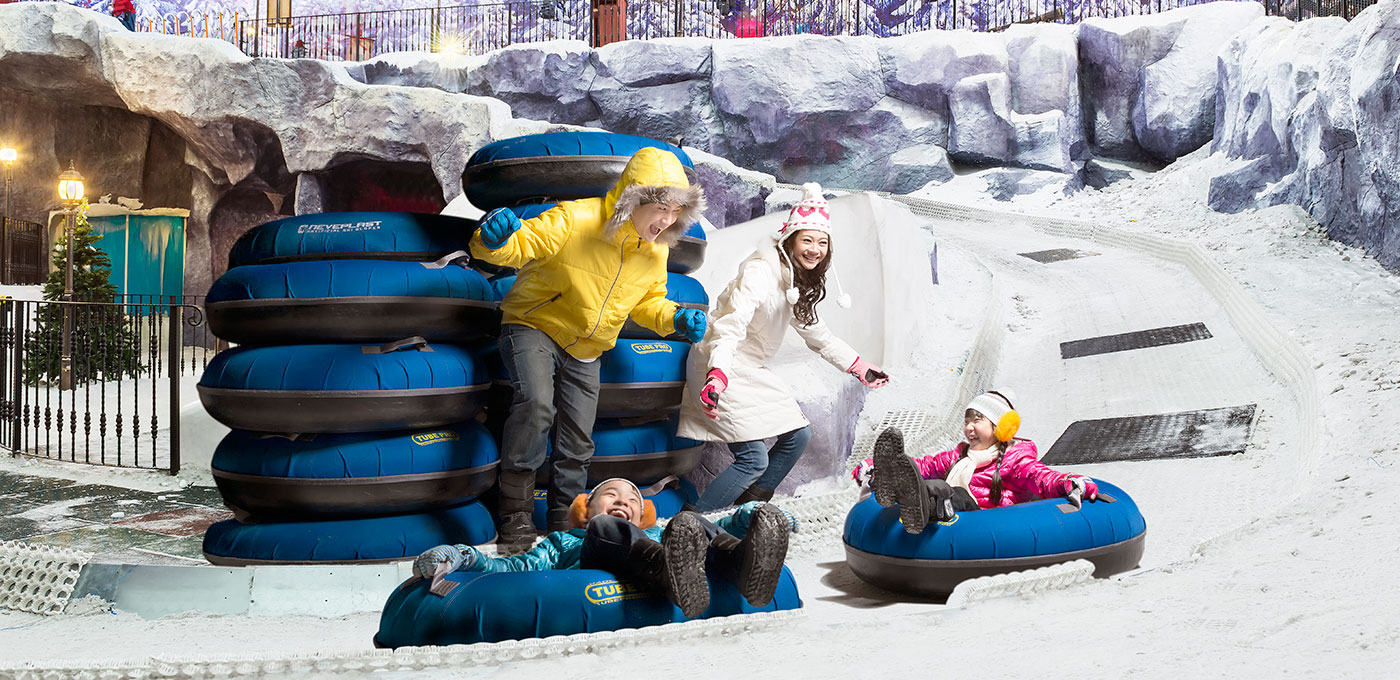
Genting Snow World is a recreational artificial indoor snow village on Level 2A of First World Plaza. Styled like a winter European village, there’s the setup of an English tea shop, ancient Roman castles, a telephone booth, a pizzeria and a bakery to give the perfect vibe. The most fun thing at Genting Snow World is sliding down on a tube on the Cresta Run Toboggan Slide and the 3D Art attractions. Genting Snow World has locker facilities available to store belongings as well as drying facilities and restrooms. Eatables, slippers, high heels, shorts, baby strollers and wheelchairs are not allowed inside. It is open between 10 am and 10 pm daily and entry fees are RM 45 per person.
Skytropolis Funland is an indoor theme park located at Resort World Genting. Also known as First World Indoor Theme Park, it is popular for the virtual reality centre built by The Void. The park also has about 8 food booths selling snacks and desserts. The ambience at Skytropolis Funland is carnival-like with lit-up colourful neon lights, vibrant music and people walking all around. Skytropolis Funland has more than 20 rides that range from thrilling to family-friendly.
Spin Crazy is the most intense ride in the park. It includes a huge spinning pendulum that takes the rider on a 360 spin up in the air and even stops mid-air for a few seconds to make them scream. Power Surge is another ride for the thrill seeker, similar to Spin Crazy, except that it spins the riders in the air while turning them in alternating clockwise and anti-clockwise motions. An exhilarating ride that one must not miss out on is Disco. It is named Disco because it has a huge spinning disc that swings back and forth along a curved track while rotating rapidly at the same time. The ride may look like a simple one, but it is pretty intense as the speed of the disc keeps increasing. Sky Towers is a classic ride in the form of a drop tower that takes the riders high up before plummeting down suddenly. Space Cadets is yet another ride where one can achieve a flying adventure. The riders are seated on futuristic-looking spaceships and they can control it themselves to go high or low. The ride is ideal for parents as well as kids. Royal Carousel features a double-storey carousel decorated with ornamented horses and chariots that take the riders round and round. The ride is an absolute favourite among the kids. Adult supervision must be ensured for this. Copper Express is a vintage train that gives one a tour of the Skytropolis Funland whizzing on its 61 metres track. Other rides include Balloon Race, Bumper Boss, Boo Boo Bump, Loop de Loop, Ride ‘Em Round and Whirly Bugs.
Along with the fun-filled rides, there is a virtual reality entertainment center within the park, known as The Void. This is where one can experience fighting virtual enemies with their weapons wearing a VR headset and vest. There is a large virtual space that one can roam about. Secrets of the Empire is a VR experience that plunges one into the world of Star Wars Rogue One movie and requires the person to complete the mission by roaming around the molten planet of Mustafa. Disguised as stormtroopers, one can use blaster rifles to fend off giant lava monsters and other stormtroopers, solve puzzles, interact with K-2SO and battle the sinister Darth Vader. The cost of the ride is RM 130. Ralph Breaks VR is inspired by the cartoon movie Wreck It Ralph. There are missions such as saving Ralph by fending off large groups of rabbits and other creatures by shooting them with guns and costs RM 130. Nicodemus: Demon of Evanishment takes one back to 1894 to the site of the decaying Chicago World Fair and costs RM 9p to play. The iconic Ghostbusters VR lets one strap up as a Ghostbusters and fight off the supernatural foes in a New York apartment complex and costs RM 90. Tickets for Star Wars: Secrets of the Empire are available online, while for all others, tickets are available at the counter. It is recommended to visit during the non-peak hours, that is early morning or late at night when it is less crowded. Once provided with the wristbands, they must not be taken off. Wristbands are necessary for accessing the attractions. Removing or tampering them will render them void. It is open from 10 am to 10 pm and entry fees from Monday to Friday are RM 10 while on weekends, public holidays, the eve of public holidays and school holidays, entry fees are RM 15.
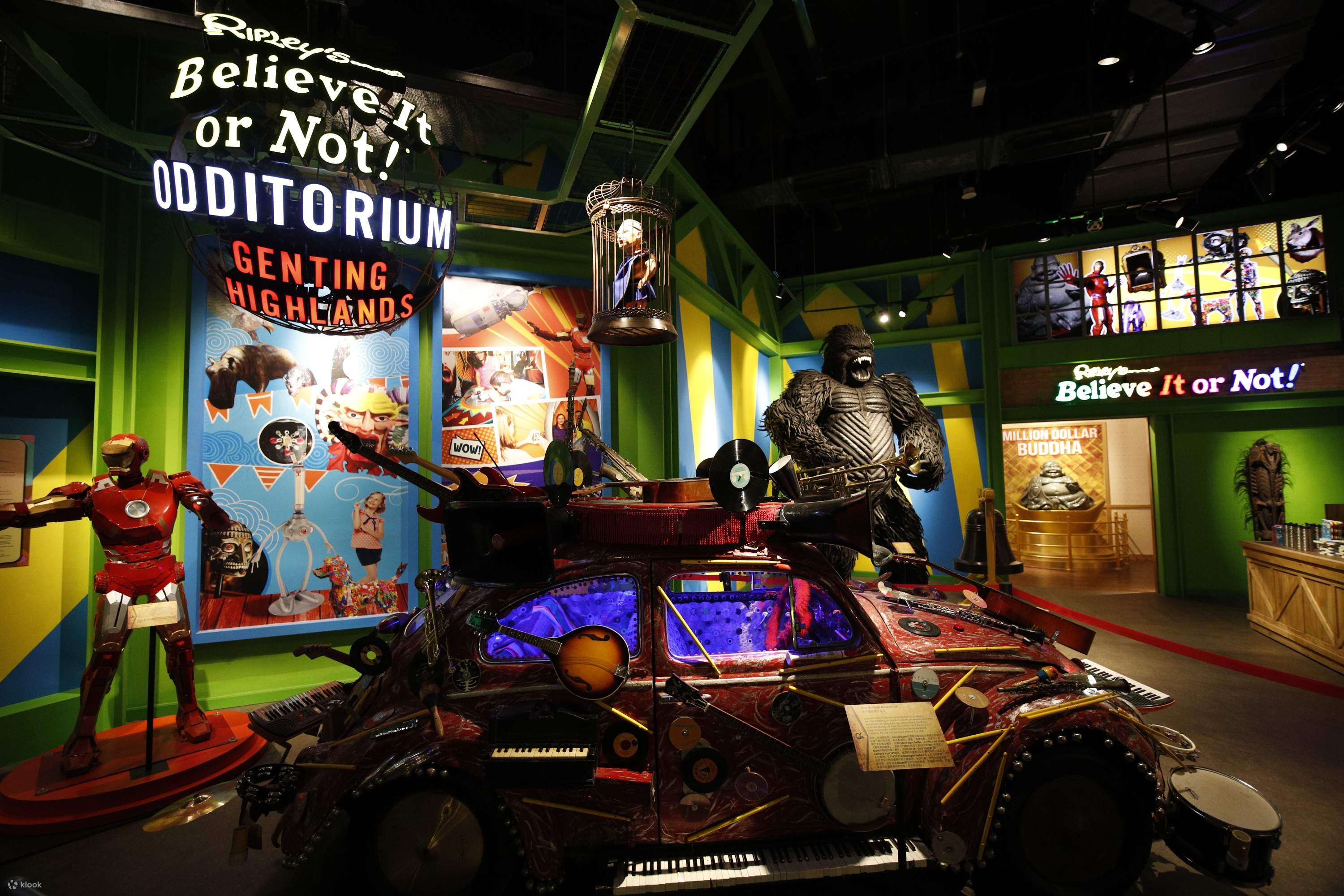
Situated in the Sky Avenue of Genting Highlands, the Ripley’s Believe It or Not Museum is an interactive museum dedicated to all things bizarre. It is home to some of the oddest collectables, weird art and artefacts. There are several kid-friendly activities and rides that young children can enjoy. Lifesize dinosaurs, zombies, replicas of structures and popular cars in a dramatic setting make Ripley’s Believe It or Not Museum a must-visit destination. The museum boasts more than 400 mind-boggling exhibits. Set in the Odditorium and other parts of the museum, the bizarre exhibits range from rare artefacts to age-old coins and other collectables from all over the world. The 4D Trick Art Museum is a must-visit as is the Jurassic Research Centre and the Zombie Outbreak. The museum is open between Sunday to Thursday from 10 am to 10 pm and between Friday to Sunday from 10 am to 11 pm. Entry fees are RM 22 for adults and RM 8 for children. The entry fee does not include the cost of individual attractions. The 4D Trick Art Museum is priced at RM 38 for an adult and RM 33 for a child while the Jurassic Research Center costs RM 51 for an adult and RM 40 for a child. The Zombie Outbreak entry fees are RM 38 for adults and RM 33 for children.
The Arena of Stars, located in the vicinity of Resorts World Genting, is one of the largest musical amphitheatres in Malaysia. Accommodating almost 6000 audiences at a given time, this is where all the major musical events in Genting Highlands take place. The high-roofed amphitheatre is fully equipped with technological light and sound systems as well as a newly installed automated stage. The Arena of Stars also conducts special shows during the festive season and the holiday seasons. It is open from 6 am to 11 pm every day.
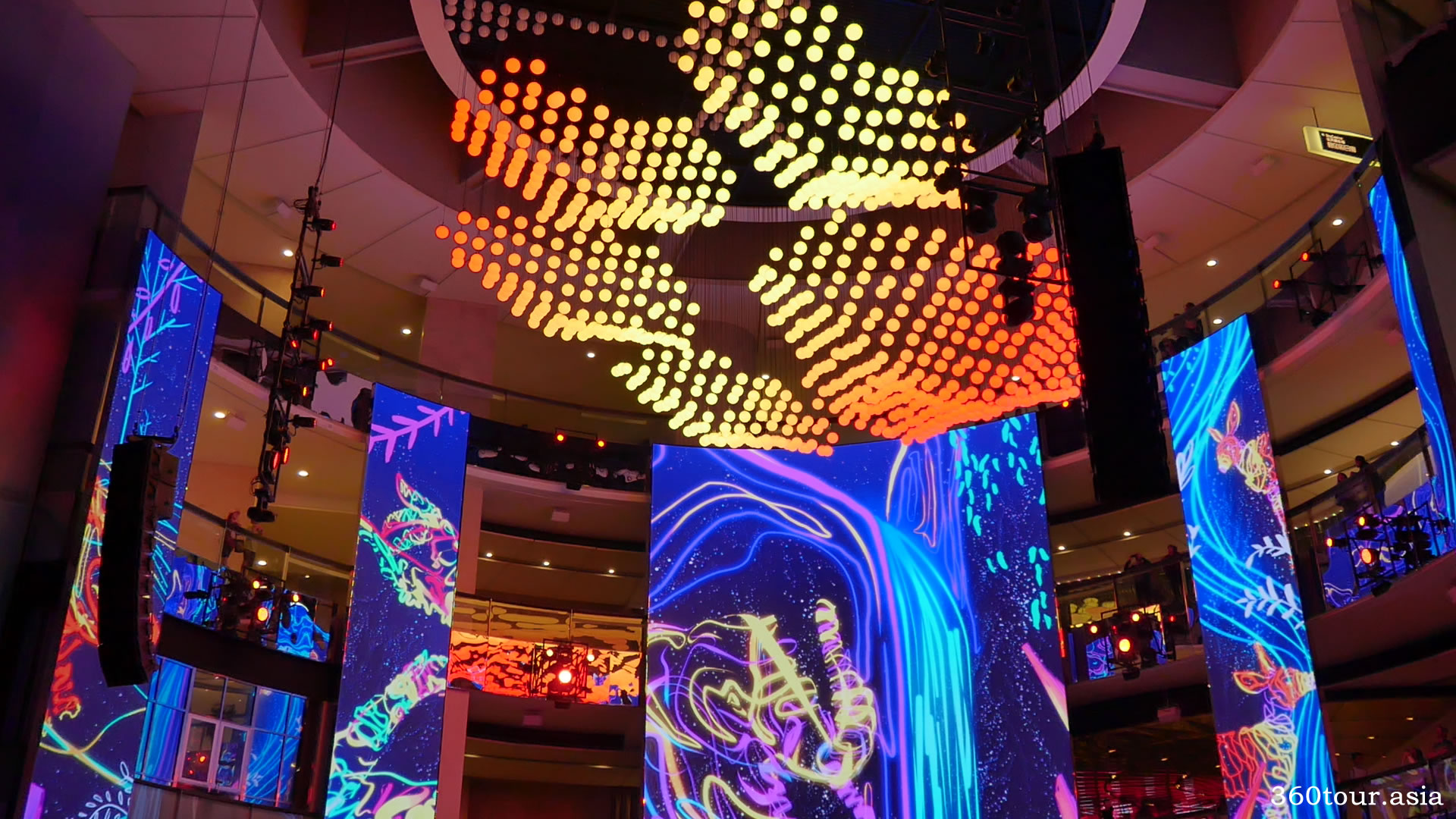
The SkySymphony Theatre of Light and Sound is a kinetic light performance installation in SkyAvenue Mall. It is Asia’s largest performance display, with a thousand winch balls suspended from a four-storey-high ceiling. Built in 2006, this display is a part of the free attractions at Resort World Genting. The multi-coloured balls create floating models of flowers, animals and a variety of other interesting shapes. The LED screens around the atrium provide an outstanding visual experience, combined with brilliant music and animation. With an engaging mix of music, motion graphics and visuals, this spectacle is perfect for families with children and shoppers. Shows run every hour, from 10 am to midnight.
Awana SkyWay is a state-of-the-art cable system located at the peak of Genting Highlands. The 2.8 km gondola ride offers amazing views of the 130 million-year-old rainforest and the 20th Century Fox World Malaysia. The gondolas connect 3 stations – Awana, Chin Wee and SkyAvenue, and take just 10 minutes to reach the SkyAvenue from Awana. There are 2 types of gondolas available. The standard gondola has a capacity of up to 10 persons and the glass-floored gondola can accommodate 6 persons. The SkyWay runs from 7 am to midnight. The standard gondola costs RM per person one way and RM 16 for a return trip. The express standard gondola costs RM 40 one way, while the chartered standard gondola costs RM 300 one way. The glass floor gondola costs RM 50 one way and the chartered glass floor gondola costs RM 500 one way. Children below the height of 90 cm are provided free entry.
The Genting SkyWay is Asia’s longest gondola lift connecting the two terminals located at Gohtong Jaya and Resort Hotel. The 3.38-km-long cabled route uphill takes about 15 minutes to cover which allows the visitors to get a magnificent view of the city beneath them. With the use of high-quality electronic equipment, the newest safety-approved structure and design and multiple safety trial runs, the Genting SkyWay proudly stands as the safest gondola lifts in the nation. Operating from 7 am to midnight, the gondola costs RM 8 for a one-way ride.
Located in Bandar Gohtong Jaya, the Genting Strawberry Leisure Farm is the biggest in Malaysia comprising several fruit farms and flower gardens. It offers a wide range of organically produced fresh fruits and vegetables with over 10,000 plants. Visitors can get their hands on fresh strawberries from the farm, pluck them from the orchards or purchase strawberries from the farm’s marketplace. One of the major attractions at Genting Strawberry Leisure Farm is the Lavender Garden fitted with a unique fountain and rows of blooming lavender. Boxes of strawberries, strawberry candies, tins of strawberry juice and strawberry jam, all made of fresh strawberries can be purchased at the farm store. The Farm also houses a small section of abalone mushrooms, also referred to as King Oysters, in its Mushroom Farm for observation as well as purchase. In the adjoining nurseries, herbs, flowers, hydroponic vegetables and mushrooms are also planted for commercial use. The vegetables, mushrooms and flowers grown here are exported to different cities throughout the country. The farm is open from 9 am to 6:30 pm during the week from Monday to Saturday while on Sunday, it is open from 9 am to 7 pm. Entry fees are RM 10 for adults and RM 7 for children below 12.
The World of Phalaenopsis is the largest grower of Phalaenopsis orchid, a tropical plant, in Malaysia. This farm is located in Ulu Yam, Batang Kali near Genting Highlands and has over 390 varieties of exotic orchids. It is known for growing over 390 varieties of orchids, in different hues of yellow, purple, white and pink. Apart from exporting the flowers to high-end restaurants and hotels around the globe, the farm is open to the public. The farm is open from 8 am to 5 pm daily.
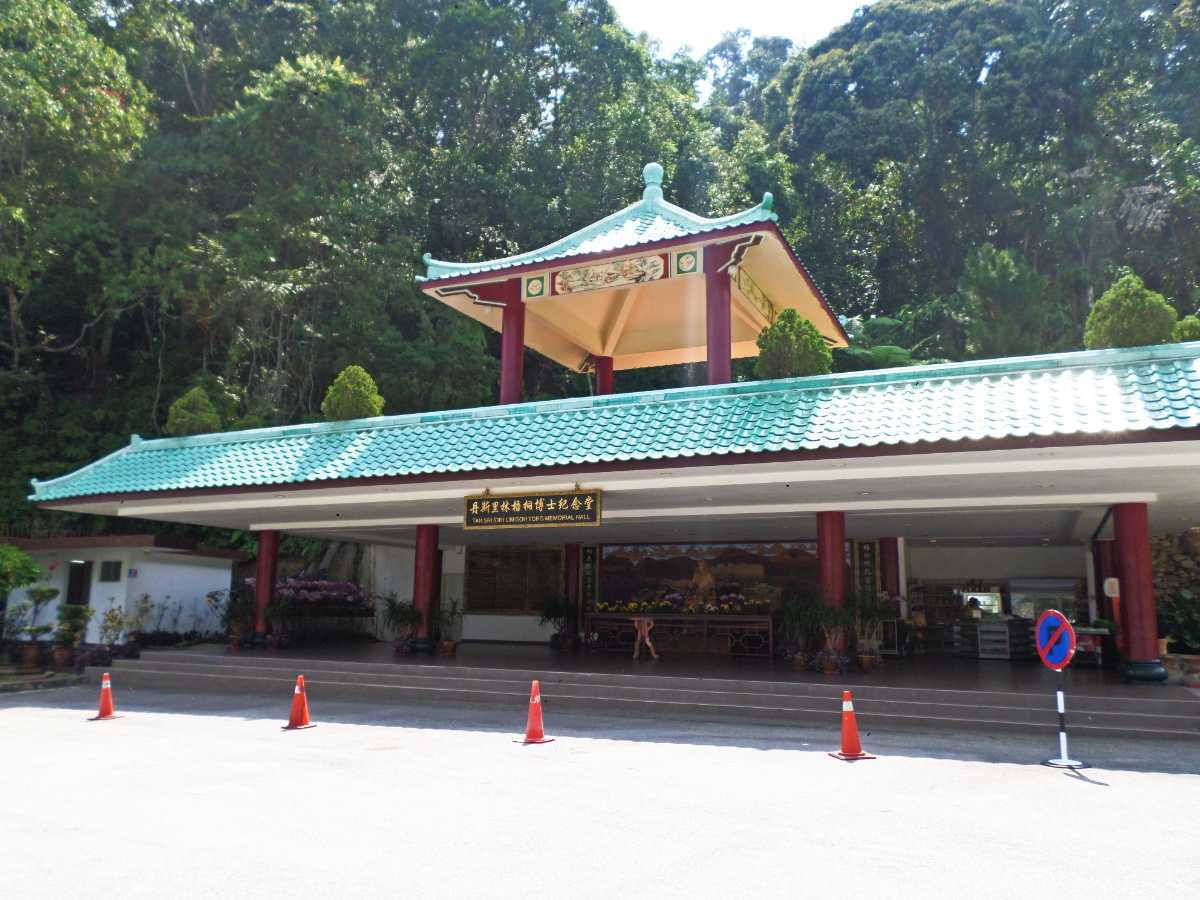
The Lim Goh Tong Memorial Hall is a monument built to honour Tan Sri Dato Seri Lim Goh Tong, the late founder of Genting Highlands and a prominent Malaysian entrepreneur. It is set in a private park. A wooden sculpture of Goh Tong sits atop brilliantly coloured flowers near his tomb, with a beautiful panelled backdrop depicting the landscape of Genting Highlands. A gurgling fountain and stunning views of the valley make this an ideal photo op. A store nearby sells quick snacks and souvenirs as well. One gets to learn about the history of the world-renowned resorts, theme parks, and casinos located within this cool highland area. The hall is open between 8 am to 10 pm and has no entry fees.
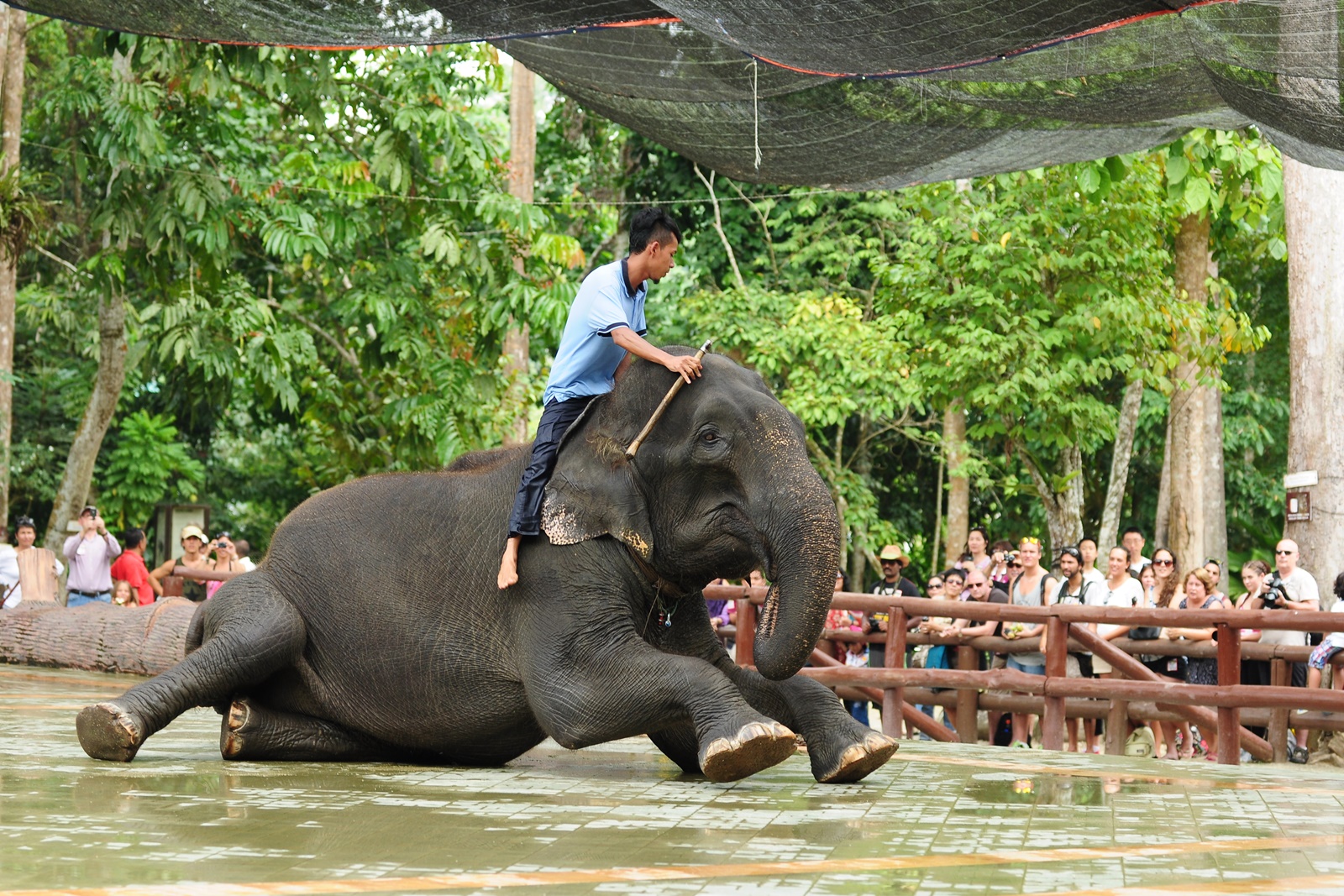
The Kuala Gandah Elephant Conservation Centre is a conservation facility located in Lanchang town, about 90 km from Genting Highlands. Home to Asiatic elephants from Thailand, Myanmar, Malaysia, and Indonesia, the centre provides a fascinating insight into the world of elephant conservation. Opened to the public in 1989, the Centre helps rehabilitate elephants from the nearby rainforests. One can join these gentle giants on their daily routine, and get a chance to bathe and feed them too. They can learn about how they were rescued and adopted from different areas, understand the nuances of protection programs for these endangered species and interact with the mahouts and visit the museum and learn all there is to know about these tuskers. Functioning as a resort and training facility for orphaned and relocated elephants, the centre is perfect for families with children and nature lovers. Arguably the most exciting activity at the Centre, one can wash, scrub and bathe young elephants under supervision. This is ideal for older children and young adults. Note that elephant bathing is subject to water flow in the river, and may be suspended without notice. One should bring along a change of clothes if one wants to bathe the elephants. There is a changing facility available nearby. The half-hour presentation is a collaboration with National Geographic, to showcase the perils faced by these pachyderms and the conservation efforts in place. At the elephant crossing, one can watch the elephants parade with their mahouts as they get their daily dose of exercise and is a great photo-op. One can opt for an authorised guide to be shown around the Centre for a price of MYR 50. The Nature Guides give a local perspective on the conservation and care of elephants. If getting up close and personal with the elephants doesn’t seem too appealing, one can stay at the observation deck and watch them from a distance. This is recommended for small children who may be too afraid of these animals. Elephant feeding is perfect for children eager to interact with the pachyderms. Supervised by mahouts, feed elephants sugarcane, coconuts, papayas, and hay. This is the perfect time to get some photos with these gentle giants as well. The museum at Kuala Gandah Elephant Conservation Centre has great displays on elephant anatomy, conservation efforts and the history of the region. There is a charming exhibit about the story of how elephants evolved and their interaction with humankind.
It is recommended to reach the Centre early morning, around 10:00 AM, to take part in all the activities offered. It is best to visit the Centre during the weekdays as it tends to get crowded Fridays, Saturdays, Sundays and public holidays. The centre is open from 8 am to 12:30 pm and again between 2:30 and 4:30 pm on Fridays while it is open from 8 am to 1 pm and then from 2:30 to 4:30 pm between Saturday to Thursday. Elephant observation is from 10:30 am to noon and then between 3:15 to 4:30 pm. The video presentation runs between 1 to 2 pm while the elephant crossing is between 3 to 3:15 pm. To interact with mahouts, one needs to be there between 2:30 and 3 pm while the elephants bathe between 3:15 to 4:30 pm. Entry fees are RM 10 for adults and RM 5 for children.
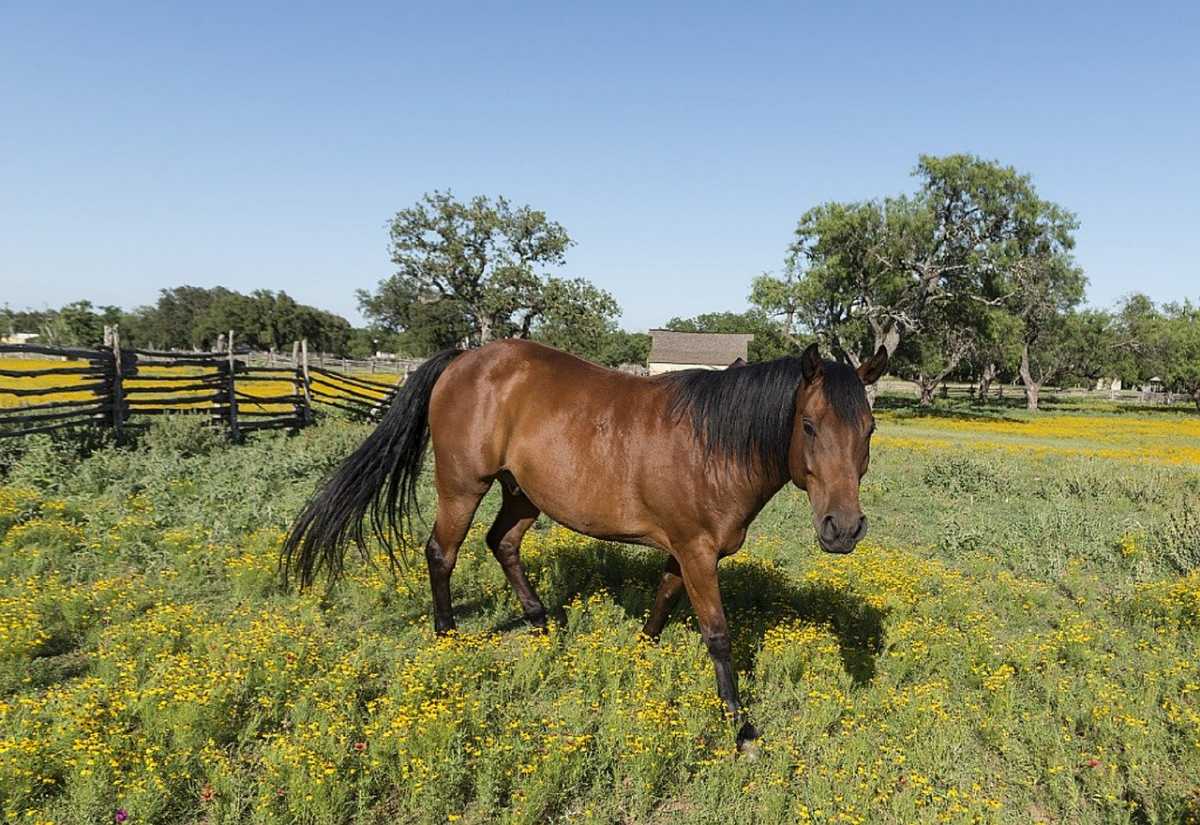
The Awana Horse Ranch is ideal for a weekend getaway with friends and family and is part of the Awana Golf and Country Club. Visitors can choose a horse from a large collection and take a thrilling ride across Genting Highlands. Awana Horse Ranch also organises horse races where tourists can enjoy and feel the thumping sound of running horses in the picturesque landscape.
The Chin Swee Caves Temple is a Taoist temple constructed to pay respects to the Reverend Chin Swee who is believed to muster rain and protect his devotees from evil spirits. The location of the temple on top of a rocky hill affords a sweeping panoramic view. Sitting 4600 feet above sea level, the temple complex houses huge statues of Lord Buddha and Goddess Kuan Yin along with intricate animal sculptures and Chinese inscriptions. The main highlight of Chin Swee Cave Temple is the depiction of 10 chambers of hell. The temple is also the location for the only vegetarian restaurant in Genting Highlands serving authentic Chin Swee Vegetarian Cuisine complemented by picturesque views. Adorned with the figures of the Buddha, a nine-storey Pagoda stands right next to the entrance of the temple. It consists of 10,000 blessing lamps which can be dedicated to the people that the devotees wish to be blessed by Buddha. An integral part of the expansion project, the Sky Terrace, also referred to as Place for Heavenly Offering, provides visitors with a mesmerising experience of walking among the clouds of heaven. The statue of Guan Yin with the base square of the statue extending to the enormous statue of Buddha next to a small Buddhist Temple, known as Buddha Hall. The 10 Chambers of Hell is a series of 10 chambers present on the hill upwards that work towards putting a stop to bad conduct. A journey through these chambers is believed to be a journey of enlightenment showcasing the pain and inconvenience that an evil person would have to come across in hell. Each chamber deals with a type of evil deeds and punishments. As one moves up the hill, there is an incarnation of Seven Fairies which are supposed to have descended from heaven to bless the devotees. In line with the fairies are Wang-mo-liang-liang or Mother Goddess and the three Gods of Fook-Lok-Sou which mean Luck, Wisdom and Longevity in a chariot. At the entrance of the temple, the Nine Color Dragon Wall of Luck acknowledges the visitors with all the different dragons representing a different type of luck. The exterior walls of the temple are inscribed with craft portraying the life journey of Reverend Chin Swee and his supernatural works. The Dragon Mineral Water present in the temple is trusted to have holy water which has the power to heal sick people. A statue of Tan Sri Lim Goh Tong erected by Chin Swee Caves Temple Building Society is present behind the Buddhist Temple in honour of the exemplary contribution of Tan Sri Lim Goh Tong to the temple.
The inscriptions behind the statue describe the intensive role of the man as a leader of the Anxi Clan and the greatest contributor to the construction of the temple. The temple is open from 9 am to 7 pm daily.
The Mohamed Noah Foundation Mosque is the only mosque in Genting Highlands and was opened in 1981. This mosque also acts as the rest area for Muslims to perform their prayers during, before or after vacation to Genting Highlands. It was named after Tan Sri Mohammad Noah, a Malaysian politician, and one of the founders of Genting Highlands with Tan Sri Lim Goh Tong.
Bukit Tinggi
Bukit Tinggi is a small town located along the Kuala Lumpur–Karak Expressway, notable for its famous restaurants that lure visitors coming from Genting Highlands. The town features a French-themed village, Colmar Tropicale. Lying about 800 metres above sea level, the temperature in the town is between 22 and 26 degrees Celsius.
Colmar Tropicale is a French-themed village and hotel located in Berjaya Hills Resort. It is located 2,600 feet above sea level on 80 acres of natural forestland. The development is inspired by the original town of Colmar in Alsace, France, with elements taken from ancient surrounding villages like Riquewihr, Turckheim and Kaysersberg as well. There are many activities to do at Colmar Tropicale. The little French buildings and houses are clusters of hotel rooms. Outside, there is the village, a buffet, other French food restaurants, a swimming pool, shops and other activities. There is a free shuttle service to the Animal House, Adventure Park, Horse Riding Zone, Japanese Garden and the Botanical Garden.
Our journey in Pahang comes to an end. The next state to explore will be the state of Selangor, so watch this space.