In My Hands Today…

Unruly: The Ridiculous History of England’s Kings and Queens – David Mitchell

Think you know the kings and queens of England? Think again.

In Unruly , David Mitchell explores how early England’s monarchs, while acting as feared rulers firmly guiding their subjects’ destinies, were in reality a bunch of lucky bastards who were mostly as silly and weird in real life as they appear to us today in their portraits.

Taking us right back to King Arthur (he didn’t exist), Mitchell tells the founding story of post-Roman England right up to the reign of Elizabeth I (she dies), as the monarchy began to lose its power. It’s a tale of bizarre and curious ascensions, inadequate self-control, and at least one total Cnut, as the English evolved from having their crops stolen by the thug with the largest armed gang to bowing and paying taxes to a divinely anointed King.

How this happened, who it happened to, and why the hell it matters are all questions Mitchell answers with brilliance, wit, and the full erudition of a man who once studied history—and is damned if he’ll let it off the hook for the mess it’s made of everything.

Unruly is a funny book that takes history seriously. It is for anyone who has ever wondered how the monarchy came to be and who is to blame.

The Bite-Sized Brain: How Short-Form Content Shapes Attention and Reading Habits

In the past few months, I have seen my reading reduce, sometimes drastically. There have been times I have not read in days, so when the realisation hits, I make a conscious effort to carve time in my day to sit and read. This post is the result of the realisation of why I was not reading!

The rise of short-form content has revolutionised how we consume information and entertainment. Defined as brief, easily digestible pieces of content, whether text, video, or images, short-form content is designed for quick consumption, often lasting under a few minutes or containing fewer than 1,000 words. Examples include TikToks, Instagram Reels, Twitter posts, and short blog articles. While this format aligns with modern lifestyles and shorter attention spans, its growing influence raises questions about its impact on cognitive functions and reading abilities.

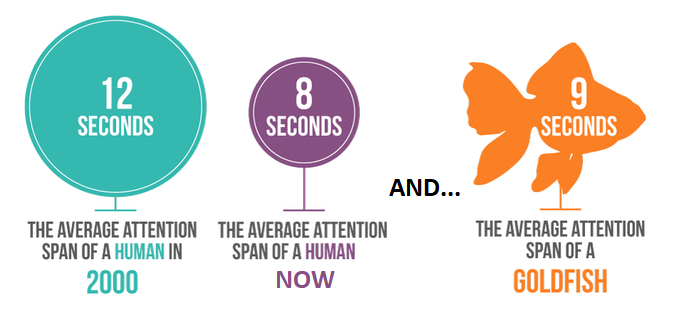
Short-form content thrives in an era where attention spans are shrinking. According to psychologist Dr. Gloria Mark, the average time spent focusing on a single task has dropped from 2.5 minutes in 2004 to just 75 seconds today. This decline is attributed to the constant barrage of digital stimuli that encourage multitasking and rapid information consumption.

Key psychological factors driving the popularity of short-form content include:

  • Instant Gratification: Short-form videos or posts provide immediate rewards through entertainment or information, triggering dopamine release in the brain.
  • Ease of Consumption: The brevity of short-form content makes it accessible during brief moments of downtime, such as waiting in line or commuting.
  • Engagement Through Novelty: Platforms like TikTok use algorithms to deliver personalised content that keeps users engaged by constantly offering fresh and relevant material.
  • Visual Appeal: The combination of dynamic visuals and sound enhances engagement and retention compared to text-heavy formats.

These factors make short-form content highly addictive but also raise concerns about its long-term effects on cognitive abilities.

Impact on Cognitive Abilities

Attention Span: Numerous studies indicate that excessive consumption of short-form content negatively affects attention span. For example, a study by Asif and Kazi (2024) found weak negative correlations between time spent watching short videos and performance on tasks measuring selective attention. Another study using EEG data revealed diminished executive control in individuals prone to mobile phone short video addiction. This suggests that frequent exposure to short-form videos may impair the prefrontal cortex functions responsible for sustained attention. The rapid shifts in focus required to consume fragmented content train the brain to prioritise novelty over depth, making it harder to concentrate on longer tasks.

Memory: Short-form content’s fast-paced nature can also impact memory. Research by Chiossi et al. (2023) showed that the overconsumption of digital media reduces prospective memory (the ability to remember future tasks) due to frequent context-switching. While short videos can encapsulate complex concepts effectively, their fleeting nature often leads to shallow processing, which hinders long-term retention. These findings suggest that while short-form content is engaging, it may come at the cost of deeper cognitive processing.

Effects on Reading Ability

  • Decline in Deep Reading Skills: The shift from traditional long-form reading to consuming bite-sized information has altered how we process written material.
  • Surface-Level Reading: Short-form texts encourage skimming rather than deep reading. Readers often focus on keywords or headlines without engaging with the full context.
  • Reduced Patience for Complexity: Exposure to concise formats may diminish readers’ ability to tackle lengthy or complex texts, as they become accustomed to instant answers.

Despite these concerns, short-form content can enhance certain aspects of reading ability:

  • Improved Accessibility: Short blog posts or infographics make information more accessible to readers with limited time or lower literacy levels.
  • Enhanced Engagement: Dynamic formats like animated videos can boost interest in reading by appealingly presenting material. For instance, studies have shown that using short videos in educational settings improves students’ comprehension of narrative texts.

Thus, while short-form content poses challenges for deep reading skills, it also offers opportunities for creative learning approaches.

The Role of Dopamine in Short-Form Content Consumption
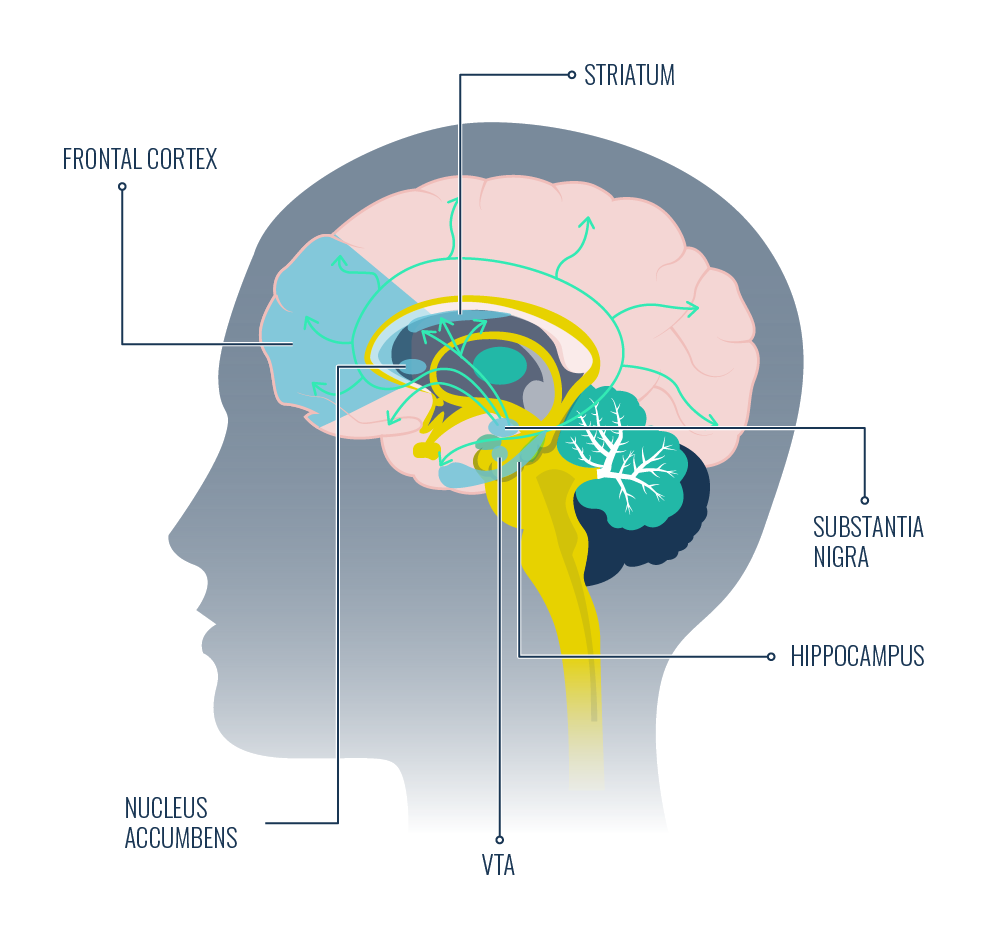
The addictive nature of short-form content can be explained by its impact on the brain’s reward system. Each new piece of content delivers a burst of dopamine, a neurotransmitter associated with pleasure and motivation. Over time, this creates a feedback loop where users crave more frequent rewards.

However, this constant stimulation comes at a cost:
Desensitisation: Prolonged exposure reduces sensitivity to dopamine, requiring increasingly novel stimuli to achieve the same level of satisfaction.
Impaired Self-Control: Studies have linked the excessive use of platforms like TikTok with diminished self-regulation abilities.

These neurological changes underscore the need for mindful consumption practices.

Educational Implications
Short-form content has both positive and negative implications for education. Benefits include encouraging independent learning by presenting material in an engaging format and offering diverse resources that cater to different learning styles. Challenges include requiring careful curation to ensure quality and relevance and the possibility of a hindrance in students’ ability to focus on extended readings or complex problem-solving tasks. Educators must strike a balance between leveraging short-form media’s potential and mitigating its drawbacks.

Strategies for Balanced Consumption
To harness the benefits of short-form content while minimising its negative effects:
Set Time Limits: Allocate specific periods for consuming digital media to avoid overexposure.
Diversify Media Diets: Combine short-form content with long-form articles or books to maintain deep reading skills.
Practice Mindful Engagement: Reflect on the purpose behind consuming each piece of content rather than mindlessly scrolling.
Encourage Critical Thinking: Analyse the quality and credibility of information presented in concise formats.

By adopting these strategies, individuals can enjoy the advantages of short-form content without compromising cognitive health or reading abilities.

Short-form content is a double-edged sword: its brevity and accessibility make it ideal for modern lifestyles but also pose risks to attention span, memory, and deep reading skills. As this format continues to dominate digital media landscapes, it is crucial to understand its impact on the brain and develop strategies for balanced consumption. While further research is needed to explore long-term effects fully, fostering awareness among users can help mitigate potential downsides. By blending short-form media with traditional forms of learning and communication, we can create a more balanced approach that leverages the strengths of both formats.

2025 Week 42 Update

Happy Diwali to everyone who celebrates this beautiful festival of light, laughter, family, food, and celebrations!

It’s been a week since I returned to Singapore, and this week was an extension of that week, during which I took a break from work. And add the preparations for the festival; I was rushed off my feet, yet I didn’t work or walk as much as I usually do.

Today’s beautiful quote is by W.B. Yeats, an Irish poet, playwright, and one of the foremost figures of 20th-century literature. A key leader of the Irish Literary Revival, he co-founded Dublin’s Abbey Theatre and won the Nobel Prize in Literature in 1923. His poetry often explored the tension between the material and the spiritual, the seen and the unseen, a reflection of his deep fascination with symbolism, myth, and the hidden “magic” of existence. The quote speaks to the idea that wonder, beauty, and mystery already exist all around us. It suggests that magic isn’t something rare or external; rather, it’s woven into everyday life: in nature, art, human connection, and quiet moments. What we often lack is not magic itself, but the awareness to perceive it. As our perception deepens through mindfulness, curiosity, or emotional growth, we begin to notice the extraordinary in what once seemed ordinary.

Today’s motivation is about challenging negative thinking. Each time you feel like negative thoughts are starting to take root in your mind, take a pause, and come up with at least three things you’re grateful for. Try to feel the sense of abundance in your heart. This gratitude practice will reduce the feelings of heaviness that come with negative thoughts. Gratitude enables you to look beyond the disturbing picture that your thoughts paint at the moment and appreciate the things that you often take for granted. You don’t have to remain at the mercy of your negative thoughts. A simple shift in your perception of that moment can open your mind to new possibilities.

BB’s national service stint is coming to an end, and we are having serious conversations at home about what he will do/wants to do in the future. GG is busy with school and projects and has started prepping for her semester exams, which will start next month.

That’s all from me this week. As the world celebrates the festival of light, may the festival bring light, love, laughter, and prosperity to all, and may all your wishes come to fruition.

In My Hands Today…

Gulp: Adventures on the Alimentary Canal – Mary Roach

America’s funniest science writer” (Washington Post) takes us down the hatch on an unforgettable tour.

The alimentary canal is classic Mary Roach terrain: the questions explored in Gulp are as taboo, in their way, as the cadavers in Stiff and every bit as surreal as the universe of zero gravity explored in Packing for Mars.

Why is crunchy food so appealing? Why is it so hard to find words for flavors and smells? Why doesn’t the stomach digest itself? How much can you eat before your stomach bursts? Can constipation kill you? Did it kill Elvis?

In Gulp we meet scientists who tackle the questions no one else thinks of—or has the courage to ask. We go on location to a pet-food taste-test lab, a fecal transplant, and into a live stomach to observe the fate of a meal.

With Roach at our side, we travel the world, meeting murderers and mad scientists, Eskimos and exorcists (who have occasionally administered holy water rectally), rabbis and terrorists—who, it turns out, for practical reasons do not conceal bombs in their digestive tracts.
Like all of Roach’s books, Gulp is as much about human beings as it is about human bodies.

Sacred Stones, Spaces and Stories: Shakthipeeta Part 24

Hinglaj Mata Temple, Balochistan, Pakistan
The ancient shrine of the Hinglaj Mata Temple is located in the remote Makran coast of Pakistan’s Balochistan province and is dedicated to Goddess Hinglaj, also known as Hingula Devi or Nani Mandir.

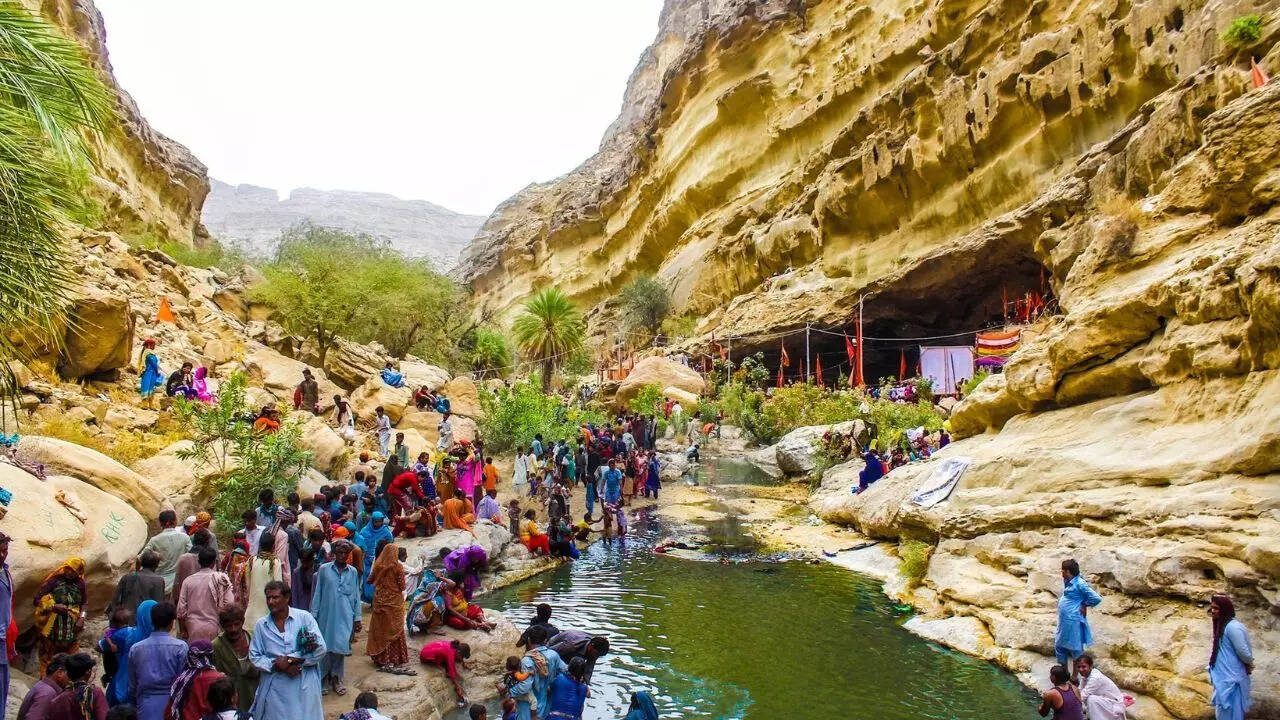
Located inside the Hingol National Park, the cave temple is in a narrow gorge in the remote, hilly area, at the end of a range of Kirthar Mountains, in the Makran desert stretch, on the west bank of the Hingol River. The origins of the Hinglaj Mata Temple stretch back into antiquity, with its spiritual significance predating its current structure. Archaeological evidence and ancient texts suggest that this location has been a place of worship for over two millennia. The temple’s importance is mentioned in several ancient Hindu texts, including the Kularnava Tantra and the Kubjika Tantra, which list Hingula among the most significant Shakti Peethas. The natural cave that houses the shrine is believed to be millions of years old, with some sources claiming it to be 3.2 million years old.

The Hinglaj Mata Temple holds a unique position among the 51 Shakti Peethas scattered across the Indian subcontinent. It is considered one of the most important, if not the most important, of all Shakti Peethas. This elevated status stems from the belief that it is the site where the head of Goddess Sati fell. In some traditions, it is associated with the goddess’s brain or Brahmadreya, her vital essence. It is one of the two Shaktipeeths located in Pakistan, the other being the Sharada Peeth.

Several features distinguish the Hinglaj Mata Temple from other shrines. Unlike many elaborate Hindu temples, the Hinglaj shrine is housed in a simple natural cave. This simplicity is its defining feature, with the sacred stone inside the cave being worshipped as the manifestation of the goddess. There is no man-made image of the goddess in the temple. Instead, devotees worship the divine form of Hinglaj Mata in its natural state. The temple’s remote location in the mountainous terrain of Balochistan makes the journey to it an integral part of the pilgrimage experience. Despite being in a predominantly Muslim country, the temple has been protected and maintained by the local Baloch Muslim community for centuries, making it a symbol of interfaith harmony. Hinglaj Mata is worshipped as the Kuldevi or the family deity by many Hindu communities, including certain Kshatriya, Bhavsar, Barot, and Rao families in India.

The annual Hinglaj Yatra, also known as Theerth Yatra, is the largest Hindu pilgrimage in Pakistan. This four-day festival typically takes place in April, coinciding with the Chaitra Navaratri festival. Devotees undertake an arduous journey through the desert to reach the temple, symbolising their devotion and commitment. They climb the Chandragup and Khandewari mud volcanoes as part of their spiritual journey and throw coconuts into the craters to make wishes and thank the gods. Before approaching the shrine, pilgrims take a ritual bath in the sacred Hingol River. The primary offering to the deity consists of three coconuts, though other items like rose petals are also used. On the third day of the festival, priests recite mantras to invoke the gods and bless the pilgrims.

The temple follows a schedule of daily worship rituals performed by dedicated priests. Given its historical association with Tantric traditions, the temple continues to be an important centre for certain Tantric rituals. Disciples use broken pieces of earth and stones to build small symbolic houses as part of their devotional practices. Traditionally, devotees are expected to complete the pilgrimage barefoot as a form of penance, though many now use vehicles for the journey.

Over the last three decades, the temple has become a unifying point of reference for Pakistan’s diverse Hindu communities with the temple and its associated pilgrimage playing a crucial role in preserving Hindu cultural practices in Pakistan. The protection and maintenance of the temple by local Muslims serve as a powerful symbol of religious tolerance and coexistence.

The remote location and difficult terrain pose challenges for pilgrims, especially the elderly or differently-abled. The temple’s location within a national park necessitates careful management to balance religious practices with environmental conservation.

In recent years, there have been positive developments regarding the temple’s accessibility and recognition. The construction of the Makran Coastal Highway has made the temple more accessible to pilgrims.

Sharada Peetha, Neelum Valley, Pakistan
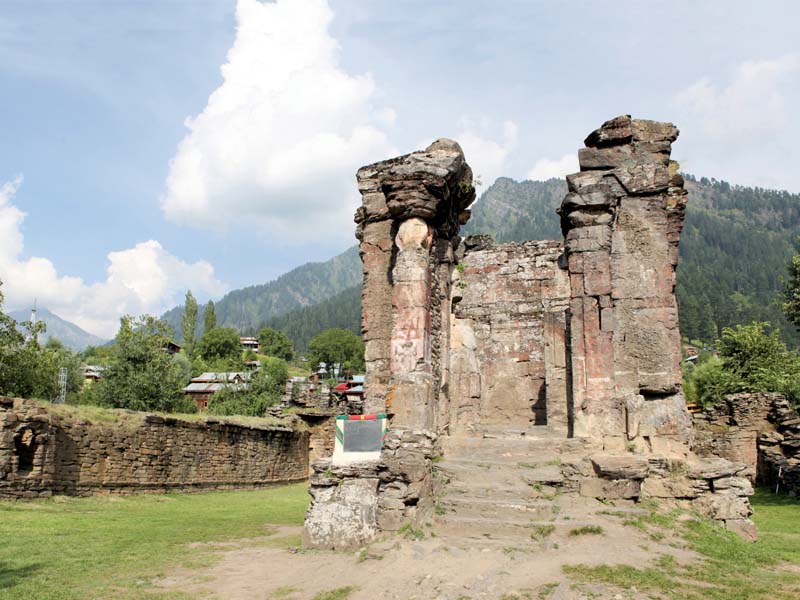
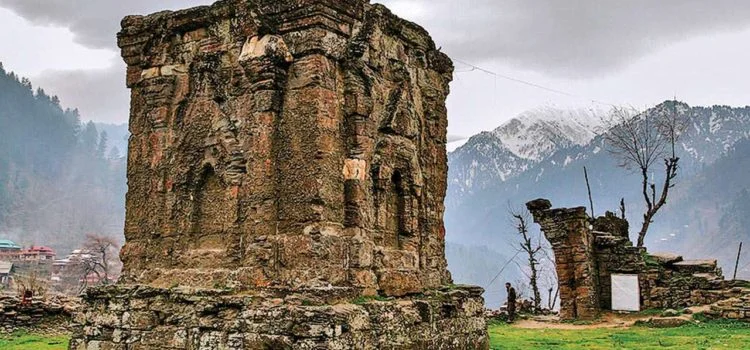
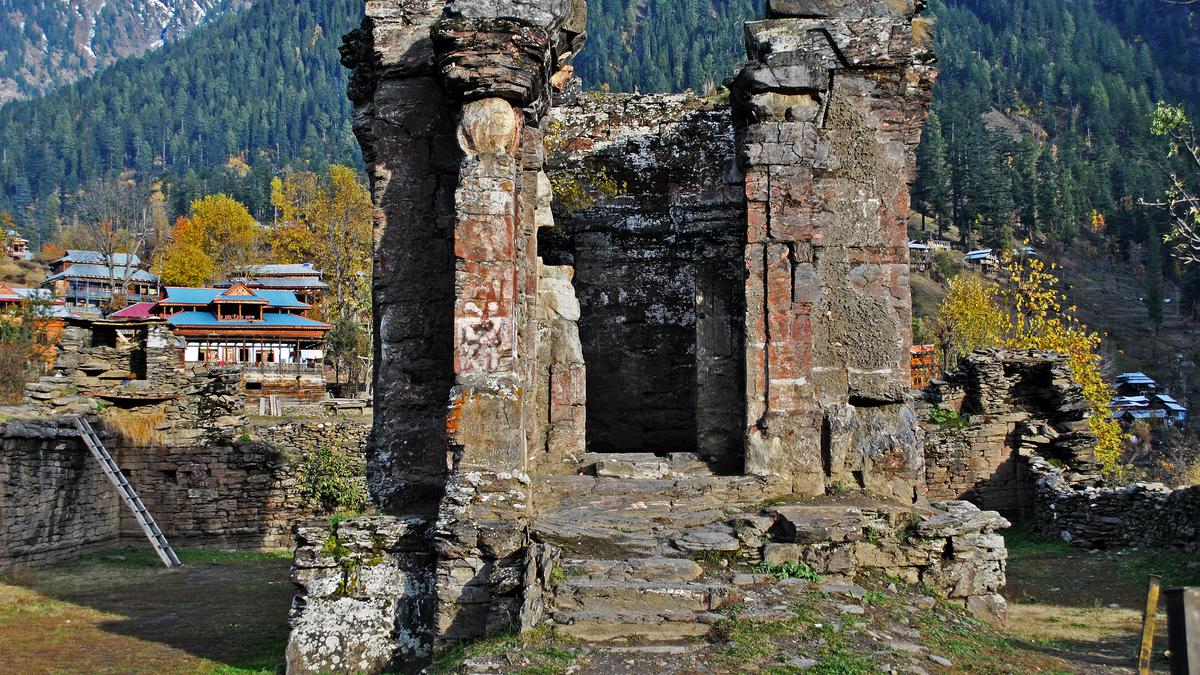
Located in Neelum Valley in Pakistan-administered Azad Kashmir, the Sharada Peeth is one of the most sacred and historically significant Hindu shrines in the Indian subcontinent. This ancient temple is believed to be the site where the right hand of Goddess Sati fell. The temple is dedicated to Goddess Sharada, a form of Goddess Saraswati, and Lord Kapali Bhairava, a manifestation of Lord Shiva. Nestled at an altitude of 6,499 feet above sea level along the Neelum River, Sharada Peeth was not only a place of worship but also a renowned centre of learning that attracted scholars from across the world.

The temple’s name derives from Goddess Sharada, who is regarded as an incarnation of Goddess Saraswati — the goddess of wisdom, learning, and knowledge. The term Sharada also means stream or flow, symbolising the confluence of rivers near the temple. Historically, Sharada Peeth served as a prestigious university and library between the 6th and 12th centuries. It was renowned for its contributions to philosophy, theology, mathematics, linguistics, and Kashmir Shaivism. Scholars from regions as far as Greece, Mesopotamia, Tibet, and China travelled here to study its vast collection of manuscripts.

The temple’s history is intertwined with various rulers. It flourished under the Hindu Shahi dynasty and later received patronage during Dogra rule when Maharaja Gulab Singh repaired it in the 19th century. However, following political turmoil during Partition in 1947–48 and subsequent wars between India and Pakistan, the temple fell into disuse.

During its peak between the 6th and 12th centuries, Sharada Peeth was one of the most prominent centres for education in South Asia. It housed thousands of manuscripts on diverse subjects like theology, mathematics, linguistics, and philosophy. The Sharada script used extensively in Kashmir derived its name from this institution. The temple is situated near the confluence of three streams: Madhumati, now Neelum River, Kishenganga River, and the mythical Saraswati River. Bathing at this confluence was considered purifying for pilgrims.

The temple complex includes a roofless structure surrounded by stone walls. While much of it lies in ruins today due to natural disasters and neglect over centuries, remnants indicate its once-majestic design. Stone slabs lead to a vast courtyard that once hosted scholars who meditated or studied under open skies. For Kashmiri Pandits, Sharada Peeth is one of their holiest sites alongside the Amarnath Temple and Martand Sun Temple. Many Kashmiri Pandit theologians would place their manuscripts before Maa Sharada’s idol to seek her blessings. Mount Harmukh nearby is considered an abode of Lord Shiva by Kashmiri Pandits.

While active worship ceased after Partition in 1947–48 due to migration and political tensions, historical accounts provide insights into rituals once conducted at Sharada Peeth. Kashmiri Pandit theologians would place their manuscripts on covered platters before Maa Sharada’s idol to seek her approval. If pages remained undisturbed overnight, it was seen as divine acceptance; if ruffled or displaced, it indicated disapproval. An annual fair was held at Shardi village near the temple during springtime when pilgrims traveled from across Kashmir to worship Maa Sharada. Devotees bathed at the confluence of rivers before offering prayers.

As part of Kashmir Shaivism traditions, Tantric rituals were performed at Sharada Peeth to invoke Goddess Sharada’s blessings for wisdom and spiritual enlightenment. Devotees offered flowers, especially lotus, fruits, incense sticks, rice, and ghee during pujas dedicated to the goddess.

According to legend, Goddess Saraswati or Sharada chose this site as her earthly abode because it offered serenity conducive to learning. She blessed scholars who traveled here with wisdom and insight. Kashmiri Pandits believe that their pilgrimage to Sharada parallels Sage Shandilya’s journey to attain divine knowledge from Maa Saraswati herself. Local lore suggests that attempts by invaders or rulers to move Maa Sharada’s idol failed due to divine intervention. It is believed that any disturbance caused natural calamities like earthquakes or floods in the region.

An alternative account holds that Shandilya prayed to the goddess Sharada with great devotion, and was rewarded when she appeared to him and promised to show him her real, divine form. She advised him to look for the Sharada forest, and his journey was filled with miraculous experiences. On his way, he had a vision of the god Ganesha on the eastern side of a hill. When he reached the Neelum river, he bathed in it and saw half his body turn golden. Eventually, the goddess revealed herself to him in her triple form of Sharada, Saraswati and Vagdevi, and invited him to her abode. As he was preparing for a ritual, he drew water from the Mahāsindhu. Half of this water transformed into honey, and became a stream, now known as the Madhumati stream.

Today, Sharada Peeth continues to figure in South Indian Brahmin traditions. At the beginning of formal education, some sects of Brahmins ritually prostrate in the direction of Sharada Peeth. Saraswat Brahmin communities in Karnataka are also said to perform a ritual of moving seven steps towards Kashmir before retracing their steps during the Yagnopavit ceremony and include the Sharada stotram in their morning prayers.