Hillbilly Elegy: A Memoir of a Family and Culture in Crisis – J.D. Vance
Hillbilly Elegy is a passionate and personal analysis of a culture in crisis—that of white working-class Americans. The disintegration of this group, a process that has been slowly occurring now for more than forty years, has been reported with growing frequency and alarm, but has never before been written about as searingly from the inside. J. D. Vance tells the true story of what a social, regional, and class decline feels like when you were born with it hung around your neck.
The Vance family story begins hopefully in postwar America. J. D.’s grandparents were “dirt poor and in love,” and moved north from Kentucky’s Appalachia region to Ohio in the hopes of escaping the dreadful poverty around them. They raised a middle-class family, and eventually one of their grandchildren would graduate from Yale Law School, a conventional marker of success in achieving generational upward mobility. But as the family saga of Hillbilly Elegy plays out, we learn that J.D.’s grandparents, aunt, uncle, and, most of all, his mother struggled profoundly with the demands of their new middle-class life, never fully escaping the legacy of abuse, alcoholism, poverty, and trauma so characteristic of their part of America. With piercing honesty, Vance shows how he himself still carries around the demons of his chaotic family history.
Albinism is a genetic condition characterised by the absence or reduction of melanin, the pigment responsible for colouring skin, hair, and eyes. Individuals with albinism typically exhibit very light skin, hair, and eye colours that are significantly lighter than those of their peers. The condition can also lead to various vision problems due to the lack of pigmentation in the eyes.
There are several types of albinism, but the most common form is Oculocutaneous Albinism (OCA), which affects both skin and eyes. Individuals with OCA are at a higher risk for skin cancer due to their lack of melanin protection against ultraviolet (UV) rays. This makes sun protection essential for their health. Common signs of albinism include pale skin and hair, light-coloured eyes that may appear pink or light blue, and vision problems such as sensitivity to light (photophobia), nystagmus (involuntary eye movement), and strabismus (crossed eyes).
International Albinism Awareness Day (IAAD) is observed annually on June 13, a date that holds significant historical importance as it marks the adoption of the first United Nations resolution addressing the rights of individuals with albinism. The journey toward establishing IAAD began in 2013 when the United Nations Human Rights Council adopted a resolution focusing on the human rights of people with albinism. This resolution was a response to alarming reports of violence and discrimination against individuals with albinism, particularly in parts of Africa where misconceptions about their condition led to horrific acts, including murder and mutilation for superstitious beliefs.
On December 18, 2014, the UN General Assembly officially proclaimed June 13 as International Albinism Awareness Day, with the first celebration taking place in 2015. The day serves as a platform to raise awareness about the challenges faced by people with albinism and to promote their rights globally.
IAAD plays a crucial role in advocating for the rights and dignity of individuals with albinism. It aims to combat stigma and discrimination while promoting understanding and acceptance within society. The observance encourages dialogue about the challenges faced by people with albinism. Individuals with albinism have an increased risk of skin cancer due to UV exposure. Access to healthcare resources like sunscreen and regular check-ups is often limited in many regions. Misunderstandings about albinism can lead to social exclusion and discrimination. Many individuals face bullying or ostracization due to their appearance. In some countries, particularly in Africa, people with albinism are targeted for violent acts based on superstitions regarding their bodies. By raising awareness on this day, advocates aim to foster a more inclusive society that recognises and respects the rights of all individuals, regardless of their physical differences.
The theme for International Albinism Awareness Day in 2025 is “Still Standing Strong.” This theme emphasises resilience among individuals with albinism and calls for continued advocacy against discrimination and violence. It reminds us that despite facing numerous challenges, people with albinism continue to stand strong in their fight for equality and recognition.
The International Albinism Awareness Day serves as an essential reminder of the ongoing struggles faced by individuals with albinism worldwide. By understanding the origins of this observance, recognising what albinism entails, and acknowledging its significance in promoting human rights, we can contribute to creating a more inclusive world where diversity is celebrated rather than marginalised. Through continued education, advocacy, and solidarity on this important day, we can help ensure that individuals with albinism are treated with dignity and respect, paving the way for a brighter future free from discrimination.
Read People Like a Book: How to Analyze, Understand, and Predict People’s Emotions, Thoughts, Intentions, and Behaviors – Patrick King
Speed read people, decipher body language, detect lies, and understand human nature. Is it possible to analyze people without them saying a word? Yes, it is. Learn how to become a “mind reader” and forge deep connections.
How to get inside people’s heads without them knowing. Read People Like a Book isn’t a normal book on body language of facial expressions. Yes, it includes all of those things, as well as new techniques on how to truly detect lies in your everyday life, but this book is more about understanding human psychology and nature. We are who we are because of our experiences and pasts, and this guides our habits and behaviors more than anything else. Parts of this book read like the most interesting and applicable psychology textbook you’ve ever read. Take a look inside yourself and others!
Understand the subtle signals that you are sending out and increase your emotional intelligence. Patrick King is an internationally bestselling author and social skills coach. His writing draws of a variety of sources, from scientific research, academic experience, coaching, and real life experience. Learn the keys to influencing and persuading others. What people’s limbs can tell us about their emotions. Why lie detecting isn’t so reliable when ignoring context. Diagnosing personality as a means to understanding motivation. Deducing the most with the least amount of information. Exactly the kinds of eye contact to use and avoid
Find shortcuts to connect quickly and deeply with strangers. The art of reading and analyzing people is truly the art of understanding human nature. Consider it like a cheat code that will allow you to see through people’s actions and words. Decode people’s thoughts and intentions, and you can go in any direction you want with them.
In an age characterised by constant distractions and relentless demands on our time, the practice of mindfulness has emerged as a powerful tool for enhancing mental well-being and promoting overall health. For young adults navigating the complexities of life—whether in university, starting their careers, or managing relationships—mindfulness can provide essential benefits that contribute to a more balanced and fulfilling existence.
Mindfulness is the practice of bringing one’s attention to the present moment with openness, curiosity, and acceptance. It involves paying attention to thoughts, feelings, bodily sensations, and the surrounding environment without judgment. Rather than dwelling on the past or worrying about the future, mindfulness encourages individuals to fully engage with whatever is happening in the here and now.
Mindfulness involves being aware of one’s thoughts, feelings, and sensations as they arise. This awareness allows one to observe one’s experiences without becoming overwhelmed by them. Mindfulness encourages acceptance of one’s thoughts and feelings as they are, rather than trying to change or suppress them. This non-judgmental approach fosters a sense of peace and reduces anxiety. Mindfulness emphasises living in the moment. By focusing on the present, individuals can reduce stress related to past regrets or future worries.
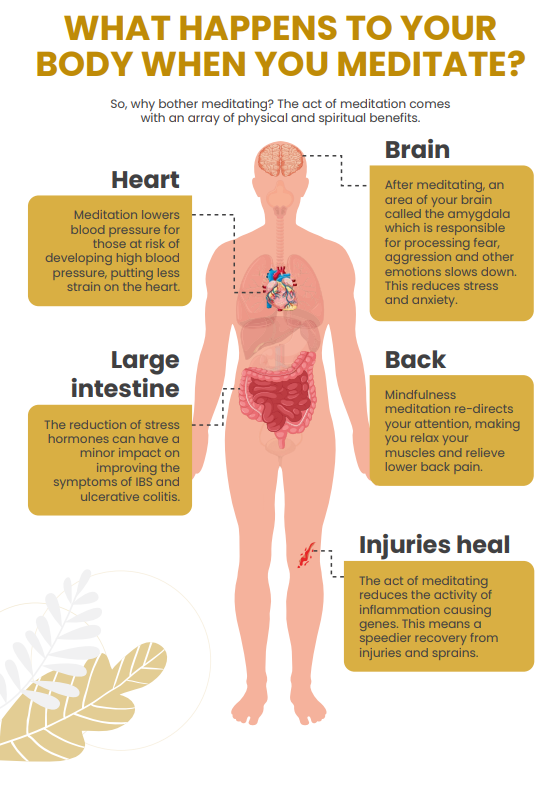
Research has shown that mindfulness practices can lead to significant improvements in mental health and well-being. Studies indicate that mindfulness meditation can reduce symptoms of anxiety and depression, enhance emotional regulation, and improve overall psychological resilience. Neuroscientific research has also demonstrated that mindfulness can lead to changes in brain structure, particularly in areas associated with emotional regulation and cognitive function.
Young adults often face a multitude of stressors—academic pressures, job responsibilities, social expectations, and financial concerns. Mindfulness provides effective tools for managing stress. Mindfulness practices help calm the mind by promoting relaxation and reducing rumination on stressful thoughts. By fostering awareness of stress triggers and emotional responses, mindfulness allows individuals to develop healthier coping mechanisms.
In a world filled with distractions—from smartphones to social media—maintaining focus can be challenging. Mindfulness practices train the brain to focus on one task at a time, improving overall productivity. By cultivating present-moment awareness, individuals can minimise distractions and enhance their ability to concentrate on important tasks.
For young adults navigating complex emotions during formative years, mindfulness offers valuable benefits. Mindfulness helps individuals recognise their emotions without judgment, allowing for healthier emotional processing. Practicing mindfulness can lead to improved emotional regulation, enabling individuals to respond thoughtfully rather than react impulsively.
Mindfulness fosters better interpersonal relationships by promoting empathy and effective communication. Mindful communication encourages active listening, allowing individuals to fully engage with others during conversations. By being present with others’ feelings and experiences, mindfulness cultivates empathy and understanding in relationships.
Resilience is crucial for young adults facing life’s challenges. Mindfulness contributes to building resilience. Mindful individuals are better equipped to adapt to change and navigate setbacks with a positive mindset. Regular mindfulness practice enhances resilience against stressors by promoting a sense of calm during difficult times.
Establishing a mindfulness routine may seem daunting at first; however, it can be easily integrated into daily activities through simple practices. Here are some effective strategies for young adults looking to incorporate mindfulness into their lives:
Start Small: Begin the mindfulness journey with small steps. Spend just a few minutes each day focusing on the breath. Close your eyes, take deep breaths, and observe the sensations as you inhale and exhale. Start with brief meditation sessions of between five and ten minutes using guided apps like Headspace, Insight Timer, or Calm. Gradually increase the duration as you become more comfortable.
Designate a specific area in your home for mindfulness practices. Choose a quiet space free from distractions where you can practice meditation or reflection comfortably. Add calming elements such as candles, plants, or cushions to create an inviting atmosphere conducive to relaxation.
Transform mealtime into an opportunity for mindfulness. Take time to appreciate the flavours, textures, and aromas of your food without distractions like phones or television. Chew your food thoroughly and enjoy each bite; this promotes better digestion while encouraging gratitude for nourishment.
Mindfulness doesn’t have to be limited to sitting still; movement-based practices are also effective. Engage in yoga or tai chi classes that emphasise mindful movement while connecting breath with motion. Take walks outdoors while focusing on each step you take; notice the sensations in your feet as they touch the ground.
Leverage technology to support your mindfulness practice. Utilise apps designed for mindfulness training that offer guided meditations, breathing exercises, and reminders. Explore online courses or videos focused on mindfulness techniques that fit your schedule.
Incorporate reminders throughout your day to practice mindfulness. Set alarms or reminders on your phone to take short breaks for mindful breathing or stretching during busy days. Place sticky notes in visible areas, like computer screens, with motivational quotes or prompts encouraging mindfulness.
Reflection is an essential part of developing mindfulness. Keep a journal where you can write about your thoughts and feelings after practising mindfulness; this helps track progress over time. At the end of each day, reflect on three things you are grateful for; this promotes positive thinking while enhancing self-awareness.
Connecting with others who share similar interests can enhance motivation. Look for local or online groups focused on mindfulness practices where you can share experiences and learn from others. Participate in workshops or retreats dedicated to mindfulness that provide immersive experiences.
While incorporating mindfulness into daily life offers numerous benefits, young adults may encounter challenges along the way. Busy schedules may make it difficult to find time for mindfulness practices. Instead of setting aside large blocks of time exclusively for mindfulness, integrate short practices throughout your day like doing some mindful breathing during your daily commute.
In today’s digital age filled with distractions from technology, establish boundaries around technology use before bed; this promotes better sleep quality while allowing time for reflection or meditation instead. Many individuals struggle with self-doubt when starting new practices. Be gentle with yourself; recognise that developing a new skill takes time—allow yourself room for growth without harsh judgment!
Mindfulness is an invaluable practice that offers numerous benefits specifically tailored towards young adults navigating various challenges throughout their lives! By understanding its importance while implementing effective strategies—such as starting small, creating dedicated spaces, practising mindful eating, and utilising technology wisely—you will cultivate greater awareness & presence within each moment! Embrace this journey towards enhanced mental well-being & personal growth! Remember—it’s not about perfection but rather progress! With patience & commitment, you’ll soon find yourself reaping all the rewards that come from living mindfully!
It’s taken me a full week to come back to normal. I suppose my body has told me that I’m ageing. One lesson I have learned is that if I am travelling long haul, I will and need to pay a bit more to travel more comfortably. And I am going to travel. Europe has my heart, and I can’t wait to go back and explore the continent more. In fact, this week, I have been telling GG & BB to move to Europe for work and study so I can come and stay with them and explore.
Today’s quote by the 13th-century Persian poet, Islamic scholar, and Sufi mystic, Rumi, speaks to the profound spiritual and emotional depth that silence can reveal. In a world filled with constant noise, distractions, and mental chatter, silence offers a gateway to clarity, truth, and inner peace. When we embrace stillness, both outwardly and inwardly, we move beyond surface-level experiences and begin to connect with the essence of our being.
Rumi is suggesting that silence is not emptiness but a rich, fertile space where we can hear the wisdom of the soul. In silence, we begin to notice what truly matters. Our insights deepen, our hearts become more open, and we feel connected to something greater than ourselves: what he calls “the core of life.”
Rather than always seeking answers externally, Rumi invites us to look inward. Silence becomes a spiritual practice, a form of listening, not just with the ears, but with the heart. It leads us to authenticity, presence, and the sacred truths that lie beneath words.
I was faced with two rejections this week, one that I was ok with, but the other stung hard. I know the universe has a plan for me, but at times like this, it gets hard to see the grand plan. I am going to take a few weeks to finally figure out what it is I want to do, introspect, and then come to a decision. Wish me luck!
That’s all from me this week. I have no real updates because all I wanted to do this week is sleep and not do anything, which is what I did. Hopefully, I am back to my usual self next week and will have more news.








 Memories and Such