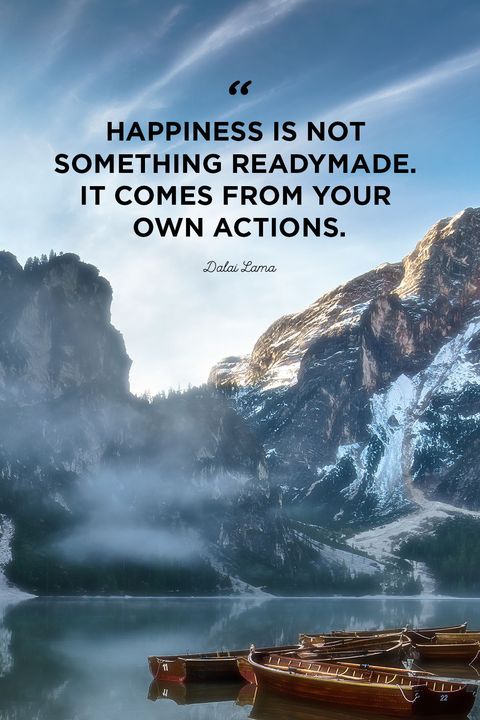
What is happiness, I often ask myself Is it the state of pure bliss or is it something else When do we achieve happiness Or is something elusive we hope to reach
How do we achieve happiness, I wonder Will it be when are financially secure, or do we need more Will it be when we have a happy life, or do we ask for more Or will it be when we have everything, but then we still want more
When do we reach the pinnacle of happiness What are our parameters for reaching that goal Each one of us marches to a different beat What’s happiness for me is pure misery for you
So let us all search for our definition of happiness Be it small as a good cup of coffee to as big and elusive as a happy and peaceful life Whatever that may be, may it bring you joy and peace And you find that happiness every hour and every day
What comes to your mind when the word poetry is uttered? Boring, maybe? Or profound or even life-changing perhaps? It is that and much more. Poetry is literature that evokes a concentrated imaginative awareness of experience or a specific emotional response through language chosen and arranged for its meaning, sound, and rhythm. Poetry is probably as old as language and history, present wherever religion is present, possibly the primal and primary form of languages. Poetry is the other way of using language.
To celebrate one of celebrates one of humanity’s most treasured forms of cultural and linguistic expression and identity, World Poetry Day is celebrated annually on 21 March. Practised throughout history, in every culture and on every continent, poetry speaks to our common humanity and our shared values, transforming the simplest of poems into a powerful catalyst for dialogue and peace.
21 March was adopted as World Poetry Day in 1999, in Paris, to support linguistic diversity through poetic expression and increase the opportunity for endangered languages to be heard. World Poetry Day is the occasion to honour poets, revive oral traditions of poetry recitals, promote the reading, writing and teaching of poetry, foster the convergence between poetry and other arts such as theatre, dance, music and painting, and raise the visibility of poetry in the media as well as give fresh recognition and impetus to national, regional and international poetry movements. It also supports linguistic diversity through poetic expression and offers endangered languages the opportunity to be heard within their communities.
It was generally celebrated in October, but in the latter part of the 20th century, the world community celebrated it on 15th October, the birthday of Virgil, the Roman epic poet and poet laureate under Augustus. The tradition to keep an October date for national or international poetry day celebrations still holds in many countries. In the United Kingdom, the day is celebrated on the first Thursday in October, but elsewhere a different October, or even sometimes a November date, is celebrated.
World Poetry Day is celebrated around the world in readings and ceremonies honouring poets of high achievement as well as in teaching the craft to aspiring writers. A day dedicated to poetry: an art form that has persisted for millennia and continues to enrich our understanding of the human condition to this day. With the rise of technology and smartphones, some might believe that poetry might be a dying art. However, this very day aims to get rid of these misconceptions. In many educational institutions, poetry competitions are held to encourage young students to write. With the help of other mediums such as theatre, poetry is promoted in different parts of the world. As poetry continues to bring people together across continents, let’s join in by reading some classic poetry in English and other languages and diving into the beauty of the language and word-play.
As you all are aware by now, my parents have moved away from Mumbai to live in a retirement home. I was in Mumbai last month to help them make the move and as we took off from Mumbai, I scribbled the first version of this poem on the plane.
Farewell Mumbai
As the plane takes off, I peer out of the window Unbidden, my eyes fill up and soon the tears start to flow The city of my birth gradually became smaller I watch intently until it is but a speck, a blur
I bid goodbye to my childhood and adulthood home As I see it disappear from high above the aerodrome Instead of luggage, I take with me so many memories Of a lifetime spent here, of multitude journies
I don’t know when I will be back, will it be months or years or even decades? And when I am back, will the memories be still as strong or would they have faded? And if and when I am back, will it still be home or just another place? I would hate for this to happen though to my birthplace
Farewell dear Mumbai, the city of dreams A city within which reside, people of two extremes, A place where dreams are made and sometimes broken But the city has space for all because here is all the action
I will return one day, that is certain But it will be as a visitor, not a resident Mumbai is in my heart, tomorrow, today and yesterday And you can’t take a Mumbaikar out of Mumbai
I wrote this poem sometime in December of last year when travel had just seem possible. Then the Omicorn variant was detected and for a while, travel seemed to become that much harder and difficult.
Oh what a joy it is to travel To broaden the horizons, to gather souvenirs With that first thought, the eyes have a twinkle To discover new worlds, to conquer new frontiers
At home when you wake up, but across the continent by brunch Perhaps for a meeting or is that for leisure you fly? Then in another country to have a late lunch Where you can finally take a deep breath and say goodbye
And when you come back, the trip still lingers within you And suddenly when you least expect it, it happens A memory will pop up once in a blue Taking you back to that trip, nostalgic beckons
Travel makes one better, inside and outside Travel opens your mind and makes you wise Travelling shrinks the world makes it concise That’s why it is said that travelling is the ultimate prize
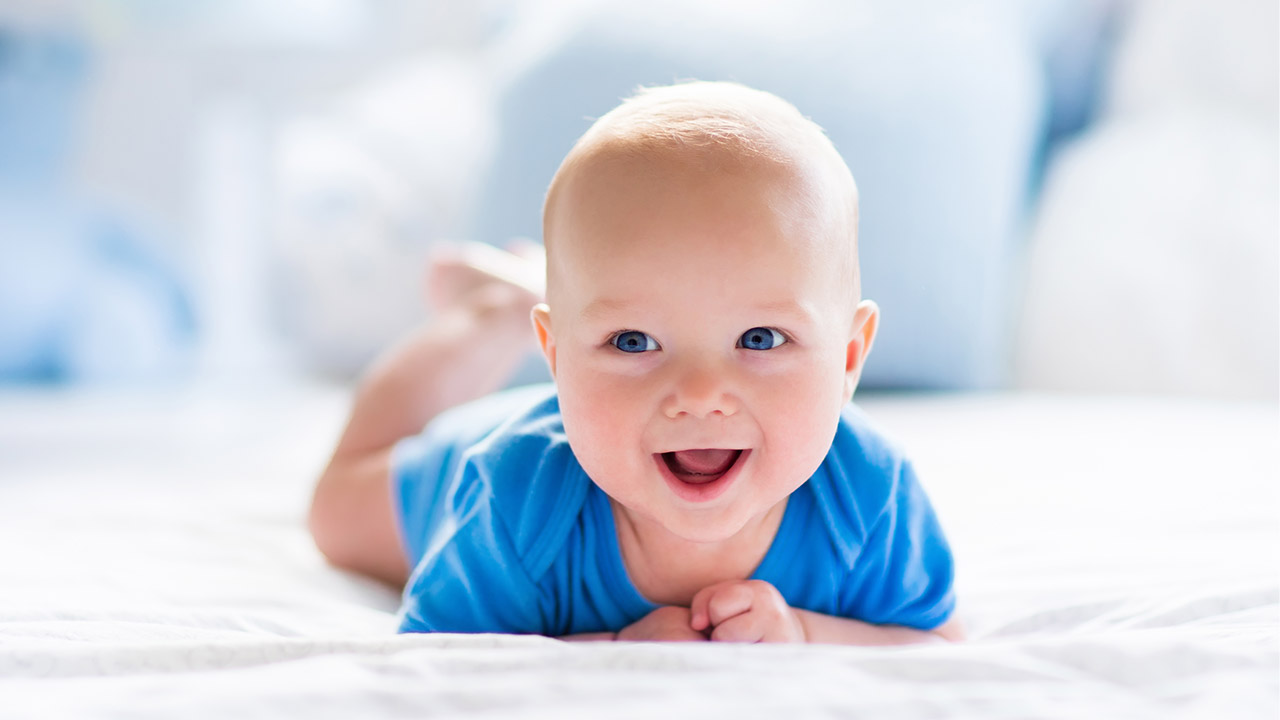
I love watching baby videos, I mean who doesn’t right. A few months back, I caught this documentary series on Netflix called Babies that explores the science that shows how infants discover life during their very first year. It was so fascinating, but what I realised that I was I kept smiling everytime I saw the babies onscreen. By the time I had finished this series, I knew I had to write this poem.
There’s something about a baby That brings a smile to the face That pure laugh, that sense of glee They quickly find a spot in your heart’s special place
Like an angel sent from above They’re sent to fill your heart with love To hold and to rock and cuddle and hug tight To smother with kisses, day and night
There’s something about a baby That brings forth all of your protective instincts You want to keep them wrapped up and cozy Safe from all of the world’s harm within the heart’s precincts
They fill your hearts and home with love and joy So much so you wonder how you survived before them Whether it’s a baby girl or baby boy Their very existence becomes an ode, a poem
There’s something about a baby That makes you want to guide, cherish and make them grow Warm and huggable, soft and cuddly To show them everything that you know
Babies are love, babies are a lovable bundle Babies are our present, babies are our future They are sent to us from above, they are our angels Babies are what makes us who we are

/what-is-happiness-4869755-30169e52570645a4af4980f1d7aebed1.jpg)




 Memories and Such