Thiruvellakulam Temple, Thirunangur, Tamil Nadu
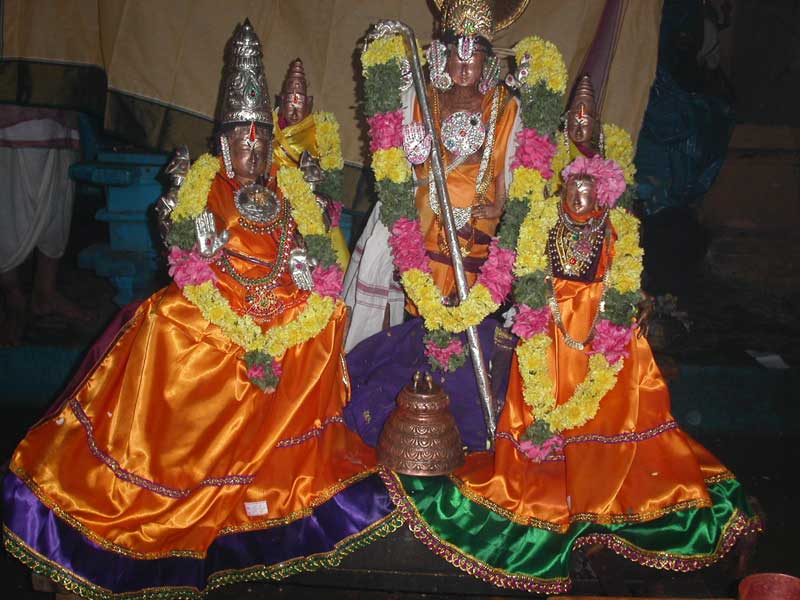
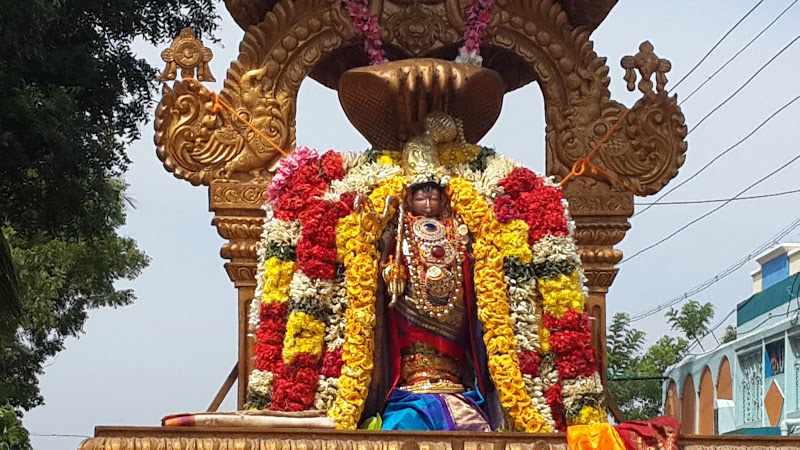
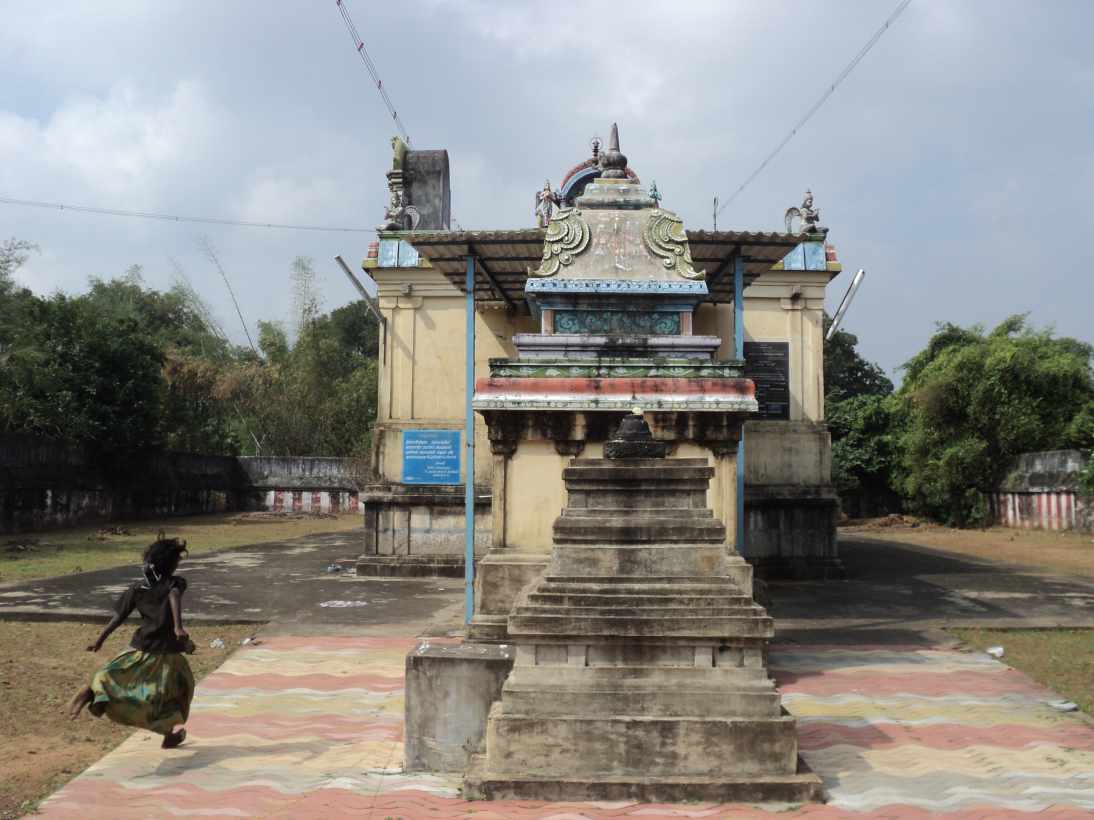
Thiruvellakulam, one of the eleven Thirunangur Divya Desams in Tamil Nadu, is dedicated to Annantapadmanabha Perumal and Amruthavalli Thayar. Set in the quiet village landscape of Thirunangur, this temple carries a gentle, cooling presence. The name Thiruvellakulam refers to a white or pure pond, which stands at the heart of the temple’s identity. In a circuit where each temple reflects one form of Vishnu who calmed Shiva’s intense energy, Thiruvellakulam stands out as the place where heat dissolves and the mind cools down. Visitors often describe the temple as soothing, the kind of place where emotional heaviness softens without effort.
All eleven temples in Thirunangur are rooted in the same ancient legend. After Sati’s death, Shiva was consumed by grief and performed the Rudra Tandava, a powerful cosmic dance that shook the entire region. From each strike of his matted locks, eleven fierce forms of Shiva emerged. The gods, fearing destruction, prayed to Vishnu. In response, Vishnu appeared in eleven forms, each calming a different manifestation of Shiva. Thiruvellakulam represents one of these divine balancing forms.
According to lore, after the cosmic turmoil, the land was filled with heat and instability. Vishnu manifested here and created a cooling pond whose water turned milky white. This pond soothed the gods, the earth and living beings. The pond symbolised calm, purity, restoration, and the cooling of emotional and cosmic heat.
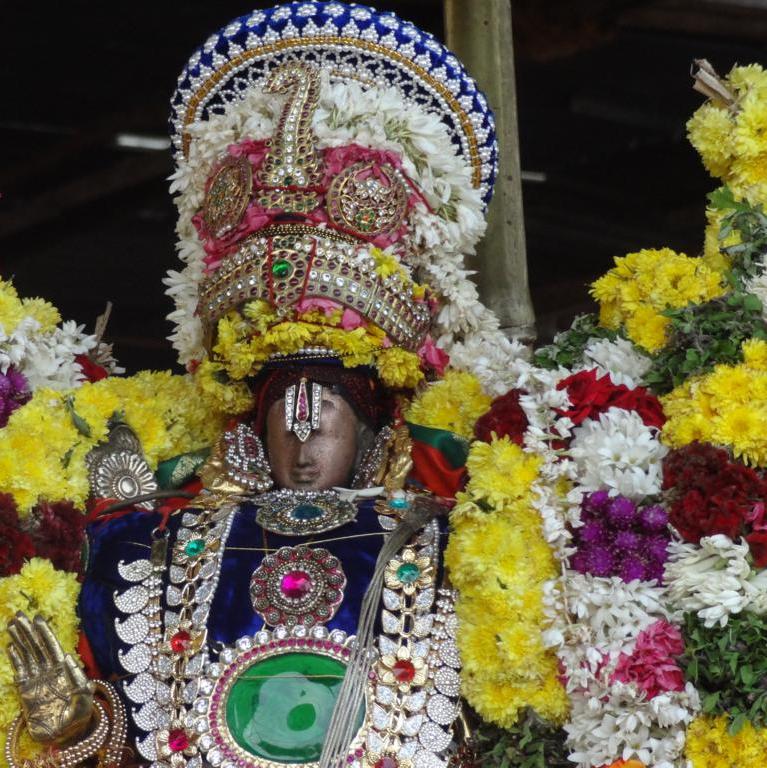
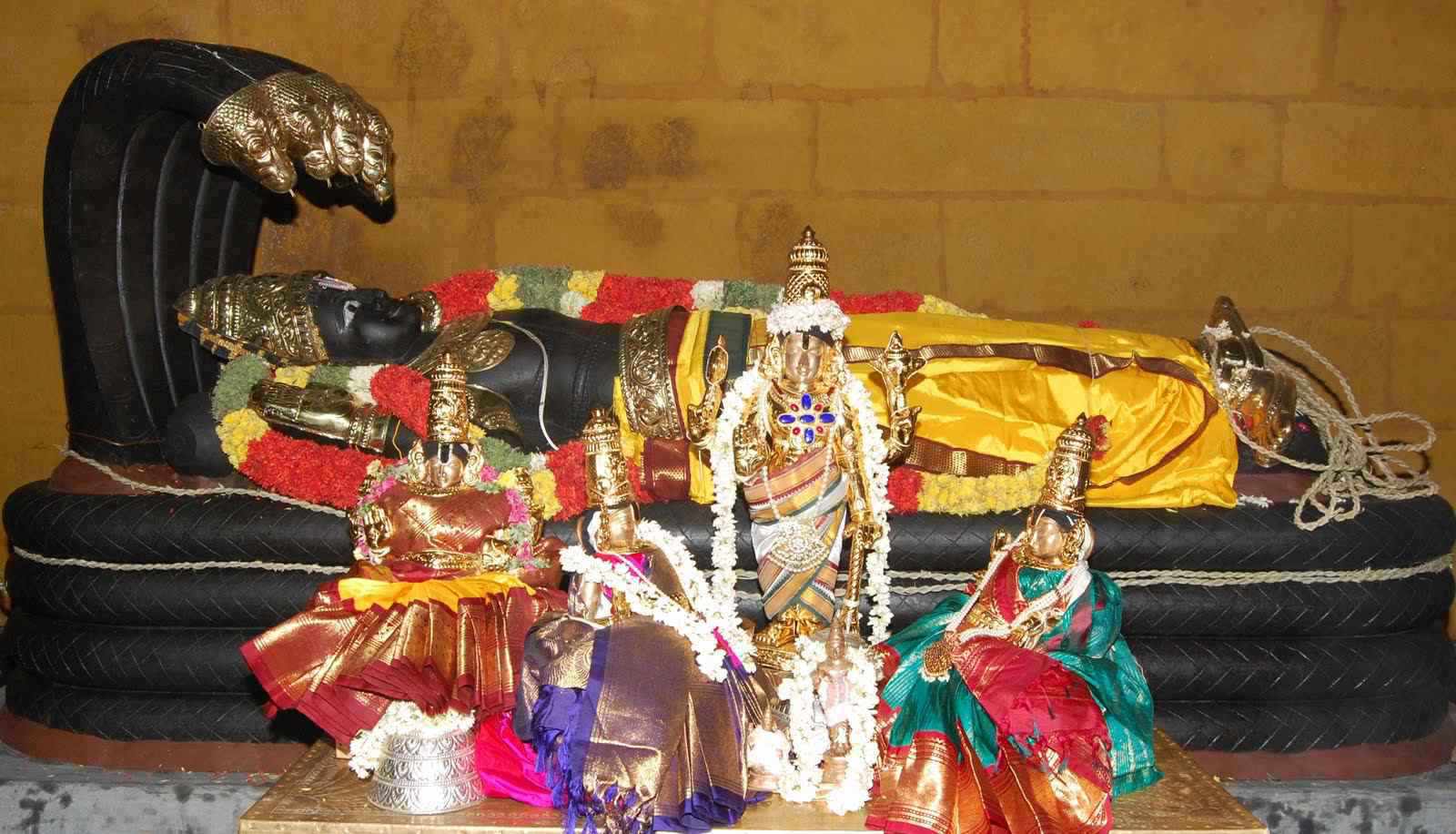
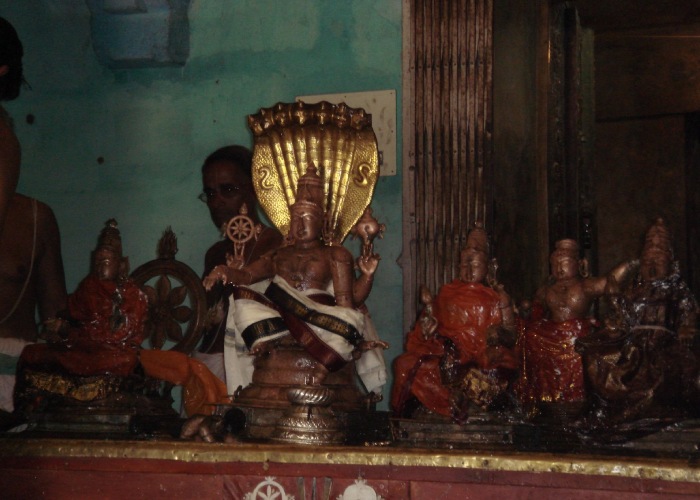
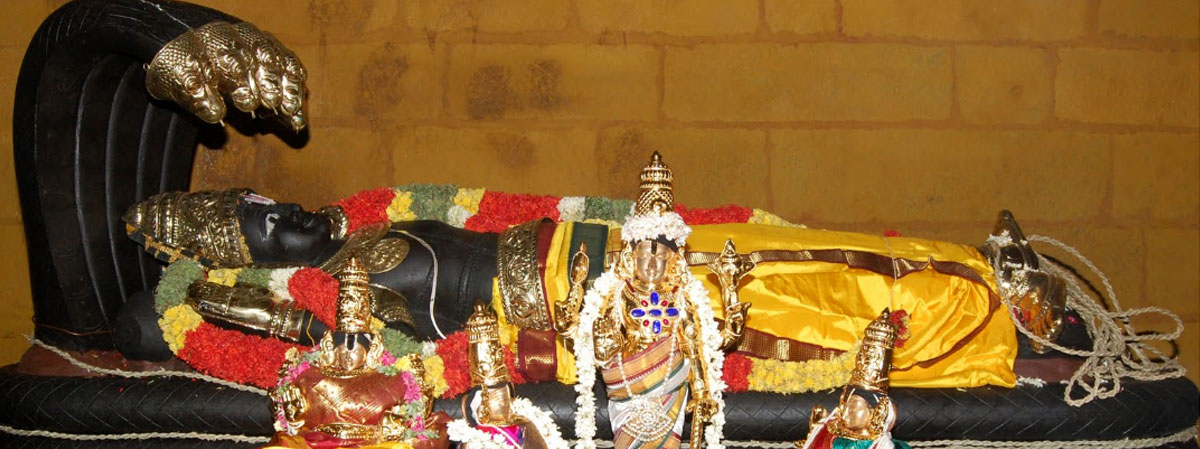
The deity here, Annantapadmanabha Perumal, is believed to have appeared reclining on Ananta, the divine serpent, just as he appears in the great Padmanabhaswamy Temple in Kerala. This reclining form embodies rest, ease and emotional release. Thirumangai Alvar visited this temple and composed a verse praising the Lord who brings peace after chaos. His hymn links the temple irreversibly to the Divya Prabandham tradition.
Thiruvellakulam’s history mirrors that of the other Thirunangur shrines. The temple structure suggests early Chola craftsmanship, with simple lines, compact sanctum design and unadorned pillars. Historical developments include early Chola-era foundation stones, additions during the Nayak period, mostly structural reinforcements, community-supported maintenance across generations, and the occasional land donations recorded in nearby temple inscriptions. This temple, like the rest of the Thirunangur group, survived primarily through local devotion rather than royal patronage. Locals have always maintained the temple by contributing lamps and oil, flowers, grains for cooking offerings, and festival arrangements. The temple is woven into village life, not as a grand monument but as a constant presence.
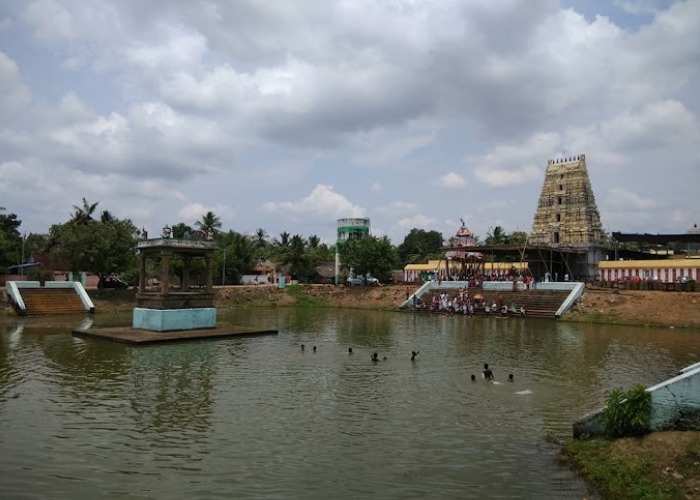
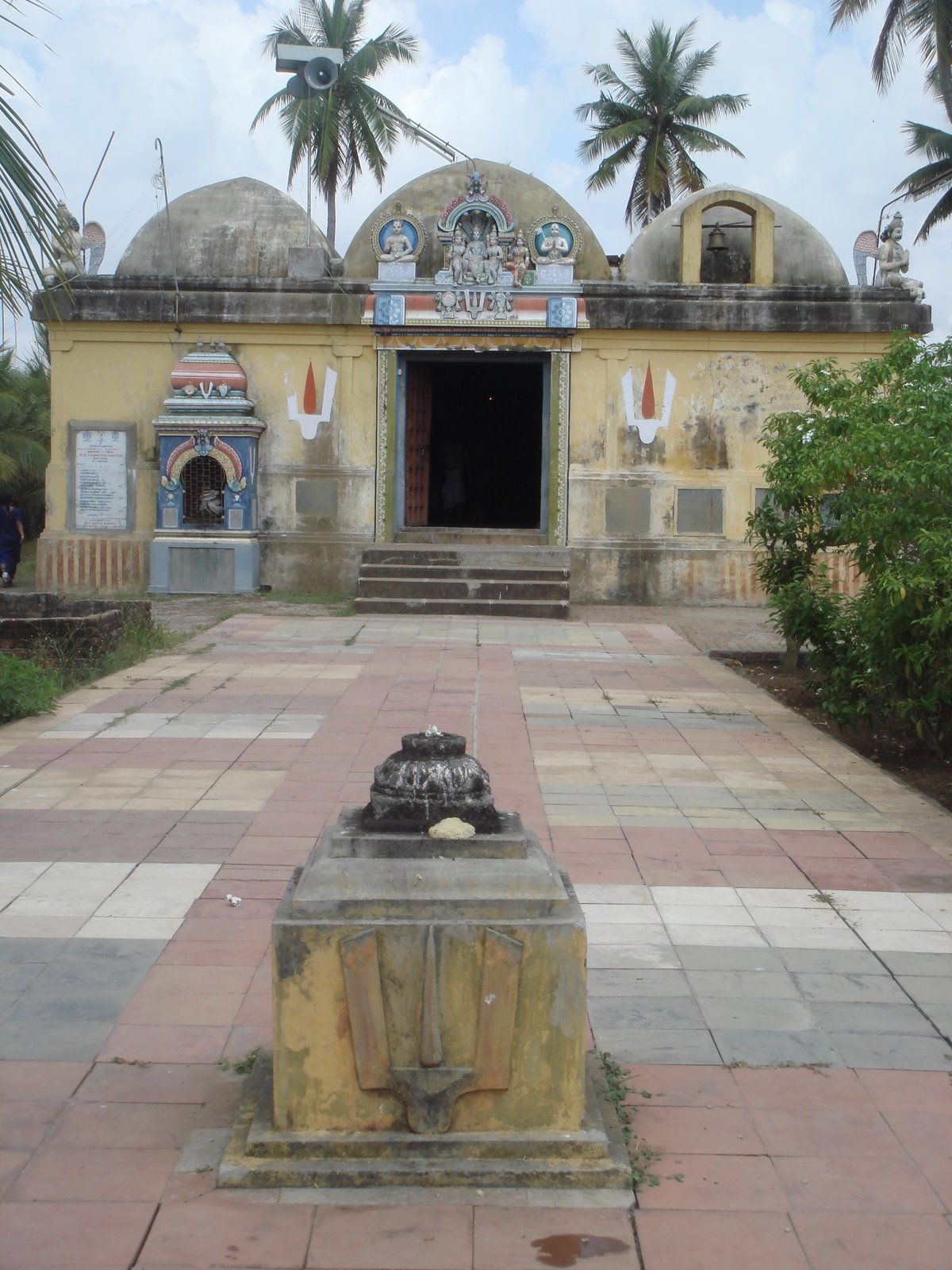
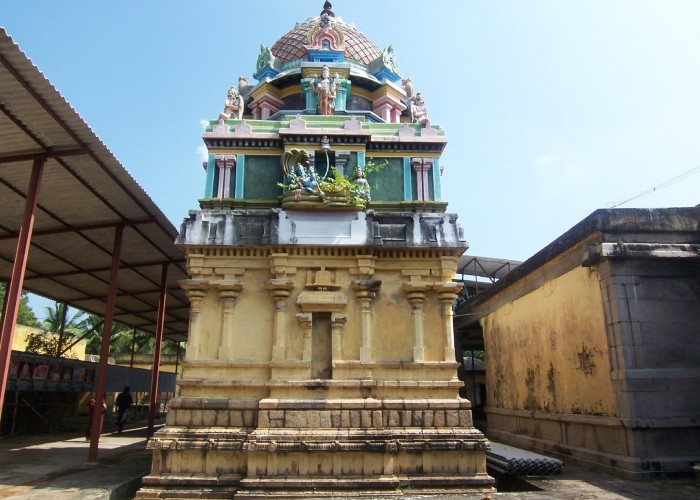
Thiruvellakulam is modest in size, like the other Thirunangur Divya Desams, but it carries a gentle beauty shaped by its pond and serene atmosphere. Key architectural elements include a small gopuram, a simple courtyard, a stone mandapam with plain granite pillars, a compact sanctum, a shrine for Amruthavalli Thayar, a path for circumambulation, and the temple pond, which is central to its identity
Annantapadmanabha Perumal appears in the reclining posture, resting on Ananta. This form is calm and expansive, symbolising mental relaxation, trust, surrender, and the release of tension. The Perumal here represents the moment when the heat of all kinds: anger, confusion, grief, begins to settle. Amruthavalli Thayar embodies nourishment and emotional rejuvenation. Devotees approach her for healing, stability, and renewal during difficult times. The white pond from which the temple gets its name once had water that appeared pale or milky, according to tradition. Even today, the pond shapes the temple’s mood. It gives the temple soft light reflections, a sense of openness, cooling air, and a calming visual focus. This pond is one of the most memorable aspects of the temple.
Worship at Thiruvellakulam is simple and consistent. Daily pujas include Suprabhatam, Thirumanjanam, Alankaram, Neivedyam, and the evening deepa aradhanai. Priests conduct the rituals gently, matching the temple’s tone. Major festivals include the Thirunangur Garuda Sevai, Vaikunta Ekadasi, Brahmotsavam, Purattasi Saturdays, Rama Navami, and Krishna Jayanthi. The most important festival is the annual Garuda Sevai, where the eleven deities from the Thirunangur temples are brought together on Garuda vahanams. At Thiruvellakulam, the festival has a special atmosphere because the temple is associated with peace and coolness. People often pause here for longer, feeling the softness of the space. People come to Thiruvellakulam for cooling of inner turmoil, clarity after emotional upheaval, healing from stress, relief from anxiety, and a sense of being soothed. The temple’s energy actively supports these intentions.
Reaching Thiruvellakulam involves a quiet journey through village paths and paddy fields. The landscape is calm, and the temple blends easily with its surroundings. The temple entrance leads directly to the courtyard. The pond is visible nearby, setting the mood of the space even before reaching the sanctum. Inside, the air is cool, the atmosphere is quiet, and the lighting is soft. The sanctum feels intimate, and the reclining deity gives the entire temple a restful tone. Pilgrims visiting all eleven temples often say that Thiruvellakulam feels like the breather of the circuit. It is a place where one naturally slows down. People often sit near the pond or in the mandapam simply to rest. Simple shops outside sell flowers and tea. Residents of Thirunangur help pilgrims navigate the temple routes with warmth.
Thiruvellakulam holds a gentle but steady presence in Tamil Vaishnavite culture. Thirumangai Alvar’s verse emphasises Vishnu’s cooling presence, describing him as the one who brings peace after cosmic tension. These hymns are central to festival recitations. During Garuda Sevai, the temple becomes a gathering point for singing, reciting and resting. The calm energy of the place creates a softer tone within the intense pace of the festival. The pond is central to many local traditions, especially during festival rituals and seasonal prayers for rain.
The temple continues to function with daily worship and the support of local devotees. Recent updates include repainting of the walls, cleaning and maintaining the pond, reinforcing mandapam pillars, and improving lighting around the sanctum. The temple has seen more visitors in recent years due to Divya Desam tourism and social media awareness, but it remains peaceful and uncommercial. The temple’s themes: cooling, clarity, emotional healing—align naturally with what many people seek today. Visitors come not only for religious reasons but for the calming experience the temple offers.
Thiruvellakulam stands among the Thirunangur Divya Desams as a temple of cooling grace. Annantapadmanabha Perumal, reclining on Ananta, represents relief, surrender and the easing of tension. Amruthavalli Thayar adds compassion and nourishment. The temple’s pond shapes its personality, giving it a softness and a reflective quality that stays with pilgrims long after they leave. In the Divya Desam circuit, Thiruvellakulam plays the role of a gentle pause; a moment of coolness in the midst of movement. It reminds devotees that even when life feels heated or overwhelming, there is always a place where the mind can settle, and the heart can breathe more easily.

Thiruparthanpalli Temple, Parthanpalli, Tamil Nadu
Thiruparthanpalli, located near Thirunangur in Tamil Nadu, is one of the quieter Divya Desams but carries a powerful story. The temple is dedicated to Parthasarathy Perumal, Vishnu in the form of Krishna, the charioteer and guide of Arjuna, and Padmavathi Thayar. The name Parthanpalli means the school of Arjuna. According to tradition, this was the place where Arjuna, the great warrior of the Mahabharata, received lessons from Krishna about courage, surrender, discipline and the nature of duty. The temple carries that tone even today. It feels like a space where you don’t come to ask for miracles; you come to understand life more clearly. Among the Thirunangur temples, this one stands out for its link to the Mahabharata and its gentle but grounding energy.
The Mahabharata is filled with conflict, moral questions and emotional storms. At one point in his life, Arjuna faced a deep crisis: not on the battlefield, but within himself. He struggled with doubt, purpose and the meaning of right action. Tradition says that Arjuna travelled through many sacred places during this period of inner conflict. When he reached this spot, he felt overwhelmed and unable to think clearly. Krishna appeared before him and gave him guidance. This was not the Bhagavad Gita, that happened on the battlefield of Kurukshetra, but another moment when Arjuna needed clarity. Here, Krishna taught him the nature of surrender, the value of discipline, the need to align action with inner truth, and the importance of steadying the mind before choosing a path. Because this spot became a place of learning for Arjuna, it was named Parthanpalli, the school of Partha or Arjuna.
All eleven Thirunangur temples originate from the same story: Shiva’s grief for Sati triggered a fierce cosmic dance, producing eleven manifestations of Shiva. Vishnu appeared in eleven forms to stabilise each of these energies. Thiruparthanpalli represents one of these eleven Vishnu forms, but it is also shaped by the added layer of Arjuna’s story. Thirumangai Alvar praised this temple in his verses, describing Perumal as a teacher who brings clarity to confused minds. His hymn emphasises learning, wisdom and surrender, the core themes of this temple.
Thiruparthanpalli shares a historical trajectory with the other Thirunangur temples. It likely dates to the early Chola period, with structural reinforcements added during the Nayak era. Historical traces include early stone foundations typical of small Chola shrines, a simple sanctum and mandapam layout, minimal inscriptions, though nearby temples record grants for oil lamps and pujas, and community-driven support rather than royal investment. Because the temple is linked to a Mahabharata story, it has always held a place in the oral tradition. Local villagers kept the temple active through daily worship, festival preparation and the retelling of Arjuna and Krishna’s encounter. Like many Thirunangur shrines, this temple was not built to impress rulers; it was built to support spiritual stories that shaped community identity. It stands today because people continued to come, continued to pray, and continued to keep the flame alive.
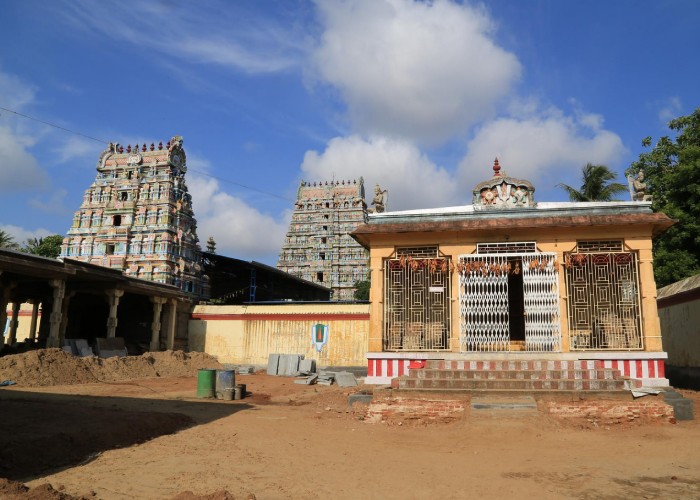
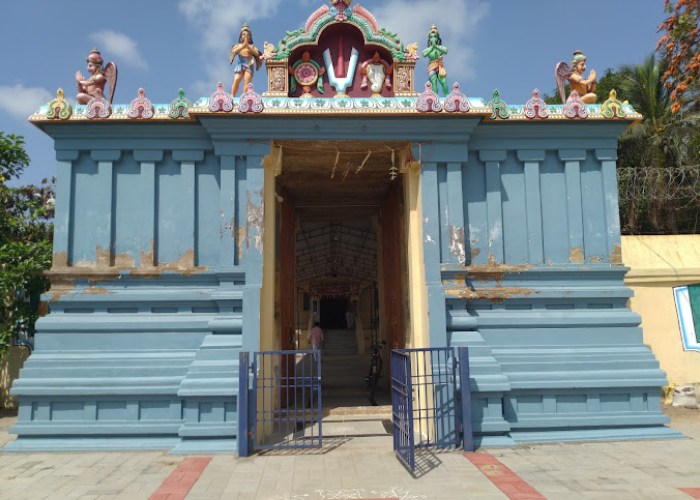
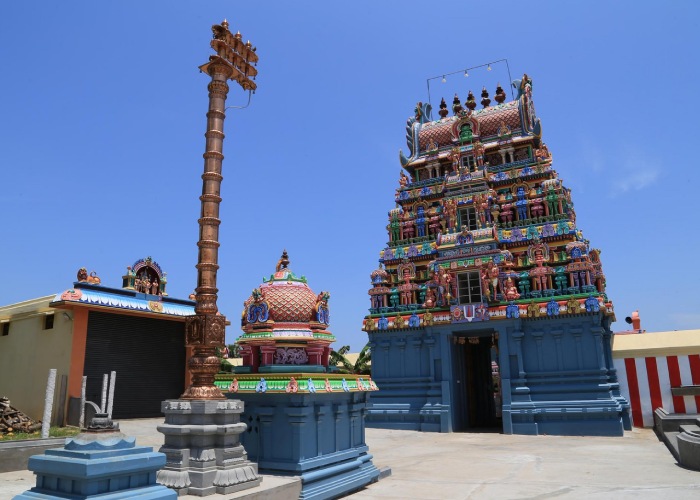
Thiruparthanpalli is small and simple, in keeping with the Thirunangur style. The architecture is functional rather than ornamental, and it blends naturally with the village landscape. Key architectural elements include a modest gopuram, a short entrance hall, a stone mandapam with plain granite pillars, a compact sanctum, a shrine for Thayar, a pradakshina path that circles the sanctum, and a temple tank used for rituals. The temple may not look grand, but the structure reflects a peaceful steadiness.
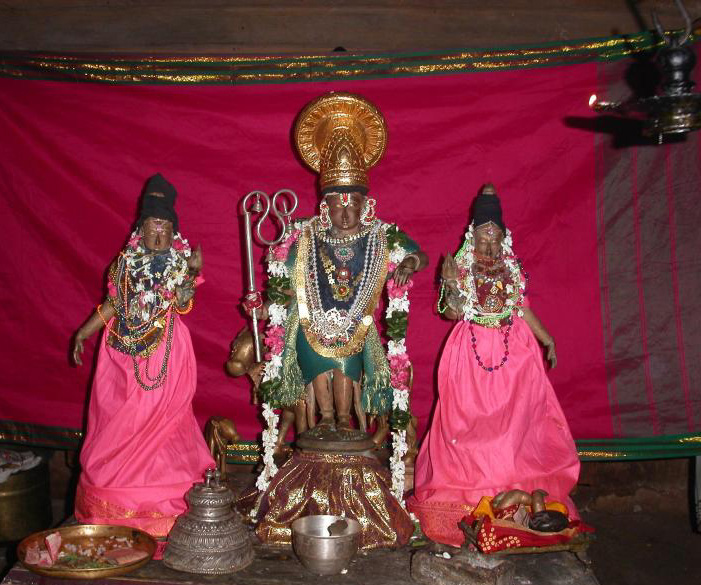
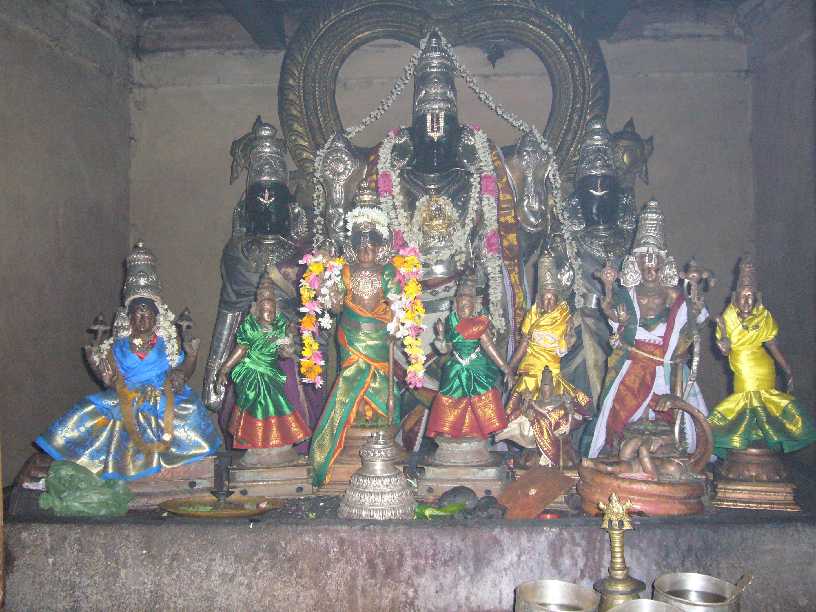
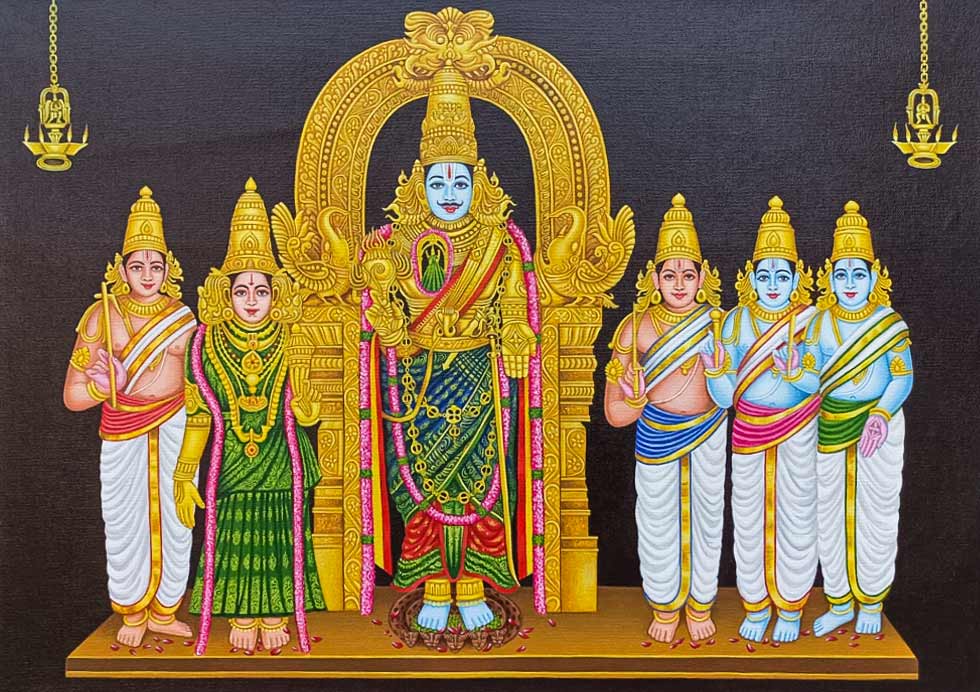
The deity, Parthasarathy Perumal, appears in a standing posture, holding the conch and discus. His expression is calm, direct and reassuring, very much the tone of a teacher who guides without force. This form of Vishnu is associated with wisdom, guidance, decision-making, courage, and clearing confusion. The goddess, Padmavathi Thayar, adds a gentle presence. She balances the intellectual tone of the main shrine with emotional warmth. People often pray to her for clarity during family challenges and personal transitions.
Worship follows the traditional Vaishnavite routine, performed softly and steadily. Daily rituals include Suprabhatam, Thirumanjanam, Alankaram, Neivedyam, and evening lamp worship. Major festivals include the Thirunangur Garuda Sevai, Vaikunta Ekadasi, Brahmotsavam, Purattasi Saturdays, Krishna Jayanthi, and Rama Navami. During the Garuda Sevai, the eleven Perumals of Thirunangur gather on Garuda vahanams. Thiruparthanpalli plays a meaningful role because the deity here is a teacher; his presence symbolises understanding and steadiness. Devotees often recite the Alvar’s verses loudly at this temple, reflecting its theme of learning and wisdom. People usually visit this temple when they need clarity during a confusing period, guidance in decision-making, relief from overthinking, wisdom to choose the right path, and the courage to keep going. The temple is particularly meaningful for students, professionals facing uncertainty and people navigating major life changes.
Pilgrims reach Thiruparthanpalli through quiet village roads and green fields. The landscape is open and peaceful. Inside the temple, there is calmness, the air is cool, and the chanting sounds soft. The simplicity of the space makes the mind settle without effort. Because the temple is linked to learning and clarity, many people sit in the mandapam for a while before or after darshan. They reflect, they breathe slowly, and allow themselves to think clearly. There is something quiet and introspective about this temple. It doesn’t overwhelm, it doesn’t demand, it simply provides space for understanding to emerge. Pilgrims doing the Thirunangur circuit often say that this temple helps them reset their minds before continuing. The area around the temple has small flower stalls and local homes. People here are familiar with pilgrims and guide them with ease.
Thiruparthanpalli holds a special place in Vaishnavite tradition because of its connection to the Mahabharata and to Krishna’s role as a teacher. Local stories emphasise the idea that even great heroes like Arjuna needed guidance. This message has shaped local culture deeply. Thirumangai Alvar’s verse is recited during prayers and at festivals. It portrays Perumal as a divine guide who opens the mind and steadies the heart. The temple has become a quiet source of confidence for many: students visit before exams, families come before making big decisions, couples pray here when navigating difficult stages, and individuals come seeking clarity. During Garuda Sevai, the recitation of verses at this temple is especially focused on knowledge, surrender and devotion. The cultural memory of the region ties Thiruparthanpalli to learning, wisdom and understanding.
The temple continues to function with regular pujas and steady attendance. Even as Divya Desam pilgrims increase through social media awareness, the temple retains its quiet nature. Modern life is filled with confusion, overthinking and decision fatigue. A temple dedicated to clarity, guidance and inner understanding naturally resonates with people today. Visitors, especially younger devotees, come here not only for blessings but for grounding and perspective.
Thiruparthanpalli stands among the Thirunangur Divya Desams as a temple of guidance, learning and quiet clarity. Parthasarathy Perumal represents Krishna not as a warrior or king, but as a teacher who meets you exactly where you are. Padmavathi Thayar brings balance, offering warmth alongside wisdom. The temple’s simplicity, mythology and emotional tone make it a meaningful stop in the Divya Desam circuit. It reminds devotees that even great heroes needed guidance, and there is no shame in seeking it. In a journey filled with temples representing awakening, grounding, rest and hope, Thiruparthanpalli represents understanding. A gentle reminder that clarity is a form of grace, and learning is a sacred act.