Sacred Stones, Spaces, and Stories: Divya Desams Part 9

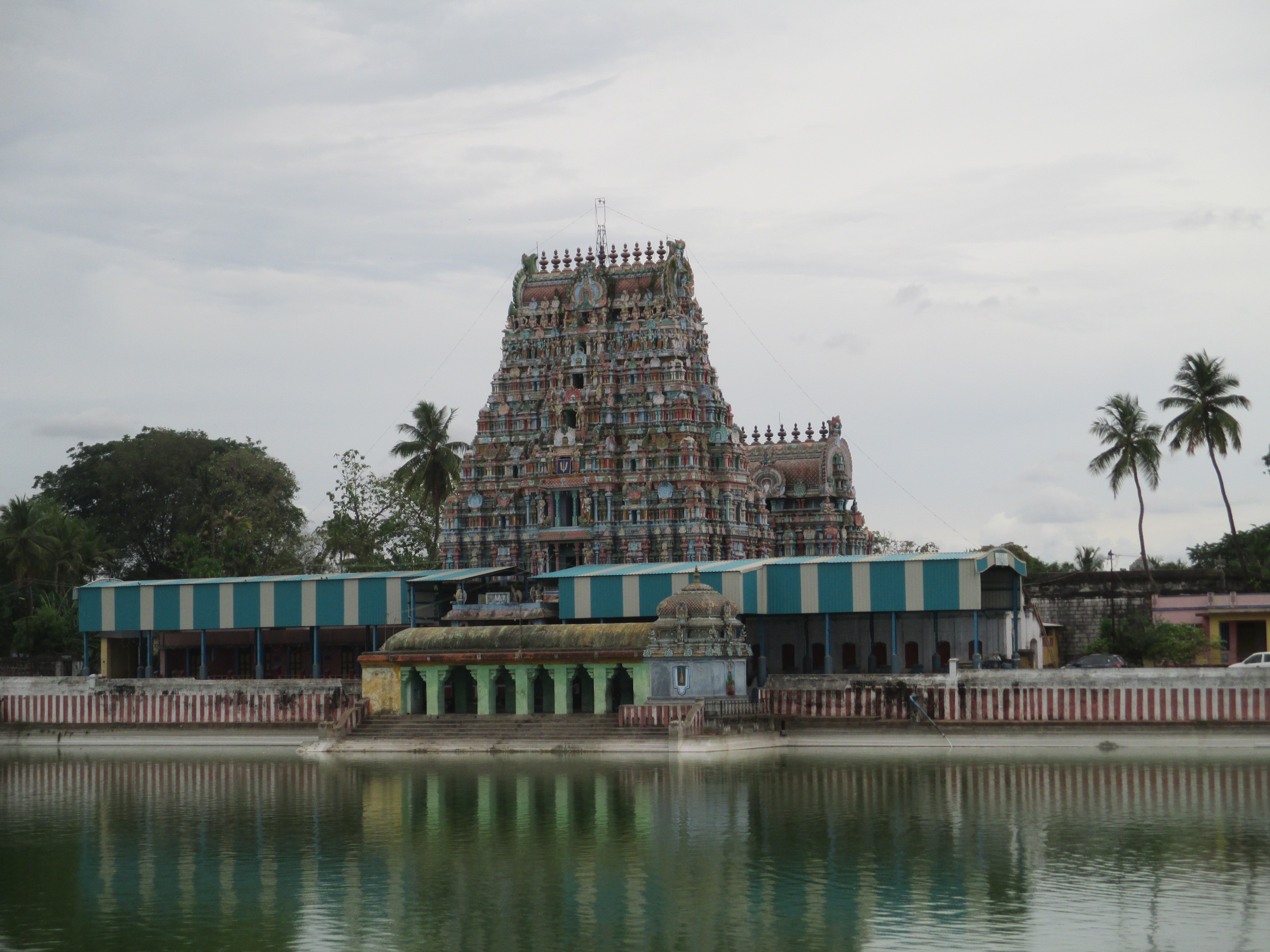
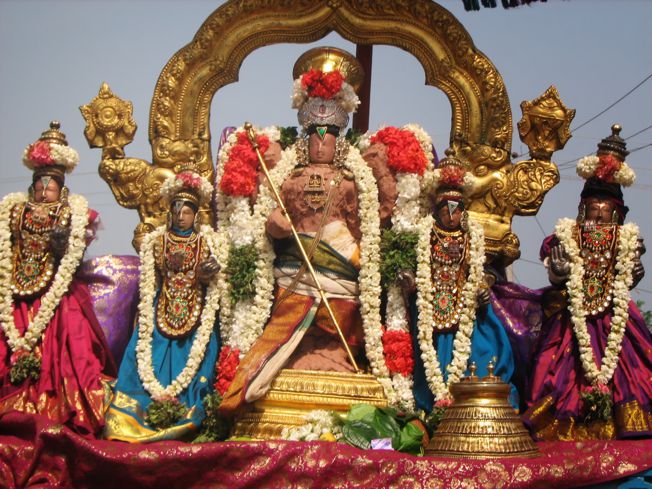
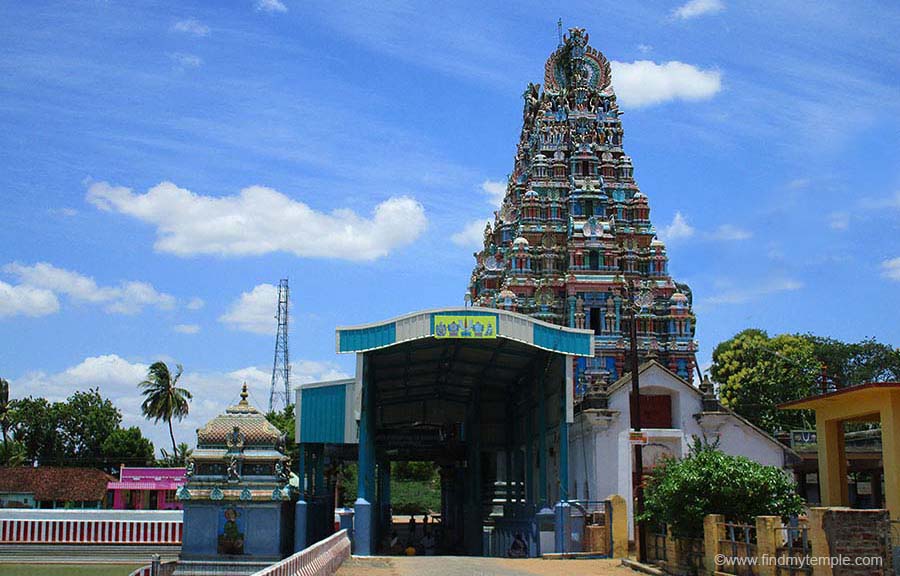
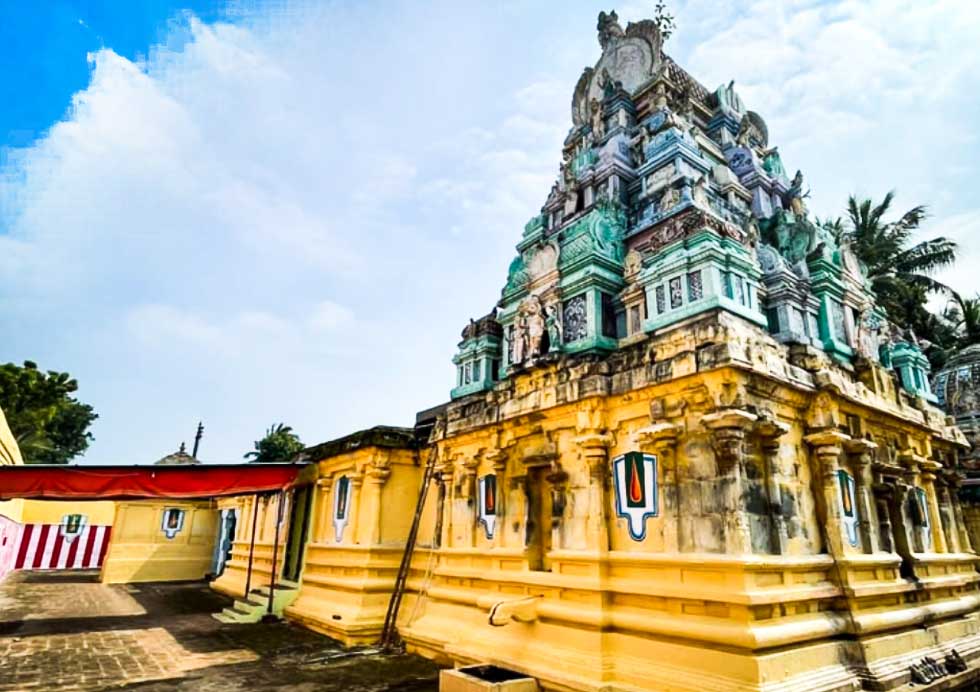
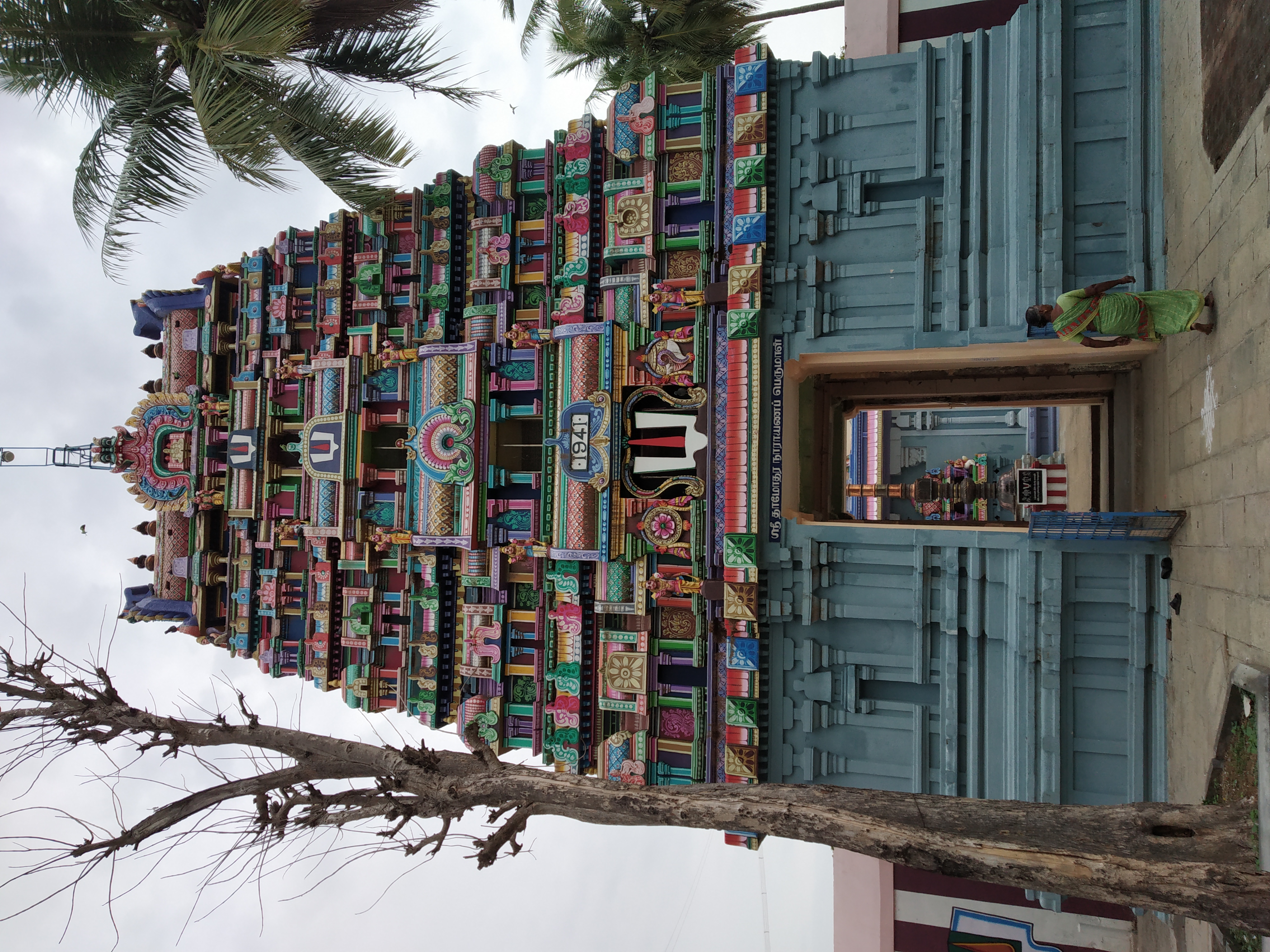
Thirukannangudi Temple, Tirukannangudi, Tamil Nadu
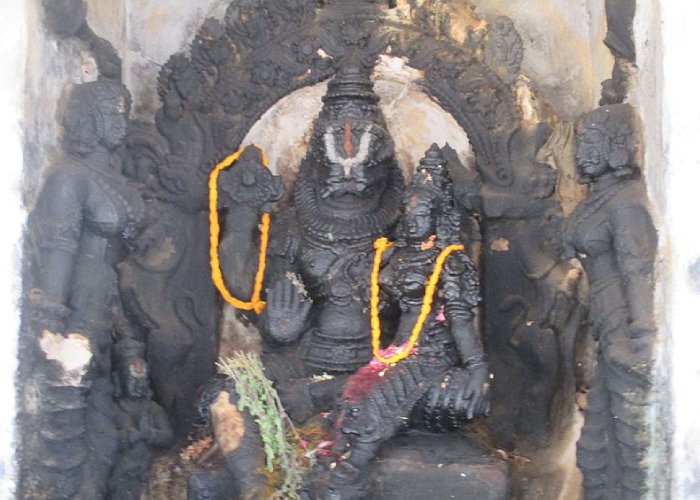
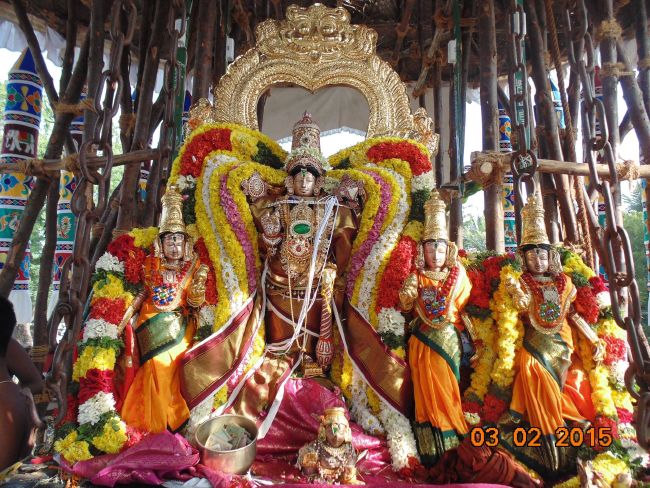
Thirukannangudi Temple stands in the village of Tirukannangudi near Sikkal in the Nagapattinam district. Lord Vishnu appears here as Loganatha Perumal, also called Damodara Narayana, with Loganayaki as his consort. This site is one of the 108 Divya Desams, praised by Thirumangai Alvar in ten paasurams from the Nalayira Divya Prabandham. The temple belongs to the Pancha Krishna Kshetrams, a group that highlights Krishna’s role. Devotees visit for protection, family harmony, and relief from curses.

Sage Vashishta crafted a Krishna idol from butter through deep devotion. The butter stayed solid. Krishna appeared as a child stealing it to test the sage. Vashishta chased him. The child ran to the rishis under a Magizha tree. The rishis, upset, tied Krishna with ropes made from their penance. Krishna then showed his divine form. Vashishta and the rishis bowed in awe. They asked for his standing presence here forever. The name Kannangudi comes from Kannan, the Tamil name for Krishna.

Thirumangai Alvar stole a golden Buddha statue from Nagapattinam for Srirangam. Tired on the way, he rested under a tamarind tree. He buried the gold and commanded the tree to guard it. Leaves rustled the next morning to wake him. That tree, Uranga Puli, never sleeps. Later, Vishnu gave him a brief vision with the conch and discus, then vanished. Thirumangai called himself a thief; the god mirrored that fleeting nature.
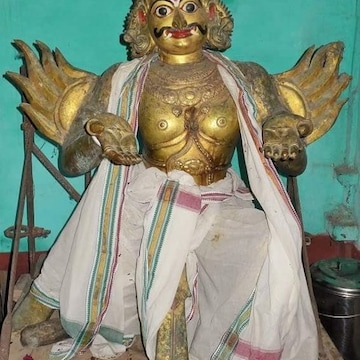
Rishis like Brahma, Brighu, and Gowthama prayed here. Gajendra’s moksha ties in too; the elephant, cursed by Durvasa, crocodile by Agastya, both were freed when Krishna arrived. Vibhishana saw Vishnu’s walking grace after Ranganatha’s sleep. Details vary. Butter idol or stealing a child? Tied Krishna or eternal stand? The stories flip roles. Guru chases disciple. Tree guards are thieves. Child bound by sages. Devotion reverses power. God acts weak to pull you near. But question it. Does binding god show faith, or a need to control?

Chola kings built the core in the late 8th century. Vijayanagara rulers and Madurai Nayaks added expansions. A granite wall protects the site. Inscriptions record land grants and donations. Thirumangai Alvar’s hymns secured their Divya Desam place. Floods damaged it over time. Locals rebuilt. The Pancha Krishna link sets Krishna apart from other Vishnu forms. The Magizha tree serves as Sthala Vriksham. The tamarind, Uranga Puli, marks the Alvar’s rest.

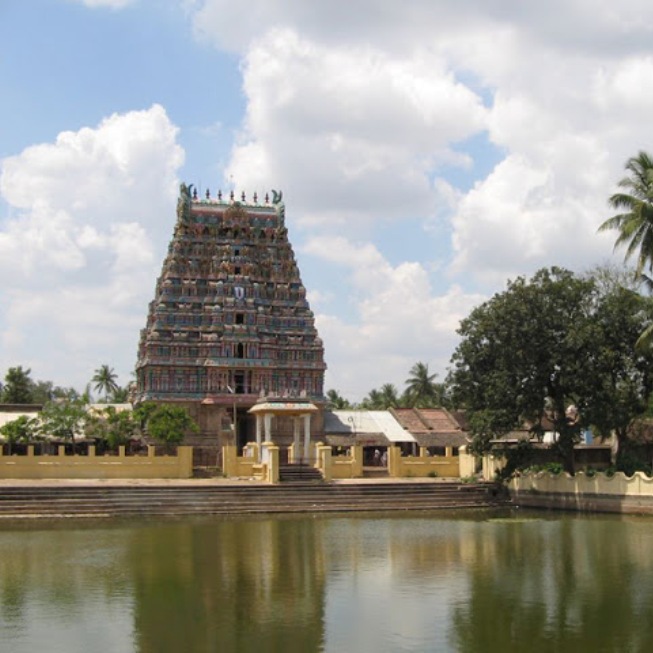
A five-tier rajagopuram faces east at the entrance. Granite forms the base, brick the superstructure. Loganatha stands in the sanctum with Abhaya mudra. Loganayaki has her own shrine. Gajendra Pushkarani tank lies to the east. Kadhanakkruthi Vimana tops the sanctum. Pillars show Krishna stories and Vishnu avatars. The design sticks to Dravidian standards. It stays compact and flood-resistant. Tree shrines link myth to structure.

Priests conduct six pujas each day. They dress the deities, offer food, and wave lamps. Nagaswaram and tavil provide music. Chants from the Divya Prabandham fill the space. Brahmotsavam features chariot processions. Vaikunta Ekadasi opens special gates. Krishna Jayanti brings extra focus. Locals sponsor meals, pull chariot ropes, and light lamps. These acts tie the village to the temple.

Take the Tiruvarur-Nagapattinam highway, then turn 2 km into the village. Paddy fields surround it. Shops near the gate sell flowers and coconuts. Bathe in the tank first. Darshan flows smoothly on weekdays. The Magizha tree offers shade. Locals say, “Alvar slept safe; the tree woke him.” The tied Krishna spot draws families. A breeze carries calm.

Thirumangai Alvar’s paasurams sound in every puja. They inspire bhajans and dances. Tied Krishna appears in plays and art. The village sees itself as Krishna’s playground. The Pancha Krishna group shares stories across sites. Fame stays local, but roots run deep. The reversal theme shapes talks about power shifts.

The HR&CE department manages it. Restorations repair flood damage. Festivals draw locals, with tours adding a few. Devotees seek dosha relief and children. Online services expand reach. The trees get protection.

Thirukannangudi fits the Divya Desams as a site of role reversal. Myths bind god with ropes, wake trees with leaves. Chola walls resist floods. Krishna’s weakness draws devotion. The binding story jars. Faith or force? Pancha Krishna ties sites together. In the circuit, it echoes childlike play. For heritage, reversal teaches humility. Visit the tree. Ask if you chase god or hold him back.
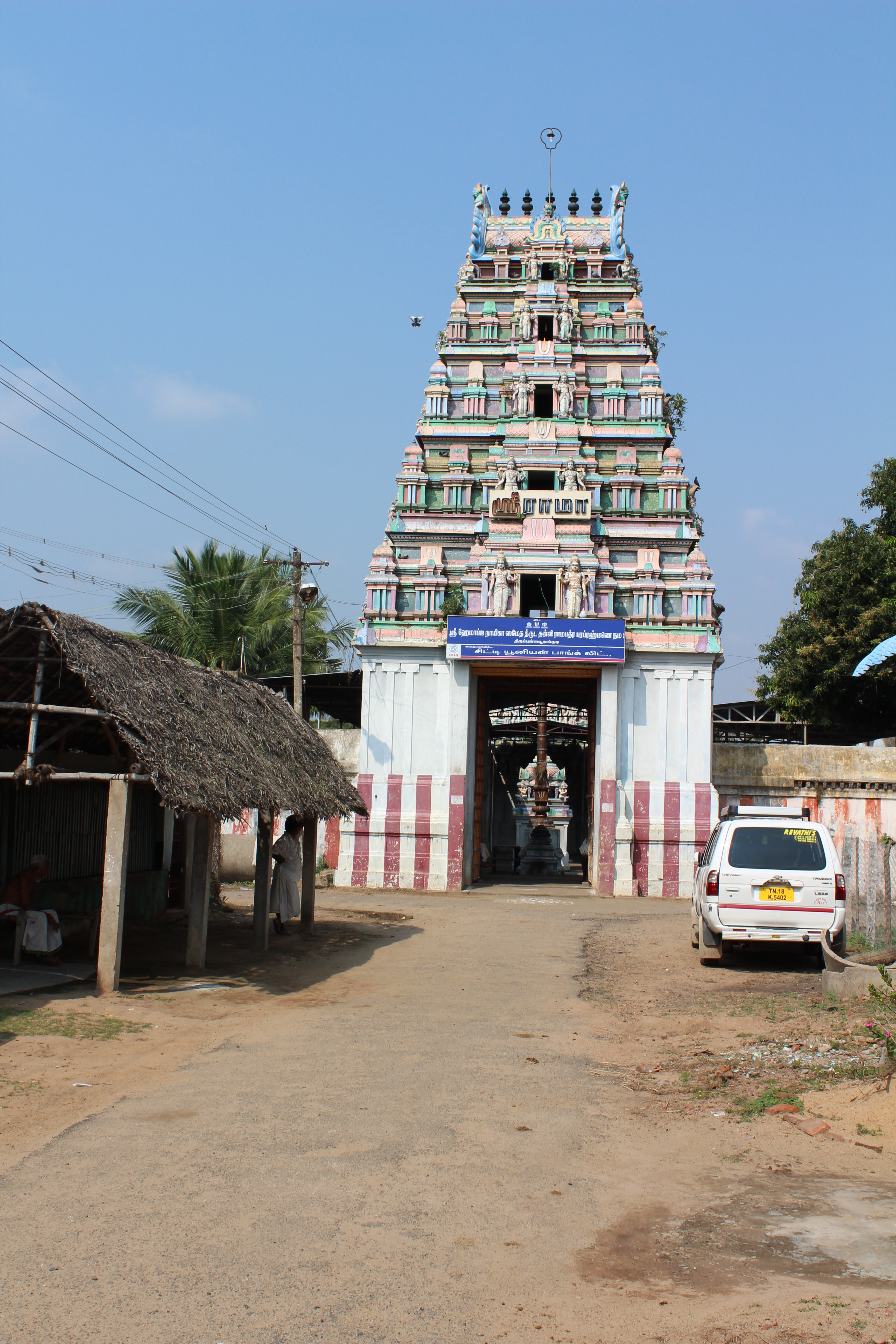
Thirunagai Temple, Nagapattinam, Tamil Nadu
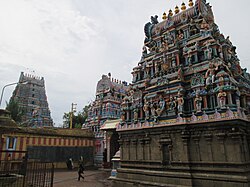
Thirunagai Temple, formally known as Soundararaja Perumal Temple, stands in the coastal town of Nagapattinam, Tamil Nadu. Lord Vishnu reclines here as Soundararaja Perumal, the handsome king, with Soundaravalli Thayar as his consort. This is one of the 108 Divya Desams, sacred sites praised by the Alvars in their Nalayira Divya Prabandham. The temple claims a presence across all four yugas, from Kritha to Kali. Its seven-tier gopuram once served as a lighthouse for Dutch ships. Devotees visit for moksha, curse relief, marriage blessings, and darshan of divine beauty. The site’s legends emphasise form over force, drawing worshippers to its timeless appeal.

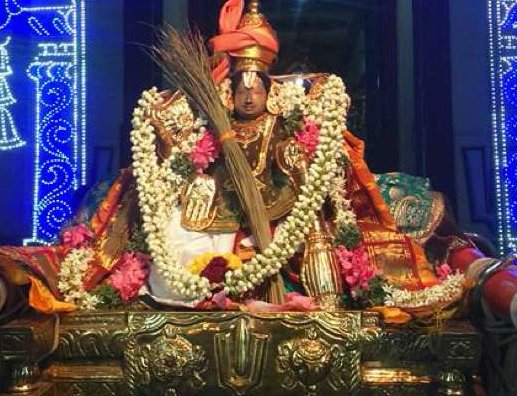
Legends root the temple in every yuga. In the Kritha Yuga, Adisesha performed penance. Vishnu made him his bed as a reward. Bhoodevi followed in the Treta Yuga with her own austerities. Sage Markandeya did the same in the Dwapara Yuga. Chola king Salisugan worshipped in the Kali Yuga and married a cursed princess here. Dhruva, the boy prince, sought world dominion. Vishnu appeared on the Garuda vahana. Dhruva saw the lord’s beauty and chose eternal vision over power. He attained moksha on the spot. Nagapattinam’s name comes from Naga Pattinam, marking Adisesha’s serpent worship.

Two eunuchs, Kandan and Sukandan, bathed in the Sara Pushkarani tank. They transformed into full men. The dwarapalakas Sumba and Nigumba may be them in divine form. The princess with three breasts met Salisugan. Her curse vanished at the sight of her future husband. Vishnu blessed their wedding with darshan in standing, sitting, and reclining poses. Thirumangai Alvar beheld the lord’s beauty as if seeing a woman. He burst into song: “Achcho Oruvar Azhagiya Vaa.” Ashtabuja Narasimha, with eight arms, blesses Prahlada while slaying Hiranyakashipu.
These tales span cosmic time at one site. Four yugas in one place test logic. Why not a single origin story? Dhruva trades empire for a glance? They prioritise allure over conquest. God wins hearts through sight, not strength. But push back. Does visual splendour solve hunger or loss? Or merely distract? The core insight endures: true beauty reorients desire from control to surrender. Form becomes the path to presence. Question the geography. If yugas overlap here, does it make the spot eternal, or just a convenient anchor for scattered myths?

Chola architects built the core in the late 8th century. Two inscriptions record their land grants and donations. Pallavas contributed earlier. The Thanjavur Nayaks expanded in the 17th century. Marathas followed. Dutch traders requested the gopuram as a lighthouse. Nayak ruler Jagul Nayakar obliged, building the tower, halls, and compound wall. His image with wife Lakshmi Ammal stands in a mandapam. Kundo Pandithar added shrines in 1737. Early 20th-century donors like Dratcha Balagurumuthi Chettiyar built halls. The 2004 tsunami devastated Nagapattinam but spared the temple. Thirumangai Alvar’s hymns secured Divya Desam status. Salisugan’s wedding ties it to Chola lore. The lighthouse role links to sea trade. Coastal floods prompted raised platforms and walls. No single upheaval destroyed it. Steady patronage kept it alive.

A seven-tier Rajagopuram dominates the east entrance. Granite base supports brick vimana. Soundararaja reclines on Adisesha in the sanctum, facing east. Sara Pushkarani tank anchors rituals. Narasimha’s eight-armed form kills the demon while blessing Prahlada. Vishnu appears in three poses: standing as Varadaraja, sitting as Govinda Raja, and reclining as Ranganatha. Pillars depict yuga scenes, Garuda, and Alvar figures. A four-pillared hall before Soundaravalli’s shrine shows the architects’ carvings. Nayaka mandapams mimic chariots with wheels. Dravidian style prevails. The gopuram’s dual lighthouse function innovates. Layout suits port life: elevated against tides, compact for crowds. No radical breaks, but scale matches trade hub past.

Six pujas structure the day. Priests adorn deities, offer neivedyam, and perform deepa aradanai. Nagaswaram and tavil accompany Prabandham chants. Brahmotsavam in Chittirai features chariots. Vaikunta Ekadasi opens the paramapada vasal. Navarathri, Panguni Utsavam, and Masi Magham draw crowds. Locals sponsor annadanam, pull chariots, and light lamps. Community roles sustain rites.

Nagapattinam blends fields and the Bay of Bengal coast. Buses from Tiruvarur or Kumbakonam reach it easily. Shops near the gate sell flowers, coconuts. Bathe in Sara Pushkarani for purity. Gopuram looms over residential lanes. Waves crash close. Darshan moves on weekdays. Locals share tsunami tales: “Waters stopped at the gate.” Sea air mixes with incense. Quiet corners suit reflection on yuga beauty.

Alvar Paasurams echo daily. Thirumangai’s beauty verses inspire bhajans, dance. Art shows golden Vishnu, eight-armed Narasimha. Town identity ties to the handsome lord. Lighthouse history fuels stories. Plays reenact yugas, the princess curse. Brahmanda Purana mentions it. Local lore blends trade, tides, and timeless sight. The Tamil Nadu HR&CE administers it. Post-tsunami walls protect, and the gopuram is repainted. Festivals mix locals and port tourists. Devotees seek doshas and marriages.

The Thirunagai temple claims the Divya Desam spot as an eternal beauty site. Myths bridge yugas while the Chola base weathers seas. The lighthouse tower is unique to the temple. Yuga claims to strain space logic. In circuit, it chains coastal shrines. The heritage sight reorients the soul. Visit Sara Pushkarani and test if beauty shifts your chase.

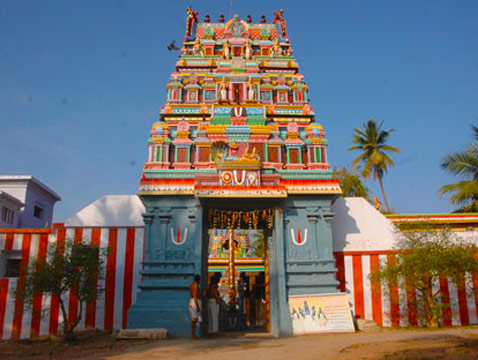
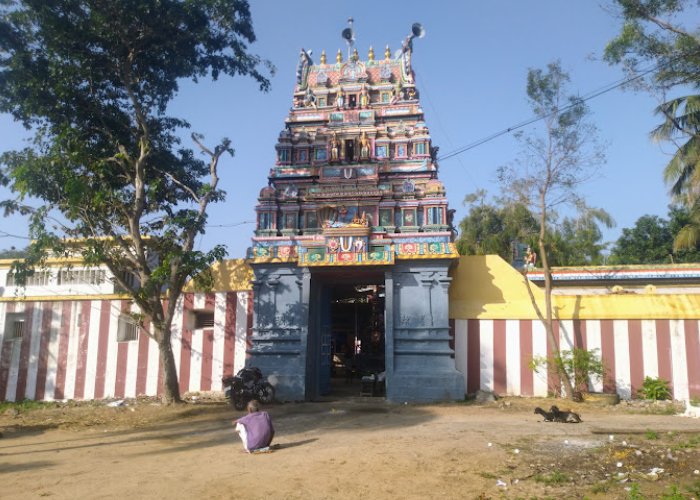
Thiruthanjai Temple, Mamanikoil, Thanjavur, Tamil Nadu
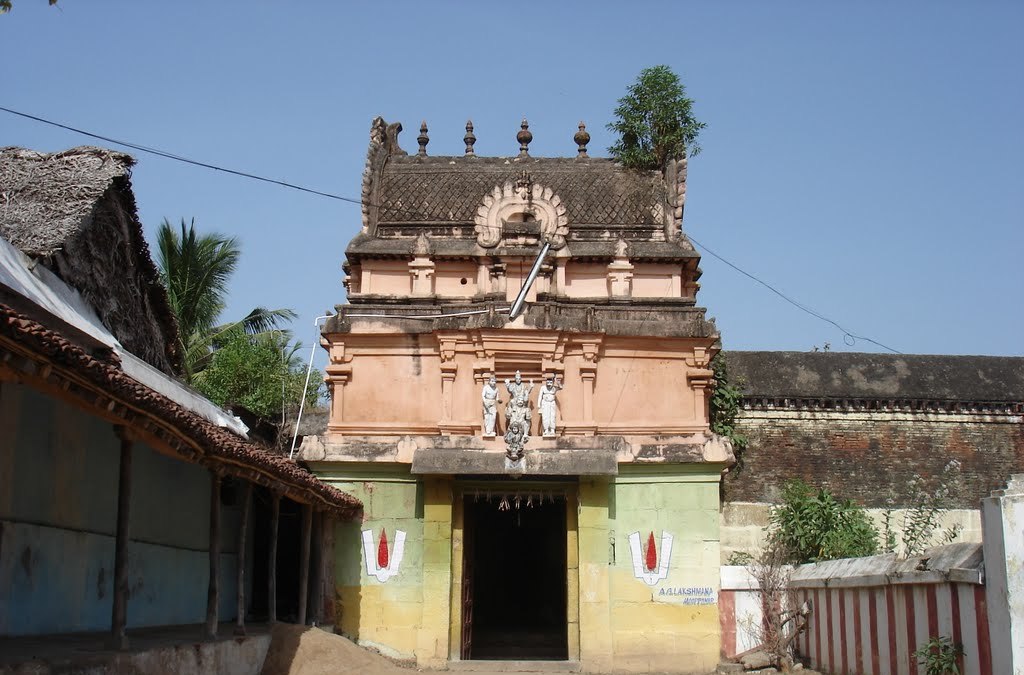
Thiruthanjai Temple, or Thanjai Mamani Koil, sits in Thanjavur, Tamil Nadu. It’s a group of three Vishnu shrines treated as one Divya Desam out of the 108 holy sites praised by the Alvars. This setup stands out because all Alvar hymns mention the three together.

A story from the Brahmanda Purana explains the temple’s start. In the Treta Yuga, three demons: Tanchakan, Tantakan, and Kacamukan, got boons from Shiva. They turned powerful and arrogant. They disturbed sage Parashara during his penance here. Vishnu acted first. He used his Sudarshana Chakra to kill Tanchakan. The demon begged for mercy. Vishnu spared him but named the place Thanjavur after him. Kacamukan faced Vishnu as a yali, a mythical beast. Vishnu slew him that way. Tantakan fled to Srimushnam. Vishnu took the Varaha boar form there to end him. Each shrine marks one victory: Manikundra Perumal for Tanchakan, Veera Narasimha for Kacamukan, and Neelamegha for the overall tale. The core message? Divine power curbs evil when it harms the good.

The temples date back far. Medieval Cholas donated land and built parts. Vijayanagara kings and Madurai Nayaks added more later. Granite walls enclose all three shrines now. Thanjavur’s Chola history ties in. Raja Raja Chola I built the nearby Brihadeeswarar Temple in the 11th century. This area saw the Chola rise under Vijayalaya in 850 CE. Marathas took over in 1674 under Ekoji I. No big upheavals hit these shrines directly. But Thanjavur’s royal patrons kept them alive. Alvars like Nammalvar, Thirumangai Alvar, and Bhoothathalvar sang of them in the 7th-9th centuries. That sealed their Divya Desam status.

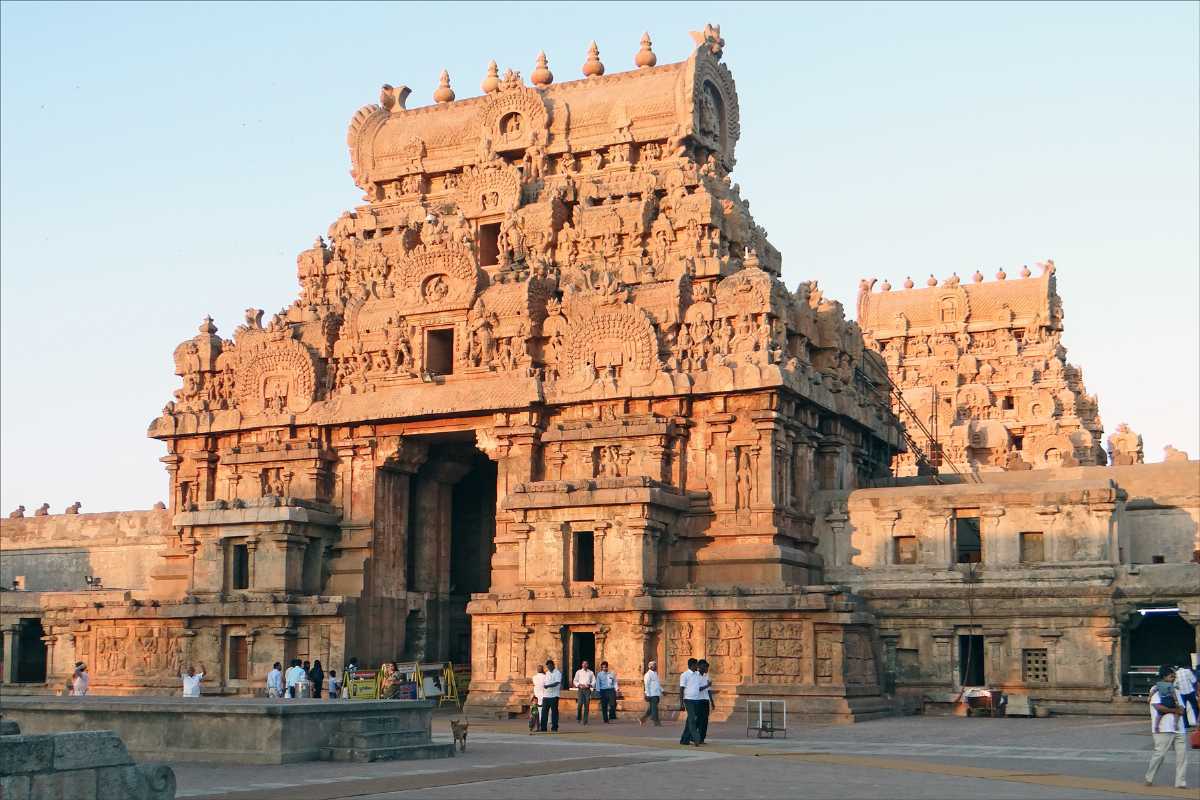
The three temples hug the Vennaaru River banks. Each faces east with simple designs. No tall gopurams dominate like in bigger Chola spots. The Manikundra Perumal shrine is small. Lord and consort sit together inside. It’s elevated. Nammalvar’s poems point to this one. Ambujavalli Thayar has her own spot nearby. Rama Theertham serves as the tank. Neelamegha Perumal has a three-tiered Rajagopuram. The deity stands in veetrirunda pose. Sengamalli Thayar gets a separate shrine. Images of Hayagreeva, Alvars, Garuda, and Vedanta Desikar line the walls. Amrutha Theertham is the tank. Veera Narasimha Perumal, or Thanjiyali Nagar, shows the lord seated, giving darshan to sage Markandeya. A flat entrance tower leads in. Vedasundara Vimana crowns the sanctum. Surya Pushkarani is the water body. All follow Dravidian style but stay modest.

Priests follow Vadakalai Srivaishnava ways. Three daily pujas run from 7:30 a.m. to 8 p.m. Each has alangaram, food offerings, and lamp waving for Perumal and Thayar. Nagaswaram pipes and tavil drums play. Vedas get chanted. Weekly, monthly, and fortnightly rites add on. Brahmotsavam spans Panguni, Chittirai, and Vaikasi months. Vaikasi’s Garuda Sevai brings 18 Garuda idols from other temples. Diwali, Chitra Purnima, and Vaikuntha Ekadashi draw crowds. Locals join processions. Community cooks prasadam. Iyengar priests handle it all. No special quirks stand out, but the three-in-one worship feels unique.

Reach Thanjavur by train, its station is key. Trichy Airport is 70 km away. Buses and roads link easily from Chennai or elsewhere. The temples sit close to town, near the Big Temple. Walk from Thanjavur bus stand in minutes. Vennaaru River adds calm. Locals offer simple stays or eateries. Devotees share tales of peace here, away from tourist rush. One story lingers: a pilgrim felt three energies merge during sunset darshan. Surroundings mix farms and history. Ride past paddy fields. Thanjavur’s heat demands early visits. Hospitality runs warm, tea stalls chat about Alvar songs.
Alvars shaped its fame. Nammalvar praised Manikundra in pasurams. Thirumangai Alvar hit Mamanikoil. Bhoothathalvar sang of Narasimha. Naalayira Divya Prabandham keeps them alive in recitals. Thanjavur paintings might echo Vishnu forms, though not directly. Local identity ties to Chola glory. Festivals blend with city events. No big music or art tales specific, but it feeds Vaishnava bhakti across Tamil Nadu. Society sees it as a protective spot. Narasimha’s fury with Lakshmi’s calm teaches balance. Legends spread in stories, not epics.

The Hindu Religious and Charitable Endowments Department runs it with Thanjavur Palace Devasthanam. Daily crowds stay steady, mostly locals. Tourism grows with Big Temple visitors, and no major restorations have been noted lately. Festivals pull families. Young folks join Garuda Sevai. Online darshan options popped up post-pandemic. Demographics skew Tamil families, some from cities. Management keeps it clean, but crowds test during peaks. It draws steady pilgrims, no big tourist boom, but the focus stays on worship.

Thiruthanjai fits the Divya Desam circuit as a quiet triple gem. It shows Vishnu’s forms beating demons, linking to 84 Tamil Nadu sites. In India’s spiritual map, it holds Vaishnava roots from the Alvar times. The site reminds one of simple power over evil, and the Chola lands keep it breathing.

In My Hands Today…

Lost Islamic History: Reclaiming Muslim Civilisation from the Past – Firas Alkhateeb

Islam has been one of the most powerful religious, social and political forces in history. Over the last 1400 years, from origins in Arabia, a succession of Muslim polities and later empires expanded to control territories and peoples that ultimately stretched from southern France to East Africa and South East Asia.

Yet many of the contributions of Muslim thinkers, scientists and theologians, not to mention rulers, statesmen and soldiers, have been occluded. This book rescues from oblivion and neglect some of these personalities and institutions, while offering the reader a new narrative of this lost Islamic history. The Umayyads, Abbasids, and Ottomans feature in the story, as do Muslim Spain, the savannah kingdoms of West Africa and the Mughal Empire, along with the later European colonization of Muslim lands and the development of modern nation-states in the Muslim world.

Throughout, the impact of Islamic belief on scientific advancement, social structures, and cultural development is given due prominence, and the text is complemented by portraits of key personalities, inventions and little known historical nuggets. The history of Islam and of the world’s Muslims brings together diverse peoples, geographies and states, all interwoven into one narrative that begins with Muhammad and continues to this day.

Sacred Stones, Spaces, and Stories: Divya Desams Part 8

Thirukannamangai Temple, Thirukannamangai, Tamil Nadu
The Thirukannamangai Temple is situated in the village of Thirukannamangai, near Thiruvarur, and is dedicated to Lord Vishnu as Bhaktavatsala Perumal, the lover of devotees, and his consort, Lakshmi, as Bhaktavatsala Nayaki. One of the Divya Desams, the site is also known as Krishna Mangala Kshetram, the place of Vishnu’s cosmic marriage to Lakshmi. A beehive in the goddess’s shrine adds a unique element to its rituals. Devotees visit for blessings related to marriage, relief from curses, and spiritual liberation.​

Lakshmi emerged from the churning of the ocean but felt shy about approaching Vishnu. She retreated to a forest in Thirukannamangai to perform penance. Vishnu left his abode in the ocean to marry her here. The devas witnessed the union and, in their joy, transformed into bees that have remained in her shrine ever since. This event gave the place the name Lakshmi Vanam, or the forest of Lakshmi, marking it as the site of their eternal marriage.​

Other legends enrich the temple’s lore. Varuna regained his noose weapon, lost to Ravana, through prayer at this spot. Sage Markandeya performed penance for immortality and became one of the chiranjeevis, or eternal beings. Chandran, cursed with a wasting disease for his sin against Brihaspati’s wife, bathed in the Darshana Pushkarani tank and found a cure. The sage Romasa narrated the story of Nala to the Pandavas during their exile. Brahma washed Vamana’s feet, and the drops formed the sacred tank. Brahmi bathed here instead of the Ganga. Shiva stands guard at the four corners. Staying one night is said to grant moksha.​

The Cholas constructed the temple in the 8th and 9th centuries. Three inscriptions record their land grants and donations. The Thanjavur Nayaks made later additions. The Padma Purana and Brahmanda Purana reference the site. Thirumangai Alvar’s hymns elevated it to Divya Desam status. Floods and decay prompted restorations by locals over time.​ The beehive ritual honours the devas uniquely. Shiva’s presence at the corners is rare in Vishnu temples. These features set it apart in the region’s sacred landscape.

A granite wall encloses the temple complex. The five-tier Rajagopuram faces east and welcomes visitors. The Utpala Vimana rises above the sanctum. Inside, Bhaktavatsala Perumal stands in four-armed form, holding conch, discus, mace, and lotus. The Nayaki shrine houses the beehive. The Darshana Pushkarani tank lies nearby. Pillars feature carvings of Vishnu’s avatars, the ocean churning, and wedding scenes.​ The design follows classic Dravidian style with Chola foundations and Nayak embellishments. No radical innovations are apparent, but the layout strikes a balance between compactness and openness. Elements evoke the marriage theme throughout.

Six pujas occur daily from dawn to dusk. Priests dress the deities, offer food, and perform lamp ceremonies. Nagaswaram and tavil provide music. Chants from the Divya Prabandham fill the air. The Brahmotsavam in Panguni draws large crowds. Vaikunta Ekadasi opens special gates. Monthly bee pujas honour the devas. Couples seek wedding blessings here.​ Locals sponsor community meals, clean the shrines, and participate in processions. These practices strengthen village bonds.

To get to the temple, one needs to travel 10 km from Thiruvarur through flat fields. The village feels quiet and welcoming. Shops near the gate sell flowers and coconuts. Bathe in the tank to cleanse curses. Darshan proceeds smoothly on weekdays. The hum of bees in the Nayaki shrine creates a living link to the legends.​ Villagers share stories like Chandran’s cure. Paths through remnant forest areas recall Lakshmi’s penance. The calm atmosphere supports quiet prayer and reflection.

Thirumangai Alvar’s paasurams are recited in every puja. They inspire songs and dances during festivals. The bee legend features in local tales. The village views the temple as a marriage blessing spot. Hymns connect it to the broader Alvar tradition. Art depicts the shy Lakshmi and a buzzing hive.​ In society, it aids unions and curse removal. Its influence stays strong locally rather than widespread. The HR&CE department oversees operations. Restorations maintain walls and repaint the gopuram. Festivals attract mostly locals, with some from temple tours. Devotees come for marriage rites and dosha nivarana. Online bookings increase access. The bee ritual persists unchanged.​

Thirukannamangai holds a place in the Divya Desams as the forest of divine marriage. Myths show devotion drawing the god to earth. Chola architecture endures floods and time. Bees symbolise lasting joy from the wedding.​ The deva-bee connection delights but raises questions. In the circuit, it links ocean myths to land unions. For Indian heritage, it teaches that sincere penance wins the divine. Visit and listen to the hum. Consider what your heart calls forth.

Thirukannapuram Temple, Tirukannapuram, Tamil Nadu
Thirukannapuram’s Neelamegha Perumal Temple, better known today as Sowriraja Perumal Temple, stands in the village of Thirukannapuram near Nagapattinam in Tamil Nadu. The presiding deity is Neelamegha Perumal, a dark, rain-cloud–hued Vishnu, with his consort Thirukannapura Nayagi. In practice, many devotees relate to him through the utsava murti, Sowriraja Perumal, “the lord with the wig,” whose very form comes from a story of loyalty, risk, and divine intervention.​

You can already see the tension in that nickname. Why would an all-powerful god need a wig? That is where the temple’s central legend pushes you to think about how far grace will go to protect a devotee, even when the devotee is flawed.

One of the most striking legends here involves Rangabhatta, a priest deeply devoted to Neelamegha Perumal. Each day, a courtesan offered a garland to the deity, but she would first wear it herself before handing it to the priest. Rangabhatta knew that this was not proper ritual practice, but he valued her devotion and continued the arrangement. One day, the local king visited, received the garland as prasadam, and found a hair in it. Suspicious, he demanded an explanation. The priest, cornered, said the hair belonged to the deity himself. To test this, the king ordered the sanctum opened so he could inspect the image.​​

At this point, the story takes its sharp turn. According to the Sthala Purana, when the king looked at the murti, he saw that Vishnu had manifested with long hair, a sowri, to match Rangabhatta’s claim. The king accepted this as proof, spared the priest, and the deity has since been known as Sowriraja Perumal. The theological claim here is strong: the god changes form to protect a devotee from the consequences of mixed motives and compromised practice. If you push on the logic, it is uncomfortable. Should a deity endorse a lie and casual ritual impurity? The legend answers by shifting the focus. It rewards loyalty and the priest’s basic trust, while still leaving you to wrestle with the cost of bending rules. The temple, in that sense, is not selling neat moralism; it is selling a god who prioritises relationship over clean narratives.​​

Another legend comes from the Padma Purana. King Vasu, also called Uparisravas, had the strange gift of flying through the skies. He used this power to hunt down demons who harassed the world. One day, flying over Thirukannapuram, he mistook a group of sages in deep meditation for asuras and attacked. Vishnu appeared as a sixteen‑year‑old boy, defeated Vasu, and revealed his true form only after humbling him. When the king realised what he had done, he begged forgiveness and asked that Vishnu marry his daughter Padmini. Vishnu agreed. This story gives the temple a marriage axis: Vishnu here is not only the god with long tresses but also the son‑in‑law of Vasu, another pattern where divine grace cleans up human misjudgement without erasing responsibility.​

There is also a darker thread involving Indra and Brahmahatti dosha. In one line of tradition, Indra kills the demon created by Dwashta, then spends ages haunted by the sin of killing a brahmin or someone protected by the sacred order. Various versions tie his relief to worship here, and extend the story into Nahusha temporarily taking Indra’s place, misusing power, and getting cursed into a serpent form. These episodes say plainly that even the king of the gods is bound by moral law, and that misuse of power, even under the cover of “doing the right thing”, carries a cost that cannot be wished away.​

If you’re willing to question the details: why a wig, why flying kings, why this one village as the stage?, you get to the underlying themes. The temple’s myths lean hard on three points: God will go to strange lengths to protect his devotees; power, even divine or kingly, is accountable; and appearances mislead, whether it is a courtesan’s garland or sages mistaken for demons.

Architecturally and epigraphically, Thirukannapuram is rooted in the Chola period. The core temple structure is generally dated to medieval Chola times, with substantial later expansions under the Thanjavur Nayaks. Inscriptions record land grants, lamps, and endowments for festivals, showing that this was not a marginal shrine but an active religious and economic node.​ Over time, the temple acquired an identity as one of the five Krishnaranya or Pancha Krishna Kshetrams, alongside Thirukannangudi, Kabisthalam, Thirukannamangai, and Thirukovilur. That networked identity mattered politically and ritually. It tied different localities into a shared story‑world of Krishna and Vishnu devotion, while still allowing each temple a distinctive myth, here, the wig and the flying king.​

Some local traditions claim that the temple complex once extended all the way to the sea, suggesting either coastal recession or partial loss of property over time. You can’t verify that neatly, but it aligns with the broader pattern of large temple estates being carved up, encroached upon, or re‑purposed through colonial and post‑colonial land reforms. So when people say “it once reached the shore,” what they are also saying is “we remember when this place felt bigger, both physically and in social reach.”​

Thirukannapuram is a textbook Dravidian complex, but on a large and expressive scale. A seven‑tier rajagopuram dominates the entrance, with a granite wall enclosing the shrines and three of the temple’s seven water bodies. Immediately in front lies a huge temple tank, Nithya Pushkarani, which shapes the visual approach and the ritual calendar.​​ The main sanctum houses Neelamegha Perumal, flanked by Sridevi and Bhudevi, with Garuda and sage Dandaka also present in close proximity. The utsava murti, Sowriraja Perumal, is the one most associated with processions and the wig legend. In many depictions, his discus is shown ready to be hurled, tied to another story where he supposedly used it to repel a hostile king’s forces. That posture stands out against the more static discs of many other Vishnu images.​

The temple follows the usual granite‑base, brick‑superstructure pattern, with mandapams filled with sculpted pillars. You see scenes from the puranas, Alvar figures, yalis, and ornamental work that likely received Nayak‑period embellishments. There is no single “innovation,” but two things are notable. First, the scale: for what is now a quiet village, the gopuram and tank feel oversized, hinting at a time when this was a central hub. Second, the way narrative and space merge: the long hair of the lord, the youthful form for Vasu, and the discus story all get encoded in iconography and procession routes.

Daily worship follows standard Vaishnava agamic patterns, with six main pujas from early morning to late evening. Each involves alankaram, neivedyam, and deepa aradanai, against a soundtrack of nagaswaram, tavil, and recitation of Divya Prabandham verses. The theology here is simple but demanding: the deity must be treated as a living, royal presence, fed and honoured on time, every day, without fail.

Three annual festivals stand out. The chariot festival in Vaikasi (roughly April–May) brings out the temple car in a major procession around the streets. Brahmotsavams and Vaikunta Ekadasi celebrations draw regional crowds. Given the Sowriraja legend, there is also continuing emphasis on the daily garland offerings and on seva roles that tie back to the priest–king tension at the heart of the story.​​ Local families sponsor parts of the festivals, provide lamps and oil, and help with crowd management and annadanam. That is not just piety; it is also a way of signalling status and continuity. If you think critically, you might ask whether this reinforces caste and class hierarchies. It often does. At the same time, these same structures have kept the temple functioning in periods when state support was thin or inconsistent.

Reaching Thirukannapuram usually involves travelling from Nagapattinam, Nannilam, or nearby towns, through flat delta fields, irrigation channels, and small hamlets. The temple gopuram rises above the village houses and is visible from a distance, framed by the sky and, often, flocks of birds over the tank. The approach is typical: rows of small shops selling flowers, coconuts, oil, and pictures of Sowriraja Perumal; children playing near the tank steps; and elders seated in shade, watching arrivals. Inside, Darshan is usually manageable on non‑festival days. You can stand for a while before Neelamegha Perumal, take in the dark stone glow, and then move to the utsava murti, looking for the subtle hair detailing that marks him as Sowriraja.

Many pilgrims come specifically for graha dosha and general trouble relief, because local belief holds that the lord’s gaze falls on the navagrahas here and reduces planetary afflictions. Others come for marital, career, or health reasons. One pattern you hear in people’s stories is this: “I came here when nothing else worked.” The legends reinforce that frame: Rangabhatta boxed in by a king, Vasu humbled after violence, Indra burdened by brahmahatti, people at a breaking point, seeking a creative, even unlikely, outlet.​

As a Divya Desam, Thirukannapuram features in the Nalayira Divya Prabandham, anchoring it firmly in the Sri Vaishnava sacred geography. Those hymns continue to be sung daily, which means the temple is not just a backdrop but a participant in an ongoing poetic recitation that spans centuries. That alone gives it more cultural “weight” than many structurally similar but unsung shrines.​ The Sowriraja story has had a long afterlife in discourse about bhakti. It is often cited as an example of the lord taking the devotee’s side even when the devotee is technically wrong. That can be inspiring, but it can also be misused to justify sloppy practice or blind loyalty to human gurus. A sharper reading would say: grace does not erase consequences, but sometimes overrides them in specific, relational contexts, something you cannot universalise cheaply.

The temple also sits among the Pancha Krishna/ Krishnaranya kshetras, which support shared festivals, itineraries, and storytelling across multiple sites. In local identity, being from “Sowriraja Perumal koil” country carries a certain pride, especially for those in traditional Vaishnava lineages and temple‑service families. Visual culture: calendar art, posters, and sand mall framed prints often depict the lord with flowing hair, making this one of the more visually distinctive Vishnu images in the region.​

Today, the temple functions under the Tamil Nadu HR&CE administration, with daily worship and festivals continuing alongside periodic renovation works. Gopuram painting, stone‑work consolidation, and tank desilting come up in cycles, driven by a mix of state funds and donor contributions. There is also growing digital visibility through videos, live‑streams, and social media posts that narrate the Sowriraja story in simplified form.​​

Visitor demographics are mixed: local devotees who see it as their “home” Vishnu temple; Divya Desam circuit pilgrims trying to cover all 108 shrines; and a smaller group of heritage‑minded travellers interested in inscriptions and architecture. One tension here is between turning these places into tourist checkpoints and preserving them as lived sacred spaces. The temple’s scale and slightly off‑main‑highway location have, so far, helped keep it more pilgrim‑oriented than tourism‑driven.​

If you look critically, you might ask whether the “miracle” narrative of the wig still makes sense in an age shaped by science and scepticism. The answer depends on what you expect from it. As history, it is unverifiable. As theology, it is a claim about divine involvement in messy, everyday crises. In psychology, it shows a community choosing to remember a moment when their god “took their side” against royal power. Those layers can all be true in different registers, without needing you to suspend all critical thought.

Within the Divya Desam circuit, Thirukannapuram stands out as a place where grace and risk collide. The wig legend, the flying king Vasu, and the Indra‑Nahusha episodes all push the same uncomfortable point: power and piety do not make you infallible, and divine help may come in forms that bend the rules to protect a relationship rather than to preserve a system. That is not an easy message if you prefer neat morality. It is a more realistic one if you accept that religious life happens in grey zones. The temple’s Chola‑Nayak architecture, its large tank and seven‑tier gopuram, and its continued recitation of Alvar hymns root it deeply in South Indian sacred history. At the same time, the stories it carries still speak to modern dilemmas: fear of authority, anxiety about mistakes, the hope that someone greater might step in when the consequences feel unbearable. Engaging with Thirukannapuram on those terms; not as a miracle factory, but as a long conversation about loyalty, accountability, and mercy, lets the place do more than just sit on a checklist. It becomes a testing ground for how far you think compassion should go, and what it might cost.

Sacred Stones, Spaces, and Stories: Divya Desams Part 7

Thirukudanthai Temple, Kumbakonam, Tamil Nadu
Also known as the Sarangapani Temple, the Thirukudanthai Temple, located in Kumbakonam, is renowned for its dedication to Lord Vishnu in the reclining posture as Sarangapani, “the one with the bow.” Not only is the temple a vital part of the religious and cultural fabric of South India, but it also boasts rich historical significance and architectural grandeur that have captivated devotees and historians alike.

The mythology surrounding the temple is interwoven with grand cosmic stories and deep spiritual symbolism. According to legend, the sage Bhrigu once sought to determine the most dutiful of the Trimurti: Brahma, Vishnu, or Shiva. He visited them and, in annoyance at Vishnu’s initial silence while with Goddess Lakshmi, kicked Vishnu on the chest, the very seat of Lakshmi. This act angered the goddess, leading her to descend to earth in the form of Sita. Vishnu followed, hiding beneath the earth in the form called Pathala Srinivasa, an aspect worshipped in this temple’s subterranean shrine. The grand story of the cosmic nectar (Amrita) held in a pot by Brahma that slipped during the Pralaya (great deluge) and scattered pieces of itself across Kumbakonam shapes the lore of the region and the temple’s religious context. The temple features shrines echoing this narrative, including the sacred Potramarai tank, symbolising the lotus where Lakshmi’s penance took place, thereby completing the cosmic cycle of separation and reunion.

Historically, the temple can be traced back to the 7th century, with Pallava king Mahendravarman initiating some of the earliest structures. The temple expanded under Chola rulers and later saw significant renovations by Vijayanagara kings like Krishnadeva Raya. The ancient inscriptions, temple architecture, and cultural practice reflect layers of patronage, religious evolution, and the continuous importance of this shrine. The temple’s association with key saints like Thirumangai Alvar and its place in Tamil devotional literature further consolidate its spiritual prominence.

Architecturally, the temple is a masterpiece of Dravidian design. It famously appears as a colossal stone chariot, drawn by elephants and horses, that is intricately carved and dominates its surroundings. The sanctum houses the reclining Sarangapani Lord with a graceful, serene posture, symbolising divine rest and cosmic tranquillity. The vimana and gopurams exhibit vivid sculptural depictions of divine narratives, celestial beings, and sacred symbols that invite devotees to journey visually through Hindu mythos. The temple includes multiple halls, corridors, and subsidiary shrines, including a unique subterranean shrine honouring the Pathala Srinivasa aspect of Vishnu. Surrounding temple tanks are integral to rituals and symbolically connect with the cosmic origin myths.

Daily worship at Sarangapani Temple is an elaborate affair, involving six pujas from dawn till dusk. Each follows traditional agamic rites with stages of decoration, food offerings, lamp waving, and musical accompaniment featuring nagaswaram and tavil drums. Major festivals such as the Brahmotsavam in the Tamil month of Panguni, Vaikunta Ekadasi, and float festivals bring throngs of devotees. These festivals not only enliven the religious calendar but also cement community bonds through annadhanam (community feasting), ritual performances, and processions where the deity tours the town.

Pilgrimage to the temple is a richly sensory experience. Kumbakonam, known as the temple city, is accessible from major Tamil Nadu cities by road and rail. Upon reaching Sarangapani Temple, the confluence of sacred geography, bustling market stalls, fragrant flower vendors, and rhythmic temple music creates an immersive atmosphere. The temple stands towering amidst crowded lanes yet offers calm within its precincts. Pilgrims often combine this visit with other nearby sacred spots within Kumbakonam’s religious circuit, appreciating each shrine’s unique history and spiritual offering.

The temple’s cultural impact is far-reaching. As a core setting for devotional Tamil literature and poetry, particularly in the Nalayira Divya Prabandham, Sarangapani Temple shapes the devotional identity of millions. Its architectural grandeur inspired art and temple design across South India. Music and dance festivals here preserve classical traditions while creating a living culture grounded in myth and ritual. Locally, the temple forms a central hub for religious and social gatherings, festivals, and rites of passage, influencing daily life and regional identity.

In modern times, Sarangapani Temple is under the management of the Tamil Nadu Hindu Religious and Charitable Endowments Department. Restoration and conservation activities safeguard the temple’s ancient sculptures, paintings, and structures, balancing heritage protection with the needs of growing pilgrim numbers and tourism. Technological advancements have been embraced, with digital darshan and festival streams extending the temple’s reach beyond physical boundaries.

The Thirukudanthai Sarangapani Temple stands as a beacon of spiritual heritage, architectural excellence, and living tradition, anchoring the Divya Desam circuit in Tamil Nadu. It invites devotees and visitors to reflect on cosmic stories, participate in community devotion, and experience the divine at the intersection of myth, history, and culture. Its continuous worship, artistic wealth, and symbolic narratives make it a pivotal site, affirming the enduring vibrancy of India’s sacred landscapes.

Thiruvinnagar Temple, Tirunageswaram, Tamil Nadu
Thiruvinnagar Temple, also known as Uppiliappan Temple, located in Tirunageswaram near Kumbakonam, is a renowned Divya Desam dedicated to Lord Vishnu. Revered for its distinctive theological and cultural heritage, the temple is noted especially for its unique tradition of offering unsalted prasadam, aligning closely with its rich body of legends and devotional practices that emphasize purity, penance, and grace.

The mythology of Thiruvinnagar centres on Lord Vishnu as Uppiliappan, an avatar who is believed to have appeared to sage Markandeya and other deities, including Bhudevi, Brahma, and Shiva. A principal legend involves the sage’s thousand-year penance leading to the manifestation of Lakshmi as a baby beneath the Tulasi plant, symbolising purity and devotion. Another narrative linked to the temple explains why no salt is used in offerings: it is said that Vishnu accepted only unsalted food during his appearance here, a practice honouring his compassion and an ancient vow. This abstention from salt symbolises spiritual cleansing, distancing from worldly impurities and karmic burdens.

Historically, the temple’s foundation lies in the medieval Chola period, with the Pallavas potentially marking its earliest structures. The Vijayanagara and Nayak dynasties contributed significant architectural and ritual enhancements. The temple complex, consisting of a towering rajagopuram, engraving-filled mandapams, and expansive temple tanks, reflects classical Dravidian architecture symbolising both divine majesty and human devotion. Its scale, though grand, maintains an intimate atmosphere conducive to continuous worship. Notably, the temple accommodates a hallowed bed chamber, Tiruppalliarai, filled with ornamental mirrors where the deity rests, symbolising divine presence and cosmic reflection.

Ritualistic practices follow the Vaishnava Pancharatra Agama traditions and adhere to the Vadakalai sect’s nuances. Six daily pujas choreograph the temple’s spiritual rhythm, involving elaborate adornment, food offerings (prepared without salt), and lamp waving accompanied by nagaswaram and tavil. Major festivals like Brahmotsavam during Panguni and Vaikunta Ekadashi punctuate the temple calendar, infusing the sacred rhythms with vibrant communal participation. The temple also hosts monthly events such as Sravanam, highlighting the lighting of the Shravana deepam as an auspicious ritual believed to aid spiritual progress.

Pilgrimage to Thiruvinnagar is intertwined with journeys to nearby prominent temples in Kumbakonam and Tiruchirappalli, fostering a network of sacred sites along the Kaveri. The approach, through fertile fields and serene rural landscapes, shifts visitors into contemplative moods before reaching the solemn sanctum. Local hospitality, with its flower vendors and small eateries, balances the spiritual with the mundane, enriching the pilgrimage experience. Devotees often partake in sacred dips in temple tanks and observe rituals aimed at familial harmony, fertility, and relief from ancestral curses.

Culturally, Thiruvinnagar Temple’s impact pervades devotional music, literature, and local customs. Its unique emphasis on unsalted prasadam links myth to everyday practice, folding physiological abstention into spiritual aspiration. Alvar hymns dedicated to Uppiliappan echo in rituals, preserving ancient Tamil devotional legacies. The temple’s festivals influence local arts, including classical music and dance, anchoring community identity in shared heritage and collective spirituality.

Modern governance of the temple by the Tamil Nadu Hindu Religious and Charitable Endowments Department ensures its upkeep, ritual continuity, and social engagement. Conservation projects preserve sculptures and murals, balancing heritage needs with the influx of pilgrims and tourists. Advances like live streaming of festivals and online booking have expanded the temple’s accessibility while retaining its traditional charm. Visitor demographics remain diverse, with predominantly local and regional devotees and an increasing number of heritage tourists drawn by the temple’s storied past and unique practices.

The Thiruvinnagar Temple stands as a unique confluence of myth, history, and devotion within the Divya Desam circuit. Its narratives of penance and grace, intertwined with distinctive practices like unsalted offerings, invite reflection on purity, humility, and cosmic balance. The temple’s architectural beauty and ritual vitality continue to foster deep spiritual engagement, making it a vibrant centre for Hindu faith and Tamil cultural heritage. For pilgrims and visitors alike, Thiruvinnagar offers a profound encounter with divine compassion and the enduring human quest for spiritual renewal.

Thirunaraiyur Temple, Nachiyar Kovil, Tamil Nadu
Thirunaraiyur Temple, commonly known as Nachiyar Kovil, is a celebrated Divya Desam located about 10 kilometres from Kumbakonam. Dedicated to Lord Vishnu as Narayur Nambi or Srinivasa Perumal and his consort Lakshmi as Vanchulavalli Thayar or Neela Devi Nachiyar, this temple holds a special place in the Vaishnavite tradition. Renowned for its unique representation of the goddess taking precedence over the god, it is a spiritual beacon where devotion, mythology, and architecture blend gracefully to create a profound religious experience.

The temple derives much of its significance from its rich mythology. According to tradition, the sage Medhavi was performing intense penance by the banks of the Manimuthar River. During his ritual bath, he found a divine image of Chakratalvar, Vishnu’s discus, entwined with Yoga Narasimha. Inspired by a celestial voice, the sage established this image in his hermitage and consecrated it. Simultaneously, the goddess Lakshmi, in the form of Neela Devi, chose to manifest herself as a charming young girl, appealing to the sage to become her guardian. In time, Lakshmi was married to Vishnu with the sage’s blessing, with the condition that the goddess would always be honoured first in worship, reflecting the temple’s unique ritual stance. This precedence of the goddess ensures the temple is often referred to as ‘Nachiyar Koil’ or ‘Temple of the Goddess’.​

The temple also has associations with King Kochengat Cholan, a prominent ruler of the early 3rd century CE, notable for his devotion and architectural contributions across Tamil Nadu. Unique among his constructions, the Thirunaraiyur Temple is the only Vishnu temple built by him among seventy Shiva temples. The temple architecture reflects layers of permission, patronage, and renovation from later Chola and Vijayanagara dynasties, blending Dravidian architectural styles with regional influences. Inscriptions document contributions and the temple’s continuous significance in religious and social spheres.​

Architecturally, the temple impresses with its intricate design. The five-tiered Rajagopuram towers over the eastern entrance, leading devotees into the serene Neenila Mutram hall, which houses the dvajasthamba (flagstaff) and balipeeda (sacrifice altar). The main sanctum houses Narayur Nambi in a standing posture, accompanied by Vanjulavalli Thayar. The amalgamation of sculptures around the temple portrays various forms of Vishnu, the Alvars, and celestial beings, intricately carved to reflect mythological narratives. The temple also boasts the famous ‘Kal Garuda’ idol, linked to a local legend where the sculptor’s frustration led to the Garuda’s flight whenever a new image was created, epitomising the living energy of divine art.​

Daily rituals at Thirunaraiyur Temple adhere to the Pancharatra Agama, under the Vadakalai tradition. Six carefully timed pujas throughout the day involve adorning the deities, offering meals, and performing lamp ceremonies, all orchestrated to maintain a continuous devotional atmosphere. Music played on traditional instruments like the nagaswaram and tavil reverberates within the temple precincts, accompanied by devotional singing of the Nalayira Divya Prabandham hymns. Annual festivals such as Brahmotsavam during Margazhi and special celebrations for the goddess highlight the temple’s vibrant religious calendar, engaging devotees in communal participation and shared spiritual renewal.​

Pilgrimage to Thirunaraiyur is often integrated within the broader temple circuit of Kumbakonam, facilitating an enriched pilgrimage experience amid the lush green landscapes of Tamil Nadu’s riverine plains. Accessible by well-maintained roads with transport facilities, the temple welcomes pilgrims who often recount stories of the goddess’s compassion and power, as well as the unique position she holds within the sanctuary. The peaceful ambience offers devotees moments for reflection amidst ritualistic chanting and temple bells, reaffirming a living connection to ancient traditions.​

Culturally, the temple heavily influences Tamil Vaishnava liturgy and arts through its celebrated Alvar hymns. It holds a special place in devotional music with compositions sung during rituals and festivals, thus weaving sacred literature into the fabric of daily worship. The precedence given to the goddess over the male deity challenges conventional temple hierarchies, highlighting inclusivity and balance in spiritual practice. This dynamic has left an imprint on local social customs, inspiring tales, art, and performances that celebrate divine feminine power.​

In contemporary times, the temple operates under the administration of the Tamil Nadu Hindu Religious and Charitable Endowments Department, which oversees its maintenance, rituals, and festival coordination. Restoration projects have preserved its architectural grandeur and sculptures, ensuring the temple’s heritage is safeguarded against time and environmental factors. Visitor profiles range from local devotees seeking blessings and spiritual solace to cultural tourists exploring the temple’s rich history and artistry. Efforts to modernise operations through digital platforms have increased accessibility while retaining the temple’s traditional sanctity.​

The Thirunaraiyur Temple embodies the harmonious blend of devotion, cultural depth, and historical resilience within the Divya Desam circuit. Its unique mythologies, anchored in the precedence of the goddess and profound spiritual teachings, invite visitors to experience a nuanced facet of Hindu worship that balances reverence, equality, and divine grace. As an enduring symbol of Tamil Nadu’s living spiritual heritage, it offers both pilgrims and scholars insight into the complex interplay of faith, art, and community in shaping sacred spaces.

Thirucherai Temple, Tirucherai, Tamil Nadu
Thirucherai Temple stands as one of the revered Divya Desams, situated in the serene village of Tirucherai near Kumbakonam in Tamil Nadu. Dedicated to Lord Vishnu in his form as Saranatha Perumal and his consort Saranayaki, the temple holds deep spiritual significance for devotees. Located between the flowing waters of the Cauvery and the Kollidam rivers, it is celebrated as a “Sara Kshetram” or sacred sand place, part of the Pancha Sara Kshetrams known for offering relief from debts and spiritual burdens. The temple’s association with Nammalvar’s hymns elevates it as a site of intense devotion and spiritual renewal.

The mythology behind the Thirucherai Temple is rich with cosmic significance. As the Kali Yuga’s end approached, Brahma faced the daunting task of preserving the Vedas, life seeds, and the sacred implements needed for creation’s rebirth. Guided by Lord Vishnu, Brahma sought the strength of sand from Tirucherai to fashion a pot to safeguard these sacred essentials. Attempts with clay from other regions failed, but the sand at Tirucherai proved resilient, forming an indestructible vessel that carried the essence of creation through the pralaya, a cosmic deluge, returning intact to this sacred land. Vishnu appeared here as Saranatha, the protector, to guard the pot and safeguard cosmic order.

The narrative intertwines with the story of the river Cauvery, which, feeling less sacred than the Ganges, performed penance for 3,000 years at this location. Pleased by her devotion, Vishnu blessed her with equal sanctity, a ritual celebrated annually during the Tamil month of Tula. The temple also narrates the tale of King Satyakeerthi, whose devout worship here granted him a son after years of longing. His minister, Narasa Boopalan, famously repurposed materials meant for another temple, building a shrine here overnight. Despite the king’s initial wrath, a divine vision persuaded him to forgive, underscoring themes of grace and reconciliation embedded within the temple’s history.

Historically, the temple’s foundation reflects the architectural patronage of the 9th-century Cholas, with evidence of contributions from Vijayanagara and Nayak dynasties. Floods common to the riverine landscape posed repeated challenges but were met with determined restoration. The temple’s intricate design and spiritual functions reflect its standing as a hub for ritualistic debt relief and cosmic preservation. Unique elements such as the pranava vimana, a rising structure symbolising the mystic syllable Om, alongside shrines dedicated to Rama’s footprints and sacred cows Kamadhenu and Nandini, entwine the spiritual with the tangible, capturing the temple’s layered significance.

Architecturally, Thirucherai Temple manifests exquisite Dravidian craftsmanship. The imposing five-tier Rajagopuram welcomes devotees from afar, signalling entry into a sacred realm. Granite walls encircle the complex, which houses multiple prakaram corridors, mandapams adorned with carvings of Vishnu’s avatars, floral motifs, and celestial beings. The sanctum mesmerises with its depiction of Saranatha reclining on Adisesha, calmly overseeing creation. The temple tank, named Potramarai, symbolises the amrita kalasa from the deluge story and supports ritual baths, merging natural and spiritual purification.

Devotional routines at Thirucherai are rigorous and immersive. The six daily pujas mark cycles of adorning the deities, offering cooked food sans salt, and ceremonial lamp rituals. Traditional instruments like nagaswaram and tavil accompany priestly chants of Vedic hymns and Divya Prabandham verses. The Brahmotsavam festival during the Tamil month of Chittirai draws large crowds, enlivening the temple precincts with music and procession. Vaikunta Ekadashi and Tula month festivities honour cosmic blessings and river sanctity. Local involvement ensures the temple remains a vibrant heart of community and faith through annadhanam and ritual participation.

Pilgrims access Thirucherai through Kumbakonam, travelling along lush fields nourished by the rivers. The village atmosphere is peaceful, inviting reflection before entering the temple’s sanctified precincts. Stores lined with flowers and puja items welcome visitors who often perform ritual bathing in Potramarai tank, contemplating rebirth and cosmic continuity. Stories of the minister’s temple-building adventure and flood defences circulate among locals, enriching the spiritual aura. The temple’s intimacy encourages deeper worship away from the crowds often found in major pilgrimage hubs.

Culturally, the temple’s echo in Tamil devotional literature sustains its vibrant identity. The Nalayira Divya Prabandham hymns sung here forge a living link between past and present. Folklore embedded in its legends informs community values, emphasising righteousness, restoration, and prosperity. While it may not command the spotlight of grander shrines, Thirucherai profoundly influences local identity and religious practice, inspiring festival dances, devotional music, and temple arts.

Today, administration by the Tamil Nadu Hindu Religious and Charitable Endowments Board ensures ongoing conservation amid increasing pilgrim activity. Restoration of the gopurams and protective walls reflects respect for heritage balanced with practicality. Technology opens new pathways for worship through online platforms, extending the temple’s reach beyond regional devotees. Visitors, both local and afar, come seeking spiritual refreshment, drawn by its stories of preservation and grace.

The Thirucherai Temple is a testament to the enduring power of faith and tradition. Its mythology narrates survival, devotion, and divine protection amid cosmic upheaval. The architecture embodies centuries of craftsmanship and layered history. Ritual and community life breathe vitality into the ancient stones. As a part of the Divya Desam circuit, the temple connects devotees to a deeper understanding of balance between preservation and change, justice and mercy, earth and the divine. Visiting Thirucherai invites one to witness a vibrant spiritual heritage gracefully balancing cosmic cycles with human devotion.

Sacred Stones, Spaces, and Stories: Divya Desams Part 6

Thirukavithalam Temple, Kabisthalam, Tamil Nadu
Thirukavithalam, better known today as Kabisthalam, is a small village temple on the banks of the Kaveri, near Papanasam in Thanjavur district. The is dedicated to Vishnu as Gajendra Varadha, “the one who granted grace to Gajendra,” with his consort Ramamanivalli Thayar. The place is also counted among the Pancha Krishna or Pancha Kannan temples, where Krishna is given special prominence in worship even though the presiding deity is another form of Vishnu. The name “Kabisthalam” comes from “kabi,” meaning monkey, because Hanuman is believed to have worshipped Vishnu here.

The temple is tightly tied to the Gajendra Moksham story. In that story, Gajendra is a devoted elephant king who lives by a lotus-filled lake. Every day, he picks lotuses from the pond and offers them to Vishnu with genuine love. One day, as he enters the water, a crocodile catches hold of his leg and drags him in. The struggle goes on for a long time. At some point, Gajendra realises his own strength is not enough. In pain and fear, he lifts his trunk, holds a lotus, and calls out to Vishnu for help.

At Kabisthalam, the story is given extra detail through curse narratives. King Indradhyumna is said to have been cursed by sage Agastya to be born as an elephant for his arrogance. A demon named Koohoo, who lived in the Kabila Theertham tank here and kept pulling the legs of bathers, was cursed by the same sage to become a crocodile. Agastya told Koohoo that his curse would end when he caught the legs of that cursed elephant. When Gajendra came to bathe here, the crocodile grabbed his foot. Gajendra cried out “Aadimoolame,” calling the primordial lord. Vishnu rushed to the spot, cut the crocodile with his discus, freed both beings from their curses, and granted moksha to Gajendra.

So this is not just a random rescue. It is the crossing point of two curses and one act of surrender. The core message is sharp: even kings and demons, when stripped down to an elephant and a crocodile stuck in a tank, have to admit they are not in control. Gajendra doesn’t get saved just because he is an elephant-king; he is saved because he finally calls out with complete dependence.

Another layer is Hanuman’s link to the site. It is said that Hanuman, the monkey warrior of the Ramayana, worshipped Vishnu here. Because of this, the place took on the name “Kabisthalam,” “monkey place.” In some local tellings, this is where Rama allowed Hanuman to see another, more subtle aspect of his divinity.

Stepping away from legend, the temple as a structure belongs to the medieval Chola period. It was likely built in the late 8th or early 9th century CE, with inscriptions and style pointing towards that era. Later, Vijayanagara rulers and the Madurai Nayaks added their own layers: gopurams, mandapams, and structural repairs. So what you see today is a Dravidian complex shaped over centuries, not a single frozen moment in time. The temple is praised in the Nalayira Divya Prabandham, the Tamil hymns of the Alvars, which anchors it in the devotional map of early medieval South India. Being on the fertile Kaveri belt, Kabisthalam was part of the network of agrarian temples that supported both religious life and the local economy. Land grants, irrigation rights, and temple festivals were all tied together; the temple was not floating above society but woven into it.

Because the Gajendra story is so central, this temple also became known by older names like “Yanai Katha Nallur,” the “good place where an elephant was protected.” Over time, Kabisthalam, Thirukavithalam, Gajendra Varadar Kshetram, and similar names all came to point at the same shrine. Floods, political changes, and periods of neglect have come and gone, but the core identity, Vishnu, who saved the elephant, has stayed steady.

Architecturally, the temple follows the classic Dravidian style. A granite wall encloses the campus, keeping together the shrines and temple tanks. The Rajagopuram is a five-tiered tower that marks the main east-facing entrance. Stepping under it, you enter the prakaram, with pillared halls and smaller shrines around the main sanctum. In the sanctum, Vishnu is worshipped as Gajendra Varadha, in a reclining posture called bhujanga sayanam, resting on Adisesha, the serpent. This is similar to other Ranganatha-style images, but here the association is with hearing Gajendra’s cry and responding, so the posture is read as one of relaxed readiness, not indifference. His consort, Ramamanivalli Thayar, has a separate shrine. There are also shrines for Yoga Narasimha, Sudarshana, the Alvars, and Garuda. The temple tank, called Gajendra Pushkarini or Kabila Theertham, lies close by, identified as the very tank where the elephant–crocodile struggle took place. The overall layout is not huge by South Indian standards, but it is well proportioned. Carvings on pillars show deities and mythic scenes, and the vimanam above the sanctum follows the usual Dravidian lines.

Daily worship in Kabisthalam follows the standard Vaishnava agamic pattern with six main pujas spread through the day. Each cycle involves decorating the deity, offering food, and waving lamps, with nagaswaram and tavil playing while priests chant Vedic mantras and paasurams from the Divya Prabandham. The Lord is treated like a living presence: woken, bathed, fed, and put to rest.

Festivals build on the temple’s main myth. Gajendra Moksha is celebrated with special alankarams and recitations of the relevant stories. Vaikunta Ekadasi, like in most Vishnu temples, is a major event, drawing more visitors than usual. Brahmotsavam is celebrated with processions of the utsava murti in different vahanams around the temple streets. People come with specific motivations: freedom from deep fears, release from stubborn problems, and relief from long-term “stuck” situations. Local families sponsor parts of the festivals, contribute to Annadanam, and help with crowd management. It is not a temple run purely for “outsiders”; village involvement is real. And yet, because it is a Divya Desam, it also attracts visitors from other parts of Tamil Nadu and from Sri Vaishnava communities elsewhere.

Kabisthalam lies in the thick of the Kumbakonam–Thanjavur temple belt. The temple is usually reached from Kumbakonam or Papanasam by road through flat, green paddy fields and near the Kaveri and its branches. It feels rural rather than urban. You arrive at a modest cluster of houses and shops rather than a big town. Near the entrance, you find the usual stalls selling flowers, coconuts, and simple snacks. Inside, the atmosphere is quiet on most days. Darshan is usually not rushed. You can actually stand and look at the reclining Gajendra Varadha, the serpent coils, and the expressions on the faces of the consorts. Many pilgrims also walk to the tank, not always to bathe, but at least to touch the water or sit for a while and think about that old image: an animal in deep trouble, calling out because there is nothing else left to do.

Because Hanuman is tied to the place, some people doing Ramayana-themed routes also stop here. And because Krishna is given special emphasis at Kabisthalam as one of the Pancha-Kannan temples, Krishna devotees see this as part of a larger Krishna circuit, even though the main image is a reclining Vishnu. In short, different kinds of pilgrims “read” the temple differently, and that gives it a layered feel.

The temple is praised in the Nalayira Divya Prabandham, which locks it into the mainstream of Sri Vaishnava sacred geography. The Gajendra Moksha story itself has had a huge impact on Indian religious imagination, beyond this specific temple. Paintings, Harikatha, dance performances, and folk retellings have all used this scene of the elephant and the crocodile. Kabisthalam serves as one of the physical anchors for that shared story. Locally, the temple has also shaped how people talk about karma, crisis, and surrender. In many households in the area, when things feel completely out of control, the reference is “Gajendra moment”; that point where your own strength has run out, but you still choose to lift your trunk and call. People link visits to Kabisthalam with turning points: recovery after illness, resolution of court cases, or long-pending family reconciliations. The name “Kabisthalam” itself keeps Hanuman in the picture, so this is also one of the places where the Ramayana and the Gajendra story intersect. That helps soften sharp sectarian boundaries: this is not only “Vishnu for elephants” but also “Vishnu for Hanuman,” and by extension for all who serve with some mix of courage and confusion.

Today, the temple is managed under the usual state religious administration framework. The structure has seen multiple renovations, especially of the rajagopuram and key mandapams, funded by a mix of government, private donors, and diaspora devotees. The basic Dravidian outline remains intact, but plastering, painting, and structural consolidation are ongoing tasks. Visitor numbers are decent but not overwhelming. Many pilgrims do Kabisthalam as part of a Divya Desam cluster with nearby temples like Thirukoodalur, Thiruvelliankudi, and others in the Kumbakonam region. Some buses now include it on packaged 108 Divya Desam or Gajendra Moksha routes. Online information has made it easier for people to understand the story before arriving, which can be both good and bad. Good, because they come prepared. Bad, if it turns the visit into a quick box-tick without space for actual reflection.

Within the Divya Desam circuit, Thirukavithalam / Kabisthalam represents a very specific moment: the cry of someone who has run out of options. The elephant, the crocodile, the curses, the tank: all these are story devices. What stays is the image of a being in distress lifting a lotus and calling “Aadimoolame,” asking the source for help. Historically, this is a Chola-period Kaveri temple strengthened by later dynasties. Architecturally, it is a modest Dravidian complex with a five-tier gopuram and a reclining Vishnu. Spiritually, it stands at the crossing of many paths: Varaha lore, Hanuman’s devotion, Krishna’s prominence, Alvar hymns, and village life. For the broader Indian spiritual heritage, Kabisthalam keeps one uncomfortable but honest idea in circulation: sometimes, the only real prayer is “I can’t do this; help.” The temple doesn’t promise that every crisis will vanish. But it holds up a story where even a cursed king in elephant form, pinned by a crocodile, is not forgotten. If you visit, go beyond the quick “Gajendra photo.” Sit by the tank, look at the reclining form in the sanctum, and ask what your own “Gajendra moment” might be. That is where this place still has teeth.

Thiruppullamboothangudi Temple, Pullabhoothangudi, Tamil Nadu
Thiruppullamboothangudi Temple sits in a small village near Kumbakonam in Thanjavur district. Vishnu appears here as Valvil Ramar, Rama with a beautiful bow, reclining with Bhudevi as his consort since Sita was absent. The temple marks the spot where Rama performed Jatayu’s last rites after the eagle tried to stop Ravana from abducting Sita. Rama is shown with four arms holding a conch and a discus, a rare form that blends his human avatar with divine symbols.

The main story of the temple ties it to the Ramayana. Ravana abducted Sita from the forest. Jatayu, the eagle king and friend of Rama’s father, Dasaratha, spotted the Pushpaka Vimana and fought Ravana. Ravana cut off Jatayu’s wings. The bird crashed near here. Rama and Lakshmana found him dying. Jatayu told them what happened and pointed south. Rama performed the last rites. Hindu custom requires the wife to be present for such rites. With Sita gone, Bhudevi rose from a golden lotus pond to stand by Rama. She is Portaamaraiyaal here. Rama rested after, giving the temple its reclining image.

King Indradyumna worshipped Vishnu here. Sage Durvasa cursed him for neglect. Vishnu appeared in reclining form. King Kirutharaja did penance. Vishnu gave darshan as Valvil Ramar. Thirumangai Alvar passed by without noticing the temple. A bright light with Rama holding the conch and discus appeared. He sang ten paasurams in praise. The place name means “village of the bird’s birth,” linking to Jatayu from the peacock family of birds.

The temple dates to the medieval Chola period, around the 7th to 9th centuries, with Pallava roots showing in early style. Cholas rebuilt and expanded, and later the Pandyas, the Vijayanagara kings, and the Nayaks added gopurams and halls. Inscriptions record donations for lamps and festivals. No major raids are noted, but the Kaveri floods threatened it regularly. Alvars like Kulasekhara and Thirumangai praised it in Nalayira Divya Prabandham. Thirumangai’s light vision secured it a Divya Desam status. A unique feature of the temple is that it is the only Divya Desam with Rama in four arms, conch and discus visible. A village called Pullabhoothangudi, after Jatayu, “the birthplace of the bird.” It relieves pitru dosham, or ancestor curses.

Dravidian granite and brick build a compact complex. Five-tier Rajagopuram faces east with the inner prakaram circling the sanctum. Valvil Ramar reclines on Adisesha with Bhudevi, bow nearby. Four arms hold a conch, discus, bow, and arrow, a rare iconography. There are separate shrines for Yoga Narasimha, the Alvars, and Garuda. The Portaamarai tank north holds the golden lotus legend. Pillars carve scenes from the Ramayana, lotuses. The vimanam is modest over the sanctum. The temple is not big on innovation, but the Chola-Nayak layers show evolution. Because the temple is flood-prone, it has sturdy walls.

Six daily pujas follow the Pancharatra Agama, Vadakalai tradition from Ahobila Mutt. Alangaram dresses deities, while Neivedyam offers food. The deepa aradanai waves lamps with nagaswaram, tavil, chants and priests from Brahmin families handle rites. The Brahmotsavam in Panguni features processions, while Vaikunta Ekadashi in Margazhi opens the gates of paradise. The Jatayu Utsavam honours the eagle. Locals cook prasadam, sponsor lamps, and manage crowds. Pitru dosha pujas draw families seeking ancestor relief.

From Kumbakonam, an 8 km drive through fields reaches the village. Swamimalai is just 3 km away. The temple is set amidst rural roads, with the Kaveri nearby. Shops sell flowers near the temple gate, and on weekdays, the lord’s darshan is very quick. Tank dips recall Bhudevi, and locals share Jatayu tales. Quiet suits reflect on loss and duty. The HR&CE Board manages the temple. Renovations fix floods, repaint gopurams while festivals draw locals, and pilgrims from the Divya Desam circuit. 80% of visitors are devotees, while the rest are tourists via Kumbakonam packages.

Thiruppullamboothangudi fits the Divya Desams as a Ramayana pause. Myths show Rama’s duty to Jatayu and Bhudevi’s aid. The Chola base and Nayak tops endure floods while the four-armed Rama questions the pure human avatar. Claims of extreme age stretch, while inscriptions ground the temple. In circuit, it links exile grief to grace. Heritage reminds us that epics live in villages.

Thiruaadhanur Temple, Adanur, Tamil Nadu
The Thiruaadhanur Temple, also known as Andalakkum Aiyan Perumal Temple, is located in Adanur, near Kumbakonam. This temple holds significant spiritual and cultural importance as one of the 108 sacred shrines glorified by the Alvar saints. Vishnu is worshipped here as Andalakkum Aiyan, depicted in a reclining posture, resting his head on a measuring vessel or marakkal. This unique image symbolises divine justice and impartiality, themes deeply embedded in the temple’s legends and worship practices.

The temple’s mythology reveals profound spiritual messages. One popular legend tells of a wealthy devotee whose workers betrayed him, stealing his wealth and leaving him destitute. Pleased with the devotee’s unwavering faith, Vishnu appeared in his dream and promised assistance. He disguised himself as an old man and met the workers by the Kollidam riverbank. Using a measuring vessel, Vishnu distributed sand that magically turned to gold for the honest workers, while remaining mere sand for the dishonest. When the deceitful workers attempted to confront the old man, Vishnu revealed his divine form, causing them to repent. In another legend, Sage Bhrigu cursed Indra for disrespecting a divine garland by placing it on his elephant Airavata’s head, leading Indra to lose his powers and perform penance at this temple. Similarly, Agni, the fire god burdened with Brahmahathi dosha for burning Brahma’s head given by Shiva, was freed of his curse through worship here. Other tales involve Kamadhenu, the divine cow, and her daughter Nandini, who sought the temple’s divine grace.

Historically, Thiruaadhanur Temple traces its origins to the medieval Chola dynasty, with inscriptions and architectural styles dating back to the 9th century CE. It saw successive patronage from the Vijayanagara rulers and Madurai Nayaks, contributing to its expansions and temple arts. The temple stands strategically between the Cauvery and Kollidam rivers, with seven prakarams resembling the larger Srirangam temple but on a smaller scale. The distinctive pranava vimana rises over the sanctum, symbolising the cosmic sound Om, with the deity’s image visible up to the knees, signifying a boundary between the mundane and divine. The presence of sculptures like Kamadhenu and Nandini, along with Rama’s footprints, links the temple’s mythology to wider Hindu traditions. Despite facing floods and natural wear, the temple remains a vibrant spiritual centre, restored by various rulers over centuries.

Architecturally, the temple exemplifies classic Dravidian style with robust granite construction and elegant brick superstructures. The five-tiered Rajagopuram serves as a majestic entrance, opening into prakarams enclosed within protective walls. The central deity, Andalakkum Aiyan, reclines peacefully on Adisesha, with his head resting on the measuring vessel, reflecting the essence of divine equity. Surrounding shrines honour consorts and legendary figures such as Kamadhenu, Nandini, and Hanuman (revered here as Virasudarshana Anjaneya). The temple tank, integral to rituals, continues to serve as a site of spiritual cleansing and reflection.

Rituals at the temple adhere to the Pancharatra Agama and Vadakalai tradition. Six daily pujas mark the devotional rhythm from early morning until night, encompassing decoration, food offerings, and lamp ceremonies enhanced by classical music and chanting of sacred hymns from the Nalayira Divya Prabandham. Festivals such as the Brahmotsavam in Vaikasi (May–June) and Vaikunta Ekadashi attract devotees in large numbers. Special rites focusing on relief from curses and ancestral afflictions (doshas) are also prevalent. The local community intensely participates in these festivals, facilitating annadhanams, temple maintenance, and cultural performances, ensuring the temple’s living traditions continue unbroken.

Pilgrims visiting Thiruaadhanur typically journey from Kumbakonam, traveling through fertile plains between two rivers. The village surrounding the temple exudes a tranquil atmosphere, with simple shops offering flowers and offerings along the path to the shrine. The experience is marked by calm and contemplative worship, allowing visitors to appreciate the temple’s symbolic elements slowly. Pilgrims often take part in ritual baths in the temple tank, reflecting on the legends of divine justice and karmic balance embodied by the deity. For many, the temple provides solace, spiritual clarity, and a physical connection to the sacred geography of the Kaveri basin.

Culturally, the temple exerts influence primarily through its association with divine justice and karmic principles. Its mention in the Alvar’s hymns anchors it firmly within Tamil devotional literature, and its stories of fairness and divine measurement have permeated local folklore and religious discourse. Though it may not rival the prominence of Srirangam or other mega-complexes, its significance lies in its intimate connection to the community’s spiritual life, supporting rituals around soul liberation, healing from curses, and social harmony.

Today, the temple functions under the Tamil Nadu Hindu Religious and Charitable Endowments Department, which maintains its facilities and organises regular worship and festivals. The management balances preservation with accessibility, addressing challenges from flooding and wear while facilitating pilgrim infrastructure. Visitor demographics largely include local devotees and regional pilgrims traversing the network of Divya Desams in the area, with growing interest from heritage tourists. Technological advances such as online darshan bookings and streaming of major events are being integrated without compromising the temple’s traditional atmosphere.

Thiruaadhanur Temple occupies a distinctive place in the Divya Desam circuit as a beacon of divine justice and karmic measure. Its legends vividly illustrate the balance of fairness, accountability, and grace that underpins Hindu spirituality. Architecturally and historically rooted in the medieval Chola tradition, it continues to inspire devotion through its intimate rituals and narratives. For visitors and devotees alike, the temple offers a profound meditation on righteousness, inviting all to reflect on their actions and seek spiritual restoration under the watchful gaze of Andalakkum Aiyan.