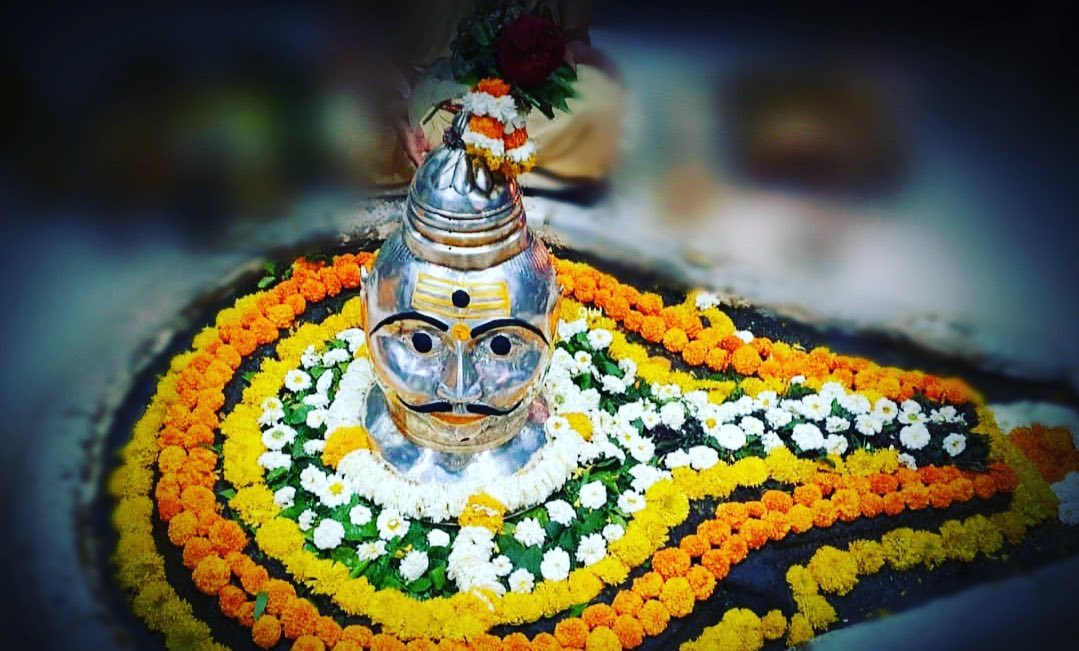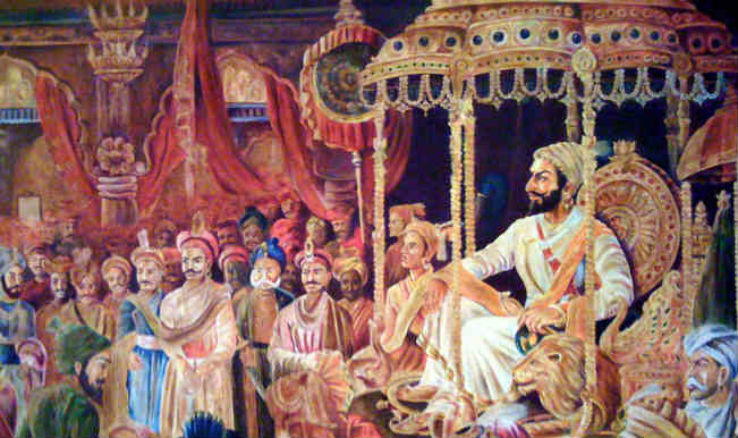
Mumbai Memories: Start of the School Day

It’s been a while since I shared any story about my school, so today is the day when I do that. In Singapore, next to my home is a primary school. Every day at 7:25 am, on the dot, I can hear the school announcement asking the children to stop doing whatever they are doing and stand up for the national anthem. The Singapore national anthem is followed by the national pledge, and this school then follows it up with their school pledge, and on some days, it is followed by the school song. This routine of the national anthem, followed by the pledge, is seen across all primary, secondary, and junior colleges in Singapore. Most primary and secondary schools have an official start of 7:30 am, though some days, they may have a later start. 

This made me think about how we started our school day in Mumbai. Growing up, most schools started the day with the national anthem, but my school was different. In my school, which was a Parsi school and was very proud of its secular roots, every day was a different prayer. Also, my school had a public announcement system in each classroom, and the infant (aka kindergarten) and primary systems were separate from the secondary ones. 

Once we reached school, we were expected to go straight to our classroom and keep our bags on our desks. Then, if you were early enough, you could go and play outside, which was something the kindergarteners or early primary students did. Most of us spent the time inside the classroom, chatting with friends, catching up on homework, or reading. 

The school’s official start time was about 8:30 am, which was common across all classes. But for the older students, say starting from class 6 or 7, we had what was called a morning class. This was period 0, which started around 8 am but did not have a starting bell. Given that it was widespread, most students would be dropped off at school before 8 am, and those who didn’t have a morning class had an extra 30 minutes to themselves. 

At 8:25 am, the first bell would ring, and everybody had to rush to their class to get ready for morning prayers. My school did not believe in the national anthem daily; that was reserved for special days and national holidays. Instead, we had prayers from all religions on a rotating basis. Some days, it would be Parsi prayers; some days, it would be Hindu prayers in Sanskrit or Tamil or Gujarati or Marathi; or some days, we would have Jain prayers. Sometimes, we would have parents come and say the morning prayers, especially if they had something special to share. This was for both the primary and secondary schools. The only exception to the rule was when any sad news was announced. On those occasions, one of the teachers would recite a special Parsi prayer—the Yatha Ahu Vairyo, a Zoroastrian prayer, widely regarded as something of a talisman, a very potent charm, capable of producing extraordinary effects. On trying to learn more about this prayer, I’ve learned that it is recited by Zoroastrians for the protection and benefit of departed souls, particularly during the mourning period following a death. The prayer’s powerful, primordial nature is believed to offer comfort and aid to the soul on its journey after death. I’ve heard this prayer so many times during my years in school that when writing this paragraph, I unconsciously found myself saying the prayer! After the prayer, we would wish our teacher well and start our day.

At the end of the school day, this was repeated. But because different sections ended their days at different times, the infant school had their prayer at noon, the primary school at 2:30 pm, and the secondary school at 3-3:30 pm. The close of the day prayer would be a short one, and after wishing the teacher well, we would be released.

Next to my home in Mumbai is a school. Growing up, they started much later than me, so I don’t really remember much about their start days. But recently, the school has expanded and now works on a shift system. This means their first shift starts around 6:45 am and the second shift around noon. So during our trips to Mumbai, we have been sometimes awakened to both the Indian national anthem, some Sanskrit shlokas and other national songs at 6:30 am, then again around noon when the first shift ends their day, followed by the second shift around 1 pm and then again around 6 pm when the second shift ends their day. Then I knew how people living around my school probably felt, though we had strict instructions not to make any noise, and any noise complaints by residents in the buildings close to my school were taken very seriously!

Writing this blog post brought back so many memories of a time when we were innocent and carefree, and I wrote this with a huge smile on my face. Thanks for allowing me to share my memories with you…
Sacred Stones, Spaces, and Stories: Jyotirlingas Part 8 –  Kashi Vishwanath Temple

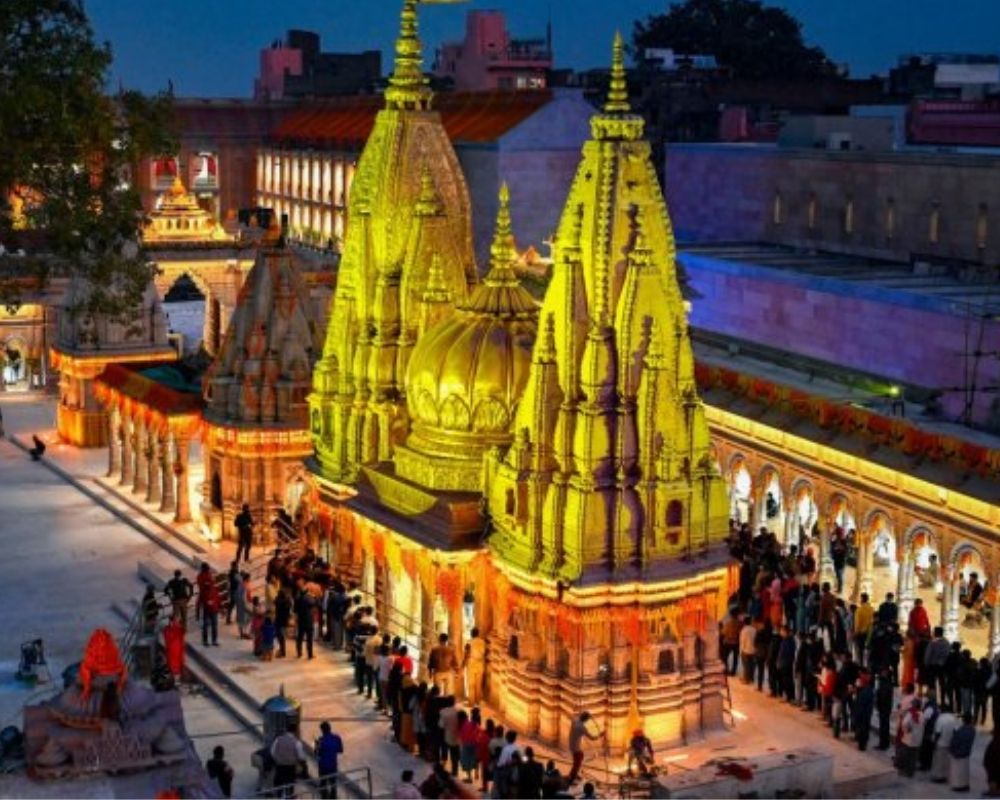
Nestled on the western bank of the sacred River Ganga, in the ancient city of Varanasi, or Kashi, stands the illustrious Kashi Vishwanath Temple, one of the twelve Jyotirlingas of Lord Shiva and the spiritual heart of India’s Sanatan tradition. Revered also as the Golden Temple, it is a focal point of worship, legend, and liberation for millions of Hindus. As Vishwanath, the Lord of the Universe, Lord Shiva is believed to grant moksha, or spiritual emancipation, to anyone who worships here, elevating the temple and city as a central axis between earthly existence and cosmic consciousness.

The mythos surrounding Kashi Vishwanath Temple is grand, profound, and universally resonant. The core myth traces back to the primordial dispute between Brahma, the creator, and Vishnu, the preserver, over their supremacy in the cosmos. Shiva intervened by manifesting as an infinite pillar of light, a Jyotirlinga at Kashi, challenging both gods to find its beginning and end. Vishnu transformed into Varaha or boar to search below, while Brahma, in the form of a swan, soared above. Vishnu admitted his inability to locate the pillar’s roots, but Brahma falsely claimed he had found the summit.

Angered by the deceit, Shiva punished Brahma by cutting off his fifth head and decreed that Brahma would never be worshipped. In contrast, Vishnu’s truthfulness was rewarded with eternal reverence. Shiva then divided his cosmic light among twelve sacred locations, today’s Jyotirlingas, with Kashi Vishwanath as one of the most luminous. The temple thus stands not just as a shrine, but as the very boundary between divine truth, cosmic radiance, and the ultimate liberation, moksha.

Legend declares that Shiva himself chose Kashi as his eternal abode. When Goddess Parvati’s mother expressed concern for Shiva’s humble dwellings, arrangements were made for Shiva’s permanent residence at Kashi, through boons given to king Divodas and the Brahmin Aunikumbha.

Another tale, integral to Varanasi, involves Maa Annapurna, Goddess of Nourishment. When a crisis of hunger struck Kashi, Shiva petitioned Annapurna to remain in the city, guaranteeing none would go unfed. Her adjacent temple ensures food as prasad, symbolising the fusion of material and spiritual sustenance for all who come to Kashi.

Kashi is said to be older than legend itself. The Skanda Purana’s Kashi Khand segment mentions the Vishwanath shrine, tying it to the city’s founding myths. Throughout history, Kashi Vishwanath Temple has endured relentless cycles of destruction and rebirth. Some traditions attribute the earliest temple to King Harishchandra or Vikramaditya. The temple was destroyed by Qutb-ud-din Aibak’s forces in 1194, rebuilt and demolished in the succeeding centuries by Iltutmish, Sikander Lodhi, and others. It is believed that Raja Man Singh I rebuilt the temple, but subsequent Mughal rulers razed it repeatedly, notably Aurangzeb who built the Gyanvapi mosque on the site in the 17th century. In 1780, Maharani Ahilya Bai Holkar of Indore resurrected Kashi Vishwanath Temple at its present location, restoring it as the heart of Varanasi’s sacred geography. The temple’s turbulent history, enduring destruction for faith, and rebirth with devotion mirror Shiva’s own cosmic dance.

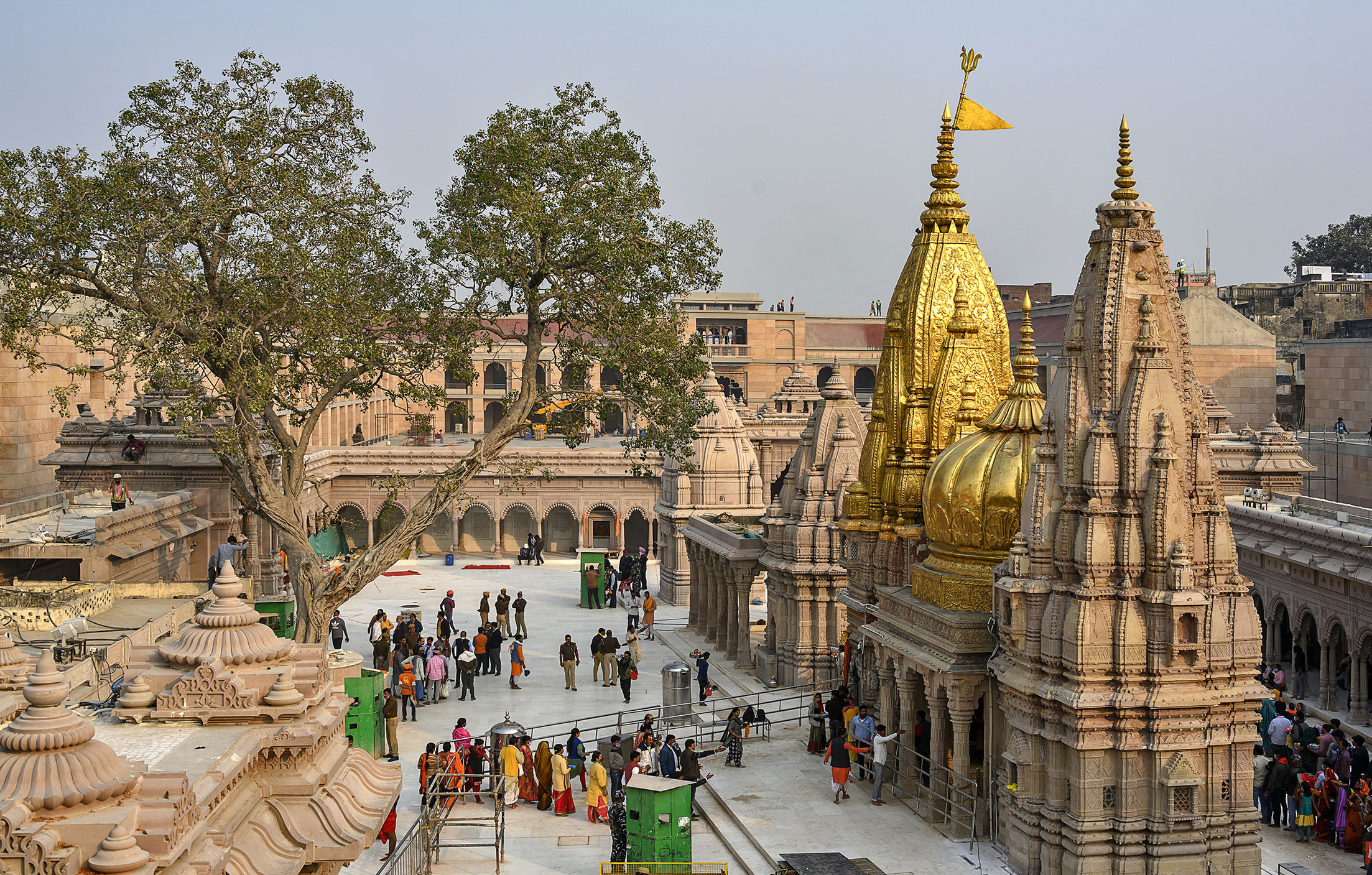
From the 19th century onward, further adornments were made. Maharaja Ranjit Singh of Punjab donated 1 ton of gold, giving the temple its famous golden spires. The Rana of Nepal gifted the massive stone statue of the Nandi bull, now a temple icon.

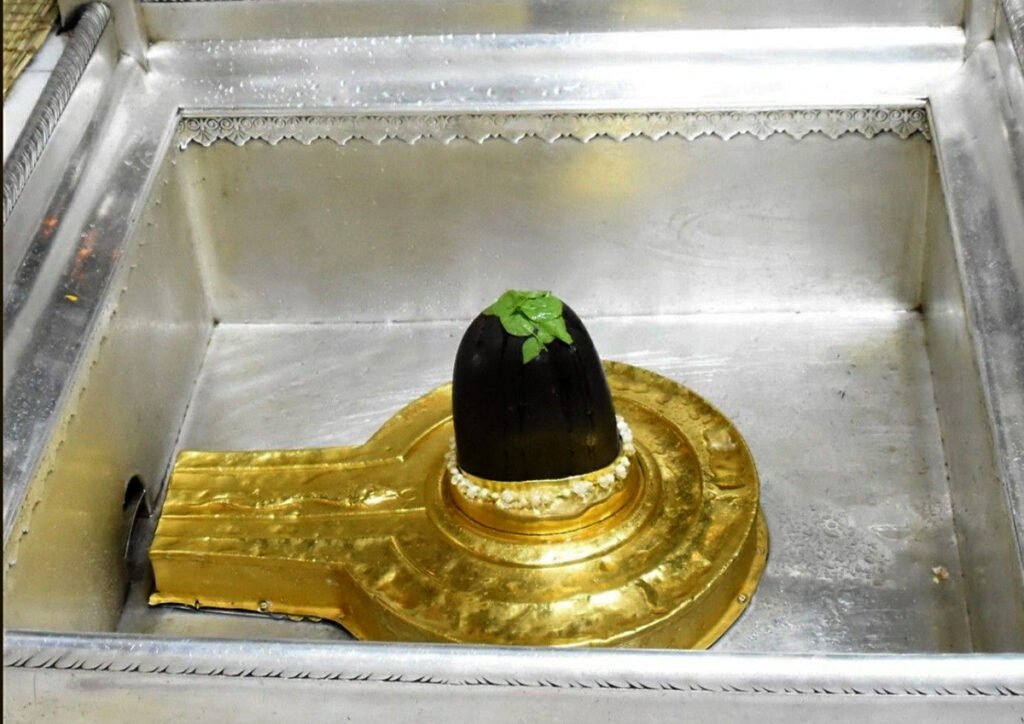
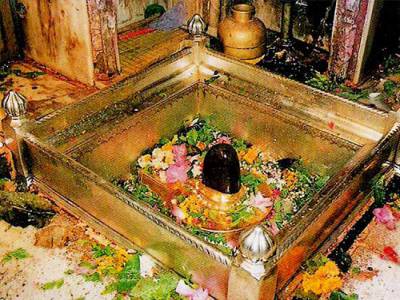
Kashi Vishwanath Temple’s design blends ancient style with distinctive regional creativity. The temple is built in classic Nagara style, with a quadrangular layout and multiple golden shikharas crowned at the summit. The garbhagriha houses the Shivalinga, ensconced in silver and tangible spiritual energy. The temple complex comprises several smaller shrines dedicated to various gods and goddesses, including Kaal Bhairav, Kartikeya, Vishnu, Avimukteshwara, and Annapurna. Silver doors, golden domes, and marble courtyards reflect centuries of patronage. The seven-foot-tall Nandi gifted by Nepal stands sentinel to the sanctum, symbolising patience and devotion.

Kashi Vishwanath pulsates with daily rituals, monthly observances, and continuous worship. Each day, the linga is ritually bathed in Ganga water, milk, honey, and flowers; devotees recite the Rudram and sing bhajans. The “Mangala Aarti” at dawn and the “Shayan Aarti” at dusk are transformative, involving hundreds of devotees, bells, conches, and fiery lamps. Bilva leaves, sandalwood paste, sweets, and silk are traditional offerings; food as prasad is often given at the nearby Annapurna Temple. Mahashivaratri is celebrated with unparalleled enthusiasm; the city comes alive with processions, all-night vigils, music, fasting, and prayers. The temple is also at the centre of Dev Deepawali, Kartik Purnima, and Shravan Somvar, drawing millions for ritual worship. The city’s many ghats and smaller temples contribute to the worship cycle, making Shiva’s presence omnipresent in Varanasi. Local families, Brahmin priests, and temple trusts collaborate to maintain traditions and ensure inclusivity for all castes and communities.

Pilgrimage to Kashi Vishwanath is considered an essential spiritual milestone within Sanatan Dharma. Varanasi is served by extensive rail, air, and road networks, its spiritual magnetism attracting seekers nationwide and globally. The temple, situated in Varanasi’s narrow lanes, is accessed on foot or via cycle rickshaws, amid vibrant bazaars, ghats, and flower markets. Pilgrims witness the confluence of life and liberation: chants at the ghats, sadhus in saffron, temples, and bustling stalls. Dharamshalas, guesthouses, and ashrams provide accommodation and guidance throughout the city.

Countless stories fill pilgrim lore: miraculous recoveries, visions in dreams, fulfilled wishes, liberation at death. The spiritual atmosphere of Varanasi is universally reaffirmed by generations who arrive seeking transformation, peace, and moksha.

Kashi Vishwanath Temple is not merely a site of worship but a cosmic cultural engine for India and the world. Ancient Sanskrit texts and regional literature extol Shiva and Kashi as points of supreme radiance. Bhajans, ragas, and devotional music echo in temple halls and city lanes, inspiring legends of Shiva’s power and grace. Paintings, sculptures, and handicrafts propagate the iconography of the temple and the city throughout India’s spiritual landscape.

Kashi Vishwanath is woven into the fabric of Varanasi’s civic, cultural, and social identity. It stands as a symbol of enduring spiritual values, communal harmony, and resilience. From Mahatma Gandhi’s visits to modern poets, Kashi remains India’s mystical heart, a living source of artistic and philosophical renewal.

Administered by the Shri Kashi Vishwanath Temple Trust, the temple has embraced modernisation while safeguarding tradition. Digital entry, security, guided tours, and the celebrated Kashi Vishwanath Corridor have revitalised access and the pilgrim experience. Conservation efforts have stabilised the ancient structure, protecting both tangible and intangible heritage. Millions flood the temple during major festivals and round-the-year visits, boosting spiritual tourism and local prosperity. Pilgrims hail from all corners of India and the diaspora, including international tourists and spiritual seekers across traditions. Interfaith leaders and secular visitors are welcome, adding to the city’s cosmopolitan spirit.

Kashi Vishwanath Temple remains the radiant jewel in the crown of Varanasi, embodying cosmic union, daily worship, liberation, and resilience. Through centuries of upheaval, its Jyotirlinga has shone as Shiva’s abode of eternal light and truth. For those who walk its hallowed halls, the journey is not only a pilgrimage, but a passage through history, myth, and the unfathomable mystery of the divine, a cosmic invitation to dissolve into the sacredness at the heart of existence.

Overconsumption: The True Cost of Wanting More

Overconsumption means using more than what we really need. It’s a problem that touches everything, from the environment to our mental well-being. But before blaming just the consumers, it’s worth asking: What exactly drives this urge to keep buying and consuming? And is it really all bad, or are some concerns overplayed?

At first glance, overconsumption seems like a simple case of excess: people buying too much stuff or eating more than necessary. But this view misses a deeper truth. It’s not just about individuals wanting more. It’s about the system built to encourage constant growth and sales. Technology, advertising, social pressure, and economies built on endless expansion all play a massive role.

Take technology. It’s easier than ever to buy things online, sometimes the same day. Advertisers now target people with precision, bombarding them with reasons to buy more. This isn’t just marketing tactics; it changes how people think and feel. The convenience of online shopping removes natural limits that might normally curb spending. So, while people are responsible for their choices, the environment they live in nudges them towards overconsumption.

Another driver is social media and the desire to ‘keep up.’ We see others’ lifestyles, possessions, and travels. That creates an invisible pressure to match or surpass. But does this really lead to happiness? Studies show it doesn’t. Instead, it can cause stress, anxiety, and feelings of inadequacy. Buying stuff provides a short thrill but doesn’t solve deeper personal or social issues.

On the flipside, some argue that consumption is normal and needed for economic growth and prosperity. Economies thrive on sales and production. If people stop buying, jobs and livelihoods suffer. This argument often clashes with environmental calls to reduce consumption. So, there’s a tension: How do we balance economic needs with ecological limits?

The environmental impact of overconsumption is undeniable. More production means more resource depletion, energy use, pollution, and waste. The planet’s ecosystems suffer, forests shrink, oceans fill with plastic, and the air we breathe worsens. Climate change accelerates as a result. These consequences are not abstract; they threaten the quality of life for future generations.

But not everyone contributes equally. Wealthier countries and individuals consume far more resources than poorer ones. Average citizens in rich countries use many times the resources that those in low-income nations do. That raises ethical questions: why do some live in excess while others lack essentials? Overconsumption, therefore, is more than a personal habit; it is deeply tied to inequality and global justice.

Food waste highlights overconsumption’s complexity. A massive amount of edible food ends up in landfills because people buy more than they can eat or misunderstand expiration labels. This waste adds another layer of environmental harm: methane emissions from rotting food, wasted water, and energy used to produce it all. Fixing this problem requires better education, smarter shopping habits, and less production driven by excess demand.

There is also an important psychological side. Overconsumption often serves as a way to cope with boredom, stress, or low self-esteem. Buying things or eating more can offer temporary relief from uncomfortable feelings. But this creates a vicious circle; short-term happiness leads to long-term dissatisfaction and more consumption to fill the void again. This pattern is unsustainable for both people and the planet.

Consumer culture encourages this cycle by linking identity and status to what we own. Possessions are seen as marks of success or social belonging. But this material focus can weaken community bonds and increase loneliness, as social life shifts from shared experiences to individual consumption. Over time, this damages social well-being.

Some solutions have emerged, but are complicated. Sustainable products and ethical brands offer alternatives, but often come with higher prices that not everyone can afford. This creates a privilege gap where only some can choose to consume responsibly. Legislative action, like taxes on pollution or incentives for sustainable production, is necessary but politically difficult to implement.

A more radical idea is shifting from a growth-based economy to one focused on well-being and ecological balance. This would require redefining progress not by how much we produce or consume but by how good life is for people and nature. It demands changing lifestyles, values, and expectations at scale, which sounds daunting but might be the only way forward.

Individuals can reduce their contribution to overconsumption by adopting practical, mindful habits that focus on consuming less, buying better, and wasting less. The key is to be intentional with consumption choices and challenge the impulse to buy unnecessarily.

Some straightforward steps include:

  • Be mindful before buying. Ask if an item is truly needed or just a temporary want. Avoid impulse purchases, especially when emotional or distracted. This mindset can break the cycle of buying to fill emptiness.
  • Shop locally and support sustainable brands. Buying from local shops reduces the environmental costs of transport and packaging while supporting community economies. When purchasing new items, favour companies using sustainable and ethical production methods, often resulting in better-quality products.
  • Buy less, buy better. Focus on durable, long-lasting products rather than cheap, disposable ones. This reduces waste and lessens the demand for constant production.
  • Use second-hand or borrow. Buying second-hand clothes, furniture, or electronics can significantly reduce resource use. Borrow items you only need occasionally rather than buying them.
  • Plan meals and reduce food waste. Make shopping lists that align with planned meals. Compost food scraps and avoid overbuying to cut food waste, a major contributor to overconsumption’s environmental impact.
  • Repair and upcycle. Instead of throwing away broken or old items, repair them or find new uses to extend their life.
  • Cancel unused subscriptions and avoid habitual consumption. Gym memberships, magazine subscriptions, or services not actively used add unnecessary consumption and spending.
  • Reduce energy and water use. Small actions like using energy-efficient appliances, turning off unused electronics, or washing dishes efficiently can reduce resource consumption.
  • Adopt minimalist principles. Declutter belongings to prioritise what is meaningful and avoid hoarding stuff out of habit or social pressure.
  • Shift transportation habits. Walk, bike, use public transit, or carpool to reduce fossil fuel consumption related to travel.

These steps may seem small individually, but they can collectively reduce demand. They require conscious effort to change habits and resist constant consumer culture pressures. The goal is not perfection but progress towards more sustainable living.

Ultimately, individuals can reduce overconsumption by staying mindful, making informed choices, and valuing quality over quantity. This frees people from endless cycles of want and waste, benefiting both personal well-being and the planet.

Still, it is important to question some assumptions. Is all consumption bad? Some say no. Consumption drives innovation, provides comfort, and supports livelihoods. The issue is excess, overuse beyond what is sustainable or necessary. Finding that threshold is tricky. It varies by context, culture, and individual needs.

Ultimately, overconsumption is not just a personal failing or a simple market outcome. It’s a complex problem rooted in economic systems, social norms, psychological needs, and technological changes. Addressing it takes honesty about what drives us, courage to challenge dominant narratives, and collective action to create fairer and more sustainable futures.

Sacred Stones, Spaces, and Stories: Jyotirlingas Part 7 – Bhimashankar Temple

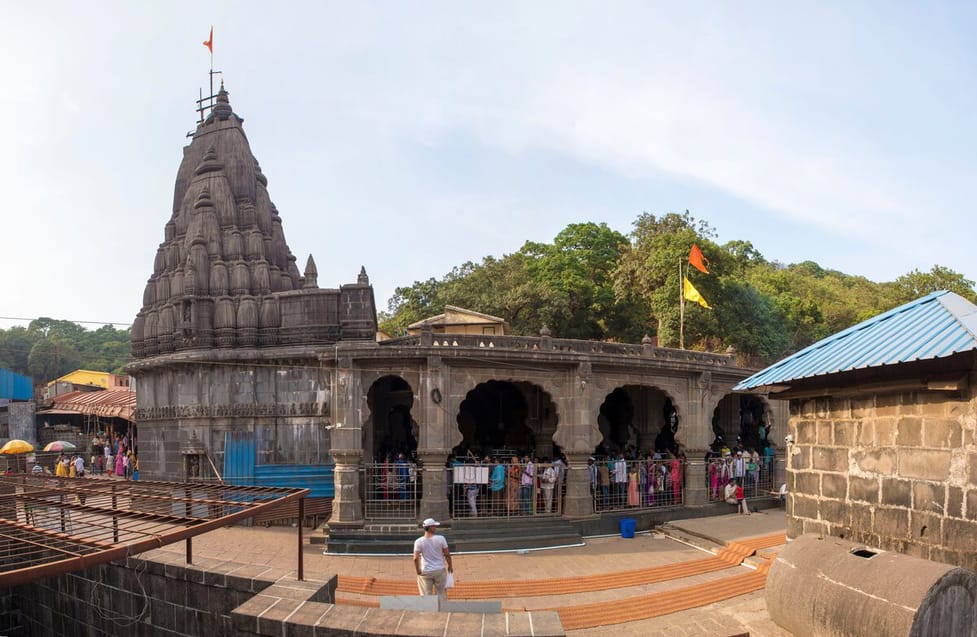
Nestled amidst the lush, undulating Sahyadri hills of Maharashtra, the Bhimashankar Temple stands as one of India’s twelve sacred Jyotirlingas dedicated to Lord Shiva. Located approximately 50 km northwest of Pune, deep within the Bhimashankar Wildlife Sanctuary, this ancient temple is renowned not only for its spiritual gravitas but also for the pristine natural beauty that surrounds it. As the supposed source of the Bhima River and a vital ecological zone, Bhimashankar merges myth, faith, and conservation. It continues to draw devotees, trekkers, nature enthusiasts, and seekers of peace, making it a place where the divine and natural worlds seamlessly blend.

Bhimashankar’s legends are epic, layered with tales of demon-kings, cosmic battles, and divine intervention. One widely revered legend narrates how Tripurasura, a powerful demon, performed severe penance in the dense Bhimashankar jungle seeking a boon of immortality from Shiva. Granted this wish on the condition of helping others, Tripurasura eventually succumbed to arrogance, wreaking havoc on humanity and the gods alike. The celestial beings beseeched Shiva, who, with the aid of Parvati in Ardhanarishwara form, destroyed Tripurasura in a fearsome battle. It is said that the sweat pouring from Shiva’s body after the long struggle led to the birth of the Bhima River, forever intertwining the region’s geography with its mythic past.

Another legend, with powerful moral undertones, recounts the story of Bhima, son of Kumbhakarna, the brother of Ravana. Infuriated after learning of his father’s death by Vishnu’s avatar Rama, Bhima performed intense penance and was granted enormous strength by Brahma. Bhima’s reign was oppressive: he imprisoned the pious King Kamrupeshwar and demanded worship. When Kamrupeshwar defied him, praying to Shiva instead, Bhima attempted to destroy the linga, only for Shiva to appear and obliterate him. At the request of gods and sages, Shiva remained at the site as the Bhimashankar Jyotirlinga.

Ancient texts also suggest Shiva’s battle not only rid the world of the demon Bhima but blessed the landscape itself. The Bhima River’s origin from Shiva’s exertions is regarded as a blessing to the region. Devotees connect river and shrine in daily worship, reinforcing an ecological ethos unique among Jyotirlinga sites.

Bhimashankar Temple is a tapestry of faith, history, and changing dynasties. References to Bhimashankar’s spiritual energy appear in the Shiva Purana, Uma Samhita, and later narratives. The earliest constructed shrine is believed to date to the 13th century, designed by the legendary Vishwakarma sculptors. Bhimashankar flourished under Maratha rulers, especially Nana Phadnavis in the 18th century, who built the sabhamandap or assembly hall and the shikhara or spire, renovating and expanding the temple complex. The Maratha king, Chhatrapati Shivaji Maharaj, endowed the temple, facilitating daily worship and festivals, maintaining its growing Hindu cultural importance.

Bhimashankar continued to weather turbulence, both natural and political, remaining a key spiritual hub for Maharashtra and neighbouring regions. In recent decades, increasing awareness of environmental preservation, as part of the Bhimashankar Sanctuary, has added a new dimension of stewardship.

The temple’s location within a dense forest, revered since ancient times as the Dakini Jungle, is unique among Jyotirlinga temples. Many legends centre not just on the temple but its wild surroundings, seen as extensions of Lord Shiva’s domain.

Bhimashankar’s temple architecture harmonises ancient forms, local design, and sacred symbolism. Built primarily in the Nagara style, which is the northern Indian temple architecture style, with influences of the Hemadpanthi style that is distinctive to the Deccan region. The temple is constructed on a high platform, accessed by steps, with a central garbhagriha, the sanctum, housing a swayambhu or self-manifested Shiva linga, exactly at the centre of the floor. The temple’s hallways, doorframes, and pillars showcase intricate carvings of gods, humans, natural motifs, and mythological episodes. The exterior spire or shikhara and assembly hall were expanded significantly by Nana Phadnavis.

Sculptures around the temple illustrate Lord Shiva’s life and exploits, divine beings, and flora and fauna of the Sahyadris. Scenes from Tripurasura’s battle are a highlight, reflecting devotion and artistry. A large stone Nandi, Lord Shiva’s vehicle, sits facing the linga, a common feature in Shiva temples. There is also a shrine dedicated to Shaneeshwara or Saturn, unique for Jyotirlingas, reflecting local traditions. Set in a forested plateau, the temple grounds often host rare wildlife such as the Malabar Giant Squirrel, with endemic flora enveloping the sanctum, blending spirituality and conservation.

The temple pulsates with daily worship and grand festivals. Each morning, the Jyotirlinga is ritually bathed with water, milk, ghee, and honey, while the air vibrates to Vedic chanting. Aartis mark every worship, with prasad distributed amongst devotees. Bilva leaves, flowers, and coconuts are traditional offerings. The origin of the Bhima River is commemorated; devotees offer prayers at riverbanks and temples alike. Shaneeshwara Puja is conducted with special offerings and prayers that reflect the temple’s additional planetary significance.

Mahashivaratri is the highlight of Bhimashankar’s ritual calendar, with night-long prayers, processions, and community feasts. The month of Shravan, the fourth lunar month, is especially auspicious for Shiva worship, and sees thousands of devotees, chanting, music, and community activities. Local festivals and fairs bring villagers, tribal communities, and urban devotees together for song, dance, and worship. Villagers, tribal groups, and local societies help maintain and decorate the shrine, celebrating local customs, preserving forests, and promoting hospitality.

The pilgrimage to Bhimashankar melds spiritual quest and nature’s adventure. From Pune, buses and cars take pilgrims to the base village; the final approach is a trek through thick forests, streams, and mountain paths, offering adventure and meditation. The route passes through the Bhimashankar Wildlife Sanctuary, home to rare plants, animals, and panoramic views, making travel a spiritual journey itself. Simple dharamshalas, eco-lodges, and homestays await visitors; local food markets and eateries offer Maharashtrian specialties. Guides, shopkeepers, and priests provide support, sustaining the region’s reputation for warmth and welcome. Many visitors report a palpable presence of divinity in the air, amplified by misty mountains, the sounds of forest creatures, and flowing river. Stories of prayers answered, healings, and peaceful meditation are widely recounted, strengthening Bhimashankar’s mystique.

Bhimashankar’s influence permeates regional and national culture. Pilgrimage songs, Marathi bhakti poetry, and folk tales narrate the myths of Tripurasura, the Bhima River, and Shiva’s miracles. Festivals feature local musicians, dancers, and storytellers; the temple’s stories inspire Marathi films, plays, and visual arts. Artisans craft icons, paintings, and handicrafts inspired by temple motifs. The local community views Bhimashankar not only as a religious centre, but as a symbol of ecological harmony and regional pride. Tribal communities near Bhimashankar celebrate unique rituals blending Hindu traditions with native forest lore. Efforts to preserve the Sahyadri ecosystem echo Shiva’s ancient protector role.

Management, tourism, and conservation shape Bhimashankar’s contemporary vibrancy. The temple is managed by a temple trust that coordinates daily worship, festival calendars, and facilities. Preservation initiatives balance ancient shrine care with sustainable tourism. Pilgrim numbers swell on weekends, festival days, and during Shravan, bringing new economic prosperity and resource strains. Eco-tourism, wildlife walks, and cultural programs support conservation and community development.

Efforts to repair and restore the historic temple continue, addressing wear from weather and growing crowds. Conservation of forest and river is a shared priority between officials, villagers, and devotees. Visitors converge from cities, villages, and abroad—devotees, trekkers, ecologists—reflecting Bhimashankar’s universal appeal.

Bhimashankar Temple stands as a beacon of myth, biodiversity, and spiritual power in Maharashtra’s Sahyadris. Its legends of Shiva’s triumphs, ecological blessings, and community resilience are carved in both stone and landscape. The temple’s enduring role in the Jyotirlinga circuit, its integration into the natural world, and its celebration of local identity mark it as a vital manifestation of India’s spiritual and ecological heritage, a sanctuary where legend, faith, and nature forever intermingle.

Festivals of India: Chhatrapati Shivaji Maharaj Jayanti

In 2026, Chhatrapati Shivaji Maharaj Jayanti, celebrated tomorrow, marks the 395th birth anniversary of one of India’s most admired historical figures, Chhatrapati Shivaji Maharaj. This festival is commemorated with grandeur across Maharashtra and by Indian diaspora communities worldwide, honouring the Maratha king’s courageous legacy, leadership, and continuing relevance in modern times.

Chhatrapati Shivaji Maharaj, born in 1630 at the Shivneri Fort, was destined to transform the political landscape of 17th-century India. From an early age, he demonstrated exceptional strategic acumen and courage, capturing the Torna Fort at sixteen—a feat that marked the beginning of his campaign for Swarajya, or self-rule. Over the next decades, Shivaji expanded his realm by capturing and constructing over a hundred forts, most notably Rajgad, Sinhagad (formerly Kondana), and Purandar, establishing the Maratha Empire’s core. His most celebrated military exploits include the daring victory over Afzal Khan at the Battle of Pratapgad in 1659, in which Shivaji’s tactical brilliance and personal valour prevailed over seemingly insurmountable odds. Another defining episode was the audacious sack of Surat in 1664, a strategic blow to Mughal economic dominance that also provided crucial resources for strengthening the Maratha state. Shivaji’s naval vision was just as remarkable: recognising the significance of maritime security, he built formidable sea forts like Sindhudurg and Vijaydurg and created one of India’s earliest indigenous navies to secure the Konkan coast from foreign threats.

A master of guerrilla warfare, Shivaji’s ability to outmanoeuvre larger armies earned him the moniker “Mountain Rat” from his adversaries. His confrontations with the powerful Mughal Empire, especially Emperor Aurangzeb, often ended in success through a combination of surprise tactics, local support, and deep knowledge of the terrain. In 1674, Shivaji’s grand coronation at Raigad Fort, celebrated by people from diverse communities, was not only a declaration of sovereign Maratha rule but also a powerful symbol of indigenous pride and unity. His governance extended beyond the battlefield: he assembled the Ashtapradhan (Council of Eight Ministers), instituted a direct land revenue system favouring peasants, and elevated Marathi and Sanskrit as administrative languages, bolstering regional identity.

Chhatrapati Shivaji Maharaj revolutionised warfare through his innovative guerrilla warfare tactics, known as “Ganimi Kava,” which focused on speed, surprise, and deception. He trained his army, especially the Mavalas, in mountain warfare, leveraging the rugged terrain of the Western Ghats to launch swift hit-and-run attacks that disrupted enemy forces before they could organise a response. This use of mobility and knowledge of local geography made his troops elusive and difficult to defeat, earning him the nickname “Mountain Rat” from his foes. His forces specialised in ambushes set in narrow passes and dense forests, striking unexpectedly, often at night or during bad weather, to maximise confusion and damage. Beyond battlefield manoeuvres, Shivaji’s guerrilla tactics included targeting enemy supply lines to weaken their operational strength without engaging in costly, prolonged battles.

A crucial pillar supporting these tactics was Shivaji’s sophisticated intelligence network, composed of spies disguised as traders and farmers, which provided real-time information on enemy movements and plans. This intelligence enabled precise surprise raids, such as the famous attack on Shaista Khan’s camp. Shivaji Maharaj’s mastery of deception extended to spreading misinformation to sow confusion within enemy ranks. His highly mobile and fearless small units could rapidly assemble for decisive strikes and just as swiftly disperse, keeping adversaries off balance and conserving Maratha resources.

These tactics not only allowed Shivaji to defend and expand his kingdom against larger, better-equipped armies but have also influenced modern special operations and counter-insurgency strategies worldwide.

Shivaji’s reign stood out for religious tolerance and social equity. Despite being a devout Hindu, he respected all faiths, ensured the protection of non-Hindu places of worship, and included Muslims within his court and army. He protected the rights of women and the downtrodden, upheld justice and humane treatment even for enemies, and rebuilt temples that had fallen into neglect. Shivaji’s life was a relentless pursuit of freedom, empowerment, and good governance, the very qualities that have made him a legendary figure whose exploits are celebrated with pride and reverence across India.

Chhatrapati Shivaji Maharaj’s leadership combined strategic foresight, personal bravery, and a commitment to inclusivity. He inspired loyalty among his followers by leading from the front, fostering unity, and promoting merit-based advancement. His innovative use of guerrilla tactics, emphasis on intelligence-gathering, and ability to form alliances allowed him to outmanoeuvre his rivals and consolidate power. In governance, Shivaji established a progressive administration grounded in justice and accountability, focused on the welfare of his subjects and the fair treatment of all communities. His ethical governance was guided by principles of righteousness (dharma), emphasising both economic stability and social cohesion. Shivaji’s legacy endures as a model of adaptable, visionary, and compassionate leadership, inspiring generations with values of resilience, integrity, and public service.

Shivaji Jayanti isn’t just a commemoration of a historical birth; it is a celebration of values: courage, justice, patriotism, and cultural unity. For millions in Maharashtra and Indian communities abroad, the day signifies renewal of pride and heritage. Shivaji’s model of governance and dedication to welfare, social reforms, and inclusivity remain aspirational for contemporary India. 

The day is especially important for fostering a sense of national and regional pride. Shivaji’s fight for ‘Hindavi Swarajya’ inspired not only his contemporaries but also generations of freedom fighters and reformers. His secular policies and egalitarian outlook are viewed as beacons of responsible leadership, worthy of remembrance and emulation.

Source

The spirit of Shivaji Jayanti is best experienced in Maharashtra, where public celebrations turn into cultural extravaganzas. The festivities typically include grand processions featuring decorated tableaux depicting scenes from Shivaji’s life and military exploits, cultural performances that include traditional dance and music, street plays (‘tamasha’), and reenactments of battles or coronation ceremonies, and community speeches by eminent leaders, scholars, and activists who deliver addresses drawing inspiration from Shivaji’s values and vision. Schools and colleges organise essay competitions, dramatisations, and exhibitions about Maratha history. Devotees gather at temples and forts associated with Shivaji, offering garlands and flowers to his statues and images and blood donation drives, clean-up campaigns, and charity events showcasing community service are held in Shivaji’s name. These events foster a renewed sense of patriotism, social unity, and pride in regional heritage. They also serve to educate younger generations about their illustrious history and inspire them to uphold values of justice, inclusivity, and self-determination.

The legacy of Shivaji Maharaj is more than historical; it’s a living source of inspiration. His emphasis on justice, people’s rights, and good governance is invoked by leaders and reformers even today. The day serves as a rallying point for the reaffirmation of collective identity, not just in Maharashtra but also for the Indian diaspora around the world. Shivaji’s life and the annual Jayanti celebrations continuously remind society to pursue integrity, resilience, and respect for diversity. By honoring Shivaji Maharaj, the day renews commitment to these timeless principles.