
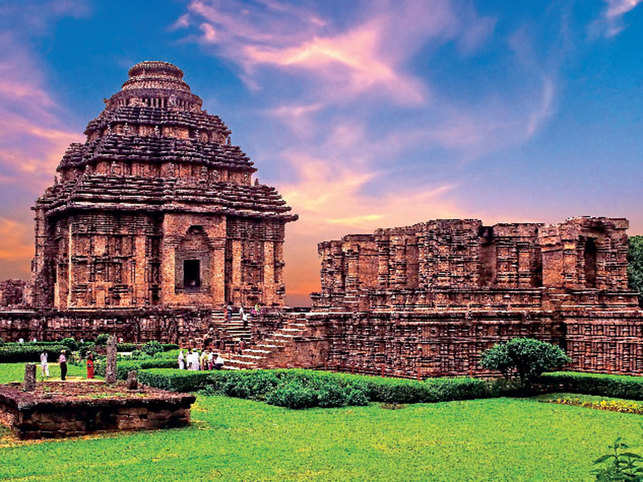
Odisha, formerly known as the state of Orissa, is located on the eastern coast of India. It is bordered by the states of West Bengal and Jharkhand to the north, Chhattisgarh to the west and Andhra Pradesh to the south. Odisha also lies along the Bay of Bengal and has a coastline of about 485 km. This state is the eighth largest by area and the 11th largest by population. The state has the third largest population of Scheduled Tribes in India.
The ancient kingdom of Kalinga, which was invaded by the Mauryan emperor Ashoka in 261 BCE resulting in the Kalinga War, coincides with the borders of modern-day Odisha. The term “Odisha” is derived from the ancient Prakrit word “Odda Visaya” also sometimes known as “Udra Bibhasha” or “Odra Bibhasha” as in the Tirumalai inscription of Rajendra Chola I, which is dated to 1025. Sarala Das, who translated the Mahabharata into the Odia language in the 15th century, calls the region ‘Odra Rashtra’ as Odisha. The inscriptions of Kapilendra Deva of the Gajapati Kingdom (1435–67) on the walls of temples in Puri call the region Odisha or Odisha Rajya.
What we call the state of Odisha today was established on 1 April 1936, as a province in British India, and consisted of Odia-speaking regions, thus 1 April is celebrated as Utkala Dibasa. Also known as Utkala, the current capital of the state is Bhubaneshwar. Cuttack was made the capital of the region by Anantavarman Chodaganga in 1135, after which the city was used as the capital by many rulers, through the British era until 1948 after which post independence, Bhubaneswar became the capital. The name of the state was changed from Orissa to Odisha, and the name of its language from Oriya to Odia, in 2011, by the passage of the Orissa (Alteration of Name) Bill, 2010 and the Constitution (113th Amendment) Bill, 2010 in the Parliament.
The economy of Odisha is the 16th-largest state economy in India with ₹4.16 lakh crore (approximately US$58 billion) in gross domestic product and a per capita GDP of ₹ 93,000 (approximately US$1,300). Odisha ranks 23rd among Indian states in human development index.
Prehistoric Acheulian tools dating to Lower Paleolithic era have been discovered in various places in the region, implying an early settlement by humans. Kalinga has been mentioned in ancient texts like Mahabharata, Vayu Purana and Mahagovinda Suttanta. The Sabar people of Odisha have also been mentioned in the Mahabharata. Baudhayana mentions Kalinga as not yet being influenced by Vedic traditions, implying it followed mostly tribal traditions. Shanti Stupa at Dhauli is the location where Kalinga War was fought in 260 BC. Ashoka of the Mauryan dynasty conquered Kalinga in the bloody Kalinga War in 261 BC, which was the eighth year of his reign. According to his own edicts, in that war about 100,000 people were killed, 150,000 were captured and more were affected. The resulting bloodshed and suffering of the war is said to have deeply affected Ashoka and he then turned into a pacifist and converted to Buddhism. By 150 BC, emperor Kharavela, a Jain ruler, who was possibly a contemporary of Demetrius I of Bactria, conquered a major part of the Indian sub-continent. He also built the monastery atop the Udayagiri hill and subsequently, the region was ruled by monarchs, such as Samudragupta and Shashanka.
The kings of the Somavamsi dynasty began to unite the region an by the reign of Yayati II in 1025, they had integrated the region into a single kingdom. Yayati II is supposed to have built the Lingaraj temple at Bhubaneswar. They were replaced by the Eastern Ganga dynasty. Notable rulers of the dynasty were Anantavarman Chodaganga, who began re-construction on the present-day Shri Jagannath Temple in Puri in 1135, and Narasimhadeva I, who constructed the Konark temple in 1250. The Eastern Ganga Dynasty was followed by the Gajapati Kingdom. The region resisted integration into the Mughal empire until 1568, when it was conquered by Sultanate of Bengal. Mukunda Deva, who is considered the last independent king of Kalinga, was defeated and was killed in battle by a rebel Ramachandra Bhanja, who was then killed by Bayazid Khan Karrani. In 1591, Man Singh I, then governor of Bihar, led an army to take Odisha from the Karranis of Bengal. They agreed to treaty because their leader Qutlu Khan Lohani had recently died. But, they then broke the treaty by attacking the temple town of Puri. Man Singh returned in 1592 and pacified the region. In 1751, the Nawab of Bengal Alivardi Khan ceded the region to the Maratha Empire. The British had occupied the Northern Circars, comprising the southern coast of Odisha, as a result of the 2nd Carnatic War by 1760, and incorporated them into the Madras Presidency gradually. In 1803, the British ousted the Marathas from the Puri-Cuttack region of Odisha during the Second Anglo-Maratha War. The northern and western districts of Odisha were incorporated into the Bengal Presidency.
The Orissa famine of 1866 caused an estimated 1 million deaths following which large-scale irrigation projects were undertaken. In 1903, the Utkal Sammilani organisation was founded to demand the unification of Odia-speaking regions into one state. On 1 April 1912, the Bihar and Orissa Province was formed. On 1 April 1936, Bihar and Orissa were split into separate provinces and the new province of Orissa came into existence on a linguistic basis during the British rule in India, with Sir John Austen Hubback as the first governor. Following India’s independence, on 15 August 1947, 27 princely states signed the document to join Orissa.
The majority of the people in the state are Hindu with over 94% of the population professing the Hindu faith with Christians accounting for around 2.8% and Muslims accounting for 2.2%. The balance 1% is split between people from the Sikh, Buddhist and Jain communities.
It is believed that the oldest scripture of Odisha is the Madala Panji from the Puri Temple believed to be from 1042.
October to March is the best time to visit Odisha. So let’s start our journey to discover this very underrated state from it’s capital of Bhubaneshwar.
Bhubaneshwar
Known as the Temple City of India, Bhubaneswar is an ancient city which is a classic example of history, heritage, and urbanization. The place has marvelous temples showcasing amazing artwork, wildlife sanctuaries, and exhilarating caves. The name of the city literally means Lord of the Universe.

One of the must-visits when in Bhubaneshwar is the Lingaraj Temple. An ancient temple and the largest in the city, this temple is dedicated to Lord Shiva. Built in the 7th century by King Jajati Keshari, it is highly revered because of the fact that the Linga here, which is the phallic form of Lord Shiva, is believed to have appeared naturally. It rises to a massive height of 8 inches above the floor level and is about 8 feet in diameter as well. The edifice of the temple is a great example of the Odissi style of architecture and has intricately designed stone vaults covering the main sanctum of the temple. A small temple dedicated to Goddess Bhagawati is located in the northwest corner of the courtyard as well. However, entry is restricted to the followers of the Hindu faith only. The Lingaraj Temple is especially famous for its Mahashivratri celebrations when the whole sanctum is dressed up in flowers, lanterns, and lights. The temple has as many as 6,000 visitors on a daily basis with Shivratri being a major day of celebrations when this number surges to as many as 200,000 visitors.
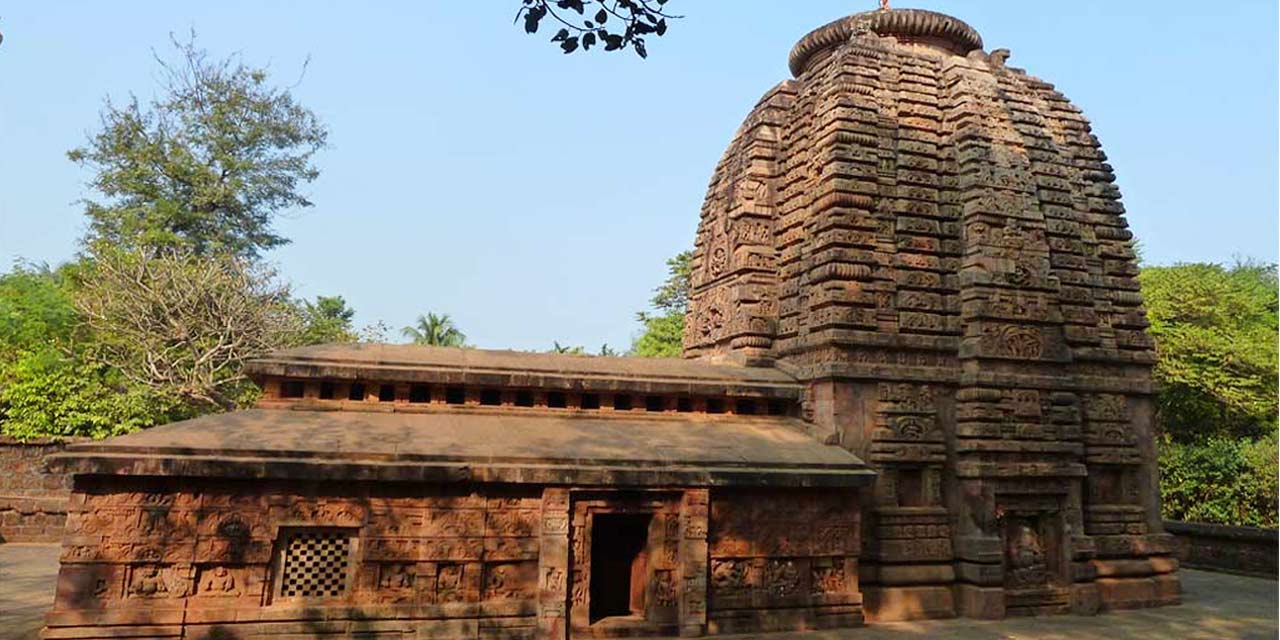
Constructed in 650 A.D. the Parasurameswara temple, another temple dedicated to Lord Shiva, is a unique specimen of the Oriyan style of architecture. The most special feature of this temple is the presence of one thousand lingas in the north-west corner of the complex. Besides the Lingas, it is adorned with beautiful carvings of Lord Ganesha, Lord Shiva and Goddess Parvati. The artistic splendor with which the detailing of the sculptures and carvings are done reflects the glory of the era gone by.

The Vaital Deul temple is an 8th century temple with a double-storey ‘wagon roof’ architecture which is influenced by Buddhist cave architecture. This is one of the oldest temple in Bhubaneswar and is dedicated to goddess Chamunda and houses a lot of beautiful and intricate sculptures. This temple was a centre of tantric worship, eroticism and bloody sacrifice. If you look closely, you will see some very early erotic carvings on the walls.

A popular 11th-century Hindu temple the Rajarani Temple is locally known as the ‘love temple’ because it contains some sensuous carvings of women and couples. No images can be found inside the sanctum, and hence the temple is not associated with any particular sect of Hinduism. This is perhaps exactly where the charm of the temple comes from: the temple belongs to no specific sect and is open to all people irrespective of the deity that they worship and admire. However, the figures of Lord Shiva and Goddess Parvati carved on the walls strongly indicate that the temple has certain associations with Shaivism. This temple is famous for its ornate deul or temple spires. Around the compass points are pairs of statues representing eight dikpalas (temple guardians). Between them, nymphs, embracing couples, elephants and lions peer from niches and decorate the temple’s pillars. According to historians, it was constructed at some time between the 11th and 12th century, but the exact period has not yet been ascertained. In fact, it is from the Rajarani Temple that the architecture of other temples in central India is believed to have been developed; the most notable examples being the Khajuraho temples and the Totesvara Mahadeo temple in Kadawa. The Rajarani Temple is currently under the care of the Archaeological Survey of India and is maintained as a ticketed monument, that is tourists need to purchase a ticket to enter the temple.
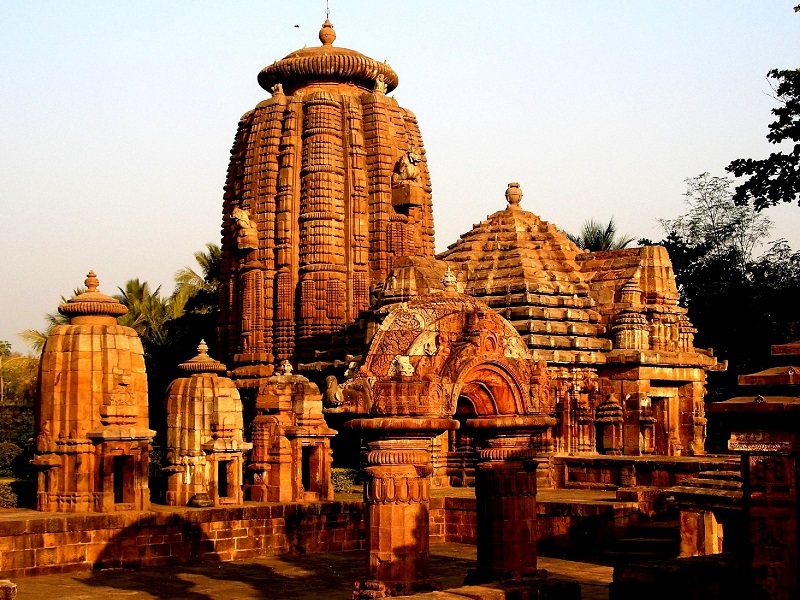
The Mukteswara temple is another temple dedicated to Lord Shiva. This small but beautiful 10th-century structure is one of the most ornate temples in Bhubaneswar. This temple presents a quintessential example of the beauty and grandeur of the Kalinga style of architecture. Intricate carvings show a mixture of Buddhist, Jain and Hindu styles – look for Nagarani (the Snake Queen), easily mistaken for a mermaid, whom you’ll also see at the nearby Rajarani Mandir. The ceiling carvings and stone arch are particularly striking, as is the torana (archway) at the front, clearly showing Buddhist sculptural influence. This temple has stood the test of time and still stands 35 feet tall in all its glory and charm. This temple has beautiful sculptures and carvings depicting the various Panchatantra stories.
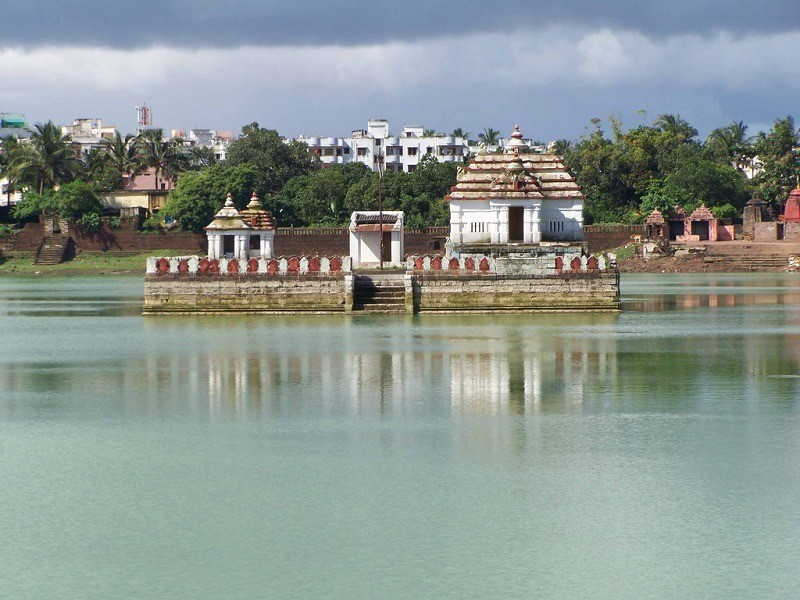
The Bindu Sarovar or Bindu Sagar is a water tank which is believed to be sacred by Hindus. This tank is surrounded by a number of temples and lies in the vicinity of the Lingaraj Temple. The water of the Bindu Sagar is believed to contain drops from all holy rivers and pools in India.

The Orissa State Museum has an exclusive collection of some unique and ancient art and craft objects which includes stone sculptures, bronze coins, musical instruments, armors, pre-historic metal plates etc. The place is a must-visit for all history enthusiasts. Initially, the museum was only an archaeological museum with a collection of sculptures, terracotta, numismatics, copper plates and specimens of fine arts. With the growing interest of the people, the antiquities were reorganized in a systematic manner. Stone sculptures were rearranged in three groups related to their styles: such as Gandhara Art, North Indian Art, Odisha Art, and each group were subdivided into Buddhist, Jain and Brahnmanical images. Terracotta objects and coins were also organised according to the spots they were found in, their age and types.
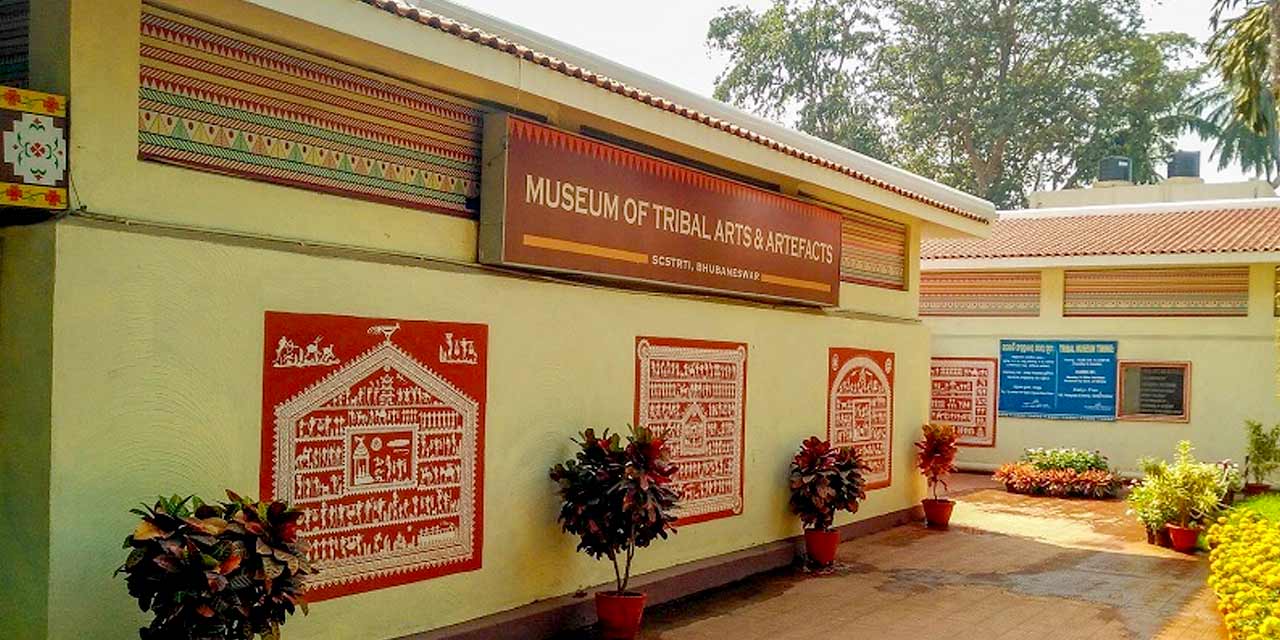
The Museum of Tribal Arts & Artefacts is a superb museum with a splendid collection that introduces one to the 62 tribes of Odisha. Complete with interactive elements such as augmented reality glasses, its galleries display traditional dress, bead ornaments, silver collars, coin necklaces, elaborate headdresses, ornate wind pipes and musical instruments. One gallery is dedicated entirely to weaponry, fishing, hunting and agricultural equipment. Behind the museum are replicas of traditional houses from the Gadaba, Kandha, Santal, Saora and other tribes. The collection consists of traditional tribal costumes, jewellery, accessories, weapons and gears, farming equipment, etc. The Schedule Caste and Schedule Tribe Research and Training Institute have incorporated the museum for anthropological research.
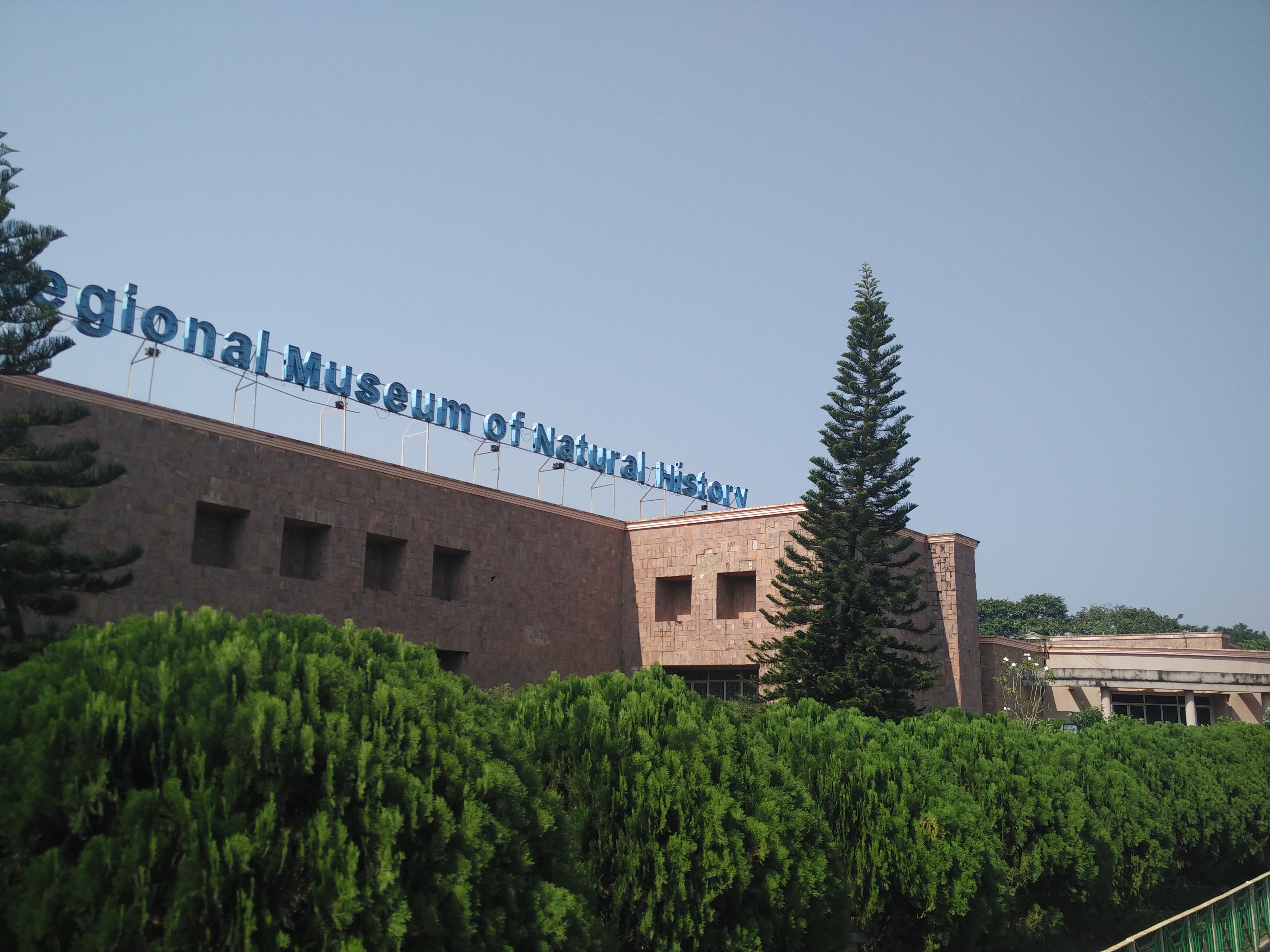
The Regional Museum of Natural History has an impressive collection of plants, skeletons of rare and extinct animals, photographs and relevant samples from all over the world and information on the geology of the city. The galleries emphasize the conservation of nature and natural resources while depicting ecological interrelationship among plants and animals. Visually challenged students can feel the exhibits of animals on the premises. Established by the Ministry of Environment and Forest, this is the only museum in India that has, on display, a rare egg of the now extinct Elephant Bird, the Baleen Whale and many more such exhibits that help enlighten the knowledge of animal and nature lovers. Since May, 2017 this museum became one of the first museums in india to generate and use green energy though solar power production.
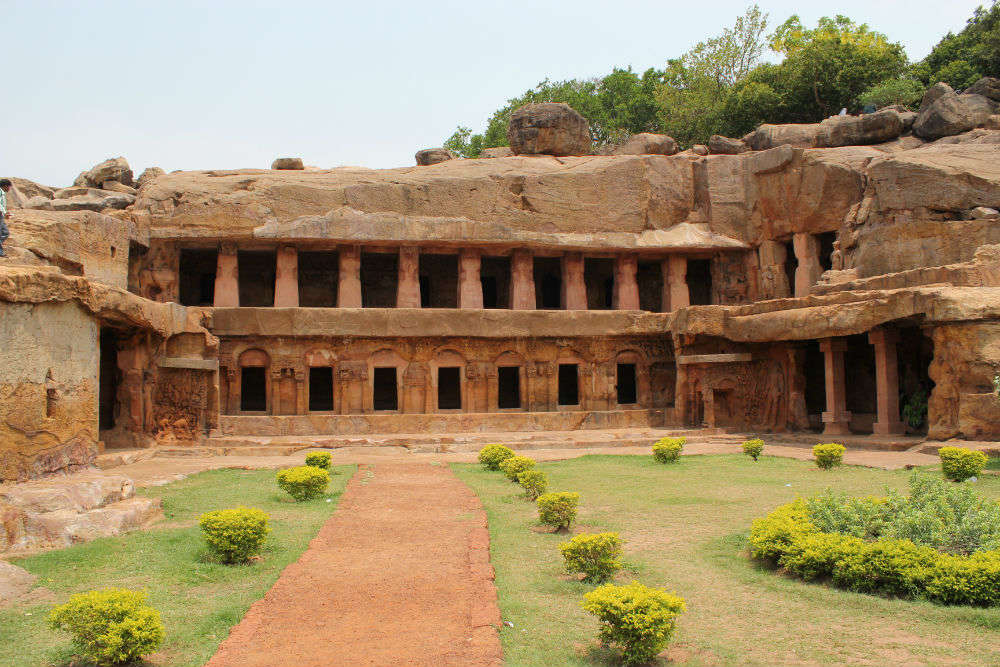
Six kilometres west of the city centre are two hills riddled with rock-cut shelters known as the Udayagiri and Kandagiri caves. Also known as Cuttack caves, the Khandagiri Caves are artificial caves date back to 2nd century. Khandagiri is topped with a fine temple. Many of the caves are ornately carved and thought to have been chiselled out for Jain ascetics in the 1st century BC. The place is quite a sight to see with all the beautifully carved inscriptions and figures. A large number of ancient temples with intricate carvings surround this place which have their own significance. Ascending the ramp at Udayagiri (Sunrise Hill), note Swargapuri (Cave 9) to the right with its devotional figures. Hathi Gumpha (Elephant Cave; Cave 14) at the top has a 117-line inscription relating the exploits of its builder, King Kharavela of Kalinga, who ruled from 168 to 153 BC. Around to the left you’ll see Bagh Gumpha (Tiger Cave; Cave 12), with its entrance carved as a tiger mouth. Nearby are Pavana Gumpha (Cave of Wind) and small Sarpa Gumpha (Serpent Cave), where the tiny door is surmounted by a three-headed cobra. On the summit are the remains of a defensive position. Around to the southeast is the single-storey elephant-guarded Ganesh Gumpha (Cave 10), almost directly above the two-storey Rani ka Naur (Queen’s Palace Cave; Cave 1), carved with Jain symbols and battle scenes. Continue back to the entrance via Chota Hathi Gumpha (Lesser Elephant Cave; Cave 3), with its carvings of elephants, and the double-storey Jaya Vijaya Cave (Victory Cave; Cave 5), with a bodhi tree carved in the central area. Across the road, Khandagiri offers fine views over Bhubaneswar from its summit. The steep path splits about one-third of the way up the hill. The right path goes to Ananta Cave (Eternity Cave; Cave 3), with its carved figures of athletes, women, elephants and geese carrying flowers. Further along is a series of Jain temples; at the top is another (18th-century) Jain temple.
It is believed that the Khandagiri caves were dug during the rule of the great emperor of the Mahameghavahana Dynasty, King Kharavela. These caves are believed to be built by Jain and Buddhist monks who used these caves as a place to pray and meditate. You can also see that this place is replete with flora and fauna. Animals such as elephants, wild boars, hyena, panther, jackal, fox and bears can be seen as well as home to colourful birds including peacocks, the Indian cuckoo, the Kingfisher and the Indian tree pie. Snakes and lizards are also common inhabitants of this place. The interesting places close to the caves include the Chausathi Jogini Temple, the Kedareshwar Temple, the Swarnajaleswar Temple, the ISKCON Temple, the Chandaka Dampada Wildlife Sanctuary, the Jayadev Vatika, the Museum of Tribal Arts and Artifacts, the Mukteswara Temple, the Ram Mandir, the Lingaraja Temple and the Dhauli Giri Hills. You get fantastic views of the city of Bhubaneshwar from the Dhauli Giri hills.

Dhauli
Situated on the banks of the river Daya, Dhauli lies about 8 km south of Bhubaneshwar. This is the area which is believed where the Kalinga War was fought around 260 BC between the Mauryan Empire led by Ashoka the Great and the Kalinga kingdom. The war was so intense that it is said that Daya’s water had turned red with the bloodshed because of the massacre. This also led to significant change in the beliefs of King Ashoka and he eventually adopted Buddhism.
Ashoka’s responses to this war in form of 11 of Ashoka’s 14 famous edicts, which are essentially rock structures with inscriptions on them were carved onto a rock at Dhauli. Above the edicts, the earliest Buddhist sculpture in Odisha – a carved elephant representing Buddha – emerges from a rock.
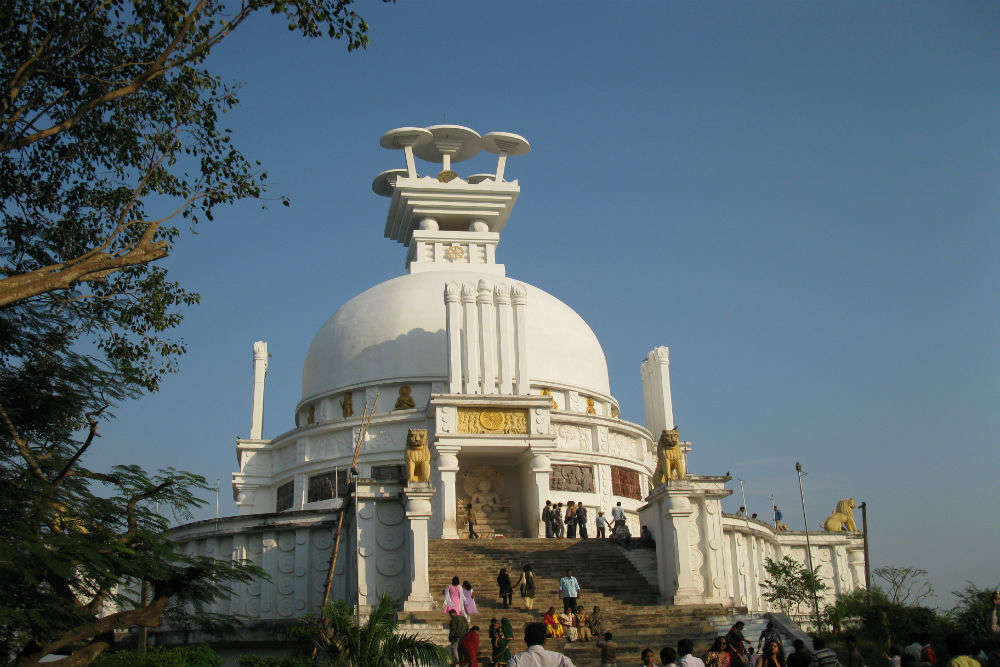
Just beyond the rock edicts, each translated into English, is the huge, white Shanti Stupa (Peace Pagoda), built by Kalinga Nippon Buddha stupa in collaboration with Japan Buddha Sangha in 1972 on a hill to the right. Older Buddhist reliefs are set into the modern structure, and there are great views of the surrounding countryside from the top. The Shanti Stupa is a big white building covered with the dome on top and beautified with intricate carvings on it. These carvings are elephants processions, reclining Buddha, sleeping beauty, emperor Ashoka giving up on war by offering his sword to lord Buddha and many others. There also stand two pillars like Ashokan pillars on the entry with two lion at the top standing as to guard the lord.





 Memories and Such
