I can’t believe that it’s the end of January! Even though I logically know that it’s the elasticity of time at work, it just feels like yesterday we started 2021 and tomorrow we will tear off the page of the calendar that is January.
To start, here’s today’s positivity quote:
I have been more or less consistent with my resolutions for the year. I figured that if I stayed on the course for one month, it would mean the resolutions have become some sort of a habit and will be easily kept for the rest of the year. As a back story, I used to slack on some of these items (which I already did in previous years), especially during weekends, but this time I have been quite diligent in following through each day, including weekends. I do have hopes for this year. I am also keeping a very strict eye on my blood sugar levels and have an ideal number to reach by the end of the year, but this is something that will take time, so wish me luck there.
I’m really proud of keeping up my target steps for the month every single day of the month (and I will walk today too to finish the month on a high) and so yesterday I thought I should track how much further I have walked this year. The driving distance between Singapore and Mumbai according to Google maps is 6,747 km and though I know I won’t to that distance in a year, I thought I should track where I will be if I do this virtually. So this month, I have walked enough to cross the border into Malaysia from my home and then walk across the state of Johor and reached the state of Malacca! I
Last year, and in January, I was not able to read as much as I wished, though I am still on track for my reading goals for the year. I am looking forward to reading more in February, especially non-fiction since that is something I want to read more this year. Let’s see how this pans out. Yesterday I attended some wonderful Zoom lectures organised by the Singapore National Library Board about reading and my key takeaway from one of the lectures was today because of so much digital distractions, we are not reading deeply and only skimming. This really struck hard because I am currently really struggling with reading. So I am going to really force myself to sit with a physical book each day and read with concentration for at least 20-30 minutes each day. This is such a far cry from a decade or two back when I could sit with a book and binge read for a couple of hours at the very minimum.
If you notice, I haven’t yet spoken about COVID. The world had its one hundred millionth case this week and we are at 102 million cases with the US at 26 million cases, India at 10.7 million cases and Brazil at 9.11 cases. Earlier in the week, we were told that its very possible that the panademic will continue for the next three to four years and masking, safe distancing and good hygiene habits will be a norm rather than something we are expected to do.
Leader: 50 Insights from Mythology – Devdutt Pattanaik
What does the Biblical story of Nathan and David say about effective communication skills? How do you identify the Raja Bhoj, the Gangu Teli and the Shekchilli in your office? What is the corporate equivalent of an Ashwamedha yajna?
Drawing from sources as diverse as the Mahabharata and the Bible, the Vikram-Betal stories, the Iliad and the Odyssey, Islamic tenets, the tales of rishis and kings, and fables from around the world, Devdutt Pattanaik, India’s leading mythologist, provides a fascinating account of what leadership entails. How to choose the right leader, effectively communicate with a boss, maintain the right balance between discipline and leniency? In these and other workplace situations, Pattanaik shows what leaders of today can learn about the art of leadership from stories written thousands of years ago, things no management course can teach.
Leader: 50 Insights from Mythology uses myths and legends to arrive at wisdom that is both time-worn and refreshingly new, on what makes a good leader.
Guntur Known as the Land of Chillies, Guntur is famous for its massive chilli market yard. It is the 24th most densely populated city in the world, 11th most in India and third most populous town in Andhra Pradesh located at a distance of 30kms from the newly coined capital Amaravathi and forms a part of the new AP Capital Region. The earliest reference to the present name of the city can be dated back to the period of Ammaraja I who ruled between 922 and 929 AD, the Vengi Eastern Chalukyan king. In Sanskrit, Guntur was referred to as Garthapuri, which translates to a place surrounded by water ponds. The earliest recorded reference of Guntur comes from the Idern plates of Ammaraja I. The inscriptions stones in the Agastyeshwara temple in the Naga Lipi, an ancient script, dates back to about 1100 AD in old Guntur and is considered one of the its famous temples. The region has been historically known for Buddhism and the first Kalachakra ceremony performed by Gautama Buddha himself. With the arrival of the Europeans in the late sixteenth century the city attained national and international significance when the French shifted their headquarters from Kondavid Fort to Guntur in 1752. The Nizams of Hyderabad and Hyder Ali also ruled the city until it came under British rule in 1788. With a busy industrial scenario, Guntur forms part of the prominent Vishakhapatnam-Guntur Industrial corridor and is renowned as a textile and transport hub in India.
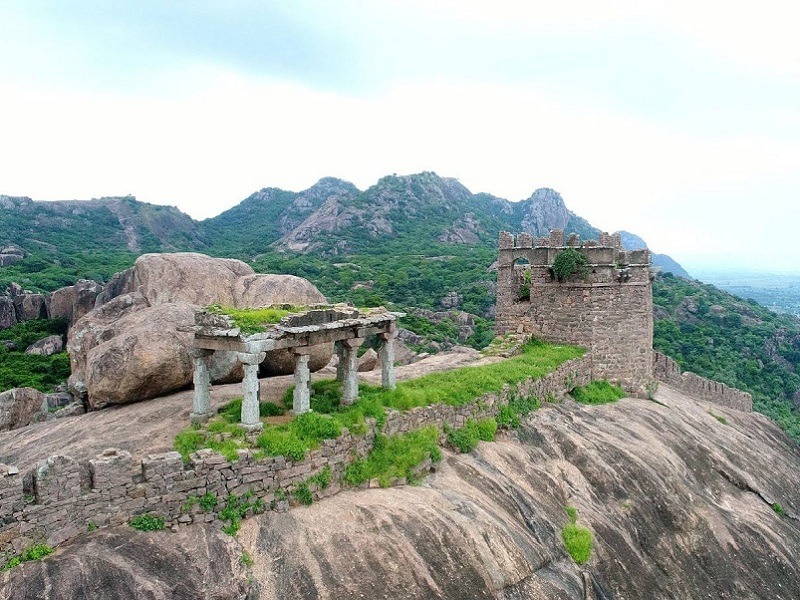
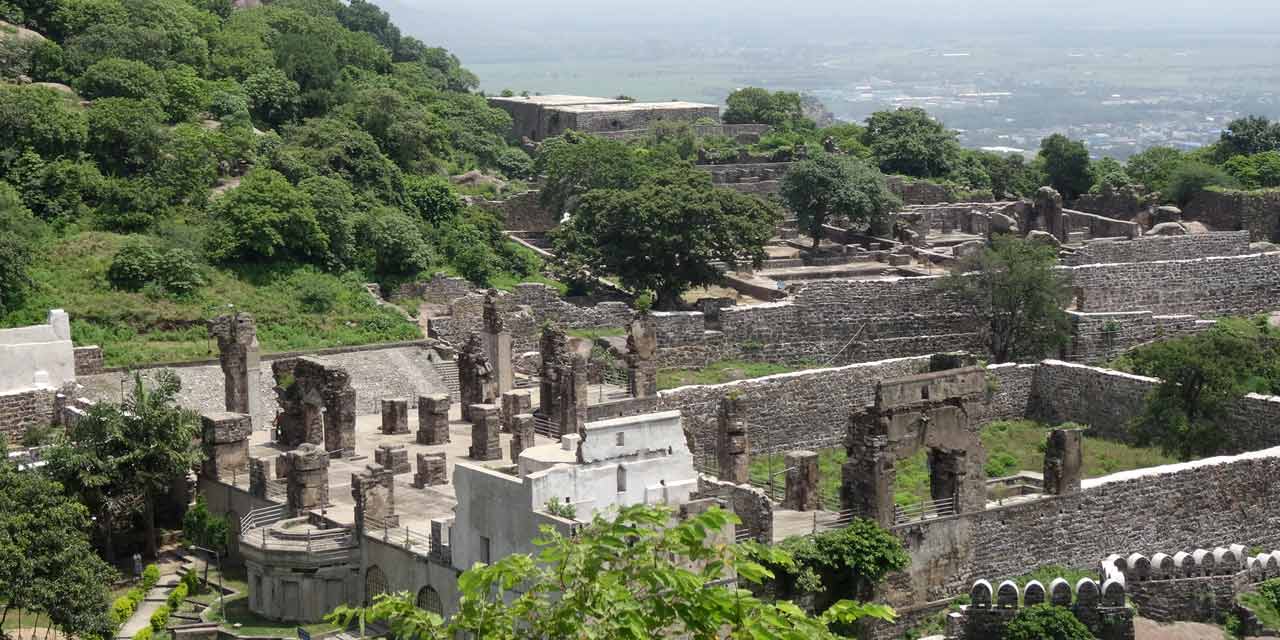
Kondaveedu lies about 17 miles from Guntur and houses an ancient fort belonging to the 13th century built by the Reddy kings comprising of 21 magnificent structures. Situated on the top of the hill, the views from the fort are amazing. The place also offers an ideal trail for trekking. A group of several temple located at the base of the hillock provides a captivating sight with Kathulabave and Gopunatha Temple being two of the many temples in the area. The best time to visit the fort is between October and March and the fort is open all days and has no entry fees.
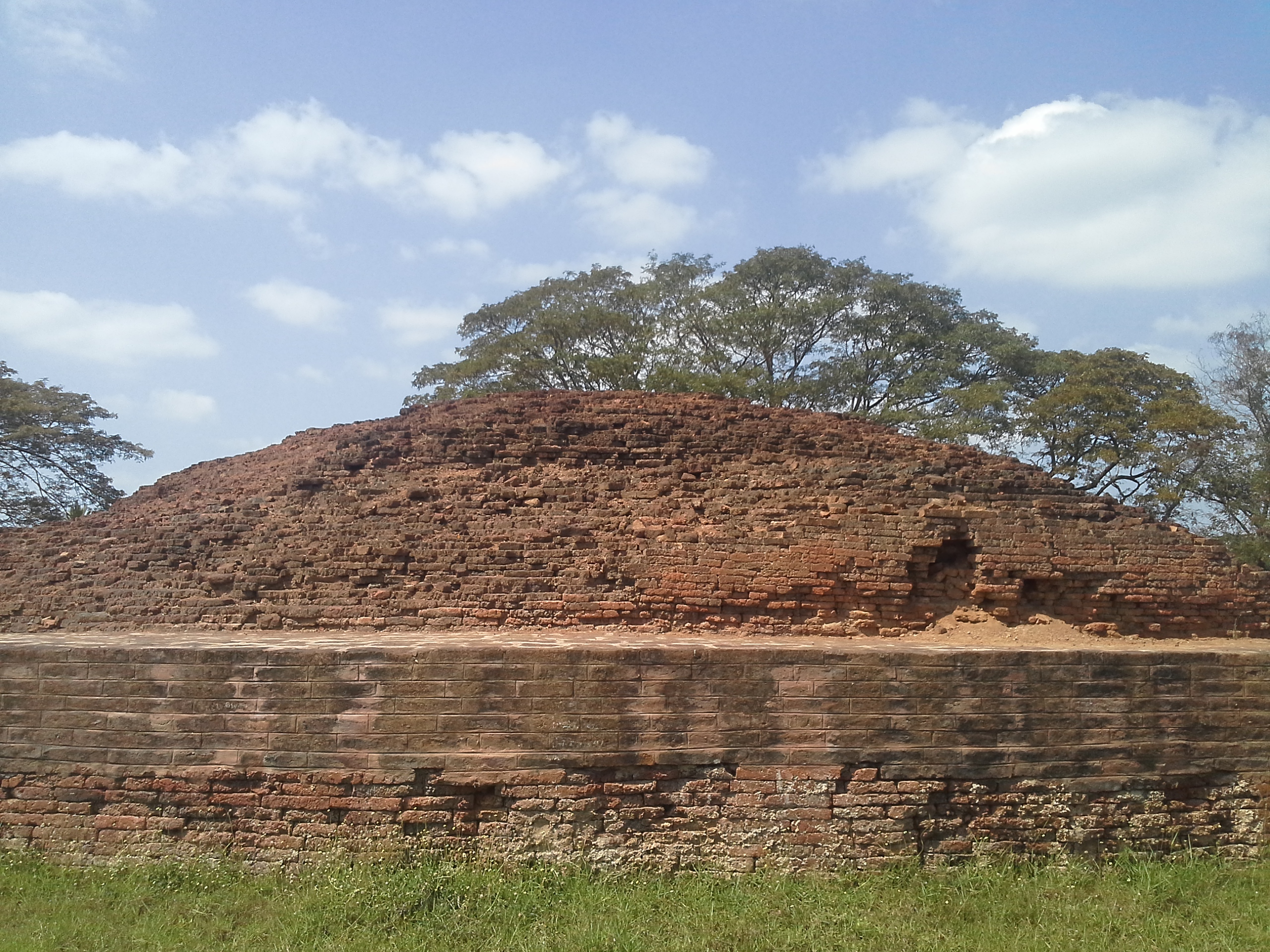
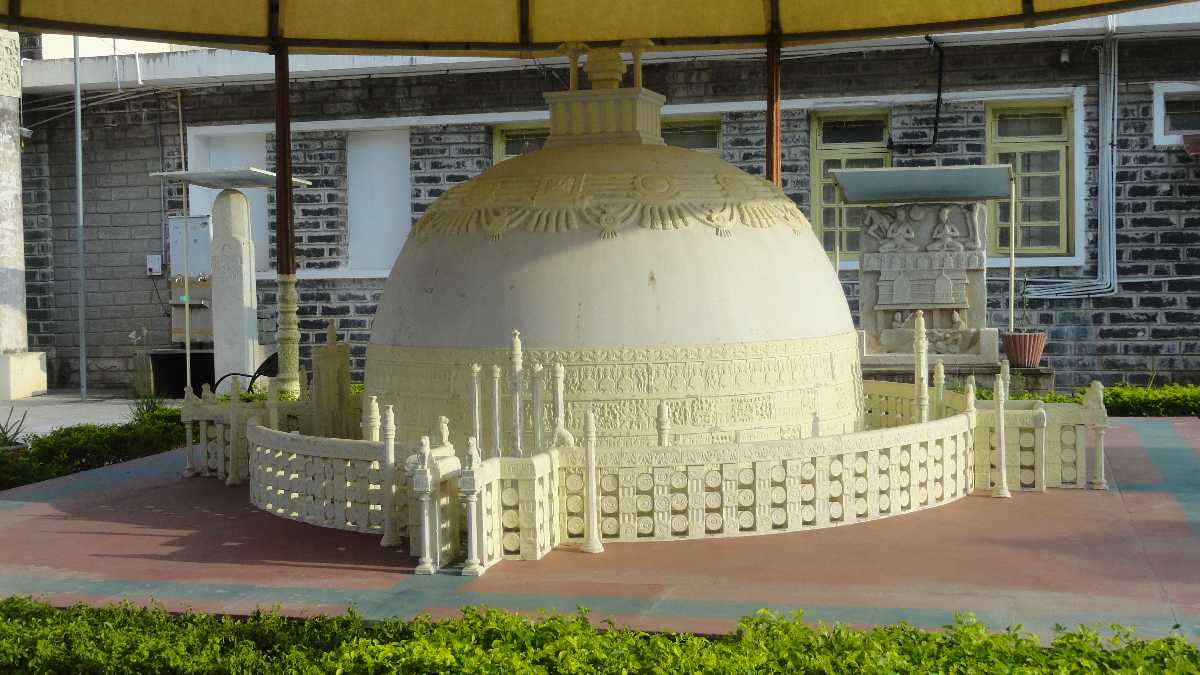
Bhattiprolu is a small village mainly known for its Buddhist stupa that is a centrally protected monument of national importance. Originally known as Pratipalapura, Bhattiprolu was ancient Buddhist town that used to flourish during the rule of the Sala dynasty. As per records, King Kuberaka used to rule this town around 230 BC and the stupa is known to have been built around the 2nd and 3rd centuries BC. The stuapa was found during excavations between 1870 and 1892. Boasting of a diameter of 40 m, and an additional basement of 2.4 m, the great stupa is also called the Mahachaitya. The Mahachaitya also has a large halls with several pillars, some ruined votive stupas which have several stupas of Lord Buddha. Besides this, there were also some stone receptacles found- which contained a copper vessel, silver casket and golden casket, with enclosed beads of bone and crystal etc. During exavations in Bhattiprolu, examples of the Brahmi script were found written on an olden urn with the relics of Buddha. This script has been named as the Bhattiprolu Alphabet and experts believe that the Telugu and Kannada script was inspired by the same.
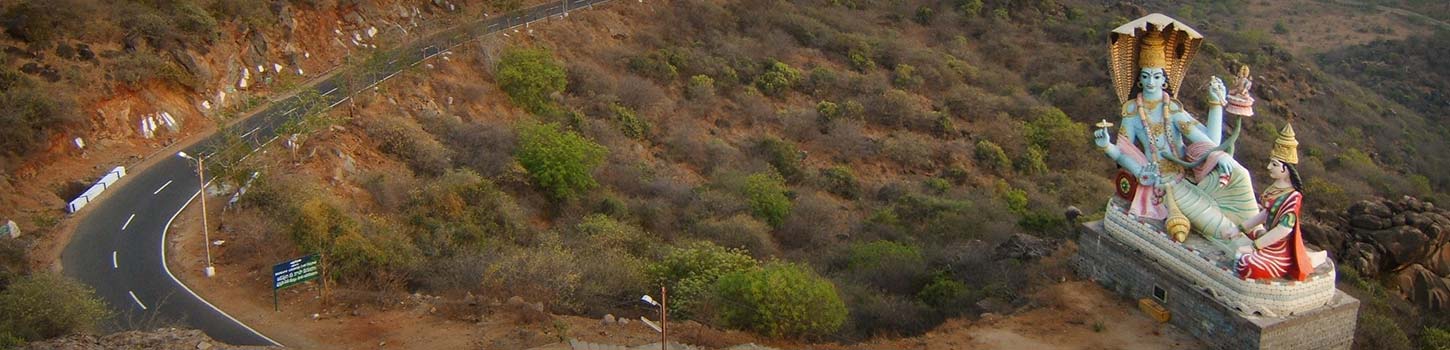
Originally known as Kondakavuru, Kotappakonda Trikutaparvattam is famously known as Kotappakonda or Trikutaparvattam meaning a three-peaked hill which actually lies nearby. Located nearly 25 miles from Guntur, it offers a panoramic view of majestic hills from any direction. The popular three peaks derive their names from Hindu mythology namely Vishnu, Brahma and Maheswara. Another place worth visiting is Guthikonda Cave as well as the Someswara Swamy temple is another popular place to visit. Kotappakonda Trikutaparvattam is open daily from 6 am to 12:30 pm and then again between 3 to 8 pm.
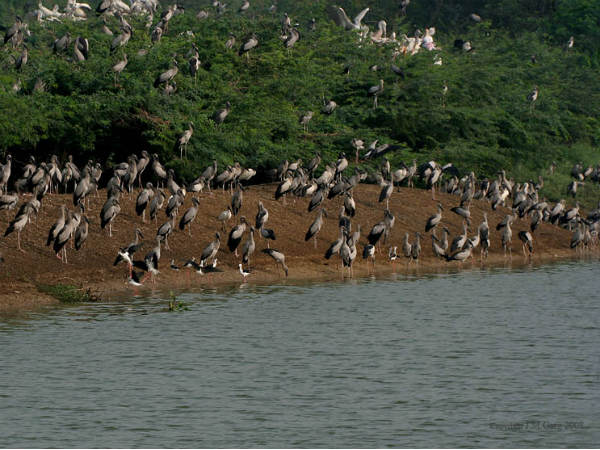
A place to admire a large number of endangered species of Birds, the Uppalapadu Bird Sanctuary is situated in the southern side of the city. The water tanks in the region are a perfect place to enjoy a beautiful spectacle of birds like the spot-billed pelicans and painted storks. The number of bird species has, however, has reduced in the recent time from 12,000 to 7000. There is an entry fee of INR 30 per person.
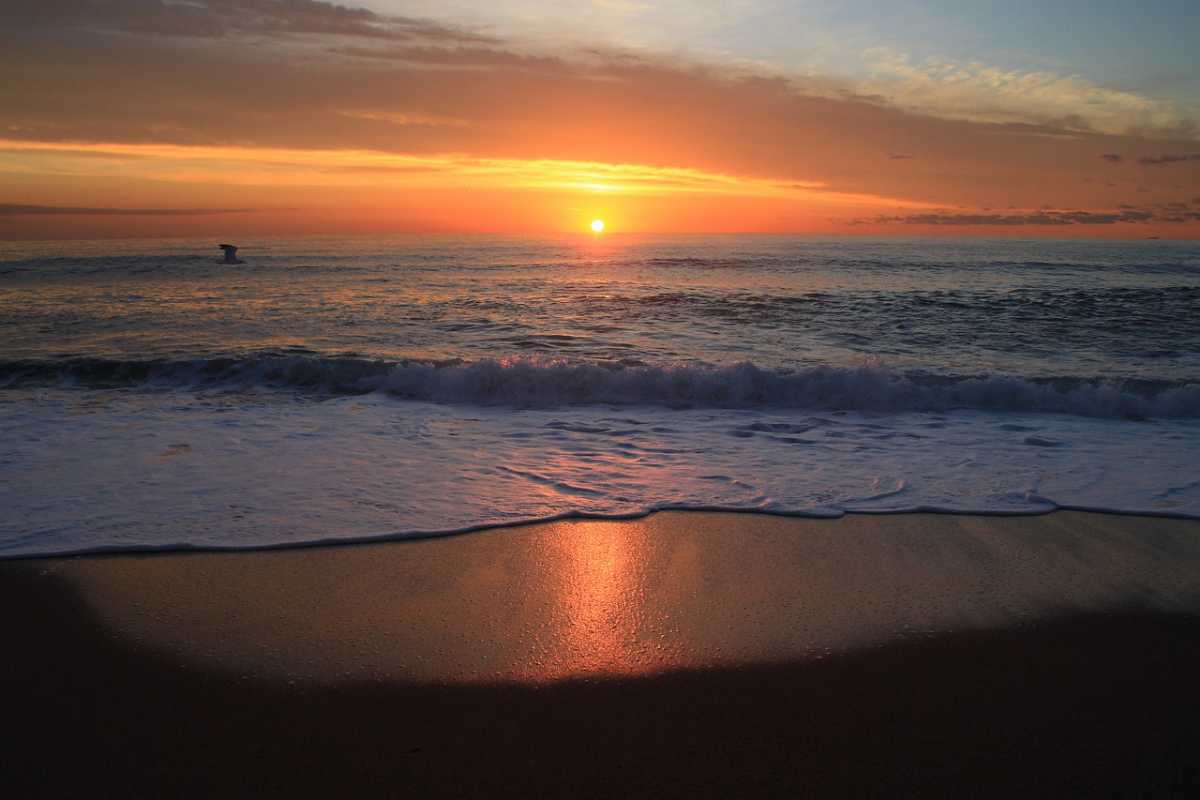
Chirala Also known as Ksheerapuri, which translates as the town of milk, the peaceful town of Chirala was founded by Minchala Paleti Papayya and Minchala Paleti Perayya. Over time, the name changed to Chirala, where Chira means a sari. The town and the surrounding areas are known for their high-quality hand-loom industry and is known as Mini Bombay or Chenna Bombay. Chirala is famous for its quiet beaches, splendid panoramic view and extremely hospitable people. The beaches of Chirala are untouched by human malice and over-population. The two prime beaches of the town include the Ramapuram Beach and the Vodarevu Beach which are famous for their silent and peaceful nature, where one can hear the waves roaring and chirping of birds with unparalled sunrises and sunsets. Chirala is an abode of magnificent temples, churches and glittering local market. Some of the noteworthy places include the St. Mark’s Lutheran Church, the Veera Raghavaswamy temple, the Padmanabhuni Swami Temple, the Sai Baba Temple, the St. Luke Church and the Pooleramma temple.
Nagarjunakonda An island today, Nagarjunakonda is a historical town, located near Nagarjuna Sagar, near the state border with Telangana. The ruins of several Mahayana Buddhist and Hindu shrines are located at Nagarjunakonda which is one of India’s richest Buddhist sites, and today lies almost entirely under the Nagarjunasagar Dam. The town is named after Nagarjuna, a southern Indian master of Mahayana Buddhism who lived in the 2nd century, who is believed to have been responsible for the Buddhist activity in the area. The site was once the location of many Buddhist universities and monasteries, attracting students from as far as China, Gandhara, Bengal and Sri Lanka. 3rd and 4th century inscriptions discovered there make it clear that it was known as Vijayapuri in that period with the name Nagarjunakonda dating to the medieval period. The Ikshavaku inscriptions invariably associate their capital Vijayapuri with the Sriparvata hill, mentioning it as Siriparvate Vijayapure.
Situated at the top of the hill, the Nagarjunakonda Caves depict the life of the Buddhist civilisation that existed here. From the beautifully carved sculptures, the inscriptions on the cave walls to the life sized statues and relics of the Buddha, this cave offers a visual treat. Apart from this, there is another cave situated underground and is horizontal and is said to be the second largest cave in the Indian sub-continent. The museum in the premises offers a collection of excavated artifacts belonging to the era. Open daily from 7:30 am to 7:30 pm, there is no entry fee to access the caves.
The chief abbot of Nalanda University, Acharya Nagarjuna established a University and meditation centre known as Dhamma Nagajjuna and many people from far and near came to learn the Dhamma and helped in spreading it all over Southeast Asia. Today this is known as Nagarjuna Sagar and is a Vipasna meditation centre that teaches the Buddhism way of living. The basic course is of a 10 day meditation programme, free of cost and involves living there with minimal belongings and attaining oneness with nature and oneself. The course is conducted in Hindi, Telugu and English. Though the course is free, prior reservations need to be made.
The world’s largest masonry dam protected with 26 gates measuring 14m in height and 13m in width, the Nagarjunasagar Dam is built across the Krishna river. The dam has a storage capacity of nearly 11,472 million cubic meters with an irrigation capacity for 10 acres of land. The dam is 150 m tall and is 16 kms in length while also being a major tourist attraction. It is among the first irrigation projects started by the Indian government as an element of the green revolution. Today, apart from offering not only irrigation facility, but it is also a source of hydroelectricity and attracts a large number of tourists owing to its great magnificence as well as the cover of dense green surrounding it offering a captivating view. The best time to visit the dam is between October to February and it has an entry fee of INR 20 for adults and INR 15 for children. Boating in the dam can be done daily except on Fridays at 9 am, 11:30 am and 1:30 pm.
Srisailam A hill town, Srisailam is famous for the Mallikarjuna Jyotirlinga Temple and is one of the 18 holy Shaktipeethas or pilgrimage sites for the Saivism and Shaktism sects of Hinduism. The town is classified as both a Jyotirlinga and a Shakti Peetha. Situated on the banks of river Krishna, Srisailam is identified with a wildlife sanctuary and a dam.
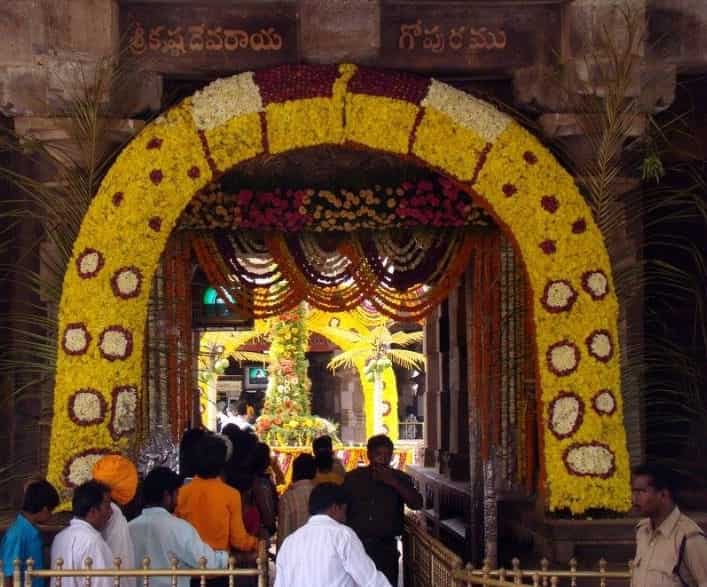
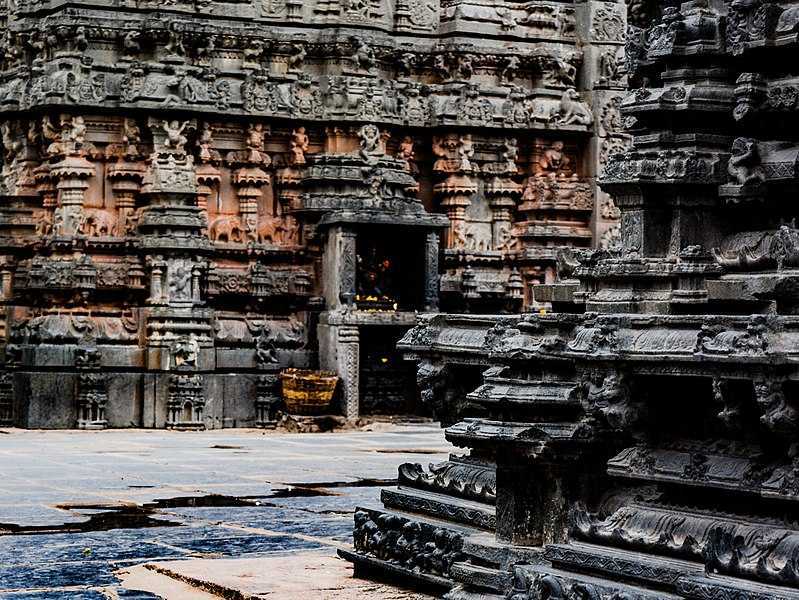
On the southern bank of the Krishna river is a temple the town Srisailam is known for. The Mallikarjuna Swamy Temple, is the most celebrated temple of the town and finds it roots in the sixth century, when it was built by King Harihara Raya of Vijayanagar. According to legend, Goddess Parvati cursed sage Bringi to stand, as he only worshipped Lord Shiva. Lord Shiva, after consoling the goddess, gave him a third leg, so that he could stand more comfortably. Visitors can find the idol of sage Bringi standing on three legs here as well as idols of Nandi, Sahasralinga and Nataraja. The walls and pillars of the temples are also adorned by beautiful carvings and sculptures. One of the most beautiful temples of the town, this is the one sacred structure, located on the Nallamala hills, that should not be missed.
At the highest point of Srisailam, referred to as Sikharam, one finds a temple dedicated to the Sikhareswara Swamy, watching over the landscape and a pristine Krishna river flowing below. Sikhareswara Swamy is one of the forms of Lord Shiva and is believed to possess the power to free his devotees from their sins. Here, at this abode of the Lord of Sikharam, you can find some of the most beautiful views in the area with another temple dedicated to Lord Ganesha.
A recent addition to the temples of Srisailam is the Hemareddy Mallamma temple located close to the Mallikarjuna Swamy temple. The temple has an ashram next to it.
Located amidst beautiful surroundings, the Sakshi Ganapati temple is a small little shrine dedicated to Lord Ganesha. Devotees believe that Lord Ganesha knows who visits the Mallikarjuna Jyotirlinga and keeps a record and shows it to Lord Shiva. Hence, devotees visit this temple first to register their visit before visiting any other temple in Srisailam. There is a modest climb of 10 steps to reach the sanctum of this temple which is nestled amongst dense woods.
A modest temple, housing a Shiva Linga, the Hathakesvara temple tends to be one of the most frequently visited temples, by locals. The temple is said to at the same place as where Sri Adi Sankaracharya, created one of his philosophical texts.
Situated at a distance of 20 km from Srisailam, the Ista Kameswari temple is dedicated to an avatar of Goddess Parvati, Goddess Istakameswari. Dating back to somewhere between the 8th and 10th centuries, the temple is based in the middle of a lush green forest and boasts of stunning landscape. Known to have a striking architecture and beautiful designs, the temple is located inside the folds of a cave that makes it all the more interesting and unique. Other than the surroundings, the highlight of the temple is the idol of Goddess Kameswari which is said to have a super soft texture although it is made in hard steel. It is believed that the Devi can grant any wish to the devotees if they visit it even once.
Srisalam is known for its devotion towards Lord Shiva, and a rocky bank of this river has in each of its rocks, believed to be an image of Lord Shiva. The belief also grants the bank its name, Lingala Gattu.
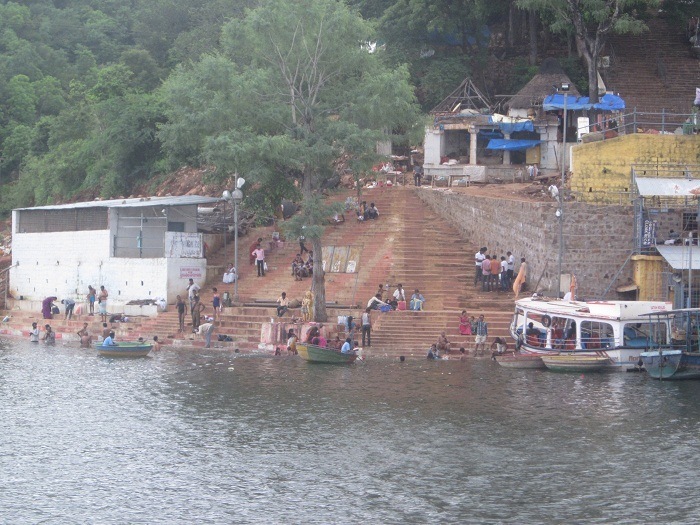
The setting of Akkamahadevi caves around 10 kilometres away from Srisailam in Telangana is a natural wonder. Located right across the Krishna river, the caves are a natural formation that has been in existence for more than a million years amidst the Eastern Ghats. With its naturally formed arch at the entrance which stands without any support of any kind, the main attraction is the deep-lying Shivalinga inside the extensive maze of pathways. The lingam is a popular religious shrine, dedicated to Lord Shiva and has attracted tourists and pilgrims for centuries. The hills of the Nallamala range across the ghat section offer serene, picturesque views of the vista around, en route the Akkamahadevi Caves. The Krishna river is the sole route available to access the caves, and the small but scenic journey is said to be well worth the effort. Private and public boat operators undertake these short trips from the small piece of habited land, close to Srisailam. Bordered by the towering Nallamala hills on all sides, ride may last up to an hour or so. The caves are named after the Kannada poetess, saint and philosopher of the 12th century, Akka Mahadevi. She is said to have performed penance and offered prayers inside the caves to the naturally existing Shivalingam deep inside the cave formation.
As the river Krishna turns down hill, it is called Patala Ganga or the underground Ganges with a certain spirituality in the air. One can also try the enjoyable ropeway car ride and look down at the majestic river and lush green beauty all around. The starting point of the ropeway is near the Srisailam Mallikarjuna temple. The ropeway is open from 6 am to 5:30 pm while you can enjoy boating from 9 am to 5 pm daily. Cost of the both the ropeway and the boating is INR 50 for adults and INR 35 for children.
One of the main centres of attraction for the town, the Srisailam dam is also one of the 12th largest hydroelectric projects in India. A blend of uninterrupted natural beauty and engineering genius, the Srisailam dam emerges out of the verdant greenery of the Nallamala Hills to mark its presence and is built across the verve of the Krishna river and nestled in a deep canyon, surrounded by forests and sceneries, finding a home in the sound of gushing and falling water. The road up to the dam is a scenic beauty too, and the view of the Srisailam Dam is a sight to behold. The foundation of the dam was laid down in 1960 and was completed in 1981 with the second phase undertaken in 1987 to convert the site into a multipurpose project with a capacity to generate additional 770mw of power.The imposing structure of the dam is perched at a massive height of 300 metres and the edifice itself is 145 metres in height and 512 metres in length. One of the best things to do around the Srisailam dam is to spend some quality time as one looks over to the gurgling waters of the Krishna. The view from the top of the dam is an astonishing sight, especially when the water is released and one can see the might of its flow. Visitors can also explore the dam using the ropeway and taking a boat ride on the Krishna river. The dam is open from 6 am to 5 pm daily and entry is free.
Octopus View Point is a view point is located 5 km before Domalpenta and offers amazing views of the adjoining forests, enchanting gorges and the mesmerising backwaters of the Krishna river. It is so named because of Krishna river down below looks like an octopus spread between the hillocks. It provides a spectacular bird’s eye view of the entire valley below. In addition to that, there is a regular safari tour conducted by the reserve that is the major highlight of the place.
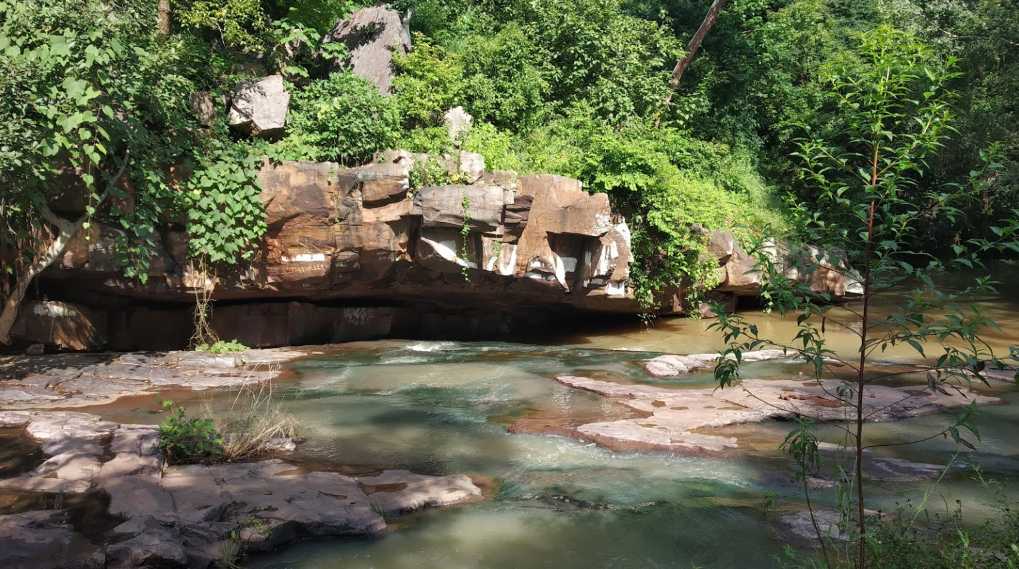
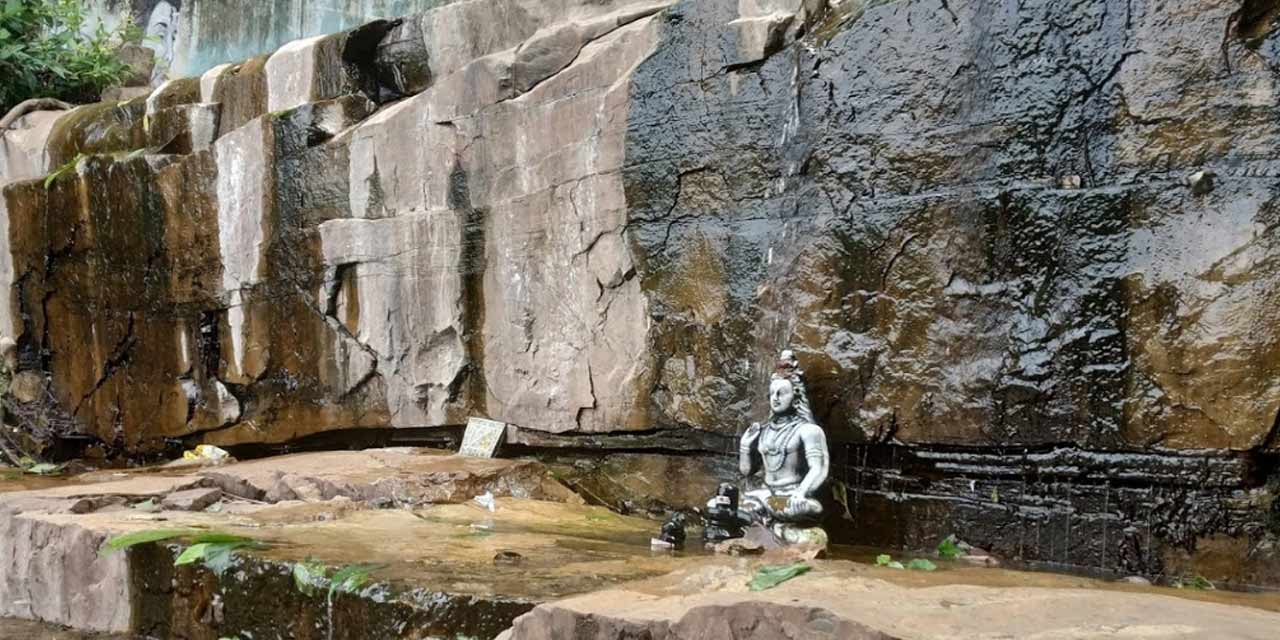
Paladhara Panchadara is a beautiful scenic spot that is located around 4 km from Srisailam and can be reached by a flight of stairs that leads to an infusion of several streams. The gurgling of streams along with the beauteous natural environment surrounding the place makes it the perfect spot to reflect and unwind. It also holds significant religious importance as the name of the central stream Paladhara Panchadara is derived from the Hindu God Lord Shiva. It is believed that the stream was named after the one originating from Lord Shiva’s forehead with pala meaning forehead and dhara meaning stream. It is believed that Sri Adi Shankaracharya stayed here in the 8th century while he was meditating. He created his renowned masterpiece Sivanandalahari right here as well as the Bhramaramba Ashtaka where he praises Goddess Bhramaramba. Paladhara Panchadara is open between 9 am and 5 pm daily.
Find yourself fascinated as you witness instances of the livelihoods and cultures of the tribes of Andhra Pradesh at the Chenchu Lakshmi Museum. Also, honey collected by the tribes and packaged by the state government is also available at the museum for sale and is a true specialty to take back home.
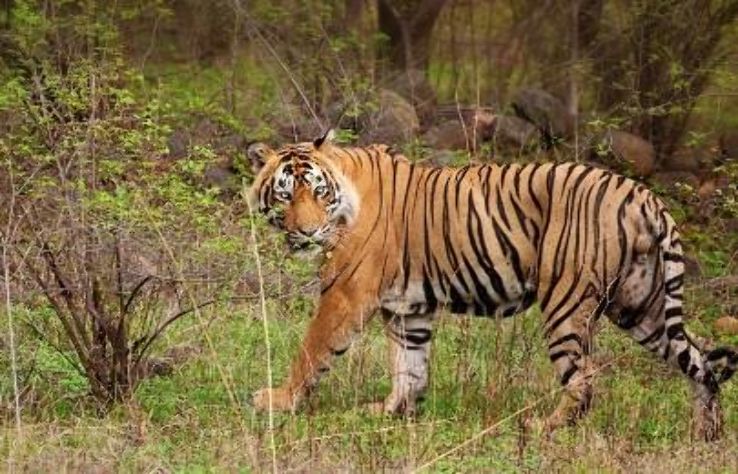
The Srisailam Tiger Reserve occupies a total area of 3,568 acres, making it one of the largest tiger reserves in India. The Srisailam Dam and Nagarjunasagar Dam are also located in the reserve area. Apart from tigers, one can spot other animals like the leopard, sloth bear, dhol, Indian pangolin, chital, sambar deer, chevrotain, blackbuck, chinkara, and chowsingha. There are other reptiles and amphibians also found in this area including crocodile, Indian python, king cobra and Indian peafowl. One also finds a number of crocodiles in the down waters of Srisailam Dam, where a breeding programme, supported by the local government is being carried out.
Cumbum Cumbum town is widely popular for the age-old man-made lake here. Also called Gundlakamma Lake, it is built on the rivulet of the same name upon Nallamalai Hills. The lake is 7km long and has a width of 3.5km. Cumbum Lake is touted as one of the oldest man-made lakes in Asia. It has its roots in history as it was built by Gajapati rulers of Odisha back in 15th century and was later modified and its anicut was built by Varadharajamma, Vijayanagar princess and wife of King Krishnadevaraya back in the 17th century. Details provided from the Imperial Gazette of India shows that in those days, the lake supplied its water to 10,300 acres of land for the purpose of irrigation which is why it earned the reputation of being the second-largest irrigation tank in Asia. That Cumbum had been under the reign of Mughal rulers are proven by the inscriptions here in the town. There are two, particularly, which belong to the early 18th century. One refers to the death of Sheriff Khaja Muhammad, who was the Qiladar of the Cumbum fort during the reign of Aurangzeb and the other refers to Muhammad Sahib, the governor of Cumbum during the reign of Muhammad Shah. Since the lake is located in the lap of Nallamala forest, one can visit the nearby temples and waterfalls too. The Srisailam temple is nearby as well as the Bhairavakona waterfalls which includes the monolith Bhairavakons temple dedicated to Lord Shiva and Goddess Parvati as well as eight smaller temples carved out from the hills.
Nellore Nellore is a beautiful city lying on the banks of the river Penna and was known as Vikrama Simhapuri in ancient times. There are various theories linked to the origin of its name. A mythological story from the Sthala Purana depicts a lingam in the form of a stone under a nelli tree. The place gradually became Nelli-ooru with Nelli standing for the emblica tree and ooru generally means place to the present day Nellore. Another explanation is that the town got its name from the extensive cultivation of paddy in and around it with Nell meaning paddy and ur meaning town. The Gazetteer of the Nellore District considers the latter the more plausible etymology. Nellore had been under the rule of Mauryas, Satavahanas, Cholas, Pallavas, Pandyas, Kharavela of Chedi dynasty, Kakatiyas, Eastern Gangas of Kalinga Empire, Vijayanagara Empire, Arcot Nawabs and other dynasties. The town was under the rule of Ashoka of the Mauryan dynasty in the 3rd century BC and then conquered by the rulers of the Pallava dynasty and was under their rule till the 6th century AD, subsequently the Chola rulers ruled Nellore for a long period of time. The Telugu Cholas met their decline in the 13th century. Tamil inscriptions indicate that it formed part of Chola kingdom till their decline in the 13th century and later became a part of Kakatiyas, Vijayanagara Empire, Sultanate of Golconda, Mughal Empire and Arcot Nawabdom. In the 18th century, Nellore was taken over by the British from the Arcot Nawabs and was part of the Madras Presidency. The city had an important role in the emergence of the Telugu language and the formation of the state of Andhra Pradesh. Potti Sriramulu, who fasted until death for the formation of Andhra Pradesh, hailed from Nellore. The town is known for its rich agriculture and has been an exporter of rice, sugarcane and cane based products, prawns, shrimps and a varied set of crops. It is the 6th most populous city in Andhra Pradesh.
Also known as Ramathirdham, the Ramalingeswara temple is located 30 km from Nellore city with the presiding deities being Lord Shiva and Goddess Kamakshamma. Devotees also visit temple to worship Lord Vigneswara and Subhramanya. An ancient temple, it serves as a magnificent architectural grandeur and is easily accessible from Vellore via a state highway.
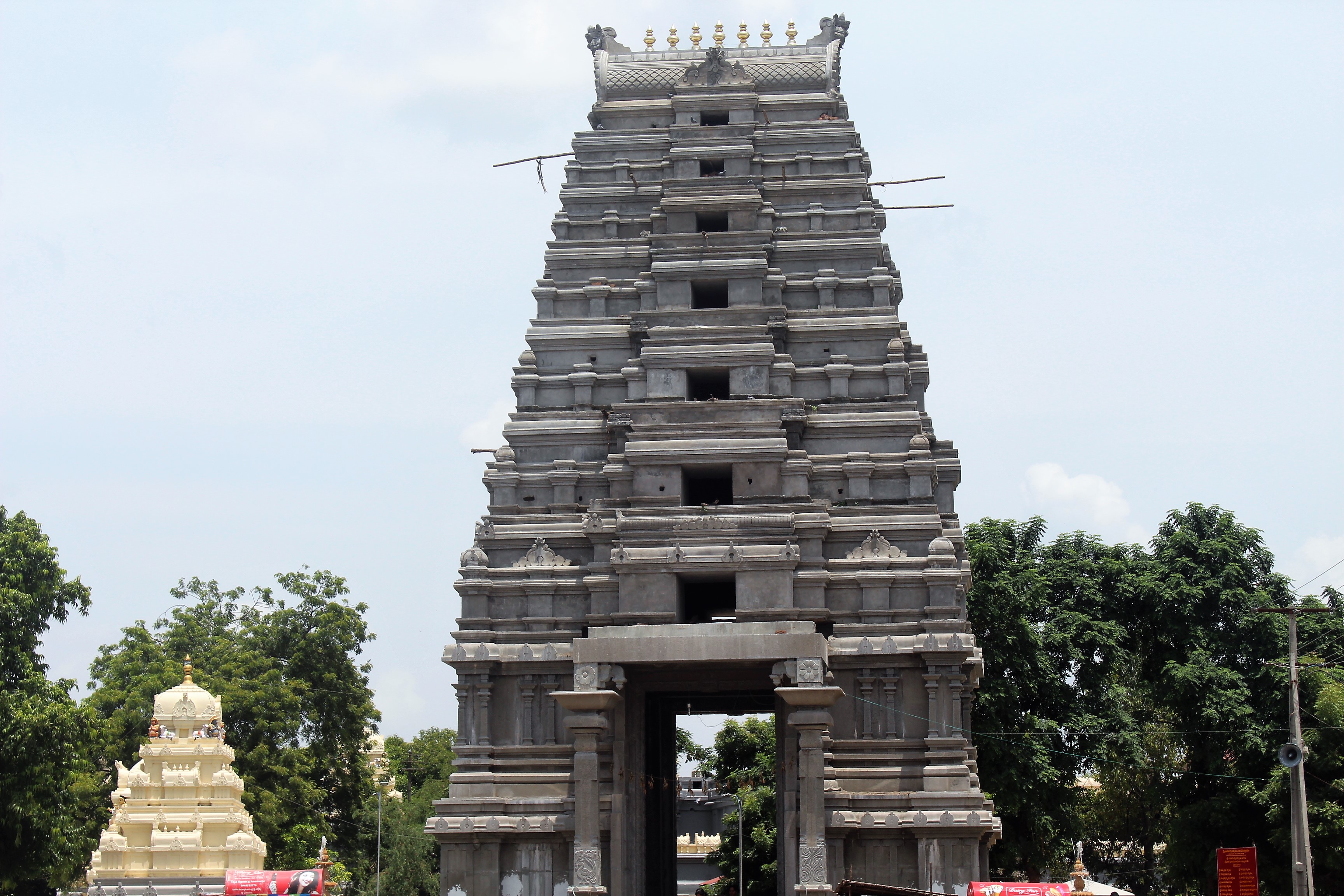
Dedicated to Lord Vishnu, the Narasimhaswamy temple lies about 13 km from the centre of the town with Lord Vishnu being worshipped in this temple in his fourth incarnation. Also referred to as Sri Vedagiri Lakshmi Narasimha Swamy temple, the place holds several myths. The Santhana Vriksha located within the temple premises is said to bless the childless devotees while the Kondi Kasuli Hundi is considered to rid the sufferers from venomous snake and scorpion bites. A much smaller place of worship dedicated to Adi Lakshmi is also can be spotted above the main temple. The temple is open daily from 4:30 am to 12:30 pm and then again from 3 to 7:30 pm.
Lying on the banks of Pennar river, the Ranganatha temple is one of the most revered temples of Nellore. The temple is great religious significance and is considered to be the oldest temples of the area. The temple is also known for its beautiful architecture and exquisite carving and houses seven gold pots adorned with huge mirrors within the temple premises. The Addala Mandapam or minor hall situated within the complex is famous for its intricate inlay work. It is also a major part of the temple being the place where the idol of the presiding deity of the temple, Lord Sri Ranganathswamy is enshrined. The temple is open daily from 6 am to 12 noon and then from 2 to 9 pm.
Barah Shaheed Dargah is a mausoleum located very close to the sea in Sulurpet. The place was established in the honor of 12 martyrs and there is a common belief that those who visit here to pay their respects, have all their wishes fulfilled. The dargah is a sight to behold during the time of Moharram when a festival called Rottela Panduga is held for three days.
Mypadu Beach is a mesmerising beach with pristine seawater and golden brown sand and is located about 25 km from Nellore on the coast of the Bay of Bengal. One can take a long peaceful stroll across the beach or sit in the sand, contemplate about life or just absorb the beauty of the location. Open from 5 am to 6 pm and managed by the Andhra Pradesh Tourism Development Corporation, this beautiful beach serves as an ideal place to relax and connect with nature.
Renowned for being one of the most significant pelican habitats in southeast Asia, the Nelapattu Bird Sanctuary is every bird watcher’s dream location. This sanctuary is located just near the village of Nelapattu and is spread over a total area of about 459 hectares. The sanctuary is also a crucial breeding site for the spot-billed pelicans and is also home to significant plant areas like the Barringtonia swamp forests and the southern dry evergreen scrub. Other than the spot-billed pelican, the sanctuary is an important breeding ground for other birds as well, such as white ibis, openbill stork, night heron and little cormorant. In all, 189 different species of birds can be found here, of which 50 species are migratory. These migratory birds include the common teal, shoveler, spot-bill duck, grey heron, black-winged stilt, and garganey gadwall. It was declared as a sanctuary in 1997 and is open daily from 9 am to 5 pm. Entry fee for adults is INR 2 and for children, is INR 1 while foreigners pay INR 400/ If heavy vehicles need to enter, it will cost INR 100 and INR 50 for jeep and cars while it is INR 10 for two or three wheelers. If visitors plan on taking photographs, the camera fww is INR 50.
Patu Ru is a small village lying about 10 km from Nellore and is a perfect place to stock up on handicrafts and handloom sarees for which the village is renowned for. The village is settles between the triangle formed by Kovuru, Damarmadugu and Kovuru.
Our next part will see us exploring Andhra Pradesh’s judicial capital Kurnool, Gandikota, Tadipatri, Anantapur and the temple town of Puttaparthi
The Pianist – Władysław Szpilman, translated Anthea Bell
The last live broadcast on Polish Radio, on September 23, 1939, was Chopin’s Nocturne in C# Minor, played by a young pianist named Wladyslaw Szpilman, until his playing was interrupted by German shelling. It was the same piece and the same pianist, when broadcasting was resumed six years later.
The Pianist is Szpilman’s account of the years inbetween, of the death and cruelty inflicted on the Jews of Warsaw and on Warsaw itself, related with a dispassionate restraint borne of shock. Szpilman, now 88, has not looked at his description since he wrote it in 1946.
Szpilman’s family were deported to Treblinka, where they were exterminated; he survived only because a music-loving policeman recognised him. This was only the first in a series of fatefully lucky escapes that littered his life as he hid among the rubble and corpses of the Warsaw Ghetto, growing thinner and hungrier, yet condemned to live. Ironically it was a German officer, Wilm Hosenfeld, who saved Szpilman’s life by bringing food and an eiderdown to the derelict ruin where he discovered him. Hosenfeld died seven years later in a Stalingrad labour camp, but portions of his diary, tell of his outraged incomprehension of the madness and evil he witnessed, thereby establishing an effective counterpoint to ground the nightmarish vision of the pianist in a desperate reality.
Szpilman originally published his account in Poland in 1946, but it was almost immediately withdrawn by Stalin’s Polish minions as it unashamedly described collaborations by Lithuanians, Ukrainians, Poles and Jews with the Nazis. In 1997 it was published in Germany after Szpilman’s son found it on his father’s bookcase.
After having seen what Araku Valley, Vizianagaram, Annavaram, Samalkot, Kakinada and Rajahmundry has to offer, let’s move a bit more south within the state
Amaravathi Known as the capital of Andhra Pradesh, Amaravathi is a planned city on the banks of the river Krishna and is renowned for being a site of a Buddhist Stupa that is a semi-hemispherical structure containing Buddhist relics and often called the Abode of God. The original structure was established during the reign of Emperor Ashoka which is now a meditation site in the city. Being built on a 217 km riverfront, the city is designed to have 51% of green spaces and its foundation stone was laid on 22 October 2015. The word Amaravathi in itself was derived from the ancient capital of Satavahana dynasty and was founded by Raja Vasireddy Venkatadri Nayudu in 1790s as the new capital of his zamindari estate. He moved there from his former capital Chintapalli in protest of alleged mistreatment by the British East India Company. Amaravathi is named after the ancient Amaravati Stupa, which was unearthed in the process of the town’s construction and is adjacent to the ancient Satavahana capital Dhanyakataka, which is now called Dharanikota. The word Amaravathi translates as the place for immortals.
The Amaralingeswara temple in the village is one of the Pancharama Kshetras for the Hindus and is devoted to Lord Shiva, the destroyer of the Universe. The temple has a 15 feet high marble shiva linga and it is believed that Lord Shiva is present in the structure of five lingams – Pranaveswara, Agasteswara, Kosaleswara, Someswara and Parthiveswara. Constructed in the Dravidian style of architecture, the temple has a lot of myths behind its creation. Maha Shivaratri or Magha Bahula Dasami is the main festival which is celebrated in a big way. An interesting fact about the Amareswara Temple is that it is situated at a point where the river alters its route. The temple is open daily between 6 am and 1 pm and then again from 4 to 8 pm
The Dhyana Buddha Statue is a gigantic statue of Lord Buddha and is known to be among the tallest Buddha statues in India, With a towering height of 125 feet, the Dhyana Buddha Statue was commissioned in 2003 and was completed in 2015. The status sits facing the pristine River Krishna and sprawls over a humongous green space covering 4.5 acres of land. The Dhyana Buddha Park, built around the statue is where people can visit and relax. The complex also houses a seminar hall and 20 luxury suites for Buddhist tourists visiting from all over the world. The statue and complex is open daily from 8 am to 6 pm and has an entrance fee of INR 20.
The Amaravati Stupa is a heritage monument and ancient Buddhist stupa under the protection of the Archaeological Survey of India. Popularly known as the Mahachaitya, Deepaladinne or the Great Stupa of Amaravati, this is among the largest stupas in India. Built in two phases between the 3rd century and 250 AD, under the ageis of Emperor Ashoka, the premises also have an Archaeological Museum. With a height of 27 m and a diameter of 50 m, the monument has a circular vedika built with bricks and protruding rectangular Ayaka platforms for the four directions and houses Lord Buddha in a human form seated over an elephant. The five pillars of the platform represent the five main events from the life of Lord Buddha – the birth, the great renunciation, enlightenment, the first sermon and the final extinction. These platforms also have some crystal and one Ivory casket which have bone-pieces, precious stones, pearls and gold flowers. Boasting of the Mauryan style of architecture, the stupa has a semi circular spherical dome that is mounted on a circular drum like platform and has tales from Buddha’s life and the Jataka tales as well as animal and flower drawings. This entire structure was surrounded by pillars which form a railing. These pillars are separated by cross bars. The sculptures have been removed from the site but some ruins of the pillars remain. The stupa is open from 8 am to 6 m daily except Fridays when it is closed. Entry fees for Indians is INR 20 while foreigners need to pay INR 250.
The Amaravati Museum is a small but interesting archaeological museum which displays exhibits that range between 3rd century BC and 12th century AD and is currently run and by the Andhra Pradesh Tourism Board. Some of the exhibits include statues of the Buddha with lotus symbols on his feet, curled hair and long ear lobes. Apart from this, there are also limestone sculptures of the goddess Tara and Bodhisattva Padmapani. Many of these Buddhist sculptures were excavated from here and now adorn the Chennai Government Museum and the British Museum in London. The museum is open daily from 10 am t0 5 pm and people above the age of 15 need to pay an entrance fee of INR 5 per person.
Vijayawada Also known as Bezawada, Vijayawada lies on the banks of river Krishna surrounded by the hills of Eastern Ghats known as Indrakeeladri Hills. Geographically lying in the centre of Andhra Pradesh, the city, the second largest in the state has been described as the commercial, political, educational and media capital of Andhra Pradesh. Vijayawada is also considered a sacred place because of the Kanka Durga Temple dedicated to Goddess Durga and serves as the ritual host of the Pushkaram, a river worshipping ritual of the river Krishna. There is a legend which says that Arjuna, one of the heroes of the Indian epic Mahabharata, prayed on top of the Indrakeeladri Hill in the city and won the blessings of Lord Shiva to get the Pashupatastra to win the Kurukshetra War. It was called Vijayavatika or the Land of Victory in Telugu when Goddess Durga killed the demon Mahishasura and rested on the Indrakeeladri Hill by the River Krishna establishing the victory over evil hence the place got its name Vijayavatika, with Vijaya meaning victory and Vatika meaning Place or land in Telugu. Over the years Vijayavatika’s name was changed to Rajendra Chola Pura during the Chola dynasty, Bezawada during the British colonial rule and eventually to Vijayawada. The city is also the third most densely populated urban built-up areas in the world.
Vijayawada was founded around 626 A.D. by the Paricchedi Kings. History reveals that Vijayawada was ruled by King Madhava Varma, a king of the Vishnukundina dynasty. Chinese Buddhist scholar Xuanzang stayed a few years here around 640 AD to copy and study the Abhidhamma Pitaka, the last of the three pitakas, Pali for baskets constituting the Pali canon, the scriptures of Theravada Buddhism. In the early 16th century, during the reign of Qutb Shahi dynasty, also known as the Golconda Sultanate, diamond mines were found near Vijayawada on the banks of the Krishna river.
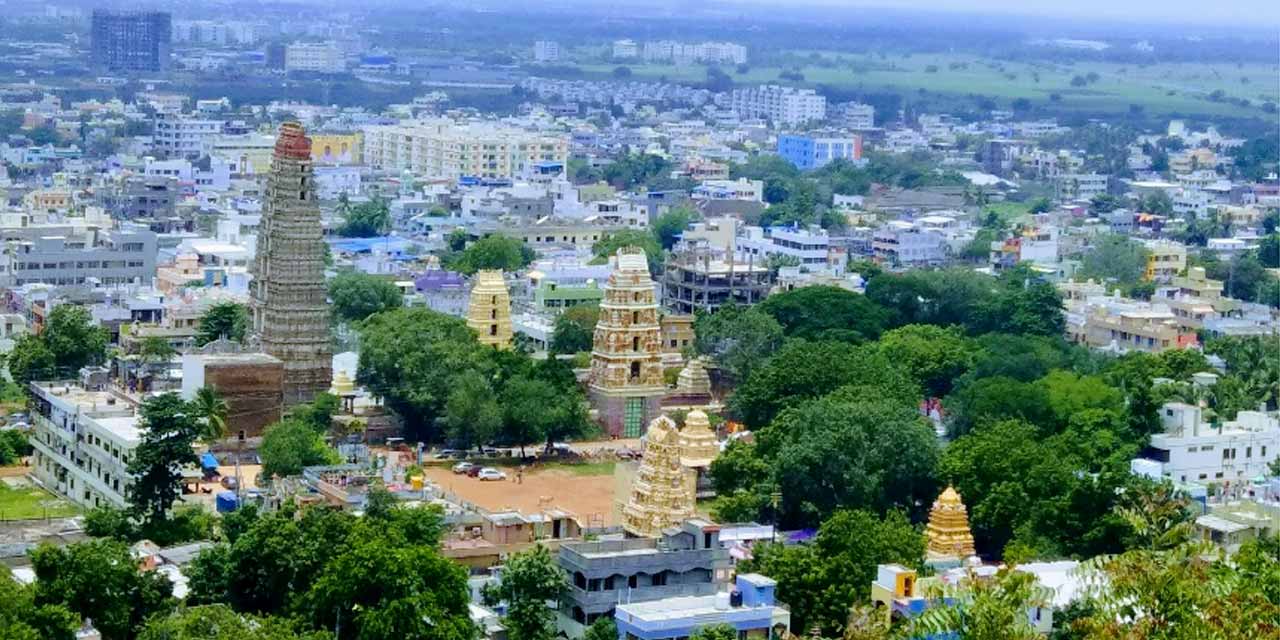
Resting atop a small hillock in the southeast corner of Vijayawada is the Sri Ramalingeswara Swami vari Devasthanam, dedicated to Lord Shiva and is decorated like a bride, come Mahashivratri. Visitors also be treated to a breathtaking view of the colourful city and the River Krishna from here.
The Kanaka Durga Temple is a famous shrine dedicated to the Goddess Durga built in the Dravidian fashion. The temple is surrounded by the hills of Inrakeeladri, right along the banks of the Krishna River and finds mention in many sacred texts and Vedic literature. The Kanaka Durga temple is one of the many Shaktipeethas with the Goddess appearing in her Mahishasurmardini form here, along with the image slain demon king Mahishasura. It is believed that the deity is Swayambhu or self-manifesting. The deity’s face and body colour are of molten gold shade and the idol is bedecked with golden jewellery from which the temple gets its name Kanaka Durga, Kanaka in Sanskrit meaning gold. There are many legends about the temple. One legend says that this region was once strewn with mighty rocks which inhibited the flow of the Krishna river, leaving this area uninhabitable. To put an end to this problem, Lord Shiva was called upon and directed the hills to make way for the unobstructed flow of the river. The flow of the river gained strength through the tunnels or Bejjam, and hence the name Bezawada was born, which later got modified to Vijayawada. Another legend claims that Arjuna prayed to Lord Shiva on the top of the Indrakeela Hill to bless him and he was successful in passing the test that Lord Shiva had posed for him and gifted the Pandava with the Pasupat weapon, and hence the name Vijayawada was coined. The most famous legend obviously has Goddess Durga at its centre. It has two versions. One follows that the goddess visited the mountaintop where the temple is perched upon being worshipped and called by sage Indrakila, who is the inspiration behind the name of the hill range. The sage was tormented by the increasing menace of demons, led by Mahishasura and Durga responded to his plea, slew the demon king and made Indrakeeladri her permanent abode. Another one is that a Yaksha by the name Keela got a boon from Devi Durga that she would always remain in his heart. Granting him the boon, she said that he would be a mountain and she would perch in the temple nestled within the mountain range when the time comes. After killing Mahishasura, she kept her promise and made her home at Indrakeeladri. The main sanctum’s construction is in the form of a pyramid, with the surface embellished with delicate stone carvings. The most impressive aspect of the Kanaka Durga Temple is perhaps its golden crown, which can be spotted from miles away. There is also a shrine to Lord Shiva near the temple premises that goes by the name Malleswara Swamy temple. This temple is probably the only one in the world where the female deity is located on the right side of the male one, as against the traditional left side seat of the female consort. This is significant as this actually shows that the Shakti or feminine power of the cosmic universe is predominant here. The temple is open from 5 am to 9 pm on all days except on Thursdays when it is closed from 1 to 5 pm. However, there are separate timings for idol visits and other personalised pujas.
Dedicated to the Lord of serpents Kartikeya, the Subramanya Swamy temple is a shrine located on the foot of the Indrakiladari Hills. The temple worships all three forms of Lord Subramanya: Sri Dandayudhapani Swamy as a boy, Sri Valli Devayanai- his original form and lastly in the form of a serpent. It is carved out of sparkling white stone with intricate stonework embellishing the facade. The temple also houses a silver covered Garuda pillar as well as an anthill by the temple, the natural habitat of snakes. Visitors have to take a holy dip in the Kumaradhara river to reach the temple gates. The entrance to the temple is at the back, from where one can walk around the deity. Beyond the Garuda, the pillar is the main sanctum of the temple where the presiding deities, Subramanya and Shesha reside and worshipped on a daily basis. Legend says that after killing the demon ruler Tharaka, Shurapadmasura and Lord Shanmukha reached Kumara Parvatha with his brother Ganesha. He was received by Indra and his followers, who offered his daughter Devasena’s hand to Lord Kumar. The wedding ceremony took place on Margashira Shudha Shashti at Kumara Parvatha. Waters of several holy rivers was brought down for this ceremony, and with these waters, Mahabhishek also descended which later came to be known as Kumaradhara. The serpent king Vasuki performed penance for several years in the Biladwara caves of Subrahmanya to avoid the attack of Garuda. Shanmuka appeared to Vasuki and declared him his primary devotee. Hence, the prayers offered to Vasuki are nothing but the prayers to Lord Subrahmanya. The temple is open from 6:30 am to 1:30 pm and then again between 3:30 to 8 pm.
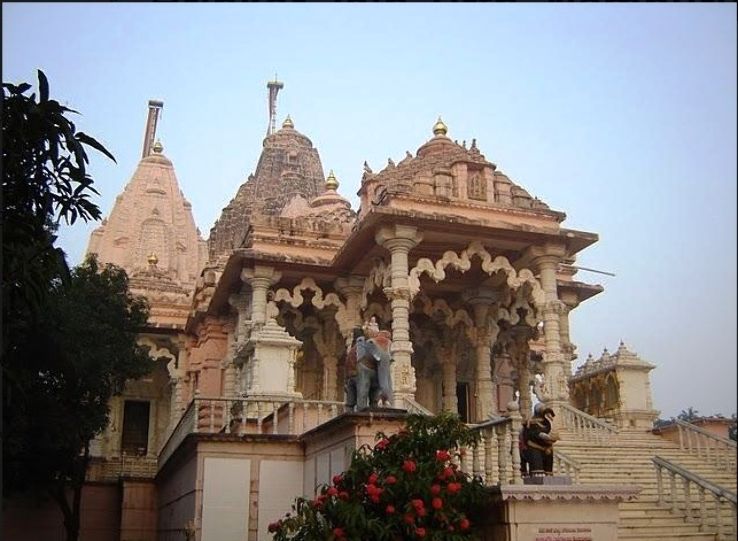
One of the most renowned Jain temples, the Hinkar Thirtha houses the only Jain shrine in the area. Adorned with Jain style of architecture, this is also one of the most beautiful structures n town. Somewhere amongst the hills of Krishna District, is the St Mary’s Church, also known as the Gunadala Matha Shrine. One finds an iron cross, erected on the top of a hill, and a museum housing holy relics. Also, the area is a centre of much festivity and devotion when it hosts the Annual Feast of Our Lady of Lourdes. The dazzlingly white Hazratbal Mosque is a sight for sore eyes. This mosque which has pilgrims from all religions to pray at the relic of Prophet Mohammad which is on display once a year and it is said having seen this relic will rid you of all the stubborn problems of life.
The Mogalarajapuram Caves are an ancient caves, dating to the 5th century and though a lot has been lost to ruins, the caves still hold religious and spiritual value as they house idols of Lord Nataraja and Lord Vinayaka amongst many more, a few cave temples and a shrine for Goddess Durga. The carvings here also hold amongst themselves, a carving of Ardhanariswara, which is said to be the only one of its kind across the whole of South India.
A monolithic example of Indian rock-cut architecture, the Undavalli Caves are carved out of a solid sandstone on a hillside and date back to the 4th to 5th centuries. This cave was originally Jain, but was later converted into a Hindu temple. Regarded as one of the earliest examples of the Gupta architecture, the Undavalli Caves is an an architectural marvel. From the outside, it looks like rows of cells arranged in different positions. There are three levels in the cave. The lower level resembles the Jain abode with many chambers and Thirthankara sculptures. The second level has a statue of a reclining God whose identity is still unknown, but locale believe the statue is that of Lord Vishnu and there are sculptures of lions and elephants on the walls. When one reaches the top of the cave, they can see a breath-taking view of the lush green surroundings and hills as well as the Krishna river flowing behind the caves. Tourists can even take the boat ride on the river enjoying the natural beauty. The caves are open daily from 9 am to 6 pm and entry is free.
The Kondapalli Fort is a marvellous 14th century fort located in the village of Kondapalli. The fort is considered of great historical importance and is just 23 km from Vijayawada. The village is famous for wooden toys, especially the Kondapalli Dolls. The Kondapalli fort is also called as Kondapalli Kota and was built by the Musunuri Nayaks. It served as a military fortification during the British era and was said to have been built as a centre of recreation, business and trade during the 14th century. The Kondapalli fort has three entry gates, with the first one built with one block of granite. This gate is called the Dargha Darwaza, and it is about 12 feet wide and 16 feet high. The second entrance is on the other side of the hill and is called the Golconda Darwaza. This entrance leads to the village of Jaggaiahpet. The striking fort has several towers and battlements, a reservoir with a spring and some water tanks. The Tanisha Mahal is located at the far end of the fortress perched in between two hills. The palace has several rooms or chambers and a vast Durbar Hall. The fort also has an English Barrack with eight rooms and an English cemetery. A colony in Kondapalli, known as the Bommala Colony or the Toys Colony is well known for crafting these toys which is a 400-year-old tradition in the region. This form of arts and crafts is believed to have started by a sage named Muktharishi who was blessed with the skills by Lord Shiva. It is believed that artisans migrated from Rajasthan to learn this art from Muktharishi in the 16th century. These artisans are now called Aryakhastriyas or Nakarshalu. References to these names have been found in the Brahmanda Purana. The toys are made of Tella Poniki which is a type of softwood found in abundance on the Kondapalli Hills. The artisans meticulously carve the wood into the required shape, soften the edges carefully and give a base coat of enamel paint. To colour the toys, they either use water-colours mixed with oil or vegetable dyes. These toys are mostly about mythological figures, art forms, animals and birds for children to play with and stay connected with nature and our culture.
A museum of the Archaeology Department, the Victoria Museum is a walk through imprints of time and all it left behind. Browse through a rich and ancient collection of sculptures, idols, inscriptions, paintings, cutlery and weapons. The large Buddha statue in the museum from Alluru will leave visitors fascinated.
Standing on a whopping 160 pillars and offering an astounding view of the holy Krishna river, the Prakasam Barrage does a lot more than just looking majestic. This bridge connects the Kolkata – Chennai highway and facilitates the irrigation of over 1.2 acres of farm land. The entire bridge is lit up with soft yellow lights and is an amazing sight to witness.
Being one of the 8 Mahakshetrams or sacred destinations of the country, Mangalagiri which literally translates to the auspicious hill is a charming town and one of the eight important Mahakshetrams or sacred destinations in the country. It is believed that Lord Vishnu manifested himself in the soil of Mangalagiri and that Lakshmi Devi has performed penance on its hilltop.
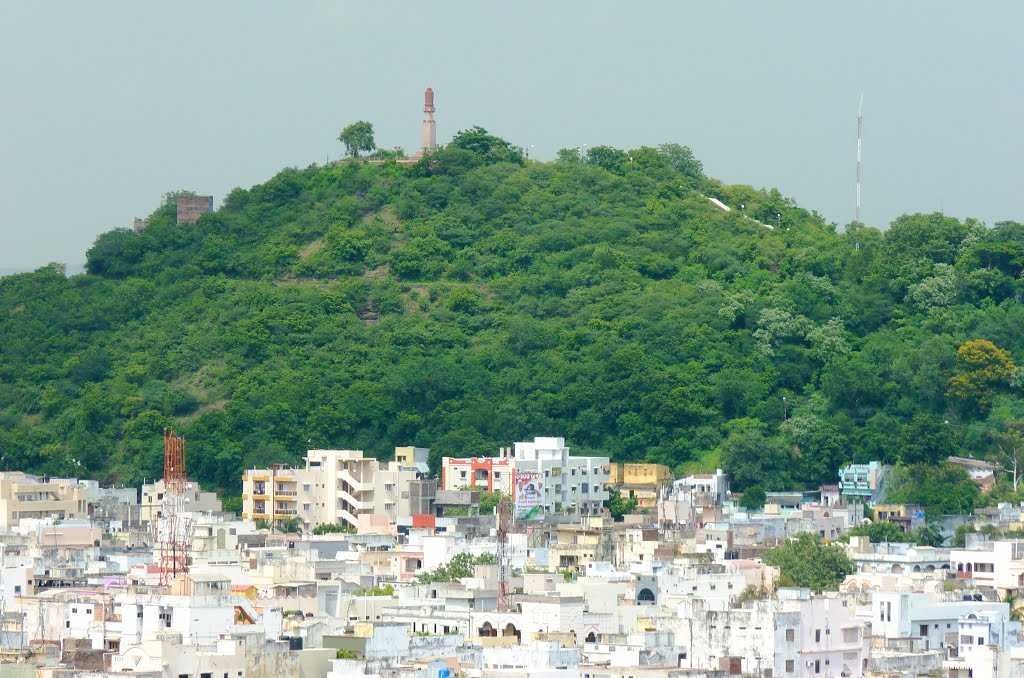
Looking over Vijayawada city from a height of 500 feet, Gandhi Hill was the first to have a ginormous stupa dedicated to Mahatma Gandhi. Around the stupa, you will find six shrines dedicated to Gandhiji, a fully stocked library and the city’s only planetarium. The memorial hosts a breathtaking light and sound show in the evenings elucidating Gandhiji’s eventful life. A huge Gandhi structure of 15.8 meter height was inaugurated in 1968 and it is the first Gandhi Memorial in India constructed on a hillock. The panorama from Gandhi hill is mesmerizing and gives an enchanting view of Vijayawada city.
Bhavani island is one of the largest islands on a river and is located over the Krishna river at Vijayawada. The vast expanse of the island is the perfect place for a relaxing weekend. If one likes aventure sports and water slides, this is the place to be in. It is named after the Goddess Bhavani or Kanaka Durga whose temple is on the Indrakeeladri hill close to the island. Bhavani island can be reached by boat from the banks of Krishna river. Approaching the island from the banks, visitors will enjoy the lush green surroundings and beauty of the Krishna river. If you are on the island especially during sunrise, you have the most spectacular view of the sunlight dancing on flowing waters of the river. There are also numerous activities to pursue on the island- like water-skiing, kayaking, parasailing, as well as opportunities to enjoy some leisurely time snoozing on hammocks, fishing and picnicking. The Andhra Pradesh Tourism Development Corporation has converted a barren island to an exciting tourist spot. A recently introduced attraction is the Tanvi boat cruise by Champions Yacht club on Bhavani island where visitors can cruise on the river at sunset or sunrise, and enjoy the cool breeze over the flowing water and these can be enjoyed for a small fee ranging from INR 50 to INR 300. To reach Bhavani island from Vijayawada, a five minute ferry has to be taken from the Punnami ghat.
Machilipatnam Nestled on the banks of the Krishna river, the port town of Machilipatnam is steeped in a rich historical past with the town still reflecting the footprint of several foreign invaders in the country. In fact, Machelipatnam is believed to be one of the first colonial settlements of the British along the Coromondal Coast on the Indian subcontinent. Once served as a prominent port town, it later changed hands with several invaders including British, Arab, French and Dutch. This town has been known as Masulipatnam, Masula and Bandar. Masuli or Machili means fish and Patnam means city. Masula and Bandar which port in Persian and was also referred with the name Maesolia in ancient times.
Once serving as a major port, Manginapudi is today a fishing village located on the shores of a beach nearly 11 km from Machilipatnam. This beautiful natural beach is unique for its black soil and also a natural bay comprising shallow water level. A dance school on the beach side is famous for its classical dance courses of Kuchipudi. Apart from that, the beach also attracts huge crowds during the Maghapoornami festival when people come here to take a dip in the sea water. Another popular festival of Krishna Utsav held during the month of February or March see a flock of devotees on the beachside.
Hamsaladeevi is a tiny village near Machilipatnam and is situated at the confluence where the river Krishna merges into the Bay of Bengal. This point is known as Sagara Sangamam and is an important tourist attraction where the water can be seen in three different shades. The village also has a beach where visitors can enjoy gorgeous sunsets. The old Venugopalaswamy temple dedicated to Lord Krishna is believed to be really old that was constructed during the reign of the Chola kings and is one of the 108 Vishnu temples. The most important festival held from Magha Suddha Navami to Bahula Padyami, is celebrated in the honour of this deity.
This beautiful ancient temple of the Panduranga Swamy temple spread across an area of six acres is dedicated to Lord Panduranga Vithal and houses a statue of the lord that measures 3 feet in height and resembles the childhood appearance of Lord Krishna. The idol of the lord is beautified with a diamond studded crown and other ornaments. There is also a statue of Abhayanjaney Swamy lying in front of the lord’s idol. While the main entrance features a tower, the prakaram flanked on the three sides displays the descriptions of disciples of Lord Vithal. The temple is open to all with another temple dedicated to Goddess Rukmini, Radha and Satyabhama located just besides the entrance of this temple.
Dattashram is a holy site nestled along the sea housing an ancient temple dedicated to Lord Shiva with another temple built recently situated nearby dedicated to Lord Datta. Owing to the sanctification of nine wells for bathing, Manginapudi is also referred to as Datta Rameshwaram being similar to the one in Rameshwaram. Another important shrine is the Machilipatnam Church quite popular among tourists and devotees built in the 19th century and comprises of prayer halls that were crafted by an Englishman.
A 50 m high lighthouse on Machilipatnam Beach is a sight of grace and beauty. Coloured with bands of black and white, this light house was renovated to the present form in 1982 and in February 1996, the old ‘D’ lamps were replaced by the 100W 24V halogen lamps.
Moving further south, in our next part we will explore Guntur, Chirala, Nagarjunakonda, Srisailam, Cumbum and Nellore
























 Memories and Such