Poem: New Year, New Hopes, New Aspirations 

It’s a new year; like everyone else, for me too, it is a time for new hopes, resolutions, and aspirations. Today’s poem is about what this new year means to me, and perhaps others too.

New Year, New Hopes, New Aspirations 

A new year dawns, with skies painted bright,
A canvas of dreams in the soft morning light.
The past fades behind us, like shadows at dawn,
And with every new breath, a new hope is born.

We carry our wishes, like stars in the sky,
For joy, for love, for our spirits to fly.
To chase after moments, to live without fear,
To embrace all the promise that waits in this year.

May we find the courage to follow our dreams,
To flow with the current, like rivers and streams.
To rise when we falter, and stand tall again,
To meet every challenge, to dance in the rain.

May peace fill our hearts, may kindness abound,
In each step we take, may grace be found.
May we build bridges, where walls once stood,
And see the beauty in all that is good.

For each door that opens, for each goal in sight,
Let us walk forward, with hope burning bright.
In the quiet of night, when stars shimmer clear,
We welcome the promise of this brand new year.

So here’s to new chances, to laughter, to cheer,
To the hopes and the dreams that will shape this year.
With open hearts and eyes full of grace,
We step into tomorrow, ready to embrace.

2025 Week 01 Update

Spiritual teacher and author renowned for his teachings on mindfulness and living in the present moment, Eckhart Tolle’s quote emphasises the profound strength and wisdom required to release what no longer serves us. Letting go can seem counterintuitive in a world where perseverance is often celebrated. However, Tolle suggests that clinging to outdated beliefs, toxic relationships, or past failures can drain energy, impede growth, and create suffering. Letting go, in contrast, liberates us, creating space for transformation, healing, and new opportunities. Letting go is not about giving up or surrendering in defeat; it is about recognising when something no longer aligns with our values, goals, or well-being. It takes courage to release attachments, especially when they are deeply ingrained in our identity or provide a sense of security. By letting go, we acknowledge the impermanence of life and allow ourselves to flow with its natural rhythms. This act is empowering because it shifts our focus from resistance to acceptance, enabling us to reclaim control over our emotional and mental states. Tolle’s words encourage mindfulness—the practice of living in the present moment without being burdened by regrets of the past or anxieties about the future. Holding on to pain, resentment, or fear keeps us tethered to the things hindering our growth. Letting go, on the other hand, is an act of self-compassion, demonstrating a willingness to prioritise inner peace over external circumstances. This concept applies broadly to relationships, personal ambitions, and even self-identity. A toxic relationship, for instance, may provide familiarity, but releasing it can open the door to healthier, more fulfilling connections. Similarly, letting go of perfectionism or rigid expectations can free us to pursue goals with authenticity and joy. Tolle’s insight reminds us that power is not about controlling every aspect of life but about embracing its fluidity and trusting the renewal process. In essence, the quote invites us to view letting go not as a sign of weakness, but as an act of profound strength that can lead to freedom, self-discovery, and peace.

This is the first Sunday of 2025, and the entire year is open and ready for us. So what are your plans for the year? We returned back to Singapore on the last day of 2024 and spent the day catching up on sleep and celebrating S’ birthday. Contrary to previous years, I slept in on the first day of the year. Maybe this will be the change that makes a difference in my life this year.

I have lots of plans for 2025, including some travel for which I am very excited. I’ll share more once the plans get finalised. Other plans, as usual, include being more healthy, creative, and financially prudent. BB is back in camp, and we have started the countdown to his finishing his national service, which is happening in the last quarter of this year. GG will start school later this month, and this semester is going to be an intensive one for her, one that she is not looking forward to.

And on that note, here’s wishing everyone an amazing 2025! May the year bring you hope, joy, happiness, and prosperity. May all your dreams materialise this year and all wishes fulfilled. Have a great year!

In My Hands Today…

Your Future Self: How to Make Tomorrow Better Today – Hal Hershfield

We’ve all had the desire to travel through time and see what our lives will be like later in life. But while we want the best possible future for ourselves, we often fail to make decisions that would truly make that version of the future.

Based on over a decade of groundbreaking research, Your Future Self is the “entertaining and powerful book” (Carol Dweck, author of Mindset ) that explains that in our minds, our future selves often look like strangers.

Many of us view the future as incredibly distant, making us more likely to opt for immediate gratification that disregards our health and well-being in the years to come.

People who are able to connect with their future selves, however, are better able to balance living for today and planning for tomorrow. Your Future Self describes the mental mistakes we make in thinking about the future and gives us practical advice for imagining our best future so we can make that vision a reality.

In My Hands Today…

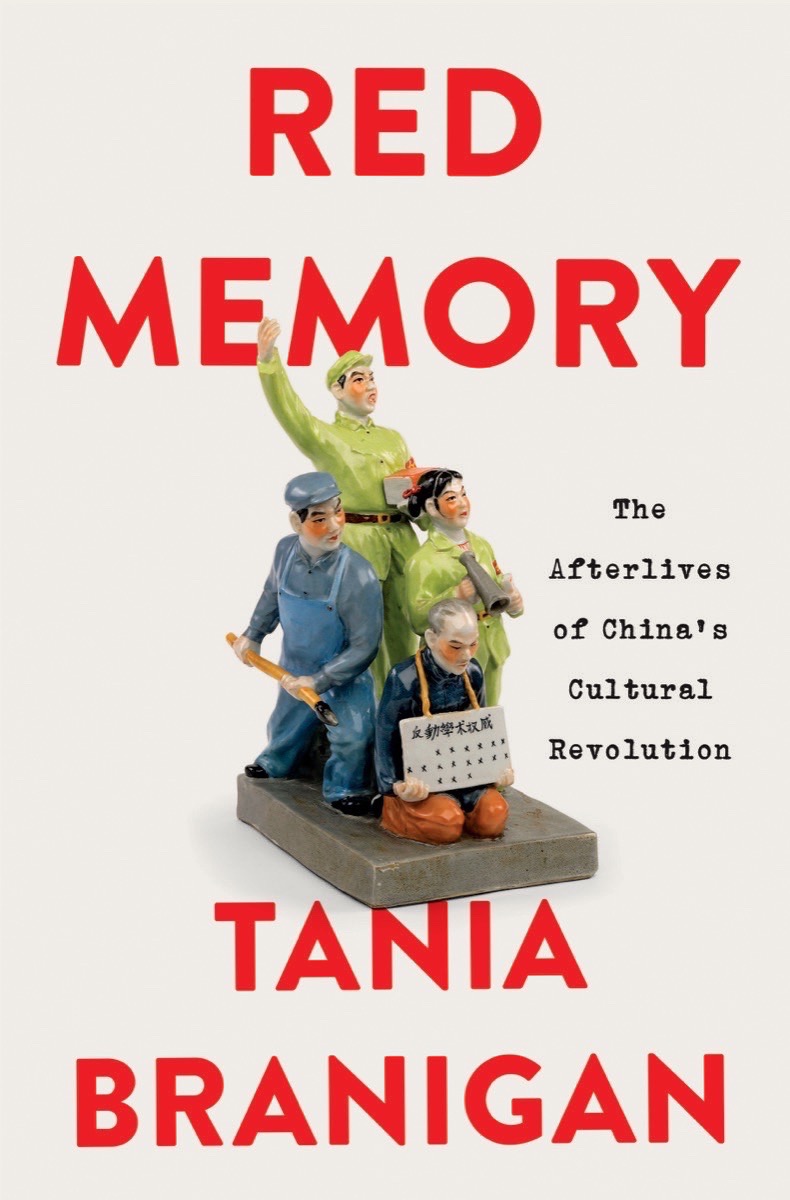
Red Memory: The Afterlives of China’s Cultural Revolution – Tania Branigan

“It is impossible to understand China today without understanding the Cultural Revolution,” Tania Branigan writes. During this decade of Maoist fanaticism between 1966 and 1976, children condemned parents, students condemned teachers, and as many as two million people died for their supposed political sins, while tens of millions were hounded, ostracized, and imprisoned.

Yet in China this brutal and turbulent period exists, for the most part, as an absence; official suppression and personal trauma have conspired in national amnesia. Red Memory uncovers forty years of silence through the stories of individuals who lived through the madness. Deftly exploring how this era defined a generation and continues to impact China today, Branigan asks: What happens to a society when you can no longer trust those closest to you? What happens to the present when the past is buried, exploited, or redrawn? And how do you live with yourself when the worst is over?