Poem: Beauty lies in the eyes of the Beholder

In the eyes of the beholder, beauty is found,
A prism of visions where judgments are crowned,
What one may see plain, another sees gold,
For beauty, my dear, is a story retold.

A petal in bloom, a star in the night,
A whisper of wind, the softest of light,
To one, a mere moment; to another, divine,
Each gaze is unique, and and each heart intertwines.

An ancient oak tree, gnarled and wise,
Its rough bark is a testament, under open skies,
Some see it as weathered, old and uncouth,
Others find magic in its ageless truth.

A smile with a gap, a laugh full of mirth,
A soul that finds joy in the simplest of earth,
Not perfect by standards, yet perfect in kind,
Beauty resides in the eye and the mind.

For mirrors can’t capture the depths of the soul,
Nor portraits define what makes us whole,
It’s the lens of the heart that colors the view,
In the eyes of the beholder, all things are true.

So cherish your visions, the ones that you keep,
For beauty is vast, and endlessly deep,
In the eye of the beholder, where dreams take their flight,
Every glance holds a wonder, every gaze, pure delight.

In My Hands Today…

Attention All Shipping: A Journey Round the Shipping Forecast – Charlie Connelly

This solemn, rhythmic intonation of the shipping forecast on BBC radio is as familiar as the sound of Big Ben chiming the hour. Since its first broadcast in the 1920s it has inspired poems, songs and novels in addition to its intended objective of warning generations of seafarers of impending storms and gales.

Sitting at home listening to the shipping forecast can be a cosily reassuring experience. There’s no danger of a westerly gale eight, veering southwesterly increasing nine later (visibility poor) gusting through your average suburban living room, blowing the Sunday papers all over the place and startling the cat.

Yet familiar though the sea areas are by name, few people give much thought to where they are or what they contain. In Attention All Shipping, Charlie Connelly wittily explores the places behind the voice, those mysterious regions whose names seem often to bear no relation to conventional geography. Armchair travel will never be the same again.

Adulting 101: Navigating Toxic Workplaces and Colleagues

The next edition of my Adulting 101 series is about workplace toxicity. For those reading this series for the first time, this series talks about how young adults can adjust to being adults. As young adults enter the workforce, they often face many challenges, from adapting to new responsibilities to navigating complex office dynamics. One of the most significant hurdles many encounter is dealing with toxic workplaces and colleagues.

So what constitutes a toxic workplace? A toxic workplace is characterised by an unhealthy and unproductive environment that negatively impacts the well-being and performance of its employees. This can manifest in various ways. Bullying and harassment, including verbal or physical abuse, intimidation, or humiliation by colleagues or supervisors, lack of communication and transparency because of poor communication, unclear expectations in decision-making processes or excessive workloads, unrealistic deadlines, and constant pressure to perform. Other ways may take the form of unsupportive management including managers who are unresponsive, unsupportive, or dismissive of employee concerns, a culture of gossip, rumours, and backstabbing that creates tension and mistrust or unfair treatment, favouritism, or bias towards certain employees based on personal relationships or demographics. Failure to recognise and appreciate employees’ efforts and contributions, an unhealthy and cutthroat competition that fosters a culture of aggression and sabotage, poor work-life balance with expectations of long working hours, constant availability, and neglect of personal life and a lack of or limited opportunities for professional development, training, and career advancement.

How does one read the signs and red flags of a toxic workplace? To identify a toxic workplace, it is essential to be aware of the signs and red flags.

  • High Turnover Rate: If there is a high rate of employee turnover, it may indicate underlying issues with the work environment.
  • Negative Office Gossip: If colleagues frequently discuss negative aspects of the workplace or each other, it can create a toxic atmosphere.
  • Unhappiness and Burnout: If employees appear unhappy, stressed, or burnt out, it may be a sign of a toxic work environment.
  • Lack of Open Communication: If management or colleagues are unresponsive or secretive, it can indicate a lack of transparency.
  • Unfair Treatment: If you witness or experience unfair treatment, such as favouritism or bias, it is a significant red flag.

So how does one go about protecting themselves if they find they are in a toxic work environment? If one finds oneself in a toxic workplace, it is crucial to take steps to protect their well-being and career. Here are some strategies to help one navigate these challenging environments.

  • Document Everything: Keep a record of incidents, including dates, times, and details of what happened. This can be useful in case one needs to report issues or seek support.
  • Set Boundaries: Establish clear boundaries with colleagues and management to maintain a healthy work-life balance and avoid over-committing.
  • Seek Support: Build a network of trusted colleagues, mentors, or friends who can offer emotional support and guidance.
  • Prioritise Self-Care: Make time for activities that promote physical and mental well-being, such as exercise, meditation, or hobbies.
  • Look for Resources: Familiarise oneself with company policies, HR procedures, and employee assistance programs that can provide support and guidance.
  • Consider Reporting Issues: If one experiences or witnesses harassment, bullying, or other serious issues, report them to HR or management.
  • Start Job Hunting: If the situation becomes unbearable, it may be time to explore new job opportunities.

Another aspect of a toxic workplace is having toxic colleagues. Dealing with toxic colleagues can be particularly challenging. So how can someone who is not very experienced recognise certain behaviours and characteristics? Here are some key indicators to look out for:

  • Negativity and Cynicism: Toxic colleagues often focus on problems rather than solutions and frequently badmouth their colleagues or the company.
  • Manipulation: They may make false statements, issue implicit threats, or exceed their competency limits.
  • Rudeness and Disrespect: Toxic colleagues can be confrontational, aggressive, and rude, creating an unbearable work environment.
  • Lack of Cooperation: They may resist collaboration and teamwork, making it difficult to work together effectively.
  • Self-Serving Behaviour: Toxic employees are often selfish, only willing to perform actions that benefit them directly, regardless of the impact on others.
  • Lack of Accountability: They rarely keep promises and refuse to take responsibility for their actions.
  • Gossiping and Trash-Talking: Spreading rumours and speaking negatively about others is a common trait of toxic colleagues.
  • Passive-Aggressive Behaviour: They may use sarcasm, ridicule, or negative body language to undermine others.
  • Micromanaging: Some toxic colleagues may be control freaks, constantly asserting control over others and imposing their opinions.
  • Unrealistic Expectations: They may set unrealistic goals or deadlines, leading to unnecessary stress and pressure on others.
  • Avoidance of Responsibility: Toxic colleagues often shift blame to others or make excuses for their own mistakes.
  • Negative Impact on Team Morale: If a colleague’s behaviour consistently affects the mood and productivity of the team, it may be a sign of toxicity.

By being aware of these signs, young adults can identify toxic colleagues early on and take steps to protect themselves and maintain a healthy work environment. Here are some tips to help one navigate these situations:

  • Stay Calm and Professional: Maintain a calm demeanour and professional attitude, even in the face of provocation.
  • Avoid Engaging: Refrain from engaging in gossip, arguments, or negative conversations that can escalate the situation.
  • Focus on One’s Work: One should concentrate on their tasks and responsibilities, and avoid getting distracted by toxic behaviour.
  • Set Clear Expectations: Communicate one’s expectations and boundaries clearly with colleagues to avoid misunderstandings.
  • Seek Mediation: If conflicts arise, consider seeking mediation from a supervisor or HR representative to resolve the issue.

Communication is key while handling toxic colleagues. Some effective communication strategies are:

  • Identify and Understand the Behaviour: Recognise the specific behaviours causing issues and keep track of incidents. This helps in addressing the root cause of the toxicity.
  • Private Discussion: Approach the toxic coworker in a private setting to discuss observations and concerns. Listen actively to their perspective without interruption, as it may uncover underlying personal or professional issues.
  • Set Clear Expectations and Boundaries: Communicate the expected behaviour and the consequences of not meeting those expectations. Ensure the coworker understands the impact of their actions on the team and the organisation. Set firm boundaries that define acceptable behaviour in the workplace.
  • Focus on Behaviour, not the Person: When addressing toxic behaviour, focus on specific actions rather than attacking the individual personally. This helps in maintaining a constructive and non-accusatory tone.
  • Use Specific Phrases to Defend Oneself: One should learn specific phrases to respond to toxic comments, such as acknowledging the comment without engaging or redirecting the conversation to a more productive topic.
  • Maintain Professionalism: Stay calm, patient, and professional in interactions with toxic coworkers. This helps in avoiding personal involvement in conflicts and maintaining a clear perspective on the situation.
  • Set Boundaries and Limit Interactions: Establish clear boundaries and limit interactions with toxic coworkers to professional matters. Avoid engaging in gossip or negative talk, and keep conversations brief and to the point.
  • Seek Support: If the situation becomes too challenging, seek help from supervisors, HR, or colleagues. This can provide additional guidance and support in managing the toxic coworker.

Young adults can build a support system at work to counteract toxic colleagues. They should build strong, positive relationships with colleagues and superiors who share their values and work ethic. This network can provide emotional support and help them navigate challenging situations. They should understand the motivations and behaviours of toxic colleagues. This can help them develop strategies to deal with them effectively and maintain a healthy work environment. They should also implement coping mechanisms such as focusing on their work, taking breaks, and practising self-care to maintain their mental well-being. They should minimise interactions with toxic colleagues and avoid engaging in gossip or conflicts. Instead, they should model a positive presence and maintain their integrity.

If necessary, one should involve their manager or HR in addressing toxic behaviour. They can help resolve issues and create a more positive work environment. One should also establish clear boundaries with colleagues and management to maintain a healthy work-life balance and avoid over-committing. Young adults should also practice self-care by taking care of their physical and mental health by eating well, exercising regularly, and getting enough sleep. This helps them stay resilient in the face of toxic behaviour. Lastly, one should always try and tap into a support network. Express gratitude to supportive colleagues and use them as a reality check to ensure one is not overreacting to toxic behaviour. They can also provide valuable advice and help one stay focused on one’s work. By building a strong support system, young adults can better navigate the challenges posed by toxic colleagues and maintain a healthy and productive work environment.

Navigating a toxic workplace and dealing with toxic colleagues can be a daunting task, especially for young adults entering the workforce. By recognising the signs and red flags of a toxic workplace, taking steps to protect yourself, and learning to navigate challenging situations, one can minimise the negative impact on their well-being and career. Remember, everyone deserves a healthy and supportive work environment, and it is essential to prioritise their well-being and take action to create a positive and productive workspace.

2024 Week 31 Update

The author of today’s quote is Irish playwright, poet and author Oscar Wilde, known for his wit, flamboyant style, and celebrated works of literature. Wilde’s quote suggests finding gratitude in the fact that not receiving everything you desire can be a blessing. The quote encourages focusing on the positive aspect of not obtaining undesirable outcomes. By not getting everything, one is also spared from potentially harmful things they don’t want. It suggests a shift in perspective from disappointment over unmet desires to appreciating the protection from unwanted circumstances. This change in viewpoint fosters a sense of gratitude and contentment. Wilde’s words imply that life’s balance includes both what one gains and what one avoids, and understanding this balance can lead to a more fulfilling and less discontented life.

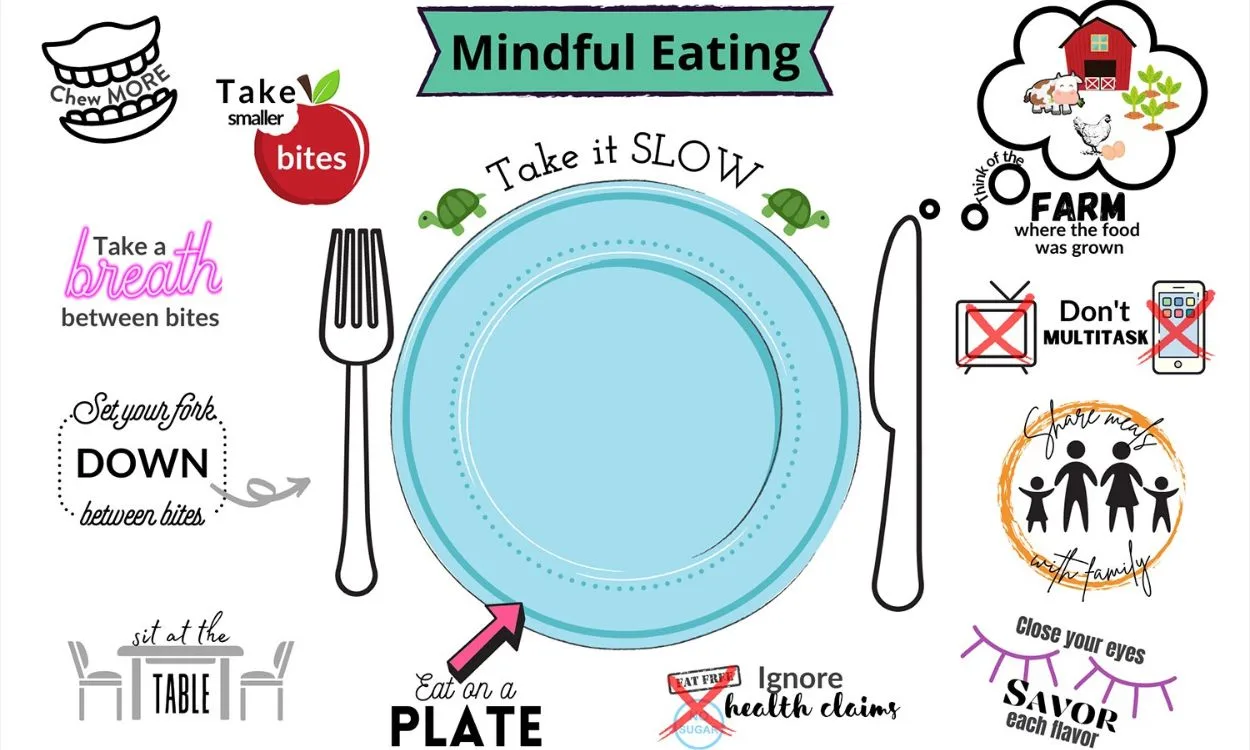
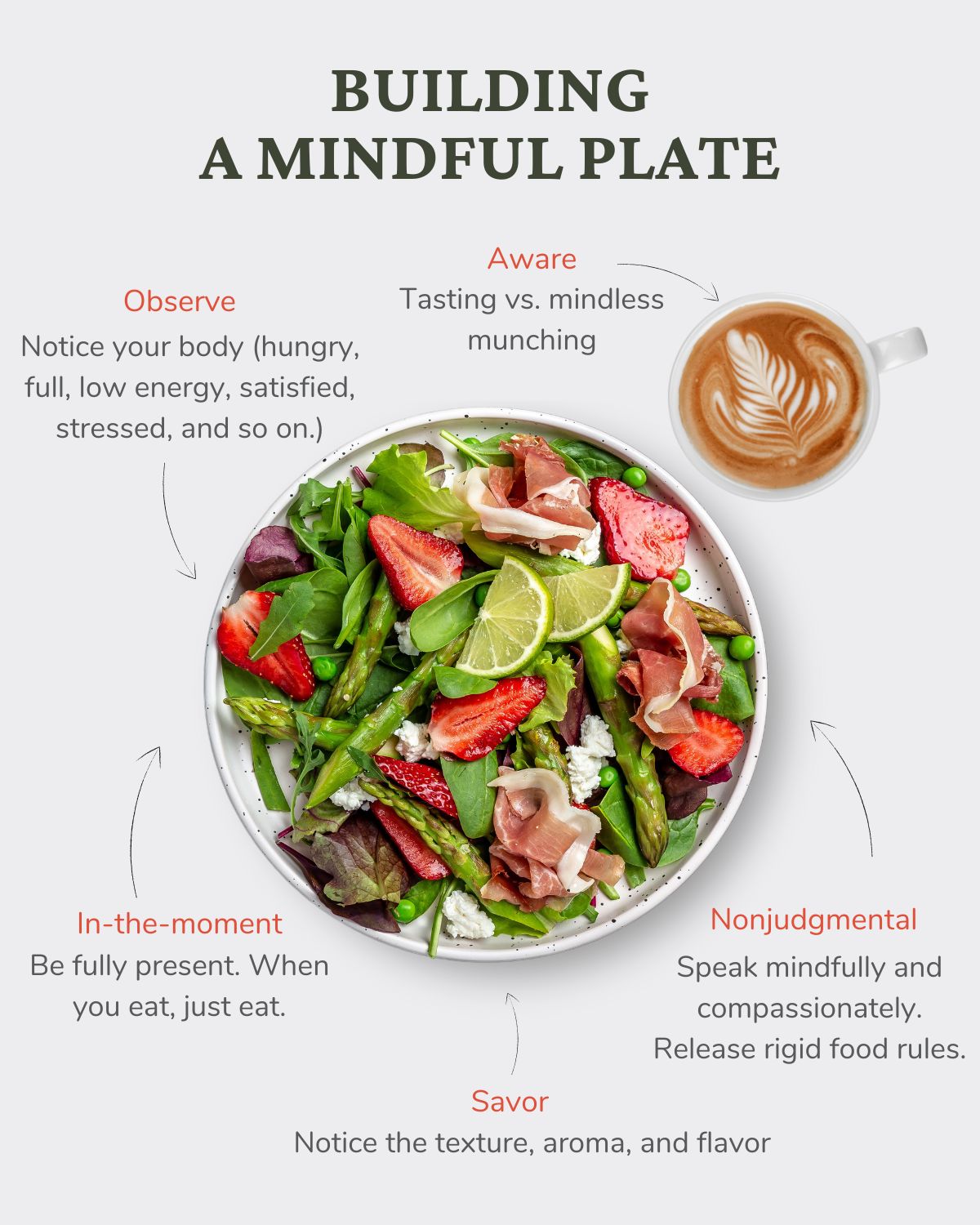
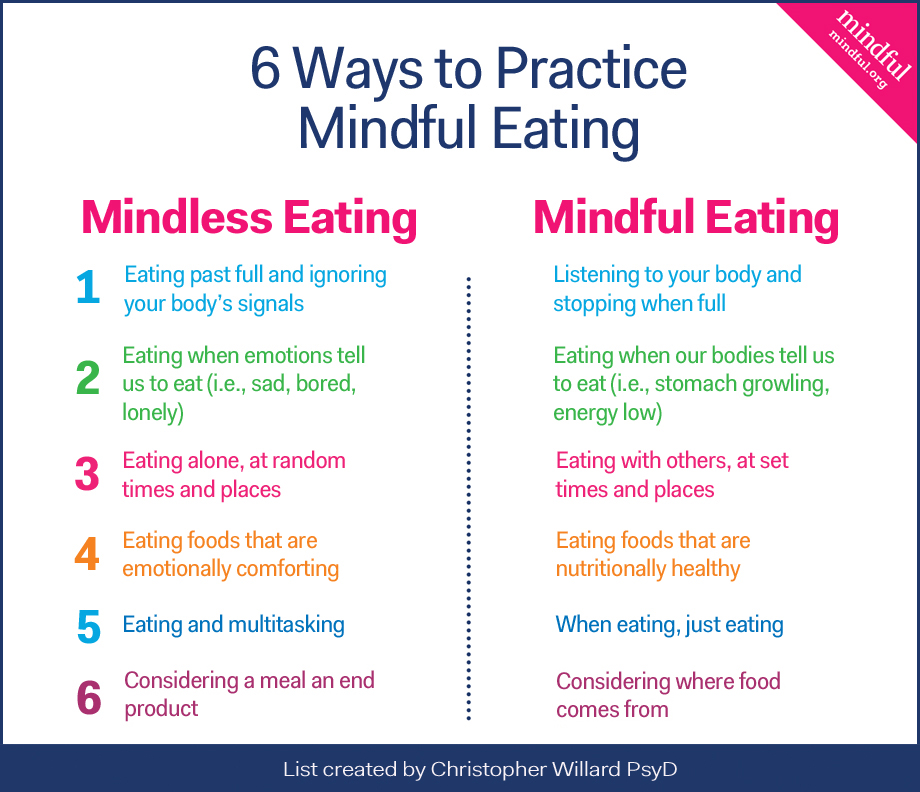
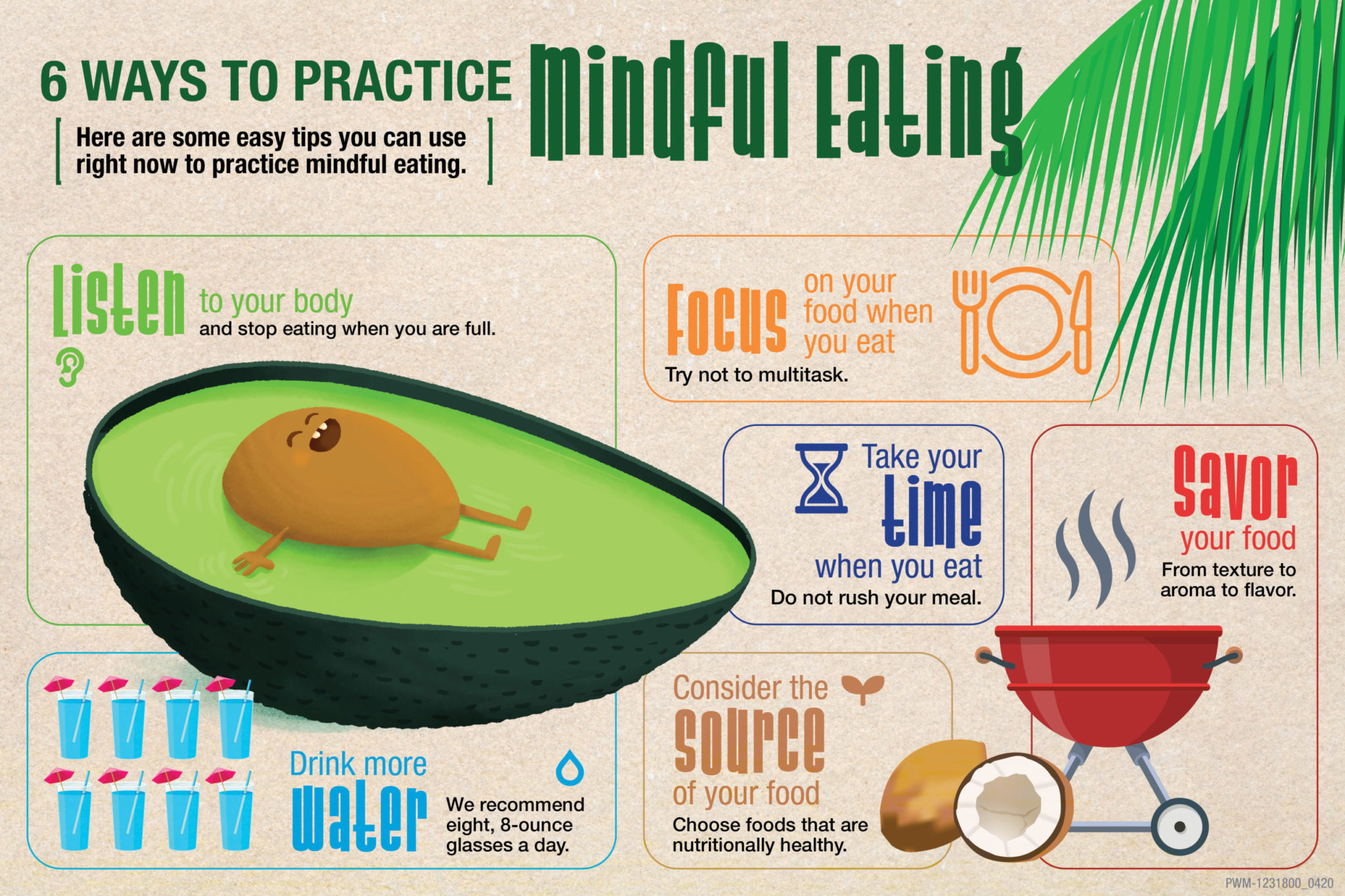
2025 is coming faster than ever and I don’t know if it’s because I am getting older, but these days, I feel the years fly past when previously, it would take ages for a month to end. Now, by the time I get the hang of a month, we’re two weeks in and soon it’s the end of the month and the start of a new one. This month, I went back to my old walking schedule and am consistently hitting 10 km on a daily basis. I am also trying to change 1-2 habits each month, with a good walking schedule and trying to eat mindfully in July and start a self-care schedule in addition to my July habits in August. Let’s see how much I can change myself by the end of the year.

GG is getting ready for school, which starts in just over a week’s time. BB has been selected to undergo some driving training, so that’s something he is looking forward to. I am not sure if he will be able to convert his military driving license to a civilian one, but if he has enough training driving while in national service, he should easily pass his test once he gets discharged, so that’s a win in my mind. 

That’s all from my side this week. Stay positive and keep smiling!

In My Hands Today…

All the Knowledge in the World: The Extraordinary History of the Encyclopedia – Simon Garfield

The encyclopaedia once shaped our understanding of the world.

Created by thousands of scholars and the most obsessive of editors, a good set conveyed a sense of absolute wisdom on its reader. Contributions from Albert Einstein, Sigmund Freud, Orville Wright, Alfred Hitchcock, Marie Curie and Indira Gandhi helped millions of children with their homework. Adults cleared their shelves in the belief that everything that was explainable was now effortlessly accessible in their living rooms.

But now these huge books gather dust, and sell for almost nothing on eBay, and we derive our information from our phones and computers, apparently for free. What have we lost in this transition? And how did we tell the progress of our lives in the past?

All the Knowledge in the World is a history and celebration of those who created the most ground-breaking and remarkable publishing phenomenon of any age. It tracks the story from Ancient Greece to Wikipedia, from modest single-volumes to the 11,000-volume Chinese manuscript that was too big to print. It looks at how Encyclopaedia Britannica came to dominate the industry, how it spawned hundreds of competitors, and how an army of ingenious door-to-door salesmen sold their wares to guilt-ridden parents. It explains how encyclopaedias have reflected our changing attitudes towards sexuality, race and technology, and exposes how these ultimate bastions of trust were often riddled with errors and prejudice.

With his characteristic ability to tackle the broadest of subjects in an illuminating and highly entertaining way, Simon Garfield uncovers a fascinating and important part of our shared past, and wonders whether the promise of complete knowledge – that most human of ambitions – will forever be beyond our grasp.