Short Story: The Purple Balloon

Rohan
I have always loved Ganesh Chaturthi. The noise, music, and dhol, all add to the excitement and even though it’s school time, I always try to visit as many pandals as possible. I am a big boy now and after pestering Mukesh chachu for almost a year, he finally agreed to take me to see the Ganesh visarjan at Chowpatty. We will be taking a train and then walking to the beach. Ma and Baba are angry with chachu, and dada and dadi also don’t want us to go, but I am bih now, so this year I will go, come what may.

Today is Anantchaturdashi, so after having a hearty lunch, we set off for Chowpatty, the air buzzing with anticipation. My heart raced with excitement as we navigated through the crowded streets of Mumbai. Chachu held my hand tightly, guiding me through the sea of people, each one carrying a Ganesh idol towards the sea for immersion. On the way, we also saw some big idols, including Lalbaghcha Raja.

As we reached Chowpatty, the sight was breathtaking. Hundreds of colourful Ganesh idols lined the beach, surrounded by eager devotees singing and dancing in devotion. The scent of incense and the rhythmic beat of drums filled the air, creating an electrifying atmosphere.

“Look, Rohan!” Chachu exclaimed, pointing to the sky. “See those kites flying high? It’s like a festival in the sky too!”

I grinned and pointed to a group of children trying to fly their kites. Chachu, always playful, bought me a beautiful purple balloon from a vendor nearby. “Here, hold onto this, Rohan,” he said, tying it to my wrist. “This way, I’ll always find you, no matter what.”

The purple balloon floated above me, like a guardian angel watching over, as we continued our journey through the chaotic crowd. I felt safe and happy, knowing Chachu was with me and that the balloon would lead him to me if we got separated.

Mukesh
Being the youngest of my siblings, I felt a special bond with Rohan. He was born when I was in school and because the age gap is not too much between us, so we behave more like friends rather than uncle and nephew. When he pleaded with me to take him to Chowpatty for Ganesh visarjan, I couldn’t resist. I knew bhai and bhabhi and ma and baba wouldn’t approve, but I wanted to give him an unforgettable experience.

As we reached Chowpatty, I marvelled at the vibrant spectacle before us. The sea of colours, the sounds of devotion, and the spirit of unity overwhelmed me. Rohan’s eyes lit up with wonder, and I couldn’t help but smile at his excitement. I was so glad I was able to give him this experience he will not forget in a hurry.

To add to the magic of the moment, I bought him a purple balloon. His joy knew no bounds as he clutched it tightly. “Thank you, Chachu! This is the best day ever!” he said, his eyes sparkling like stars.

With Rohan holding my hand, we manoeuvred through the bustling crowd. But as the immersion rituals began, the chaos intensified. Chants of “Ganpati Bappa Morya, Pudchyavarshi Loukar Ya” filled the air as people bid farewell to their beloved elephant-headed God by carrying them into the sea and bid him goodbye.

Someone pushed me from behind and I felt a tug on my hand. My heart skipped a beat and I looked down, but Rohan wasn’t there! Panic surged through me as I frantically searched the surrounding crowd, calling out his name. But the noise of the festival drowned my voice.

Rohan
Suddenly my hand was torn from chachu and I found myself alone in the crowd. My heart raced as I realized I had lost Chachu. I tightened the balloon in my hand and started crying. I was scared, surrounded by strangers, and unsure of what to do. I walked a while, pushed and prodded by people who were eager to immerse their idols and get home.

After a while, I noticed a group of men and they, on seeing me crying came up to me. They knelt at my level and smiled reassuringly. One of them patted my shoulder gently and said, “Don’t worry, beta, tell us why you are crying”. When I told them my chachu was lost and I was missing my ma and baba, they laughed and told me “We’ll keep you safe until we find your chachu.”

They formed a protective circle around me, like guardian angels. One of the men lifted me and put me on his shoulders so that I could look out for chachu. He also took the purple balloon, which had become my lifeline and held it up as a beacon to signal Chachu where I was. With their reassuring presence, my fear subsided, and I felt a glimmer of hope.

Mukesh
My heart pounded in my chest as I continued searching for Rohan frantically. The festival seemed to have swallowed him whole, and I felt a wave of guilt wash over me for bringing him here against his parents’ wishes. I knew I had to find him before anything happened. I started thinking of all the worst things that can happen. An image flashed across my eyes of Rohan in the clutches of a gang which made children stand in the road and beg and I shuddered with anguish. I ran here and there trying to find Rohan, but could not see anyone resembling him in the crowd.

As I ran, my eyes caught a glimpse of a purple balloon floating above the crowd. It looked like the balloon I brought for Rohan and I was relieved to see it. “Was it Rohan’s balloon?” I didn’t know, but ran towards it because it gave me some hope. I followed its trail to a group of men, one of whom was holding the balloon like a beacon and another holding Rohan on his shoulder. I rushed to his side, my heart swelling with gratitude for these kind strangers.

“Chachu!” Rohan cried out, tears of relief streaming down his cheeks. I hugged him tightly, whispering words of reassurance. “I’m here, Rohan. I’m never letting you out of my sight again.” The men smiled warmly, patting Rohan’s back. “He’s a brave boy, and the balloon helped us find you,” one of them said.

Rohan
With chachu’s reassuring presence, the purple balloon back in my hand, and the group of kind men by our side, I felt safe once again. We continued to witness the visarjan of the Ganesh idols and I said a little prayer for bringing my chachu back to me, tightly holding chachu’s hand, not wanting to let go. As the sun set and the festival came to a close, we made our way back home, weaving through the now calmer streets of Mumbai.

I knew I had experienced something extraordinary that day, and it wouldn’t have been the same without the purple balloon and the caring strangers who protected me. I looked up at Chachu, grateful for his love and for keeping his promise to me.

ukesh
The experience of losing Rohan and finding him again had been a rollercoaster of emotions. I knew now, more than ever, that my duty as his uncle was to protect and cherish him. The purple balloon had played a crucial role in reuniting us, and I couldn’t help but smile at its significance.

As we walked back home, I held Rohan’s hand tightly in mine, vowing to never let go. The chaotic festival reminded me of the fragility of life and the importance of treasuring our loved ones. I sent a small prayer to Vignaharta, the remover of obstacles who brought my nephew back to me. Though we returned to the safety of our home, the memories of the festival and the purple balloon would forever remain etched in our hearts. I recounted this experience to my brother, bhabhi and parents and we all hugged Rohan once again, knowing that without the kindness of these strangers, our little boy may have been lost to us forever. The city of Mumbai, one again, showed us what it is made of. Exhausted, as I went to bed, the strains of the songs “Ae dil hai mushkil jeena yahan, Zara hatke zara bachke yeh hai Bombay meri jaan” came through the television of our neighbour and I smiled at the expansiveness of the city of my birth as sleep claimed me.

In My Hands Today…

Chatter: The Voice in Our Head, Why It Matters, and How to Harness It – Ethan Kross

Tell a stranger that you talk to yourself, and you’re likely to get written off as eccentric. But the truth is that we all have a voice in our head. When we talk to ourselves, we often hope to tap into our inner coach but find our inner critic instead. When we’re facing a tough task, our inner coach can buoy us up: Focus – you can do this. But, just as often, our inner critic sinks us entirely: I’m going to fail. They’ll all laugh at me. What’s the use?

In ‘CHATTER’, acclaimed psychologist Ethan Kross explores the silent conversations we have with ourselves. Interweaving groundbreaking behavioral and brain research from his own lab with real-world case studies – from a pitcher who forgets how to pitch, to a Harvard undergrad negotiating her double life as a spy – Kross explains how these conversations shape our lives, work, and relationships. He warns that giving in to negative and disorienting self-talk – what he calls “chatter” – can tank our health, sink our moods, strain our social connections, and cause us to fold under pressure.

But the good news is that we’re already equipped with the tools we need to make our inner voice work in our favor. These tools are often hidden in plain sight – in the words we use to think about ourselves, the technologies we embrace, the diaries we keep in our drawers, the conversations we have with our loved ones, and the cultures we create in our schools and workplaces.

Brilliantly argued, expertly researched, and filled with compelling stories, ‘CHATTER’ gives us the power to change the most important conversation we have each day: the one we have with ourselves.

Festivals of India: Tarnetar Mela

One of the best things about India is that there are so many colourful festivals one can witness and be a part of. several colourful and grand festivities. One of the many vibrant, but relatively unknown festivals is the annual Tarnetar Mela which takes place in Sundernagar in the western state of Gujarat. A tiny village about 56 km from Sundernagar, about 76 km from Rajkot and about 176 km from Ahmedabad, the village comes alive during the festival.

Being Saurashtra’s most important fair, the Tarnetar Mela is attended by more than 50,000 people, including the Kolis, Rabaris, Bharwads, Khants, Kanbis, Kathis, Charans, Harijans and the Desh-rabaris. The festival has its roots in the epic Mahabharata, specifically Draupadi’s swayamvar. Swayamvar is a type of marriage mentioned in Hindu history where a woman chose a man as her husband from a group of suitors. The word comes from Sanskrit where Svayam means self and vara means groom. At Draupadi’s swayamvar, the Pandava prince Arjun performed the difficult task of piercing the eye of a rotating fish with an arrow, by only looking at its reflection in the water, after which he won the heart and hand of Draupadi.

The festival’s tradition is believed to have begun about 200 or 250 years ago and is held on the grounds of the temple of Triniteshwar Mahadev, which means the three-eyed God. The old temple that used to stand in Tarnetar is now in ruins, but a new one was built by the Gaekwads of Vadodara in the 19th century during the Solanki era and is now the focal point of the festival. It stands on the bank of a rivulet and opens into a beautiful kund or pond. Inside the temple, there is a Brahma Kund, a Shiva Kund, and a Vishnu Kund and it is believed that taking a plunge in these three water reservoirs is equivalent to taking a dip in the waters of the holy Ganges.

Fast forwarding to today, the three-day festival falls in the Bhadarva Sud or during August and September. This year the festival will take place between 18 to 20 September. The festival is a celebration of tribal Gujarat’s folk dance, music, costume and arts and is centred around young tribal men and women seeking marriage partners.

The Tarnetar Mela covers a large part of the Tarnetar village with a huge number of stalls put up to sell beautiful local handicrafts unavailable elsewhere, along with ethnic jewellery, statues of deities and traditional attire with tiny mirrors embroidered into the clothing. There are also merry-go-round rides, photography stalls, magic shows and tattoo artists who attract a large variety of visitors.

Rabari women from Zalawad, which is close to Tarnetar perform the famous circular folk dance called rahado. Their marital status is indicated clearly by their costumes; a black zimi or skirt means she is married. But if a woman is wearing a red zimi, it means she has not yet tied the knot and is probably seeking a husband. The potential husbands seeking brides are elegantly dressed in colourful dhotis, artistically designed waistcoats and a head-cloth twisted at an angle, moving about the fairground at Tarnetar with striking umbrellas, advertising the bachelorhood they are keen to relinquish.

The Kolis of Saurashtra initiated the custom of embroidering umbrellas, which are exquisitely elaborate in terms of embellishments. The embroidery of each is unique and rises from the edges to the top, with beadwork and patchwork in the design as well. Small colourful handkerchiefs are attached all around the edge, to attract further attention. These men spend over a year embroidering their umbrellas. They intend to entice the girls with their art, clothes, and headgear and impress them so that they can propose to them for marriage. It is not surprising that, before the fair is over, they usually meet the lady of their choice.

At the heart of the Tarnetar Mela lies a unique and heartwarming tradition — the swayamvar. This ancient matchmaking ritual allows young, unmarried women to choose their life partners from a group of eligible bachelors. Eligible men from various communities gather, each hoping to find their soulmate among the bevvy of beautiful women. It’s a sight to behold as the women circulate among the men, engaging in cheerful banter and trying to find a connection that transcends words. As modern influences blend seamlessly with tradition, young participants have the freedom to exchange phone numbers, engage in conversations, and even meet their potential life partners accompanied by their families.

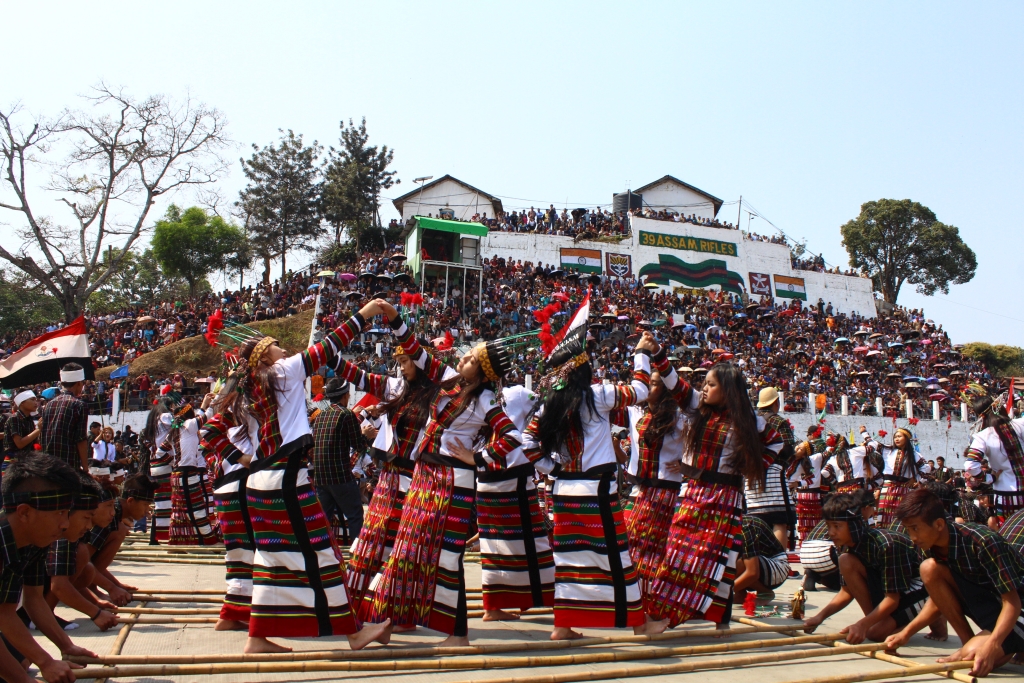
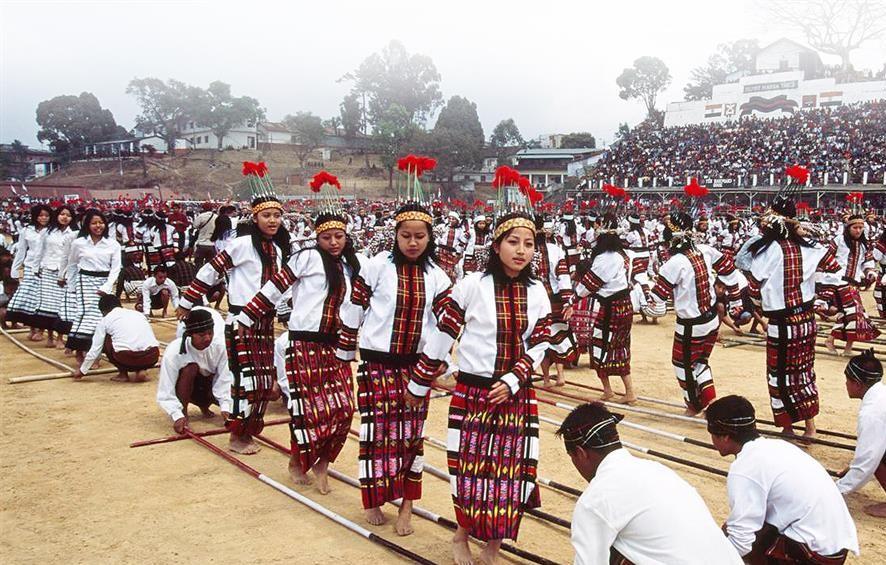
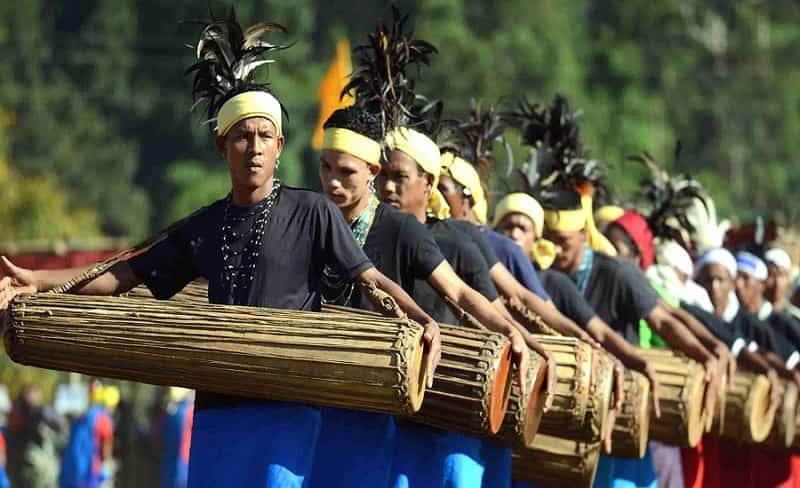
As the dancers surge in waves of circular movement, the incessant throbbing of the drums keeps them moving in unison, and the drum beats continue throughout the day even as the dancers change from one group to the next. Many kinds of folk dances are performed; by far the most popular is the raas, in which dancers hold sticks to clack against those of other dancers. As many as one to two hundred women perform rasadas in a single circle, to the beats of four drums at a time and the tunes ofjodia pavas or the double flutes. One can also see people break out into a spontaneous hudo. Amidst the festivities, the Tarnetar Mela also champions essential social causes. Various NGOs and organisations set up stalls to raise awareness about health, education, and women’s empowerment.

There is music in the air with many bhajan mandalis or music groups and sadhus or holy men singing religious songs, accompanied by folk instruments. But even for those not interested in finding a spouse, the romance and excitement in the air are captivating, and every year the fair seems only to grow in popularity, attracting visitors and tourists from Gujarat, elsewhere in India, and even abroad. At the fair, the many colourful costumes, glittering ornaments and free-spirited movements of folk dances, all combine to create a memorable scene. This is the vibrancy of India that mesmerises visitors and makes them come back.

2023 Week 37 Update

Over the weekend, we celebrated BB and GG’s 20th birthday. I can’t believe they are almost on the cusp of becoming legal adults. This is also BB’s last birthday with the family before he enlists next month. So they invited some friends over, and we all had a wonderful time. Happy birthday, GG and BB! Have a year that’s as wonderful as you both are.

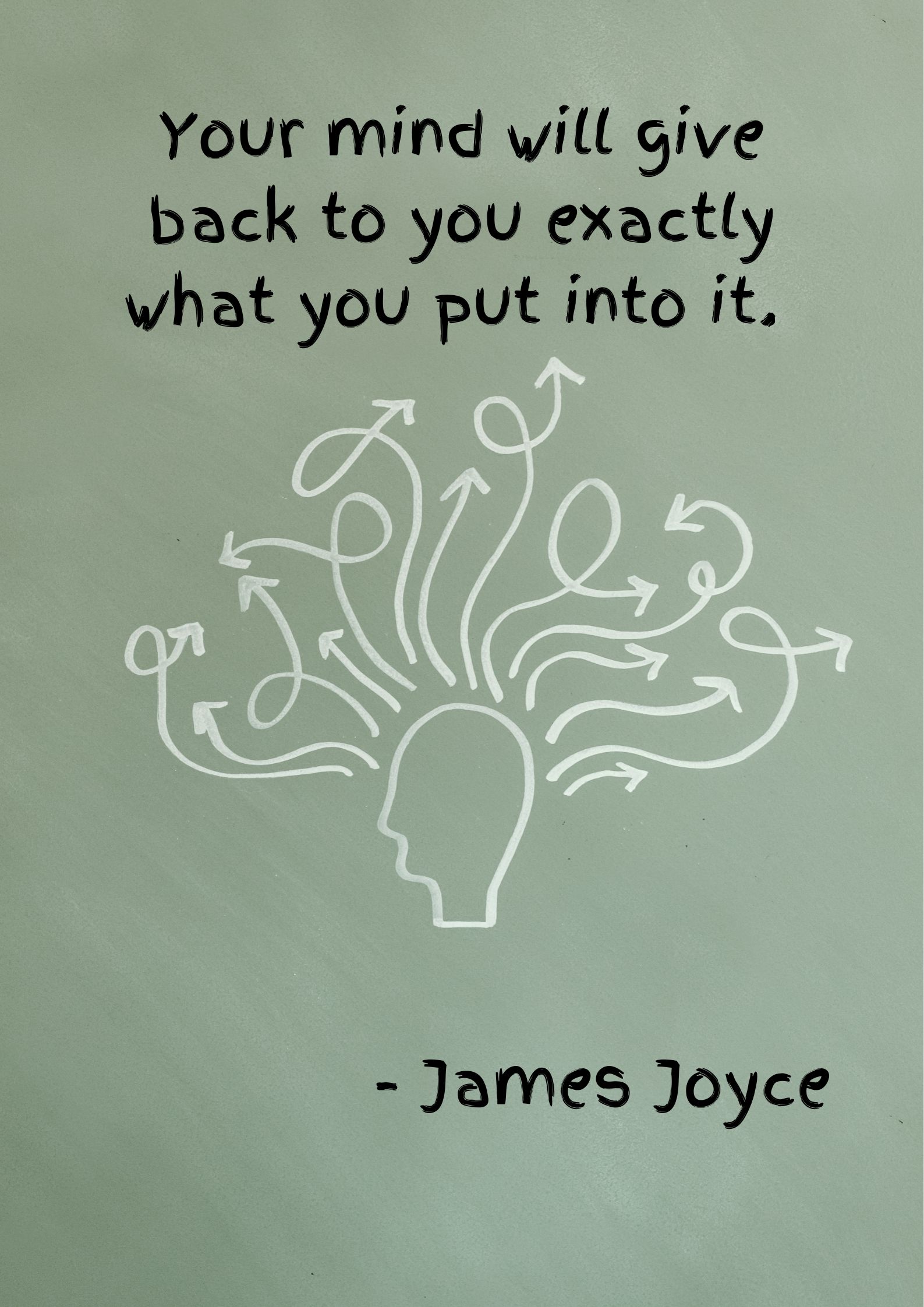
Today’s quote comes from Tibet and is a lovely one. The proverb offers guidance on how to live a fulfilling and contented life. The proverb suggests practising moderation when it comes to food consumption and encourages people to be mindful of what they eat and to avoid overindulgence. It also encourages individuals to be active and maintain a regular exercise routine. Laughing more encourages a cheerful outlook on life and suggests that finding humour in everyday situations and not taking life too seriously can lead to greater happiness and well-being. The last part is a call to embrace love and emotional connections fully and unconditionally and to be open-hearted, compassionate, and loving without limitations. In essence, this proverb advocates for a balanced and joyful approach to life.

It’s been about a month and a half since I started my new role. There has been a learning curve, but I am enjoying what I do and that is the most important thing. So that is that.

That’s all from me this week. Stay positive and stay happy 😊

In My Hands Today…

Four Thousand Weeks: Time Management for Mortals – Oliver Burkeman

The average human lifespan is absurdly, insultingly brief. Assuming you live to be eighty, you have just over four thousand weeks.

Nobody needs telling there isn’t enough time. We’re obsessed with our lengthening to-do lists, our overfilled inboxes, work-life balance, and the ceaseless battle against distraction; and we’re deluged with advice on becoming more productive and efficient, and “life hacks” to optimize our days. But such techniques often end up making things worse. The sense of anxious hurry grows more intense, and still the most meaningful parts of life seem to lie just beyond the horizon. Still, we rarely make the connection between our daily struggles with time and the ultimate time management problem: the challenge of how best to use our four thousand weeks.

Drawing on the insights of both ancient and contemporary philosophers, psychologists, and spiritual teachers, Oliver Burkeman delivers an entertaining, humorous, practical, and ultimately profound guide to time and time management. Rejecting the futile modern fixation on “getting everything done,” Four Thousand Weeks introduces readers to tools for constructing a meaningful life by embracing finitude, showing how many of the unhelpful ways we’ve come to think about time aren’t inescapable, unchanging truths, but choices we’ve made as individuals and as a society—and that we could do things differently.