The aroma of brewing coffee provided a fleeting moment of solace as Alice moved through the kitchen. She found herself mechanically going through the motions, preparing breakfast for her family. The weight in her chest mirrored the heaviness in the atmosphere. Today marked the beginning of a significant chapter in Daniel’s life, and Alice couldn’t shake the mix of emotions coursing through her.
As the family gathered around the breakfast table, the usual lively chatter felt subdued. Daniel, normally brimming with energy, seemed quieter today. His younger sister, Chloe, glanced at him with wide, worried eyes. Simon, Alice’s husband, attempted to lighten the mood with small talk, but the unspoken tension hung in the air.
After the simple family breakfast, the car ride to the Pasir Ris Bus Interchange was marked by intermittent silence. Daniel stared out the window, his thoughts known only to him. Alice couldn’t help but steal glances at her son, marvelling at the young man he had become. Memories of his childhood flashed through her mind, and she couldn’t believe how quickly time had passed.
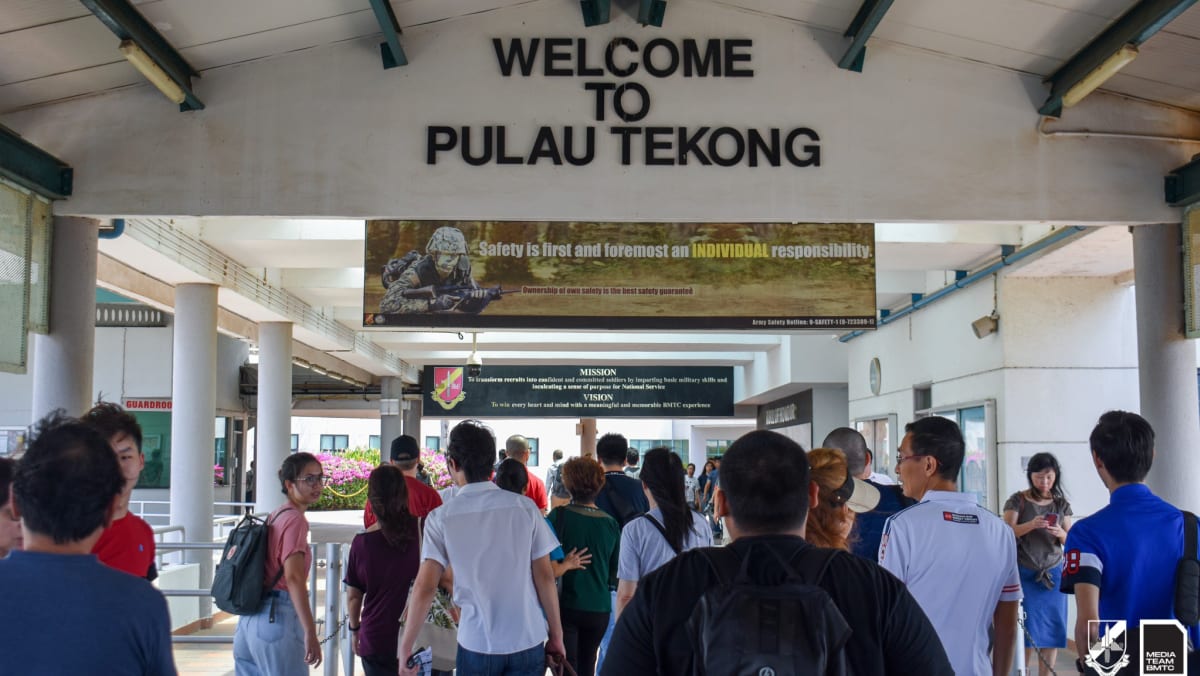
Upon reaching the bus interchange, the gravity of the moment became tangible. Alice’s heart felt as if it were in her throat as they navigated through the procedural steps of enlistment. Soon it was time to board the ferry to reach Pulau Tekong. After the oath-taking ceremony, the family had one last meal together and then it was time.
As they stood in the waiting area, families embracing their loved ones, Alice took a deep breath, willing herself to be strong for Daniel. She held back tears, knowing that this was a day he had been anticipating, a day that marked his entry into adulthood and service to his nation.
Finally, the time arrived for the recruits to bid farewell to their families. Alice hugged Daniel tightly, fighting back tears. “Make us proud, Daniel,” she whispered into his ear. His response was a determined nod, a silent promise that he took with him as he joined the ranks of his fellow recruits.
The initial two weeks passed like a blur for Alice. The silence at home was deafening, and the absence of Daniel’s laughter was a constant reminder of his newfound commitment. Phone calls and video calls between Daniel and his family brought comfort to both of them. He spoke about the challenges of Basic Military Training, BMT, the camaraderie with his platoon, and the physical demands that were pushing him to his limits.
Soon, it was time for Daniel’s Passing Out Parade or POP. Daniel had already told his family about the route march and where they would stop for breaks. Alice, Simon and Chloe made their way to where they would hope to see Daniel. While waiting with other parents and families, Alice could not help but share in their son’s journeys with the other mothers.
As Daniel’s platoon approached, Alice’s heart swelled with emotion. She spotted her son, his face adorned with a mix of exhaustion and pride. Their eyes met, and in that moment, Alice saw not just a soldier but a resilient young man who had embraced the challenges of National Service and emerged stronger.
The cheers of the families, the pride in their eyes, and the shared joy among the recruits created an atmosphere of celebration. The route march symbolized the completion of a significant milestone, a collective achievement that resonated beyond the parade ground.
As Daniel passed by, he gave his family a quick salute, a gesture that spoke volumes. Alice, Simon, and Chloe cheered loudly, their voices blending with the chorus of families expressing their pride. Tears welled in Alice’s eyes, but this time, they were tears of joy and triumph.
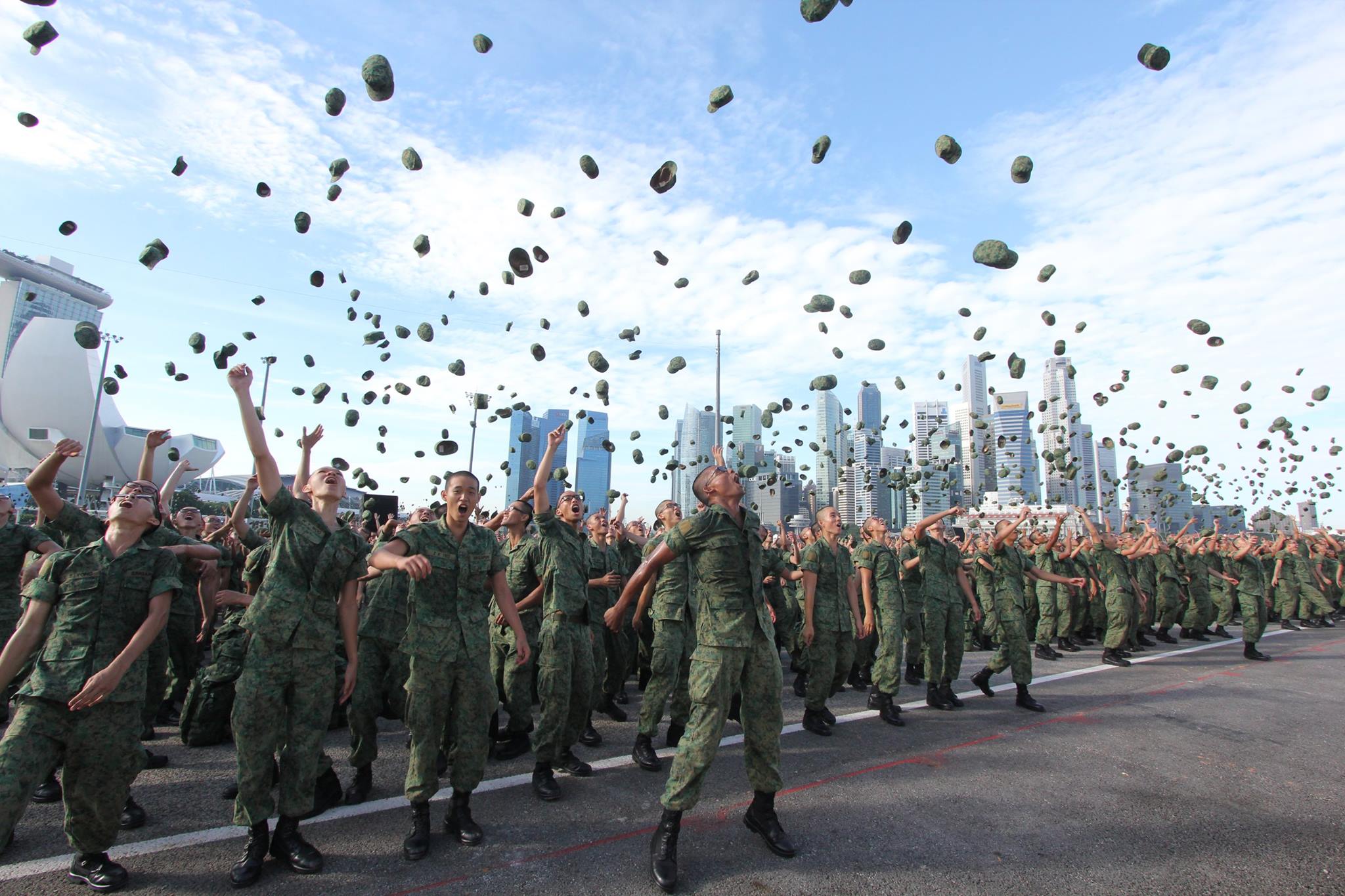
Alice, along with Simon and Chloe, attended the Basic Military Training Passing Out Parade at the Floating Platform with a mixture of anticipation and pride. The parade ground was a sea of crisp uniforms and polished boots. The rhythmic sound of marching feet echoed in the air, each step symbolizing the resilience and discipline instilled during the training.
As Daniel’s platoon marched onto the parade ground, Alice’s heart swelled with pride. She spotted him among the young soldiers, standing tall and confident. The transformation from the day he enlisted was evident in his bearing, a testament to the rigours of BMT.
The Passing Out Parade unfolded with precision and pride. The recruits showcased their newly acquired skills in a display of drills, marches, and physical exercises. Alice couldn’t help but marvel at the cohesion of Daniel’s platoon; their movements synchronized as if they were one collective force.
The Passing Out Parade route march marked the end of Daniel’s Basic Military Training, a journey that had begun with uncertainty and separation. As the platoons dispersed, families gathered around their loved ones, and Alice embraced Daniel with a newfound sense of appreciation. He was not just her son; he was now a soldier, a defender of their nation, and Alice couldn’t have been prouder.
Together, they walked away from the parade ground, the weight in Alice’s heart replaced with an overwhelming sense of pride and gratitude. The National Service experience had transformed Daniel, and as a family, they had weathered the challenges and celebrated the triumphs. The journey continued, but now, they walked it with the knowledge that Daniel had emerged from his Basic Military Training stronger, more disciplined, and ready for the adventures that lay ahead.