Organisations the world over today are paying more and more attention to how to prevent their workforce from burning themselves out due to an unrelenting pace of work. Views are radically changing on practices to ensure the employees perform consistently well over many years.
In this book, Sri Sri offers valuable tips for managers and leaders to become more effective in their roles and also on how to develop a conducive work environment so that both the employees and the organisation add value to each other.
“Management begins in the mind. When the mind manages itself better, it can manage anything.” H.H. Sri Sri Ravi Shankar
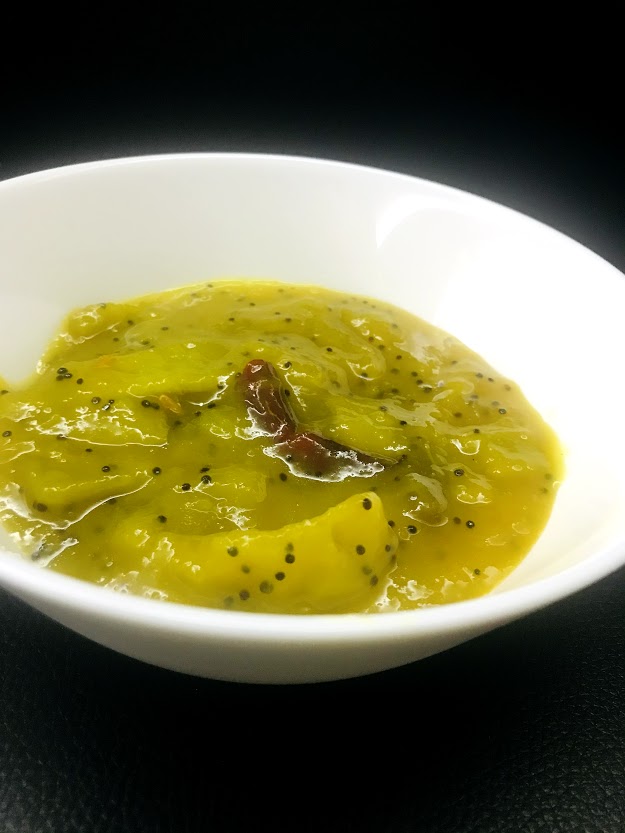
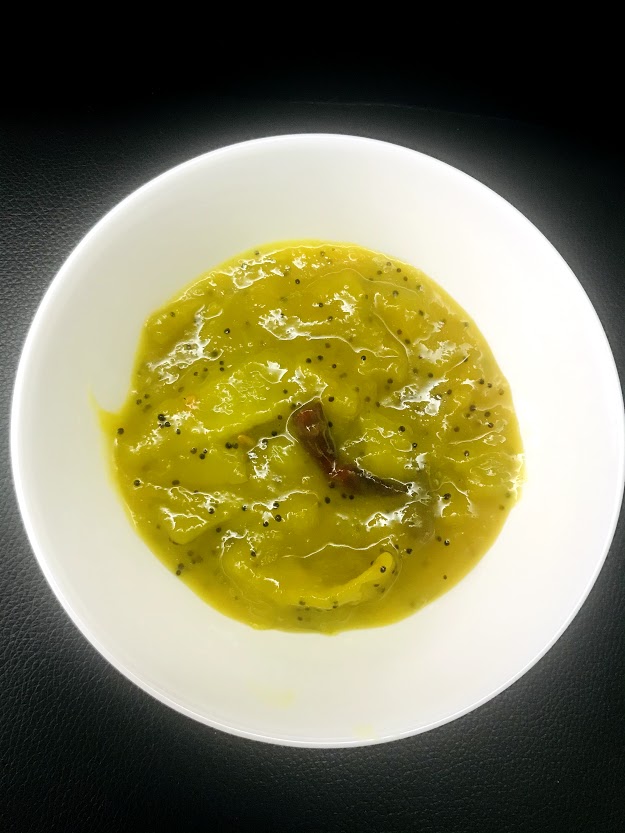
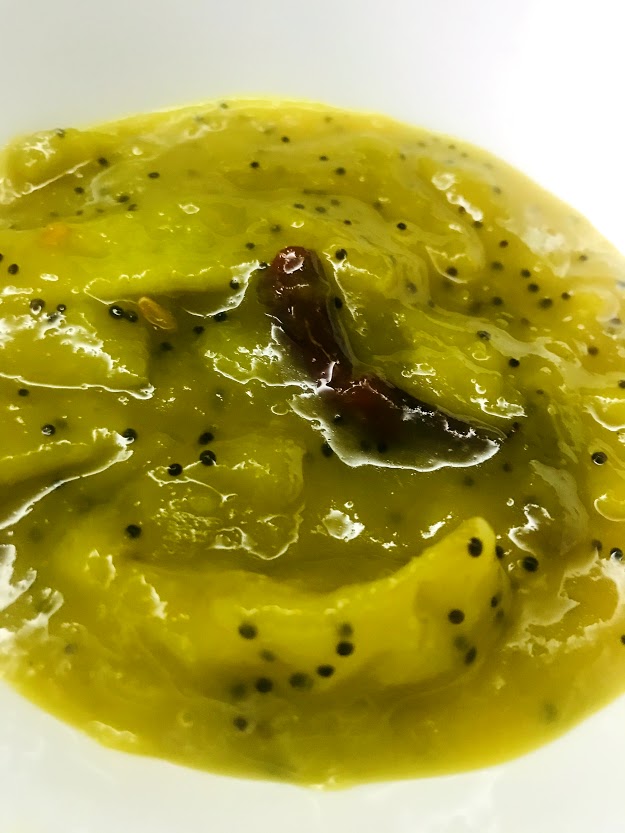
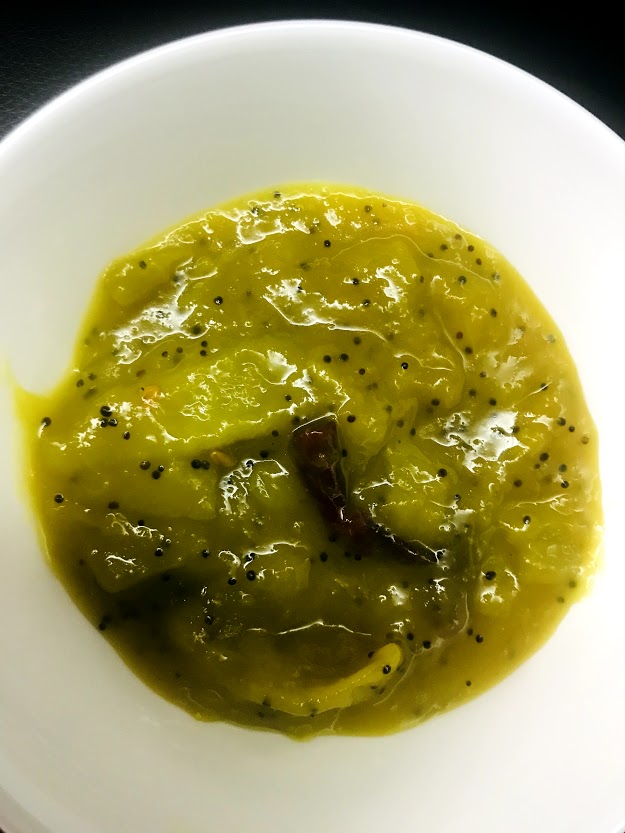
On the occasion of the Tamil New Year, we usually make the raw mango pachadi. This traditional dish is made on the occasion is packed with 6 flavour of tastes like sweet, salt, spicy, bitter, sour and astringent. It is believed that eating this on the new year will ensure that the year ahead will be perfectly balanced with all flavours infused in your life. The dish signifies that life is a combination of different emotions like good, bad, happy, sorrow, victory and defeat and we have to face them equally. Jaggery is used for sweet, salt for salty, dried red chilli for spicy, neem flower or fenureek seeds for bitter, raw mango for sour and turmeric for astringent.
I made this recipe for the first time earlier this year during the Tamil New Year. Actually what triggered this recipe was my mother moaning that she had not been able to get hold of raw mangoes because of the situation in Mumbai and so since I had some mangoes, I decided to make them. It was a huge hit in my house and since then, I have made it a few more times, and each time, it has been gobbled up soon. It’s a very easy recipe and from start to end, should not take more than 30 minutes.
Raw Mango Pachadi
Ingredients:
2 medium sized raw mangoes
½ cup grated jaggery, (more or less depending on the sourness of the mangoes)
¼ tsp turmeric powder
1 pinch salt
1 tsp oil
1 tsp mustard seeds
¼ tsp fenugreek seeds or 1 tbsp fresh or dried neem flowers
2 dried red chillies, broken into half each
Method:
Peel and chop the mangoes into largish pieces and then in a pan, add a bit of water, just enough to cover the mangoes, and the turmeric and cook till the mangoes are cooked, but still retain some of their shape.
While the mangoes are cooking, in a separate pan, add the jaggery and 1-2 tbsps of water and let the jaggery dissolve into a syrup. Let the syrup cool down.
When the mangoes are cooked, strain the jaggery syrup into the mangoes using a strainer. This is so that none of the impurities found in the jaggery make their way to the dish.
Let the mangoes and jaggery come to a nice rolling boil. Add the salt, stir well and switch off the gas.
Using a smaller skillet, heat the oil and when the oil becomes warm, add the mustard seeds, fenugreek seeds or neem flowers, dried red chillies and stir for a few seconds each before you add the next ingredient. Stir for about 10 seconds in total and pour this over the mango pachadi.
Serve hot with any south Indian meal and enjoy a beautiful blend of flavours.
Served cold, this can also be served as a cold salad or starter or even a dip with your starter.
You can also cook the mangoes in a pressure cooker. If using a pressure cooker, cook the mango with a bit of water and turmeric and pressure cook for 2 whistles.
Another week ends and we are looking at the second half of 2021 very soon. This was a very quiet week for us and nothing really happened.
Singapore has vaccinated nearly 6 million residents now with about 3 million residents fully vaccinated and will increase to daily vaccination rate to 80 thousand doses daily, up from 47 thousand. This respresents about 36% of the population with a plan for two thirds of the population to be fully vaccinated by Singapore’s National Day. And there are also plans to ease our restrictions once that magical number is hit, hopefully sometime in mid-July.
India has given out 300 million doses with 52 million people fully vaccinated, accounting for 3.9% of its population. Worldover, nearly 3 billion people have been given at least one dose of vaccine and about 805 million fully vaccinated accounting for 10.4% of the world’s population. We still have far to go to achieve a world herd immunity of what experts say 75-80% of the world’s population being fully vaccinated so life can go back to a semblance of some normal. But as all things are wont to so, we know that things will get better, we have hope on our side.
And this segues very nicely into our quote for the week which is about hope and belief. When we believe, we are already hallway to achieving what we believe in according to Theodore Roosevelt, the 26th President of the United States.
Please get vaccinated if you are eligible and convince those around you, in your family, your friends and your community about the benefits of vaccination if they are still on the fence. The faster everyone in the world gets vaccinated, the sooner we can get back to a normal life, the sooner we can start travelling. This is especially true for people like me who have parents and family living in another country and can’t see them unless travel gets normalised. Stay safe everyone!
In this stunning new book, Malcolm Gladwell takes us on an intellectual journey through the world of “outliers”–the best and the brightest, the most famous and the most successful. He asks the question: what makes high-achievers different?
His answer is that we pay too much attention to what successful people are like, and too little attention to where they are from: that is, their culture, their family, their generation, and the idiosyncratic experiences of their upbringing. Along the way he explains the secrets of software billionaires, what it takes to be a great soccer player, why Asians are good at math, and what made the Beatles the greatest rock band.
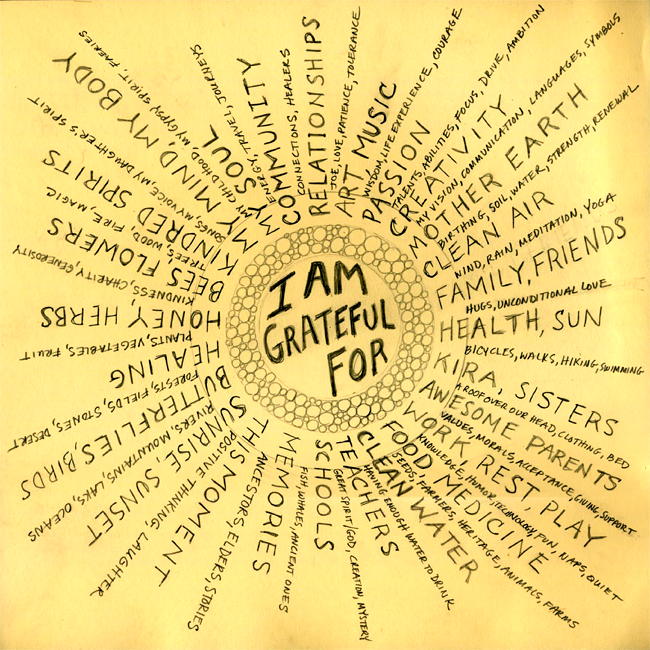
Gratitude is the quality of being thankful, a readiness to show appreciation for and to return kindness. And today this quality is needed more than ever. When one is content with what we have and are thankful for it, it boosts happiness and the overall sense of wellbeing.
When you have an attitude of gratitude, you tend to appreciate everything in life, grateful for relationships, health, work, and have a general sense of well-being. It shifts the focus from yourself to appreciating someone or something else. But this is something that is not innate in human beings, it has to be cultivated and one needs to make it a conscious habit to express thankfulness and appreciation for every part of their life. Having an attitude of gratitude means one operates from a place of abundance, rather than scarcity.
Gratitude shifts the mindset and is a thankful appreciation for what one has, not what one doesn’t have. When gratitude is expressed, one feels more positive and intentional and developing this attitude requires a mindset shift to make it a daily habit. It is important because what one appreciates grows and increases in value, so when one practices gratitude, all that is around, like relationships, work, health and mindset become more important.
Being grateful improves self-confidence, self-esteem and enhances the enjoyment of the present moment. So, when one feels grateful daily, they feel more positive and are more present at the moment.
An attitude of gratitude means creating a conscious mindset and habit to express thankfulness and be grateful for every aspect of our life, both the things that are going well and the things that aren’t. When one has an attitude of gratitude, they can focus on expanding the positives in their lives, rather than dwelling on the negatives. When one expresses gratitude, they feel more confident, positive, and optimistic as well as happier and joyful about the things they have, and the people that matter most. This mindset reduces stress, overwhelm and frustration and creates feelings of abundance and happiness.
And in addition to improving mood, recent studies show that feeling and expressing gratitude leads to better physical health as well. Paul Mills, a Professor of Family Medicine and Public Health at the University of California San Diego School of Medicine, conducted studies that looked at the role of gratitude on heart health. Among other things, he found that participants who kept a journal most days of the week, writing about 2-3 things they were grateful for, which included everything from appreciating their children to travel and good food, had reduced levels of inflammation and improved heart rhythm compared to people who did not write in a journal. And the journal-keepers also showed a decreased risk of heart disease after only 2 months of this new routine.
Another study from the University of Pennsylvania found that people who wrote and delivered a heartfelt thank-you letter actually felt happier for a full month after, and the same researchers discovered that writing down three positive events each day for a week kept happiness levels high for up to six months.
So how does one develop an attitude of gratitude?
Appreciate everything: To cultivate an attitude of gratitude, look for things to appreciate daily. Developing active gratitude is different from reactive gratitude. With reactive gratitude, one waits for something to happen before they express appreciation or thanks, but with active gratitude, one consciously looks for ways to be grateful and express appreciation. Thus, expressing gratitude becomes a choice. When one express gratitude daily, the things and people they appreciate grow in value and they start to see more things to be grateful for, which in turn makes one happier and more content, increasing positivity and happiness.
Express gratitude every day: It’s important to express gratitude daily, rather than on occasion. Developing a gratitude practice of acknowledging what one is thankful for or appreciate daily will expand the value of the things one is grateful for. A good gratitude practice is to start and end each day by writing down three things you’re grateful for. When one expresses gratitude on a daily basis, one builds positive habits and forces them to appreciate every day, even if was a bad day. It may seem strange initially, especially when you have to think about what you are grateful for that day, but after some time, it gets easier and one can easily find a few things that day to be grateful for. Try it initially for 30 days. Be specific about what you are thankful for and watch how your thoughts develop over time.
Take ownership of your present: Start with appreciating and giving thanks for what you have today and be happy about what you’ve achieved and give thanks to the people in your life which increases gratitude. When one takes ownership of their present moment, they choose to be grateful, optimistic and positive. A positive mindset reframes negative thoughts and builds confidence from past accomplishments.
Meditate: Meditation is a powerful practice in self-awareness. The goal isn’t to silence your thoughts, rather, it’s to become an active observer of them. The process of meditation is all about allowing the mind to do its thing and accept it as it is. Through meditation, one can build up areas of the brain and rewire it to enhance positive traits like focus and decision making and diminish the less positive ones like fear and stress. When the mind is masters, the emotions become a servant to the mind and one becomes less reactive and better able to handle life’s challenges. Irrespective of whether you regularly meditate, try and take a break a few times a day to focus on a spirit of thankfulness.
Celebrate the small things: Humans are conditioned to focus on and celebrate big achievements, instead of small wins. However, if one fails to ignore the small things in life and keep rushing from one thing to the next, demotivation will quickly set in. Who one becomes is not determined by the end goal, instead, it’s determined by the person they become while going on the journey to reach the goal and life’s successes. When the small things in life are celebrated, it means celebrating good habits. Take time to pause, slow down and savour the small things. Instead of obsessing about the future or dwelling on the past and be more aware of the present moment.
Commit to a gratitude practice: When one commits to a daily gratitude practice, their mindset and thinking changes. When there is an appreciation for the things that matter, there is more insight into what’s important. This, in turn, gives a chance to pause and think about the purpose with clarity on why certain things are important and why certain things and people are valuable. Committing to a gratitude practice helps one understand why they appreciate certain things rather than others and learn about themselves a little bit more. They also get to see the positive effect their gratitude has on others.
So there you have it, a gratitude practice, irrespective of how you do it, has immense benefits. As this practice develops, the habit will eventually bring positivity to our lives and we will feel happier, more positive and learn to appreciate and value all the little happiness in life.
As for me, after researching for this post, I have started to work on my gratitude journal, something I have done off and on for a few years now, but have never followed through consistently. Hopefully, this post will give me that push I need to make it a regular practice.






 Memories and Such