Recipes: Corn, Peas and Peanut Curry

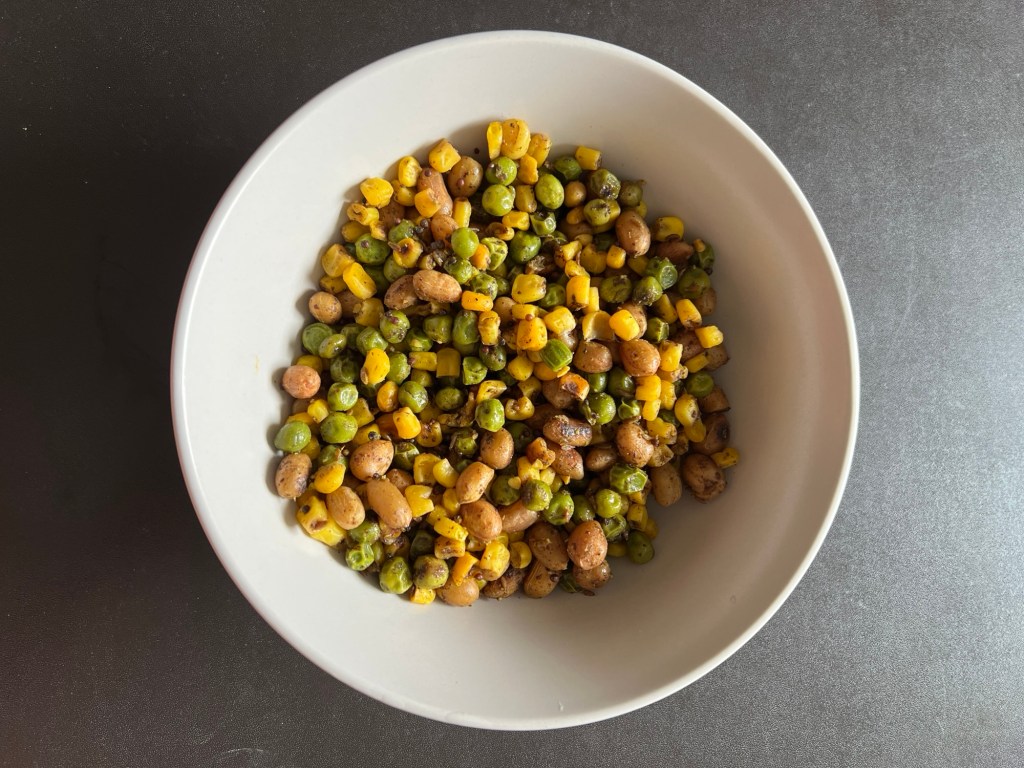
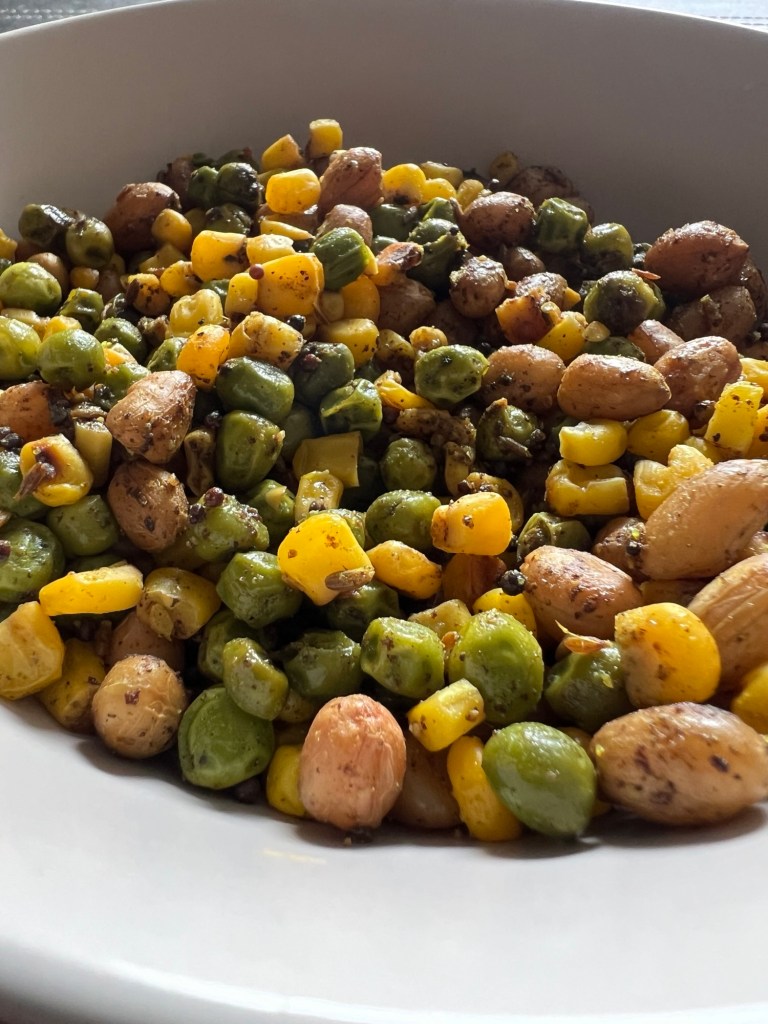
Some weeks back, I had to make a sabzi for lunch, but was not in a mood to cook and also had nothing really likeable in the fridge. So I decided to raid my freezer and see what I can come up with and this curry was the result. This took me about 30 minutes in total to make, including about 20-25 minutes of soaking time with the actual curry taking less than 10 minutes to make. It was quite delicious to eat.

Corn, Peas and Peanut Curry

Ingredients:

  • 1 cup frozen green peas
  • 1 cup frozen yellow corn
  • ½ cup raw peanuts
  • 1 tsp cumin seeds
  • 2 tsp oil
  • 1 tsp lemon juice (optional)
  • Salt to taste
  • Pepper to taste

Method:

  • Soak the corn, peas, and peanuts in a bowl with hot water for at least 30 minutes.
  • Salt the water, cook the vegetables and peanuts on the stovetop or microwave for 5 minutes, and drain.
  • Heat the oil in a pan, and when the oil heats up, add the cumin seeds and let them pop.
  • Once the cumin pops, add in the drained vegetables and stir well.
  • Season with salt and pepper and let it cook covered on a low to medium flame for 5 minutes.
  • Switch off the gas, drizzle lemon juice if using, and serve hot with rice or rotis.

In My Hands Today…

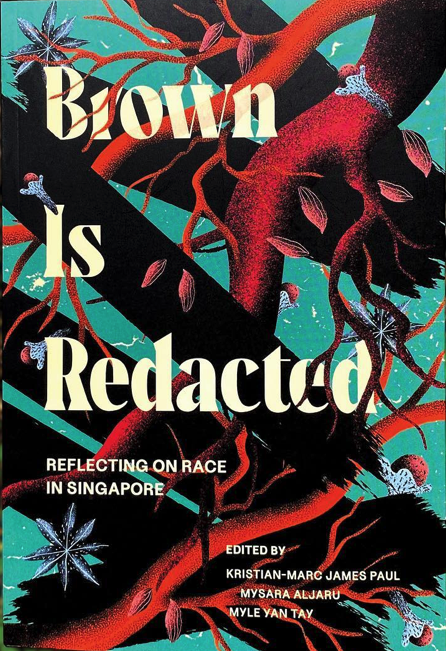
Brown Is Redacted – Kristian-Marc James Paul, Mysara Alijaru, Myle Yan Tay

Brown is Redacted: Reflecting on Race in Singapore responds to, expands on and questions what we think we know about the lived experiences of minority-raced people in Singapore.

Inspired by Brown Is Haram, a performance-lecture on minority-race narratives staged at The Substation in 2021, this anthology reflects on how brownness is constructed, sidelined, but also celebrated in this nation-state.

Through a combination of essays, academic works, poems, and stories by brown individuals, Brown is Redacted both attempts to and fails to create a singular brown experience. What this anthology does produce instead, is a moving and expressive work of solidarity and vulnerability.

Mumbai Memories: The Ambi Phenomenon

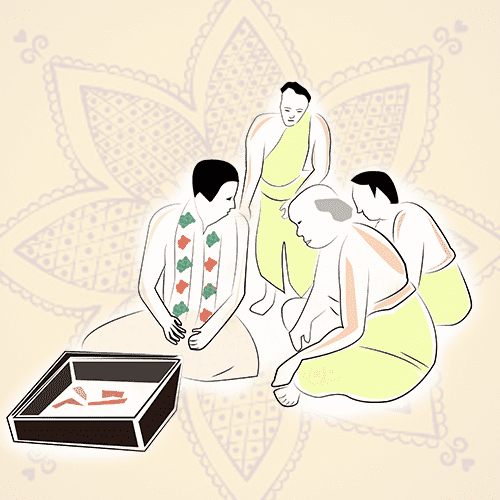
All his life, even today in fact, my father has been called ‘Ambi’ by his family and neighbours. So much so that when I was younger, I used to think this was his name. Why? In Tamil Brahmin culture, the term ‘Ambi’ has traditionally been used to refer to the oldest son in a family, a title that carries with it a sense of affection and respect.

The Tamil Brahmin community is known for its rich cultural heritage and adherence to traditional practices. The term ‘Ambi’ likely derives from the word “Amba,” which means mother or goddess in Sanskrit, signifying a connection to nurturing and familial roles. In many families, the firstborn son would be affectionately called ‘Ambi,’ symbolising his position as the primary heir and caretaker within the family unit.

Historically, Tamil Brahmin families have followed strict naming conventions. The firstborn son is often named after his paternal grandfather, while subsequent children may receive names based on familial traditions or characteristics. This practice not only preserves lineage but also reinforces social structures within the community.

The title ‘Ambi’ has implications beyond mere nomenclature; it embodies a set of expectations and responsibilities. As the eldest son, the Ambi is often seen as a leader within the family. He is expected to uphold family traditions, participate in religious rituals, and act as a mediator during disputes. This role is particularly significant in joint family systems common among Tamil Brahmins, where multiple generations live together under one roof.

In many households, the Ambi is also viewed as a bridge between the older and younger generations. He often helps younger siblings navigate societal expectations while maintaining respect for traditional values. This dynamic fosters a sense of unity within families, as the Ambi becomes a central figure around whom family gatherings revolve.

My father, though born to the middle son, was the oldest son of his generation. There were girls born before him, but none of his uncles or aunts had any sons until he was born. So he was the designated ‘Ambi’ in his family. Not only did his extended family call him Ambi, but he was also known as Ambi to the tambram residents in our building. Unfortunately, this practice is now hardly being used. If it were, both S and BB would also be Ambis as they both are the oldest boys in their generation.

The cultural significance of ‘Ambi’ extends into various facets of Tamil Brahmin life. The title signifies love and respect from both parents and relatives. It is not uncommon for children to refer to their uncles or older male relatives as ‘Ambi,’ emphasising the term’s affectionate connotation. Being an Ambi can enhance one’s status among peers within social gatherings. It often comes with expectations of leadership in community events or family functions. The name carries with it a sense of legacy. Many families have multiple generations with members named Ambi or variations thereof (like Chinnambi for younger siblings), showcasing how this tradition persists through time.

Today, with increasing numbers of nuclear families replacing joint family systems, the role of an Ambi may hold a different weight than it once did. However, many still find comfort in these traditional titles as they navigate their identities in a rapidly changing world.

The phenomenon of calling the eldest boy ‘Ambi’ in Tamil Brahmin families encapsulates much more than just a name; it represents deep-rooted cultural values that emphasise respect, responsibility, and familial unity. While modern influences may alter its usage or significance over time, the essence of what it means to be an Ambi remains an integral part of Tamil Brahmin identity.

For future generations, it will be interesting to see how this tradition adapts while still honouring its historical roots. The enduring affection associated with ‘Ambi’ serves as a reminder of the importance of family ties and cultural heritage in shaping individual identities within this vibrant community.

2025 Week 12 Update

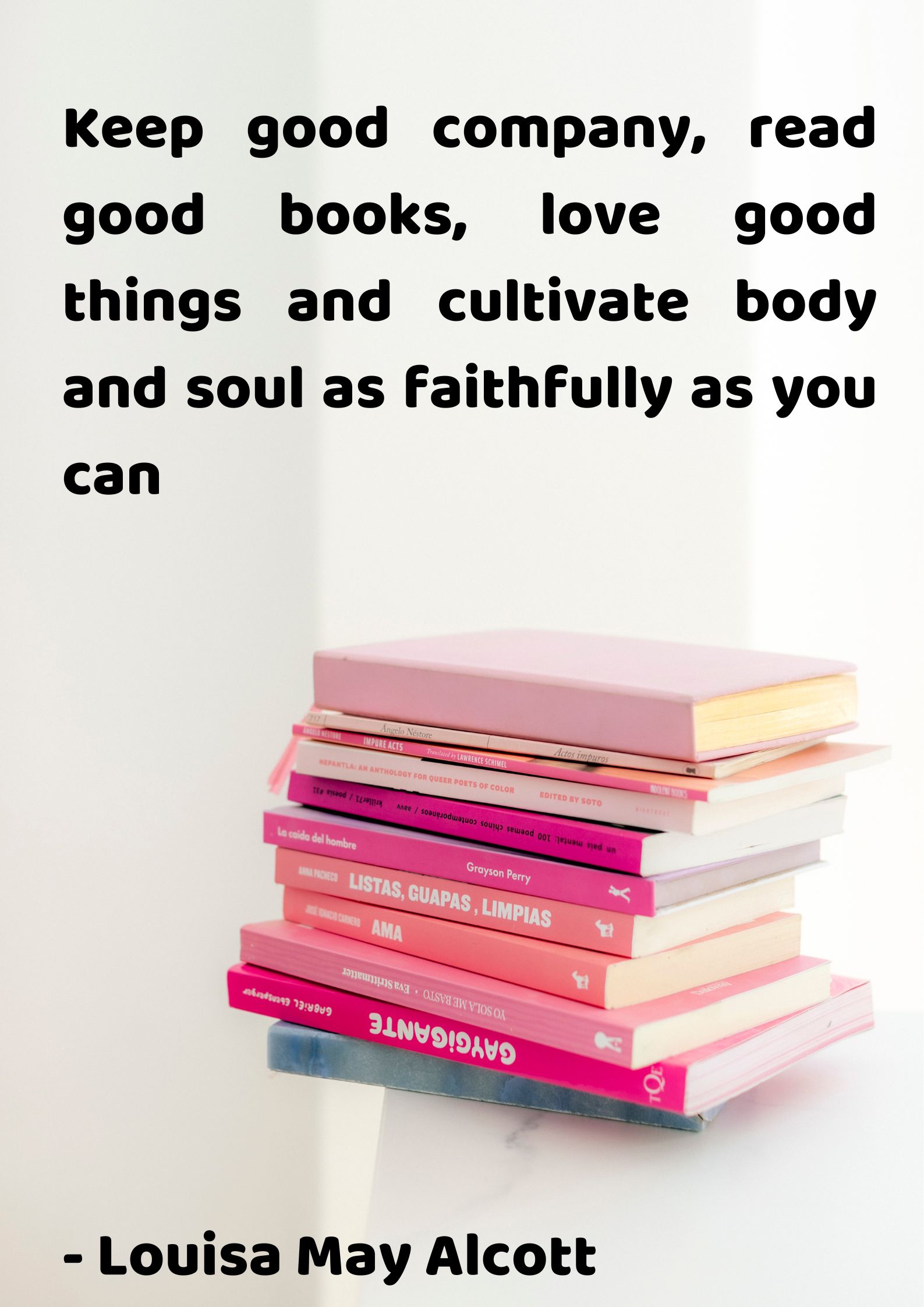
Today’s quote is from one of my favourite authors, one whom I read when I was in school, Louisa May Alcott. An American novelist, poet, and reformist, Alcott is best known for her classic novel, Little Women. Alcott worked as a nurse during the Civil War and wrote stories to support her family. Her works, often inspired by her own life, emphasise family values, resilience, and female empowerment. She was also an advocate for women’s rights and abolitionism, leaving behind a literary legacy that continues to inspire readers worldwide.

Alcott’s quote serves as a guiding principle for a meaningful and well-balanced life. It highlights the importance of surrounding oneself with positivity, continuous learning, appreciation for life, and self-care. Our thoughts, attitudes, and personal growth are often shaped by our relationships. Positive, kind, and supportive individuals encourage us to become the best versions of ourselves, while toxic influences can hinder our growth. Alcott suggests that choosing uplifting and virtuous companions helps cultivate a life filled with joy, wisdom, and integrity.

Books serve as windows to new perspectives, knowledge, and emotional depth. Reading well-written, insightful, and inspiring works expands the mind, nurtures empathy, and strengthens one’s sense of identity and purpose. For Alcott, who was both an avid reader and a writer, good books were not just entertainment but a means of self-improvement and enlightenment. The quote also encourages one to appreciate life’s beauty and find joy in meaningful, simple pleasures. Whether it is art, nature, kindness, or creativity, loving what is good fosters gratitude and contentment. This aligns with Alcott’s belief in living a rich, fulfilling life not through material wealth but through experiences and values.

The quote also emphasises the importance of both physical and spiritual well-being. A healthy body supports a healthy mind, and taking care of oneself through exercise, rest, and nourishment leads to a balanced life. Similarly, cultivating the soul through kindness, compassion, faith, or introspection ensures that personal growth is not just external but deeply rooted in character and values. Overall, Alcott’s quote is a timeless piece of wisdom, reminding us that a truly fulfilling life is built upon meaningful relationships, intellectual and personal growth, appreciation for life’s goodness, and a commitment to self-care.

I took this week easy. I had a bunch of things on my to-do list that kept getting pushed to the next week because of my work and writing commitments, so I thought I should take a week or two off to tick off items from my long list. The good news is that I managed to get quite a few items off the list. The coming week will also be quieter as I try and clear more items so that when April rolls in, I have the bandwidth and motivation to tackle my writing head-on.

GG has been very busy and stressed this week because of project submissions, exams, and tests. She finally finished a bunch of those but has her end-of-semester exams to look forward to in early April. GG is busy with his work in camp, and his life flows on as usual. I have been nagging him for the past few weeks to take more interest in life after national service, but so far, all this has fallen on deaf ears!

That’s all from me this week! Stay positive and let the brightness of spring coat your soul!

In My Hands Today…

Magic Pill: The Extraordinary Benefits and Disturbing Risks of the New Weight-Loss Drugs – Johann Hari

The bestselling author of Lost Connections and Stolen Focus offers a revelatory look at the drugs upending weight loss as we knew it—from his personal experience on Ozempic to what these drugs mean for our society’s deeply dysfunctional relationship with food, weight, and our bodies.

In January 2023, bestselling author Johann Hari started to inject himself once a week with Ozempic, the diabetes drug that produces significant weight loss. He wasn’t alone—credible predictions suggest that in two years, a quarter of the U.S. population will be taking this class of drug.

Proponents say that this is a biological solution to a biological problem. While 95 percent of diets fail, the average person taking one of the new drugs will lose a quarter of their body weight in six months, and keep it off for as long as they take it. Here is a moment of liberation from an illness that massively increases your chances of diabetes, dementia, and cancer, and causes 10 percent of all deaths.

Still, Hari was wildly conflicted. The massive rise in obesity rates around the world in the last half century didn’t happen because something went wrong with human biology. We began to eat food designed to be maximally addictive. We built cities that are impossible to walk or bike around. We became much more stressed, making us seek out more comfort snacks.

From this perspective, the new weight loss drugs arrive at a moment of madness. We built a food system that poisons us, then decided en masse to inject ourselves with a different potential poison that puts us off all food.

A personal journey through weight loss combined with scientific evidence from experts, Magic Pill explores, as only Hari can, questions How did we get to this point? What does it reveal about our society that we couldn’t solve this problem socially, and instead turned to potentially risky pharmaceutical solutions? And will this free us from social pressure to conform to an ideal body type—or make that pressure even more dangerously intense?