Matunga – for any Tambrahm in Mumbai, especially those of a certain age, the very word evokes the feel of home. Sometimes called ‘Mini Madras’, Matunga in what would be some where in the centre of what is the original city (as opposed to the suburbs) was probably the first place the initial immigrants, young, eager, bright and wide-eyed, came to from Dadar station when their trains from the south arrived in Mumbai all ready to conquer the world, with an introduction to perhaps, if they are lucky, to a relative (distant or otherwise), or maybe someone from the same village they belonged to, or even a relative’s relative!
While I am not sure if this is 100% accurate, from what I’ve heard from my parents and grandparents, most young Tamil Brahmin boys and men started arriving in Mumbai (or Bombay as it was called then) somewhere in the early forties, some years before India would finally throw off the yoke of British dominance and become independent.
Both sets of my grandparents arrived in Bombay somewhere in the early to mid-forties, luckier than most as both my grandfathers had an older brother already settled in the city, in Matunga as it were! If I were to probably measure the distance my paternal and maternal grandparents live away from each other, when they first arrived in the city, it should probably be a maximum of 1 km.
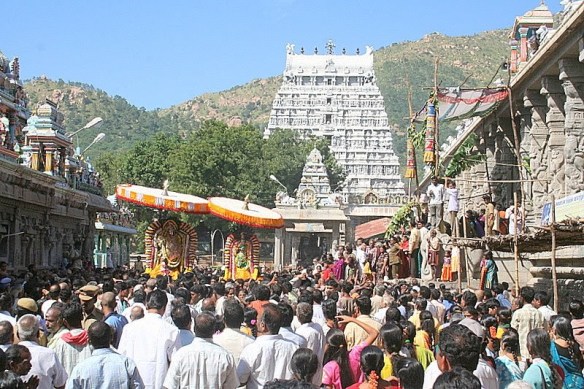
Matunga is the heart of the Tamil Brahmin community in Bombay and as such the roads are filled with the sights and sounds of temple bells and the smells of filter coffee and delicious food!
Temples like Bhajana Samaj, Astika Samaj and Sankara Math, shops like Mysore Concerns, Giri Stores and the row of flower sellers in the road outside the post office along with the vegetable sellers who have carts close-by are all hallmarks of the Tamil Brahmin community in Matunga! Who can forget the Ram Navami and Navaratri celebrations in Bhajana Samaj, the Diwali sweets that always were sold in the hall in Sankara Matt, the banana leaf sold by the vegetable vendors during any major festival, the gaggle of priests, outside the temples, the sound of the temple bells and sugarcane stalks just before Pongal?
When their families grew, both sets of my grandparents moved from their family homes and out of Matunga. But they both didn’t’ pull the umbilical cord too much and move far away. Both of them moved another kilometer away from Matunga in opposite directions actually, and that was where my parents were brought up.
So growing up, we lived in another area which was a fifteen minute walk from Matunga, which was in the periphery of our lives, without actually living there. We used to go to Matunga for literally everything and my mum still goes there atleast two to three times a week for her weekly ‘fix’. This area in Bombay is the lifeline for the community and even today when other mini Matungas have sprung up across the city and suburbs – like Chembur, Chedda Nagar, Bangur Nagar, Mulund, Dombivili, Vashi, etc you can still people who have moved away from Matunga come here on weekends to catch-up with family and friends, eat at childhood haunts and buy essentials which you don’t get anywhere else in the city.
Growing up, there was always this disconnect – we were Tamilians, but without the accent which is usually caricatured in movies and television and always had questions on why we needed to wear a bindi on our forehead or flowers in our hair. In my and my sister’s case, it was compounded by the fact we didn’t go to the school that most of our Brahmin friends and relatives went to (which was a school run by a Tamil trust where the language was taught as a second language)!
Growing up also we were quite insular. I would say this with the benefit of hindsight. Every Tamilan I knew at that point in time was a Brahmin – either from one of the districts of Tamil Nadu or from Palakkad (from Kerala who are called Kerala Iyers or Palakkad Brahmins). Where we stayed, while not in Matunga, was in fact another Tamil conclave, with almost all the 30-40 buildings in the area having a sizeable Tambrahm population each. My building had 19 flats and with the exception of 2-3, every flat was a Tambrahm flat! This was pretty much the case (the percentages being slightly more or less, with some exceptions) for the other buildings in the street I lived in. Even in school, my friends who were Tamil were Brahmins. In fact, coming to Singapore with its vast Tamil population was actually a culture shock to me as I had never seen so many people from so many Tamil communities and the temples were the biggest shock – I had not heard of all the different Gods that were worshipped there (all the temples I visited prior to this were my community temples or the other temples in Mumbai)
Since most of the community emigrated to Bombay around 60-80 years back, the dialect of Tamil, we speak is completely different from what is spoken by the community in places like Chennai and Singapore. Bombay Tambrahms have retained the words and cadence of their speech from all those years while communities in Singapore and Chennai have adopted more of the local language. So the Tamil we speak may actually seem strange to those who don’t speak like this! S used to tell me that they used to be made fun of in school when they spoke Brahmin Tamil, which is why his Tamil sounds more like how it is in movies while mine is the one they make fun of in movies!
Writing this post has made me so nostalgic. I think the next time I go to Mumbai, I will try and capture all the sights and sounds of the city so that every time I miss Mumbai, I have these to see and hear! Also this post has made me realise I need to pen down more about my life, so that GG and BB know what that was like….

 Today is Deepavali (as it’s called in South India) or Diwali (as it’s called in the north). Since in Mumbai, people generally refer to it as Diwali, that’s what we call it and will continue to call it irrespective of whether I am referring to it being celebrated in the north or south.
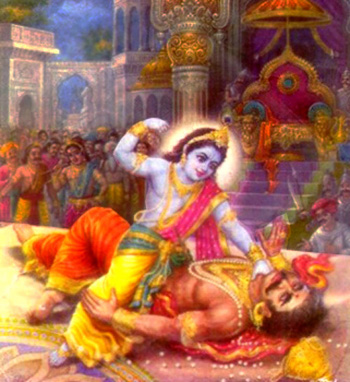 In the southern part of India, Diwali is celebrated as the day Lord Krishna killed the demon Narakasura and is called Naraka Chaturdasi. If the day falls on the new moon day or Amavasya, then you have to wake up very early and take a bath before daylight breaks. A special oil is made the previous night with herbs and spices and this is supposed to ward off the effects of winter. This oil is applied by the oldest woman in the family who is available and is done in front of the family altar. Once you bathe and get ready, you pray to the Lord and then to the elders in the family. You then eat the medicinal preparation made which prepares your stomach for the onslaught of food. Then it’s time to feast the yummy goodies you’ve slaved away at. Children and adults also light firecrackers in the early morning dawn to frighten the demons. Here in Singapore, firecrackers, especially the loud ones which make noise are banned, so we used to buy sparklers for the children when they were younger. Now that they are older, we stop at the goodie eating and visiting the temple.
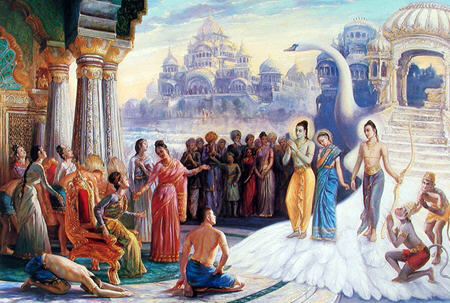 In North India, the day after Naraka Chaturdasi is usually celebrated as Diwali and is the day when Lord Rama reached Ayodhya after fulfiling the promise he made to his stepmother Keykeyi about going on a 14-year exile and in the process, killing the demon king Ravana in what is now present-day Sri Lanka which is celebrated as the festival of Dushhera. On that day, people decorate their homes with diyas and candles just like how the kingdom of Ayodhya had been decorated to welcome their beloved Lord Rama. People perform Laxmi Puja for wealth and also worship Goddess Saraswati for wisdom. Some Indian communities also celebrate their new year during this period and so there’s an additional celebration aspect during the three-four day long festivities.
 Some of the other legends from Indian mythology which are associated with this festival include: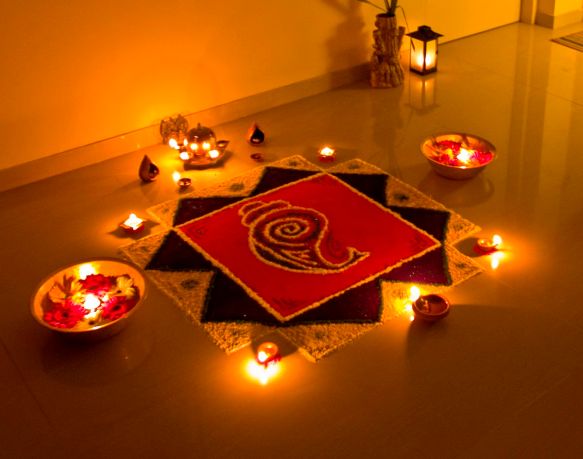


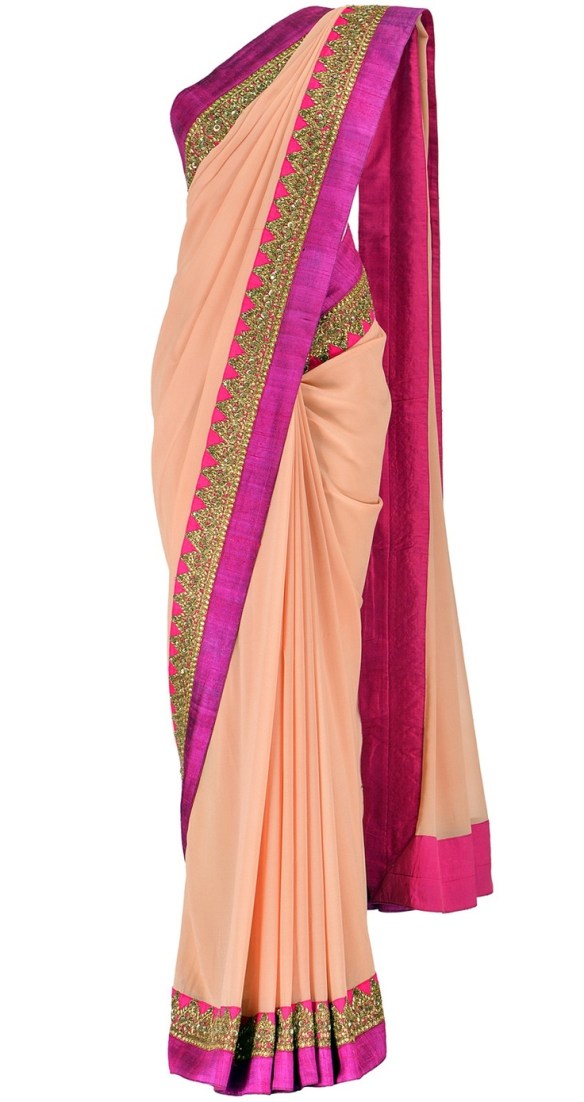 The very word ‘Saree or Sari’ evokes a sense of pure bliss for the six yards of fabric which exude grace and elegance. This traditional Indian garment for women is in every Indian woman’s wardrobe, even if she is not a saree wearer, but she will wear a saree for very special occasions.
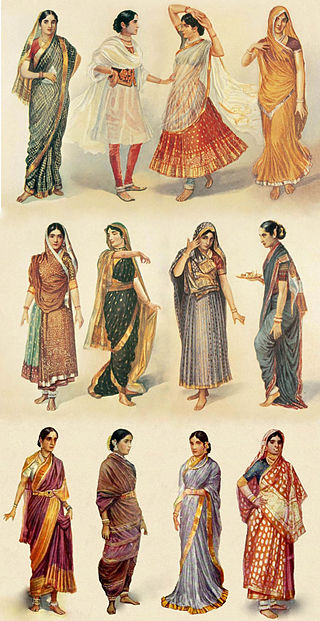 After coming to Singapore, my saree wearing slowed down and after having BB & GG, almost came to a stop! But in the last year or so, I have rediscovered my love for the saree again, what with seeing images of women doing everything in this garment on social media. I’ve now decided to wear them more often, though the heat does everything to discourage me. I’ve also decided to buy more sarees from India’s rich heritage and want to own atleast one saree from every Indian state – from the Bandini of Rajasthan to the Patola of Gujarat to the Kantha of West Bengal to the Muga Silk of Assam to the Sambalpuri of Odisha to the Pochampalli of Telangana to the Paithani from Maharashtra to the Kanjivaram from Tamil Nadu to the Mangalgiri and Gadwal silks from Andhra Pradesh to the Maheshwari and Chanderi from Madhya Pradesh to the Banrasi Silk from Uttar Pradesh to Mysore Silks from Karnataka. The rich cultural heritage of the various Indian states ensure you can never run out of sarees to wear!
 Memories and Such
