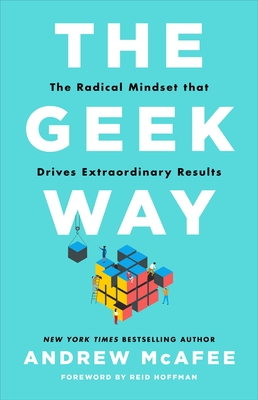
The Geek Way: The Radical Mindset that Drives Extraordinary Results – Andrew McAfee
In this “handbook for disruptors” (Eric Schmidt), The Geek Way reveals a new way to get big things done. It will change the way you think about work, teams, projects, and culture, and give you the insight and tools you need to harness our human superpowers of learning and cooperation. What is “being geeky?” It’s being a perennially curious person, one who’s not afraid to tackle hard problems and embrace unconventional solutions. McAfee shows how the geeks have created a new culture based around four science, ownership, speed, and openness. The geek way seems odd at first. It’s not deferential to experts, fond of planning and process, afraid of mistakes, or obsessed with “winning.” But it explains everything from why Montessori babies turn out to be creative tinkerers to how newcomers are disrupting industry after industry (and still just getting started).
When all four norms are in place, a culture emerges that is freewheeling, fast-moving, egalitarian, evidence-driven, argumentative, and autonomous. Why does the geek way work so much better? McAfee provides an original because it taps into humanity’s superpower, which is our ability to cooperate intensely and learn rapidly. By providing insights from the young discipline of cultural evolution, McAfee shows that when we come together under the right conditions, we quickly figure out how to build reusable spaceships and self-correcting organizations. Under the wrong conditions, though, we create bureaucracy, chronic delays, cultures of silence, and the other classic dysfunctions of the Industrial Era.
Mixing cutting-edge science, history, analysis, and stories that show the geek way in action, McAfee offers a new way to see the world and empowering tools for seizing the big opportunities of today and tomorrow.
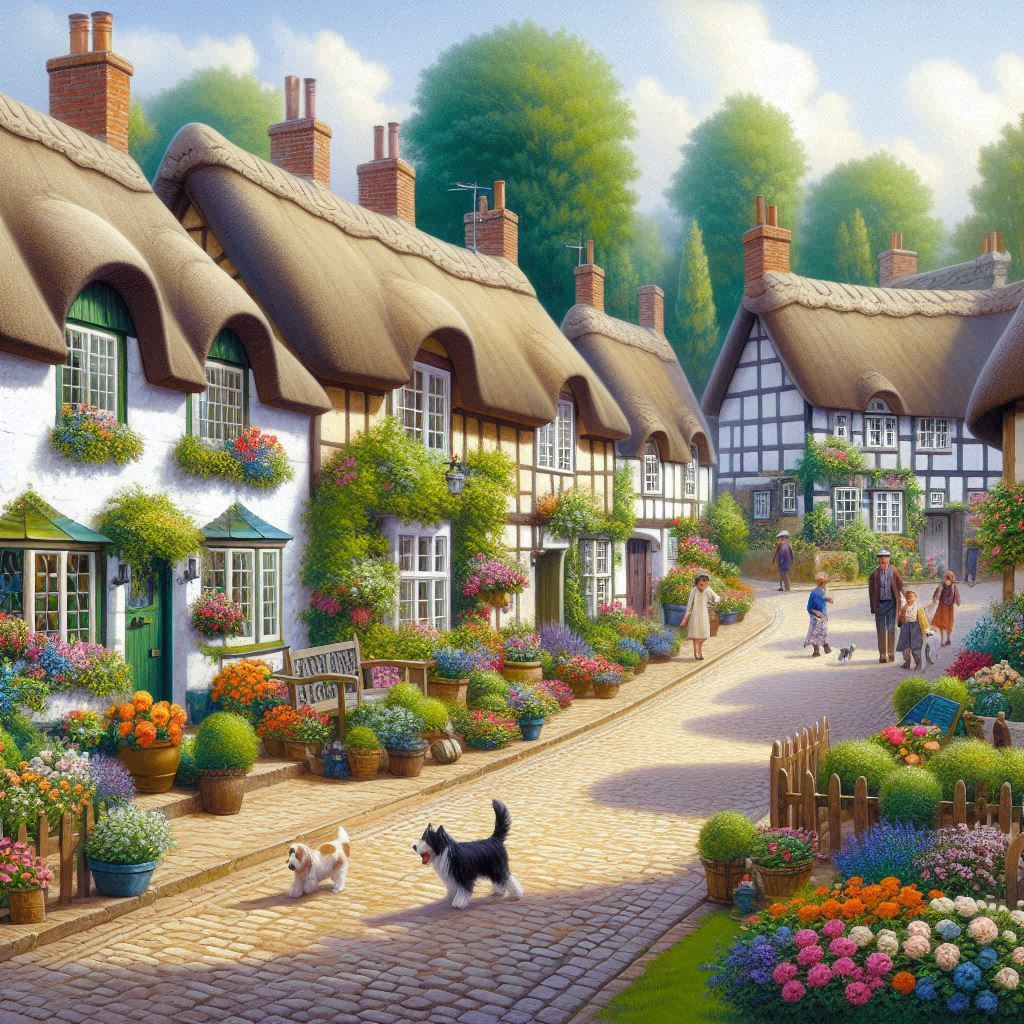
In the quaint village of Aldergrove, nestled between rolling hills and a shimmering lake, the air was always fragrant with the scent of blooming wildflowers. The village was a tapestry of vibrant colours, where every house had its own story and every corner held a memory. Aldergrove was known for its annual Festival of Hearts, a celebration dedicated to love in all its forms. This year, however, the festival would be unlike any other, as it would bring together the lives of several villagers in unexpected ways.
Clara Thompson was a single mother who poured all her love into her son, Jamie. At ten years old, Jamie was a bright and curious child with an insatiable thirst for adventure. Clara worked as a seamstress, her hands often stained with fabric dye and her fingers calloused from years of sewing. Despite their modest means, Clara created a warm home filled with laughter and creativity.
One evening, as they prepared for bed, Jamie asked, “Mom, do you think love is like magic?” Clara smiled softly. “In many ways, yes. Love can make ordinary moments feel extraordinary.” “Like when you make my favourite pancakes?” Jamie grinned. “Exactly! And remember how we helped Mrs. Jenkins with her garden? That was love too.” Jamie nodded thoughtfully. “Can love be strong enough to make people better?” Clara’s heart swelled with pride. “Absolutely. Love can heal wounds and mend broken hearts.”
Max was a golden retriever with a heart as big as his bark and belonged to Clara and Jamie. He was more than just a pet; he was Jamie’s confidant and Clara’s source of comfort after long days. One sunny afternoon, while Clara was busy sewing in the garden, Jamie raced outside with Max by his side. “Mom! Look what I found!” he exclaimed, holding up a small bird that had fallen from its nest.
“Oh dear,” Clara said, rushing over. “We need to help it.” Together, they created a makeshift nest and placed the bird inside. Max watched intently, his tail wagging gently as if he understood the importance of their mission. As days passed, they nurtured the bird back to health. Jamie named it Pip and felt an overwhelming sense of love for his new friend. Max seemed to share this bond too; he would sit by Pip’s side, offering warmth and protection.
Also in Eldergrove lived two best friends, Mia and Lily. They had grown up together, sharing secrets under the old oak tree and dreaming about their futures. Their friendship was built on trust and shared experiences—like the time they helped each other through heartbreaks or celebrated each other’s successes.
One day at school, Mia confided in Lily about her struggles with self-doubt. “I don’t know if I’m good enough for the art competition,” she admitted. Lily took Mia’s hands in hers. “You are amazing! Remember last summer when you painted that mural? It was beautiful!” Mia smiled but still felt uncertain. “What if I fail?” “Then we’ll paint another one together,” Lily replied confidently. Inspired by Lily’s unwavering support, Mia decided to enter the competition. With each stroke of her brush during practice sessions at home, she felt Lily’s encouragement fueling her creativity.
As the Festival of Hearts approached, excitement buzzed through Eldergrove like electricity. Clara decided to create something special for Jamie—a quilt that represented their love and experiences together. “Mom! Can I help?” Jamie asked eagerly. “Of course! Let’s gather some fabric that reminds us of our favourite memories,” Clara suggested.
They rummaged through old clothes and scraps from previous projects. Each piece told a story: the blue from Jamie’s first birthday shirt, the floral pattern from Clara’s favourite summer dress, and even a patch from Max’s old blanket. As they worked side by side, Clara realized that this quilt would not only honour their bond but also symbolize all forms of love in their lives—friendship, family, and loyalty.
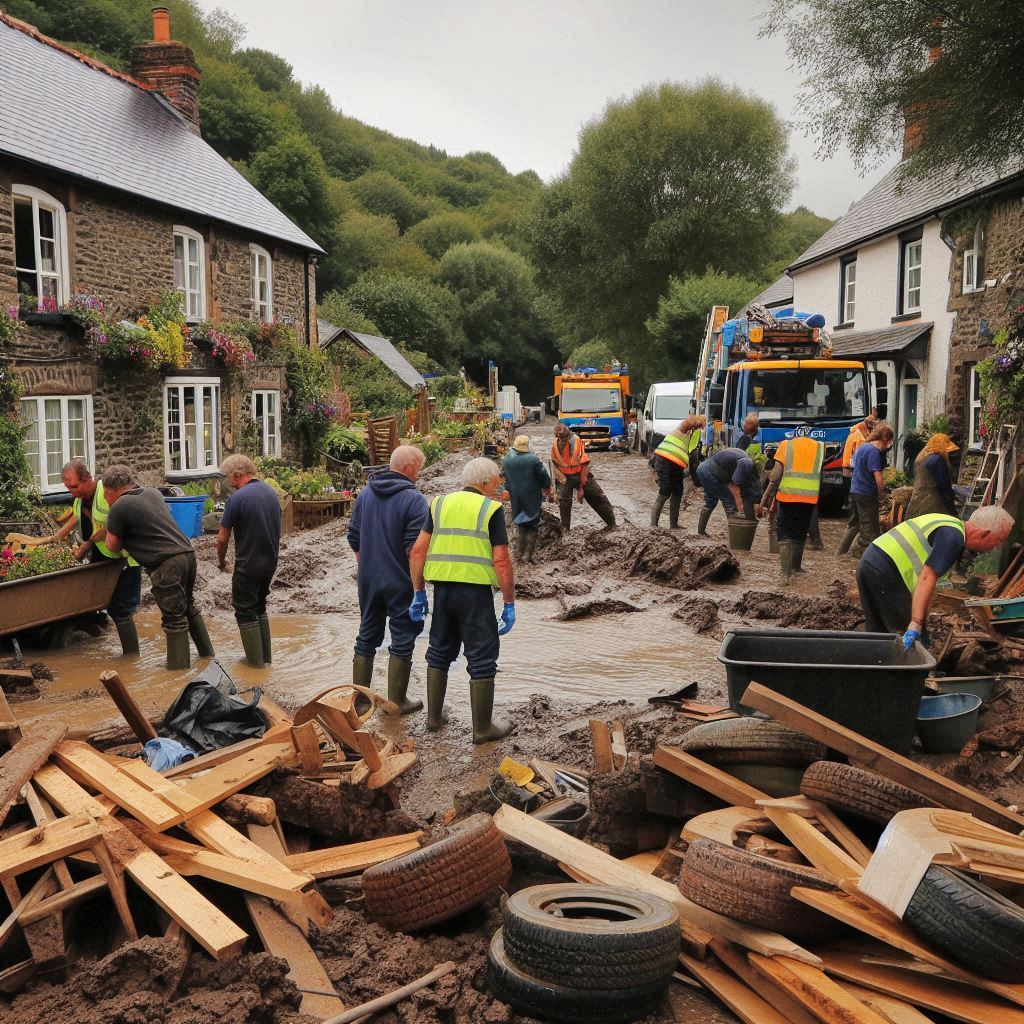
However, life in Aldergrove wasn’t without its challenges. A sudden storm swept through the village days before the festival, causing damage to homes and gardens alike. Clara’s heart sank when she saw their beloved oak tree—the one where Mia and Lily had shared countless memories—had been uprooted.
The community came together to help each other rebuild. Clara joined forces with her neighbours while Jamie helped organise games for children to lift their spirits amidst the chaos. During this time of hardship, Max became a beacon of comfort for everyone. He would visit each family affected by the storm, offering warmth and companionship that reminded them that love could shine even in dark times.
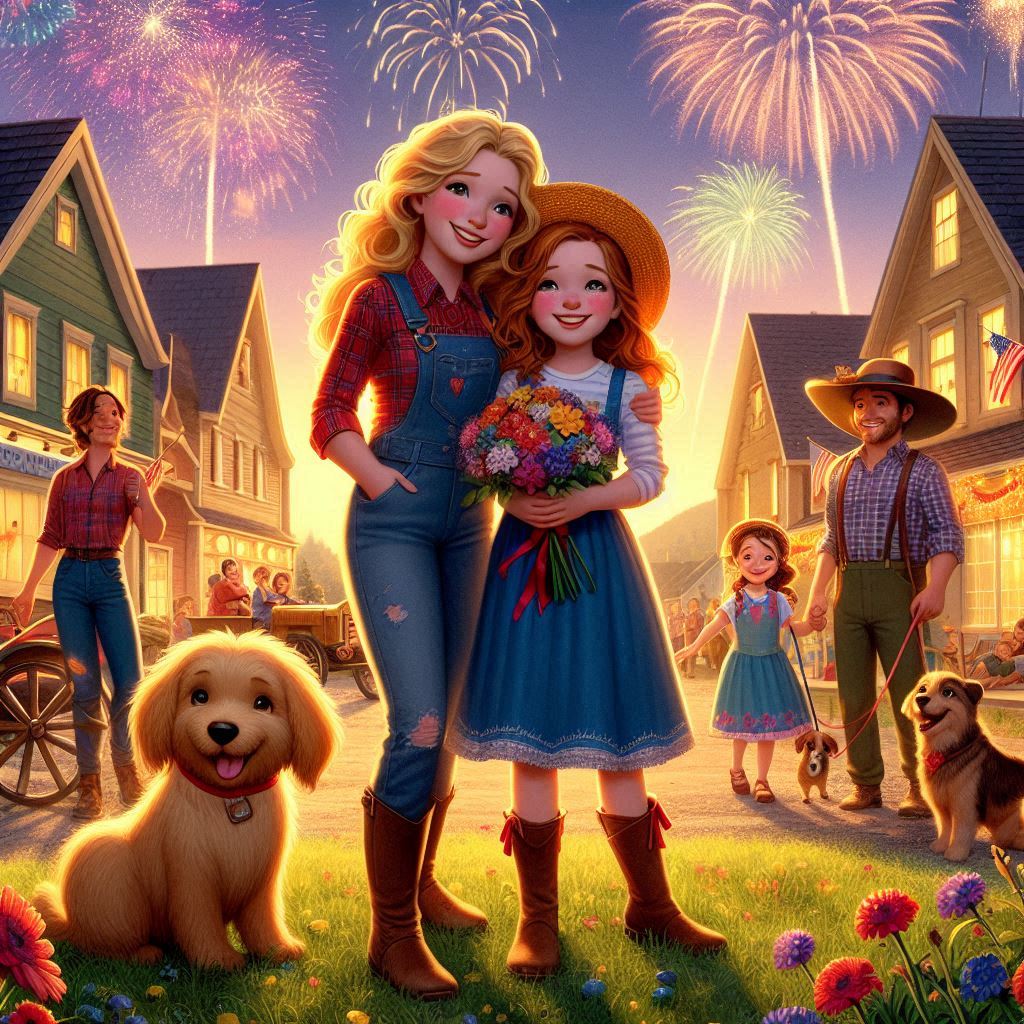
Finally, the day of the festival arrived with clear skies and radiant sunshine illuminating Aldergrove like a fairy tale setting. The streets were adorned with colourful banners and flowers; laughter echoed as families gathered to celebrate love in all its forms. Clara unveiled the quilt at the festival’s main event—a showcase of talents where villagers shared stories through art and music. As she presented it to Jamie on stage, tears glistened in her eyes.
“This quilt represents our journey together,” she said softly. “Every patch is filled with love—love for each other, our friends, our community, even our loyal Max.” The crowd erupted in applause as Jamie hugged his mother tightly. In that moment, he understood that love wasn’t just magic; it was also resilience and unity.
The festival continued with games and performances showcasing friendships forged over the years—the bonds between parents and children strengthened by shared experiences—and even between pets who brought joy into their owners’ lives.
Mia revealed her artwork at the competition—a stunning mural depicting all forms of love in Eldergrove: families holding hands under an oak tree; friends laughing together; pets playing joyfully beside their owners. When Mia won first place for her mural that day, she dedicated it to Lily for always believing in her dreams despite her fears.
As night fell over Eldergrove and lanterns lit up like stars above them, families gathered around bonfires sharing stories about love—the kind that transcends time and space; that heals wounds; that brings joy amidst sorrow; that binds communities together.
As the festival drew to a close under a sky full of twinkling stars reflecting on Lake Eldergrove’s surface like diamonds scattered across velvet cloths—Clara held Jamie close while Max lay at their feet contentedly watching over them both—she whispered softly into his ear: “Remember this day always—love is not just something we feel; it’s something we do.” Jamie nodded solemnly but with excitement bubbling inside him—he knew now more than ever how powerful love could be—not just between mother and son or friends—but within everyone around them too!
And so it was that in Aldergrove—a village woven together by threads of affection—the tapestry of love continued to flourish through generations—reminding all who lived there that no matter what challenges life may bring—the bonds formed through kindness would forever endure!
The Light Eaters: How the Unseen World of Plant Intelligence Offers a New Understanding of Life on Earth – Zoë Schlanger
Award-winning environment and science reporter Zoë Schlanger delivers a groundbreaking work of popular science that probes the hidden world of the plant kingdom and reveals the astonishing capabilities of the green life all around us. It takes tremendous biological creativity to be a plant. To survive and thrive while rooted in a single spot, plants have adapted ingenious methods of survival. In recent years, scientists have learned about their ability to communicate, recognize their kin and behave socially, hear sounds, morph their bodies to blend into their surroundings, store useful memories that inform their life cycle, and trick animals into behaving to their benefit, to name just a few remarkable talents.
The Light Eaters is a deep immersion into the drama of green life and the complexity of this wild and awe-inspiring world that challenges our very understanding of agency, consciousness, and intelligence. In looking closely, we see that plants, rather than imitate human intelligence, have perhaps formed a parallel system. What is intelligent life if not a vine that grows leaves to blend into the shrub on which it climbs, a flower that shapes its bloom to fit exactly the beak of its pollinator, a pea seedling that can hear water flowing and make its way toward it? Zoë Schlanger takes us across the globe, digging into her own memories and into the soil with the scientists who have spent their waking days studying these amazing entities up close.
What can we learn about life on Earth from the living things that thrive, adapt, consume, and accommodate simultaneously? More important, what do we owe these life forms once we come to understand their rich and varied abilities? Examining the latest epiphanies in botanical research, Schlanger spotlights the intellectual struggles among the researchers conceiving a wholly new view of their subject, offering a glimpse of a field in turmoil as plant scientists debate the tenets of ongoing discoveries and how they influence our understanding of what a plant is.
We need plants to survive. But what do they need us for—if at all? An eye-opening and informative look at the ecosystem we live in, this book challenges us to rethink the role of plants—and our own place—in the natural world.
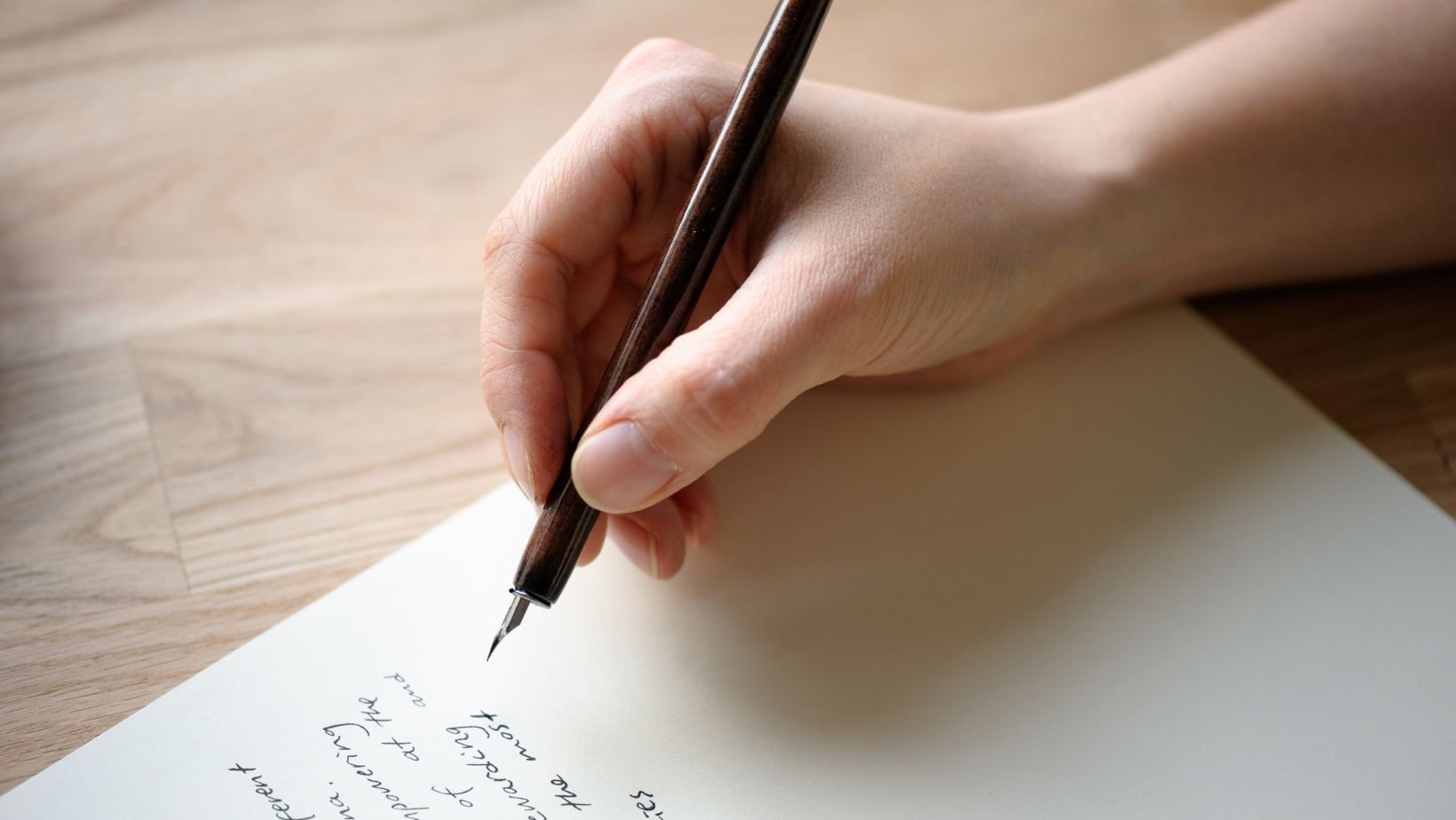
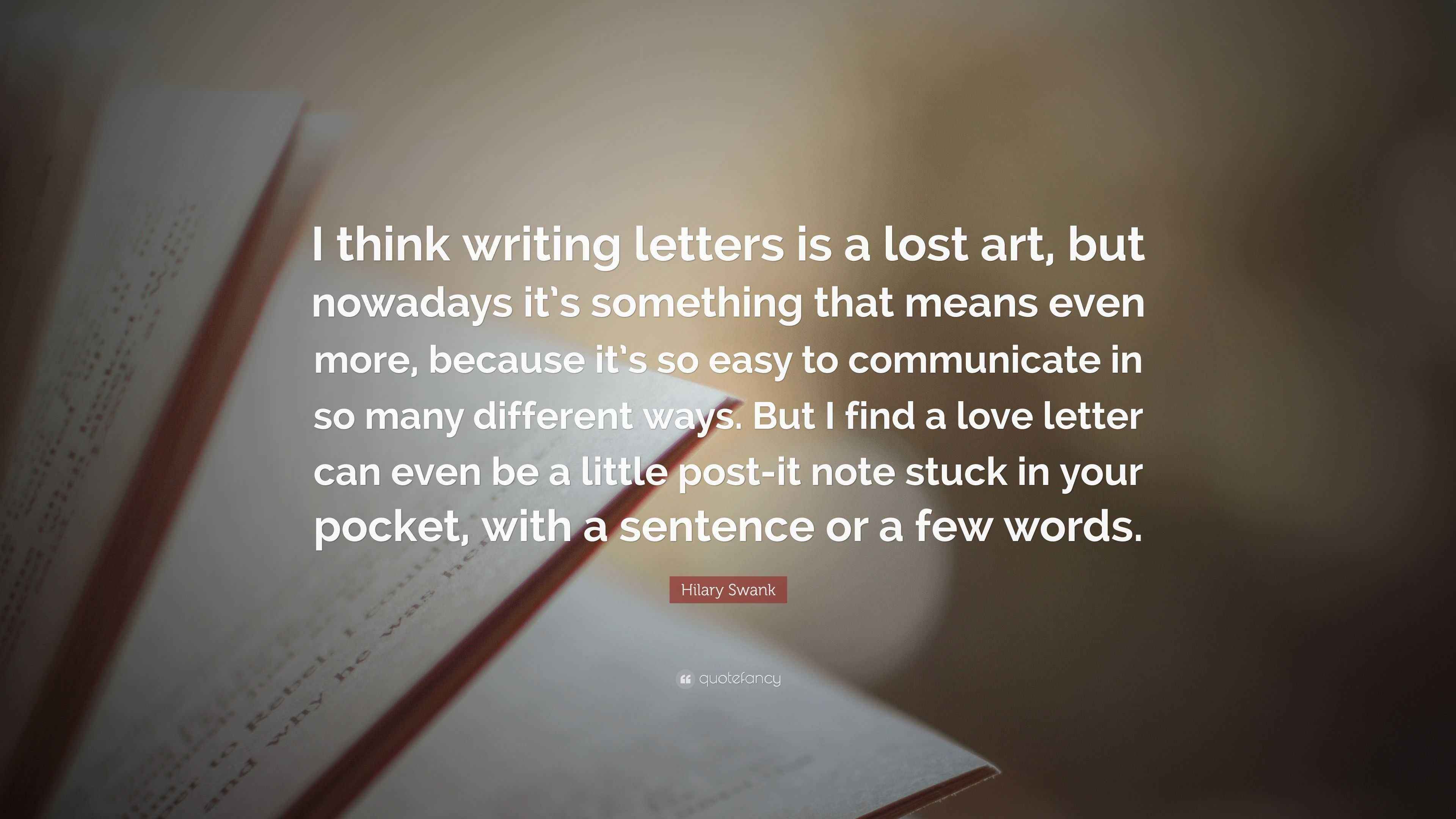
When was the last time you either wrote a letter to someone or received a letter from someone? I haven’t received one or written one in decades. The only letters I receive these days are bills or notices. But this is the digital age where everyone connects with others online or virtually.
The practice of letter writing dates back to ancient civilisations. The earliest known letters were written on clay tablets in Mesopotamia around 2500 BCE. These early communications were primarily administrative or commercial in nature. As societies evolved, so did the form and function of letters. In ancient Rome, letters became a vital tool for personal communication among the elite. Figures like Cicero and Pliny the Younger wrote extensively, using letters to convey thoughts, share news, and maintain relationships across distances. The invention of the printing press in the 15th century further revolutionized letter writing by making writing materials more accessible.
The 18th and 19th centuries marked the golden age of letter writing. This period saw a flourishing of epistolary literature, where novels were crafted in letter form, allowing authors to explore characters’ inner thoughts and emotions intimately. Famous works such as Mary Shelley’s “Frankenstein” and Bram Stoker’s “Dracula” utilised this format effectively.
During this time, letters became essential for maintaining long-distance relationships. People would pour their hearts into beautifully crafted missives, often adorned with elaborate stationery. The art of penmanship was highly regarded, with individuals taking pride in their handwriting styles.
The advent of the internet and mobile technology has drastically altered how we communicate. Emails emerged in the 1990s as a faster alternative to traditional mail, quickly gaining popularity for both personal and professional correspondence. Social media platforms further accelerated this shift by enabling real-time communication. As a result, the frequency of letter writing has diminished significantly. The convenience of texting and emailing has led many to view letter writing as outdated or unnecessarily time-consuming. The fast-paced nature of modern life has also contributed to a decline in letter writing. People often prioritise efficiency over thoughtfulness; quick messages have replaced carefully considered letters. The younger generations who have grown up with digital communication may not fully appreciate the emotional depth that a handwritten letter can convey.
Growing up, my grandfather, tatha was a prolific letter writer and maintained correspondence with many relatives and friends across India and the world. Tatha was very old school, a product of colonial education and a very proper person. He is the sort of person who would dress up for meals and would insist on the proper mealtime etiquette at all times. From the time my sister and I were toddlers, he would insist on speaking with us only in English and that too in proper British English. That is why both of us have a fairly good grasp of the language.
My earliest memories are of him pounding away letters to family and friends on his typewriter. In those days, domestic letters would come as a blue inland letter. Very rarely, you would see people writing on paper and sending it in an envelope. And you had to write within the space provided. The postman would come to our home in the early afternoon and as soon as he received a letter, he would read it and if it was also meant for my grandmother, ammama, he would share it with her and then start composing a reply on his typewriter. This would be repeated for every letter he received. He would not take more than 24 hours to reply and would have a ready stock of inland letters, paper, envelopes and stamps. This continued even after he retired and moved to Bangalore. From Bangalore, we also became the recipient of regular letters from him and ammama.
My mother was the letter writer in our family and would reply to tatha and ammama with my sister and me writing a few lines at the end, squeezing in as much as we could in the meagre space we got. She is the oldest of four sisters and when we were young, two of her sisters lived in the Middle East. So her correspondence with her sisters was through aerogrammes, Also known as an air letter, an aerogramme was a lightweight, foldable, gummed paper that functioned as both the letter and the envelope. Again, you had to write within the space provided and squeeze in everything you wanted to share with them. Some people even added physical photos inside the aerogramme.
I too had a period when I wrote a lot of letters. That was my penpal phase when I used to correspond with a few people across the country. That lasted perhaps for about six months when I was about 17-18 and whittled down to one penpal to whom I wrote until both of us got married. I recently reconnected with her and it was good to go back to old friendships. Of course, today we talk on Whatsapp, and sometimes I miss getting special paper and envelopes and sitting down to write a long letter to her telling her all about what happened in life since the last letter. Ah, memories!
After reading this post, if you have the urge to write a letter to someone, remember that writing letters can also provide therapeutic benefits. The act of putting pen to paper allows one to articulate their thoughts and feelings more deeply than they might in a text message or email. This process can be particularly beneficial during times of stress or grief, offering an outlet for reflection and emotional processing. Studies have shown that expressive writing can improve mental health by reducing anxiety and enhancing overall well-being. Crafting letters, whether to loved ones or even to oneself, can serve as a form of self-care that promotes mindfulness and emotional clarity.
In our fast-paced digital world, the lost art of letter writing offers an opportunity for deeper connections and meaningful communication. While technology continues to shape how we interact, embracing handwritten correspondence allows us to slow down and reflect on our thoughts and emotions.
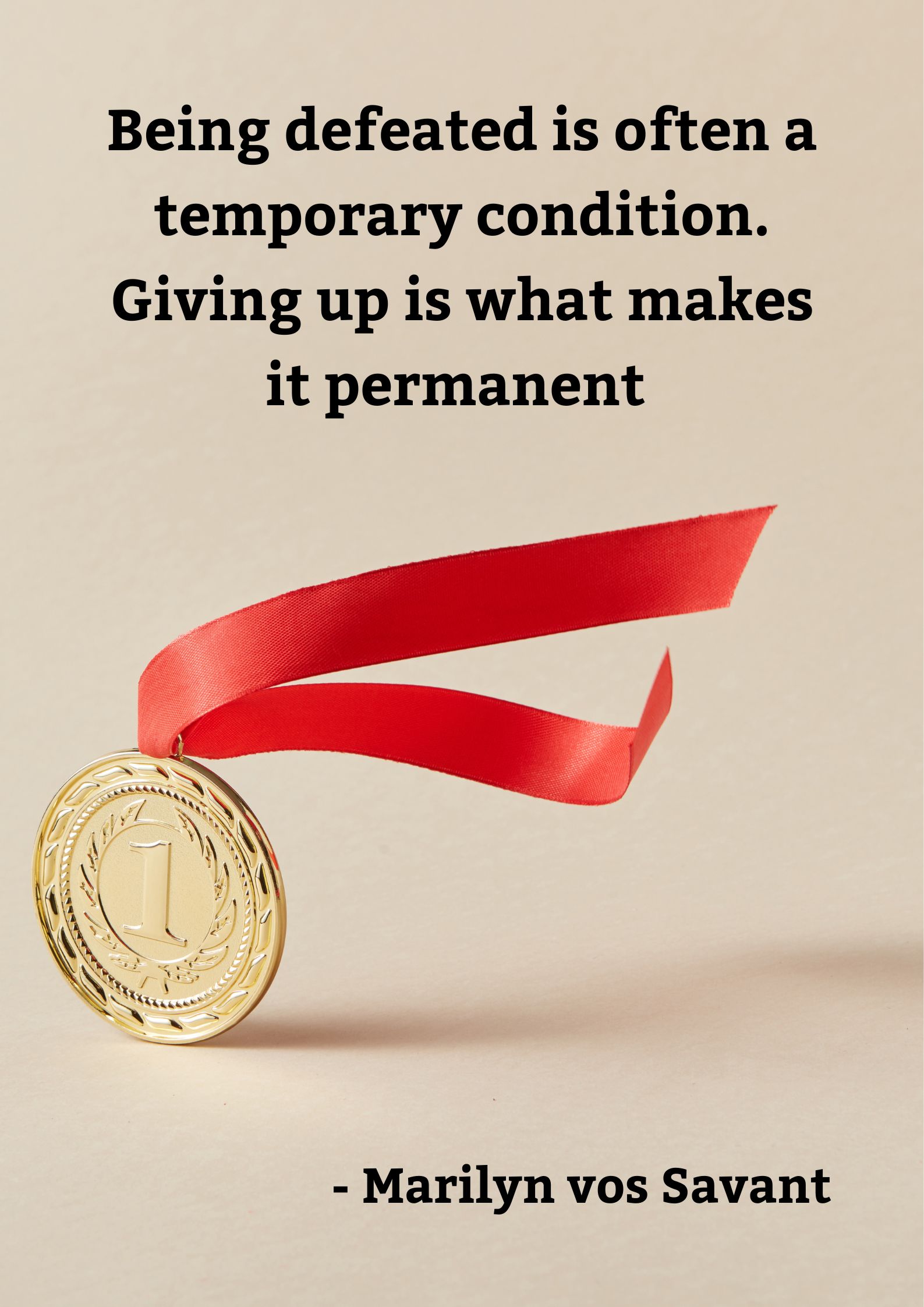
Today’s quote from American author, columnist, and lecturer best known for having one of the highest recorded IQs in the world, Marilyn vos Savant, highlights the idea that failure is not the end. Rather, a setback can be overcome with persistence and resilience. The only way failure becomes final is if one decides to stop trying. In life, everyone faces obstacles, disappointments, and failures. Whether in careers, relationships, or personal goals, moments of defeat are inevitable. However, these defeats are not permanent unless we allow them to be. A temporary failure does not define a person—it is their response to failure that shapes their destiny. Those who continue to push forward despite setbacks often achieve success, while those who surrender to their failures never get the chance to turn things around.
The quote also speaks to the importance of mindset. People who see failure as a lesson and a stepping stone are more likely to succeed in the long run. On the other hand, those who let defeat discourage them and make them quit miss out on growth opportunities. Success is often just beyond the moments when giving up seems like the easiest choice. This quote is a powerful reminder that resilience is a skill that can be developed. When facing challenges, people should remind themselves that setbacks are a normal part of life. Instead of dwelling on failure, they should focus on learning from mistakes, adapting, and continuing the journey. Ultimately, the quote encourages people to cultivate *determination, perseverance, and a never-give-up attitude. Failure is not the enemy—giving up is. The only true defeat is the one we accept as final.
This weekend is the weekend of love, with many across the world celebrating Valentine’s Day. For those who didn’t know, it originated as a Christian feast day honouring a martyr named Valentine, and through later folk traditions, it has also become a significant cultural, religious, and commercial celebration of romance and love in many regions of the world. We didn’t do anything this weekend because the children made us a wonderful meal over the weekend, which was our Valentine’s meal!
That’s all from my side this week. Keep smiling, stay positive, and always remember that love is a language spoken by everyone but understood only by the heart!