Festivals of India: Agni Keli

In Spain, giant effigies are set alight. In China, molten iron is sprayed on city walls. And in Scotland, a replica Viking ship is lit by a thousand torches. All over the world – and despite the obvious dangers – fire means festivities. But in South India, there’s a fire festival that might just be the wildest of the lot.

Agni Keli, also known as Agni Khela, is an eight-day-long event held every April in Mangalore, Karnataka. It features an all-out fire brawl, in which participants fling flaming branches straight at each other. Imagine a genuine battle – branches flying through the night sky, sparks falling around the participants, who pick up more branches and throw again. The neat line of men breaks up into chaos, creating a mesmerising spectacle.

It takes part as part of the grand festival of Thoothedhara at the Kateel Durga Parameswari Temple. This temple, also known as Kateelu, lies in Dakshin Kannada on an islet formed naturally in the middle of the sacred Nandini River. The surroundings are adorned with lush greenery and panoramic views, creating a serene and spiritual atmosphere. The temple is dedicated to Goddess Durga Parameswari, who manifests as a Udbhava Moorthi or a naturally formed deity. The goddess is also known as Bhramare, which translates to a big, furious bee. Kateel is considered one of the holiest Hindu temple towns in India.
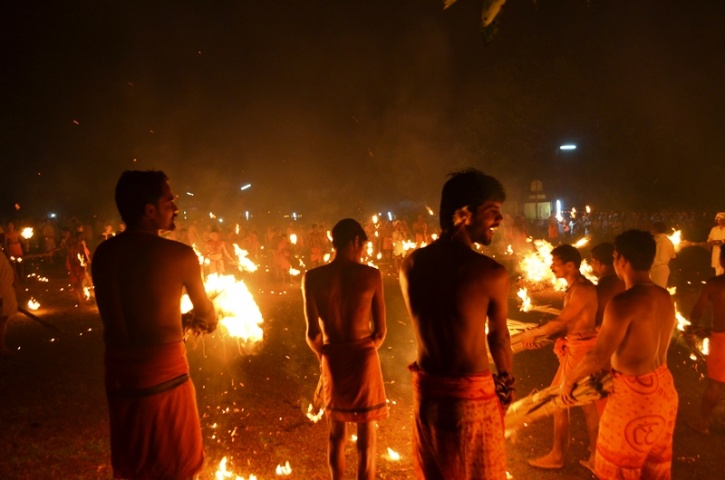
Agni Keli is a fire-throwing festival in honour of Goddess Durga, the Hindu goddess of war. She is often pictured riding a lion or tiger, bearing weapons in her many arms as she fights demons. Followers believe that Durga is appeased by wild and adventurous rituals like Agni Keli. She is also honoured during the Durga Puja festivities, which take place across South Asia in September and October.

The Agni Keli festival runs over eight days every April. The fire-throwing itself takes place by the Kateel Durga Parameswari Temple, just outside Mangalore. During Agni Keli, participants are divided into two groups, facing each other. They engage in an all-out fire brawl, throwing burning palm fronds at each other from a distance. This fiery exchange symbolises devotion, courage, and the triumph of good over evil.

Agni Keli brings together devotees from various backgrounds. Regardless of caste, creed, or social status, participants engage in this fiery battle with fervour. The shared experience fosters unity and a sense of community. Participants believe that engaging in Agni Keli cleanses them of impurities and negative energies. Agni Keli is a spiritual journey through flames, akin to a baptism by fire, with the fire symbolising purification and renewal.
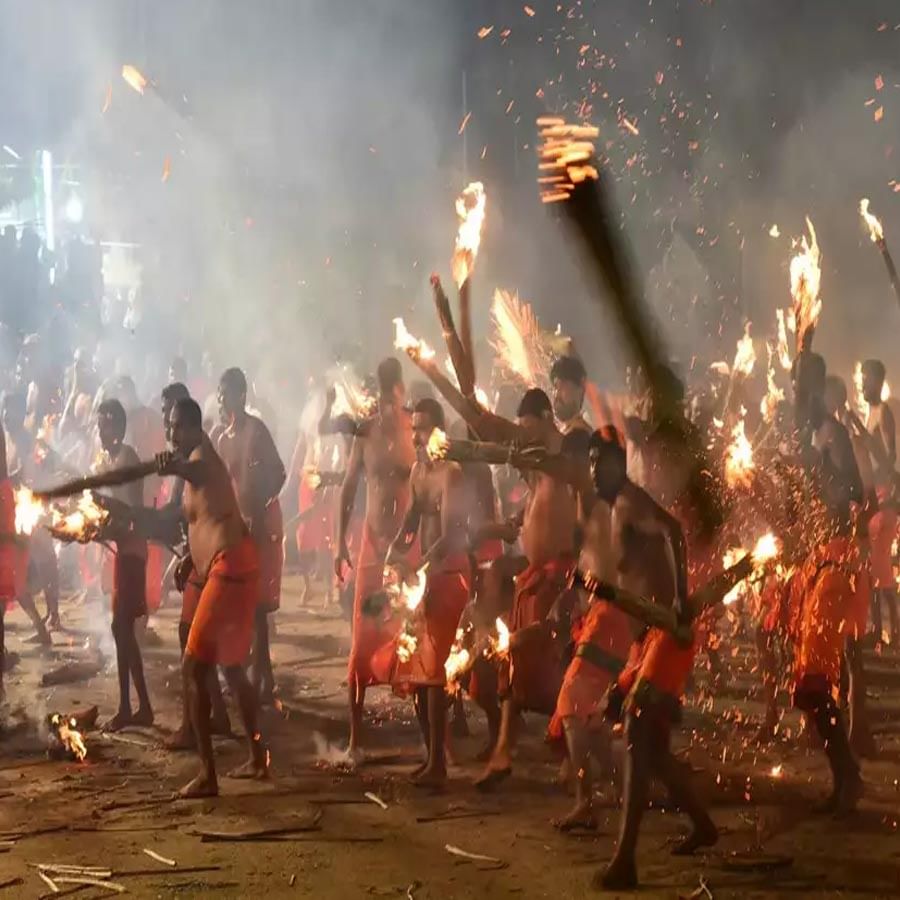
Agni Keli requires courage and trust in the divine. Participants surrender to the flames, knowing that they are part of a sacred tradition, with their devotion to Goddess Durga fueling their determination. Despite the risks, Agni Keli continues to thrive, preserving its cultural heritage and ancient traditions. The festival ignites the flames of tradition, reminding us of our roots and shared humanity.

Despite the risks, Agni Keli continues to thrive. It reminds us of our ancient roots, our connection to the divine, and the power of collective rituals. In a rapidly changing world, festivals like Agni Keli preserve cultural heritage and ignite the flames of tradition. Agni Keli is not just a fire festival; it is a testament to human resilience, faith, and the enduring spirit of celebration. As the flames dance, they carry the echoes of centuries, reminding us that sometimes, the wildest celebrations are the ones that warm our souls.

In My Hands Today,,,

Burn Book: A Tech Love Story – Kara Swisher

Part memoir, part history, Burn Book is a necessary chronicle of tech’s most powerful players. This is the inside story we’ve all been waiting for about modern Silicon Valley and the biggest boom in wealth creation in the history of the world.

When tech titans crowed that they would “move fast and break things,” Kara Swisher was moving faster and breaking news. While covering the explosion of the digital sector in the early 1990s, she developed a long track record of digging up and reporting the facts about this new world order. Her consistent scoops drove one CEO to accuse her of “listening in the heating ducts” and prompted Facebook’s Sheryl Sandberg to once observe: “It is a constant joke in the Valley when people write memos for them to say, ‘I hope Kara never sees this.’”

While still in college, Swisher got her start at The Washington Post, where she became one of the few people in journalism interested in covering the nascent Internet. She went on to work for The Wall Street Journal, joining with Walt Mossberg to start the groundbreaking D: All Things Digital conference, as well as pioneering tech news sites.

Swisher has interviewed everyone who matters in tech over three decades, right when they presided over an explosion of world-changing innovation that has both helped and hurt our world. Steve Jobs, Jeff Bezos, Elon Musk, Bill Gates, Sheryl Sandberg, Bob Iger, Larry Page and Sergey Brin, Meg Whitman, Peter Thiel, Sam Altman, and Mark Zuckerberg are just a few whom Swisher made sweat—figuratively and, in Zuckerberg’s case, literally.

Despite the damage she chronicles, Swisher remains optimistic about tech’s potential to help solve problems and not just create them. She calls upon the industry to make better, more thoughtful choices, even as a new set of powerful AI tools are poised to change the world yet again. At its heart, this book is a love story to, for, and about tech from someone who knows it better than anyone.

World Book and Copyright Day

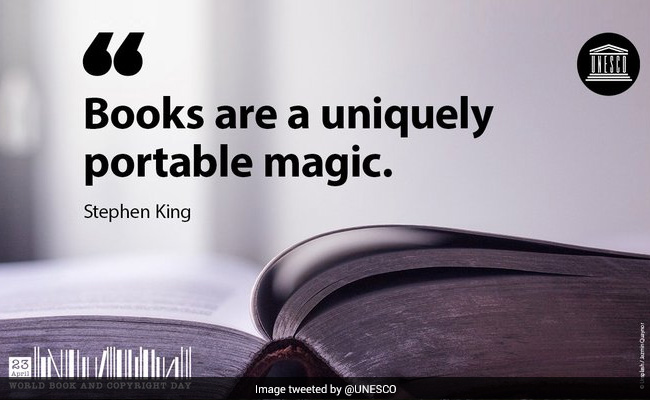
Tomorrow is World Book and Copyright Day. Celebrated annually on April 23rd, the day celebrates the joy of books and reading. It serves as a bridge between the past and the future, connecting generations and cultures. On this day, people across the globe come together to appreciate the role of books in shaping our lives and understanding the world around us.

World Book and Copyright Day was first established by UNESCO in 1995 to be celebrated on April 23rd each year. The date was chosen to honour the passing of prominent authors such as William Shakespeare, Miguel de Cervantes, and Inca Garcilaso de la Vega. This day highlights the importance of books as a source of knowledge, creativity, and cultural enrichment, as well as to promote the publishing industry and protect intellectual property through copyright. It is seen as a link between the past and the future, a bridge between generations and across cultures. While UNESCO coordinates the global celebration, some countries observe World Book Day on different dates, such as the UK and Ireland, which celebrate it on March 2nd.

In the 2024 edition, amidst global challenges and technological advancements, the celebration takes on a renewed significance, emphasising the resilience of literature, the promotion of reading, and the preservation of cultural diversity.

The theme for World Book and Copyright Day 2024 is “Read Your Way.”. This theme emphasises the importance of choice and enjoyment in fostering a love of reading. It encourages both children and adults to find ways to engage with books that resonate with them, regardless of format or genre.

Last year marked the start of the International Decade of Indigenous Languages (2022-2032), where UNESCO prioritises the upholding and promoting linguistic diversity and multilingualism. For the 2024 edition, UNESCO will spotlight indigenous languages. Of the nearly 7,000 existing languages, many are spoken by indigenous peoples who represent the world’s cultural diversity. Recognising oral traditions and various forms of literature, UNESCO aims to celebrate and preserve these languages through books. Literary sessions amplify the Sustainable Development Goals. SDG 5, or gender equality, happens when literature amplifies the voices of countless women, and SDG 10, or reduced inequality, can be fought when books serve as tools to fight against inequalities.

The 2024 edition places a special emphasis on the role of digital innovation in democratizing access to literature. With the proliferation of e-books, audiobooks, and online libraries, readers can now engage with literary content in more accessible and interactive ways. This year’s celebration highlights the opportunities presented by digital platforms to reach broader audiences and promote literacy worldwide. Amidst the digital age, protecting copyright remains crucial for sustaining creativity and ensuring fair compensation for authors and creators. World Book and Copyright Day 2024 reaffirms the importance of copyright laws in safeguarding intellectual property rights and fostering a conducive environment for literary production. It encourages dialogue on copyright issues, piracy prevention, and the equitable distribution of royalties in the digital era. Recognizing the enduring value of reading in fostering imagination, critical thinking, and lifelong learning, World Book and Copyright Day 2024 advocates for initiatives that promote reading culture at all levels of society. From literacy programs in schools to community libraries and book clubs, efforts are underway to cultivate a passion for reading and empower individuals with the skills necessary to navigate the complexities of the modern world.

UNESCO, along with international organizations representing publishers, booksellers, and libraries, selects a World Book Capital each year. The chosen city which holds the title for a year, hosts initiatives and events to promote books, literary culture and reading throughout the year. Strasbourg, in France, has been designated as the World Book Capital for 2024. Strasbourg impressed UNESCO and the World Book Capital Advisory Committee with its strong focus on books to address social tensions and climate change. The city’s program “Reading for the Planet” emphasises books’ role in encouraging discussions about environmental concerns and scientific knowledge, particularly among young people. Strasbourg’s literary heritage and its diverse artistic activities, spanning music, theatre, and illustration, were also commendable. As the twenty-fourth city to bear this title since 2001, Strasbourg follows a distinguished lineage of previous World Book Capitals, including Madrid, Alexandria, Buenos Aires, Kuala Lumpur, and Accra.

Many countries and organisations around the world will organise events and activities to promote reading, publishing, and the protection of intellectual property through copyright. These may include book fairs, author talks, reading challenges, and book donation drives. In Spain, the traditional celebration of Diada de Sant Jordi or Saint Jordi’s Day on April 23rd will coincide with World Book and Copyright Day. This involves the gifting of books and roses. The National Literacy Trust in the UK will provide a range of teaching resources, booklists, and activity ideas to help schools and communities celebrate a love of books and reading. World Book Day is working with 20 libraries in high-deprivation areas to create a legacy around reading, including events to inspire local families.

As we commemorate World Book and Copyright Day 2024, let us reaffirm our commitment to literature as a catalyst for positive change. By embracing diversity, promoting equity, and safeguarding intellectual property rights, we can harness the full potential of literature to build a more inclusive and enlightened society. Through reading, writing, and sharing stories, we contribute to a global culture of creativity, empathy, and mutual understanding.

2024 Week 16 Update

Today’s quote is from the pioneering French fashion designer and businesswoman who revolutionised women’s fashion in the early 20th century, Coco Chanel. Known for her timeless designs, including the iconic Chanel suit, little black dress, and Chanel No. 5 perfume, she redefined notions of style, elegance, and femininity. Coco Chanel’s quote suggests that a mindset of perseverance, determination, and unwavering belief in one’s abilities can lead to success. Chanel implies that those who approach their endeavours with confidence and resilience, without dwelling on the possibility of failure, are more likely to achieve their goals. The quote underscores the importance of taking risks and pushing boundaries in the pursuit of success. By focusing on their vision and abilities rather than potential setbacks, individuals can overcome obstacles and achieve remarkable feats. Chanel’s words highlight the power of self-belief and a clear sense of purpose in driving success. By remaining steadfast in their goals and refusing to be deterred by setbacks, individuals can turn their aspirations into reality.

In other news, there’s no change from last week. I am still applying for jobs and while people are sympathetic to my situation, there’s no traction happening. I haven’t scored a single interview yet, but I have not given up yet and am still optimistic that things will turn around soon. BB & GG are doing fine, GG is busy with school and BB is busy with camp.

Singapore’s Prime Minister Lee Hsien Loong announced his intention to step down from his position on May 15, 2024, paving the way for Deputy Prime Minister Lawrence Wong to become Singapore’s fourth prime minister. The transition is expected to be smooth, with Wong’s extensive experience and leadership qualities well-positioned to guide Singapore through its next chapter. It also probably signals elections are coming soon. I hope the elections are held after GG & BB turn 21 and get their names in the electoral register so they can also cast their votes.

Take care and I’ll be back next week!

In My Hands Today…

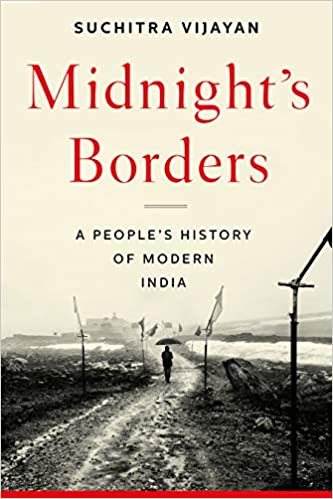
Midnight’s Borders: A People’s History of Modern India – Suchitra Vijayan

The first true people’s history of modern India is told through a seven-year, 9,000-mile journey across its many contested borders.

Sharing borders with six countries and spanning a geography that extends from Pakistan to Myanmar, India is the world’s largest democracy and second-most populous country. Yet most of us don’t understand it, or the violent history still playing out there. In fact, India as we know it didn’t exist until the map of the subcontinent was redrawn in the middle of the 20th century, the powerful repercussions of which are still being felt across South Asia.

To tell the story of political borders in the subcontinent, Suchitra Vijayan spent seven years travelling India’s 9,000-mile land border. Now, in this stunning work of narrative reportage, she shares what she learned on that groundbreaking journey. With profound empathy and a novelistic eye for detail, Vijayan shows us the forgotten people and places in the borderlands and brings us face-to-face with the legacy of colonialism and the stain of extreme violence and corruption. The result is the ground-level portrait of modern India we’ve been missing.