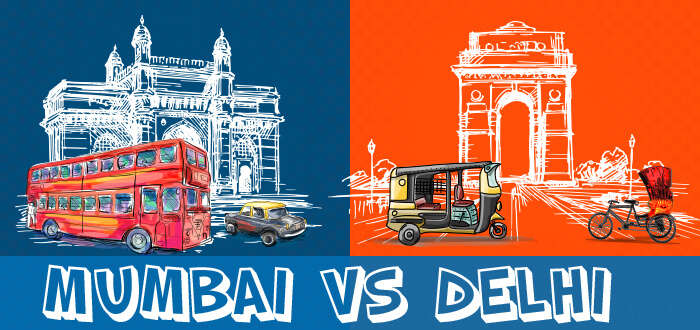
Growing up in Mumbai, there was always this sense of rivalry between my city and India’s commercial capital, Mumbai and India’s capital, New Delhi. Introduction. This rivalry is age-old, one that has sparked countless debates, friendly banter, and good-natured arguments across India—the rivalry between Delhi, the nation’s capital, and Mumbai, its bustling commercial hub.
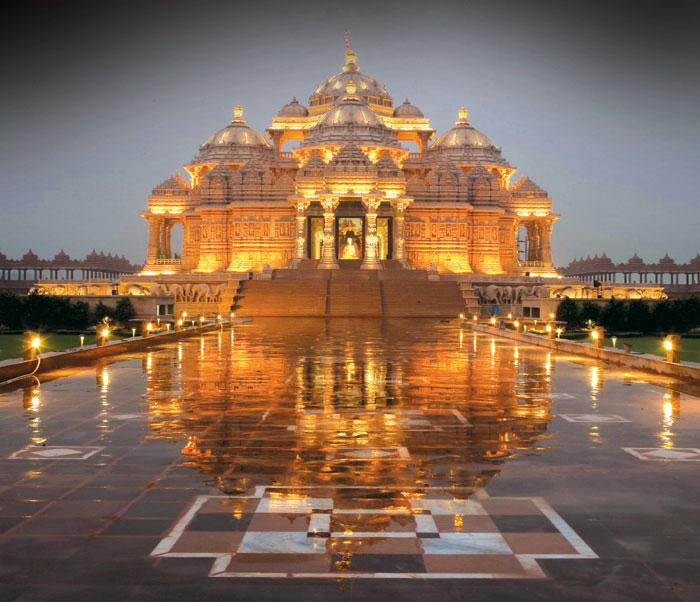
A city steeped in history and heritage, Delhi, because it is the nation’s capital, carries the weight of the nation’s past, present, and future on its broad shoulders. Delhi’s historical significance is undeniable. From the grandeur of the Mughal Empire to the colonial legacy of the British Raj, the city’s architecture and monuments reflect a rich and diverse tapestry of history. The Red Fort, Humayun’s Tomb, and Qutub Minar stand as testaments to Delhi’s regal past.
Delhi’s cultural diversity is another hallmark of the city. With residents hailing from all corners of India, Delhi is a melting pot of languages, cuisines, and traditions. The street food here is legendary, from mouthwatering chaats to the delectable kebabs of Old Delhi.
As the political heart of the nation, Delhi houses India’s key government institutions, including the Parliament and the Rashtrapati Bhavan (Presidential Residence). The city’s grand boulevards and iconic landmarks serve as symbols of India’s democratic ideals and governance.
Now, let’s make our way to western India, to India’s commercial and financial capital, Mumbai. This city is synonymous with opportunity, dreams, and an unstoppable spirit. Often dubbed as “Mayanagari” or the “City of Illusions” and “Maximum City”, Mumbai is home to India’s Hindi film industry or Bollywood, where dreams come to life on the silver screen. The Indian Hindi film industry, centred in Mumbai, produces thousands of films each year, enchanting audiences across the globe. It’s a city where stars are born and legends are made.
Mumbai is the economic powerhouse of India. The city’s thriving financial district houses the Bombay Stock Exchange (BSE), the Reserve Bank of India (RBI), and numerous multinational corporations. Its bustling streets and markets are a testament to India’s entrepreneurial spirit.
One of Mumbai’s defining features is its stunning coastline, overlooking the Arabian Sea. The Marine Drive, often referred to as the “Queen’s Necklace,” is a breathtaking promenade offering panoramic views of the city’s iconic skyline.
Delhiites, known for their love of history and tradition, often think that Mumbai is all about glamour and showbiz, lacking the depth of Delhi’s cultural heritage. On the other hand, Mumbaikars argue that their city’s cultural diversity and open-mindedness make it a true melting pot of ideas and creativity. I think this point goes to Mumbai because of the sheer diversity found in the city, where people mind their own business and no one cares where the other is from.
Delhi’s residents often pride themselves on their city’s measured pace of life, where history is savoured at every turn. In contrast, Mumbaikars, famous for their fast-paced lifestyle, appreciate the efficiency and dynamism of their city. This point could go either way, depending on what kind of lifestyle one prefers.
Delhiites claim their city as the culinary capital of India, with its rich array of traditional dishes and street food. Mumbaikars, on the other hand, tout their street food scene as unmatched, with delectable vada pavs and pav bhajis. This one belongs to Delhi. The food scene in Delhi is unmatched elsewhere in India and even Mumbai’s famed street food can’t beat the food and ambience in the capital.
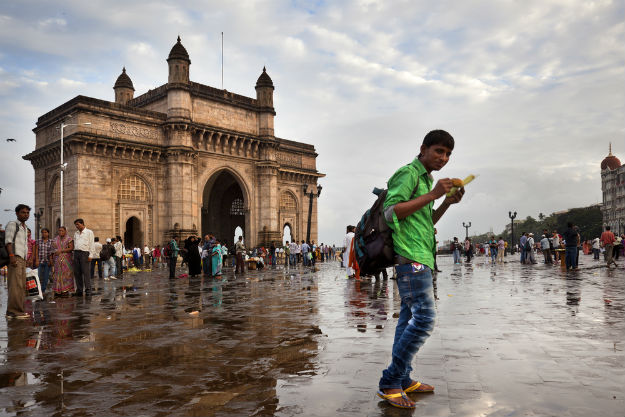
The rivalry even extends to the monsoon season. While Delhi welcomes the rain with open arms, appreciating the respite from scorching summers, Mumbaikars are known for their resilience during the annual deluge, continuing with their daily lives regardless of the downpour. This point belongs to Mumbai. The entire state of Maharashtra becomes lush and green during the monsoon season and the Mumbai monsoon is a thing of beauty (but not when the streets get flooded and life stops). A stroll at the Gateway of India or on Marine Drive during the rains is something that must be done while visiting the city during this season.
In the grand tapestry of India’s cultural diversity, the rivalry between Delhi and Mumbai holds a special place. It’s a lighthearted competition that keeps both cities striving for excellence. It sparks creativity, encourages healthy debate, and celebrates the unique identities of each city. Ultimately, the rivalry between Delhi and Mumbai is a microcosm of India’s broader cultural diversity and unity. These two cities, though different in many ways, represent the essence of India’s motto, “Unity in Diversity.” They coexist, thrive, and contribute to the nation’s progress in their unique ways.
Delhi, with its regal heritage and political prominence, stands as a testament to India’s storied past. Mumbai, the bustling metropolis of dreams and commerce, symbolizes India’s entrepreneurial spirit and dynamism.
So, here’s to Delhi and Mumbai, two cities that may have their differences, but together, they represent the vibrant and diverse spirit of India. In the end, it’s not a matter of which city is better; it’s about celebrating the unique charms, contributions, and friendly rivalry that make both Delhi and Mumbai exceptional in their own right.







 Memories and Such