The last random photos from Tirupati…
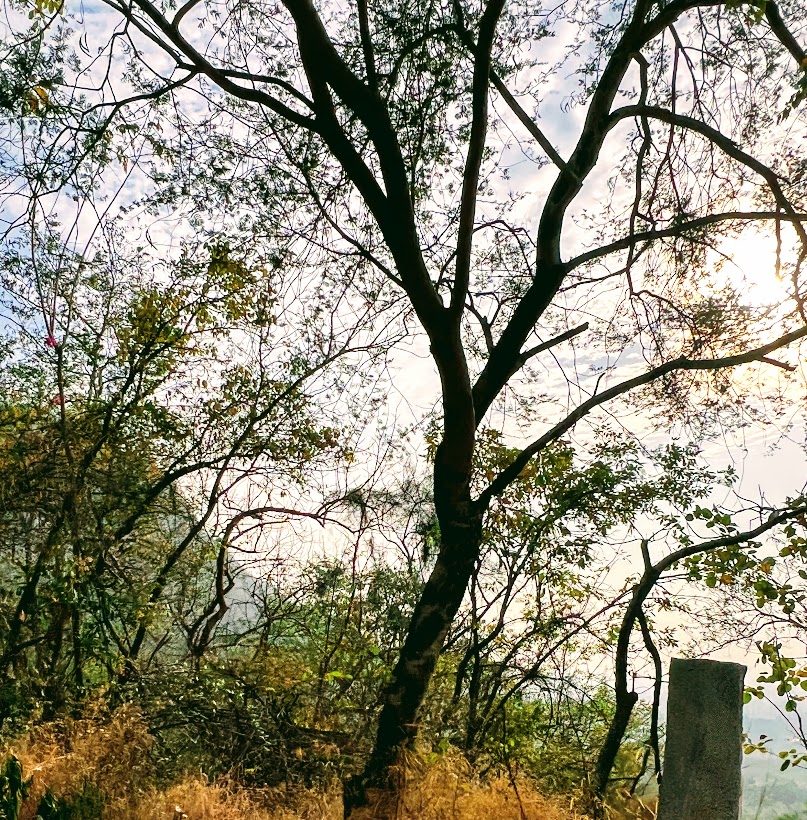
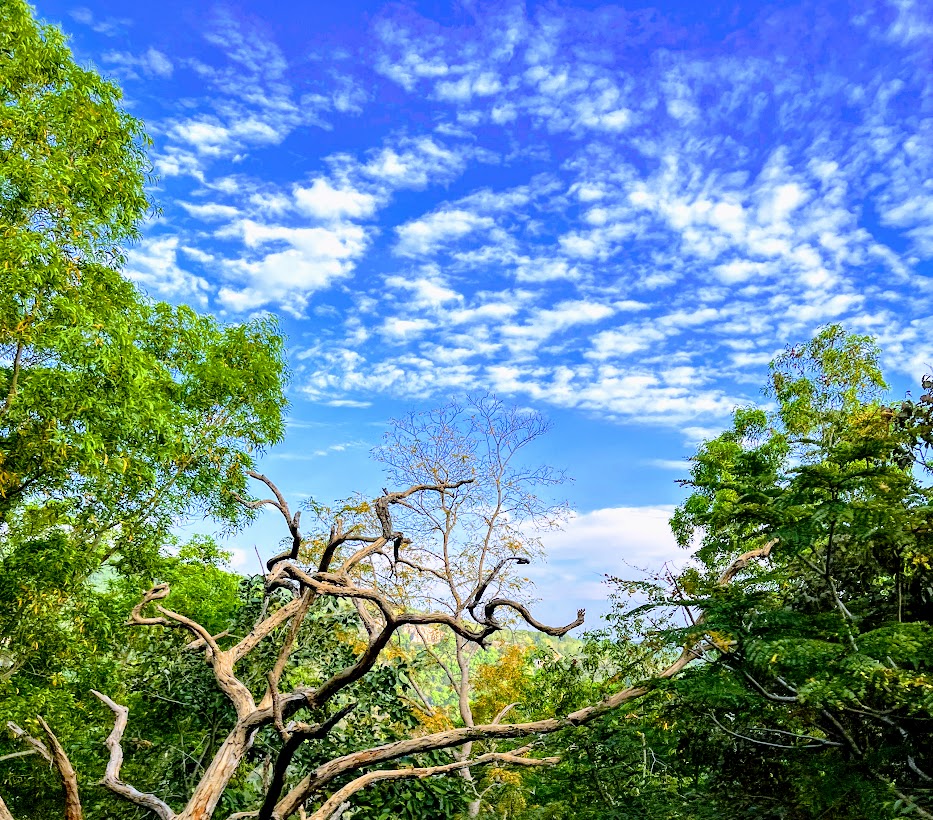
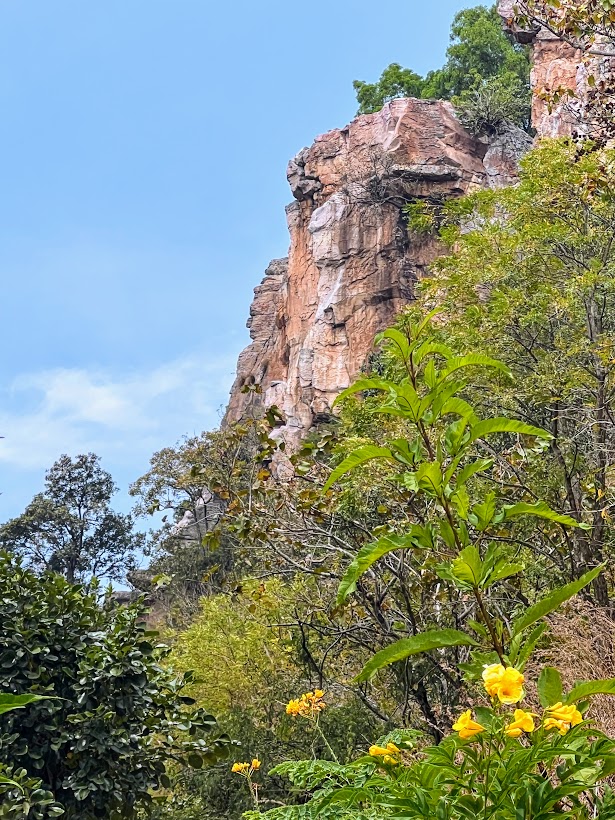
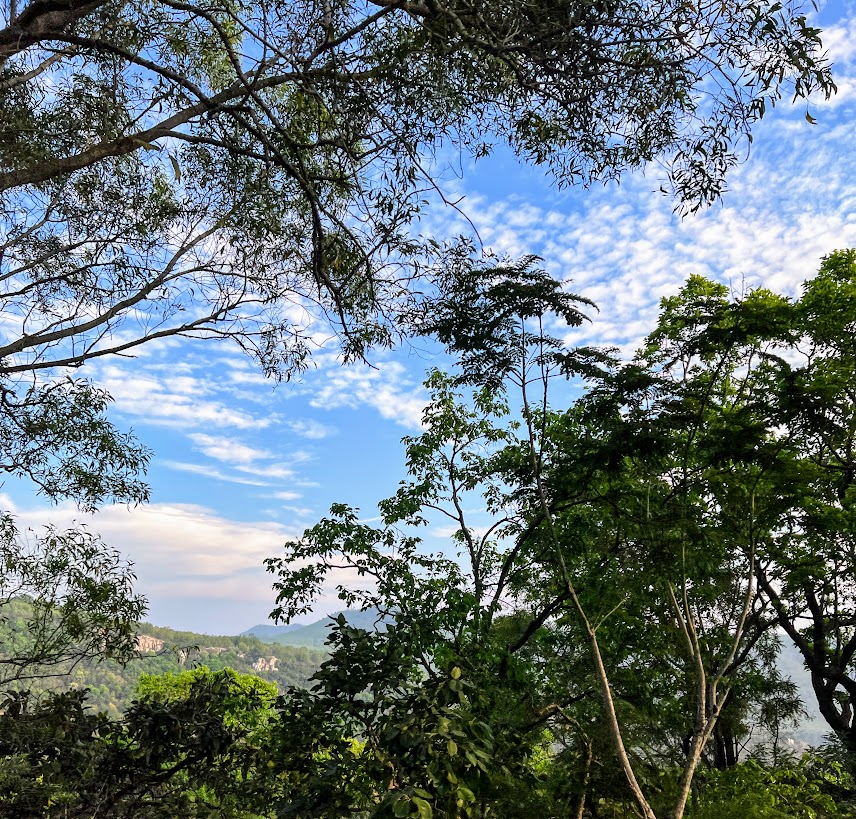
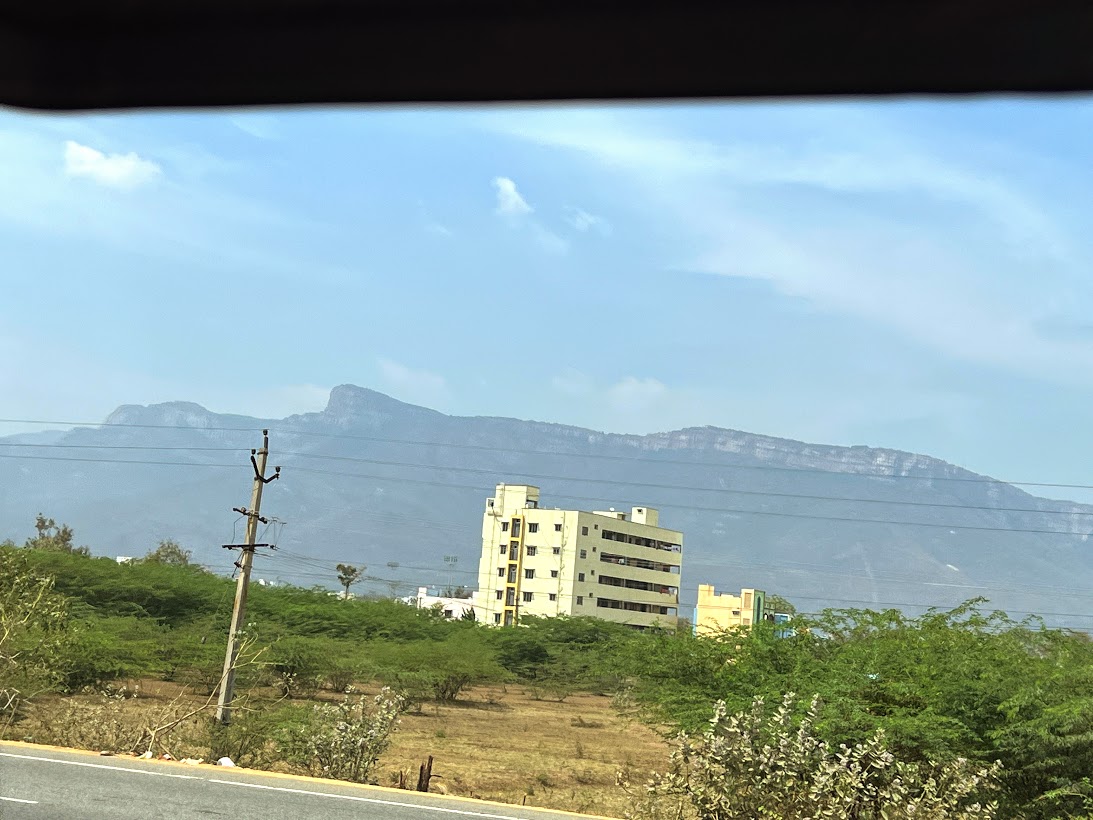

The last random photos from Tirupati…
Option B: Facing Adversity, Building Resilience, and Finding Joy – Sheryl Sandberg and Adam Grant

After the sudden death of her husband, Sheryl Sandberg felt certain that she and her children would never feel pure joy again. “I was in ‘the void,’” she writes, “a vast emptiness that fills your heart and lungs and restricts your ability to think or even breathe.”
Her friend Adam Grant, a psychologist at Wharton, told her there are concrete steps people can take to recover and rebound from life-shattering experiences. We are not born with a fixed amount of resilience. It is a muscle that everyone can build.
Option B combines Sheryl’s personal insights with Adam’s eye-opening research on finding strength in the face of adversity. Beginning with the gut-wrenching moment when she finds her husband, Dave Goldberg, collapsed on a gym floor, Sheryl opens up her heart—and her journal—to describe the acute grief and isolation she felt in the wake of his death. But Option B goes beyond Sheryl’s loss to explore how a broad range of people have overcome hardships including illness, job loss, sexual assault, natural disasters, and the violence of war. Their stories reveal the capacity of the human spirit to persevere . . . and to rediscover joy.
Resilience comes from deep within us and from support outside us. Even after the most devastating events, it is possible to grow by finding deeper meaning and gaining greater appreciation in our lives. Option B illuminates how to help others in crisis, develop compassion for ourselves, raise strong children, and create resilient families, communities, and workplaces. Many of these lessons can be applied to everyday struggles, allowing us to brave whatever lies ahead. Two weeks after losing her husband, Sheryl was preparing for a father-child activity. “I want Dave,” she cried. Her friend replied, “Option A is not available,” and then promised to help her make the most of Option B.
We all live some form of Option B. This book will help us all make the most of it.
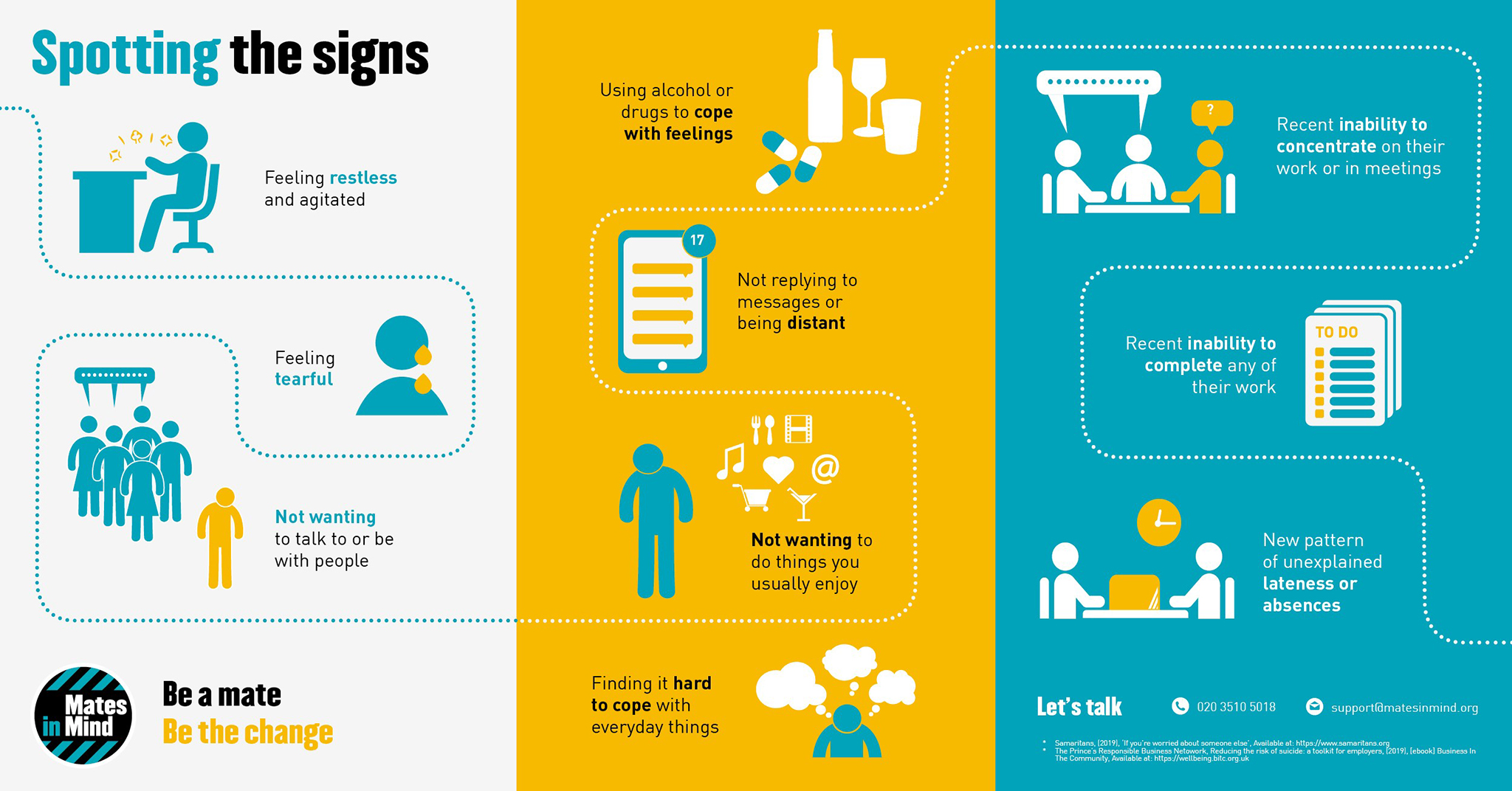
Tomorrow is World Mental Health Day. This day serves as a global reminder of the importance of mental health and encourages open conversations around mental well-being. It was first celebrated in 1992 at the initiative of the World Federation for Mental Health, a global mental health organisation with members and contacts in more than 150 countries. This day, each October, thousands of supporters come to celebrate this annual awareness program to bring attention to mental illness and its major effects on people’s lives worldwide. In addition, this day provides an opportunity for mental health professionals to discuss and shed light on their work, making mental health a priority worldwide. In some countries, this day is part of an awareness week.
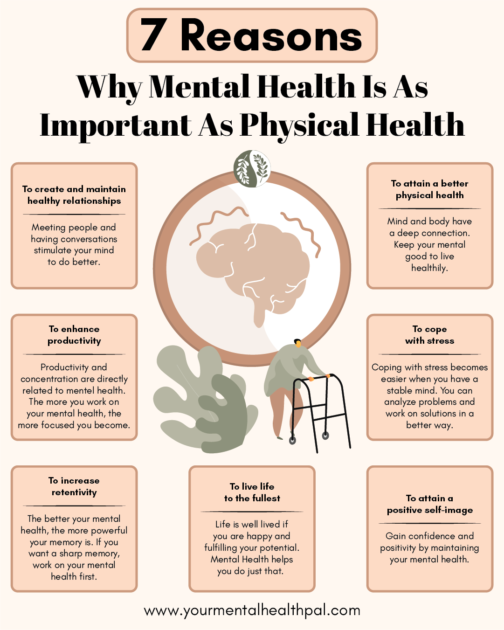
Mental health is an integral part of our overall well-being and encompasses the emotional, psychological, and social aspects of our lives. It affects how we think, feel, and act, as well as how we handle stress, make choices and relate to others. It is crucial to recognise that mental health is not merely the absence of mental illness but rather the presence of positive psychological states and coping mechanisms. Just like physical health, mental health is subject to fluctuations throughout our lives. We all experience a range of emotions, face challenges, and cope with stress at various times. This is perfectly normal. However, when these challenges become overwhelming and persist over extended periods, they can negatively impact our mental well-being.
Maintaining a healthy mental state is essential for multiple reasons. Mental health is interconnected with physical health and impacts every aspect of our lives. When we take care of our mental health, we are better equipped to handle stress, make informed decisions, and maintain healthy relationships. Good mental health is linked to higher productivity and improved performance in various areas of life, including work, academics, and personal goals. Research has shown a strong connection between mental and physical health. Poor mental health can lead to a weakened immune system, increased risk of chronic diseases, and even slower recovery from illnesses. Promoting mental health helps reduce the stigma associated with mental illnesses. Open discussions encourage empathy and understanding, leading to a more inclusive society. Taking care of our mental health proactively can act as a protective measure, reducing the risk of developing mental illnesses or exacerbating existing conditions.
The theme for the 2023 edition of World Mental Health Day is “Mental Health for All,” emphasising the need for universal access to mental health care and support. This year’s theme aims to break barriers and ensure that mental health services are available to everyone, regardless of their background or location. The theme addresses the disparity in mental health care and aims to break down barriers that prevent individuals from seeking help.
By encouraging open conversations and education about mental health, we can work towards eliminating the stigma that often prevents people from seeking help. Ensuring that mental health services are accessible to everyone, regardless of their socioeconomic status, location, or background, is crucial to achieving mental health for all. The theme highlights the need to prioritise mental health support for vulnerable populations, such as refugees, victims of violence, and those facing discrimination. Empowering individuals with the knowledge and tools to take care of their mental health can lead to better self-awareness and improved coping mechanisms. The theme also emphasises the importance of collaboration between governments, non-governmental organizations, healthcare providers, and communities to advocate for mental health support and resources.
World Mental Health Day is not just a day of awareness, but also a call to action. There are several ways individuals and communities can contribute to the “Mental Health for All” initiative. One can educate themselves and others about mental health issues, signs of distress, and available resources. By raising awareness, one can create a supportive environment for those in need. One can and should advocate for inclusive mental health policies and services that cater to the diverse needs of all individuals, including marginalised communities. One should volunteer or contribute to mental health organisations and initiatives that work towards improving access to mental health care. Open conversations about mental health should be encouraged and seeking help from mental health professionals when needed, is normalised. So one should prioritise self-care and mental well-being in their daily life and engage in activities that promote relaxation, stress reduction, and emotional well-being.
World Mental Health Day is a powerful reminder that mental health is a fundamental aspect of our lives and should be a global priority. 2023’s theme emphasises the importance of breaking down barriers and ensuring universal access to mental health care and support. By promoting awareness, education, and inclusivity, we can work towards building a society that fosters mental well-being for everyone, regardless of their background or circumstances. Let’s visualise a world where mental health is valued, protected, and nurtured, not just on World Mental Health Day but every day of the year.
In September, I started walking back to Singapore, after reaching my parents’ new place in Bengaluru. The route I am taking in mainland India is the eastern coastal route, and will reach the chicken neck taking a north-easterly route, after which it will be the same route I took from Singapore. From Bengaluru, I will cross Tirupati, and from Vellore, take the east coast, crossing Ongole, Vijayawada, Vizag, Bhubaneshwar, and Cuttack, before heading north and skirting Kolkata before touching Siliguiri and the chicken neck.

Prominent civil rights leader and activist Martin Luther King Jr is the author of today’s quote. He played a pivotal role in the American civil rights movement and is most famous for his leadership in the March on Washington in 1963, where he delivered his iconic “I Have a Dream” speech, calling for an end to racial segregation and discrimination. King’s quote highlights the negative impact of silence and inaction, especially in the face of injustice or wrongdoing. The quote underscores the significance of the relationships we have with our friends and suggests that friends have the potential to be a source of strength and support in challenging times, but their silence can be disheartening and disappointing when it’s needed most. The quote also implies that, in the long run, people are more likely to remember those who stood up for justice and righteousness, as well as those who remained silent when they had the opportunity to make a positive difference. Martin Luther King Jr.’s quote serves as a reminder that true friendship involves not only loyalty and camaraderie but also the courage to speak out and act when it matters most, especially in the face of injustice or oppression. It underscores the idea that silence in the face of wrongdoing can leave a lasting impression and is not easily forgotten.
I’ve been so drained mentally these days that I have not been reading at all. It is all I can do to read a couple of chapters, and this is something I do not like at all. I need to make a serious effort to read, and eventually I will get good at it, even though I am drained. I only read four books this month, but since I have already crossed my annual reading goal, this is all bonus reading.
That’s all from my side this week. Take care and stay positive
Africa Is Not a Country: Notes on a Bright Continent – Dipo Faloyin
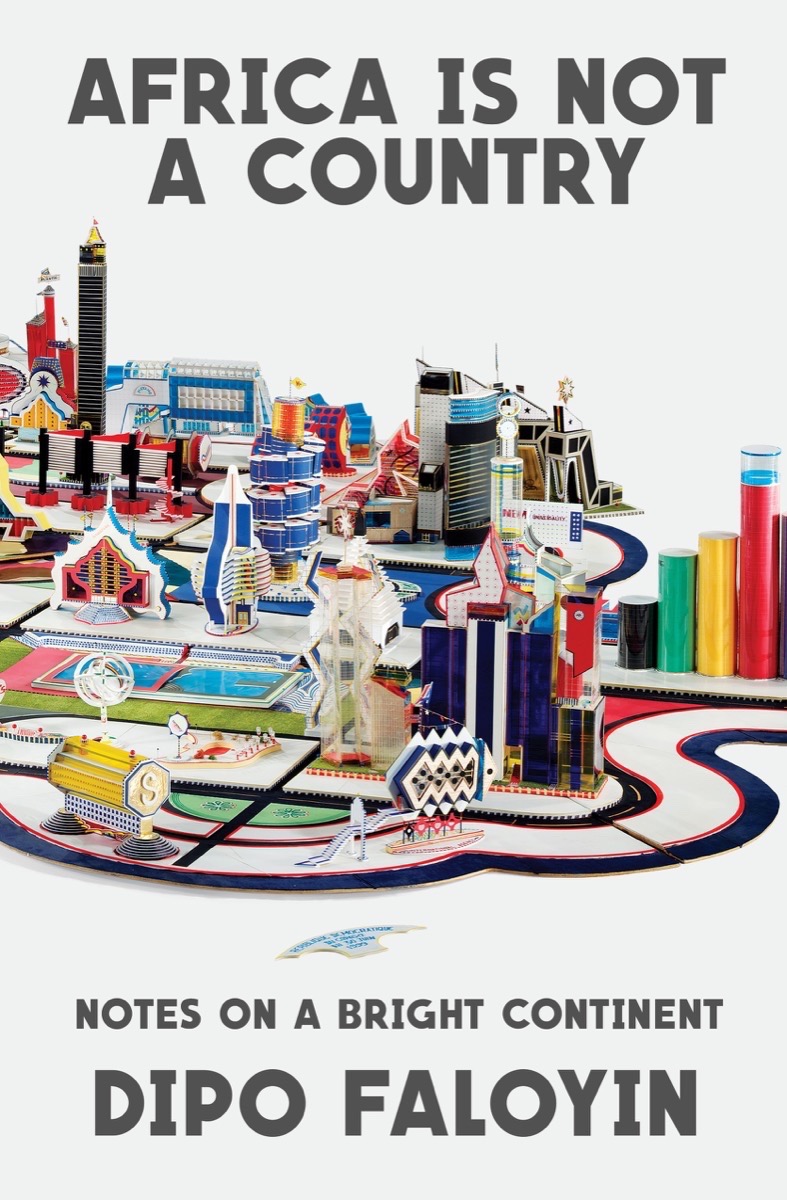
Africa Is Not A Country is a bright portrait of modern Africa that pushes back against harmful stereotypes to tell a more comprehensive story.
You already know these stereotypes. So often Africa is depicted simplistically as an arid red landscape of famines and safaris, uniquely plagued by poverty and strife.
In this funny and insightful book, Dipo Faloyin offers a much-needed corrective. He examines each country’s colonial heritage, and explores a wide range of subjects, from chronicling urban life in Lagos and the lively West African rivalry over who makes the best Jollof rice, to the story of democracy in seven dictatorships and the dangers of stereotypes in popular culture.
By turns intimate and political, Africa Is Not A Country brings the story of the continent towards reality, celebrating the energy and fabric of its different cultures and communities in a way that has never been done before.


 Memories and Such