The Ugly History of Beautiful Things: Essays on Desire and Consumption – Katy Kelleher
Katy Kelleher has spent much of her life chasing beauty. As a child, she uprooted handfuls of purple, fragrant little flowers from the earth, plucked iridescent seashells from the beach, and dug for turquoise stones in her backyard. As a teenager she applied glittery shimmer to her eyelids after religiously dabbing on her signature scent of orange blossoms and jasmine. And as an adult, she coveted gleaming marble countertops and delicate porcelain to beautify her home. This obsession with beauty led her to become a home, garden, and design writer, where she studied how beautiful things are mined, grown, made, and enhanced. In researching these objects, Kelleher concluded that most of us are blind to the true cost of our desires. Because whenever you find something unbearably beautiful, look closer, and you’ll inevitably find a shadow of decay lurking underneath.
In these dazzling and deeply researched essays, Katy Kelleher blends science, history, and memoir to uncover the dark underbellies of our favorite goods. She reveals the crushed beetle shells in our lipstick, the musk of rodents in our perfume, and the burnt cow bones baked into our dishware. She untangles the secret history of silk and muses on her problematic prom dress. She tells the story of countless workers dying in their efforts to bring us shiny rocks from unsafe mines that shatter and wound the earth, all because a diamond company created a compelling ad. She examines the enduring appeal of the beautiful dead girl and the sad fate of the ugly mollusk. With prose as stunning as the objects she describes, Kelleher invites readers to examine their own relationships with the beautiful objects that adorn their body and grace their homes.
And yet, Kelleher argues that while we have a moral imperative to understand our relationship to desire, we are not evil or weak for desiring beauty. The Ugly History of Beautiful Things opens our eyes to beauty that surrounds us, helps us understand how that beauty came to be, what price was paid and by whom, and how we can most ethically partake in the beauty of the world.
This is another typical recipe which is usually served in temples. It is a no-onion, no-garlic recipe. My mother was talking about this recipe and so I got her to make it while she was here. In Tamil, Kadamba means mixed and this can be eaten as a sambar or a gravy which makes this dish very versatile. The masala is similar to arachavitta sambar and the vegetables are cut similarly to how we cut them for avial. You can use pretty much all root vegetables, including pumpkin, potatoes, sweet potatoes, carrots, drumsticks, raw bananas, beans etc. This was the first time I made this and it was so yummy.
Kadamba Kuzhambu
Ingredients:
2 raw bananas, cut into bite-sized pieces
2 potatoes, cut into bite-sized pieces
1 sweet potato, cut into bite-sized pieces
2 carrots, cut into bite-sized pieces
2 drumsticks, cut into bite-sized pieces
1 small piece of white pumpkin, cut into bite-sized pieces
1 tsp mustard seeds
5-6 curry leaves
1½ tbsp + 1 tsp chana dal
2½ tbsp coriander seeds
10-12 dried red chillies
½ cup fresh coconut
1 lemon-sized ball of tamarind, soaked in hot water for 30 minutes
½ cup toor dal, soaked for 20 minutes
1 tbsp oil
Finely chopped coriander leaves to garnish
2 tsp jaggery powder
½ tsp turmeric powder
2 tsp sambar powder (optional)
Salt to taste
Method:
In a small pressure cooker, pressure cook the toor dal with ¼ tsp turmeric powder till it is soft and the dal has broken down completely. This usually will take around 3 whistles in the cooker. When the pressure reduces, open the cover of the cooker and then whisk the dal well. Keep aside.
Mash the tamarind when it becomes cool to touch and then squeeze the tamarind and drain the water so the fibres get separated and you have the water. Alternatively, use 3-4 tbsp tamarind paste which you can get at any Indian store.
In a pan, dry roast 8-10 dried red chillies, 1½ tbsp chana dal and 2½ tbsp coriander seeds and once the seeds start to brown, add in the coconut and roast, stirring continuously, until the coconut loses moisture and turns brown. Remove from the flame, and let it cool completely and then grind to a fine powder and keep aside.
Heat oil in the same pan and when the oil heats up, add in the mustard seeds, balance chana dal and dried red chillies which have been broken into 2-3 pieces each. Let the mustard seeds splutter and then add the chopped and washed vegetables.
Now add the balance of turmeric powder and sambar powder and let the vegetables cook for about 5 minutes. When the vegetables are almost cooked, add the tamarind water and salt as required. You can also add in the jaggery powder if you are using it at this point. Let the water come to a boil and let it simmer for another five minutes.
Next, add the cooked dal and the ground powder and mix well. At this point, check for seasoning and add if anything is missing. You can also add extra water if the kuzambu is still thick.
Let it come to a boil and let it boil for five minutes.
Garnish with finely chopped coriander leaves and shut off the flame. Let it stay covered for 10 minutes for the flavours to infuse and serve hot with rice.
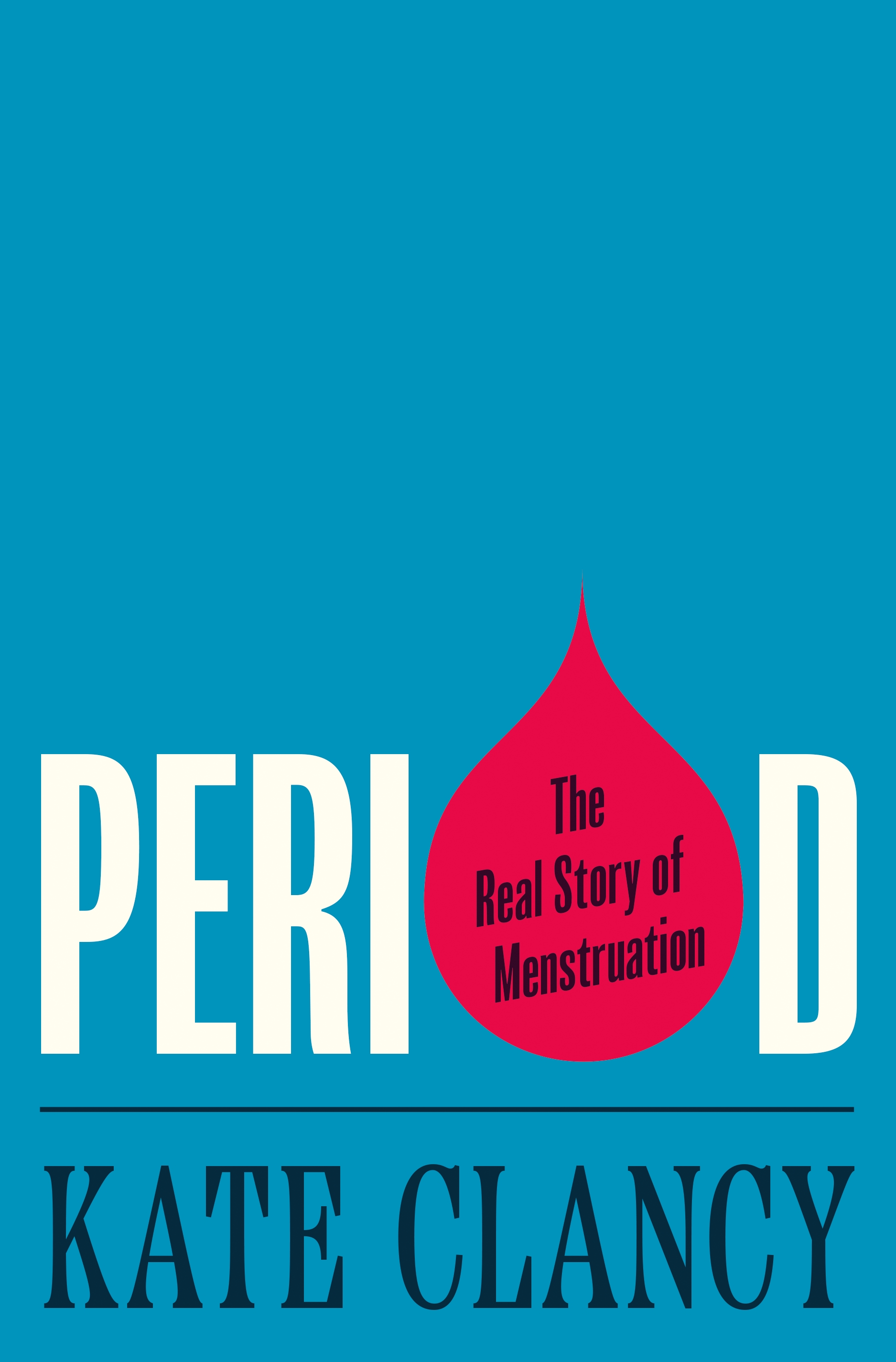
Period: The Real Story of Menstruation – Kate Clancy
Menstruation is something half the world does for a week at a time, for months and years on end, yet it remains largely misunderstood. Scientists once thought of an individual’s period as useless and some doctors still believe it’s unsafe for a menstruating person to swim in the ocean wearing a tampon. Period counters the false theories that have long defined the study of the uterus, exposing the eugenic history of gynecology while providing an intersectional feminist perspective on menstruation science.
Blending interviews and personal experience with engaging stories from her own pioneering research, Kate Clancy challenges many of the myths and false assumptions that have defined the study of the uterus. There is no such a thing as a “normal” menstrual cycle. In fact, menstrual cycles are incredibly variable and highly responsive to environmental and psychological stressors. Clancy takes up a host of timely issues surrounding menstruation, from bodily autonomy, menstrual hygiene, and the COVID-19 vaccine to the ways racism, sexism, and medical betrayal warp public perceptions of menstruation and erase it from public life.
Offering a revelatory new perspective on one of the most captivating biological processes in the human body, Period will change the way you think about the past, present, and future of periods.
TED Talks are videos that present a great idea in 18 minutes or less. They’re filmed at flagship TED conferences, independent TEDx events, and other special events. The goal of a TED Talk is to inform and educate global audiences in an accessible way. Scientists, researchers, technologists, business leaders, artists, designers and other world experts take the TED stage to present “Ideas Worth Spreading” including valuable new knowledge and innovative research in their fields. Most of the TED talks are filmed at flagship TED conferences, independent TEDx events, partner events and salons.
In June 2006, TED released six talks recorded at its conferences on the Internet. Since then, every talk delivered at a TED event is reviewed by the research, editorial and curatorial teams for publication on TED.com. And because of these videos, TED has attracted an international following that has grown into the millions with the talks now viewed or listened to more than 3 billion times annually.
A lot goes into researching and creating a TED Talk. Most TED Talks are edited, lightly but carefully with the first few sentences of warmup chatter, and excessive ums and uhs removed, but the speakers’ meanings are not distorted. Editing an 18-minute TED Talk, takes almost an entire day. Almost every TED Talk has full subtitles and a snazzy clickable time-coded transcript.
Below are 10 TED Talks that are a must-watch for anyone seeking to broaden their horizons and gain valuable perspectives.
Do Schools Kill Creativity? by Sir Ken Robinson In this iconic talk, Sir Ken Robinson discusses the importance of nurturing creativity in education. He challenges the traditional school system and advocates for the development of diverse talents and passions. This talk has sparked a global conversation on reimagining education.
The Power of Vulnerability by Brené Brown Brené Brown explores the concept of vulnerability and its transformative potential. Through her personal stories and research, she reveals the importance of embracing vulnerability as a path to authentic connection, courage, and resilience. Link: The Power of Vulnerability
How Great Leaders Inspire Action by Simon Sinek Simon Sinek uncovers the “golden circle” of inspiration, highlighting the significance of starting with “why.” This talk delves into the essence of influential leadership and encourages individuals to find and communicate their purpose.
The Danger of a Single Story by Chimamanda Ngozi Adichie Chimamanda Ngozi Adichie shares her personal experiences and explores the impact of stereotypes and limited narratives. Through her poignant storytelling, she emphasizes the importance of embracing diverse perspectives and resisting simplistic judgments.
The Puzzle of Motivation by Dan Pink Dan Pink challenges the traditional notions of motivation and rewards in the workplace. Drawing on psychological research, he introduces the concept of intrinsic motivation and its ability to drive creativity, engagement, and innovation.
Your Body Language Shapes Who You Are by Amy Cuddy Amy Cuddy explores the influence of body language on our self-perception and interactions with others. She reveals the power of “power posing” and demonstrates how simple changes in body language can impact confidence and success.
The Paradox of Choice by Barry Schwartz Barry Schwartz delves into the paradoxical nature of choice, arguing that an excess of choices can lead to anxiety, dissatisfaction, and decision paralysis. This talk encourages viewers to reconsider the relationship between choice and happiness.
The Hidden Influence of Social Networks by Nicholas Christakis Nicholas Christakis explores the profound impact of social networks on our behavior, health, and happiness. This talk sheds light on the interconnectedness of individuals and the ripple effects of our actions within social systems.
The Happy Secret to Better Work by Shawn Achor Shawn Achor shares insights from positive psychology and presents actionable strategies to cultivate happiness and well-being in the workplace. This talk challenges the conventional notion that success leads to happiness and offers a fresh perspective.
The Art of Misdirection by Apollo Robbins Apollo Robbins, a renowned pickpocket and entertainer, showcases the art of misdirection. Through his mesmerizing performance, he reveals how our attention can be manipulated, reminding us to stay vigilant and mindful in our daily lives.
TED Talks have the power to transform the way we think, inspire new ideas, and encourage personal growth. The 10 talks shared here, which is not by any means an exhaustive list provides diverse perspectives on creativity, vulnerability, leadership, diversity, motivation, body language, choice, social networks, happiness, and attention. By watching these talks, one can expand their knowledge, challenge their assumptions, and gain valuable insights that can positively impact their lives and the world around them. If you know of other such talks which can add to one’s perspective, please share them in the comments section.
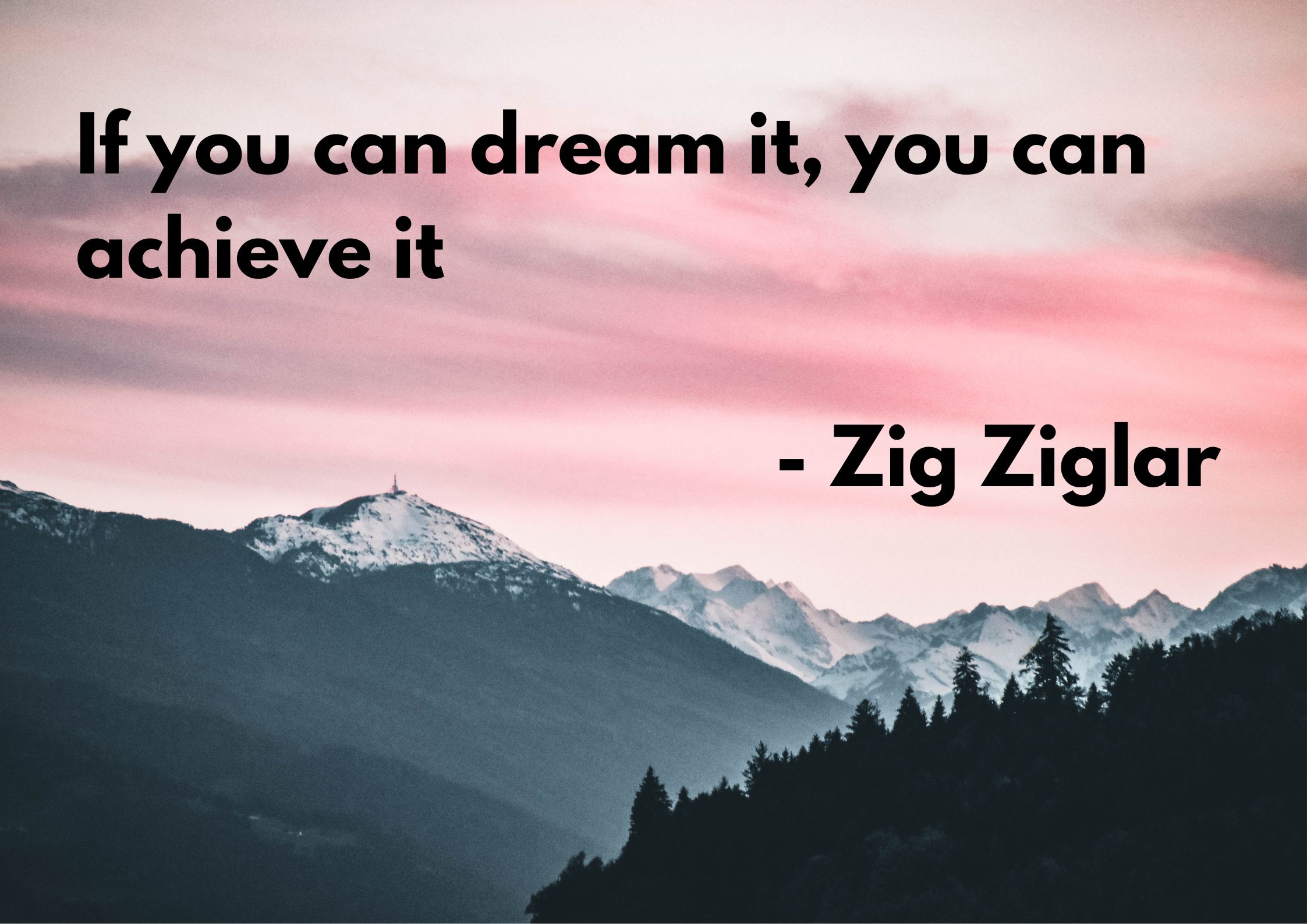
American bestselling author, motivational speaker and sales trainer Zig Ziglar is credited with today’s quote. Ziglar’s teachings emphasised the importance of a positive mindset, goal setting, continuous learning, and taking action and believed that success was not merely a result of external factors but was influenced by one’s thoughts, beliefs, and actions. In this quote, Ziglar conveys the idea that having a vision or a dream is the first step towards achieving it. The quote emphasises the power of belief, determination, and the capacity of individuals to turn their aspirations into reality. He suggests that the ability to conceive an idea or a goal in one’s mind is essential. Dreams serve as a source of inspiration and motivation, fueling the desire to accomplish something meaningful. However, the quote’s true essence lies in the second part, and here Ziglar implies that dreams alone are not enough; they must be followed by action and effort. With dedication, hard work, perseverance, and a belief in oneself, individuals have the potential to transform their dreams into tangible accomplishments.
This month, I decided to walk a minimum of 10 km every day, and I am happy to announce that I achieved it! I reached my home in Mumbai at the beginning of the month, and by the end of the month, I was less than 50 km from the town of Kolhapur in Maharashtra and about 60 km from the border between Maharashtra and Karnataka. My stats for the month include more than half a million in the number of steps I took and more than 300 km covered during the month
I read only four books this month, but they were fairly long books, so no complaints there. At the halfway point in the year, I am at almost 80% of my reading goal for the year. And if there are no major disruptions, I should not only meet the goal but exceed them.
GG is still working and thriving there. As she does more internships, she will be able to figure out exactly what she wants to do. BB is enjoying himself at home, given that he will not be enlisting anytime soon. We came to know that he will be enlisting only in October.
That’s all from me this week. Take care and see you soon!


 Memories and Such