After Rajgir and Sasaram, we explore the holy city of Bodh Gaya and the ancient city of Vaishali in this part.
Bodh Gaya
Located 126 km south of Patna, Bodh Gaya is a religious site and place of pilgrimage associated with the Mahabodhi Temple Complex and is famous as it is where Gautama Buddha is said to have attained enlightenment which in Pali means Bodhi under what became known as the Bodhi Tree. Since antiquity, Bodh Gaya has remained the object of pilgrimage and veneration both for Hindus and Buddhists. For Buddhists, Bodh Gaya is the most important of the main four pilgrimage sites related to the life of Gautama Buddha, the other three being Kushinagar, Lumbini, and Sarnath. In 2002, the Mahabodhi Temple became a UNESCO World Heritage Site.
Considered the holiest site in Buddhism, Bodh Gaya was known as Uruwela during the Buddha’s time and is situated by the bank of the Lilajan River with the first temple at the site built by King Ashoka. The disciples of Gautama Siddhartha began to visit the place during the full moon in the month of Vaisakh during April–May, as per the Hindu calendar. Over time, the place became known as Bodh Gaya, the day of enlightenment as Buddha Purnima, and the tree as the Bodhi Tree. The history of Bodh Gaya is documented by many inscriptions and pilgrimage accounts. Foremost among these are the accounts of the Chinese pilgrims Faxian in the 5th century and Xuanzang in the 7th century. The area was at the heart of a Buddhist civilization for centuries, until it was conquered by Turkic armies in the 13th century. The name, Bodh Gaya, did not come into use until the 18th century. Historically, it was known as Uruvela, Sambodhi meaning complete enlightenment in Ashoka’s Major Rock Edict No. 8, Vajrasana or the Diamond Throne of the Buddha and Mahabodhi or the Great Enlightenment. The main monastery of Bodh Gaya used to be called the Bodhimanda-vihara in Pali and today is known as the Mahabodhi Temple.
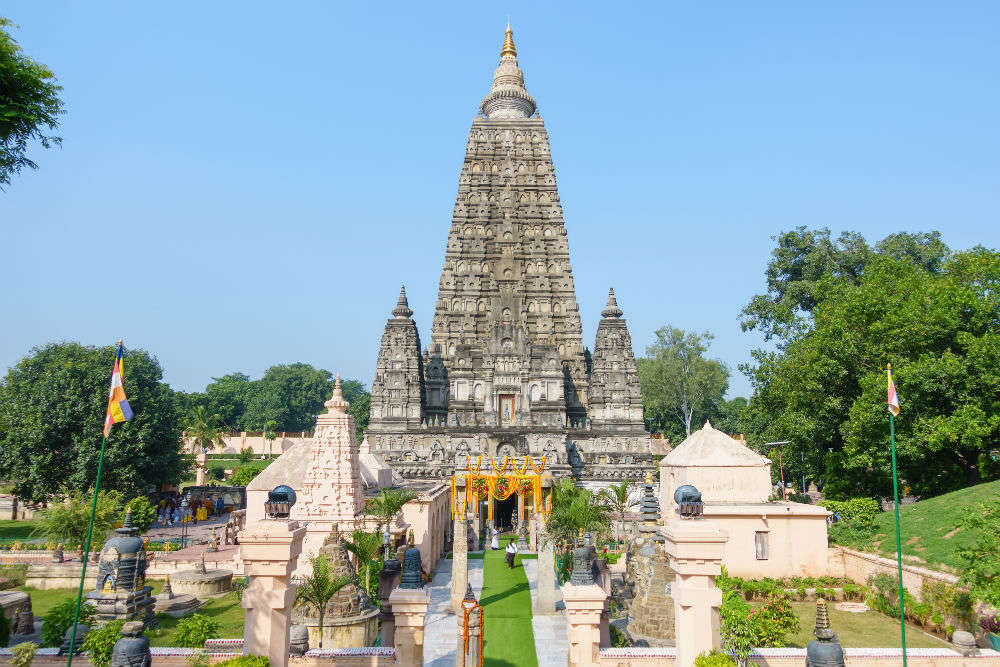
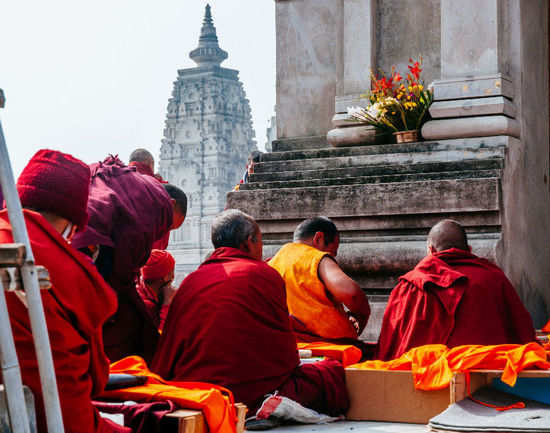
The Mahabodhi temple also called the Great Awakening Temple, is a UNESCO World Heritage Site that marks the location where the Lord Buddha is said to have attained enlightenment. The temple spreads over an area of 4.8 hectares and is 55 meters tall. The Bodhi Tree is situated to the left of the temple and is believed to be the direct descendant of the actual tree under which Lord Gautam Buddha meditated and attained enlightenment and laid down his philosophy for life. The original temple was built by Emperor Ashoka after he turned to Buddhism to seek peace and solitude from war and conquests around 260 BC. He built a small temple by the Bodhi tree and an inscription dating back to between the 1st and 2nd centuries reads that the temple built by Emperor Ashoka was replaced by a new one. A gold-painted statue of Buddha, built by the Pala kings of Bengal and made of black stone is placed in the sanctum shrine of the ancient temple. The Buddha is seen seated in the Bhumisparsa Mudra asana or the Earth touching posture. The Mahabodhi temple is surrounded by two distinct types of railings on all four sides, and they are about two meters high. The old railings made from sandstone dates back to 150 BC and has illustrations of Goddess Laxmi being bathed by elephants and of Lord Surya riding a chariot that is being drawn by four horses. The newer ones are made of unpolished granite and are believed to have been constructed in the Gupta period and have carvings of stupas or reliquary shrines, garudas or eagles and lotuses made out on them. In 2013, the upper portion of the temple was covered with gold, as a gift from the King of Thailand and the devotees of Lord Gautam Buddha. The original structure was made primarily of brick, covered with stucco, which has survived many years and is one of the oldest and most imposing structures made entirely out of brick standing from the Gupta period. The temple is open from 5 am to 12 noon and then again from 4 to 9 pm. There is no entry fee charged, except the ones charged for cameras and video equipment.
Devotees who wish to visit the Brahmayoni Temple must go through a gruelling climb of 424 high stone steps to reach the top of the hill, atop which lies this temple. Two caves namely Brahmayoni and Matreoni are also situated on the hill along with an ancient temple of Astabhujadevi. The Brahmayoni hill was the place where Buddha preached the fire-sermon to a thousand former fire worshipping ascetics and it is said that each ascetic became enlightened after hearing his teachings.
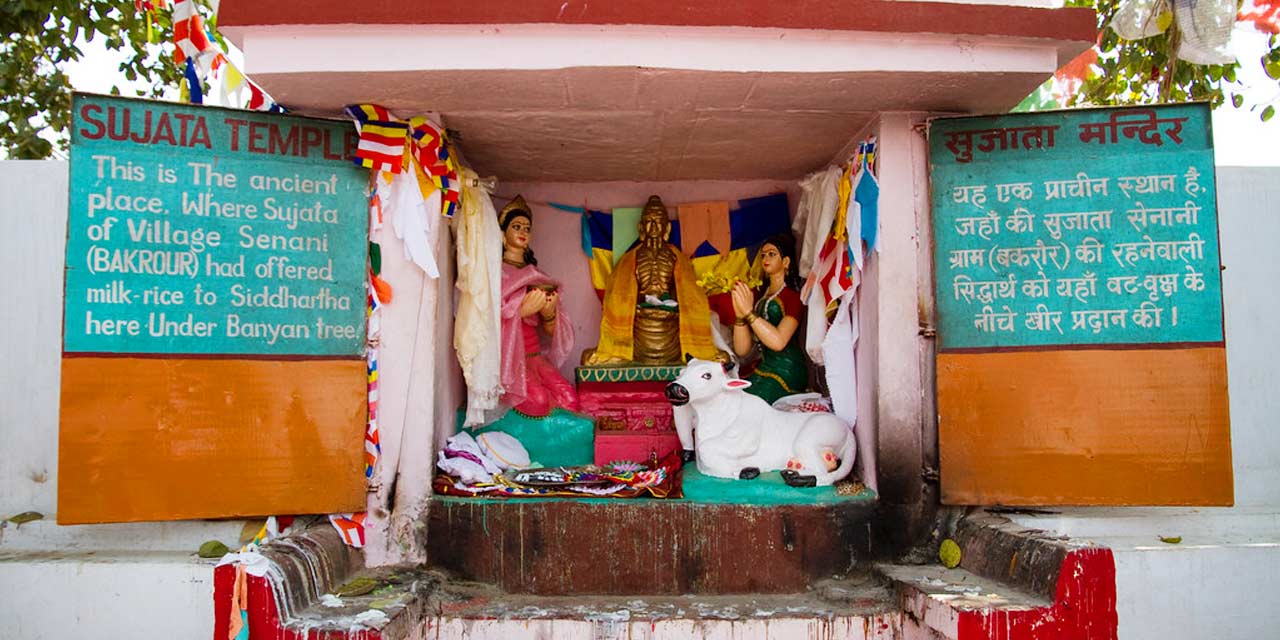
The Sujatha Temple is dedicated to a humble tribal woman named Sujatha who offered pudding to Gautam Buddha. It is said that the pudding was the first meal Gautam Buddha had consumed after years of starvation ever since he renounced the materialistic life including food to attain enlightenment. The temple is considered to be religiously important as the offering is believed to have saved Lord Buddhaês life.
The Daijokyo Buddhist Temple is a tranquil respite for those seeking one amidst beautiful surroundings. The most prominent feature of the temple is the 64 foot tall Great Buddha Statue made of sandstone and granite. It draws visitors in large numbers. The temple also houses a grand meditation hall where one can sit in solitude and soak the peaceful vibe of the surroundings.
Sujata Kuti is a stupa built in the honour of a tribal woman named Sujata who saved Gautam Buddhaês life by offering him rice pudding after he had starved himself for years in the process of attaining Nirvana and renouncing every luxury he had including food. Sujata Kuti, is thus, considered religiously important in the Buddhist Culture.
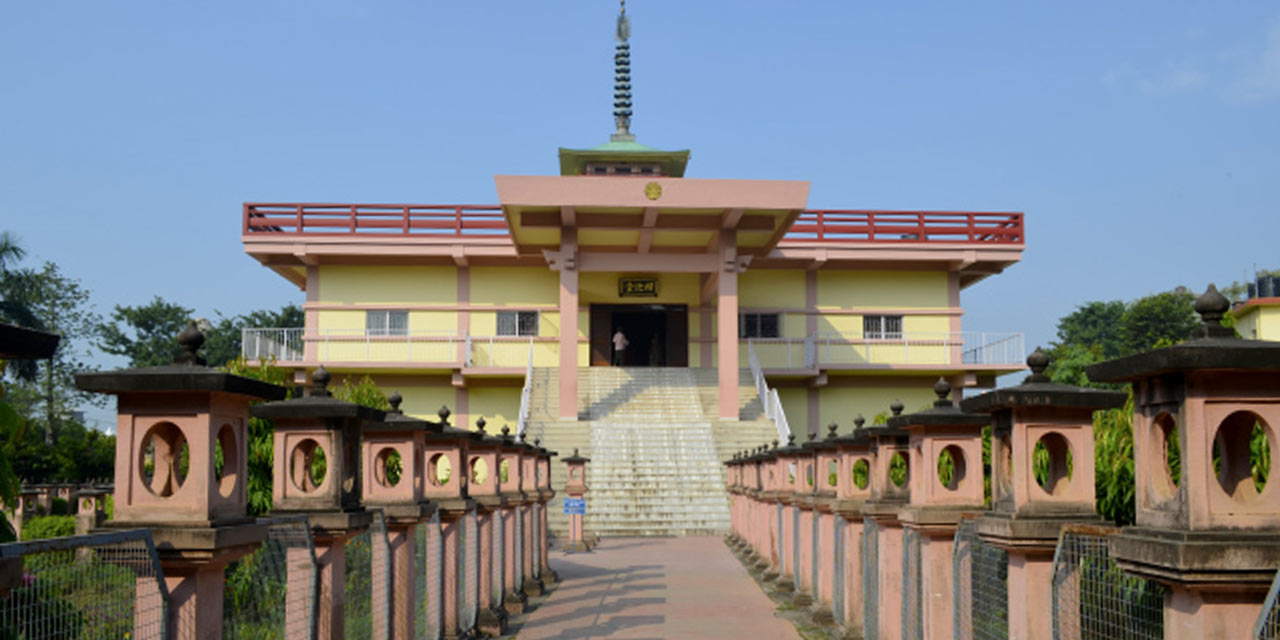
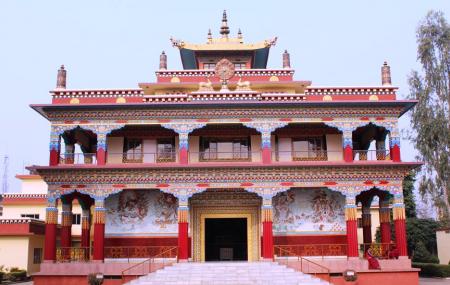
The Chinese Temple was constructed by Buddhist monks and displays beautiful Chinese artwork with a statue of Lord Buddha within the sanctum. An outstanding example of Buddhist culture and Japanese architecture, the Indosan Nippon Japanese Temple was built in 1972 with the help of the international Buddhist community. The structure of the temple is carved out of wood and it looks like a Japanese shrine. It also showcases a lot of Japanese paintings narrating events from the life of Gautam Buddha. The Vietnamese Temple is the most recently constructed shrine in the area and features a serene-looking statue of Buddha which exudes a calming aura and appears to be smiling.
The Animesh Lochan Chaitya Shrine is where Lord Buddha spent his second week of meditation after attaining Nirvana. It is believed that his meditation involved gazing at the Bodhi Tree continuously without blinking. The place, therefore, was named Animesh Lochan which means Open Eyes and is considered important as it teaches self-control and focus.
The Great Buddha Statue is the tallest in India and was instated by the XIV Dalai Lama in 1989. It is a meditating Buddha resting on a giant lotus, constructed using intricately carved sandstone and red granite.
Situated alongside the Bodhi Temple, Cankamana is a holy shrine featuring a carving of Lord Buddha’s feet into the black stone lotuses.
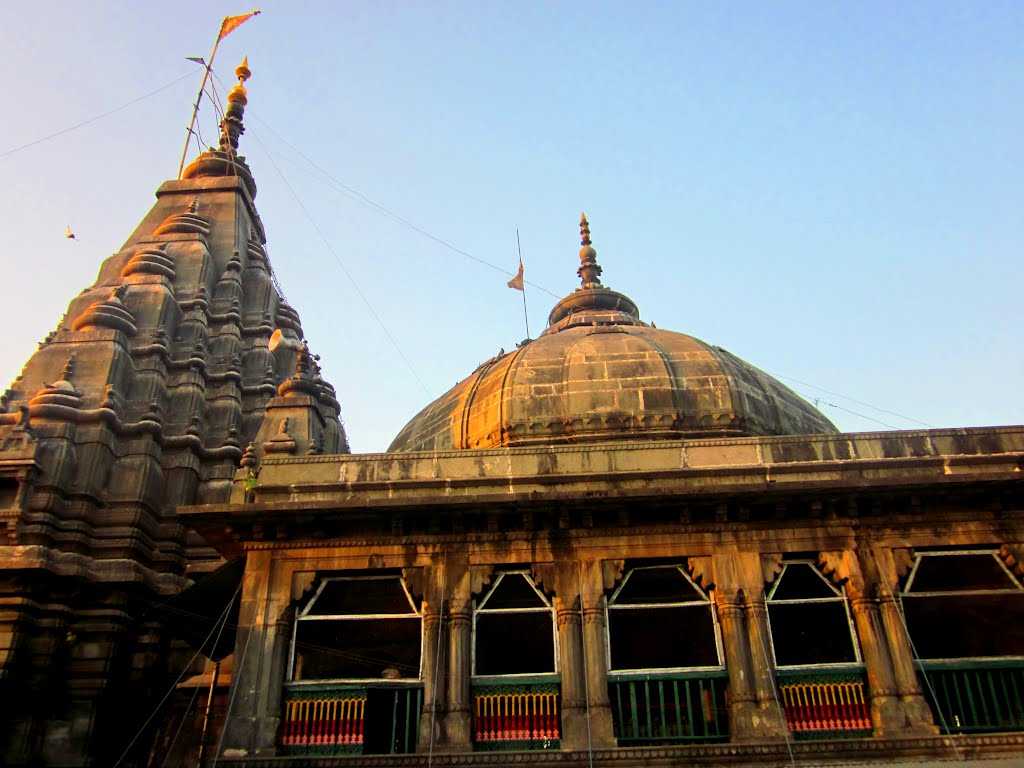
As its name suggests, the Vishnupad Temple was built as a dedication to Lord Vishnu and features a 40 cm long footprint of Lord Vishnu that is enclosed by a basin made of silver plates. This footprint marks the act of Lord Vishnu subduing Gayasur by placing his feet on Gayasur’s chest. Within the courtyard, there are other temples situated as well. One is dedicated to Lord Narasimha and another to Lord Shiva in the form of Phalgwisvara.
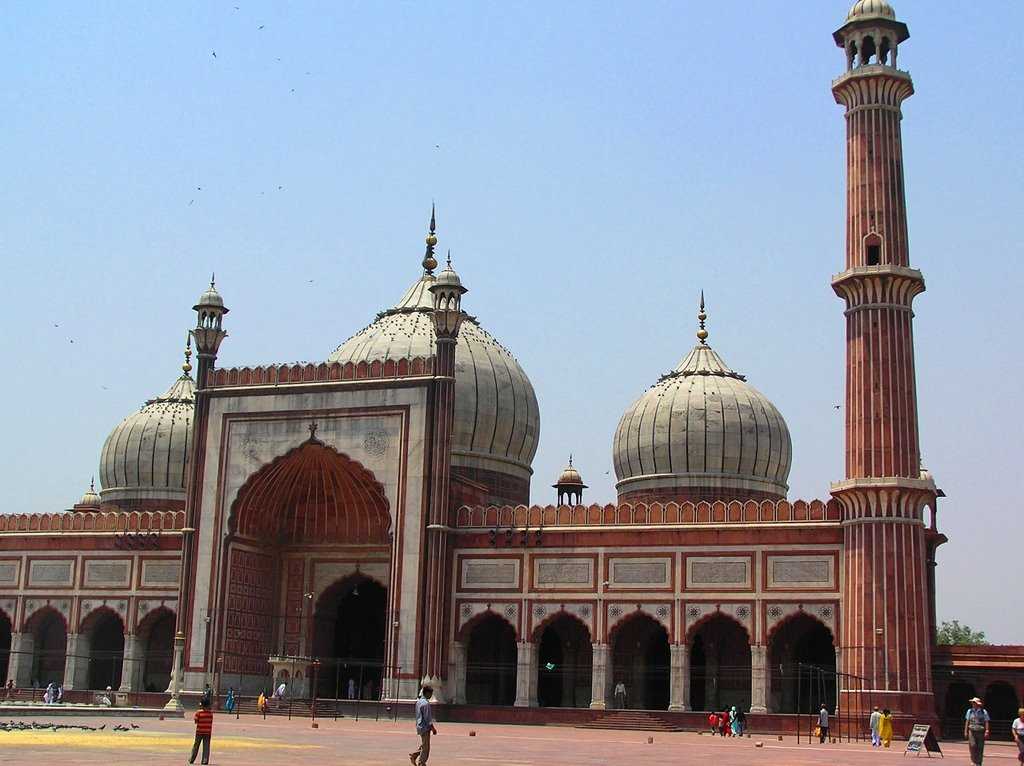
The Jama Masjid is the largest mosque in the state and dates back around 200 years. It was built by the royal family of Muzaffarpur and the shrine is well known for its festival of Shabina when prayers are offered on the 27th night of Ramadan.
The Bodhi Tree is perhaps the most prominent and respected of all sacred places in Buddhism because of the rich historical significance. It is under this tree that Prince Siddhartha Gautama, the spiritual teacher who later became to be known as the Buddha, attained enlightenment. A shrine known as Animisalocana Cetiya was erected on the spot where he had sat down and a small temple built near the Bodhi tree in the 7th century. The Bodhi tree is one of the four main Buddhist pilgrimage sites and the Anandabodhi tree in Sravasti and the Bodhi tree in Anuradhapura, are believed to have been propagated from this tree. The spot where the Buddha stood is marked by the Animeshlocha Stupa, or the Unblinking Stupa, and lies in the northeast of the temple complex. According to legend, the Buddha often walked between the Stupa and the Bodhi tree, and lotus flowers sprung up along this route. This path is now known as the Ratnachakarma or the Jewel Walk. The temple built by King Ashoka was replaced by the present Mahabodhi temple in the 2nd century, and later refurbished in AD 450, 1079 and 1157, and then finally fully restored by the Burmese Buddhists in 1882. An interesting feature is that prayer beads are formed using the seeds of the Bodhi tree which pilgrims consider sacred. Bodhi Day is celebrated here on 8 December annually. Buddhists and followers of Dharma visit this place without fail and greet each other by saying “Budu Saranai!” which translates to “may the peace of Buddha be yours” in English.
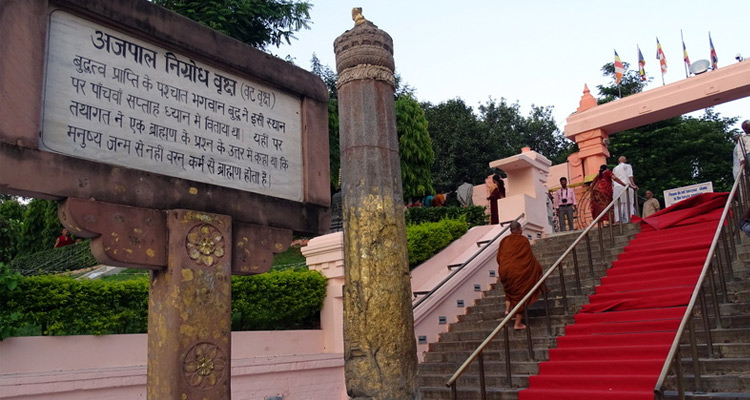
Once considered a heritage tree, Ajapala Nigrodha Tree, which no longer exists, is the sacred location where Gautam Buddha completed his fifth week of meditation after attaining enlightenment and held a discourse to address and answer the queries locals had about religion, humanity and equality. Now marked with a pillar, the place still is considered religiously important and is visited by believers.
The Root Institute for Wisdom Culture is a Buddhist Centre that educates and promotes wisdom culture through programmes and social service. It functions as per the Tibetan tradition and is often considered as a spiritual retreat that offers a tranquil atmosphere to study and practise the culture in its true form. The Burmese Vihara Monastery is a spiritual retreat for those who wish to take a break from their stressful lifestyle. Located amidst beautiful gardens, the tranquil monastery was built according to traditional Burmese architecture and houses a Buddha Meditation Hall, a library with a large collection of books on the teachings of Lord Buddha and a guest house. Well known for its curved roof covered with exquisite tiles of gold, the Thai Monastery houses a bronze statue of Buddha and another recently erected 25m high statue in the garden. The Royal Bhutan Monastery has been named as it was built by the King of Bhutan as a dedication to Lord Buddha. Clay carvings are seen on the interior walls of the monastery that depict different aspects of the Buddhist culture.
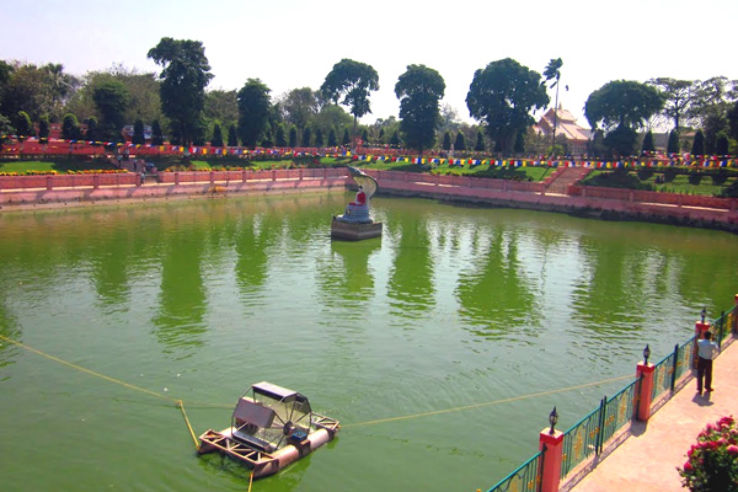
A popular site at Bodh Gaya, the Muchalinda Lake is located next to the main temple. It is associated with a mythological tale stating that Lord Buddha was protected from the storm by Snake King Muchalinda.
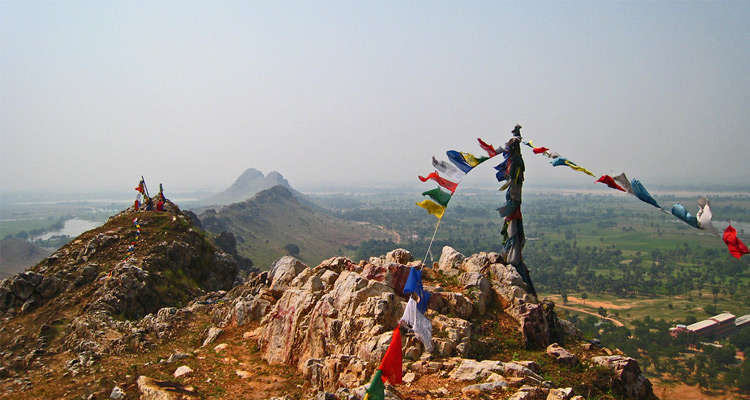
Dungeshwari Hills is where Lord Buddha spent a few years before travelling to Bodh Gaya in search of enlightenment. The hills are mostly known for the caves that Gautam Buddha used for shelter and meditation. The Stupas/ Buddhist shrines exist even today amidst the beautiful natural surroundings. The picturesque location of the Dungeshwari Hills is also a well-known trekking destination and draws enthusiasts in large numbers.
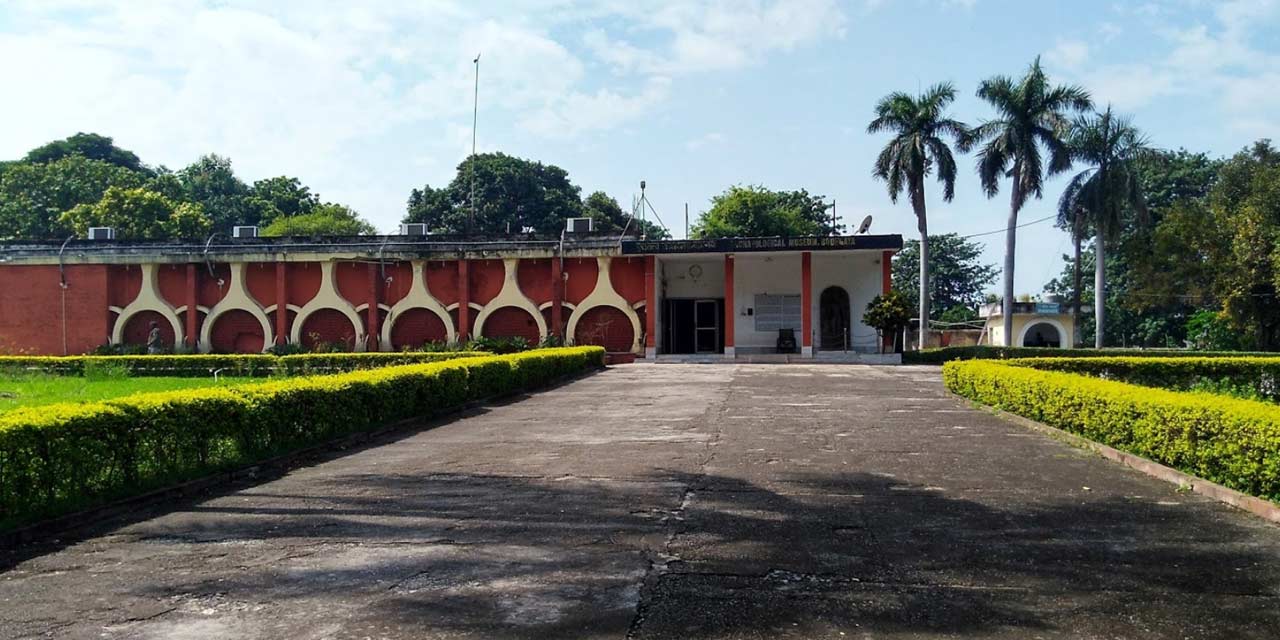
The Archaeological Society of India Museum was established to display ancient articles belonging to the Brahmanical and Buddhist belief, mostly related to the Pala period. Exhibits of splendid stone and bronze statues and sculptures, panels, rods, plaques, pillars, railings, etc are found in the galleries, courtyard and the veranda of the museum that is located inside the Mahabodhi Temple Complex.
The Bodhgaya Multimedia Museum was established to provide a glimpse into the historical life of Gautam Buddha in the most interesting way possible. The museum covers his journey right from his childhood till he attained Nirvana. It also includes content on his teachings and all of this is presented in the form of multimedia and 3D animation movies.
Vaishali
A small district and town, Vaishali is equally revered by Hindus, Buddhists and Jains. It is the place where Lord Mahavir was born and is considered as the first republic of the world and the city where Buddha delivered his last sermon. Vaishali is believed to have been named after King Vishal, from the time of Mahabharata. Surrounded by groves of mango and banana and extensive rice field, the village is an important religious and historical attraction site and is flocked by tourists year in and year out.
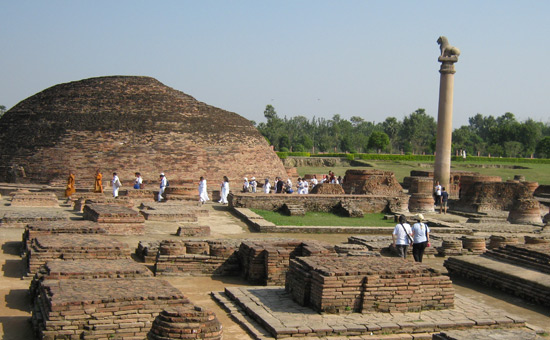
It was the capital city of the Vajjian Confederacy, considered one of the first examples of a republic around 6th century BC. Gautama Buddha preached his last sermon before his death in 483 BC, then in 383 BC, the Second Buddhist council was convened here by King Kalasoka, making it an important place in both Jain and Buddhist religions. It contains one of the best-preserved of the Pillars of Ashoka, topped by a single Asiatic lion. The city finds mention in the travel accounts of Chinese explorers, Faxian in the 4th century and Xuanzang in the 7th century, which were later used in 1861 by British archaeologist Alexander Cunningham to first identify Vaisali with the present village of Basarh in Vaishali District. Lord Ram’s footprints in Ramchaura temple is why Hindu pilgrims flock to Vaishali, which is also renowned as the land of Amrapali, the great Indian courtesan, who appears in many folktales, as well as in Buddhist literature who later became a disciple of Buddha.
Vaishali is well known for its close association with the Buddha. After leaving Kapilavastu for renunciation, he came to Vaishali first and had his spiritual training from Ramaputra Udraka and Alara Kalama or Alark Ram. After the Enlightenment, the Buddha frequently visited Vaishali and organised his Bhikshu Sangha on the pattern of Vaishalian democracy and established his Bhikshuni Sangha here. His last Varshavasa or rainy season resort was in Vaishali and he announced his approaching Mahaparinirvana or the final departure from the world just three months in advance. Before leaving for Kusinagara, where he died, he left his alms-bowl or Bhiksha-Patra here with the people of Vaishali. The Svetambaras state that the final Tirthankara, Lord Mahavira, was born and raised in Vaishali to King Siddhartha and Queen Trishala.
King Ashoka became a great follower of Buddhism after the massacre of Kalinga and erected his famous Ashokan pillar in Vaishali to memorialise the last sermon of Lord Buddha that took place here. There is a life-like figure of an Asiatic lion engraved, at the top of the pillar facing north, believed to be the direction of Lord Buddha’s last voyage as well as a brick stupa and a pond known as Ramkund next to the pole which makes for a sanctified spot for Buddhists. There is also a small tank here known as Ramkund.
A 125-ft tall peace pagoda which built by the Buddh Vihar society in collaboration with the Japanese government and the Japanese Nichiren Buddhist sect Nipponzan-Myōhōji, the Vishwa Shanti Stupa or World Peace Pagoda is a huge, white, beautiful stupa surrounded by greenery, serenity and a pond where visitors can spend time boating and breathing in the fresh air. A small part of the Buddha’s relics found in Vaishali has been enshrined in the foundation and the chhatra of the Stupa.
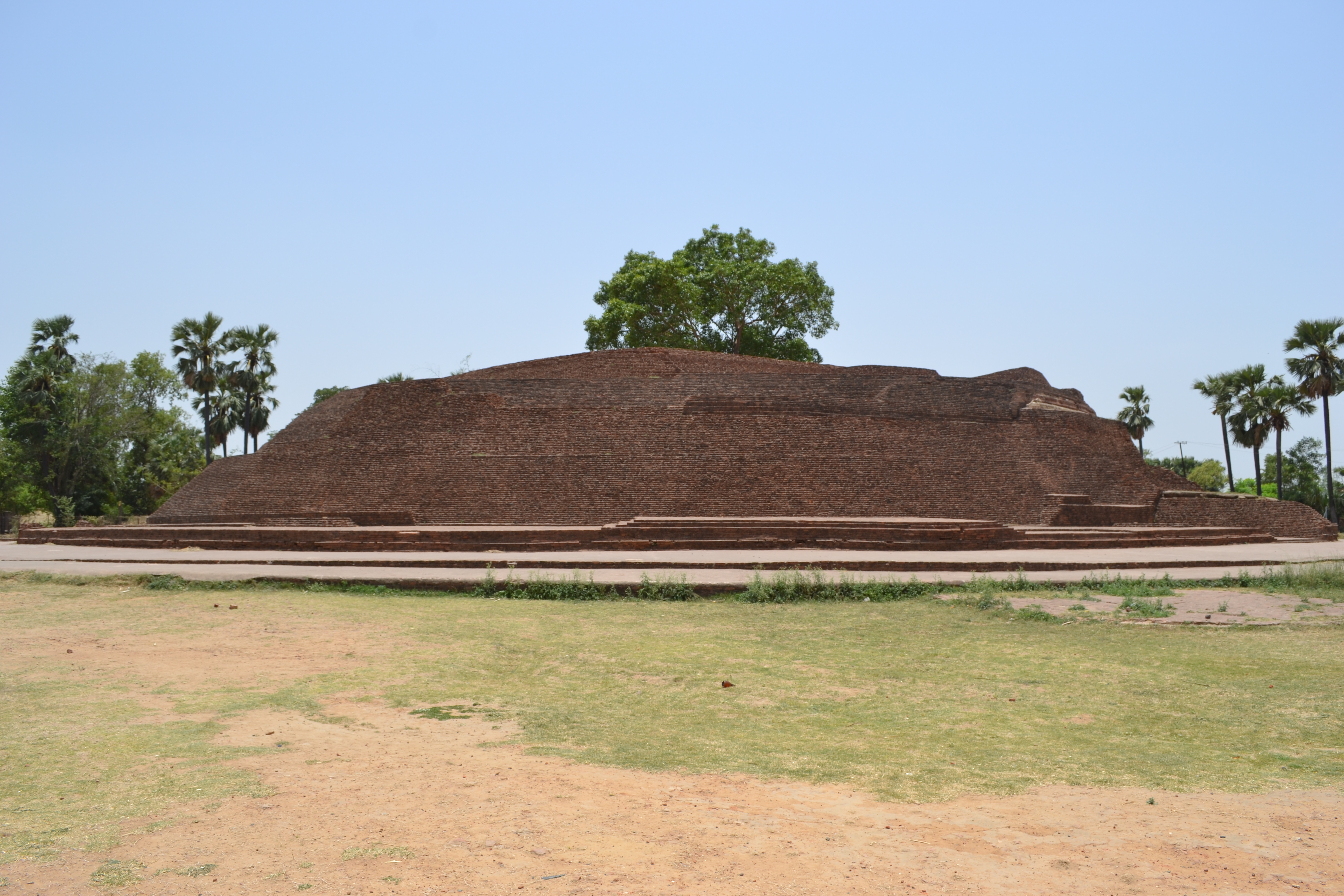
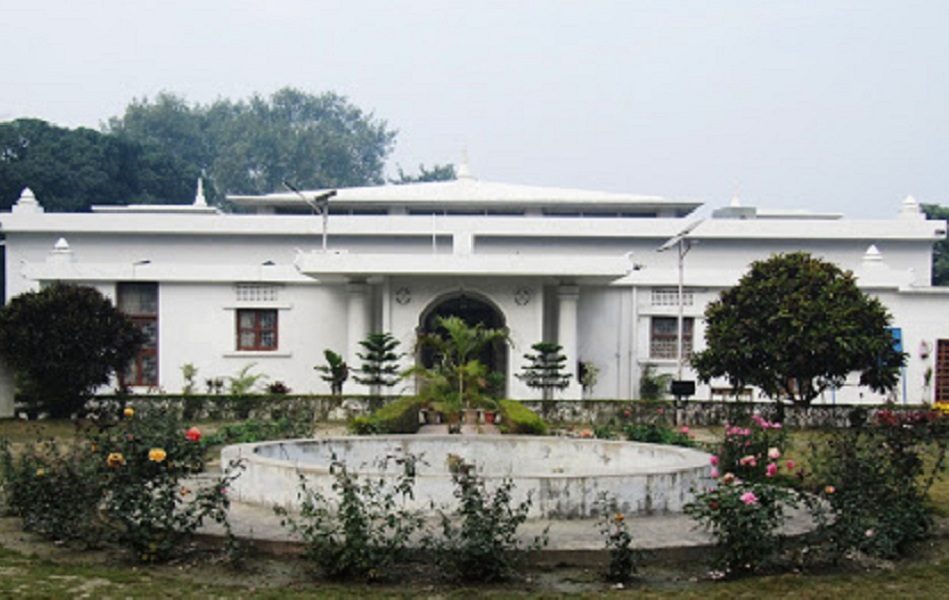
Just next to the Pagoda is the Abhishek Pushkarini or the coronation tank which is the tank from whose sacred waters anointed the elected representatives of Vaisali. Near the Coronation Tank is Stupa 1 or the Relic Stupa. Here the Licchavis reverentially encased one of the eight portions of the Master’s relics, which they received after the Mahaparinirvana. After his last discourse the Awakened One set out for Kushinagar, but the Licchavis kept following him. Buddha gave them his alms bowl but they still refused to return. The Master created an illusion of a river in spate which compelled them to go back. This site can be identified with Deora in modern Kesariya village, where Ashoka later built a stupa. Walking around the tank, visitors can find a museum on the north bank which houses the artefacts found during excavation, dividing them into four galleries, one of which has terracotta items of human figures, while another gallery has terracotta items of animal figures with wheels, cast coins etc. The third gallery exhibits antlers, bones and iron and copper commodities while the fourth gallery houses earthenwares.
The Kutagarasala Vihara is the monastery where Buddha most frequently stayed while visiting Vaishali and is located 3 km from the relic Stupa, and on its ground can be found the Ananda Stupa, with an Asokan pillar in very good condition, perhaps the only complete Asokan pillar left standing, and an ancient pond.
Housing some of the beautiful images of Hindu gods and goddesses situated on Bawan Pokhar’s northern end, the Bawan Pokhar temple is a piece of ancient artwork built during the rule of Pal dynasty. An old temple built in the Pala period stands on the northern bank of Bawan Pokhar and enshrines beautiful images of several Hindu gods
The Vaishali museum was established in 1971 by Archaeological Survey of India to preserve and display the antiquities found during exploration of sites with ancient Vaishali. The Vishal Fort is in ruins today and has a 1 km governing house of the Lichchavi tribe.
The Vaishali Mahotsava or the great Vaishali Celebration is held every year on Baisakh Purnima or the Full Moon Day of the 1st Hindu month which occurs during mid-April to celebrate the birth anniversary of the 24th Jain Tirthankar Mahavir who born here in the village of Kundalpur, 4 km from Vaishali.
In our next part, which is the last one, we will explore Muzzafarpur, Sitamarhi, Madhubani, Lauriya Nandangarh, Bhagalpur and the Valmiki National Park, Tiger Reserve and Wildlife Sanctuary.