
Shadow of the Silk Road – Colin Thubron
 Shadow of the Silk Road records a journey along the greatest land route on earth. Out of the heart of China into the mountains of Central Asia, across northern Afghanistan and the plains of Iran and into Kurdish Turkey, Colin Thubron covers some seven thousand miles in eight months. Making his way by local bus, truck, car, donkey cart and camel, he travels from the tomb of the Yellow Emperor, the mythic progenitor of the Chinese people, to the ancient port of Antioch—in perhaps the most difficult and ambitious journey he has undertaken in forty years of travel.
The Silk Road is a huge network of arteries splitting and converging across the breadth of Asia. To travel it is to trace the passage not only of trade and armies but also of ideas, religions and inventions. But alongside this rich and astonishing past, Shadow of the Silk Road is also about Asia today: a continent of upheaval.
One of the trademarks of Colin Thubron’s travel writing is the beauty of his prose; another is his gift for talking to people and getting them to talk to him. Shadow of the Silk Road encounters Islamic countries in many forms. It is about changes in China, transformed since the Cultural Revolution. It is about false nationalisms and the world’s discontented margins, where the true boundaries are not political borders but the frontiers of tribe, ethnicity, language and religion. It is a magnificent and important account of an ancient world in modern ferment.


 Philippe d’Orléans, the regent of France, has a gangrenous heart–the result of a life of debauchery, alcohol, power, and flattery. One morning in 1721, he has a brilliant idea to further appease his thirst for power: he decides to marry eleven-year-old Louis the XV to the daughter of Philippe V of Spain, who is only four. This, Orléans hopes, will tie his kingdom to Spain’s. But it could also have a more duplicitous effect: were Louis XV to die without begetting an heir–the likeliness of which is greatly increased by having a child—Orléans himself would finally be king. In exchange, Orléans tosses his own daughter into the bargain, the 12-year-old Mlle de Montpensier, who will marry the Prince of Asturias, the inheritor of the Spanish throne.
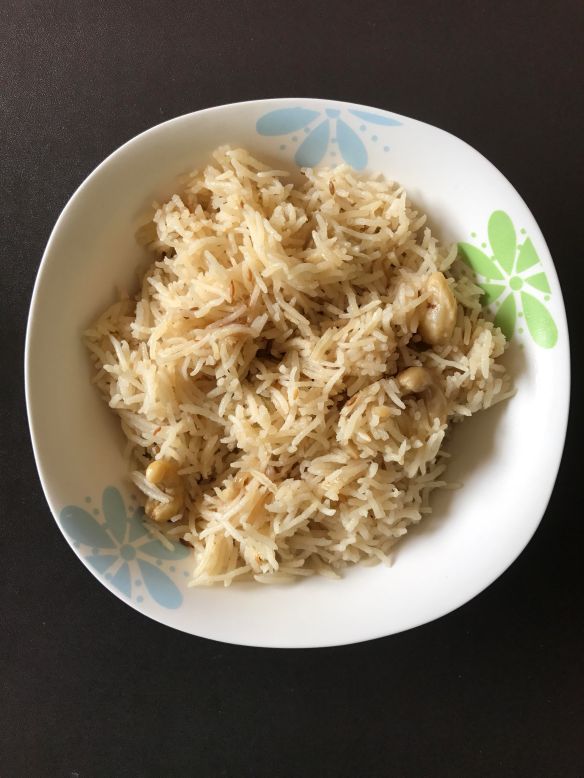
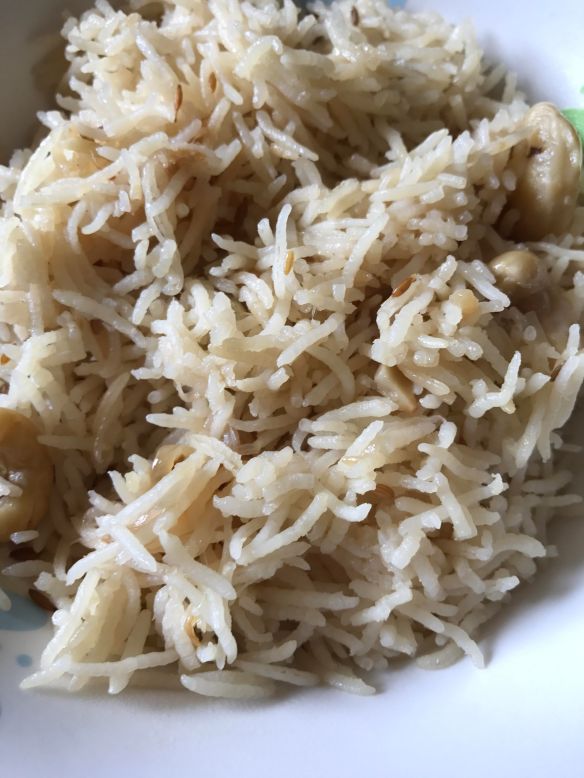 Caramelised Onion Pulao
 Set within a once-stately apartment block in Istanbul, The Flea Palace tells the story of Bonbon Palace, built by Russian noble émigré Pavel Antipov for his wife Agripina at the end of the Tsarist reign. It is now sadly dilapidated, flea-infested, and home to ten very different individuals and their families.

