Why Girls do better in school, but Boys excel in the workplace?

Source

This is a scene common across schools, colleges and universities around the world. A girl is most likely the topper of her cohort and more girls occupy the top positions than boys. Logical expectation would be that these same women who are so successful in school, would continue their successful run when they enter the workforce. But this does not really happen. You don’t see many women in the higher positions at work, there, it is the men who hold a staggering 95 percent of the top positions in the largest public companies.

I have always wondered why this happens. What happens to women that they are not able to replicate the success they have in school at work. Some weeks back, I happened to read an article in the newspaper, authored by Lisa Damour, a practising clinical psychologist and author of the forthcoming book, ‘Under Pressure: Confronting the Epidemic of Stress and Anxiety in Girls’ which tried to explain this phenomena and so I thought I should share this here in case there are others, parents with daughters who wonder why their daughter who was successful in school is not able to climb the corporate ladder just as fast.

A study by journalists Katty Kay and Claire Shipman on what deters professional advancement in women found that it was a shortage of confidence rather than a shortage of competence that was the reason for this lack of advancement.

When it comes to wok-related confidence, they found that men are far ahead. “Underqualified and underprepared men don’t think twice about leaning in,” they wrote. On the other hand, “Overqualified and over prepared, too many women still hold back. Women feel confident only when they are perfect.”

This is so true! I find myself constantly nagging at BB to study, while he is very nonchalant about the whole thing. He always assures me that what he is done should be enough to get through the exam. GG on the other hand, is always at her desk, writing notes, studying for a test or just revising previously studied topics. I have to force her to take breaks, while I have to do the exact opposite with BB.

In fact it’s a common refrain in our home that if BB needs an hour to study a certain topic, then GG takes at the very least double that time to study the same topic. For subjects where she is stronger, she will still take time to polish her work, while BB will just skate through.

According to the article I read, it is this experience of being successful in school with little to no effort is the probably the crux to helping our sons develop confidence because they can see that they can accomplish much by just relying on their wits and memory power. School for them, serves as a test track, one where they develop skills and build beliefs in their abilities and grow increasingly confident about relying on it. Our daughters on the other hand, miss the chance to gain confidence in their abilities if they always count on intellectual ability to get ahead in life.

So how do we get our hyper conscientious girls and boys (exceptions do happen across the norm) to build both confidence along with competence at school?

For starters, both parents and teachers can and should stop praising inefficient overwork, even if it results in good grades. I am really guilty of this as I think I am old school in thinking that the longer you spend studying, the better it is. According to the author, gendered approaches to learning set in early, so it’s never too soon to start working against them.

We should also encourage girls towards a different approach to school, one that’s more focused on economy of effort, rather than how many hours they out in.

One thing as parents we can do is to teach them to become more tactical in their studying, to get them to figure how to continue to learn and get the same grades, while at the same time do a bit less. This, they can do by taking a sample test before they start studying to see how much they know before they can figure out what else they need to do to get to the level they need to be for that topic.

Teachers can also help here. When a girl with high grades turns in extra work to be marked, the teacher should ask if this is because she still can’t really understand the topic, or if it is because it’s only for bragging rights or to become a teacher’s pet. If it’s the former, then that’s great, because she knows where she lacks and is working towards it. But if it’s the latter, then the teacher needs to let her know that it is unnecessary and that she should focus her time on things that really matter.

Finally, as parents and teachers, it is our duty to keep reaffirming to our daughters that it is normal and healthy to feel some anxiety about school. Too often girls are anxious about being anxious, so they turn to excessive studying for comfort. We should remind them that being nervous about school and tests is a good thing and it means they care about it, which is only right.

Not everyone wants to become a CEO, but even If that’s the case, as a parent, we worry that our daughters will be eventually crushed by the weight of her own academic habits. While a degree of stress is good and allows a person to grow, working hard all the time with no breaks is very unhealthy and unsustainable in the long run, even for the most academically dedicated student. There is a very severe case of burnout waiting to happen.

Actually a lack of confidence is not the only thing keeping women from top jobs. Women also face gender bias, sexual harassment and very powerful structural barriers in the workplace. I have written about the issues women face in the workplace earlier, here and here. But gaining confidence in the workplace is something we can address, starting from shoring up their confidence right from school.

Many professional men brim with confidence because they have spent years getting to know their abilities. Women should arrive at work with that same confidence, that’s the only way we can ensure equality in a world where women hold up half the sky.

What Makes a Good Manager?

beagoodmanager-722x1024In my years of being in the workforce, I’ve had many managers, good, bad and even indifferent, but I don’t think I’ve had one as the one I reported to in my last short-lived job. This person, who was a nice person by nature, exemplified everything that a manager should not be. It was not because this person was being a manager for the first time, this person had been a good 40 odd years in the workforce and probably had been a manager for at least half that time. But the traits the person brought to the table as someone overseeing a team were traits that do not make a good manager. I kept thinking back to how this person treated people and this became the fodder for this blog post.

So what are the traits that exemplify a good manager? Keep reading….

'A good leader can lead them to water, but a great leader can also make them drink.'Leadership:
A good manager should not just manage the people under them, they should inspire and lead them. They should be emotionally stable, have enthusiasm for the work they and their team does and learn to take failures as well as success. A good leader also shares credit for a job well done and does not throw any member of their team under the bus just to save their skin.

Communication:
A good manager is someone who is able to communicate well. Managers communicate in a 360 degree, from employees who report to them, peers, clients and their own managers. This can be in person, via phone or even written communication through email. What they say should not be evasive or unintelligible, but should be clear and concise and not have any room for ambiguity. Another important communication is non-verbal communication, especially when dealing with subordinates.

Planning:
Good managers are organized. They know what needs to be done and when it needs to be done. A good manager not only knows the long-term goals of the organisation but also know what they and the team they supervise need to do to achieve those goals. A good manager will not only plan and schedule the team but will also have a good grasp of the departmental budget.

'How good are you at throwing money?'Problem-Solving:
Good managers are able to identify and solve problems. Whether it’s a personnel issue, an upset customer or a difficult vendor, good managers can think of creative solutions to problems, then execute the solutions. Good managers also take responsibility for problems that arise rather than seeing them as someone else’s responsibility and take an ethical approach to problem-solving. Great managers know in addition to being a leader, they are also teammates. They don’t just give feedback on problems; they help with implementing the solutions. These managers are very clear and realistic when it comes setting and communicating goals. Along the way, they get their hands dirty and put in the work to ensure their direct reports are set up for success. They show them how to be successful if they are falling behind and demonstrate best practices to help guide them along.

Attitude:
What sets every good manager that I’ve had over the years is simply nothing more than a good attitude. Attitude really is everything and great managers know that their energy and attitude set the pace for the day. A great manager knows when to hold certain situations lightly and when to drive certain situations with a high degree of urgency. Their communication is not hard to read or understand. A good manager never over-reacts and keep calm even under immense fire. They are always cool in the office and always have a smile on their face even under exceptional circumstances.

Transparent:
You cannot be a great manager if you sugarcoat things. They must know how to speak to their reports in a way that is direct, factual and straightforward — especially when it comes to bad news. They also get to the point quickly and transition into solution-based thinking (versus wallowing). Top-notch managers must also be transparent. This trait helps drive away any potential rumour mills before they open. They foster a culture of candour, making it easier for people to give meaningful real-time feedback.

toon473Flexible:
Great managers know that it is not all about them; it is all about the people. When things get bumpy they embrace ambiguity and make others comfortable in dealing with change. They also know that no two employees are the same and spend the time getting to know what motivates and challenges people. They ask questions and listen so they can set up a working relationship that is tailored to the specific needs of an employee (as appropriate and reasonable as possible).

Accountability:
Remarkable managers are obsessed with accountability. They realize that the success of their direct reports is their success. On the flipside, they share in failures and mistakes. They hold regular one-on-one meetings with their direct reports and reinforce the outcomes they and the team are responsible for. They are vested in driving solution-based cultures and strive to build an environment of continued learning (versus finger pointing). Also, to keep staff focused, they make sure to handle and manage accountability conflicts as they come up (instead of letting things fester).

Develop great talent:
A great manager is very good at spotting potential not only among their own team members but also among the other employees in the organisation and using the spotted talent to the best of their ability. They are able to get the right people in the right roles at the right time. They do this through the encouragement of mentorship opportunities and the implementation of a proactive plan for addressing career development interests, needs and desires. Great managers care about the future as much as they care about the present for both the business and the individual.


Decision Making:
If supervisors can’t make decisions for their team, how can they expect to guide them towards the finish line for projects or goals? The truth is, they can’t. That’s why the best managers have the ability to make decisions with a wealth of information — in a short amount of time — to get the best results from their team. The best managers are hard to come by, and with good reason: they have to be emotionally intelligent, honest and hold their team to the same performance and accountability standards that they hold themselves to.

These are the traits that I found that make up a good manager. I am going to use this as a guide when I become a manager.

What has your experiences been either as a manager or under a manager? I’d love to hear in the comments section below.

2017 Week 34 Update

This week was a relatively short week with the long weekend as Singapore celebrated the feast of sacrifice or Hari Raya Haji as it is called here. We are now in September and counting down to the last few months of the year!

This weekend, we went out together as a family after a long time. I needed to buy a jacket for work and so decided to make an evening out of it. We went and shopped and then had dinner. It was an enjoyable evening.

I am looking to buy a fitness tracker and am quite confused about what to buy. I looked at the Fitbit Alta and the Flex but also like the Charge. Also, I want something which is discrete, by which I mean I don’t want to advertise the fact that I am using a fitness tracker. I used to have a Fitbit Pebble (is that the right name?) and used to clip it to my clothes or even into my pockets and nobody knew I had one. Is there one like that in the market now? Anyone with more information, please comment below so I can decide soon. My current fitness tracker is my phone and I am using the Argus app to track steps, water, movement etc. The only downside to this is that I have to make sure I am carrying my phone in my hand or in a pocket all the time and sometimes that becomes cumbersome, which is why I am looking for a new tracker.

Work-wise, I am reaching my three-month mark here and this should end the probation period. I still haven’t had any one-on-one with my manager, in spite to asking multiple times, so this is something I probably will have to give up on. Maybe when the time comes to do your annual goals, my manager will finally find time for me.

Something happened this week and I realised that this organisation was willing to spend hundreds of thousands on an event, even provide tickets which are worth thousands free of cost just to fill up seats, but would not spend a few few hundreds to allow staff to take taxis home after a 15-hour work day, because the time would not yet be 9 pm at that point (which is the official policy to  allow taxi claims)! So all the posturing about staff welfare, including having staff fun clubs is just that – posturing. They don’t put their money where their mouth is.

The other thing I am excited about is my parents coming to Singapore. I  just applied for their visa over the weekend and think it should be approved sometime this week. I have also sent my list of items to buy from Mumbai and am waiting for the goodies next month!

Have a wonderful September and an awesome week!


Life Lessons: How to deal with bullies at work and outside….


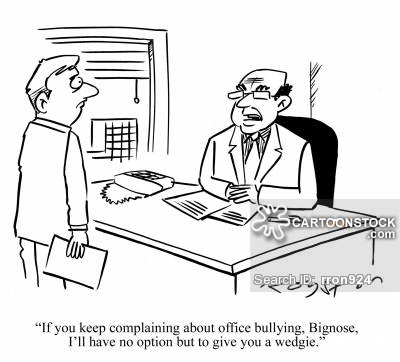
I’ve mentioned before, in this new place I am now working, I have been having issues at work, but I’ve never really elaborated on it. Today I am going to talk about some of what I am going through and what I have learned from my research on how to deal with such issues. Maybe someone else can benefit from it.


I have a colleague on the same team, who is junior to me, both in the number of years of experience we have as well as in the hierarchy of the organisation. For some reason, from the day I joined the organisation, this person has been borderline rude with me. They would be careful to be sweet and nice when in the presence of others, it was only when they were with me and maybe an intern who was working with them, would the nastiness surface. I was new to the organisation and I didn’t know how things are run. This person had been here for around a year before I joined. Anytime I asked them anything, it would be met with a curt, “I am busy” but they were not busy to chit chat with others during the time they were supposed to be busy. This went for around a month, but till that time it was done very passively. After a month of this, I sent this person an email about something which was not in both our job scopes, but which we had to do to help out. My email to the person was that when they were away, I will step in and the very rude reply I got was it was not their job too and so I was not doing them any favours. I had copied the email to our manager and the reply was also sent to everyone.


At some point, I did bring up this person’s attitude to our manager, but till date, I have not seen a resolution of the issue. I am not sure if the manager has managed to speak to this person, but since I don’t really see any improvement in attitude, I am guessing no.

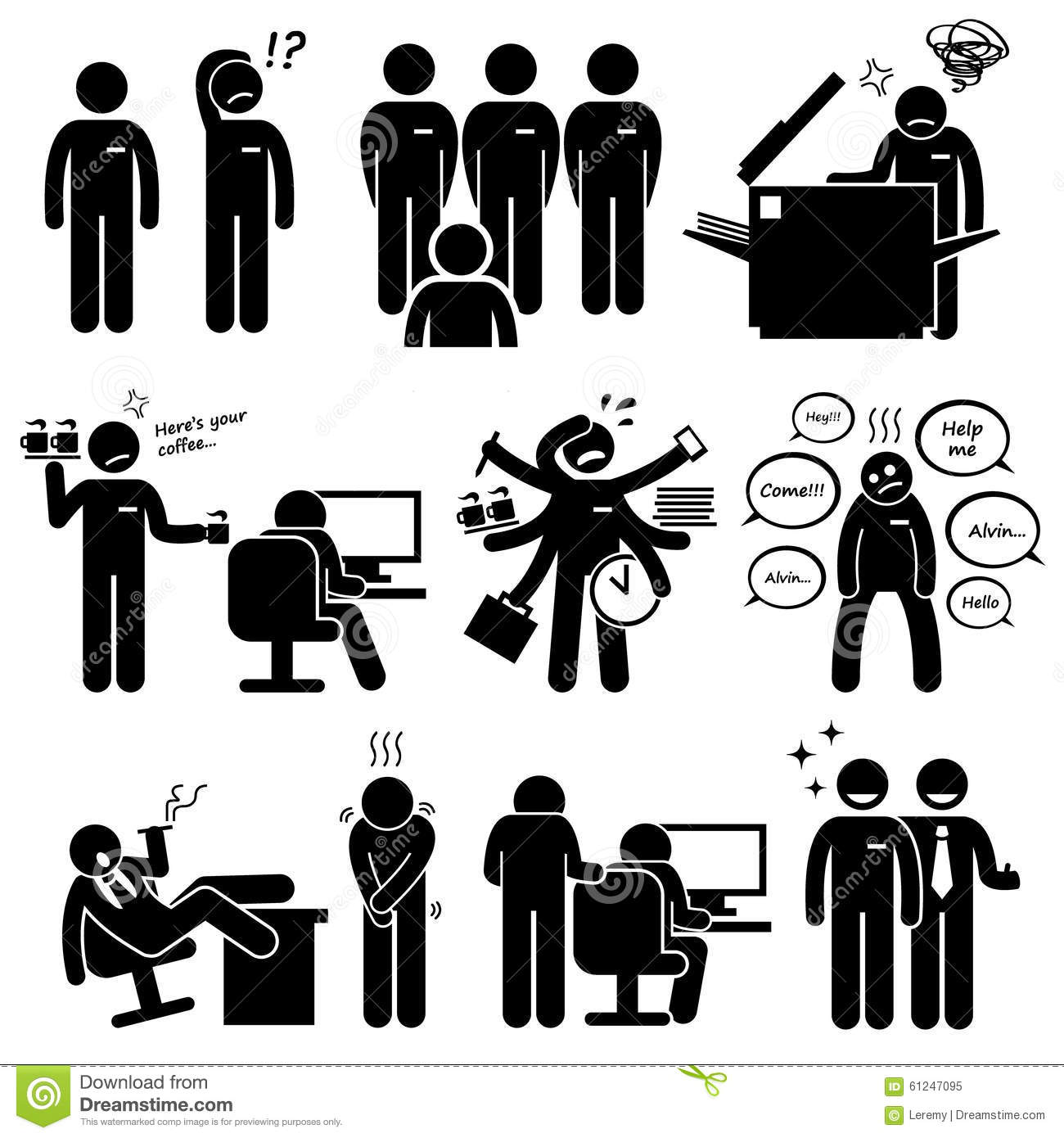
So what do I do in such a case? I decided to read up and am following these points. It may be useful to others who are recipients of workplace bullying which is why I decided to blog about it.


When faced with a bully at work, we can either leave that toxic environment, stay quiet in the hope that it will blow away or confront the bully. Since I was new, leaving was not an option, I did speak to our manager, who didn’t do much to mitigate the issue and I didn’t want to confront the bully, but wanted to make sure I was no longer bullied


I first stopped talking to the bully. I didn’t interact much with them unless it was work specific and even then, I made sure I always tried to email them with a copy to our manager. This way, any rude or bullying behaviour would be out in the open and also documented since my problem was that this bully was sweet in front of others and rude when it was just us interacting. You could also keep a record of all interactions with the bully and if possible document every interaction.

After you have gathered the information, try to make time with the bully and speak calmly and emotionlessly. I need to work on this as I tend to get emotional in such times, but take deep breaths if that helps and speak to the bully. This approach may or may not work, depending on how the bully rolls, so prepare to take a step back and come back with reinforcements (aka your manager).


Usually, the perpetrator in a bullying incident is mostly intimated by you, either by what you bring to the table in terms of experience or job knowledge or what they stand to lose in terms of how your work will affect their standing in the organisation. I suspect in my case this is what happened. The bully in my instance probably thought I was a threat to them, though how I don’t know and used rude and disrespectful tones and language to compensate for that.


Another thing that usually works is not to stoop down to the bully’s level. It’s very tempting (believe me, I know), to respond with rude behaviour when faced with such behaviour, but I now believe in this, as Michelle Obama famously said, “When they go low, we go high”! Respond to rude behaviour with extreme politeness. If the rude behaviour is via email, I go very formal and polite and when a senior person sees the email exchange, the contrast between the two tones cannot be more obvious!

Lastly, I’d say don’t take this rudeness and bullying personally and over analyse everything (I am guilty of this). It is possible that the bully might have felt slighted over something you said or did, which is why they are behaving the way they do. I suspect this could have happened in my case also. In the last month, maybe I said or did (or didn’t say or do) something which may have been important to this person. Maybe once you figure out the reason why the bully behaved that way, behaviours on both sides can change. I do plan to do exactly that and see if I can figure out why my bully is behaving in such a way and see if I can turn the situation around.


Do you have any other way to work around a bully? I’d love to hear your ideas!